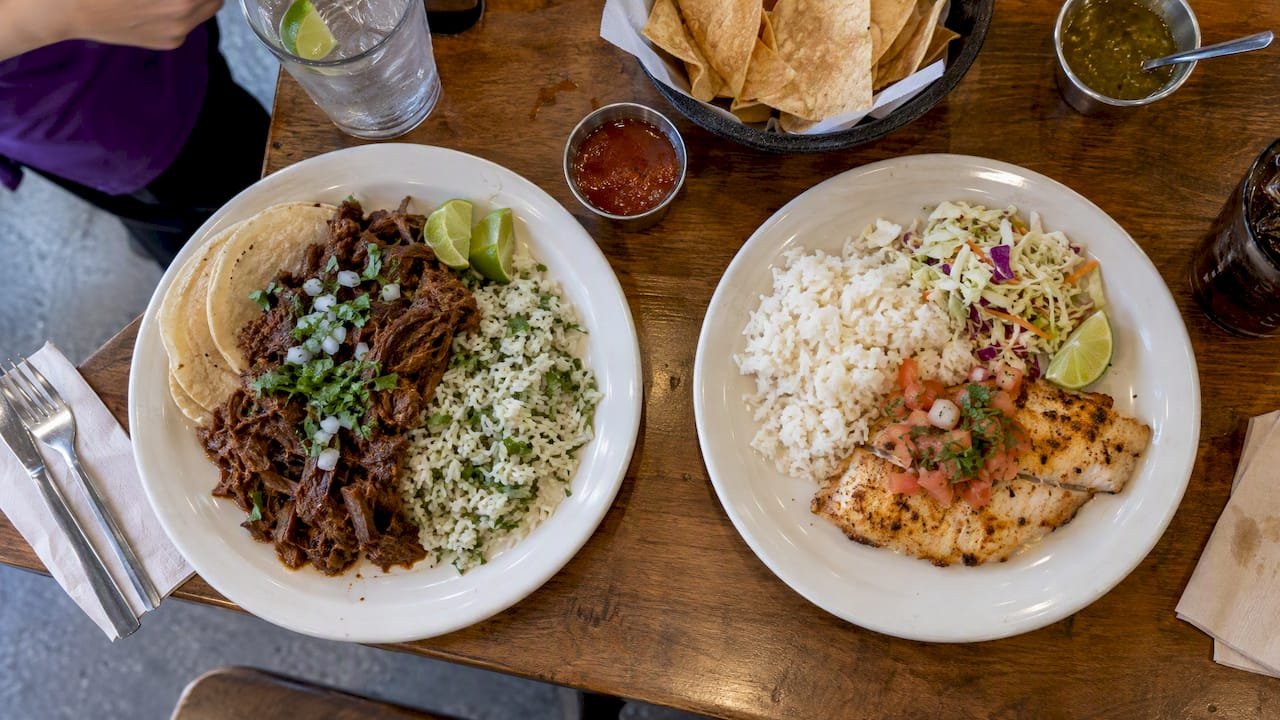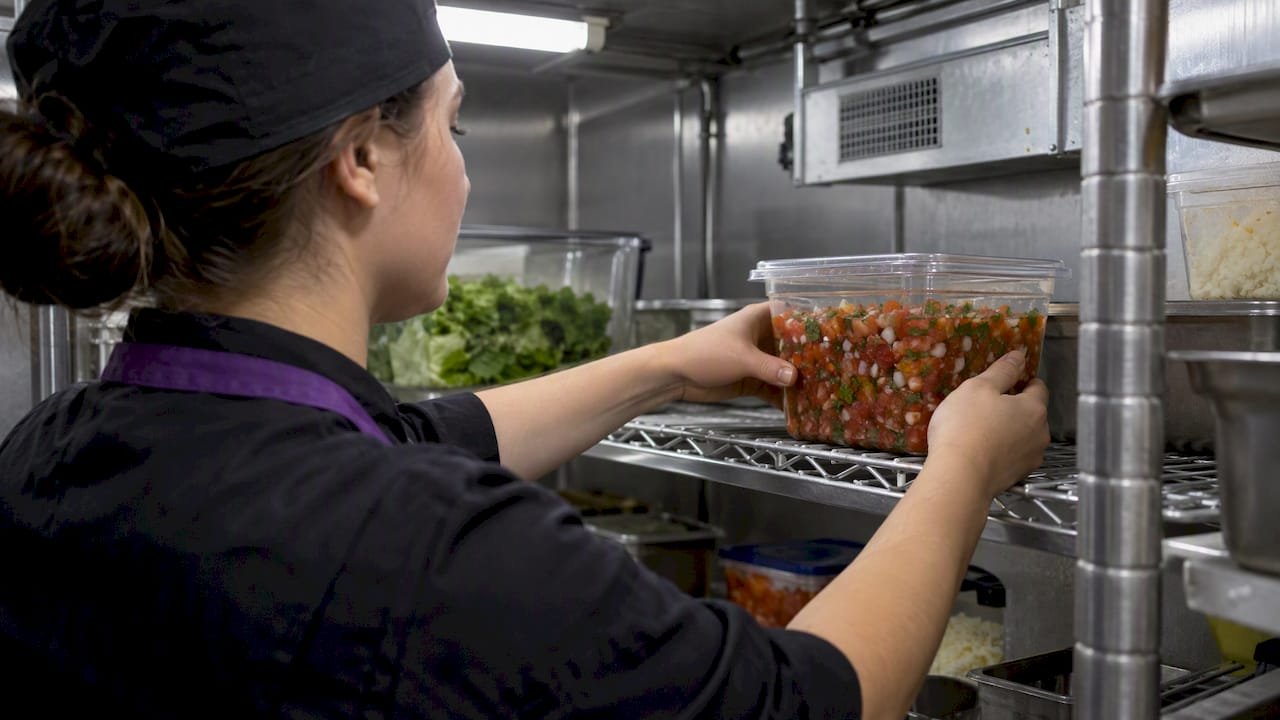
Clean eating in fast-casual dining is defined as choosing meals built from whole, minimally processed ingredients, prepared without artificial additives, preservatives, or refined sugars. The concept is not a rigid diet. Nutrition experts describe it as a lifestyle approach centred on the 85/15 rule: 85% of meals focus on whole, nutrient-dense foods, and the remaining 15% allow for flexibility. That balance makes clean eating genuinely sustainable for people eating out several times a week. Fast-casual restaurants sit at the intersection of speed and quality, making them the most practical venue for applying clean eating principles outside the home.
What is clean eating in fast-casual restaurants?
Clean eating in fast-casual settings means the restaurant commits to ingredient transparency and avoids cooking methods that strip nutritional value. The industry standard includes no deep-frying, no artificial colours, no synthetic flavourings, and no added preservatives. Ingredient transparency and the removal of artificial preservatives are now baseline expectations at restaurants that market themselves as clean.
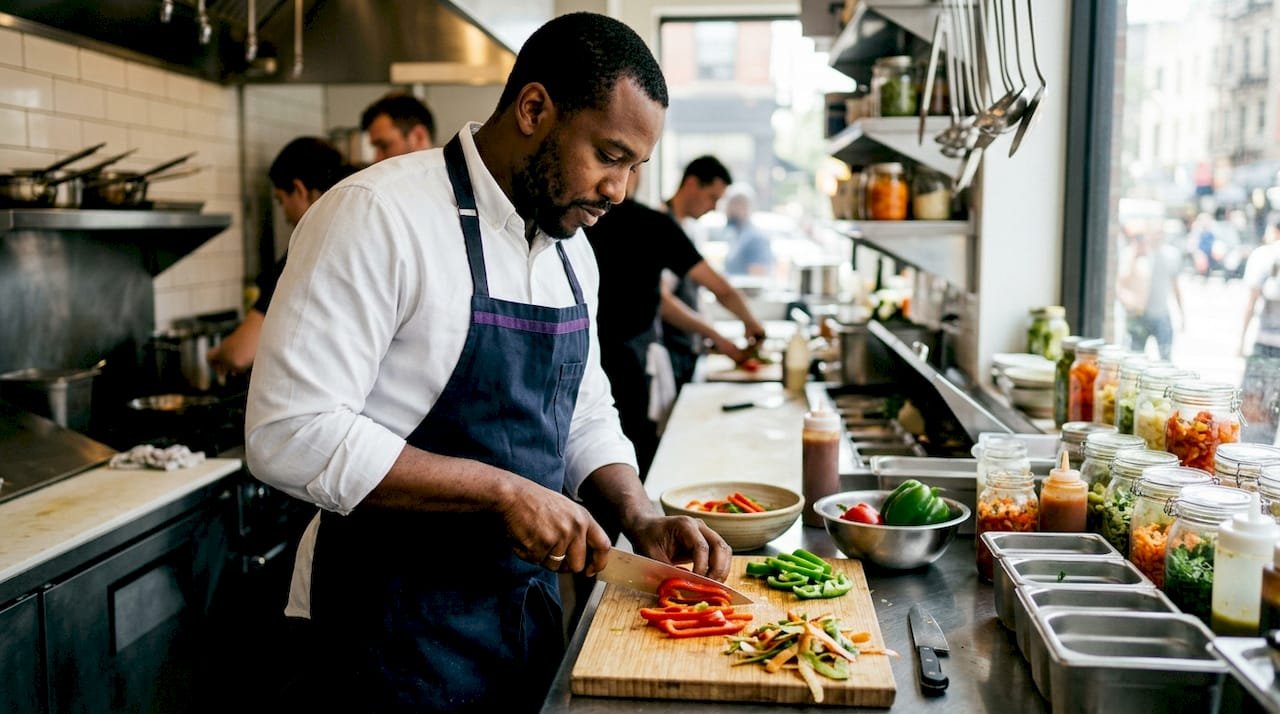
The fast-casual format makes this possible in a way traditional fast food cannot. Kitchens prepare food fresh each day rather than relying on pre-packaged, shelf-stable components. Proteins are grilled, braised, or slow-cooked. Vegetables are chopped on-site. Sauces are made from recognisable ingredients you could find in any home kitchen.
Burritosplendido in Winnipeg is a clear example of this model in practice. Every item is prepared from scratch daily, using 100% Manitoba-produced flour for house-pressed tortillas, poultry from Granny’s Chicken, pork from local farms, and cheese from Bothwell Cheese. The kitchen operates without a deep fryer. That single operational choice removes an entire category of processed, high-fat cooking from the menu.
Pro Tip: When evaluating a fast-casual restaurant’s clean credentials, ask whether the kitchen uses a deep fryer. Its absence is one of the clearest signals that the menu prioritises whole-food preparation.
What are the clean eating guidelines fast-casual restaurants follow?
Fast-casual restaurants that align with clean eating guidelines share a consistent set of sourcing and preparation principles. These are not marketing claims. They reflect specific supply chain decisions that affect every item on the menu.
- Locally sourced produce: Restaurants partner with regional farms and distributors to reduce time between harvest and plate. Burritosplendido sources fresh produce through Peak of the Market, a Manitoba-based cooperative known for seasonal quality.
- Non-GMO and organic ingredients: Many clean-focused fast-casual kitchens specify non-GMO grains and, where budget allows, certified organic produce for high-use items like leafy greens and tomatoes.
- Antibiotic-free and hormone-free proteins: Antibiotic-free proteins sourced from farms with transparent practices are a core clean eating standard. This applies to chicken, beef, and pork across the menu.
- No artificial additives: Clean menus exclude artificial colours, synthetic flavourings, and chemical preservatives. This extends to condiments and sauces, which are the most common hiding places for additives.
- Whole-grain and vegetable bases: Brown rice, whole-grain tortillas, and vegetable-forward bowls replace white rice, refined flour wraps, and filler-heavy sides.
- Minimal processing: Proteins are hand-pulled, slow-cooked, or grilled. Burritosplendido’s Carnitas, Barbacoa, and Adobo Chicken are all slow-cooked and hand-pulled in-house, with no shortcuts.
Understanding local sourcing benefits helps explain why these sourcing decisions matter beyond marketing. Local supply chains reduce the need for preservatives because transit times are shorter. Fresher ingredients also carry higher nutrient density, which directly supports the clean eating goal of maximising nutritional value per meal.
How can you order clean at a fast-casual restaurant?
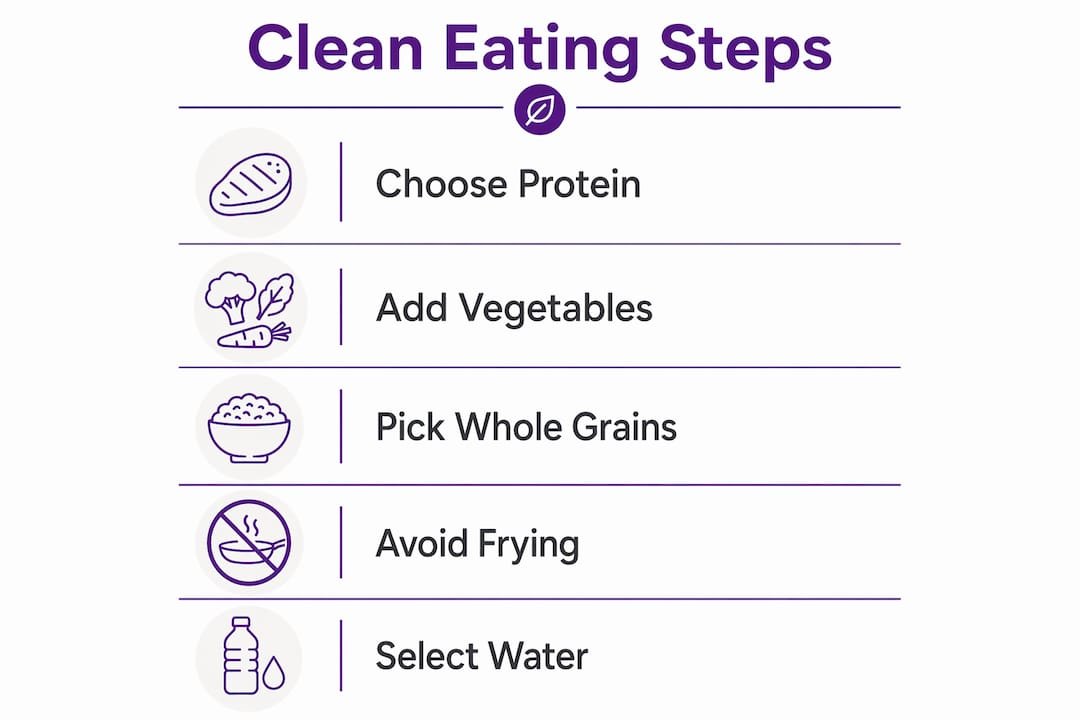
Ordering clean at a fast-casual restaurant is a four-step process that works across most menu formats, from burrito bowls to grain bowls to salads.
-
Choose a grilled lean protein. Grilled chicken, braised beef, or slow-cooked pork are the cleanest protein options. Avoid anything described as crispy, battered, or fried. Grilled proteins preserve amino acid profiles without adding refined oils or coatings.
-
Load up on fibrous vegetables. Pile on raw or lightly cooked vegetables: peppers, onions, tomatoes, leafy greens, and corn. These add fibre, micronutrients, and volume without processed calories. The more colour on your plate, the broader the nutrient range.
-
Select a whole-grain or vegetable base. Brown rice, whole-grain tortillas, or a vegetable base like shredded cabbage are the right choices. White rice and refined flour tortillas are not inherently harmful, but they offer less fibre and fewer micronutrients per serving.
-
Skip or minimise processed add-ons. Sour cream, heavy cheese sauces, and pre-made dressings are the most common sources of hidden additives. Fresh salsa, guacamole, and lime juice are clean alternatives that add flavour without compromising ingredient quality.
Beverage choice matters as much as food choice. Choosing water over sugar-sweetened drinks maintains the nutritional integrity of an otherwise clean meal. A grilled protein bowl paired with a large soda delivers a mixed nutritional signal that undermines the clean eating goal.
Pro Tip: Customisable orders are your most powerful tool. Most fast-casual restaurants will build any combination you request. Ask for sauces on the side so you control the quantity, and request extra vegetables at no additional cost.
Clean eating is about consistency over perfection. A meal that is 90% clean is far better than skipping the restaurant entirely because the menu is not perfect. Fear of imperfection is the most common reason people abandon clean eating habits when eating out.
What are the supply chain realities behind a clean fast-casual menu?
Maintaining a clean menu is an operational challenge that most diners never see. Achieving a clean menu requires supply chain coordination to remove hidden additives like anti-caking agents in shredded cheese and artificial colouring in seasoned proteins. These additives are standard in conventional food manufacturing, so removing them means finding alternative suppliers or reformulating products entirely.
The cost impact is real. Clean-eating fast-casual meals typically range between $10 and $13 per serving, reflecting the premium cost of additive-free ingredients and smaller-scale local suppliers. That price point is higher than conventional fast food but significantly lower than sit-down restaurant dining.
| Supply chain factor | Conventional fast food | Clean fast-casual |
|---|---|---|
| Protein sourcing | Commodity suppliers, often undisclosed | Local or named farms, antibiotic-free |
| Additives in ingredients | Common (anti-caking, colouring, preservatives) | Removed or avoided through supplier vetting |
| Cooking method | Deep-frying standard | Grilling, braising, slow-cooking |
| Ingredient transparency | Limited | Full menu disclosure standard |
| Price per meal | $6–$9 | $10–$13 |
Diners who find the price premium challenging can offset it using cashback and loyalty apps, which are now standard features at most fast-casual chains. Rewards programmes effectively reduce the per-meal cost over time without requiring any change to ordering behaviour.
How does fast-casual clean eating compare to home cooking and traditional fast food?
Fast-casual clean eating occupies a distinct position between home cooking and traditional fast food. It is not as controlled as cooking at home, but it is far more transparent than conventional fast food. Fast food is not inherently incompatible with clean eating. The difference lies in menu navigation and ingredient sourcing, not the format itself.
Home cooking gives you complete control over every ingredient, but it requires time, planning, and consistent grocery access. For people working full days or managing families, that level of control is not always realistic five nights a week. Fast-casual restaurants fill that gap by doing the sourcing and preparation work on your behalf, provided you choose the right ones.
Traditional fast food relies on ultra-processed ingredients, standardised across thousands of locations using preservatives and artificial additives to maintain consistency. Clean fast-casual restaurants reject that model. They accept higher ingredient costs and shorter shelf lives in exchange for food that aligns with whole-food principles and nutrient density.
The evolving consumer demand for cleaner menus is reshaping the fast-casual sector. Restaurants that once relied on processed shortcuts are reformulating recipes, removing artificial ingredients, and publishing full ingredient lists. That shift is driven by diners who read labels and ask questions, not by regulatory pressure alone. Exploring healthy fast-casual trends in 2026 shows how quickly the sector is moving toward cleaner defaults across the board.
Key takeaways
Clean eating in fast-casual dining is achievable and sustainable when you choose restaurants that commit to whole-food sourcing, additive-free preparation, and full ingredient transparency.
| Point | Details |
|---|---|
| The 85/15 rule | Aim for 85% whole, nutrient-dense meals and allow 15% flexibility to stay consistent long-term. |
| Deep-fryer-free kitchens | The absence of a deep fryer is the clearest operational signal of a clean fast-casual kitchen. |
| Four-step ordering | Choose grilled protein, add fibrous vegetables, select a whole-grain base, and skip processed sauces. |
| Supply chain transparency | Clean menus require active supplier vetting to remove hidden additives like anti-caking agents and artificial colouring. |
| Cost management | Clean fast-casual meals average $10–$13; loyalty and cashback apps reduce the effective price over time. |
Why I think clean fast-casual is the most underrated health decision you can make
People treat clean eating as a home-cooking project. They buy meal prep containers, spend Sunday afternoons chopping vegetables, and feel guilty the moment they eat out. That framing is wrong, and it keeps a lot of people stuck in an all-or-nothing cycle that does not serve them.
The fast-casual sector has changed significantly. Restaurants are now doing the hard supply chain work: vetting suppliers, removing additives, cooking from scratch. The gap between a well-chosen fast-casual meal and a home-cooked meal is smaller than most people assume. What matters is knowing which restaurants have actually committed to those standards and which ones are using clean-sounding language without the operational substance behind it.
My honest take is that the best proxy for a genuinely clean fast-casual kitchen is not the menu copy. It is the sourcing decisions. Does the restaurant name its suppliers? Does it operate without a deep fryer? Does it prepare proteins in-house rather than receiving pre-cooked, pre-seasoned product? Those three questions cut through the noise faster than any nutritional label.
Burritosplendido answers all three clearly. Named Manitoba suppliers, a fryer-free kitchen, and slow-cooked proteins prepared daily. That is not marketing. That is an operational commitment that shows up in the food. If you are in Winnipeg and you want clean fast-casual without guessing, that is where I would go. For diners navigating other cities, the same three questions apply to any restaurant you are evaluating.
The broader point is this: clean eating does not require a kitchen. It requires choosing restaurants that have already done the work.
— Austin
Burritosplendido: fresh, local, and built for clean eating
Burritosplendido was built around the same principles that define clean fast-casual dining: locally sourced ingredients, additive-free preparation, and full customisation to fit your dietary needs.
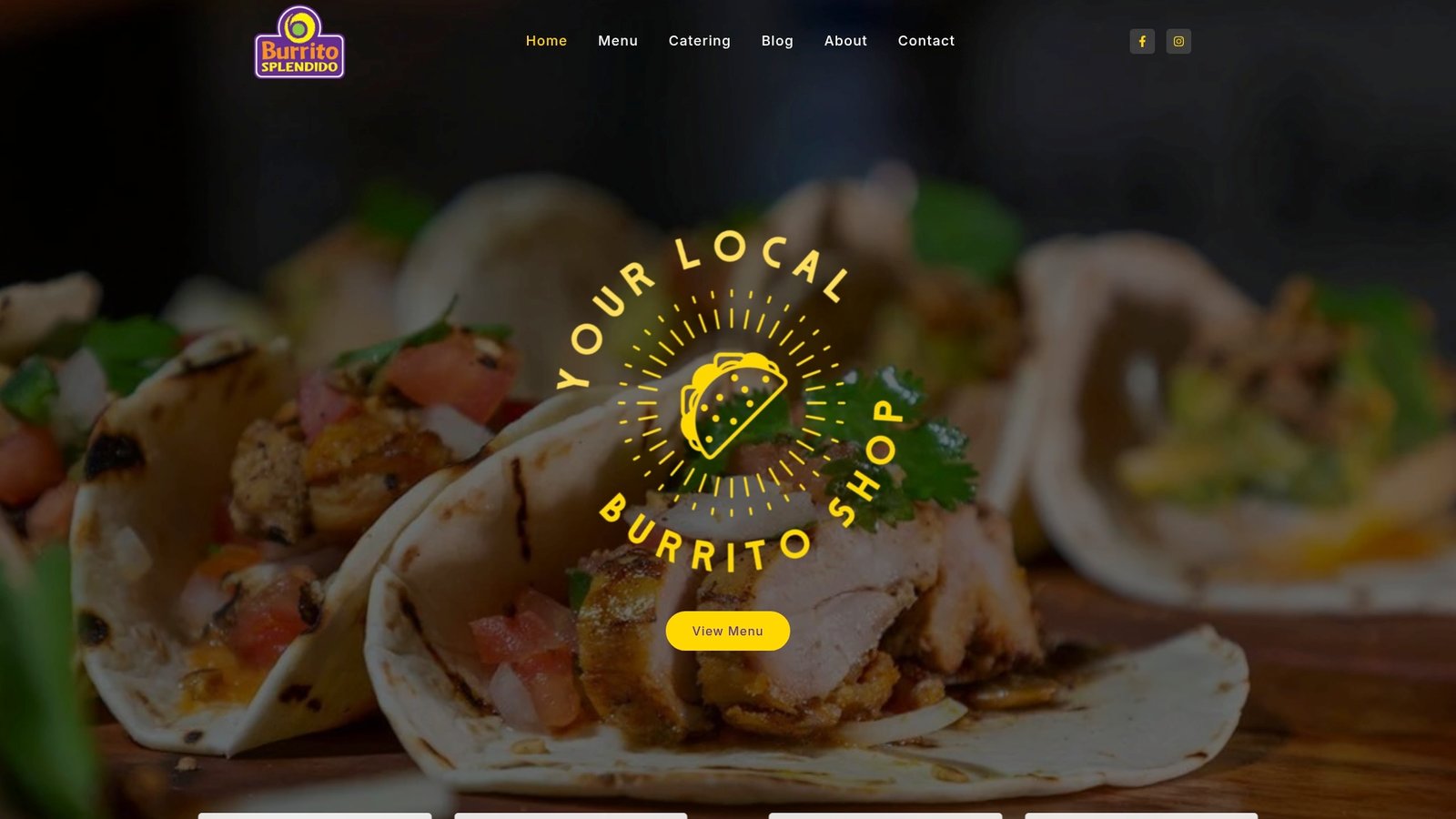
Every protein on the menu, from slow-braised Carnitas to hand-pulled Barbacoa, is prepared in-house daily using Manitoba-sourced ingredients. The kitchen operates without a deep fryer, and the menu covers gluten-free, vegan, keto, and paleo preferences. Whether you are building a fresh Manitoba-inspired bowl or customising a street-style taco order, the ingredients are clean by design, not by exception. Visit burritosplendido.com to see the full menu and find a location near you in Winnipeg or Brandon.
FAQ
What is clean eating in fast-casual dining?
Clean eating in fast-casual dining means choosing meals made from whole, minimally processed ingredients, prepared without artificial additives, preservatives, or deep-frying. The 85/15 guideline applies: 85% of meals focus on whole foods, with 15% flexibility built in.
How do I know if a fast-casual restaurant is truly clean?
Look for named local suppliers, a fryer-free kitchen, and proteins prepared in-house. Ingredient transparency and the removal of artificial preservatives are the clearest operational signals of a genuinely clean menu.
What should I order to eat clean at a fast-casual restaurant?
Choose grilled or slow-cooked proteins, load fibrous vegetables, select a whole-grain or vegetable base, and avoid heavy sauces. Customisable orders give you the most control over ingredient quality and portion composition.
Is clean fast-casual food more expensive than regular fast food?
Clean fast-casual meals typically cost between $10 and $13 per serving, compared to $6–$9 for conventional fast food. Loyalty and cashback apps offset that premium over time without changing your ordering habits.
Can clean eating work for gluten-free or vegan diets at fast-casual restaurants?
Clean eating aligns naturally with gluten-free and vegan diets because both prioritise whole, minimally processed ingredients. Restaurants like Burritosplendido offer gluten-free dining options including soft corn tacos and vegan protein choices, with staff trained to handle cross-contamination concerns.