Order a grilled-protein bowl or two corn-tortilla tacos, keep the sauces on the side, and ask for no added salt or MSG. Health Canada’s adult Daily Value for sodium is 2,300 mg, and on a label 5% DV or less is a little while 15% or more is a lot. Kitchens vary widely, so changing how the food is prepared helps more than any menu label.
TL;DR:
- Choose plain grilled chicken, fish, or beef instead of chorizo or pre seasoned meat, and whole black or pinto beans instead of refried beans.
- Ask whether proteins are marinated or seasoned with blends that contain salt, since grilled meat can still carry sodium from marinades, brines, and seasoning packets.
- People with kidney disease should follow a dietitian’s plan because specific potassium, phosphorus, and fluid limits may matter alongside sodium.
- Recipe examples list a steak taco at about 340 mg sodium and a chicken tostada at 220 mg, but restaurant portions can differ.
- Order a smaller portion or share an oversized burrito, and box half before eating to avoid finishing the full meal by default.
Table of Contents
- Which Mexican orders tend to run lower in sodium?
- What ingredient swaps actually cut the salt?
- Which sides and starters should you skip, and how do you control portions?
- What exactly should you say to your server?
- What do sample low-sodium orders look like?
- Where does sodium hide in Mexican dishes?
- How does our kitchen handle dietary requests?
- Our editorial take: the script matters more than the menu
- Make your low-sodium order easy at Burrito Splendido
- FAQ
- Sources
Which Mexican orders tend to run lower in sodium?
These are the choices we point people to first. Each one works because it uses fewer processed ingredients or smaller portions, and each gets better when you add a “no added salt” request.
- Grilled chicken, fish or shrimp bowl with extra vegetables: fresh protein can help you avoid cured or pre-seasoned meats, and the bowl format may make portions easier to control.
- Two corn-tortilla tacos with lean grilled protein and salsa on the side: small tortillas and measured fillings keep the total down, and you decide how much salsa goes on.
- A naked burrito or bowl with black beans and vegetables: skipping the large flour tortilla can reduce the amount of tortilla in the meal.
For a sense of what a taco can look like, the National Kidney Foundation’s Mexican recipe collection lists one strip-steak taco at about 340 mg of sodium and a chicken tostada at about 220 mg. Those are recipe values, so a restaurant version can differ a lot. Still, they show tacos can fit a lower-sodium pattern when the build is simple.
Restaurant practices vary, which is why the order and the request go together. Health Canada’s guidance on eating out points diners to what they can control: portion size, sauces, added salt and the menu item itself. A cuisine label on the door guarantees nothing.
If you also manage other dietary limits, our guide to ordering low FODMAP Mexican food uses the same short-request approach. For readers who need to juggle several restrictions at once, lactose-free meal ordering ideas cover the practical side of takeaway requests.
What ingredient swaps actually cut the salt?
Useful swaps replace heavily seasoned or processed items with fresh options, then add flavour with ingredients that can add little or no sodium.
- Fresh protein instead of chorizo or processed meats: grilled chicken, fish or plain shredded beef give you the flavour of a taco without the cure and seasoning blend.
- Whole beans instead of refried: choose black or pinto beans, and ask whether canned beans can be rinsed before serving.
- Sauces, dressings and pickled toppings on the side: you use a spoonful instead of a ladle.
- Lime, herbs, garlic and chiles for flavour: Health Canada suggests fresh herbs, garlic, ginger, onion, vinegar and citrus juice in place of salt, and notes that specialty salts contain close to the same sodium as table salt.
- Corn tortillas or a bowl instead of a large flour tortilla: this can be a way to choose a smaller tortilla portion or skip the tortilla.
The National Kidney Foundation’s Mexican kidney-friendly guide names processed meats, seasoning packets, canned foods and bottled sauces as common sodium sources in this cuisine. It also points to fresh herbs, lime, garlic and homemade salsa as the way to keep control.
Pro Tip: Ask whether the protein is marinated or pre-seasoned. If it is, request it plain grilled, or cooked without added salt or MSG, and add lime and salsa at the table.
One caution: a lower-sodium dish is not automatically right for someone with kidney disease, because potassium, phosphorus and fluid may also need limits. If that is you, a dietitian’s plan comes first.
Which sides and starters should you skip, and how do you control portions?
The usual traps are the things that arrive before the meal and the things that make the meal huge.
- Skip or share: chips and queso, nachos, and fried starters like flautas and chimichangas.
- Watch the size: extra-large burritos pack a lot of tortilla, rice, cheese and sauce into one item.
- Order smaller or split it: Health Canada recommends smaller portions or sharing. Box half before you start eating, so the decision is made before the food is in front of you.
- Choose simpler sides: extra vegetables, a simple salad with dressing on the side, or a small scoop of plain rice.
- Be wary of combos and pre-sauced platters: the sauce is often where the hidden sodium sits. When in doubt, pick something freshly grilled.
Vegetable sides can be very low when nobody salts them. The National Kidney Foundation’s calabacitas recipe lists 40 mg of sodium per one-cup serving. A restaurant version may add salt, which is one more reason to say so when you order.
What exactly should you say to your server?
Short, polite and specific works best. You are asking the kitchen to change one or two things, not to rewrite the dish.
Three lines cover most of it:
- “Can you cook this with no added salt or MSG, please?”
- “Can you put the sauces on the side?”
- “Could you double the vegetables instead of extra rice?”
Two questions are worth asking before you commit: “Do you have nutrition information or sodium per serving?” and “Is the protein marinated or seasoned with a blend that contains salt or MSG?” Most restaurants in Canada are not required to show a Nutrition Facts table, according to the Canadian Food Inspection Agency, so the answer may be a conversation, not a printout.
Here is the order of operations at the counter or table:
- Pick a grilled protein bowl, two corn tacos, or a naked burrito.
- Say “no added salt or MSG” up front, before you list toppings.
- Ask for sauces, salsa and dressing on the side.
- Swap extra rice for extra vegetables, and choose whole beans over refried.
- Ask for a to-go box when the food arrives, and portion half away before you eat.
What do sample low-sodium orders look like?
Use these word for word or adapt them. The sodium figures in recipes online are illustrative, and restaurant values vary, so check nutrition information when it is available.
- Quick solo lunch: a naked grilled chicken bowl with a small portion of brown rice, rinsed black beans, extra vegetables, salsa on the side and a lime wedge. Ask for no added salt.
- Family dinner: two grilled fish tacos on corn tortillas each, a side salad with dressing on the side, and one small rice portion shared across the table. Ask the server about the seasoning on the fish.
- Takeout: request no added salt and sauces on the side, then ask the staff to box half before you leave, or to portion the order into two containers in the store. Delivery is easy to over-eat when it all comes in one container.
- If you cook at home sometimes: our tips for fresh Mexican cooking at home show how to copy these swaps in your own kitchen.
Anyone also cutting carbs can combine these with our low carb Mexican orders, since the bowl and taco builds overlap.
If you want a broader view of balanced plates, our healthy Mexican order guide covers quick swaps from a wider angle.
Where does sodium hide in Mexican dishes?
Knowing the sources makes the requests feel logical instead of fussy.
Salt tends to hide in marinades, seasoning blends, canned or bottled sauces, cheese, salted chips, seasoned tortillas and broths. In a restaurant kitchen, that can also mean premade sauces, brines and seasoning packets, and the amount differs from one kitchen to the next.
When numbers are available, check the serving size first, then the milligrams. Health Canada’s guidance on using food labels explains the %DV rule of thumb: 5% or less is a little, 15% or more is a lot. That helps you compare two menu items quickly, but only if both numbers describe the portion you will actually eat.
How does our kitchen handle dietary requests?
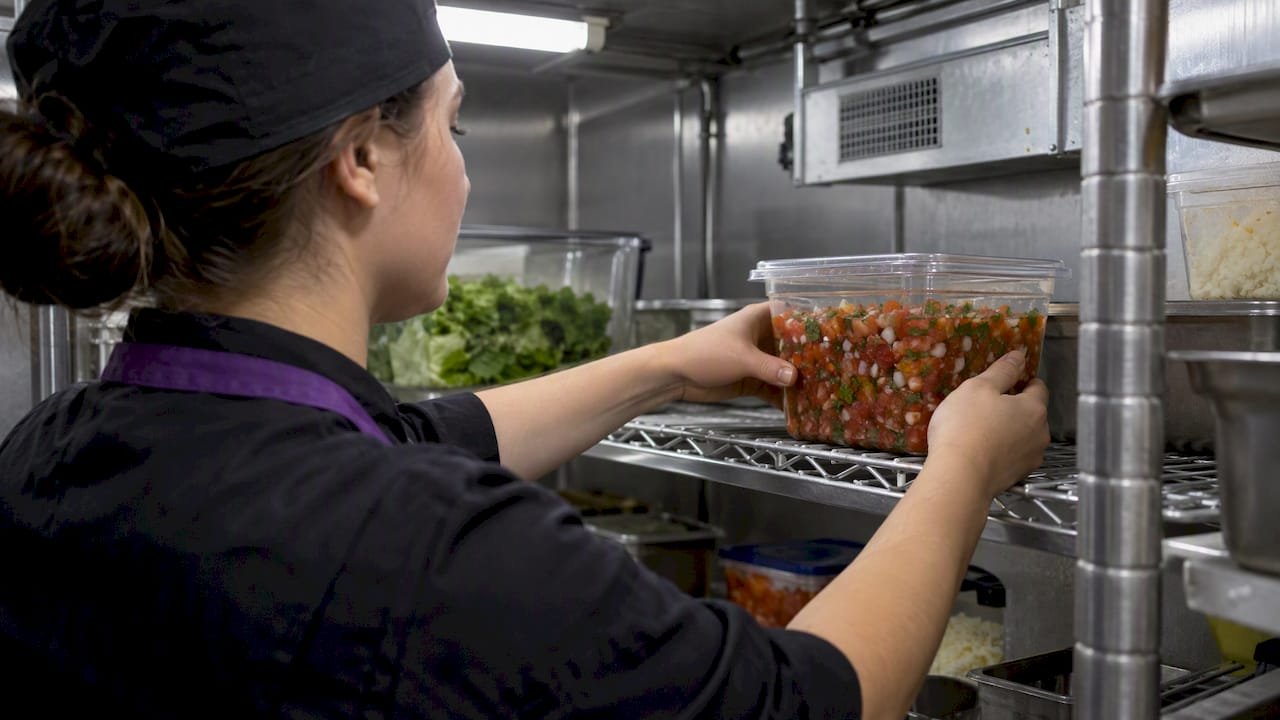
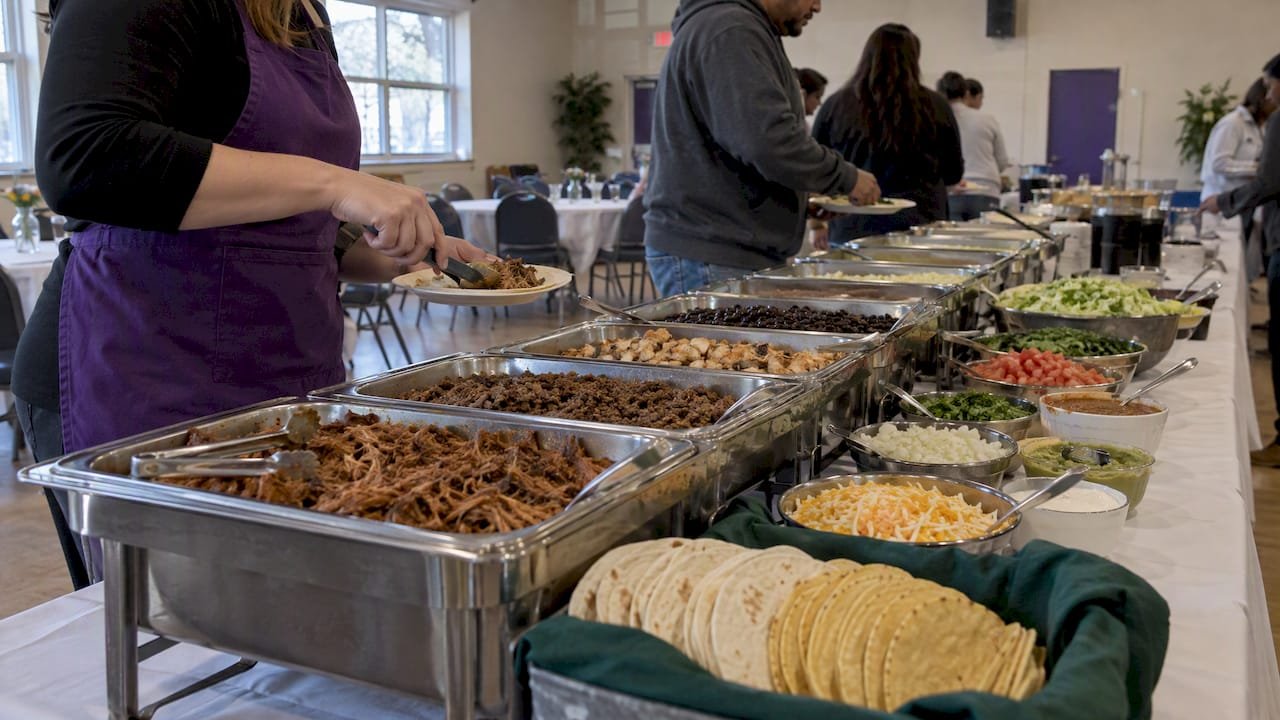
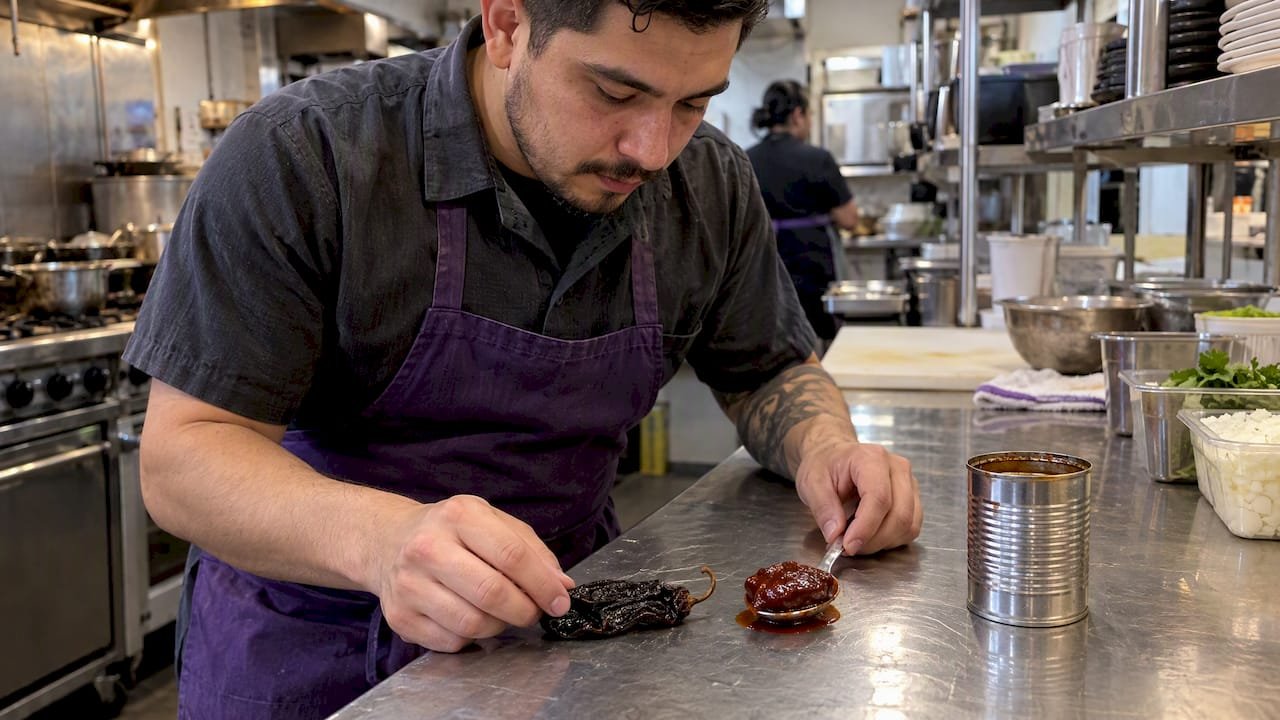
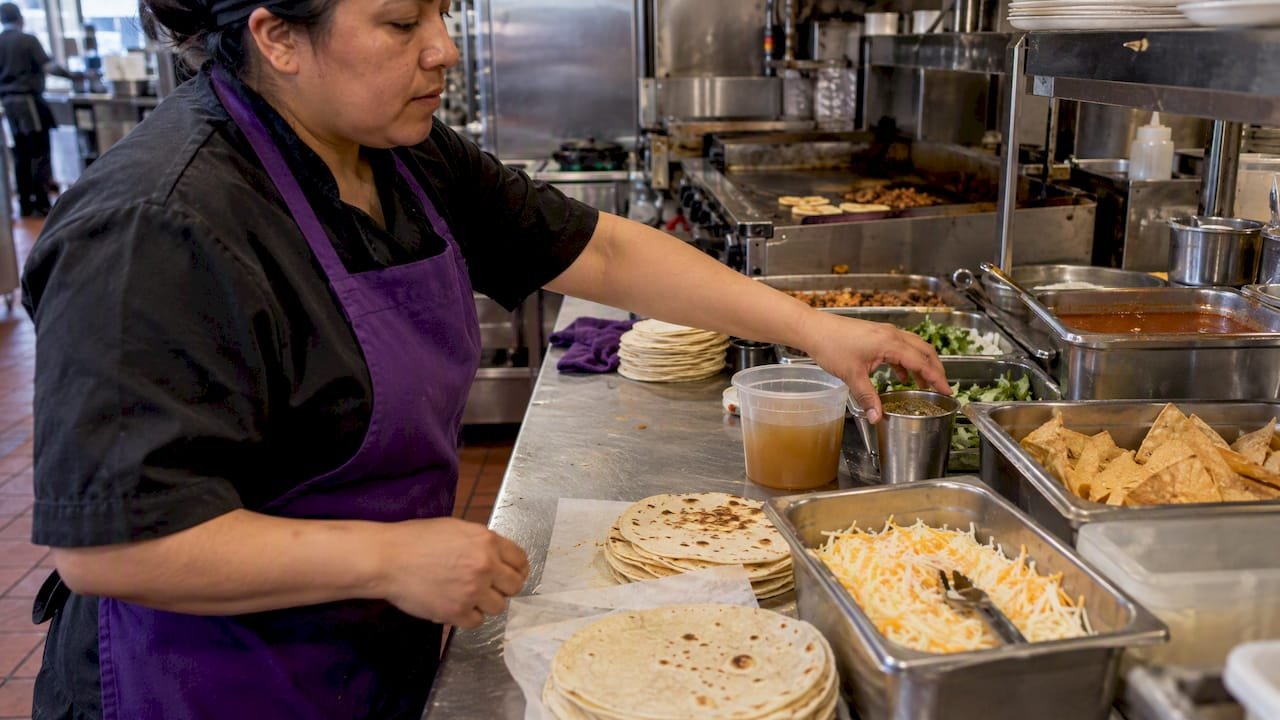
Our kitchen cooks from scratch every day, so most of what you see on the line is made in-house instead of poured from a bag. We run a deep-fryer-free kitchen, and our staff are trained to handle specific dietary needs and cross-contamination concerns. Our proteins are slow-cooked and hand-pulled on site, and our salsas are house-made, which makes it practical to serve sauces on the side and to accept a “no added salt” request on a grilled item.
For a group order, call ahead. Low-sodium handling is easier to plan than to improvise, and we would rather talk it through before the day than during the lunch rush. You can see everything we make on our menu.
Our editorial take: the script matters more than the menu
Most advice on eating out with a sodium limit stops at “choose the healthy option,” which sends people hunting for a magic dish. There isn’t one. A grilled bowl from one kitchen can carry more salt than a taco plate from another, because the marinade, the beans and the sauces decide the total, not the name on the menu.
What the evidence in this article supports is more modest and more useful. Health Canada puts the weight on things you can change: portion, added salt, sauces and what you choose. So the first priority is the request itself. Say no added salt, get sauces on the side, and take half home. The second is to stop trusting words like “fresh” and “grilled” on their own, since a protein can be grilled and still be pre-seasoned.
The third is to be kind to yourself about uncertainty. Restaurant numbers are rarely published, so the aim is a clearly better meal, not a perfect one. If a medical condition sets a strict limit, treat that limit as the rule and ask a dietitian to turn it into an order you can repeat.
— Austin
Make your low-sodium order easy at Burrito Splendido
We build bowls, tacos and salads to order, and our team is used to requests like no added salt, sauces on the side and extra vegetables instead of rice. Start with a grilled-protein bowl or two corn tacos, tell us what you need when you order, and we will work through it with you. Browse the full menu and place your order, or call ahead if you are planning an event: our catering team can plan dietary handling for a group in advance.
This article is general information, not a substitute for advice from a qualified doctor. Consult a qualified healthcare professional about your own circumstances before acting on anything here.
FAQ
What is the healthiest order at a Mexican restaurant?
A grilled-protein bowl or two corn-tortilla tacos with vegetables is a strong place to start. Ask for sauces on the side and no added salt. Smaller portions and fresh, simply cooked ingredients matter more than any single dish name, as Health Canada’s dining-out guidance points out.
What can I order at a restaurant that is low-sodium?
Choose freshly prepared, simply cooked items such as grilled proteins and vegetables. Ask for no added salt or MSG, sauces and dressings on the side, and a smaller portion. Health Canada’s sodium tips for eating out recommend the same moves.
What are some low-salt Mexican food recipes?
Simple, vegetable-led recipes work best. The National Kidney Foundation’s calabacitas with corn and lime lists 40 mg of sodium per cup, and its Mexican recipe page includes tacos and tostadas built on corn tortillas, fresh protein, lime and chiles.
Can you eat tacos on a low-sodium diet?
Yes, usually. Corn tortillas, lean grilled protein, fresh vegetables and salsa on the side keep a taco in a lower-sodium range. Restaurant versions vary, so ask whether the protein is pre-seasoned and request no added salt.