Fresh or homemade salsa stays safest when you refrigerate it right away and eat it within 2 to 3 days, following Health Canada’s leftover guidance. Some kitchen sources stretch that to 3 to 7 days for quality, depending on the recipe and how carefully it was handled. Unopened commercial jarred salsa follows a different clock entirely, and once you crack the lid, it needs the fridge too.
TL;DR:
- Keep fresh salsa in clean, airtight containers at or below 4°C (40°F), label the preparation date, and serve it with clean utensils.
- Unopened commercial jars can stay in the pantry until the printed date, while opened jars require refrigeration and commonly last 2 to 4 weeks.
- Discard the entire batch if you see mold, bubbling, a bulging lid, or an off smell, and never taste questionable salsa to check it.
- Freezing can extend salsa’s quality for months, but the texture softens; thaw it in the refrigerator, then drain excess liquid before serving.
Table of Contents
- Quick reference: fridge, opened jars and homemade batches
- How to store fresh salsa so it lasts longer and stays safe
- How to tell if fresh salsa has gone bad
- Freezing fresh salsa: when to freeze, what it saves, and thawing tips
- Burrito Splendido kitchen perspective: how we keep house-made salsa fresh
- FAQ
- Sources
Quick reference: fridge, opened jars and homemade batches
Not all salsa plays by the same rules, and mixing up the categories is how good batches get tossed early or bad ones get eaten too late. Here’s how the main types stack up against each other.
- Fresh or homemade refrigerated salsa: 2 to 3 days for safety, though quality-focused guidance from University of Minnesota Extension allows up to about a week depending on ingredients and handling.
- Opened commercial jarred salsa: refrigerate it after opening. Common guidance suggests it can last 2 to 4 weeks in the fridge.
- Unopened commercial jarred salsa: pantry-stable, and safe until the date printed on the label.
- Frozen salsa: holds well for months for quality purposes, though the texture softens once thawed.
The gap between homemade and commercial salsa comes down to processing. A jar from the grocery store went through a heat treatment that knocks back the microbes responsible for spoilage, while a bowl you chopped last night did not. That difference is exactly why the safety-first window for homemade batches sits so much tighter than what you’d expect from a sealed jar in your pantry.
How to store fresh salsa so it lasts longer and stays safe
Good storage habits buy you the full safe window and sometimes a bit more on the quality side. None of this is complicated, but skipping a step is usually what shortens a batch’s life.
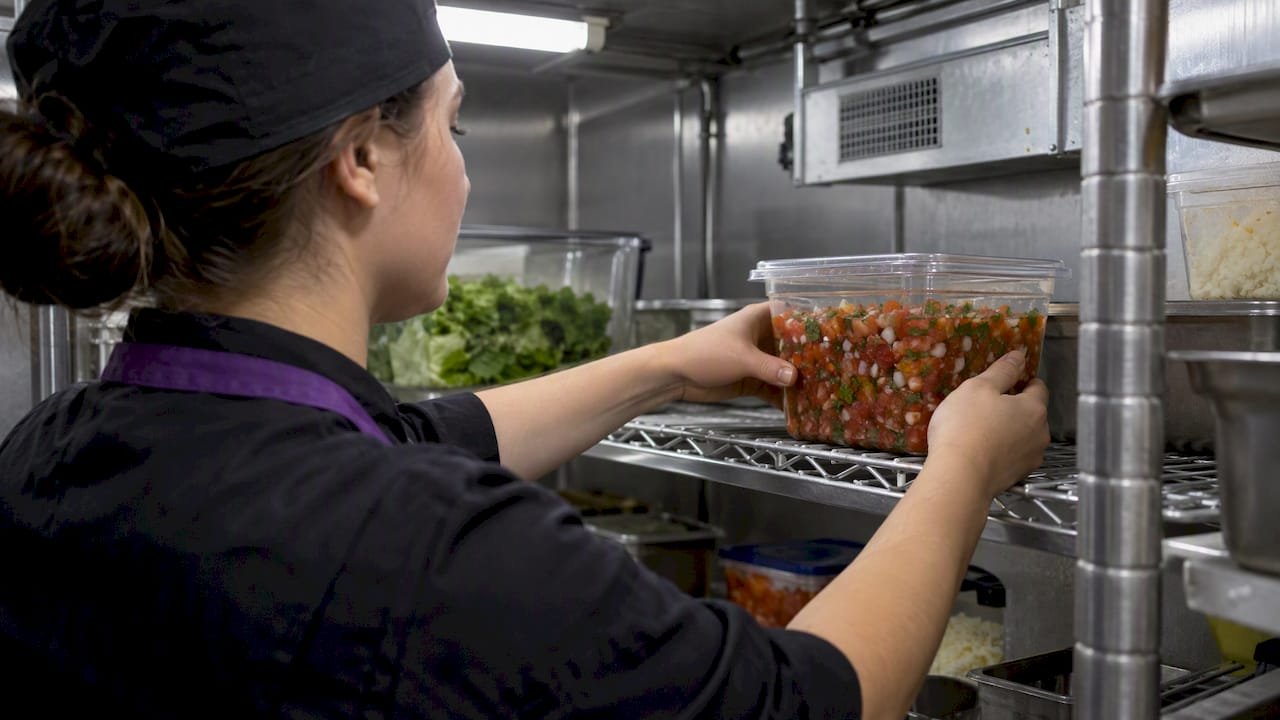
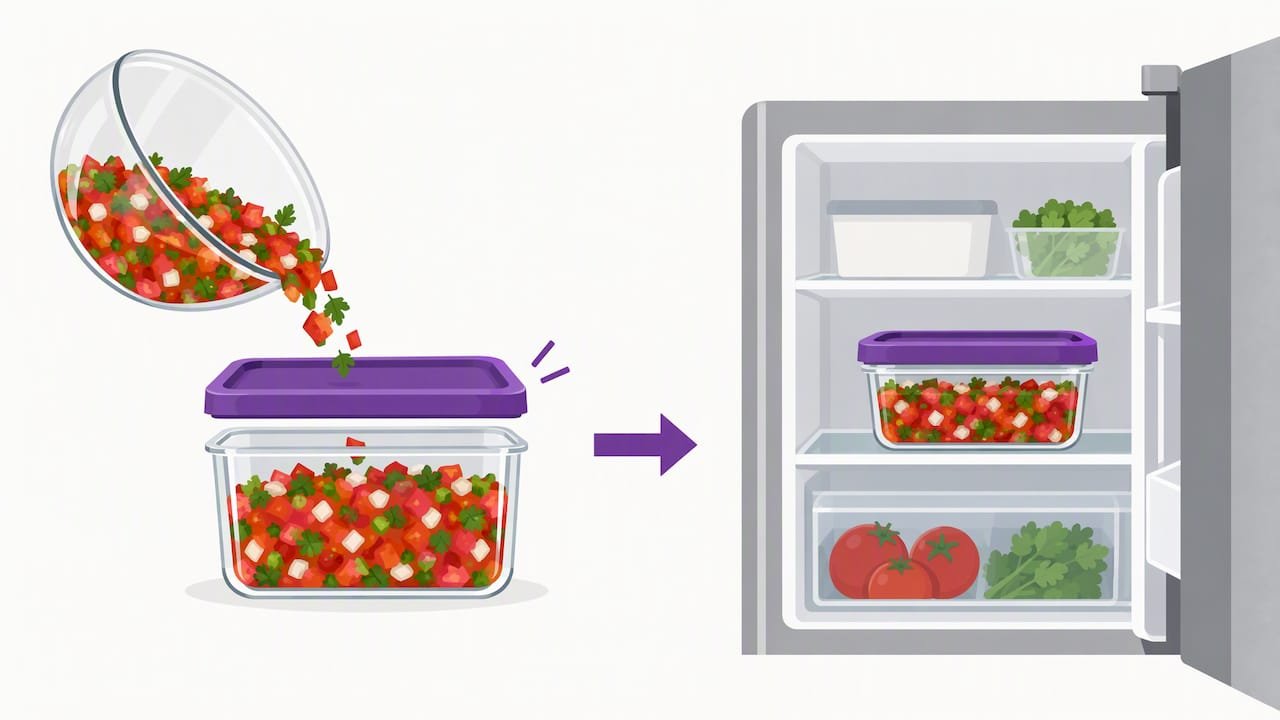
- Refrigerate it promptly after making it, in a clean, airtight container, and keep your fridge at or below 4°C (40°F), the threshold Health Canada identifies as the edge of the temperature danger zone.
- Label the container with the date you made it. A piece of masking tape and a marker solve more food waste problems than any gadget.
- Use a clean spoon every time you serve it. Dipping a used utensil back into the container introduces bacteria that shorten shelf life fast.
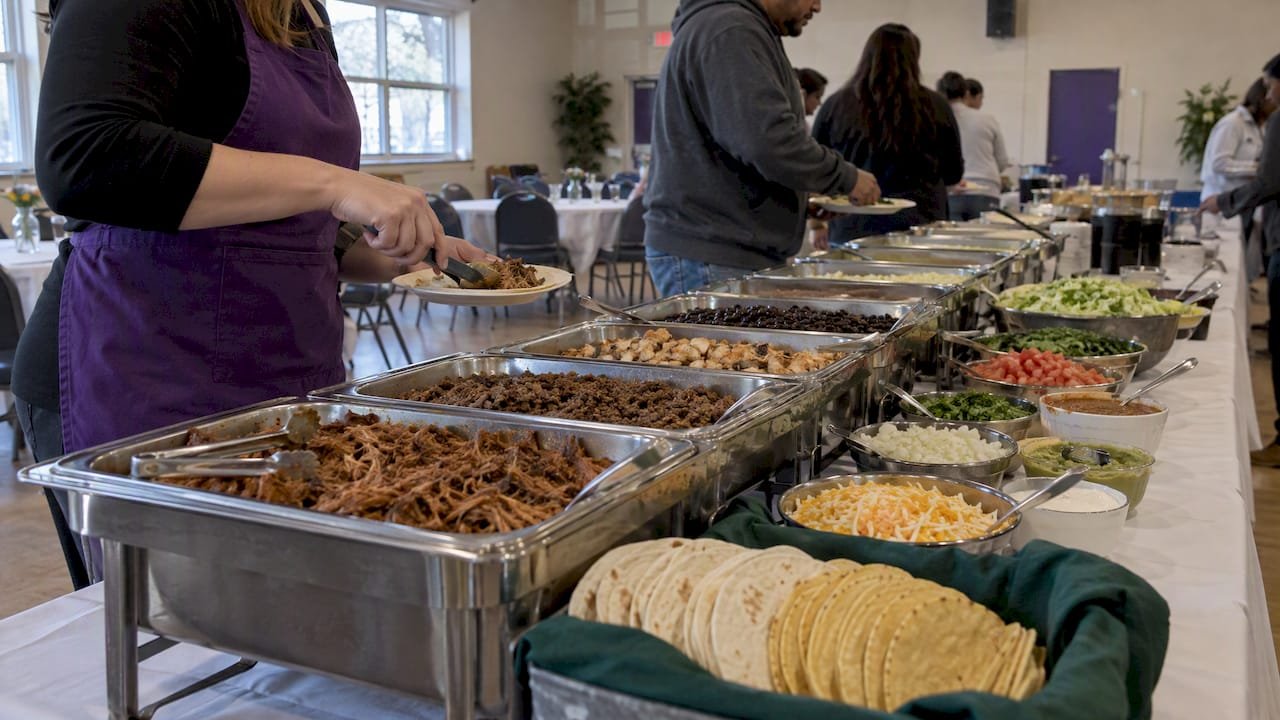
- Portion it into smaller containers if you’re serving a crowd, so the main batch doesn’t sit out warming up while people dip into it.
- Don’t assume vinegar or lime juice makes it pantry-safe. If you want a shelf-stable jar, follow a research-tested canning recipe and proper processing method rather than guessing at acidity, a point University of Minnesota Extension makes clear for home canners.
Pro Tip: Keep a running stack of small mason jars in the fridge for leftovers instead of one big bowl. Smaller portions warm up less during serving and get used up faster, so nothing lingers past its window.
If you’re prepping salsa alongside other fresh condiments for a weekend gathering, the same clean-container and prompt-refrigeration habits apply across the board. Our guide to storing guacamole walks through nearly identical timing and handling questions for another fast-spoiling favourite.
How to tell if fresh salsa has gone bad
When in doubt, your eyes and nose should make the call before your taste buds ever get involved.
- Visible mould anywhere in the container means the whole batch goes in the trash, not just the spot where you saw it.
- A bulging lid, bubbling, or a sour or putrid smell are signs that fermentation or bacterial activity has taken over, and North Dakota State University Extension advises discarding immediately rather than trying to salvage the jar.
- Never taste-test a questionable batch to decide. If it looks or smells off, treat it as unsafe and move on.
- Time spent above 4°C (40°F) counts against the salsa, even if it’s still within its normal window. A bowl left out at a barbecue can become risky, even if a jar refrigerated the whole time remains safe.
Spoilage rarely announces itself gently. Health Canada’s guidance on the temperature danger zone notes that food held between 4°C (40°F) and 60°C (140°F) gives bacteria the conditions they need to multiply, which is why a salsa bowl left out during a long party can become risky well before its calendar deadline.
Freezing fresh salsa: when to freeze, what it saves, and thawing tips
Freezing won’t fix a batch that’s already spoiled, but it’s a solid way to stretch a fresh one well past its fridge window.
- Freezing extends storage to months, though the texture turns noticeably softer and the tomatoes release more liquid once thawed.
- Thaw in the fridge, then drain off excess liquid before serving so the salsa isn’t watery.
- Use freezer-safe containers and date them, the same habit that keeps fridge batches organized.
- For home-canned salsa, follow a research-tested recipe and process, as University of Minnesota Extension advises.
Freezing is strictly a quality move, not a safety fix. A batch that was already questionable before it went into the freezer comes out the other side just as questionable, only colder.
Burrito Splendido kitchen perspective: how we keep house-made salsa fresh
We prepare salsa with care, keeping food safety and freshness in mind.
Pro Tip: Rotate your oldest portion to the front of the fridge and use it first. Restaurants call this first-in-first-out, and it works just as well in a home fridge as it does in a commercial one. You can read more about how we think about fresh salsa in our kitchen.
— Austin
FAQ
How do you know if fresh salsa has gone bad?
Look for visible mould, a bulging lid, bubbling, or an off or sour smell, any of which means the batch should be discarded. If it looks or smells wrong in any way, skip the taste test and throw it out.
How long is garden fresh salsa good for?
For safety, plan on 2 to 3 days refrigerated, per Health Canada’s leftover guidance. Quality can vary depending on the ingredients and how the salsa was handled.
How do I make fresh salsa last longer?
Refrigerate it promptly in a clean, airtight container at or below 4°C (40°F), label it with the date, and use clean utensils every time you serve it. Freezing extends quality-focused storage to several months, though the texture softens after thawing.
Does salsa go bad if not opened?
Unopened commercial jarred salsa is pantry-stable and safe until the date printed on the label, since it’s heat-processed before sale. Fresh homemade salsa doesn’t follow that rule and should be refrigerated from the moment it’s made.
What’s the difference between homemade and store-bought salsa storage?
Store-bought jars are heat-processed, which lets unopened versions sit safely in the pantry, while opened versions can last 2 to 4 weeks refrigerated. Homemade salsa never got that processing, so it needs refrigeration immediately and a much shorter safety window.
Sources
- Canada
- Canning tomatoes: Homemade salsa | UMN Extension
- From the Garden to the Table: Salsa! | NDSU Agriculture