Yes, cross-contact is a real risk for anyone with celiac disease, and most of it is preventable. Skip shared pasta water and fryer oil, keep dedicated cutting boards and toasters, and clean surfaces properly between gluten and gluten-free foods. Remember that even amounts measured in milligrams matter for celiac disease, so when in doubt after a suspected exposure, contact your care team rather than waiting it out.
TL;DR:
- Most cross-contact occurs from small, repeated habits such as reusing pasta water or sharing fryer oil, which reliably exceeds the safe gluten threshold.
- Proper cleaning methods, like dishwasher cycles, are more effective than hand-rinsing for removing embedded gluten particles from non-porous kitchen tools.
- A dedicated toaster, separate cutting boards, and sealed storage containers significantly reduce the risk of gluten transfer in a home kitchen.
- When eating out, asking specific questions about fryer use, prep surface cleaning, and equipment separation provides better safety than vague assurances.
- Packaged gluten-free foods with certified labels are generally safer, but always verify for hidden gluten ingredients and potential cross-contact during processing.
Table of Contents
- What is gluten cross contamination, really? Cross-contact vs cross-contamination
- What does 20 ppm actually mean for your safety?
- The everyday habits that cause most cross-contact at home
- How risky is each appliance, and what actually fixes it?
- What should you ask before eating at a restaurant?
- Are packaged foods actually safe? Reading labels the right way
- What should you do if you suspect you’ve eaten gluten?
- What does the research actually show, and where does it fall short?
- Cross-contamination risks in shared manufacturing environments
- Best practices for schools and childcare settings
- How do you manage cross-contamination risk while travelling?
- A publisher’s perspective on running a gluten-free-friendly kitchen
- Order gluten-free with confidence at Burrito Splendido
- Sources
What is gluten cross contamination, really? Cross-contact vs cross-contamination
“Gluten cross contamination” is the phrase most people search, but it’s not quite the term food-safety professionals use. Bacteria contaminate food and can be killed with heat or disinfectant. Gluten is a protein, not a living organism, so it doesn’t die when you cook it. It just moves from one surface, food, or utensil to another. That’s why Beyond Celiac and most clinical resources use “cross-contact” instead.
The distinction isn’t pedantic. It changes what actually works. Wiping down a cutting board with a disinfectant spray kills bacteria but does nothing for the wheat protein embedded in its grooves. You need to physically remove the gluten with soap, water, and often a dishwasher cycle, not sanitise it away.
Common cross-contact scenarios in a home kitchen:
- A butter knife used on regular bread, then dipped back into a shared jar of peanut butter or margarine.
- Gluten-free bread toasted in the same toaster as wheat bread, picking up crumbs.
- A colander used to drain wheat pasta, then reused without washing for gluten-free pasta.
- Flour dust settling on a countertop or in the air during baking, landing on nearby gluten-free food.
- A wooden spoon or cutting board with grooves that trap microscopic gluten particles.
When you’re talking to a chef, server, or catering coordinator, use “cross-contact” specifically. Try something like: “I have celiac disease, so I need to avoid cross-contact, not just gluten ingredients. Can you tell me how the kitchen keeps my food separate from wheat?” That phrasing signals you understand the mechanism, and kitchen staff tend to respond with more specific, useful answers.
What does 20 ppm actually mean for your safety?
The international standard most food-safety bodies use for “gluten-free” labelling is a threshold of less than 20 parts per million (ppm) of gluten, a benchmark set by Codex Alimentarius and echoed in food regulations across Canada, the US, and the EU. It sounds abstract until you convert it into something tangible.
FAO/WHO expert recommendations have also proposed a reference dose (RfD) of roughly 4 milligrams of gluten as a risk-based guide for how much a person with celiac disease can be exposed to without triggering a significant immune reaction. Four milligrams is a fraction of a grain of table salt. That’s the scale you’re working with, and it’s why “just a little bit of gluten” isn’t a meaningful concept for celiac disease the way it might be for a mild food dislike.
Here’s the practical catch: you cannot eyeball, smell, or taste 20 ppm. There’s no reliable at-home test that gives you a fast, accurate ppm reading on a shared cutting board or a pot of pasta water. Home gluten-test strips exist, but they’re better at flagging obvious contamination than confirming something is safely under threshold. This is exactly why prevention through process, not testing after the fact, is the only workable strategy in a home or restaurant kitchen.
The everyday habits that cause most cross-contact at home
Most cross-contact doesn’t come from dramatic mistakes. It comes from small, repeated habits that feel harmless until you look at what’s actually happening at the microscopic level.
The four riskiest kitchen activities
1. Cooking gluten-free pasta in water previously used for wheat pasta. This is one of the clearest findings from recent food-safety research: pasta water reused between wheat and gluten-free batches consistently produces gluten levels above the 20 ppm threshold, even with a quick rinse of the pot in between. Starchy water holds onto dissolved gluten in a way that a rinse under the tap simply can’t fix.
2. Sharing fryer or air-fryer oil. Frying gluten-containing breaded items (chicken fingers, onion rings, tempura) in the same oil later used for gluten-free food transfers protein directly into whatever cooks next. Unless the oil is fully replaced and the basket cleaned, the risk carries forward for every batch.
3. Flour dust in the air and on surfaces. Baking with wheat flour creates a fine dust that settles well beyond the immediate work area. It lands on countertops, stovetops, and open containers of gluten-free ingredients sitting nearby.
4. Double-dipping into shared condiments. A knife that touched regular bread, then goes back into the peanut butter, mustard, or mayo jar, leaves gluten behind for the next use, even if that next use is your own. Squeeze bottles or separate jars solve this instantly and cost almost nothing.
Storage and separation tactics that actually work
Physical separation is your first line of defence, and it doesn’t require a full kitchen renovation. Store gluten-free flours, breads, and pastas on a shelf above gluten-containing products, never below, since crumbs and flour dust fall downward. Use clearly labelled, sealed containers for gluten-free staples so nobody in the household grabs the wrong bag by accident.
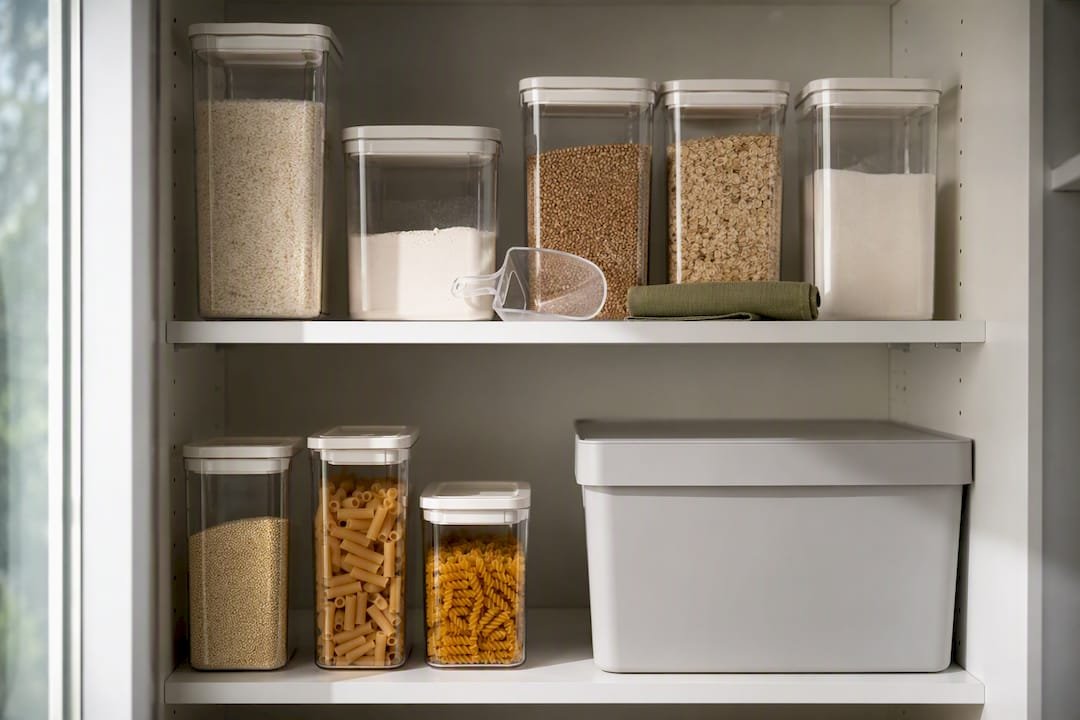
Dedicated equipment matters most for porous items. Toasters, wooden cutting boards, and colanders are the hardest things to clean completely because gluten particles lodge in grooves, crumb trays, and wood grain that scrubbing can’t fully reach. A dedicated toaster, a separate plastic or glass cutting board, and a gluten-free-only colander eliminate an entire category of repeated, low-grade risk. Toaster bags are a decent stopgap if a second toaster isn’t practical, but they wear out and tear, so check them before each use.
Cleaning methods that reduce risk versus methods that don’t
Not all cleaning is equal. Hand-rinsing a plastic cutting board under warm water leaves detectable gluten behind far more often than running the same board through a dishwasher cycle, which uses higher heat, stronger detergent, and longer contact time. If you’re relying on hand-washing for shared items, use hot soapy water, a dedicated scrub brush, and dry thoroughly. Glass and stainless steel clean up more reliably than wood or heavily scratched plastic.
Replace items you can’t clean with confidence. Wooden cutting boards, plastic colanders with fine mesh, and any utensil with visible scoring or wear should either become gluten-free dedicated items or get replaced outright.
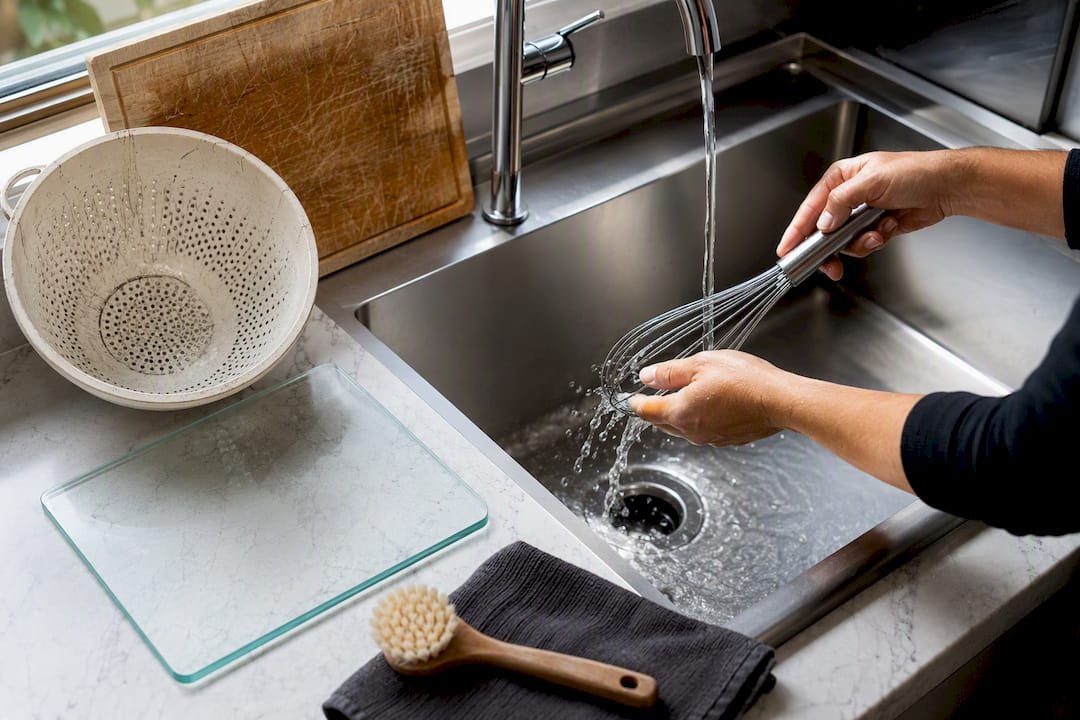
Pro Tip: Colour-code your gluten-free equipment. A red-handled spatula, a red cutting board, and a red-lidded storage container make it nearly impossible for anyone in a shared kitchen to grab the wrong tool without thinking twice.
A household checklist you can start today
- Move gluten-free food storage to shelves above gluten-containing items.
- Buy or designate a separate toaster, cutting board, and colander.
- Switch shared condiments to squeeze bottles or give each person their own jar.
- Never reuse pasta water between wheat and gluten-free batches.
- Replace fryer oil completely before cooking gluten-free food in it.
- Run cutting boards through the dishwasher rather than hand-rinsing when possible.
- Label gluten-free flour and grain containers clearly and store them sealed.
How risky is each appliance, and what actually fixes it?
Appliances behave differently, and treating them all the same way wastes effort where it isn’t needed and leaves gaps where it is.
- Toaster: High risk. Crumb trays and heating elements trap gluten particles that toasting redistributes onto every subsequent slice. A dedicated toaster or well-maintained toaster bags are the realistic fixes.
- Oven: Generally lower risk. Baked goods placed directly on a rack rarely transfer meaningful gluten unless crumbs or spills are present. Wipe racks and use a clean baking sheet or parchment for gluten-free items baking alongside others.
- Fryer and air-fryer: High risk when oil is shared. Studies on kitchen handling practices found that fryer baskets and oil showed detectable gluten when not fully cleaned and replaced between batches. Replacing oil entirely and cleaning the basket resolves this.
- Pasta pot and colander: High risk for the water itself, moderate for the colander. As covered above, shared pasta water reliably exceeds 20 ppm. Cook gluten-free pasta in fresh water in a pot that hasn’t touched wheat pasta that session, and use a dedicated colander.
- Wooden cutting boards: High risk due to grooves and porosity that resist full cleaning even with vigorous scrubbing. Dedicate one exclusively to gluten-free prep or switch to glass or non-porous plastic.
- Grills and griddles: Moderate to high risk depending on surface texture. Scraping isn’t the same as cleaning; a griddle used for wheat tortillas or breaded items needs a full scrub, not just a scrape, before gluten-free food touches it.
Interestingly, one review of shared commercial kitchen practices suggests that fully dedicated equipment isn’t always necessary if cleaning protocols are strict and consistently followed. Process discipline can matter more than physical separation, provided everyone in the kitchen actually follows the same steps every time. That’s a bigger “if” in a busy household or restaurant than it sounds.
The decision rule is simple: dedicate equipment when the item is porous, hard to clean thoroughly, or used constantly (toaster, wooden board, colander). Rely on careful cleaning when the surface is non-porous and the cleaning method is reliable (oven racks, stainless steel pans, glass boards run through a dishwasher).
What should you ask before eating at a restaurant?
Eating out is where a lot of otherwise careful people get caught off guard, because the questions that sound reassuring on the surface don’t always tell you what’s actually happening in the kitchen.
Ask specifically:
- “How do you prevent cross-contact between gluten and gluten-free orders in the kitchen?”
- “Is the fryer used exclusively for gluten-free items, or shared with breaded or battered foods?”
- “Do you use separate cutting boards, utensils, and prep surfaces for gluten-free orders?”
- “Is your gluten-free pasta cooked in separate water?”
- “Can the kitchen change gloves and use a clean surface for my order?”
A confident, specific answer, like naming a dedicated fryer or describing a clean-prep-surface protocol, is reassuring. A vague “we’re careful” or a shrug is a red flag. Hesitation when you use the term “cross-contact” directly is also a warning; staff trained on the distinction usually respond with detail, not confusion.
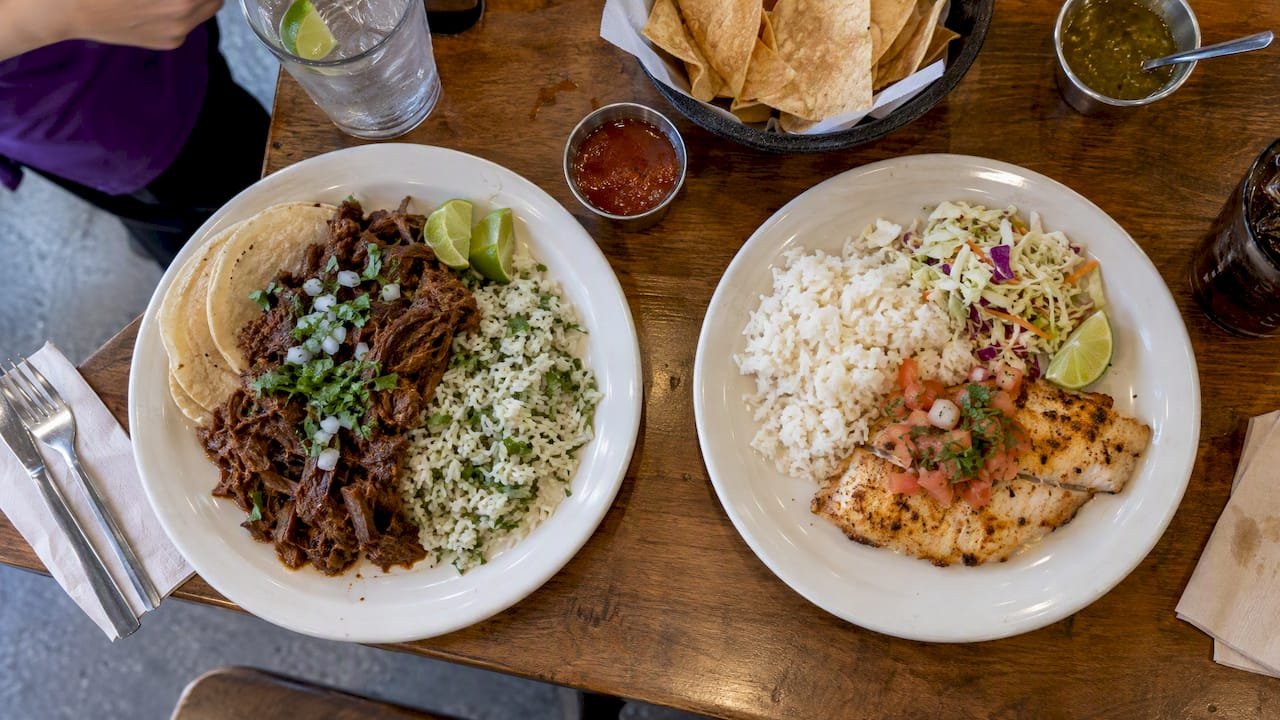
Watch for red flags beyond the verbal answer. Shared fryer oil for onion rings and gluten-free fries is common and risky. Bakery cases with open shared surfaces, bread crumbs visible near a “gluten-free” display, or buffet stations where serving utensils get swapped between dishes all increase risk substantially. Naturally gluten-free menu items, grilled proteins, rice, most salsas, and simple vegetable sides, are often safer choices than dishes that require special substitution, because they involve fewer opportunities for cross-contact in the first place. Our restaurant dining guide walks through more of these ordering scripts in detail.
Catering and buffets need a different approach entirely. Ask the caterer for plated, individually prepared service rather than self-serve buffet lines, or request a brief conversation with the chef or catering coordinator ahead of the event. Our catering guide covers how to brief a caterer properly before a group event, and if you’re planning meals around a busy schedule, this meal prep planning resource offers useful separation and timing tips that translate well to gluten-free group cooking.
Are packaged foods actually safe? Reading labels the right way
A “gluten-free” label backed by regulatory standards means the product tested under 20 ppm. An unlabelled product, even one that looks naturally gluten-free, hasn’t been verified and could carry cross-contact risk from shared processing lines.
- Check for a certified gluten-free label first. Certification programs test finished products, not just ingredient lists, which catches contamination that happens during manufacturing rather than in the recipe itself.
- Scan for hidden gluten sources. Malt flavouring, modified food starch (when the source grain isn’t specified), some soy sauces, certain seasoning blends, and processed meats can all contain wheat-derived ingredients that aren’t obvious from the product name.
- Treat oats with extra caution. Oats are naturally gluten-free but are very frequently grown, transported, or processed alongside wheat. Only buy oats specifically labelled “gluten-free,” which indicates dedicated supply chain handling.
- Call the manufacturer when a label is ambiguous. Ask directly: “Is this product tested for gluten, and is it made on a shared line with wheat products?” Most manufacturers have a customer service line prepared for exactly this question.
What should you do if you suspect you’ve eaten gluten?
Symptoms often show up faster than people expect. A retrospective study on accidental gluten exposure found that 72% of reported reactions produced symptoms within four hours, though the pattern varies: vomiting is more common in children, while adults more often report diarrhoea, bloating, or fatigue. Some people notice nothing acute at all, which doesn’t mean no internal reaction occurred.
If you suspect exposure:
- Stop eating the suspect food immediately and don’t finish the meal “just to see.”
- Save a sample of the food if possible, or at minimum note exactly what it was and where it came from.
- Record the time you ate it and when symptoms started, since timing helps your care team assess the reaction.
- Contact your dietitian or physician, especially with recurring or unexplained symptoms; some clinicians use urinary or stool gluten immunogenic peptide (GIP) testing to confirm recent exposure.
- Monitor at home for typical digestive symptoms, but seek urgent care for severe vomiting, signs of dehydration, or symptoms that don’t improve within a day or two.
As Mayo Clinic notes, a strict, lifelong gluten-free diet remains the only effective management for celiac disease, which is why documenting exposures and looping in your care team consistently pays off over time.
What does the research actually show, and where does it fall short?
The evidence on cross-contact is more encouraging than most people expect in some areas, and more concerning in others. Controlled testing has repeatedly shown that shared utensils, ovens, and many prep surfaces stay below the 20 ppm threshold when reasonable cleaning is applied. Pasta water is the clear exception, along with shared fryer oil that hasn’t been replaced.
| Scenario | Typical finding | Practical takeaway |
|---|---|---|
| Shared oven, wiped racks | Often below 20 ppm | Low priority for full separation |
| Shared cutting board, dishwasher cleaned | Below 20 ppm for glass/plastic | Dishwasher cycle over hand-rinse |
| Shared cutting board, hand-rinsed | Higher detectable gluten | Replace or dedicate if hand-washed only |
| Gluten-free pasta in reused wheat pasta water | Consistently above 20 ppm | Always use fresh water |
| Fryer oil shared, not replaced | Detectable gluten present | Full oil replacement required |
| Toaster shared, crumb tray not emptied | Higher risk, hard to quantify | Dedicate toaster or use toaster bags |
The limitation running through this research is scale. Most of these studies use small, controlled samples rather than large real-world kitchens with dozens of staff and constant volume changes, which is exactly why clinical guidance stays cautious even where the data looks reassuring. A result that holds in a lab kitchen with two trained testers doesn’t automatically hold in a busy restaurant during a Friday dinner rush. For households, this research supports realistic confidence: good habits work. For commercial food service, it supports why formal staff training and written protocols still matter more than any single cleaning trick.
Cross-contamination risks in shared manufacturing environments
Packaged food doesn’t stop being a risk once it leaves a factory floor. Many facilities produce multiple products, some containing wheat, on shared processing lines, conveyor belts, and mixing equipment that isn’t always fully broken down and cleaned between runs.
This is a different risk category from kitchen cross-contact, because you can’t inspect it yourself. A product manufactured on a line that also runs wheat crackers can pick up trace gluten during production even if the recipe itself contains no gluten ingredients. This is precisely why the 20 ppm labelling threshold exists: it gives manufacturers an enforceable standard to test against rather than leaving cross-contact risk to good intentions.
Facilities serious about allergen control typically run dedicated gluten-free production windows, clean equipment thoroughly with validated procedures between runs, and test finished batches before packaging. Facilities without this level of rigour may produce inconsistent results between batches, even under the same product name.
For readers, the practical implication is straightforward: a certified gluten-free label carries more weight than an ingredient list that simply happens not to mention wheat. If a product doesn’t carry a certification and the manufacturer can’t describe how they manage shared-line risk when you call, treat it with more caution than a product that can answer clearly. This is also why “may contain wheat” advisory statements exist. They’re not legally required in every jurisdiction, but when present, they reflect a real acknowledgment of shared-facility risk rather than boilerplate caution.
Best practices for schools and childcare settings
Classrooms and daycares are some of the highest-risk environments for cross-contact because young children share tables, art supplies, and snacks constantly, often without adult supervision at every moment.
Effective controls start with a written care plan on file with the school, specifying exactly what the child can and can’t eat, and what to do if exposure is suspected. Many schools designate a gluten-free table or snack zone during meals, which limits crumb transfer from shared eating surfaces far more effectively than relying on wiping alone. Staff and other caregivers need clear instruction that gluten-free supplies (snacks, play-dough, craft materials, which sometimes contain wheat flour) stay separate from general classroom supplies.
Birthday celebrations and classroom parties deserve specific attention, since they’re a common, predictable source of exposure. Parents managing celiac disease often keep a stash of safe treats at the school so their child always has an alternative available without singling them out socially. Staff training matters as much as physical setup: an educational assistant who understands why a shared butter knife or communal snack bin is risky will catch problems that a written policy alone won’t prevent.
Communication with kitchen staff at school cafeterias follows the same principle covered earlier: ask about cross-contact specifically, not just ingredient lists, and confirm how fryers, ovens, and prep surfaces are managed for the child’s meals.
How do you manage cross-contamination risk while travelling?
Travelling with celiac disease adds a layer of unpredictability, since kitchen practices, ingredient labelling laws, and staff training vary enormously between countries and even between regions within the same country.
Some countries have strong gluten-free labelling infrastructure and widespread awareness among restaurant staff, which makes eating out considerably easier. Others have far less regulatory oversight around allergen labelling, and the concept of cross-contact may not be well understood by kitchen staff even when the will to help is genuine. Language barriers compound this, since the specific vocabulary needed to explain cross-contact often doesn’t translate directly, and a well-meaning “no gluten” assurance can still mean a shared fryer or a wheat-based sauce nobody thought to mention.
Practical preparation matters more when travelling than at home. Carrying a printed translation card explaining celiac disease and cross-contact in the local language helps close communication gaps that a phrasebook app might miss. Researching restaurants in advance, particularly ones with dedicated gluten-free menus or celiac-safe certifications, reduces the guesswork once you land. Packing a few reliable snacks for transit days or uncertain meal situations isn’t overly cautious. It’s a reasonable buffer against a day where every available option looks like a gamble. Street food and shared cooking surfaces, common in many food cultures, deserve extra scrutiny since separation between gluten and gluten-free preparation is often minimal in high-volume, fast-turnover settings.
A publisher’s perspective on running a gluten-free-friendly kitchen
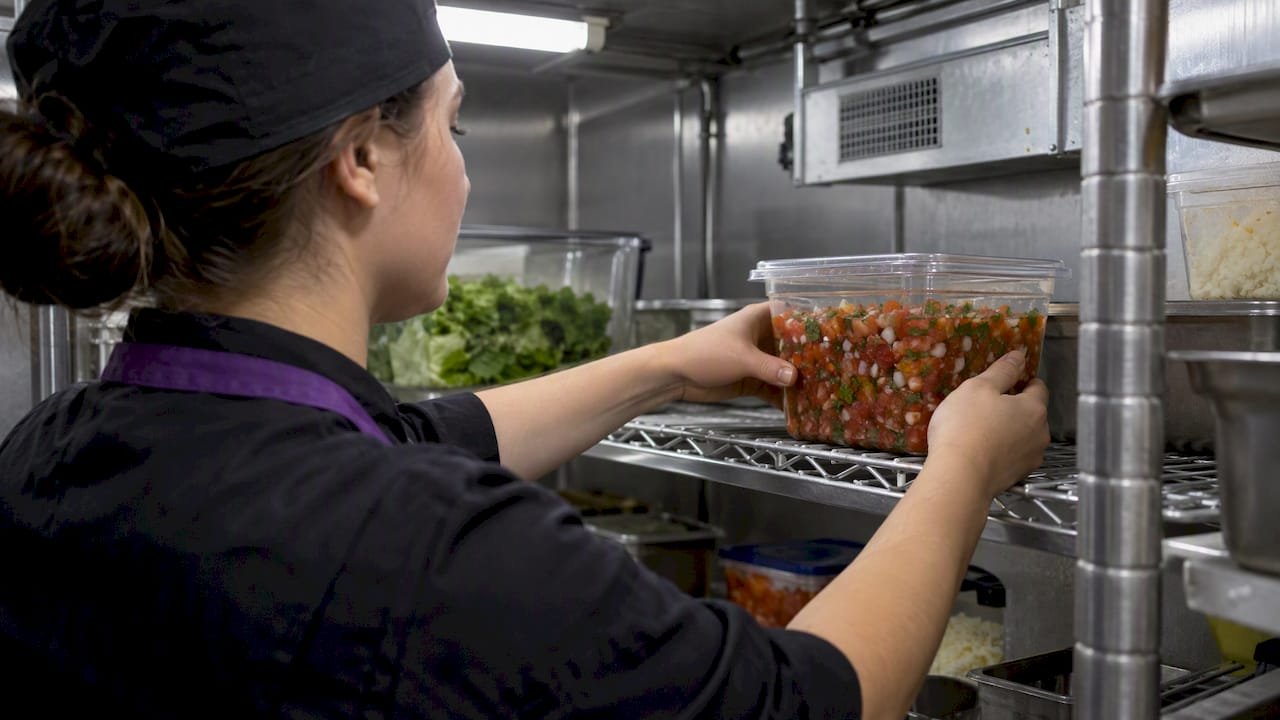
Most articles about gluten cross-contact are written from the outside looking in. We’re not. Running Burrito Splendido’s kitchens across Manitoba means the questions in this guide, shared fryers, dedicated boards, staff training, aren’t theoretical for us. They’re daily operational decisions.
We operate as a deep-fryer-free kitchen, which removes one of the highest-risk cross-contact points this article covers entirely. Our staff are trained to handle gluten-free orders with dedicated preparation steps, and our gluten-free options, including soft corn tacos, are built around that awareness rather than bolted on as an afterthought.
Here’s the honest takeaway for readers: when you walk into any restaurant, use what you’ve learned here. Ask about fryer sharing. Ask how prep surfaces are managed. Ask specifically about cross-contact, not just gluten-free ingredients. A kitchen that answers those questions with specifics, rather than reassurance, is one you can trust more.
— Austin
Order gluten-free with confidence at Burrito Splendido
Some fast-casual restaurants operate without a deep-fryer, removing one of the biggest cross-contact risks covered in this guide from their setup. Some restaurants prepare their menu items from scratch daily using locally sourced ingredients, with staff trained to handle gluten-free, vegan, and other dietary requests with care.
You can browse our gluten-free menu options before you visit, or ask any team member directly about our approach to gluten-free preparation when you order in-store or online. Planning a group event or office lunch? Our catering team can walk you through how we manage dietary requests for larger orders. Place your order through the Burrito Splendido menu today, and ask about our gluten-free protocol when you check out.
This article is general information, not a substitute for advice from a qualified doctor. Consult a qualified healthcare professional about your own circumstances before acting on anything here.
Sources
- Risk of Gluten Cross-Contamination Due to Food Handling Practices: A Mini-Review — MDPI Nutrients
- Gluten cross-contamination in the kitchen: what’s the risk? — Celiac Canada
- Cross-Contact — Beyond Celiac
- Prevalence of Acute Reactions After Gluten Ingestion in Patients With Coeliac Disease — PMC
- Celiac disease — Mayo Clinic