For most events, a build-your-own taco bar, a fajita station, or burrito and bowl boxes deliver the best mix of flavour, scalability, and diet flexibility. Casual parties lean taco bar, formal sit-downs suit plated enchiladas or fajitas, and office lunches work best boxed. A locally rooted caterer can execute any of these with fresh, from-scratch ingredients, and the details below cover stations, quantities, and dietary swaps.
TL;DR:
- Planning a taco bar requires approximately three tortillas and 5 to 6 ounces of protein per guest to ensure sufficient portions for most events.
- For formal dinners, plated enchiladas and beef or chicken fajitas are reliable options that maintain quality and presentation with advanced preparation.
- Dietary swaps like jackfruit or mushroom carnitas, along with clear allergen labeling, support inclusivity for vegan, vegetarian, and allergy-sensitive guests.
- Authentic ingredients such as freshly pressed masa tortillas and from-scratch sauces significantly enhance flavor and are worth sourcing from regional suppliers.
- Booking a caterer at least two to three weeks in advance ensures proper staffing, equipment, and custom menu adjustments for larger or themed events.
Table of Contents
- Mexican catering menu ideas for different event types
- How to build a taco bar that scales
- Why fajitas, enchiladas, burritos and bowls all earn a spot
- Shareable starters and sides that support the main menu
- Drink stations and desserts that scale and travel
- Getting the quantities, staffing, and timeline right
- Inclusive menu swaps and labelling best practice
- Planning around nut allergies, lactose intolerance, and other restrictions
- Sourcing authentic Mexican ingredients and suppliers
- Publisher perspective: a from-scratch, locally sourced approach in practice
- Order a Mexican catering menu built around your event
- Sources
Mexican catering menu ideas for different event types
Picking the right format matters more than picking the “best” dish. A birthday party and a corporate lunch need completely different setups even if the food overlaps. Here are five ready-to-adapt packages that cover most events planners actually book.
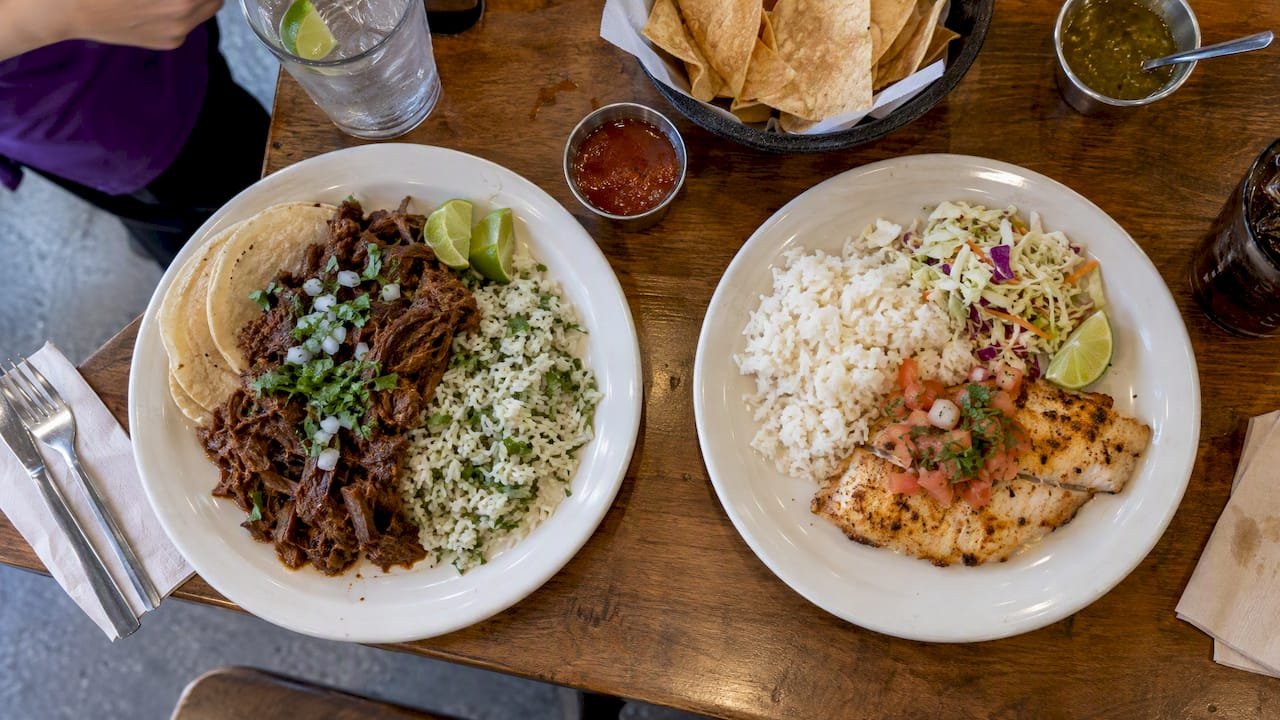
- Backyard fiesta (buffet, 20 to 80 guests): carnitas and adobo chicken, Mexican rice, refried or black beans, pico de gallo and salsa verde, tres leches cake, agua fresca station. Swap pork for jackfruit carnitas if you need a vegetarian anchor.
- Corporate lunch (boxed, any headcount): burrito bowls with a choice of two proteins, cilantro lime rice, black beans, shredded cheese and salsa on the side, churro bites, bottled water or canned soft drinks. Boxing keeps portions consistent and avoids buffet delays.
- Formal dinner (plated, 30 to 150 guests): chicken enchiladas verdes or beef barbacoa enchiladas, Mexican street corn as a side, a simple green salad, flan for dessert, one wine pairing per course. Plated service needs the most kitchen lead time of any format here.
- Game day or casual mixer (grazing, 15 to 50 guests): fajita station with beef and chicken, warm tortillas, a full toppings bar, chips with guacamole and queso, churros passed on trays. Works well with a beer and margarita bar.
- Taco bar (stations, any headcount): covered in full detail below, but the short version is two to three proteins, warm tortilla varieties, eight or so toppings, and rice and beans on the side.
Each of these can flex up or down in formality just by changing the service style, not the food itself. That’s the real trick to planning a Mexican catering menu without redesigning it from scratch every time.
How to build a taco bar that scales
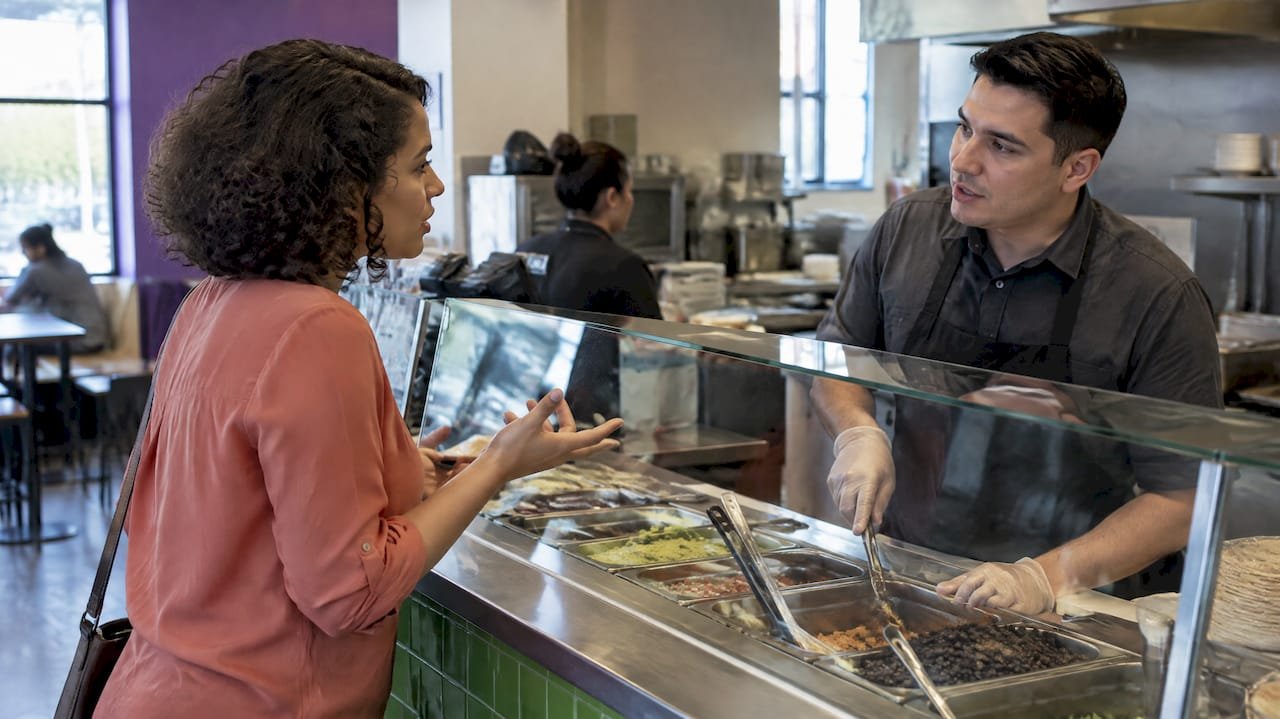
A taco bar works because it solves the two hardest catering problems at once: dietary variety and portion control. It also happens to be one of the better value formats out there, since proteins and tortillas carry the cost while toppings are cheap by volume.
The setup breaks into five stations:
- Base station — warm flour and corn tortillas, plus taco shells for guests who want crunch.
- Protein station — two to three options such as adobo chicken, barbacoa beef, and a plant-based crumble or grilled portobello.
- Topping station — shredded lettuce, diced onion, cilantro, pickled jalapeños, cotija cheese, sour cream, lime wedges, and radish slices.
- Salsa station — mild pico de gallo, a roasted salsa verde, and one genuinely spicy option, clearly labelled.
- Side station — Mexican rice and refried or black beans to round out plates.
For portions, plan on 5 to 6 ounces of protein per person and roughly three tortillas per guest for a full meal, following the ratios office catering guides use for mixed-diet crowds. Order extra guacamole beyond the calculated amounts, because it tends to run out first at events. Keep hot proteins in chafing dishes above 60°C and label every allergen clearly, especially near the cheese and sour cream.
Pro Tip: Put the salsa and topping stations on both ends of the buffet table if you’re feeding more than 60 people. It splits the line in half and cuts wait times without adding staff.
Why fajitas, enchiladas, burritos and bowls all earn a spot
Each of these mains solves a different catering problem, which is exactly why tacos, fajitas, enchiladas, burritos, and tamales dominate event menus across the board.
- Fajitas bring visual drama and modularity. Sizzling skillets of beef and chicken with grilled peppers and onions let guests build their own plate, which makes fajitas a strong fit for stations where you want energy in the room.
- Enchiladas hold beautifully whether plated or kept warm in a buffet chafer, making them the safer choice for formal dinners with a set serving time. Chicken with verde sauce and beef with a red mole are reliable crowd pleasers.
- Burritos are built for portability. Wrapped tight and boxed, they standardize portions and survive transport better than almost anything else on this list, which is why they anchor most boxed lunch menus.
- Bowls give you the speed of a hot bar with the customization of a taco station, useful when you’re feeding a crowd with wide dietary variance in a short window.
For a cost-saving swap, lean on adobo chicken instead of beef across all four formats. For a premium upgrade, add a birria consommé for dipping or swap in a Manitoba whitefish taco as a rotating special.
Shareable starters and sides that support the main menu
Starters set the tone before the main event even lands on the table. A few staples show up on nearly every Mexican catering menu for good reason: they travel well, hold their texture, and pair naturally with whatever main you’ve chosen.
- Chips and guacamole — the default opener; pairs with almost anything.
- Queso dip — best for casual events; skip for formal dinners.
- Elote or esquites — grilled corn on the cob or in a cup, ideal for street-food themed parties.
- Taquitos — easy to pass on trays during cocktail hour.
- Rice and beans — functions as both a starter and a plate filler.
- Nachos bar — a strong fit for sports viewing parties or casual mixers.
For passed items like taquitos, plan one to two pieces per guest during a cocktail hour. For buffet trays like elote or nachos, treat them as a shared side rather than a per-head portion, and refill trays rather than overfilling one large tray at the start.
Drink stations and desserts that scale and travel
A margarita station with a base mix, fresh lime, and a few flavour add-ins (mango, hibiscus, jalapeño) covers most adult crowds without needing a full bar. Agua fresca in watermelon, hibiscus, or tamarind flavours gives non-drinkers something better than soda, and it scales easily in beverage dispensers.
- Beer and wine — a light Mexican lager and a crisp white wine cover most pairing needs without overcomplicating the bar.
- Churros — fried to order or pre-made and reheated, easy to serve on sticks or in paper cones.
- Tres leches cake — slices cleanly and holds up well at room temperature for hours.
- Mini flans — portion-controlled and easy to pass on trays.
Disposable cups work fine for outdoor or casual events; glassware signals a higher-end affair but adds cleanup and breakage risk. Keep agua fresca chilled in insulated dispensers rather than open pitchers if service runs longer than two hours.
Getting the quantities, staffing, and timeline right
Numbers save events. Underorder guacamole and you’ll hear about it; underorder protein and the whole night stalls.
- Protein: 5 to 6 ounces per person for a taco bar or fajita station; slightly more (7 to 8 ounces) for a plated enchilada dinner where there’s no buffet backup.
- Tortillas: roughly three per person for a full taco meal, following the per-person math recommended for taco bars.
- Sides: plan 4 to 6 ounces each of rice and beans per guest.
- Guacamole buffer: order 15 to 25% above your calculated total, since it’s consistently the first item to run out.
- Staffing: one server per 25 to 30 guests for buffet or station service; one per 15 to 20 for plated dinners.
- Equipment: chafing dishes with sternos for hot holding, insulated dispensers for cold drinks, and enough serving utensils to avoid cross-contact between stations.
Lead times matter more than most hosts expect. Book your caterer at least two to three weeks out for events under 50 guests, and four to six weeks for anything larger or requiring custom menu changes. A corporate catering checklist is worth working through early if you’re managing staffing and timing for a work event specifically.
Inclusive menu swaps and labelling best practice
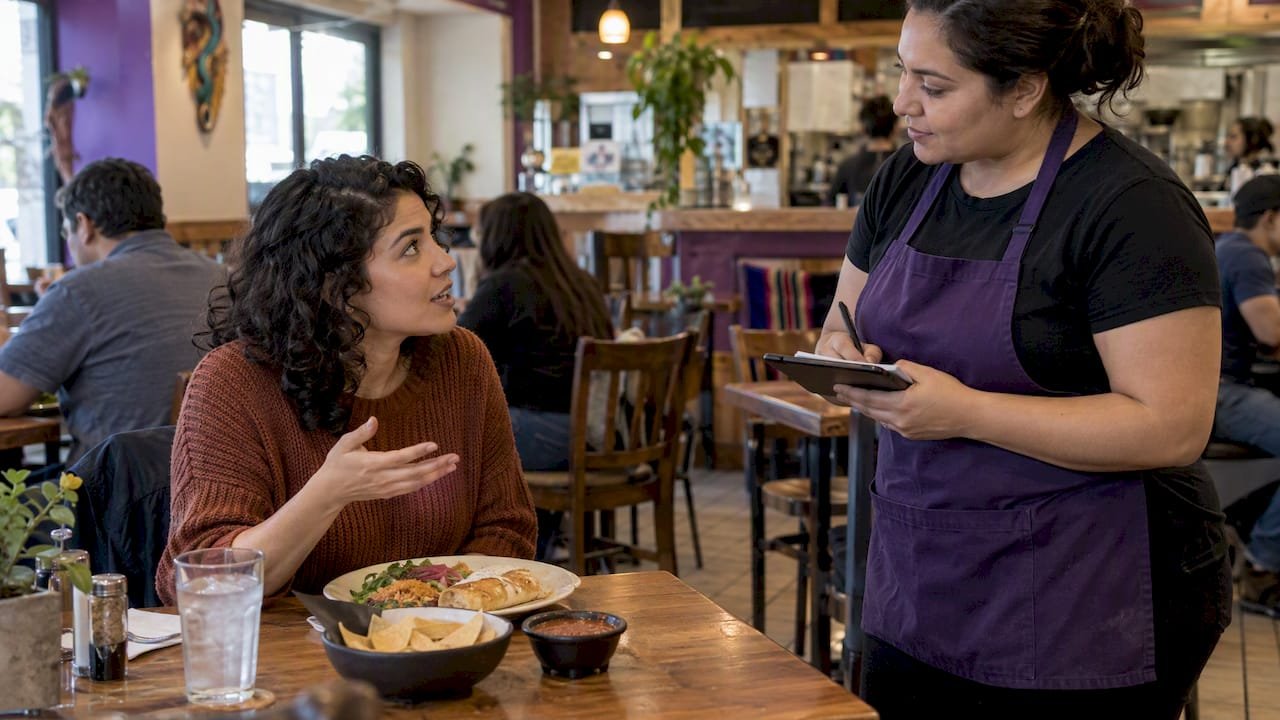
Authenticity and dietary flexibility aren’t actually in conflict. Jackfruit or mushroom carnitas, grilled portobello fajitas, and corn tortillas as a base cover vegan, vegetarian, and gluten-free guests without watering down flavour. Offering one strong plant-based protein at every station is usually enough to cover vegan and vegetarian guests economically, rather than building a whole separate menu.
- Label every dish with allergens and dietary tags at the station, not just on a printed menu card guests might skip.
- Keep gluten-free tortillas and utensils in a separate, clearly marked area to avoid cross-contact with wheat flour tortillas.
- Price alternate plates the same as standard ones where possible; guests notice when the “special” option costs more.
Pro Tip: Ask your caterer to prep the plant-based protein first, before any cross-contact risk from shared grills or utensils, then hold it separately until service.
Planning around nut allergies, lactose intolerance, and other restrictions
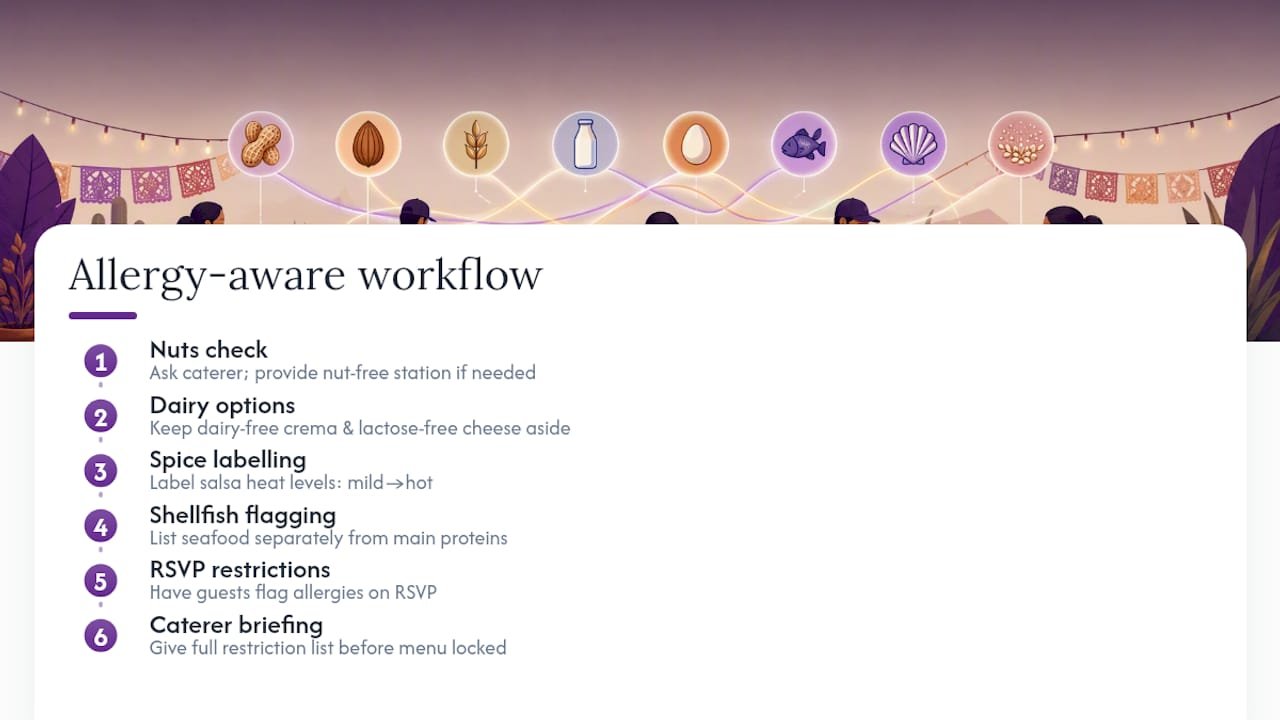
Vegan and gluten-free get most of the attention, but nut allergies and lactose intolerance show up just as often at real events, and they need the same level of care. Peanut and tree nut traces can hide in unexpected places: some mole sauces use ground nuts or seeds for thickening, and certain dessert garnishes include pecans or almonds. Ask your caterer directly whether any sauce, garnish, or dessert contains nuts, and request a nut-free preparation station if even one guest has a severe allergy.
Lactose intolerance is easier to manage but easy to overlook. Cheese, sour cream, and crema show up across nearly every Mexican dish, from queso to enchiladas to a simple taco topping bar. Keep a dairy-free crema (often cashew or coconut-based) and a lactose-free cheese option on the side rather than baked into the main dish, so guests can opt in or out without needing a fully separate plate.
Spice sensitivity deserves a mention too, even though it isn’t a medical allergy. Labelling heat levels clearly on salsas, from mild to hot, prevents awkward surprises and lets guests self-select. The same goes for shellfish, which occasionally appears in seafood-forward specials like a Baja shrimp taco. If your menu includes anything from the sea, flag it separately from the main protein list so guests with shellfish allergies don’t need to ask.
The safest approach for any event with unknown allergies is asking guests to flag restrictions during RSVP, then briefing your caterer with the full list before the final menu is locked.
Sourcing authentic Mexican ingredients and suppliers
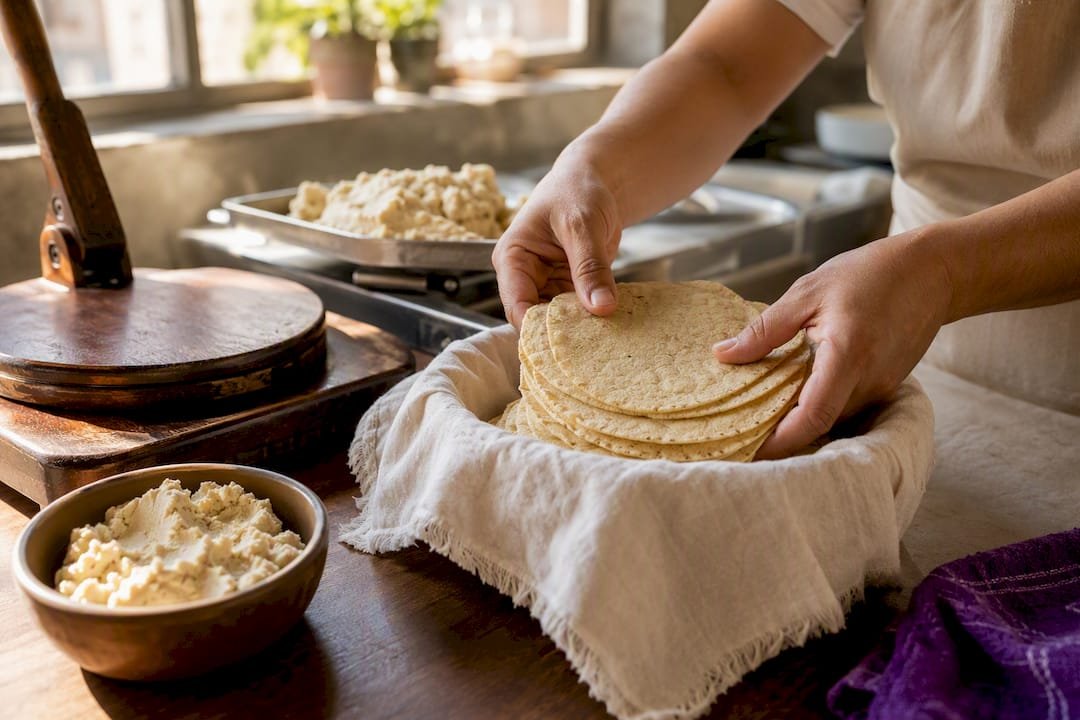
Good Mexican catering starts with sourcing, not seasoning. Corn tortillas made from real masa, not a wheat-flour substitute pretending to be one, make a noticeable difference in flavour and texture. Ask your caterer whether tortillas are pressed fresh or shipped frozen. It’s a fair question and a good one to ask before you book.
Regional, identity-driven dishes like tamales and mole carry cultural weight, and they work well as premium add-ons precisely because they’re portionable and memorable rather than everyday menu filler. A caterer who can execute a birria or a proper mole sauce from scratch, rather than from a jarred base, is worth the extra cost for events built around cultural celebration.
Local sourcing also affects freshness in ways guests notice even if they can’t name why. Produce that’s a day or two old versus a week old changes the texture of pico de gallo and salsa noticeably. Ask suppliers where their proteins, produce, and dairy come from, and favour caterers who name specific regional suppliers rather than giving a vague “fresh ingredients” answer. That specificity is usually a good signal about how the kitchen actually operates day to day.
Publisher perspective: a from-scratch, locally sourced approach in practice
This caterer presses tortillas daily from Manitoba flour and slow-cooks proteins like carnitas and barbacoa in-house rather than reheating pre-made batches. That kind of from-scratch buffet execution shows up in texture and consistency, especially across large batches where shortcuts usually get exposed. Favour a from-scratch caterer whenever your event depends on dietary accuracy or authentic flavour holding up past the first serving.
— Austin
Order a Mexican catering menu built around your event
This catering menu is built around daily from-scratch prep, locally sourced proteins and produce, and dietary options that don’t feel like an afterthought. That’s a meaningful difference from a caterer reheating frozen trays the morning of your event.
The catering page lays out sample menus, station options, and dietary accommodations so you can see exactly what’s on offer before requesting a quote. If you want to browse individual dishes first, the full menu shows portion styles and ingredients in more detail. Reach out through the online form on the catering page to get a quote tailored to your headcount and event date, and give at least two to three weeks of lead time if you’re planning around a specific date.
Sources
For deeper sizing charts and station layouts, see the taco bar planning guide, the menu design guide, and festive event menu formats for broader event context.
- Top 10 most popular dishes in a Mexican Catering – MEXATERING
- Build Your Own Taco Bar: Office Catering Guide – Zerocater
- Discover What Food Is Eaten On Cinco De Mayo! – CookWithRome