You can order corn-free or nut-free Mexican food, but you have to build the order yourself and confirm it with the kitchen. Corn runs through traditional Mexican cooking, and in Canada restaurants are not required to list allergens on a menu. Choose simple dishes, name the allergen before you order, and ask how each item is made. This guide shows you what to ask for, what to swap and which questions to put to staff.
TL;DR
- Corn is the base of traditional Mexican food: tortillas, chips, tamales and masa-based items. Flour tortillas, bowls and salads are the usual starting points for a corn-free order.
- Corn also hides in sauces, spice blends, soups and sweeteners, so “no corn tortilla” is only the first step.
- For nuts, watch sauces (peanut can turn up in chipotle and other Mexican-style sauces), desserts and any shared prep surfaces.
- Restaurants in Canada do not have to list allergens on menus, so tell your server it is an allergy, not a preference, and ask how the food is prepared.
- Call ahead at a quiet time. A simple, build-your-own order is easier to confirm than a complex, pre-made one.
Table of Contents
- Why corn-free Mexican is harder than it sounds
- What to order when you avoid corn
- Nut-free Mexican: where nuts can show up
- How to ask: a script that works
- Cross-contact: the part menus do not show
- Our perspective
- Order it at Burrito Splendido
- A few related guides
- FAQ
- Sources
Why corn-free Mexican is harder than it sounds
Mexican cuisine is built on corn. UNESCO’s listing of traditional Mexican cuisine describes a food culture founded on corn, beans and chili, with nixtamalization (treating maize with lime) and everyday tortillas and tamales, both made of corn, at its heart.
So at a typical taqueria, the obvious corn items are:
- Corn tortillas for tacos and enchiladas
- Tortilla chips and taco shells
- Tamales
- Masa-based items such as sopes, gorditas and chilaquiles
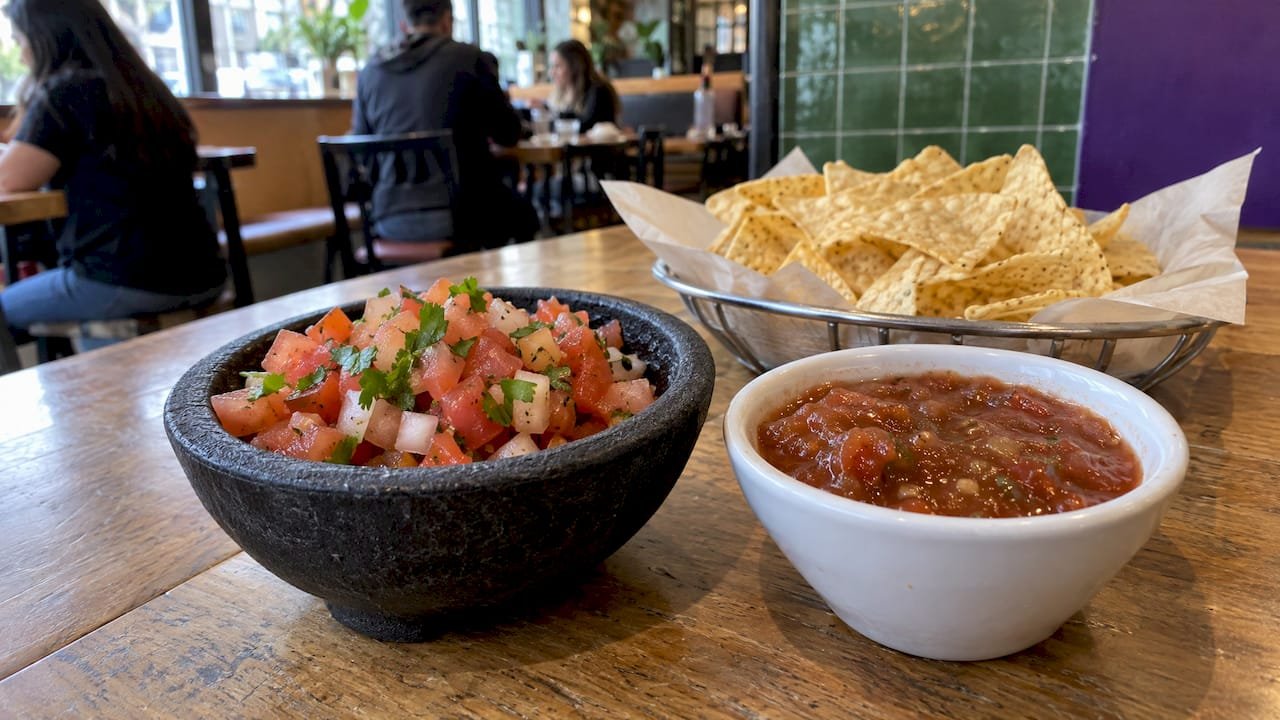
- Corn salsa, elote (corn on the cob) and esquites
- Pozole, which is made with hominy
- Corn oil used for frying
The less obvious corn is where people get caught. People who manage corn allergy often point to hidden sources such as condiments, thickeners, spice blends (where the anti-caking agent is often corn-derived), soups and some sweeteners. Corn allergy and sensitivity vary a lot from person to person, so your own allergist’s advice on how strict to be matters more than any general list.
A useful point for Canadian diners: corn is not one of Health Canada’s priority allergens. Health Canada’s list of common food allergens names eggs, milk, mustard, peanuts, crustaceans and molluscs, fish, sesame seeds, soy, sulphites, tree nuts, and wheat and triticale. Because corn is not on it, you cannot count on a restaurant to flag corn the way it might flag peanut or sesame. You will need to ask by name.
What to order when you avoid corn
The simplest corn-free structure at a Mexican counter is protein, vegetables and a base that is not masa. Here is how common formats compare.
| Menu format | Usual corn risk | What to ask |
|---|---|---|
| Corn-tortilla tacos | High: the tortilla is corn | Ask whether a flour tortilla or a lettuce wrap is offered instead |
| Flour-tortilla burrito | Lower: the tortilla is wheat, but fillings and sauces may contain corn | Ask about corn in rice, salsas, seasonings and any cornstarch thickener |
| Burrito bowl (no tortilla) | Lower: you choose each component | Build it from plain proteins, rice or greens, and vegetables, then confirm each part |
| Salad | Lower, but dressings and seasoned toppings vary | Ask for oil and lime, and confirm the dressing ingredients |
| Quesadilla | Depends on the tortilla | Ask for a flour tortilla and check the cheese is plain, with no anti-caking starch you react to |
| Chips and fried sides | High: corn chips and corn-oil frying | Skip, or ask what the oil is |
Swaps worth requesting
- Flour tortilla instead of corn. This is the biggest swap. Most counters that offer burritos make them with wheat tortillas. If you also avoid gluten, this is where you need to talk to staff about the option that fits both needs.
- Bowl or salad instead of a wrapped item. You skip the tortilla altogether and control each ingredient.
- Lettuce wraps for tacos. Not every kitchen offers them, so ask.
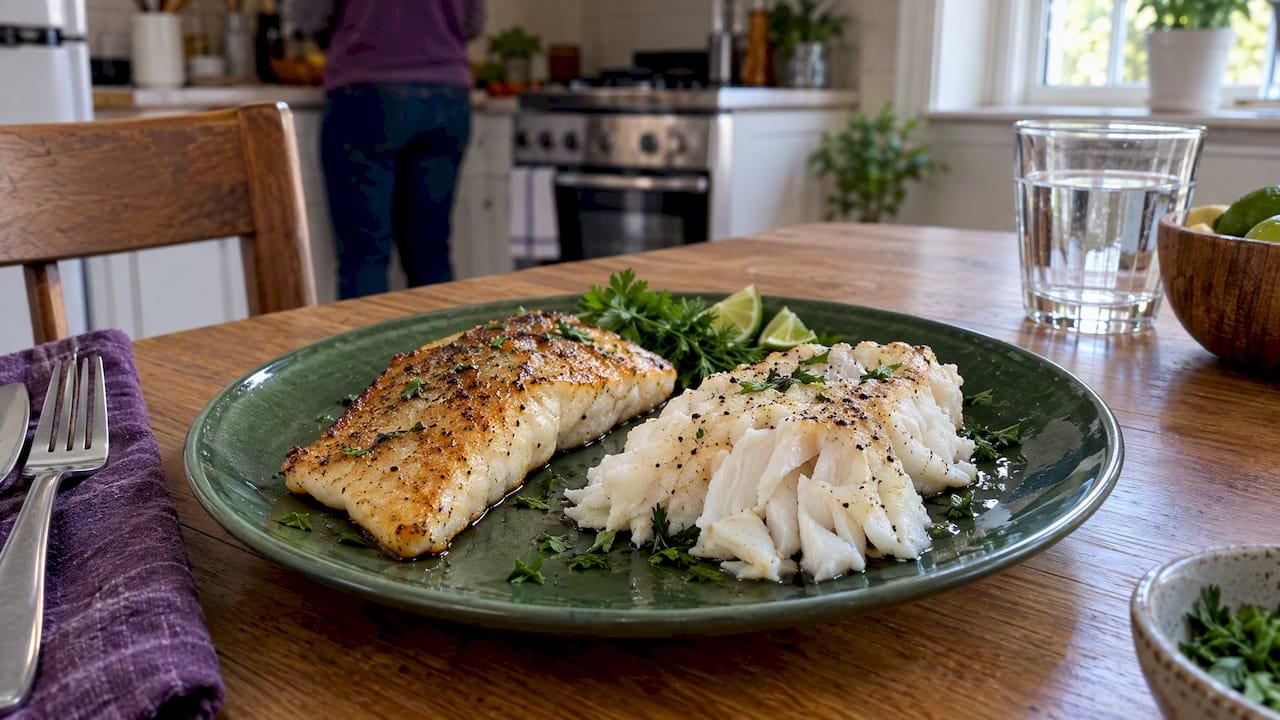
- Plain, simply cooked proteins. Grilled or slow-braised meat seasoned with ingredients the kitchen can list is easier to confirm than a pre-made sauce.
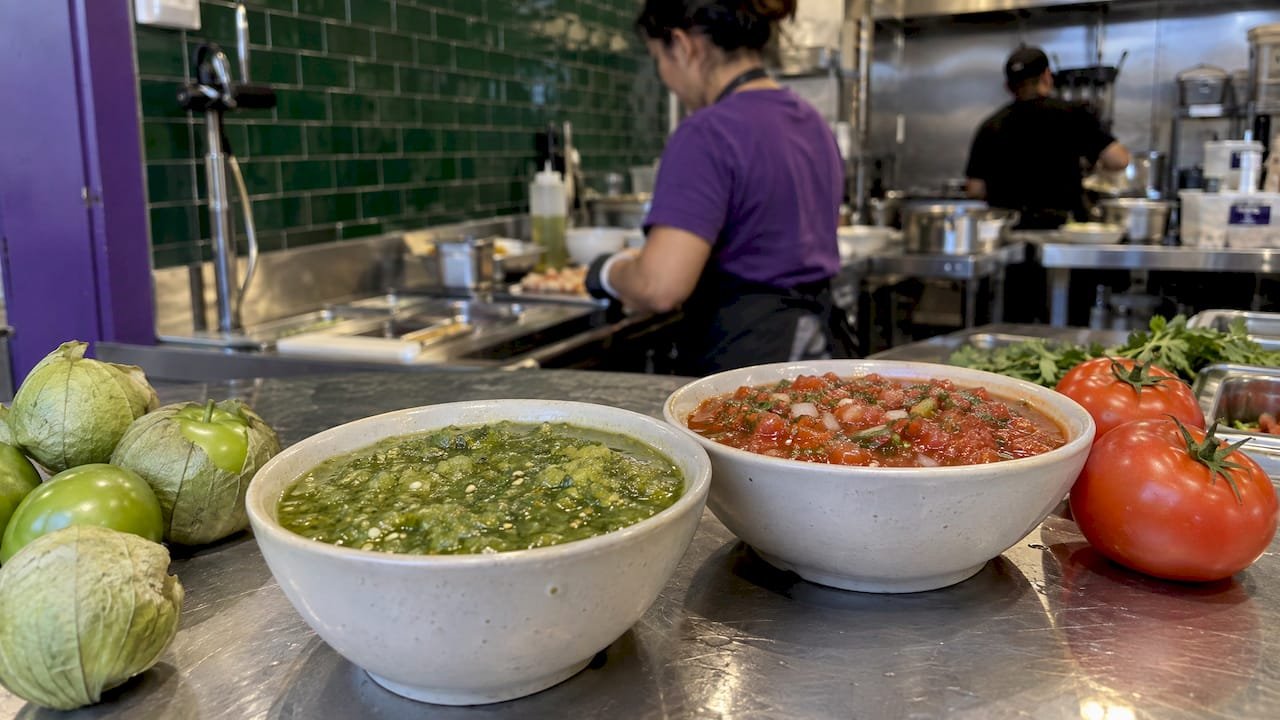
- Lime, fresh herbs and sliced vegetables for flavour. Fresh toppings have shorter ingredient lists than bottled sauces.
- No corn toppings. Corn salsa, roasted corn and crunchy tortilla strips are easy to leave out once you name them.
The pattern is the one Food Allergy Canada recommends for any allergy: choose simple menu items, because dishes with many ingredients or made in advance (stews and sauces, for example) may hide allergens. It also advises avoiding salad bars and buffets because of high cross-contamination risk. At a Mexican counter, that means being cautious about open toppings lines where scoops can travel between bins.
Nut-free Mexican: where nuts can show up
Most classic Mexican dishes are not built on nuts, which is good news. But a few places deserve a question.
Peanut is the main one. Food Allergy Canada’s peanut page lists chipotle sauce and other Mexican and Latin sauces among foods that may contain peanut, along with chili, baked goods and candies. The same page explains that peanut is a legume and not related to tree nuts, though a person can be allergic to both. So “nut-free” can mean different things. Say which one you mean.
Tree nuts, as defined in the Food Allergy Canada foodservice toolkit, include almonds, Brazil nuts, cashews, hazelnuts, macadamia nuts, pecans, pine nuts, pistachios and walnuts. In Mexican-style food, those most often appear in:
- Mole and other thickened sauces
- Creamy vegan sauces and cheeses, which may use cashews or almonds as a base
- Desserts, pastries and baked goods
- Garnishes such as toasted seeds or nuts on salads
A nut-free order therefore looks a lot like a corn-free one: simple proteins, fresh vegetables, plain toppings, and a short conversation about sauces and desserts.
How to ask: a script that works
Because Canadian restaurants are not required to list priority allergens on menu items, it is up to you to ask about ingredients and cross-contamination, by reading the menu and talking with staff. Food Allergy Canada’s advice for doing that well is practical:
- Look first. Read the restaurant’s website, menu and allergy information before you go.
- Phone ahead at a quiet time. Talk to the manager or the kitchen manager, not whoever picks up at the lunch rush.
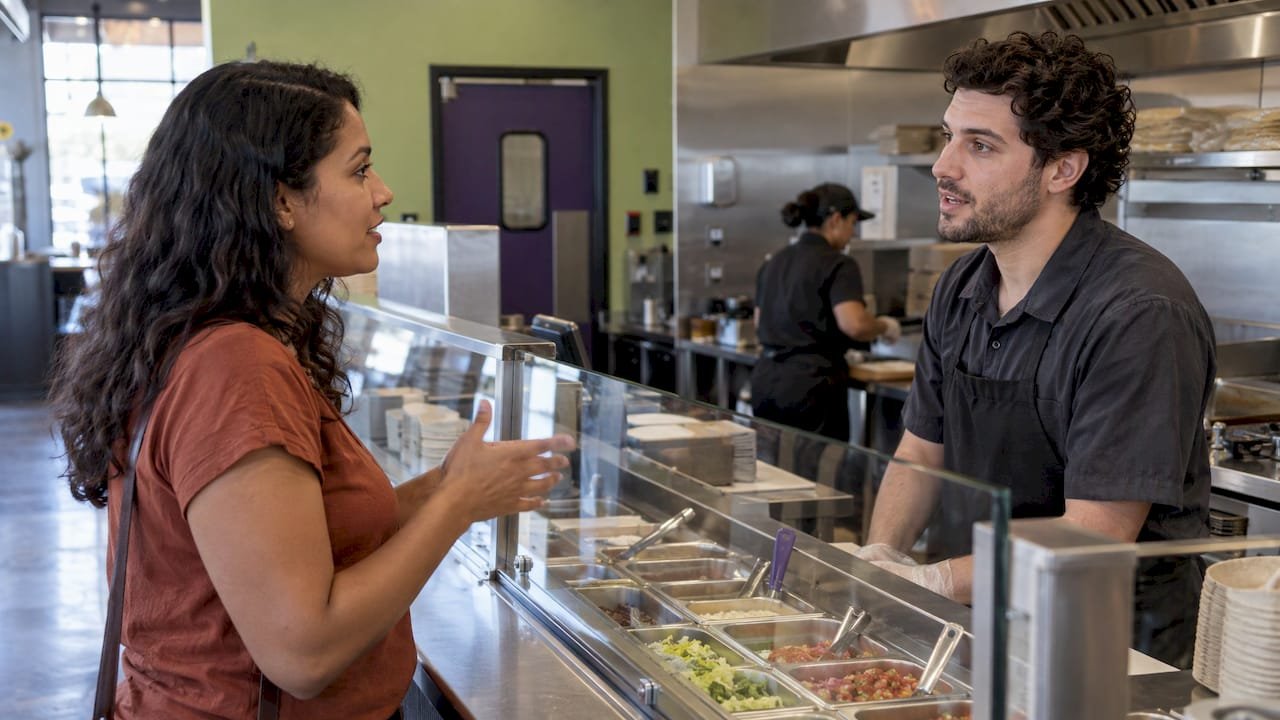
- Tell your server before you order. Say which foods you must avoid and make clear it is not a preference.
- Ask how the food is prepared. This is where hidden ingredients and shared equipment come out.
Then use specific questions. Combining the checklists from Hype Food Co., a Canadian company, and standard allergy advice, these are the ones that matter for Mexican food:
- “I can’t have corn in any form. Is there corn in the tortilla, rice, beans, salsa, seasoning blend or sauces?”
- “Do any of your spice blends or thickeners contain cornstarch?”
- “What oil is used for cooking, and is there a fryer that cooks corn chips or tortillas?”
- “Can this be prepared with clean utensils and on a clean surface?”
- “Do any sauces or condiments contain nuts, including peanut?”
- “Can the dish be modified to leave out the corn or nut ingredients?”
For corn specifically, the Food Allergy Research & Education chef card is a handy printable. It lets you mark corn as an allergen and asks the kitchen to clean utensils, equipment and preparation surfaces immediately before use. Handing a card to staff on a busy day cuts down on miscommunication.
Cross-contact: the part menus do not show
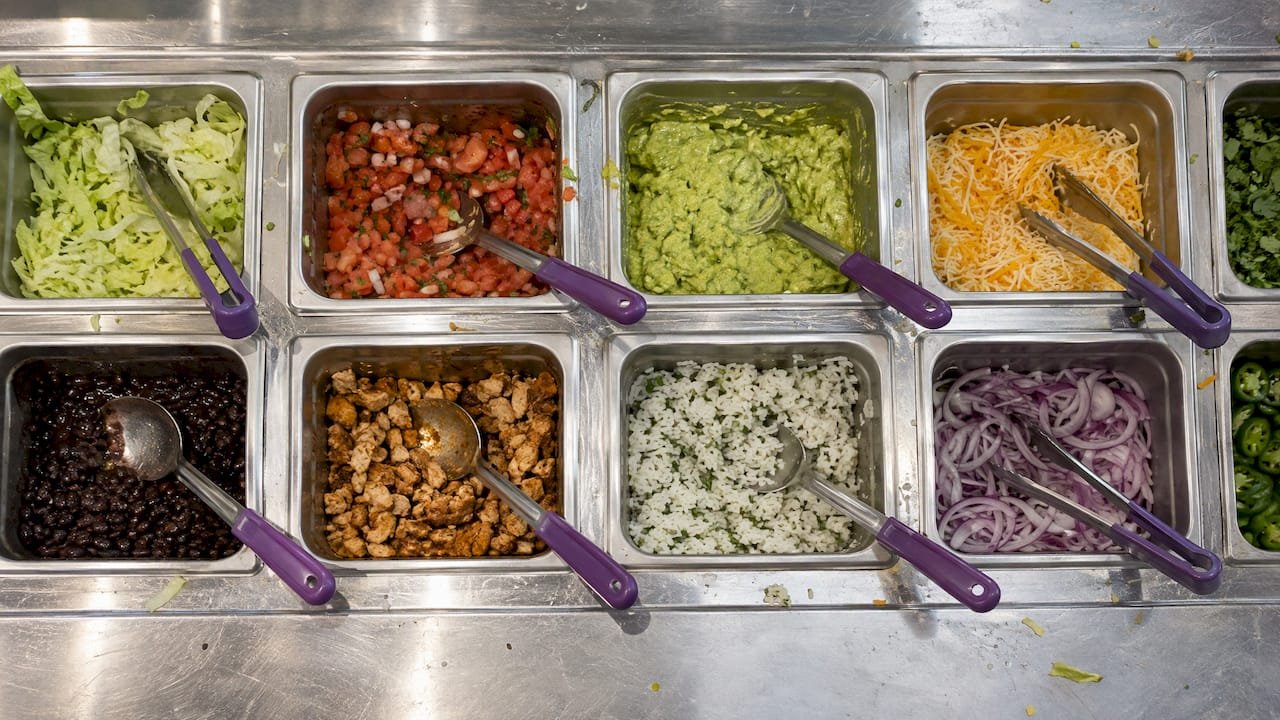
Even when every ingredient is safe, a shared surface can undo the order. Food Allergy Canada notes that cross-contamination can happen when the same equipment or utensils are used for several dishes, including shared fryers, knives and spatulas. For peanut allergy, it adds that even a small amount transferred through a surface, an object or saliva could trigger a reaction, as described on its peanut page.
In a Mexican kitchen, think about:
- Fryers. Corn chips and corn tortillas are often fried in the same oil as other items. A kitchen without a deep fryer removes one common cross-contact route, though you should still ask about other shared tools.
- Griddles and presses. Corn tortillas and flour tortillas may be warmed on the same surface.
- Topping bins and scoops. An open line is convenient, but a utensil can travel from bin to bin.
- Gloves and cutting boards. Ask whether staff can change gloves and use a clean board for your order.
Hype Food Co. also suggests asking whether there is a separate preparation area for allergen-free dishes and avoiding fried foods or dishes with many sauces. If you have an anaphylactic allergy, talk to your allergist about what level of precaution is right for you, and carry your prescribed epinephrine auto-injector as directed.
Our perspective
We are a from-scratch kitchen, and that shapes how we think about ordering around an allergy or a sensitivity. When tortillas are pressed with Manitoba flour, proteins are slow-cooked and hand-pulled in-house, and the menu is built around a short list of ingredients we know, there are fewer unknowns between the counter and your plate.
Our kitchen is deep-fryer-free, which takes shared fryer oil out of the picture. Our menu is designed to be inclusive, with gluten-free, vegan, vegetarian, keto and paleo options, and our staff are trained to handle specific dietary needs and cross-contamination concerns. That training is why we welcome the direct questions in this article. Ask us what is in a salsa or how a bowl is assembled, and we will talk you through it.
Our advice is to start with a build-your-own format. A bowl or a burrito lets you choose each component, name what you need to avoid, and have the person making it hear that clearly. If your list is long, call ahead at a quiet time of day so the manager can go through it with you.
Austin
Order it at Burrito Splendido
If you are in Manitoba and want a customizable order to build around your needs, our menu covers burritos, naked burrito bowls, tacos, quesadillas, salads, soup, sides, kids’ items and sweet endings. Tell the team at the counter what you need to avoid, and ask about the ingredients in the proteins, salsas and sauces you are considering. We are happy to go through them with you.
Planning a group order? Our catering options include Burrito Express, Burrito Express Deluxe and the Bueno Burrito Bar. Share dietary needs with us when you place the order so we can plan around them.
A few related guides
Allergies and dietary needs often overlap, so these pages may help if you are managing more than one:
- Dairy-free ordering at Mexican restaurants covers cheese, crema and sauce questions.
- Gluten-free Mexican food in Brandon explains how to approach tortillas and cross-contact when avoiding wheat.
- Healthy Mexican order swaps gives sample builds you can adapt.
- Winnipeg’s Mexican restaurant checklist lists what to look for in a fresh, customizable spot.
FAQ
Is Mexican food naturally corn-free?
No. Corn is central to traditional Mexican cooking, from tortillas and chips to tamales and hominy-based soups. Corn-free eating is still possible if you choose flour tortillas, bowls or salads and confirm the sauces, seasonings and cooking oil with staff.
Do Canadian restaurants have to tell me if a dish contains corn or nuts?
Not on menus. Packaged foods carry ingredient labels, but restaurants are not required to list priority allergens for menu items, according to Food Allergy Canada. You need to ask. Corn is also not one of Health Canada’s priority allergens, so name it explicitly.
What sauces should I check for nuts?
Ask about chipotle and other Mexican-style sauces, which Food Allergy Canada says may contain peanut. Also check mole, creamy vegan sauces and desserts, where tree nuts can be used as a base or topping.
Should I call before I visit?
Yes, if your allergy is serious. Food Allergy Canada suggests phoning at a quiet time and speaking with the manager or kitchen manager before you order. It gives them time to check ingredients and plan your meal.
What is the safest format to order?
A simple, build-your-own item, such as a bowl or salad with plain protein and fresh vegetables, usually has the shortest ingredient list. That makes each component easier to confirm. Complex, pre-made or heavily sauced dishes are harder to verify.
Sources
- UNESCO: Traditional Mexican cuisine
- Health Canada: Common food allergens
- Food Allergy Canada: Dining out
- Food Allergy Canada: Peanut
- Food Allergy Canada: Think Food Allergy toolkit for foodservice
- FARE chef card
- Hype Food Co.: Eating out in restaurants with food allergies
- The Allergy Chef: Hidden sources of corn