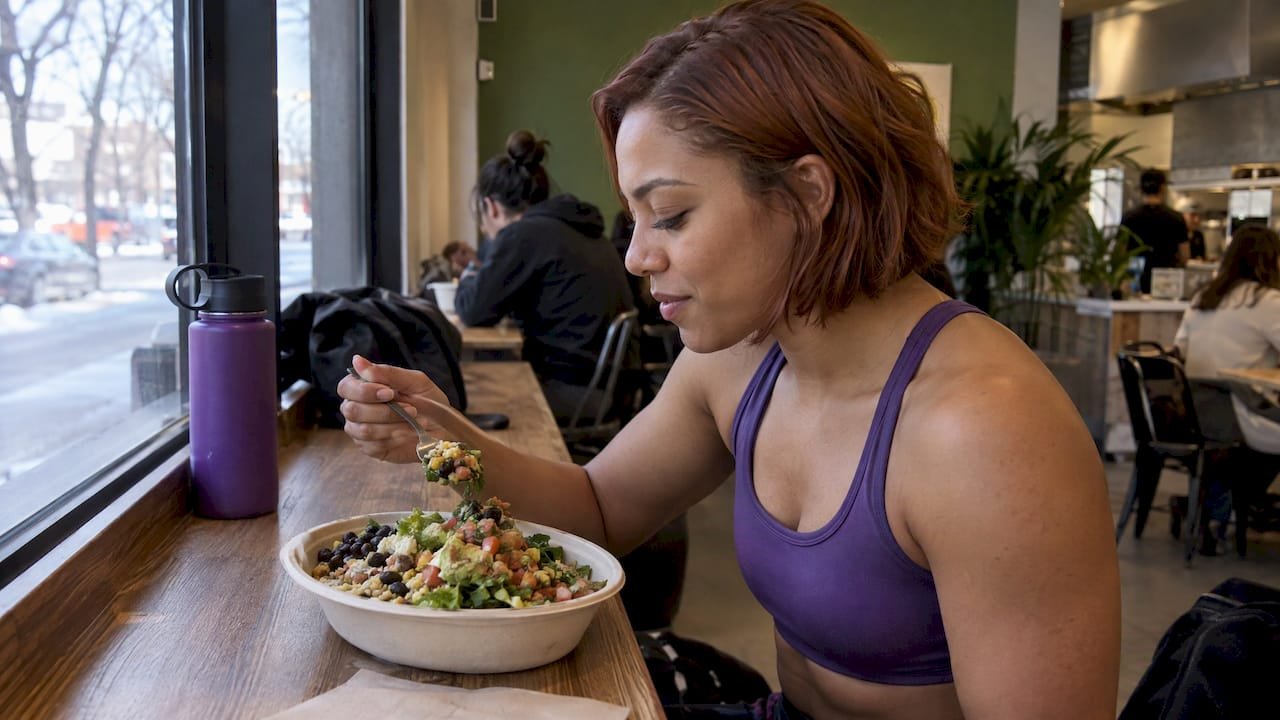
The best post-workout meal combines carbohydrate to refuel and protein to repair, eaten within about two hours of training (sooner if you train again within 24 hours), with fluids alongside. In Winnipeg, a customizable bowl built around slow-cooked meat or beans, rice, vegetables and salsa does that job well. This guide covers the numbers, the timing and how to order a recovery meal that fits your session.
TL;DR
- Aim for carbohydrate plus protein after training. Canadian sources suggest roughly 15 to 30 g of protein and a good serving of carbohydrate, scaled to how hard you trained.
- Timing depends on your schedule: within 30 minutes if you train again in under 24 hours, and within about 2 hours otherwise. If your next session is more than a day away, eating at your next normal meal is fine.
- A burrito bowl with lean protein, rice or beans, vegetables and salsa matches the plates dietitians and sports bodies describe.
- At Burrito Splendido you build the bowl yourself, so you can set protein, carbohydrate and diet style (gluten-free, vegan, keto, paleo) to suit your training day.
Table of Contents
- What a post-workout meal needs to do
- How soon should you eat after training?
- How much protein and carbohydrate?
- Does the meal change with the workout?
- Why a burrito bowl works as a recovery meal
- Building a post-workout bowl at Burrito Splendido
- Sample recovery orders
- Our perspective
- Order your recovery bowl
- When to see a dietitian
- FAQ
- Sources
What a post-workout meal needs to do
After hard exercise your body has two jobs: put fuel back into the muscles and repair the muscle fibres you stressed. Carbohydrate handles the first job and protein the second. Fluids and sodium handle the third, replacing what you sweated out.
A Performance Dietitian in British Columbia describes this as the five R’s of recovery nutrition: restore glycogen with carbohydrate, repair muscle with protein, replenish electrolytes, rehydrate, and do it all reasonably soon. It is a handy checklist for any plate.
Protein on its own is not enough. A Canadian nutrition practice notes that building new muscle takes resistance exercise, protein and carbohydrate together. That is why a plate of plain chicken breast is a weaker recovery meal than chicken with rice and vegetables.
What about fat and fibre? Before a workout, many people limit them to avoid stomach trouble. Afterwards, registered dietitians at a Canadian practice say most fitness enthusiasts do not need to limit fat and fibre in the post-workout meal. So beans, avocado-style toppings and whole-food ingredients are welcome on a normal recovery plate.
How soon should you eat after training?
The honest answer is that it depends on when you will train next. Alberta Health Services says that if you have less than 24 hours until your next activity, you should eat carbohydrate and protein within 30 minutes. If you have more than 24 hours, you can simply eat when you are hungry for your next meal or snack.
Other Canadian and international sources give a slightly wider window:
- Registered dietitians at a Canadian practice recommend a post-workout meal within two hours of finishing.
- Mayo Clinic advises a meal with both carbohydrate and protein within two hours if possible, and a snack if your meal is more than two hours away.
- Cleveland Clinic suggests a quick protein-packed snack 15 minutes to an hour after a workout, followed by a full meal a few hours later.
In practice, that gives you a simple rule. If you train daily or twice a day, plan your meal for straight after: pack a snack in your gym bag and have the proper meal soon after. If you train three or four times a week, a proper meal within two hours of finishing is plenty.
How much protein and carbohydrate?
Sources differ a little, because they speak to different athletes. Here is how the main Canadian references line up.
| Source | Protein | Carbohydrate | Notes |
|---|---|---|---|
| Canadian nutrition practice | At least 10 to 15 g | About 30 g | For most people after a typical session |
| Dietitians of Canada position paper | 0.25 to 0.3 g/kg (15 to 25 g) in the first 2 hours | About 1 to 1.2 g/kg per hour for the first 4 to 6 hours | For athletes maximizing refuelling |
| Performance Dietitian, British Columbia | 0.3 to 0.4 g/kg (20 to 27 g for a 150 lb person) | Scaled to session | Immediate recovery meal |
| The Hospital for Sick Children | 15 to 20 g | 45 to 60 g | A 3:1 carbohydrate to protein ratio, ideally as soon as possible |
| Sport Manitoba | n/a | 1 to 1.2 g/kg per hour for 4 to 6 hours | After intense training or competition |
For a 75 kg person, the Dietitians of Canada figure of 0.25 to 0.3 g/kg works out to about 19 to 22 g of protein. That fits comfortably inside the 20 to 40 g range the Canadian dietitians above describe for a post-workout meal.
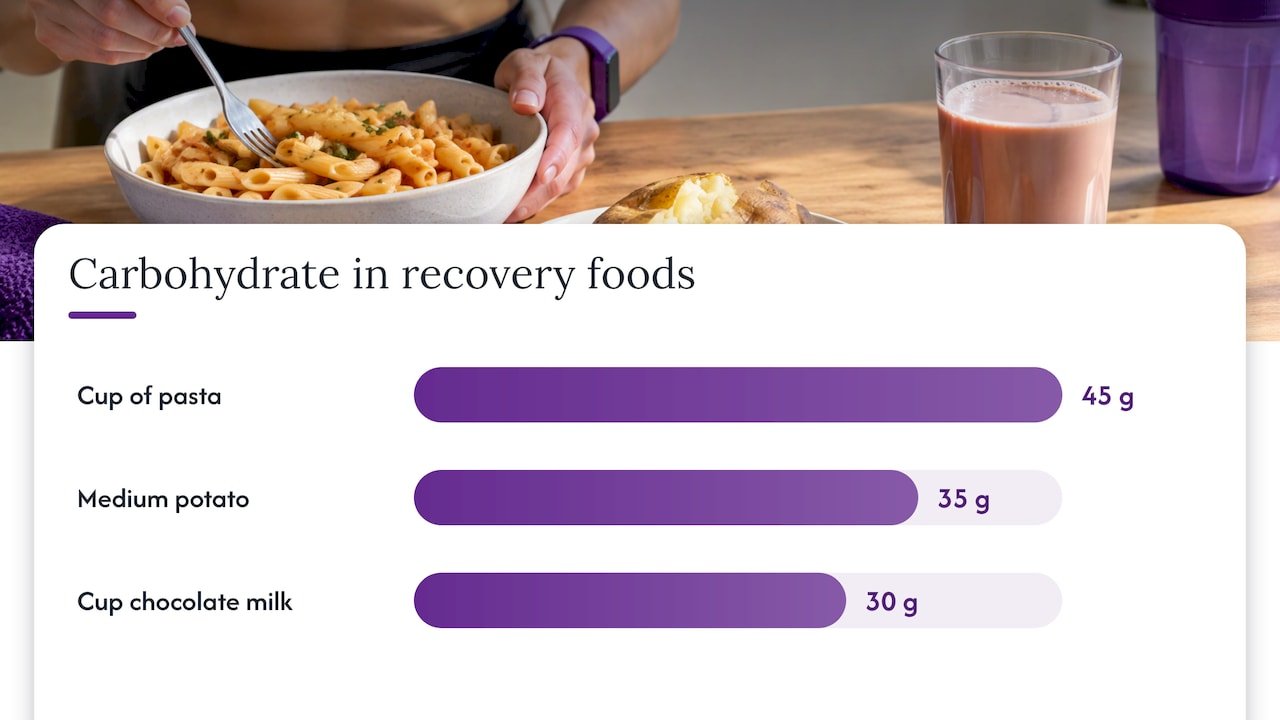
Sport Manitoba’s list of common recovery foods is a useful reality check on carbohydrate: one cup of pasta is about 45 g, a medium potato about 35 g and a cup of chocolate milk about 30 g. A generous scoop of rice and beans in a bowl lands in the same territory.
Most recreational exercisers do not need to count grams at every meal. If you want a rough check, think of a palm-sized portion of protein, a fist or two of carbohydrate and a good helping of vegetables.
Does the meal change with the workout?
Yes. Match the plate to the session.
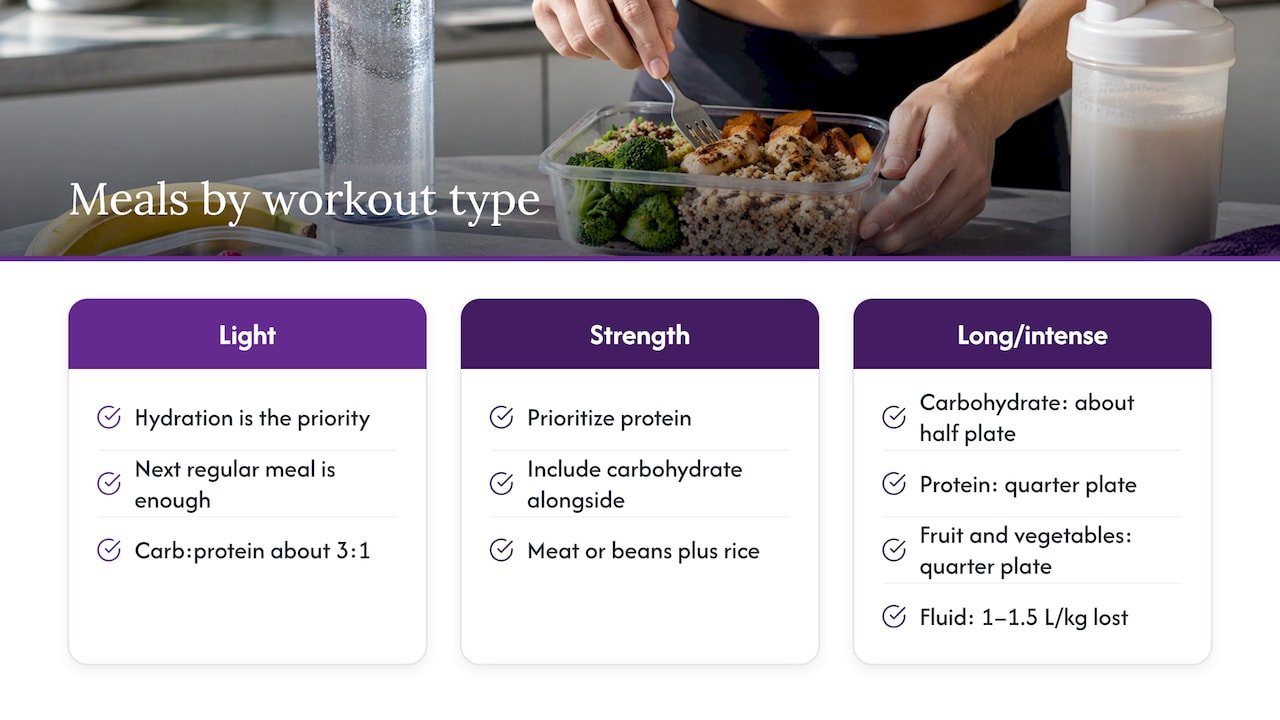
Short or light session (a 30 to 45 minute walk, yoga, easy ride). Hydration matters most, and your next regular meal is enough. Cleveland Clinic suggests that after a light workout, hydration is key and a meal with about 3 g of carbohydrate per gram of protein works well.
Strength training. Prioritize protein, with carbohydrate alongside. A bowl with a full portion of meat or beans, plus rice, suits this.
Long or intense sessions (over an hour, hard intervals, a race). The Hospital for Sick Children says that for hard training, the plate shifts to about half carbohydrate, a quarter protein and a quarter fruit and vegetables. It also notes that after exercise you should replace each kilogram of body weight lost with 1 to 1.5 litres of fluid.
Dietitians of Canada’s 2025 guidelines go further for athletes: replace 150% of the weight lost during exercise with fluid containing sodium, with higher sodium levels when you have little time between sessions or are moderately dehydrated. A salsa-topped, properly seasoned meal and a drink alongside it helps with that.
On drinks, water is usually enough. A Canadian dietitian practice says sports drinks are generally unnecessary unless activity is intense and lasts more than 60 to 90 minutes. Plain milk is a classic recovery drink too, as it supplies both carbohydrate and protein.
Why a burrito bowl works as a recovery meal
Look at what sports dietitians actually put on a recovery plate. Dietitians of Canada’s examples include roasted chicken or scrambled eggs on a whole wheat tortilla with fruit salad, and brown rice or quinoa with grilled fish and steamed vegetables. The NCAA Sports Science Institute lists a burrito bowl with grilled chicken, beans, rice and salsa among its recovery ideas. Cleveland Clinic suggests a bowl with chicken, brown rice, black beans, cheese, lettuce and salsa for strength training days.
That is a burrito bowl: a protein, a starch, beans, vegetables and a flavourful topping in one container. It is easy to eat after a session, and you can flex each part.
Plant-based eaters can reach their protein targets the same way. A 25 g plant protein bowl shows how beans, grains and seeds can add up on a vegan plate, which is the same logic you use when you pile beans and rice into a bowl.
Building a post-workout bowl at Burrito Splendido
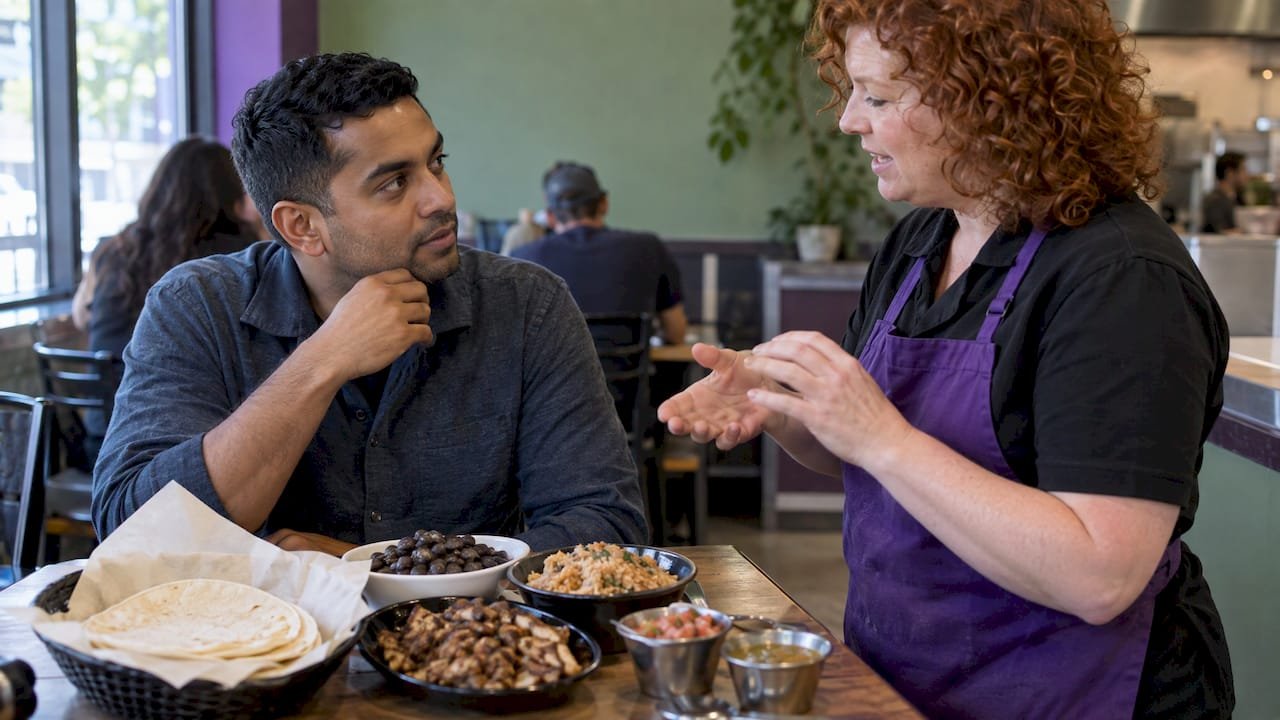
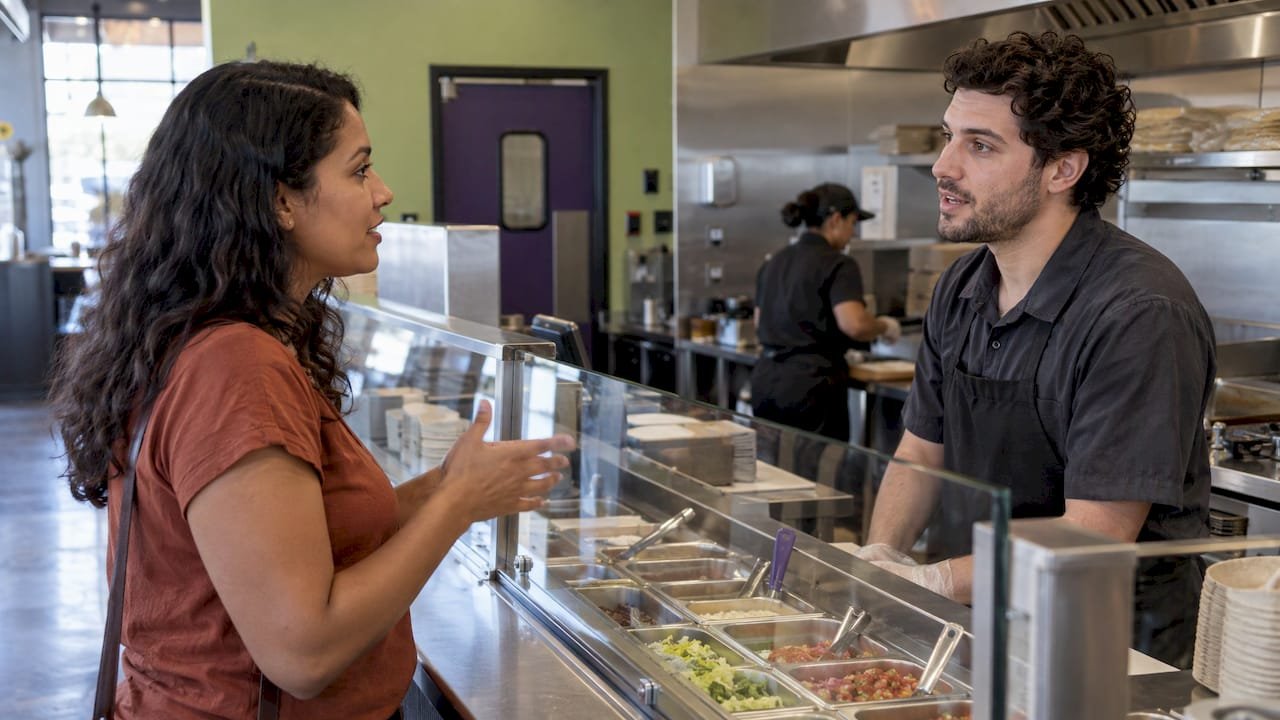
We make our food from scratch each day, and you choose what goes in. Here is how to order it for recovery.
- Pick the format. A “naked” burrito bowl skips the tortilla and puts the focus on protein, rice, beans and vegetables. If you want more carbohydrate after a long session, a burrito wraps it in one of our house-pressed tortillas, made with 100% Manitoba flour. Our guide to the naked burrito bowl in Winnipeg explains the option in more detail.
- Choose the protein. Our carnitas (braised pork), barbacoa (shredded beef) and adobo chicken are slow-cooked and hand-pulled in-house. Ask for a double portion on strength days. Vegetarians and vegans can build around beans and our plant-based options.
- Add the carbohydrate. Rice and beans give you the refuelling carbohydrate. After intense or long sessions, ask for a bigger base.
- Load the vegetables and salsa. They add fibre, colour and flavour, and salsa brings some of the sodium you lose in sweat.
- Add a drink. Water is a strong default. If you want milk-based recovery, build it into the rest of your day.
For numbers, our page on burrito bowl macros for meal prep walks through how to aim for 30 to 45 g of protein in a bowl. Our high protein Mexican in Winnipeg guide covers how to order the biggest protein hit.
Eating to your diet
Our menu is designed to cover gluten-free, vegan, vegetarian, keto and paleo eating, and our staff are trained to handle specific dietary needs and cross-contamination concerns. We are also a deep-fryer-free kitchen. If you have an allergy or a medical dietary requirement, tell the person taking your order so the bowl is made accordingly.
Watching your salt? Our page on low sodium Mexican orders shows how to ask for what you need.
Sample recovery orders
These are templates to adapt, not nutrition prescriptions.
- After a lunchtime lift: a naked bowl with a double portion of adobo chicken, beans, rice, vegetables and salsa.
- After a long run or bike ride: a burrito with carnitas or barbacoa, rice and beans, with water or milk to follow.
- After a vegan or plant-based session: a bowl built on beans, rice, grilled vegetables and salsa, adding any extra plant protein from the menu.
- After a keto or paleo workout: a bowl without the rice and with extra protein and vegetables, then add carbohydrate from the sides that suit your plan.
- When you train again tomorrow: eat within 30 minutes if you can, even if it is only half a bowl, then finish the meal when you are home.
If you are in the middle of the working week, our seasonal Manitoba bowls and healthy lunch page is a good starting point.
Our perspective
We cook for people who care about what goes into their bodies, and a lot of them come straight from the gym, the rink or the trail.
What recovery needs is not complicated: real protein, real carbohydrate, vegetables and a little time. A from-scratch kitchen is built for that. Our carnitas, barbacoa and adobo chicken are slow-cooked and hand-pulled in-house, our tortillas are pressed with Manitoba flour, and we don’t run a deep fryer.
The other part of recovery is flexibility. You might train hard on Monday and go gentle on Tuesday, eat keto one month and plant-based the next. A bowl you build yourself bends to all of that, which is why we think it is one of the best post-workout meals in the city.
We source locally where we can: poultry from Granny’s Chicken, cheese from Bothwell Cheese, produce mostly through Peak of the Market. Eating well after a workout and supporting Manitoba producers belong on the same plate.
Austin
Order your recovery bowl
Ready to eat after training? Our menu has burritos, bowls, tacos, quesadillas, salads and more, available for dine-in, takeout and online ordering. Build your bowl with the protein, base and toppings that match today’s session.
Training with a team or planning a corporate wellness day? Our catering options cover groups, and our dietary friendly catering guide helps you plan for mixed needs. If you are near CFB Shilo, our CANEX Mall location serves high-protein meals for military and community members.
When to see a dietitian
General guidance only goes so far. If you train for competition, manage a medical condition, have a food allergy or want a personal plan, see a professional. In Manitoba, “dietitian” and “registered dietitian” are protected titles requiring registration with the College of Dietitians of Manitoba, while “nutritionist” is not protected. One Winnipeg clinic lists sports performance nutrition appointments at $190 for the initial 90 minutes and $100 for 45-minute follow-ups, with no doctor’s referral needed.
FAQ
Do I need to eat within 30 minutes of working out?
Only if you will be active again within 24 hours. Alberta Health Services says that with more than 24 hours until your next activity, you can eat at your next meal or snack when you are hungry. For most people training a few times a week, a meal within two hours is a sensible target.
How much protein should I have after a workout?
Most Canadian guidance lands between about 15 and 30 g in the first meal. The Dietitians of Canada position paper puts the early recovery target at 0.25 to 0.3 g/kg, or 15 to 25 g. Pair it with carbohydrate rather than eating protein alone.
Is a burrito bowl a good post-workout meal?
Yes, when it combines protein, a carbohydrate base such as rice or beans, and vegetables. Sports nutrition resources such as the NCAA Sports Science Institute list a chicken, bean, rice and salsa bowl among their recovery meals. At Burrito Splendido you can adjust each part to your session.
What can I eat after a workout if I’m vegan or vegetarian?
Build around beans, lentils, tofu, nuts and seeds with grains and fruit. Alberta Health Services’ poster lists these among its protein and carbohydrate foods for post-activity meals. Our menu offers vegan and vegetarian bowls you can customize.
Do I need a sports drink?
Usually not. A Canadian dietitian practice says water is the best choice in most cases, and sports drinks matter mainly when activity is intense and lasts more than 60 to 90 minutes.
Sources
- Sports Nutrition: Eating Guidelines for Athletes (Dietitians of Canada, 2025)
- Answering the Most Popular Questions from an Expert Sports Dietitian
- Foods to eat before and after a workout
- Eating for Activity, Alberta Health Services
- What to Eat During and After Activity, Alberta Health Services
- Eating and exercise: 5 tips to maximize your workouts, Mayo Clinic
- Should You Eat Before or After a Workout? Cleveland Clinic
- Eating before, during and after a workout
- Dietitians of Canada position paper
- Sports nutrition and supplement safety, The Hospital for Sick Children
- High Performance Recovery: Nutrition and Hydration, Sport Manitoba
- Nutrition for Runners, Kids Run Club
- Fueling for Recovery, NCAA Sports Science Institute
- Registered Dietitian Winnipeg, Body Measure
- 25g Plant Protein Bowl