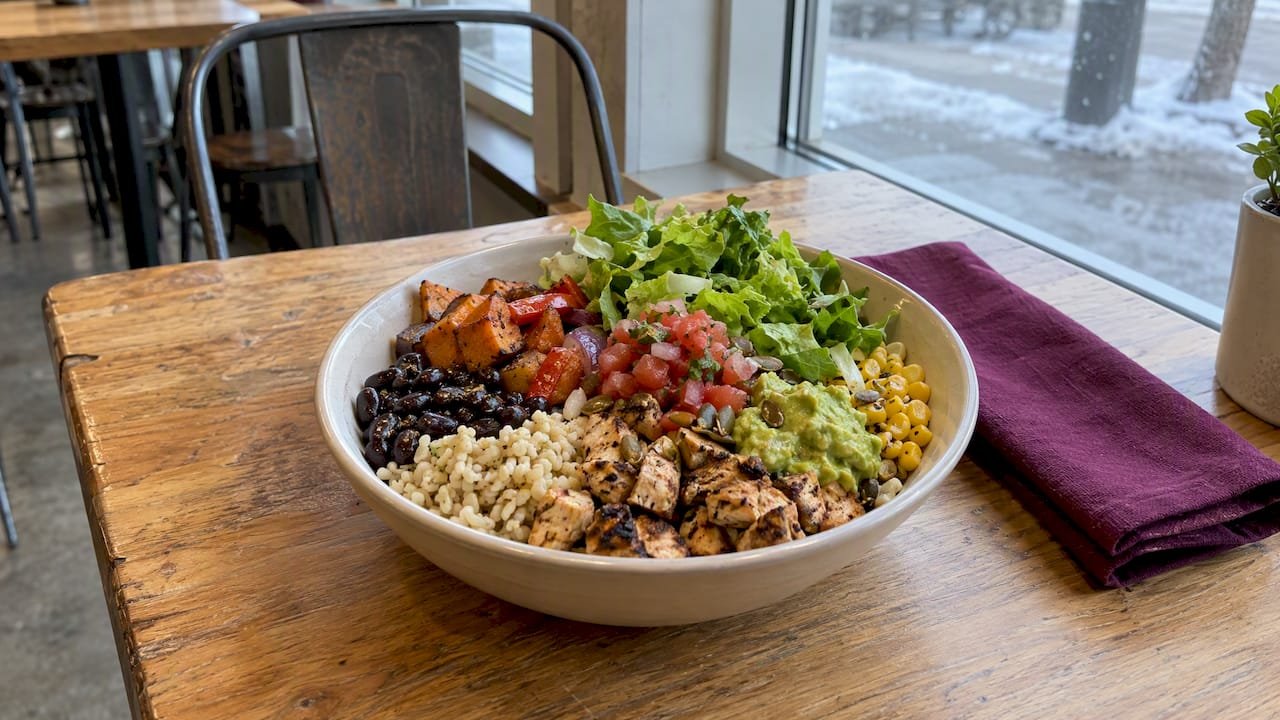
The best tofu burrito bowl is crispy, well-seasoned tofu over a seasoned grain, stacked with beans, fresh vegetables, and a bright sauce. Press the tofu first, then bake or pan-sear it. That’s the whole method. Everything else in this guide is just how to build the rest of the bowl around it.
TL;DR:
- Pressing tofu properly reduces moisture, allowing extra-firm or super-firm tofu to crisp better during baking or pan-searing.
- Baked tofu is ideal for batch prep, while pan-searing provides quick, crisp pieces best for immediate use or single dinners.
- The grain base should be cooked separately and flavored with lime and cilantro to prevent sogginess and ensure flavor.
- Combining tofu with beans and vegetables in a ratio of one part protein to two parts vegetables and beans creates a balanced and satisfying bowl.
- Store components separately in the fridge for up to four days, reheating rice and beans in the microwave and crisping tofu in a skillet before adding fresh toppings.
Table of Contents
- What goes into a great tofu burrito bowl?
- How do you cook tofu for a burrito bowl?
- Which grain or base works best?
- What sauces and toppings make it taste like a restaurant bowl?
- How do you assemble a tofu burrito bowl the right way?
- How long do tofu burrito bowls keep, and how do you reheat them?
- Can a tofu burrito bowl really deliver enough protein?
- What Burrito Splendido’s kitchen taught us about building a better bowl
- Order a tofu burrito bowl instead, made fresh daily
- Sources
What goes into a great tofu burrito bowl?
A tofu burrito bowl is really five components working together: protein, grain, beans, vegetables, and sauce. Skip one and the bowl feels flat. Get the ratios right and it tastes like something you’d order, not something you settled for.
Start with extra-firm or super-firm tofu. Regular or soft tofu holds too much water to crisp properly, no matter how hot your pan gets. Super-firm (sometimes called “high-protein” tofu) needs almost no pressing, which makes it the better buy if you’re short on time. Extra-firm needs 15 to 30 minutes under a weight to push out excess moisture before it browns.
Here’s what to have on hand:
- Protein: extra-firm or super-firm tofu (one 350 to 400g block per two servings)
- Grain base: white rice, brown rice, quinoa, farro, or cauliflower rice
- Beans: black beans or pinto beans, canned (rinsed) or dried and cooked
- Vegetables: corn, bell peppers, pickled red onion, shredded cabbage, cherry tomatoes
- Fats and toppings: avocado or guacamole, crema, shredded cheese, tortilla chips
- Sauce: cilantro-lime crema, chipotle crema, or a simple lime vinaigrette
- Pantry staples: cumin, smoked paprika, chili powder, garlic powder, lime, cilantro
For a gluten-free bowl, everything above is naturally gluten-free as long as your tortilla chips are certified. Dairy-free eaters swap crema for a cashew or tahini-based sauce. If sodium matters to you, rinse canned beans thoroughly and season your grain yourself instead of relying on a bouillon cube. Anyone wanting a vegan burrito built the same way can use this ingredient list as a starting map.
How do you cook tofu for a burrito bowl?
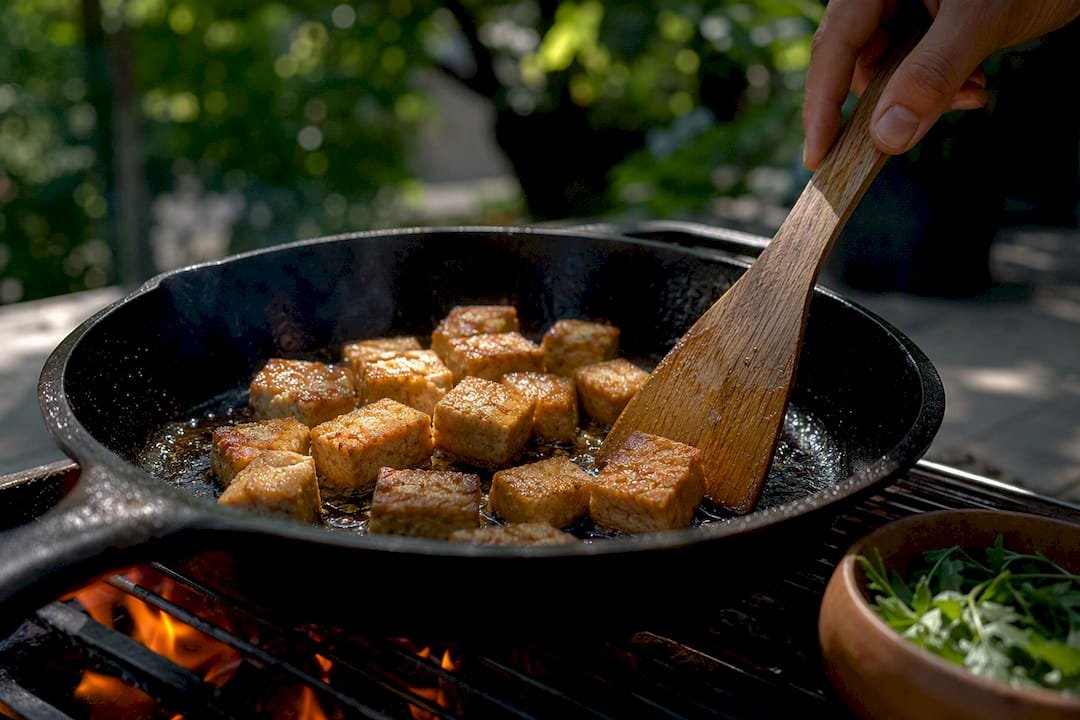
Three methods work, and each suits a different kind of week. Pick based on how much hands-on time you actually have.
Pressing comes first, regardless of method. Wrap the block in a clean towel, set something heavy on top (a cast-iron pan, a couple of cans), and leave it 15 to 30 minutes for extra-firm tofu. Super-firm tofu can skip this step or get five minutes at most.
- Baked tofu. Cube the pressed tofu, toss it in a marinade (soy sauce or tamari, lime juice, chili powder, a little oil), and spread the pieces on a parchment-lined sheet with space between them. Bake at 200°C/400°F for about 20 minutes, then flip and bake another 5 to 10 minutes until the edges are golden and firm. This is the method to use when you’re batch-cooking for the week, since it’s hands-off and scales easily to two sheet pans.
- Pan-seared tofu. Slice pressed tofu into thick “steaks” or planks, heat oil in a skillet until it shimmers, and sear about 3 to 4 minutes per side without moving the pieces too early. This gets you a genuinely crisp exterior in under 10 minutes, which makes it the pick for a single fast dinner rather than a big batch.
- Crumbled or shredded (“sofritas-style”). Break pressed tofu into irregular chunks by hand, toss with a smoky, spiced marinade, and either pan-fry over medium-high heat or bake to dry it out and crisp the edges. The rough surface area browns faster than cubes, which gives you that shredded-meat texture people expect from sofritas.
Pro Tip: Don’t crowd the pan or the sheet. Tofu releases steam as it cooks, and if the pieces are touching, that steam has nowhere to go and you get soft edges instead of crisp ones.
Which grain or base works best?
The base is where a lot of bowls quietly go wrong, either too bland or too wet. A few fixes solve most of it.
- Cilantro-lime rice: cook white or brown rice as usual, then stir in fresh lime juice, a little zest, and chopped cilantro right before serving. Do this off the heat so the herbs stay bright instead of wilting.
- Quinoa or farro: both bring more fibre and more protein per serving than white rice, and farro in particular has a chew that holds up well in meal-prep containers.
- Cauliflower rice: sauté it in a hot, dry pan (or with a small amount of oil) rather than steaming or microwaving it, which is what makes it turn watery. A quick toast with cumin and lime keeps it dry and flavourful.
- Portioning: plan on roughly ¾ to 1 cup of cooked grain per bowl for a meal-prep serving. That’s enough to anchor the bowl without burying the tofu.
If you’re deciding between a bowl and a wrapped burrito for your week, the base is really the only structural difference. Everything else transfers directly.
What sauces and toppings make it taste like a restaurant bowl?
The classic combination is black beans, corn, pickled red onion, and avocado, and it earns its popularity honestly: sweet, sharp, and creamy in the same bite. Build from there.
- Cilantro-lime crema: blend sour cream or Greek yogurt with lime juice, cilantro, and a pinch of salt.
- Chipotle crema: the same base, with a spoonful of chipotle paste or adobo sauce blended in for smoke and heat.
- Tahini-lime sauce: tahini, lime juice, water, and garlic, whisked until pourable. Good dairy-free option.
- Crunch: crushed tortilla chips or toasted pepitas, added last so they stay crisp.
- Herbs: fresh cilantro or a scattering of chopped scallion right before serving.
An avocado’s ripeness matters more than people think here. Underripe avocado won’t mash into guacamole properly, and overripe turns the whole bowl brown by day two.
Pro Tip: Every good bowl needs both acid and fat in the final assembly. Skip the lime and it tastes muddy; skip the avocado or crema and it tastes dry. Together, they’re what separate a home bowl from a takeout-quality one.
How do you assemble a tofu burrito bowl the right way?
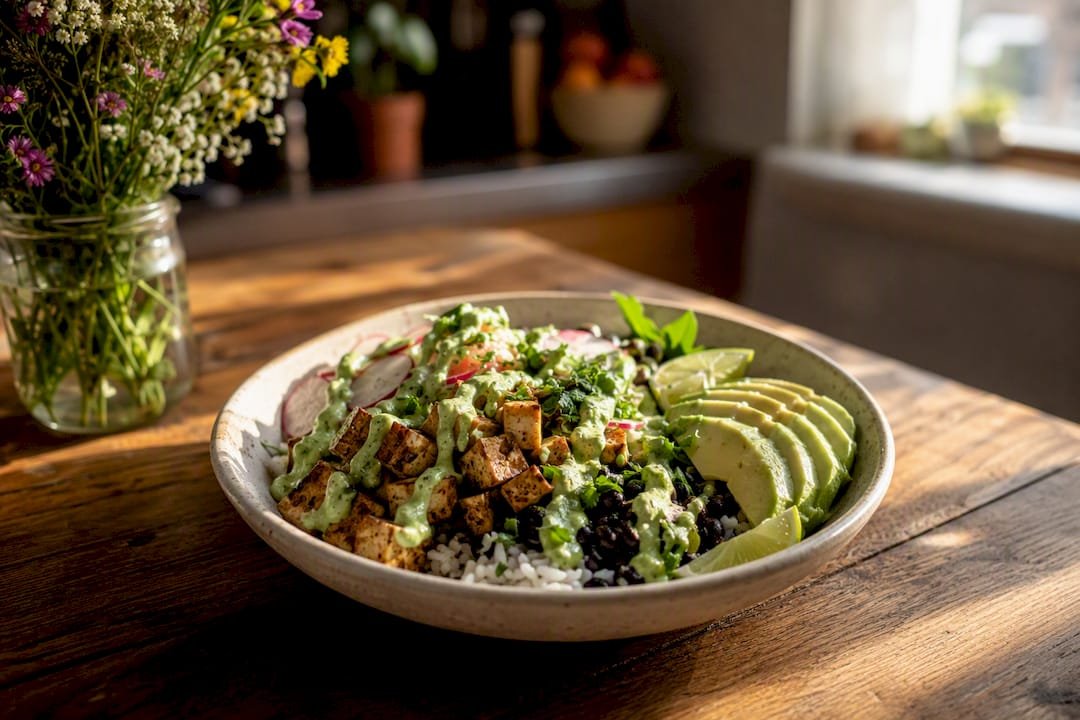
Order matters more than most recipes let on. Grain goes down first so it soaks up a little juice from what sits on top, not the other way around. Beans and vegetables go next, spaced rather than piled, so every bite gets a bit of everything instead of three bites of just rice.
A workable ratio: roughly one part protein, one part grain, two parts vegetables and beans combined, and a modest drizzle of sauce plus a fat like avocado.
For meal-prep jars or containers, keep the wet and dry separated:
- Grain on the bottom, still warm or fully cooled.
- Beans and any roasted vegetables next.
- Tofu on top of that, not underneath.
- Sauce and fresh toppings (avocado, herbs, chips) in a small separate container or added right before eating.
That last step is the one people skip, and it’s the one that keeps day-three lunch from turning into mush.
How long do tofu burrito bowls keep, and how do you reheat them?
Store each component separately: grain in one container, tofu in another, beans and roasted vegetables together, and sauce or fresh toppings in something small on the side. Kept this way in the fridge, most components hold up well for three to four days, with tofu and rice both freezing reasonably well if you need to go longer.
- Reheat rice and beans together in the microwave, covered, until steaming.
- Re-crisp tofu in a hot skillet or a toaster oven, not the microwave, which turns it rubbery.
- Add sauce, avocado, and any fresh herbs only after reheating, never before storage.
- Batch-cook grain and tofu on the same day so both finish while the oven or stovetop is already hot.
Can a tofu burrito bowl really deliver enough protein?
Yes, and by a comfortable margin if you build it deliberately. Pairing tofu with black beans and a grain in the same bowl is a pattern that shows up across high-protein vegan burrito bowl recipes precisely because it works, often landing around 30 to 35 grams of protein per serving when portions are sized generously.
To push it higher, add extra tofu rather than extra rice, or stir a spoonful of extra beans into the vegetable mix. To cut carbs without losing satisfaction, swap half the grain for cauliflower rice and lean harder on beans and avocado for bulk. If soy doesn’t work for you, tempeh or a double portion of beans covers the same protein ground.
What Burrito Splendido’s kitchen taught us about building a better bowl
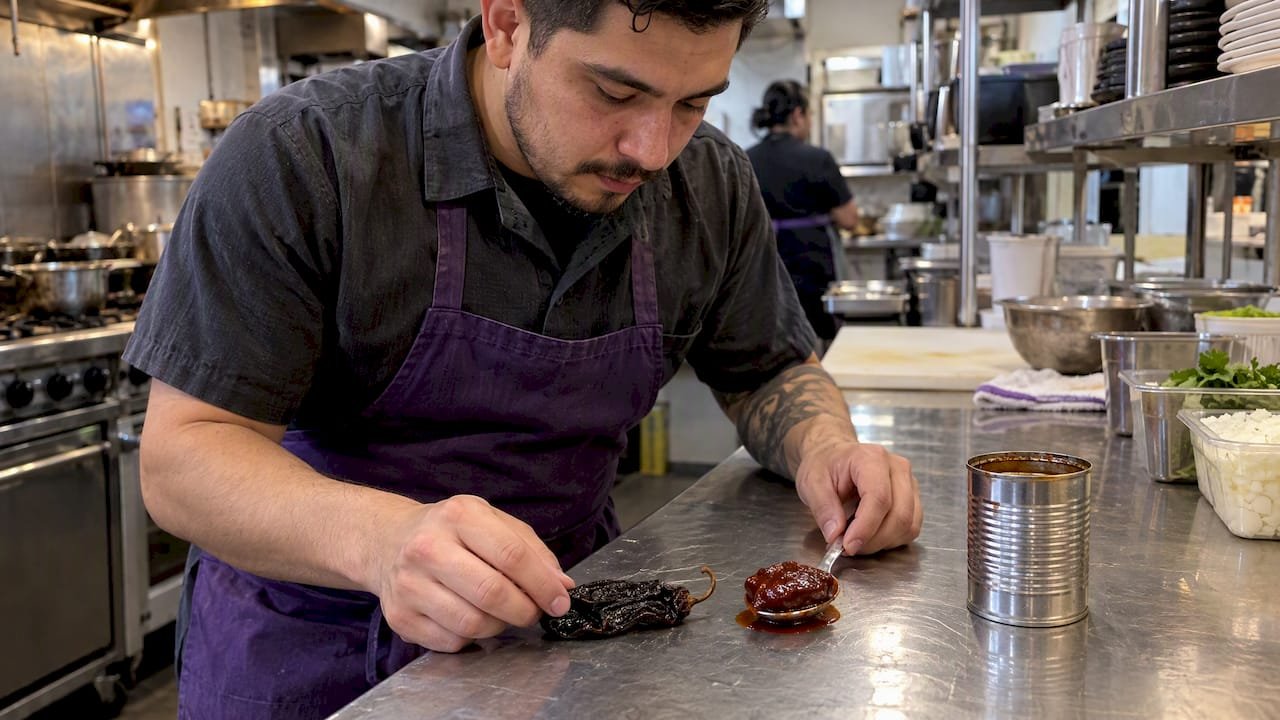
Running a from-scratch kitchen day after day teaches you that flavour rarely comes from a single ingredient. It comes from timing: pressing tofu properly before it hits heat, finishing with fresh lime instead of bottled, portioning so no single component overwhelms the rest. Those are restaurant habits, but none of them require restaurant equipment.
At Burrito Splendido, sourcing Manitoba-produced ingredients daily means the produce and proteins going into a bowl were chosen that morning, not pulled from a case that’s been sitting for a week. You can approximate that at home simply by shopping closer to your cooking day and pressing tofu right before you need it rather than the night before.
— Austin
Order a tofu burrito bowl instead, made fresh daily
If pressing tofu and blending crema isn’t how you want to spend a weeknight, Burrito Splendido builds that same bowl for you, fresh, every day. Our naked burrito bowls are fully customizable with vegan and gluten-free options, so you get the crispy protein and bright sauce without the cleanup.
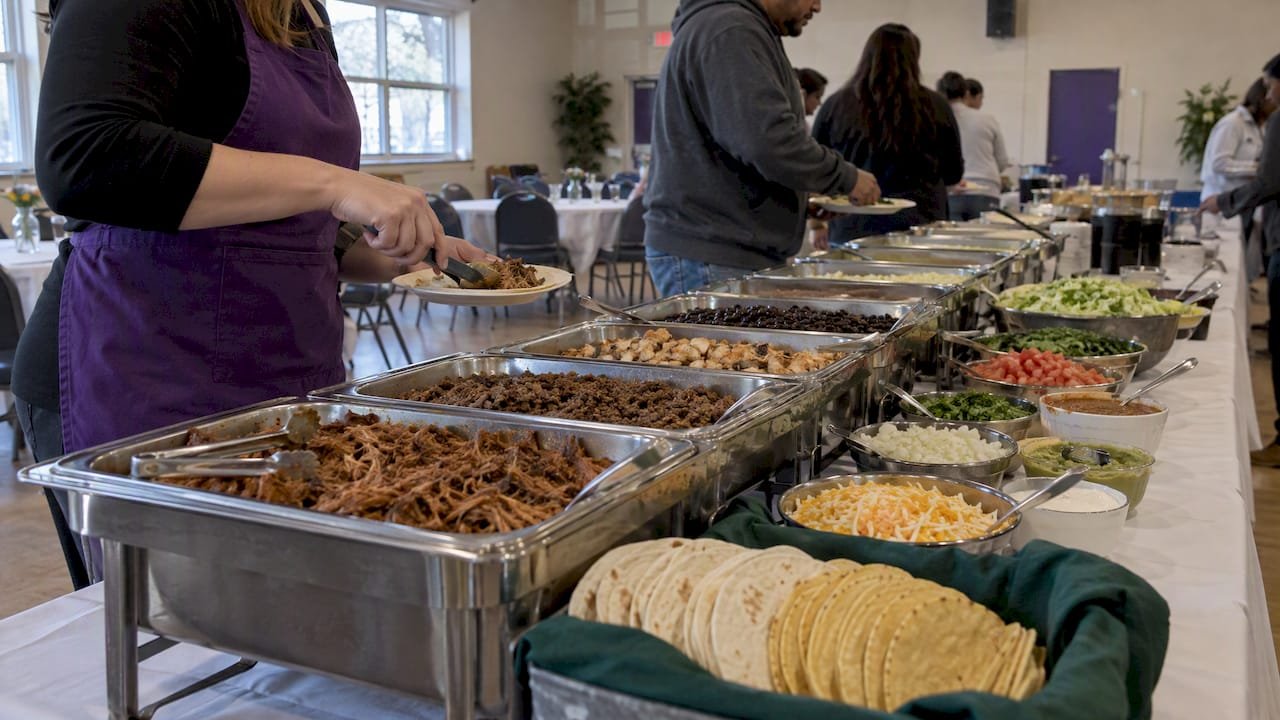
Every bowl is prepared from scratch using locally sourced ingredients, the same standard we apply across our menu, and the same day you order it. Feeding a group instead of just yourself? Our catering service handles bowls, tacos, and toppings bars for offices and events without you touching a stove. Ready to skip the prep work entirely? Order your bowl online and have it fresh within the hour.
Sources
- High-Protein Vegan Burrito Bowls (Easy Meal Prep) – plant protein kitchen
- 30g Protein Vegan Burrito Bowl (10-Minute Dinner) – The Happy Pear
- Healthy Chipotle Tofu Burrito Bowls – Bensrecipes