Mexican food can fit a diabetes meal plan. What matters is how the plate is built: how much carbohydrate it holds, what kind, and what sits alongside it. Grilled or slow-cooked protein, beans, vegetables and salsa work well. Deep-fried shells, a free-flowing chip basket and a large side of rice are where a meal tends to tip over. At Burrito Splendido you choose each part of the meal yourself, so a bowl or tacos can be built around the carbohydrate amount your care team has given you.
This guide is for people in Winnipeg and across Canada who live with prediabetes or diabetes, or who cook and eat with someone who does. It uses guidance from Diabetes Canada and Diabetes Québec. It is general information, not personal medical advice.
TL;DR
- Carbohydrate amount and type both matter. Diabetes Canada does not recommend cutting out all carbohydrate foods, so you do not have to give up Mexican food.
- Build around protein, beans, vegetables and salsa. Pair higher-fibre carbohydrates with protein and healthy fats.
- Skip the chip basket, deep-fried shells and creamy sauces. Swap a rice side for salad when the main dish already has starch.
- A bowl, or tacos with one or two tortillas, lets you control the carbohydrate on the plate more easily than a large wrapped burrito.
- Your own carbohydrate and glucose targets come from your dietitian or doctor. The ranges below are general only.
Table of Contents
- Is Mexican food okay with diabetes?
- Know your own numbers first
- Which Mexican dishes tend to work well
- What to skip or swap
- Build your order in five steps
- A sample plate, with the reasoning
- At Burrito Splendido: how we build it
- How to ask at the counter
- Taco or quesadilla?
- Perspective
- Order your build
- FAQ
- Sources
Is Mexican food okay with diabetes?
Yes. Diabetes Canada’s meal-planning guidance says that the amount and the type of carbohydrate matter, and it does not call for avoiding every carbohydrate food. The same page notes that low-glycemic-index foods such as legumes, whole grains, fruits and vegetables can help with blood glucose control and with feeling full. Beans, tomatoes, peppers, onions, cabbage, lime and avocado are the backbone of a lot of Mexican cooking. That puts the cuisine in a decent starting position.
The second idea to hold onto is pairing. Diabetes Canada’s article on balanced eating suggests combining higher-fibre carbohydrates with protein and healthy fats to help keep blood glucose steadier. A bowl of black beans, grilled meat, lettuce, salsa and avocado does this almost automatically. A basket of chips followed by a plate of rice and a flour wrap does the opposite.
The same article also says that no single eating plan works for everyone. That is why this page gives you a method for ordering rather than one fixed menu.
Know your own numbers first
Before you pick a dish, it helps to know what you are aiming for. Diabetes Canada’s dining-out page lists general carbohydrate ranges of 45 to 60 g per meal for women and 60 to 75 g for men. It also says to talk with a dietitian about the right amount for you, because individual needs vary.
The same page gives general glucose targets of 4 to 7 mmol/L before meals and 5 to 10 mmol/L two hours after a meal starts, and tells readers to know their own target. Your targets may be different, especially if you use insulin or other medication, are pregnant, or have other health conditions. If you are unsure, ask your doctor, diabetes educator or a registered dietitian before you change how you eat.
Once you have your number, restaurant ordering becomes a simple sum: a portion of starch, a portion of beans or other carbohydrate foods, and everything else mostly protein and vegetables.
Which Mexican dishes tend to work well
Diabetes Québec’s restaurant guide, written by registered dietitians, favours vegetable-and-grilled-meat fajitas over deep-fried options such as tostadas, shells and chimichangas. It suggests salsa and lime in place of sour cream or cheese sauce. That gives a useful rule: pick the dish where heat does the work (grilling, braising, slow cooking) and flavour comes from salsa, lime and spice rather than fat.
| Choice | Why it tends to work | What to watch |
|---|---|---|
| Burrito bowl, no tortilla | You decide how much rice and beans go in; protein and vegetables fill the rest | Rice portion |
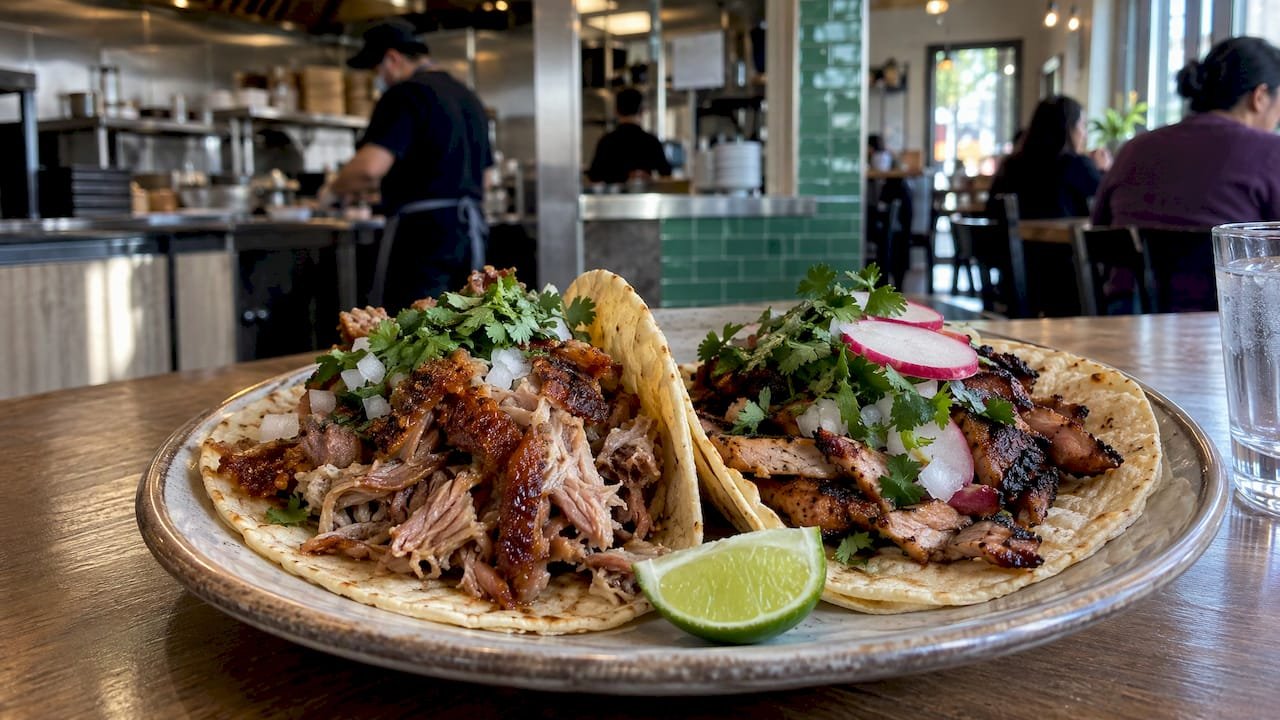
| Tacos on one or two soft tortillas | Each tortilla is a clear, countable portion | Number of tortillas |
| Grilled or braised protein | Adds protein without a fried coating | Sugary glazes and sauces |
| Black or pinto beans | Fibre and slower-digesting carbohydrate | Count them as carbohydrate |
| Salsa, lime, cabbage, lettuce, peppers | Flavour and volume with little added fat | Creamy dressings |
| Avocado or guacamole | Healthy fat to pair with carbohydrate | Portion size |
A real-world example: Diabetes Canada’s Baja bowl
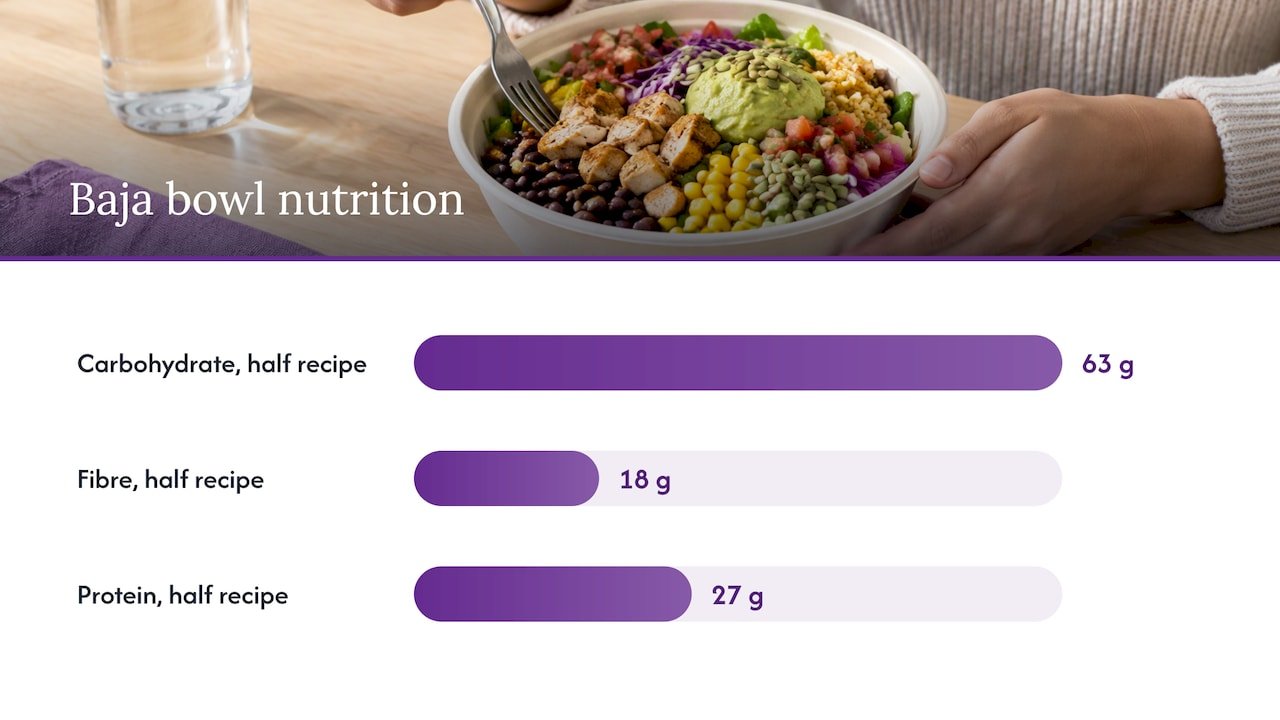
Diabetes Canada publishes a Baja fish taco bowl for two. It combines white fish, barley, black beans, cabbage, lettuce, tomatoes, avocado and mango-lime salsa. Half the recipe has 520 calories, 63 g of carbohydrate, 18 g of fibre and 27 g of protein. The recipe also suggests replacing the barley with two 8-inch whole-wheat tortillas to make tacos.
It is a good model for ordering out. The carbohydrate comes from beans and a whole grain, the fibre is high, and there is protein and fat on the plate. Notice how the recipe is a bowl first and tacos second: the same ingredients, with the starch as an adjustable part.
Tacos without the shell
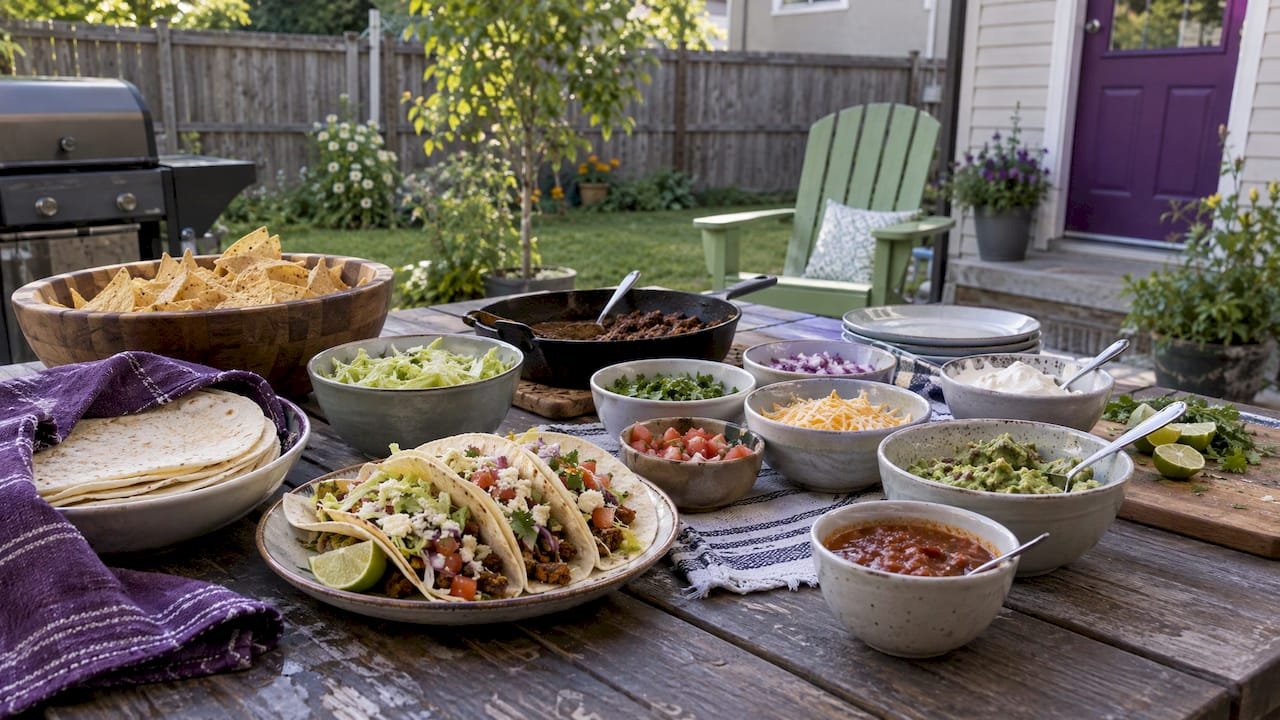
Diabetes Canada’s cauliflower tacos take 15 minutes to prep and 20 minutes to cook. A serving is one sixth of the recipe, which is two hard tacos. The filling uses cauliflower, tofu, bell pepper, salsa, lettuce and avocado, with optional reduced-fat cheddar and plain Greek yogurt. If you cook at home, it shows how far a taco can go with vegetables doing most of the work. If you want to make tacos from scratch, our step-by-step guide to authentic tacos at home covers tortillas, fillings and assembly.
What to skip or swap
Most of the carbohydrate and fat surprises in Mexican restaurant meals come from the sides and starters, not from the main dish.
- The chip basket. Diabetes Québec’s guide advises declining the basket of chips offered as a starter. They are easy to eat without noticing, and they arrive before the meal you actually planned.
- Rice on top of starch. The same guide suggests replacing a rice side with salad when the main dish already contains starch. A burrito already has a tortilla, so a rice side and rice inside is a lot of starch.
- Deep-fried shells and chimichangas. Soft or grilled tortillas, or no tortilla at all, keep the plate lighter and the carbohydrate easier to count.
- Cheese sauce and sour cream. Salsa and lime give flavour without the extra fat.
- Sweet drinks. Sugary beverages add carbohydrate quickly and do not fill you up. Water, sparkling water or unsweetened tea keep the meal’s carbohydrate for the food.
If sodium is also on your radar, which is common alongside diabetes and blood pressure concerns, our guide to low sodium Mexican orders covers where salt hides and how to ask for less.
Build your order in five steps
This method works at any Mexican restaurant, and it is especially easy where you assemble your own meal.
- Start with your carbohydrate target. Use the number your dietitian gave you. If you have none yet, the general range for a meal is the one above, and a dietitian can refine it.
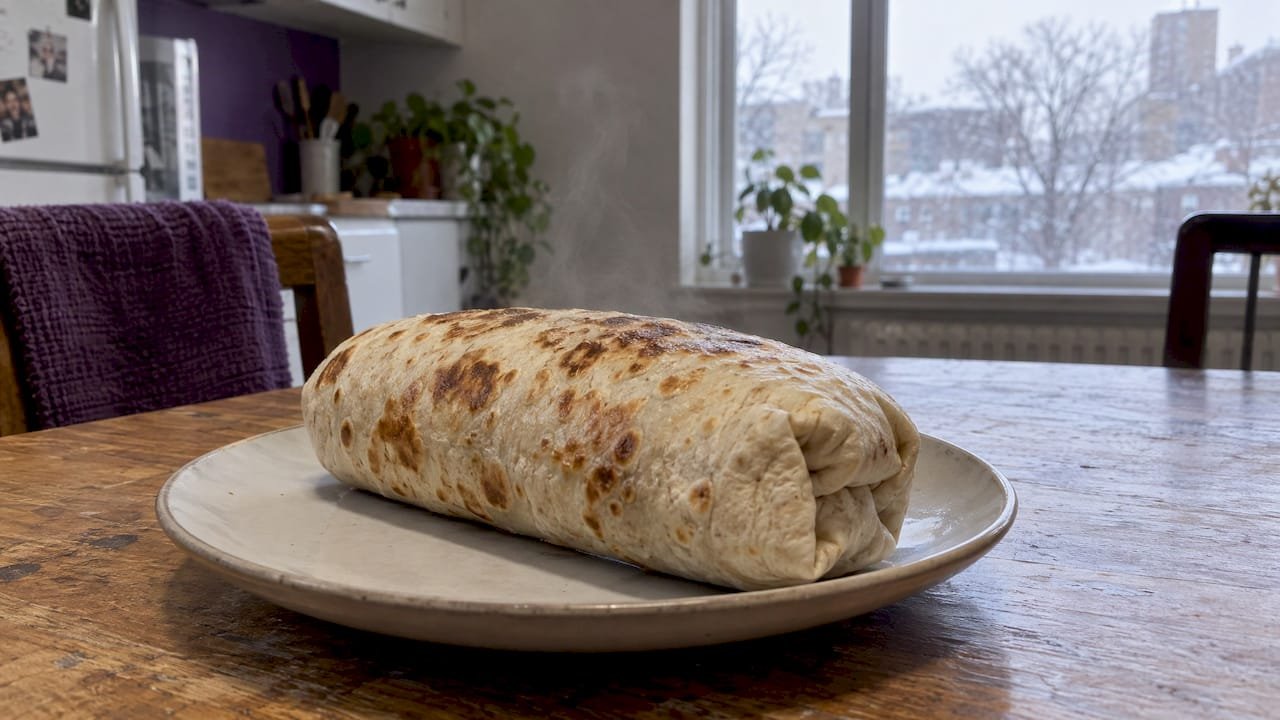
- Choose the format. A bowl lets you decide exactly how much rice and beans go in. Soft tacos let you count tortillas. A full burrito wraps everything into one large flour tortilla, which is harder to portion. If you are weighing the two, our burrito bowl versus burrito comparison lays out calories and macros side by side.
- Pick one carbohydrate base, not three. Choose beans or rice or a tortilla as the main starch, and keep the others small. Beans are the usual pick because of their fibre.
- Load protein and vegetables. Grilled or braised meat, fish, tofu or beans, plus lettuce, cabbage, peppers, onions and tomatoes. This is where most of the volume should go.
- Finish with salsa, lime and avocado. Skip creamy sauces and cheese sauce. A little cheese or avocado adds fat that slows the meal down.
Our separate page on what to pick and skip when ordering diabetic-friendly Mexican goes through the same logic dish by dish. For more fibre in the build, see the high-fibre Mexican order guide.
A sample plate, with the reasoning
Suppose your meal target is around 60 g of carbohydrate. A plate built this way keeps the starch visible and countable:
- A bowl with no tortilla, or two small soft tacos.
- One scoop of beans as the main starch, with a small portion of rice or none.
- A generous serving of braised or grilled protein.
- Lettuce, cabbage, peppers and tomatoes to fill the bowl.
- Salsa and lime for flavour, with avocado for healthy fat.
- Water to drink.
This is a template, not a prescription. Exact carbohydrate depends on portion sizes, so use your own counting method, and if you take insulin, follow the plan your care team has set for matching doses to meals.
At Burrito Splendido: how we build it
Our menu is built around options you assemble yourself. We serve burritos, “naked” burrito bowls, street-style tacos, quesadillas and salads, and we offer gluten-free, vegan, vegetarian, keto and paleo options. Our team is trained to handle specific dietary needs and cross-contamination concerns, so tell the person taking your order what you are working with.
A few things about our kitchen are useful to know when you are managing your carbohydrates:
- We are a deep-fryer-free kitchen. Nothing on the menu is deep-fried, so the fried shells and chimichangas that Diabetes Québec’s guide steers away from are not part of what we make.
- We cook from scratch every day. Our carnitas (braised pork), barbacoa (shredded beef) and adobo chicken are slow-cooked and hand-pulled in-house.
- Our tortillas are house-pressed using 100% Manitoba-produced flour. If you choose tacos, ask for the number of tortillas that fits your plan.
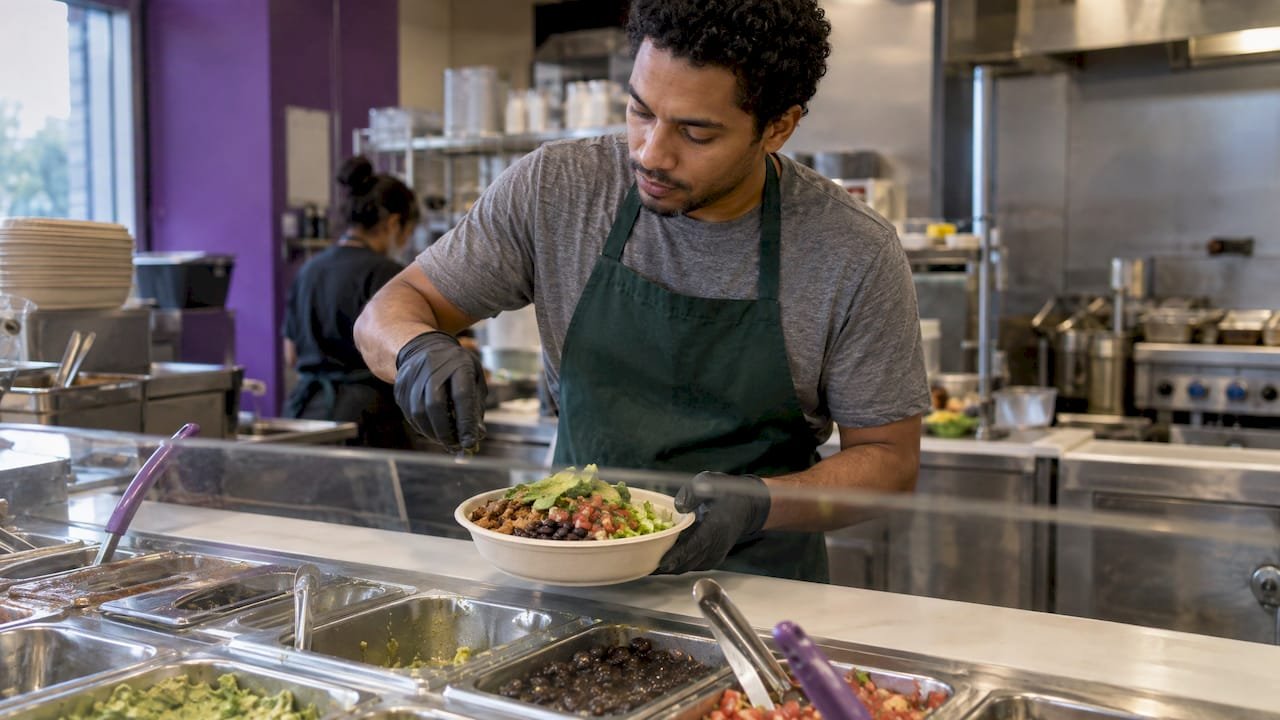
- Bowls skip the tortilla entirely. That gives you the option to put your carbohydrate into beans and vegetables instead.
- Seasonal specialties such as our Manitoba whitefish or pickerel tacos pair lean fish with the same fresh toppings.
We do not publish carbohydrate counts for menu items on our site, so use the sizing approach above and your own tracking method. Browse the full Burrito Splendido menu before you go, so you can plan your build at home.
How to ask at the counter
Short, specific requests work best. Try these:
- “I’d like a bowl with beans and no rice.”
- “Can I get two tacos with extra vegetables and salsa?”
- “Please leave off the sour cream and cheese sauce.”
- “I’m watching my carbohydrates. Can you go light on the rice?”
Staff can handle these quickly. For tips on phrasing requests about salt, see what exactly to say to your server.
Taco or quesadilla?
Tacos are usually easier to portion because each tortilla is a single, countable unit and the filling is mostly protein and vegetables. A quesadilla folds the filling inside a pressed, cheesy tortilla, so the starch and fat are concentrated in one item. Our quesadilla versus taco comparison explains how each is cooked and assembled. If your plan has a firm carbohydrate limit, tacos or a bowl give you more control.
Perspective
We built Burrito Splendido around a simple idea: fresh, local and doing the right thing. That idea matters more when someone is counting carbohydrates, because you cannot manage a meal you cannot see into.
Everything on our line is made from scratch each day. Our proteins are slow-cooked and hand-pulled, our tortillas are pressed in the restaurant from Manitoba flour, and we do not run a deep fryer. When you can see the beans, the protein, the vegetables and the salsa being put in your bowl, you decide how much of each goes in.
Our guests with diabetes, prediabetes and other dietary needs are not an exception to how we cook. Our menu already includes gluten-free, vegan, vegetarian, keto and paleo choices, and our team is trained on dietary needs and cross-contamination. Build your meal the way you build it at home: start with your number, choose your starch once, and fill the rest with protein and vegetables.
Austin
Order your build
If you are in Manitoba, you can order a bowl or tacos built your way in our restaurants, for takeout or online. Start from the menu, pick one carbohydrate base, and ask for extra vegetables and salsa.
Feeding a group where some guests manage diabetes? Our catering options include a burrito bar format, which lets each guest assemble their own plate with the fillings that suit them.
FAQ
What Mexican dishes are diabetic friendly?
Dishes built on grilled or braised protein, beans, vegetables and salsa tend to work best. Diabetes Québec’s guide favours fajita-style plates over deep-fried shells and chimichangas. Bowls and soft tacos are also easy to portion, because you can count the starch.
Can I eat tacos if I have diabetes?
Yes, in most cases. Count the tortillas as part of your carbohydrate for the meal, and fill them with protein, vegetables and salsa. Diabetes Canada’s Baja bowl even offers two 8-inch whole-wheat tortillas as a taco option. Ask your dietitian how many fit your plan.
What is the healthiest Mexican dish to order?
There is no single answer, because needs differ. A bowl or tacos with lean protein, beans, lots of vegetables and salsa is a strong pattern. Decline the chip basket and swap a rice side for salad when your main dish already has starch.
Do I need to avoid beans and rice?
No. Diabetes Canada’s guidance says carbohydrate type and amount matter, not that you must avoid carbohydrate foods. Beans offer fibre and can be your main starch. Keep rice small if you also have a tortilla or beans in the meal.
How many carbohydrates should one meal have?
Diabetes Canada lists general ranges of 45 to 60 g per meal for women and 60 to 75 g for men, but your needs may differ. Ask your dietitian or doctor for your own target, then use it when you order.
Sources
- Basic meal planning, Diabetes Canada
- Balanced eating is simpler than you might think, Diabetes Canada
- Dining out, Diabetes Canada
- Baja fish taco bowl for two, Diabetes Canada
- Cauliflower tacos, Diabetes Canada
- Restaurant guide, Diabetes Québec (2018)