Health sits at the centre of how fast casual dining has evolved in Canada, and the shift is structural, not cosmetic. Consumers are no longer satisfied with a token salad on a menu built around fried food. They want transparency about ingredients, meals that fit their dietary needs, and kitchens that actually cook from scratch. Fast casual dining occupies a distinct position between traditional fast food and full-service restaurants, and health considerations are the primary reason it keeps growing while legacy quick-service chains struggle.
The core influences on fast casual dining in Canada break down like this:
- Consumer demand for transparency: Diners want to know what is in their food, where it comes from, and how it was prepared.
- Dietary accommodation: Gluten-free, vegan, keto, and paleo options have moved from niche requests to baseline expectations.
- Ingredient quality over calorie counting: Fresh, locally sourced ingredients signal health more effectively than low-calorie labels alone.
- Regulatory pressure: Canadian federal and provincial rules on calorie labelling and health claims push operators toward genuine nutritional improvement.
- Competitive differentiation: Brands that embed health into their operations, not just their marketing, build stronger loyalty and weather economic downturns better.
How health trends are reshaping what Canadians expect at fast casual restaurants
Canadian consumers bring a nuanced set of health priorities to the table when they eat out. Protein content has become one of the clearest purchase signals: about 23% of health-engaged Canadian diners choose menu items based on protein callouts. That is a meaningful share, and it explains why fast casual operators have started featuring protein content prominently rather than burying it in a nutrition panel.
Not every Canadian who walks into a fast casual restaurant is tracking macros, though. Research on Canadian consumer attitudes shows that many diners view eating out as a chance to relax their usual food rules, which means menus need to work for both the committed health-seeker and the person who just wants something that feels reasonably good. The practical answer is customisation: build a menu where the healthy choice is easy to find without making the indulgent choice feel like a guilty secret.
One trend reshaping portion strategy is the rise of GLP-1 medications. GLP-1 drug use among Canadian adults climbed from 3.1% in mid-2025 to 5.2% by january 2026, and that shift is already influencing demand for smaller portions and lighter menu formats. Fast casual operators who ignore this are leaving a growing customer segment underserved.
Key health attitudes and trends among Canadian fast casual diners:
- Protein and fibre content increasingly drive menu selection, especially among health-engaged segments.
- Customisation options reduce friction for diners with specific dietary needs or preferences.
- Smaller portion formats are gaining traction as GLP-1 use rises.
- Simple, readable ingredient lists build more trust than complex health claims.
- Health-focused positioning provided a competitive advantage during the 2025 economic pullback, with transparent, better-for-you brands maintaining growth while legacy quick-service restaurants declined.
What the nutrition data actually says about fast casual versus fast food
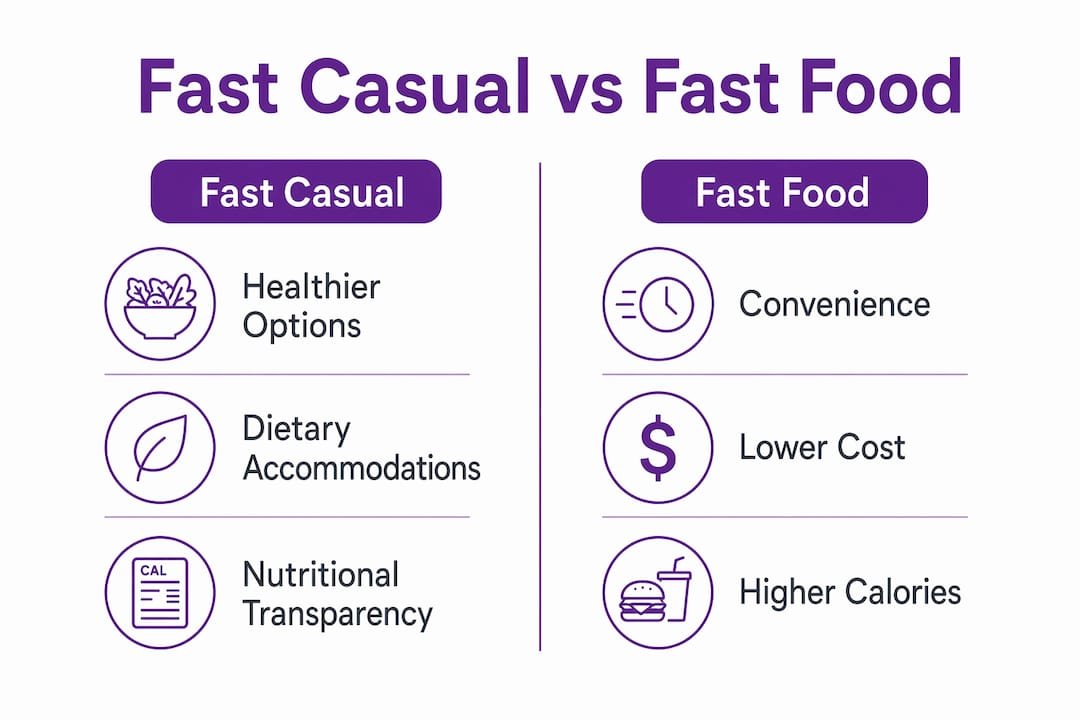
The popular assumption that fast casual is automatically healthier than fast food deserves scrutiny. Research on fast casual entrées found they can be higher in calories than fast food equivalents, largely because portion sizes are bigger and customisation often means more toppings, sauces, and fillings. A burrito bowl loaded with rice, beans, two proteins, cheese, sour cream, and guacamole can easily exceed 1,000 calories. The health advantage of fast casual comes from ingredient quality and transparency, not automatically from lower calorie counts.
Where fast casual does outperform traditional fast food is in dietary accommodation. A 2021 study published in Public Health Nutrition examined menu offerings at US fast casual and full-service chain restaurants and found that gluten-free items made up 9.8% of menu items, low-calorie options 4.8%, and vegetarian items 3.6%. Crucially, those labelled items generally had healthier nutrient profiles than their non-labelled counterparts, with lower sodium, saturated fat, and total energy. The catch: overall nutrient values remained high across the board, regardless of the dietary label.
| Dietary category | Prevalence in fast casual menus | Nutritional advantage vs. non-labelled items |
|---|---|---|
| Gluten-free | 9.8% of menu items | Lower sodium, saturated fat, and kilojoules (small plates) |
| Low-calorie | 4.8% of menu items | Significantly lower in all nutrients examined |
| Vegetarian | 3.6% of menu items | Lower in all nutrients except saturated fat |
| Low-carbohydrate | Less prevalent | Mixed results; overall values still high |
Menu innovations responding to dietary restrictions in fast casual dining:
- Gluten-free options now extend beyond salads to include corn-based tortillas, grain bowls, and protein-forward plates.
- Vegan menus have moved past token substitutions to full flavour-forward builds with legumes, roasted vegetables, and house-made salsas.
- Keto and paleo diners are served by “naked” bowl formats that skip grains entirely in favour of protein and fresh toppings.
- Operators are increasingly training staff on cross-contamination protocols, recognising that a gluten-free label is meaningless without proper kitchen handling. For practical guidance on safe gluten-free dining, the specifics of kitchen protocols matter as much as the menu itself.
How Canadian regulations shape healthy menu choices in fast casual dining
Canada’s regulatory environment pushes fast casual operators toward genuine nutritional transparency rather than allowing vague health claims to go unchallenged. Federal guidelines under Health Canada and provincial-level rules in Ontario and British Columbia have established calorie labelling requirements for large food service chains, requiring that calorie counts appear directly on menus and menu boards. The intent is straightforward: give diners the information they need at the moment they are deciding what to order.
Canadian regulations promote calorie labelling and ingredient disclosure, which in practice encourages fast casual restaurants to develop genuinely healthier offerings rather than relying on health-halo language. When a calorie count sits next to every item, operators have a real incentive to reformulate high-calorie dishes rather than simply marketing them as “fresh” or “natural.”
The practical effects on fast casual operators are significant. Compliance requires consistent nutritional analysis of every menu item, which is expensive and time-consuming, particularly for restaurants that change their menus seasonally or offer extensive customisation. It also creates accountability: a chain that markets itself as health-focused but posts 1,400-calorie entrées on its menu board faces an immediate credibility problem.
Key Canadian regulations and their practical effects on fast casual menus:
- Calorie labelling requirements for large chains: calorie counts must appear on menus and menu boards at point of sale.
- Health claim restrictions under the Food and Drugs Act: claims like “heart-healthy” or “low-fat” must meet specific compositional criteria.
- Ingredient disclosure norms encourage operators to source traceable, clearly labelled ingredients.
- Provincial variations mean operators with locations across multiple provinces must navigate slightly different compliance requirements.
- Consumer trust outcomes: Transparency requirements push operators to align their marketing language with their actual nutritional reality, which benefits diners and credible operators alike.
Why local sourcing and ingredient quality define real health positioning
The most durable health positioning in fast casual dining does not come from a label. It comes from what is actually in the kitchen. Operators who source locally and cook from scratch deliver fresher ingredients with shorter supply chains, fewer preservatives, and more traceable provenance. That is a health benefit that no amount of marketing language can replicate without the operational reality behind it.
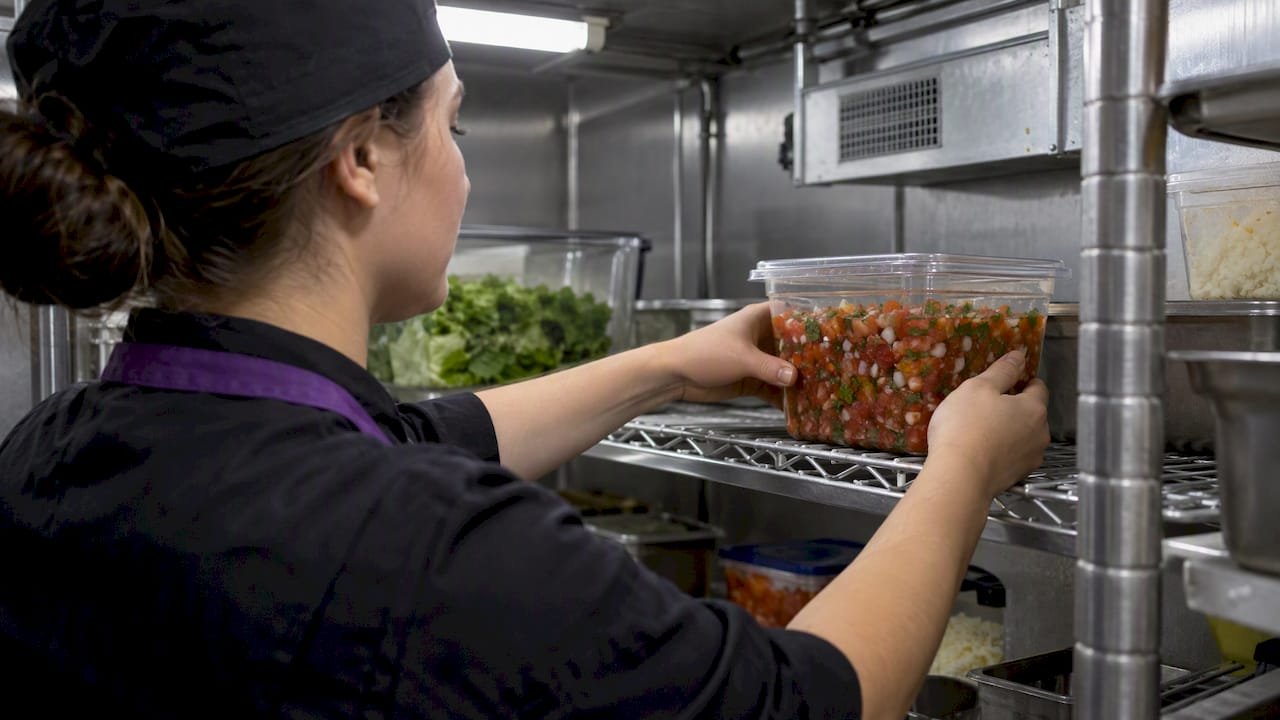
Removing deep fryers from the kitchen is one of the clearest signals of genuine health commitment. A deep-fryer-free kitchen forces operators to develop flavour through other means: slow cooking, grilling, braising, and fresh seasoning. The result is food that is lower in trans fats and added oils without sacrificing the satisfaction that keeps customers coming back. Scratch cooking compounds this advantage by eliminating the processed components and stabilisers that come with pre-made or frozen inputs.
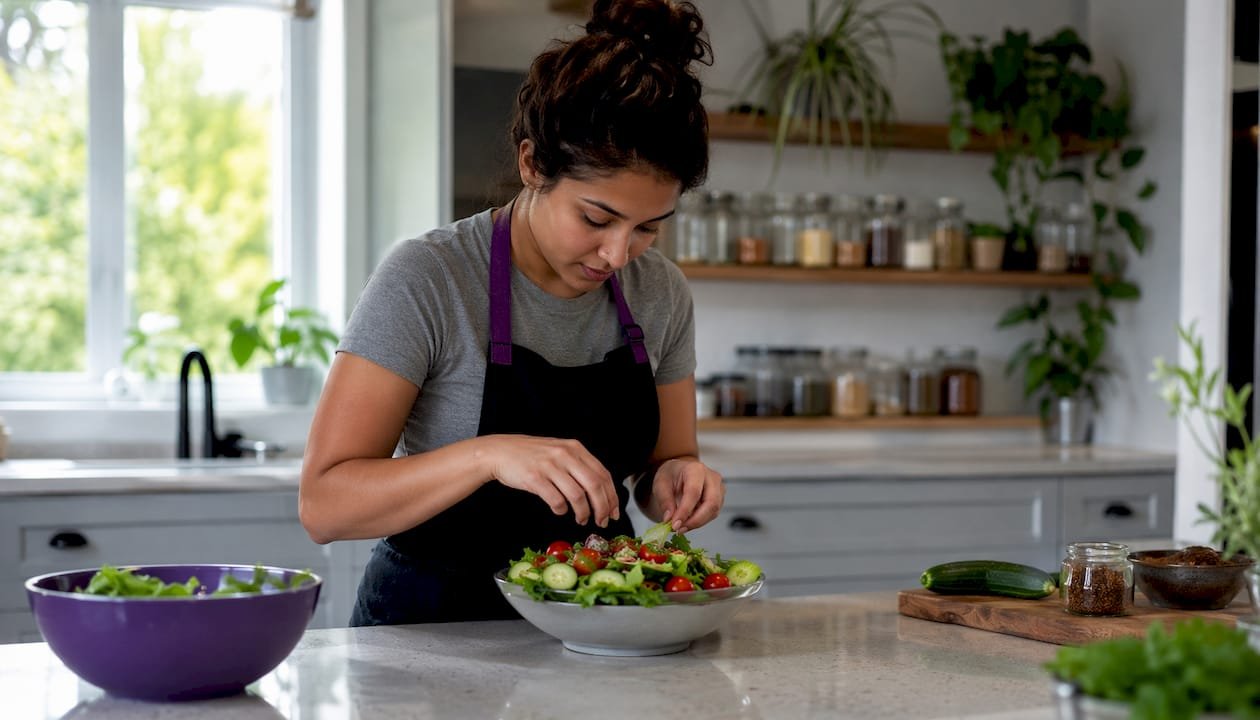
Industry experts advise operators to focus on “everyday health,” meaning meals that sustain energy and support digestion rather than chasing whatever diet trend is generating headlines. Keto and GLP-1-specific menus may attract attention in the short term, but they risk alienating the broader customer base that simply wants food that feels good and tastes good. The everyday health approach builds loyalty across a wider audience and holds up better when dietary trends shift.
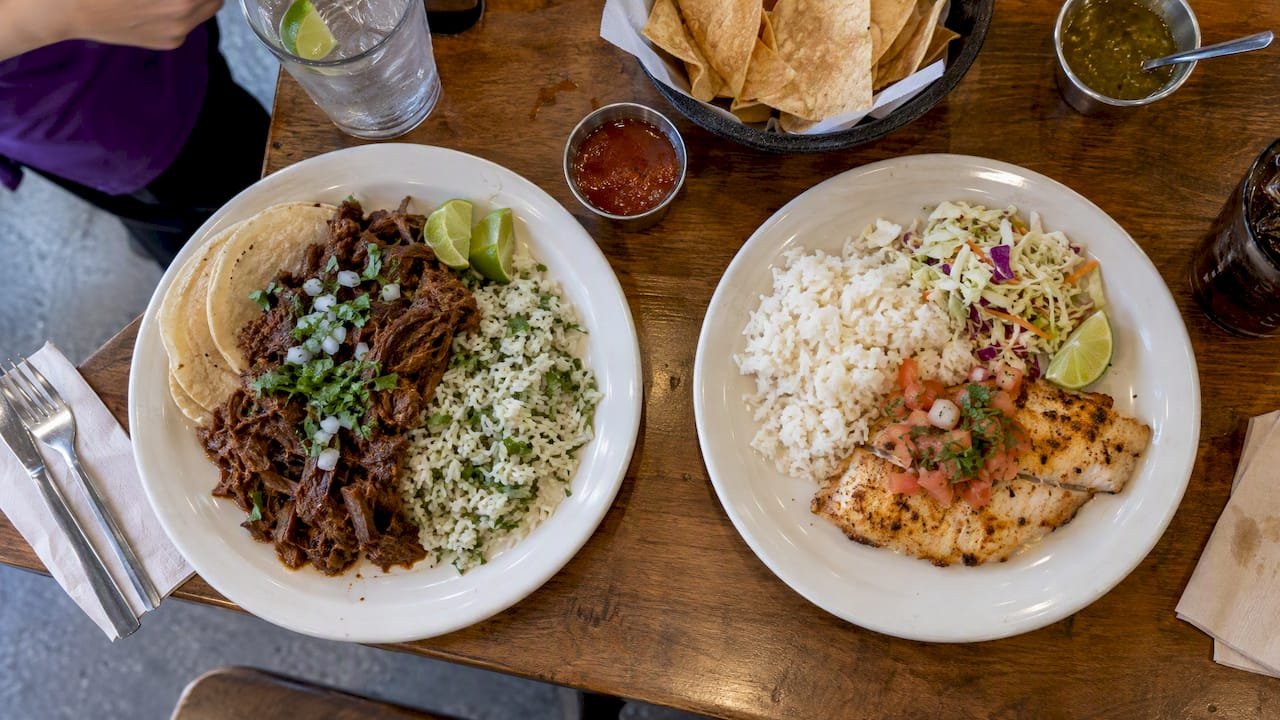
Burritosplendido is a clear example of this philosophy in practice. The brand sources 100% Manitoba-produced flour for its house-pressed tortillas, pork from local farms, poultry from Granny’s Chicken, and cheese from Bothwell Cheese. Fresh produce comes primarily through Peak of the Market. Every protein, including Carnitas, Barbacoa, and Adobo Chicken, is slow-cooked and hand-pulled in-house. The kitchen operates without a deep fryer, and the menu accommodates gluten-free, vegan, keto, and paleo diets with staff trained on cross-contamination protocols. That is not a health marketing strategy. It is a local sourcing commitment built into every operational decision.
Best practices for ingredient sourcing and quality in health-driven fast casual:
- Prioritise regional suppliers to reduce supply chain length and improve ingredient freshness.
- Eliminate deep fryers and microwaves to force flavour development through cooking technique rather than fat and heat shortcuts.
- Cook proteins from scratch daily rather than relying on pre-cooked or frozen inputs.
- Train staff on allergen handling and cross-contamination prevention as a core operational standard, not an afterthought.
- Align seasonal specials with locally available ingredients to reinforce freshness credentials authentically.
Pro Tip: When evaluating a supplier relationship, ask for the farm or producer name, not just the distributor. Diners increasingly want to know exactly where their food comes from, and operators who can answer that question build trust that generic “fresh ingredients” claims never will.
The real challenge: keeping healthy food affordable and delicious
Health-focused fast casual dining faces a genuine tension that no amount of good intentions resolves easily. Fresh, locally sourced ingredients cost more than commodity inputs. Scratch cooking requires more skilled labour and more time. Accommodating dietary restrictions demands additional training, separate prep areas, and sometimes duplicate equipment. All of that adds up, and the cost pressure lands squarely on menu prices.

The affordability gap is real. Research on food-away-from-home consumption shows that diners in less food-secure neighbourhoods consistently identify cost as the primary barrier to choosing healthier options when eating out, even when they value nutrition just as highly as diners in more affluent areas. Fast casual operators who price their health-focused menus out of reach for a significant portion of their potential customers are solving only half the problem.
Taste is the other half. Health-halo marketing has trained some diners to expect that “healthy” means bland or unsatisfying. Operators who lead with health credentials but deliver mediocre flavour confirm that expectation and lose the customer permanently. The answer is not to choose between health and taste but to treat them as the same goal: fresh, well-seasoned, properly cooked food is both. Burritosplendido’s slow-braised proteins and house-made salsas demonstrate that a kitchen without a deep fryer can still produce food people genuinely crave.
Balancing these pressures requires deliberate menu engineering. Keeping a core of accessible, lower-cost items alongside premium options gives diners a real choice rather than forcing them to either pay up or skip the healthy option entirely.
Fast casual chains in Canada that have built their model around health
Canada has produced several fast casual concepts where health is not a marketing add-on but the actual operating model. The most instructive examples share a few common traits: they source locally where possible, they cook from scratch, they accommodate dietary restrictions with genuine kitchen protocols, and they communicate their ingredient story clearly.
Burritosplendido, founded in Winnipeg in november 2012, has grown across Manitoba by doing exactly this. Its “Manitoba-first” sourcing approach, deep-fryer-free kitchen, and daily scratch preparation have built a loyal following among health-conscious diners who want Mexican-inspired food they can trust. The brand’s fresh Manitoba menu reflects a consistent commitment to ingredient quality that extends to seasonal specialties like Manitoba Whitefish and Pickerel tacos, which connect the menu directly to regional food culture.
The broader pattern across successful health-driven fast casual concepts in Canada points to a few consistent factors. Brands that embed health into their operations from the start, rather than retrofitting it onto an existing model, tend to execute more consistently and communicate more credibly. Transparency about sourcing and preparation builds the kind of trust that survives a price increase or a slow service day. And dietary accommodation, done properly with trained staff and real kitchen protocols, converts diners with specific needs into the most loyal customers a restaurant can have, because they have so few places they can eat with confidence.
The healthy fast casual trends shaping 2026 point toward continued growth for operators who treat health as a structural commitment rather than a seasonal campaign. The chains that will struggle are those still treating a gluten-free label or a “made with fresh ingredients” tagline as a substitute for the operational reality behind it.
Key takeaways
Health is the defining competitive factor in Canadian fast casual dining, and operators who embed it structurally rather than market it superficially are the ones sustaining growth.
| Point | Details |
|---|---|
| Protein drives purchase decisions | About 23% of health-engaged Canadian diners choose items based on menu protein callouts. |
| Dietary labels help but have limits | Gluten-free items make up 9.8% of fast casual menus and generally carry healthier nutrient profiles, yet overall values remain high. |
| Calories can exceed fast food | Fast casual entrées can be higher in calories than fast food due to larger portions; transparency about macros builds more trust than health-halo language. |
| Local sourcing is the credibility foundation | Scratch cooking, regional suppliers, and fryer-free kitchens deliver health benefits no label alone can replicate. |
| Affordability remains the hardest balance | Cost is the top barrier to healthy eating out for many Canadian diners, requiring deliberate menu engineering to keep health accessible. |