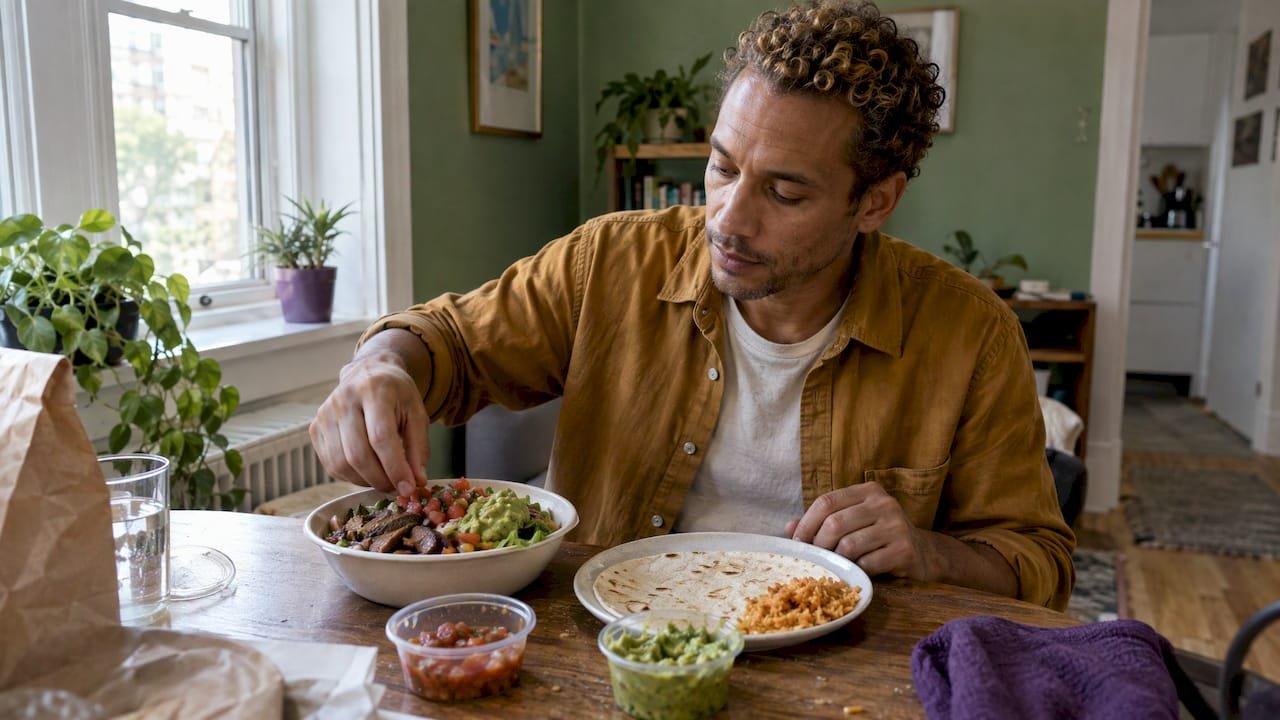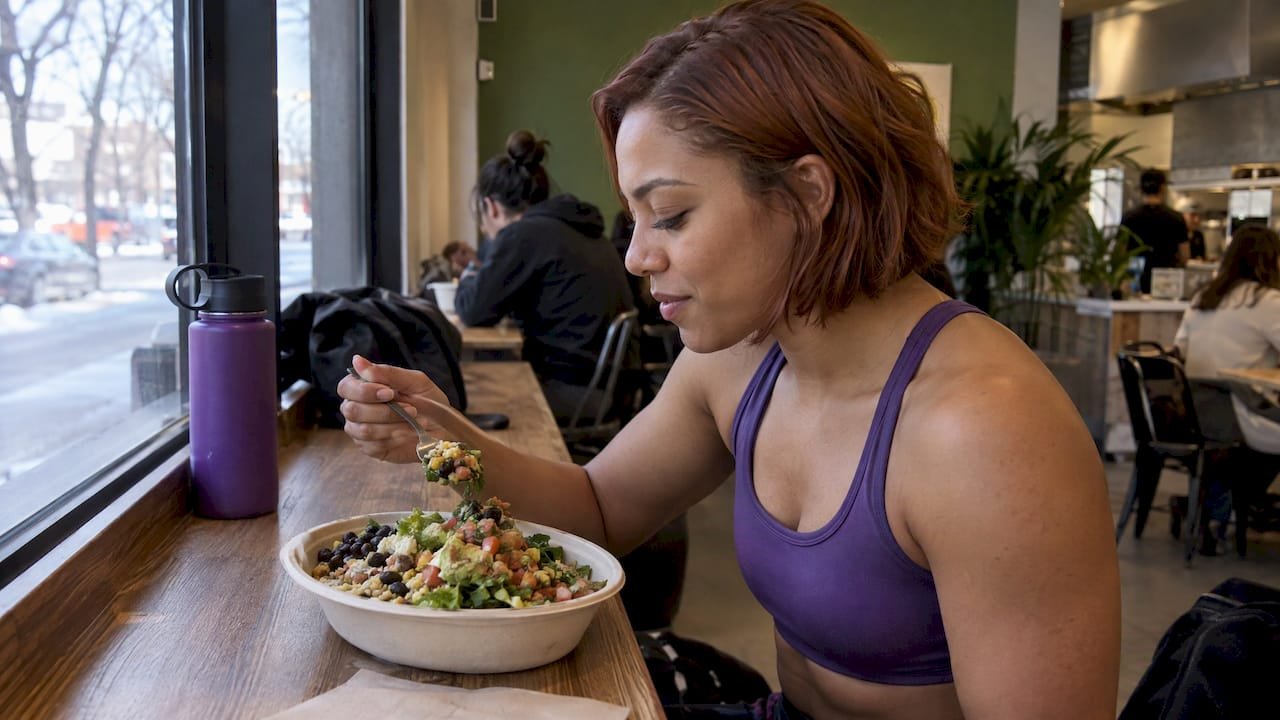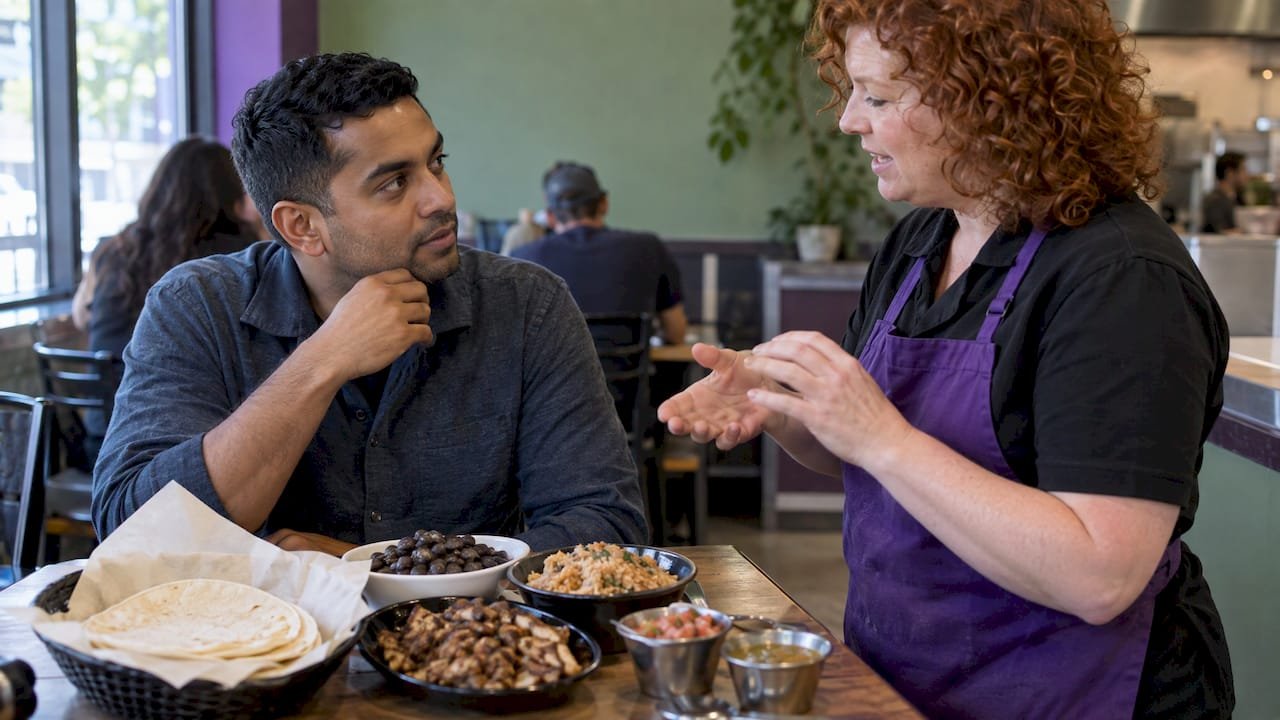
You can eat Mexican food with diabetes. The meal that works is built around grilled or slow-cooked protein, plenty of vegetables, a controlled amount of starch (tortilla, rice, beans) and a drink without sugar. This guide shows the carb numbers behind common dishes, the swaps that matter, and how to put together an order at Burrito Splendido in Winnipeg or anywhere else in Manitoba.
TL;DR
- Starch is where the carbs hide: a tortilla, rice and beans can each add 15 to 25 g or more, while grilled meat, salsa and vegetables add very little.
- A bowl or fajita-style order (protein, vegetables, salsa) gives you the most control. Tacos are the next easiest to portion.
- Skip the chip basket, deep-fried shells and sugary drinks, and ask for sauces and cheese on the side.
- Diabetes Canada’s general guideline is 45 to 60 g of carbohydrate per meal for women and 60 to 75 g for men. Your own target comes from your diabetes care team.
- At our counter you build your own order, and our staff are trained to handle dietary needs. Tell them what you are aiming for.
Table of Contents
- Why Mexican food needs a plan, not a ban
- How many carbs should a meal have?
- The carb math: what each part of a Mexican meal adds
- What to order: the short list
- What to skip or shrink
- Portions: the swap that changes the most
- Watch the sodium too
- What about menudo?
- How to order at Burrito Splendido
- Asking when there are no nutrition numbers
- Perspective: what we think about eating well here
- Order from us, or cater for a group
- FAQ
- Sources
Why Mexican food needs a plan, not a ban
Mexican menus mix very low-carb foods (grilled meat, salsa, guacamole, vegetables) with very high-carb ones (flour tortillas, rice, refried beans, chips, horchata). The same restaurant can serve a 20 g carb meal or a 150 g carb meal depending on what you pick.
The Quebec Diabetes Association’s restaurant guide, written by dietitians Andrée Gagné and Valérie Savard, makes the contrast clear. It lists a fajita without cheese at about 20 g carbohydrate, 5 g fat and 190 kcal, and a burrito with ground beef at 45 g carbohydrate, 15 g fat and 410 kcal. Same cuisine, very different result, and most of the gap is tortilla and fillings.
That is good news. You do not have to avoid a whole cuisine. You have to decide where your carbohydrate goes.
How many carbs should a meal have?
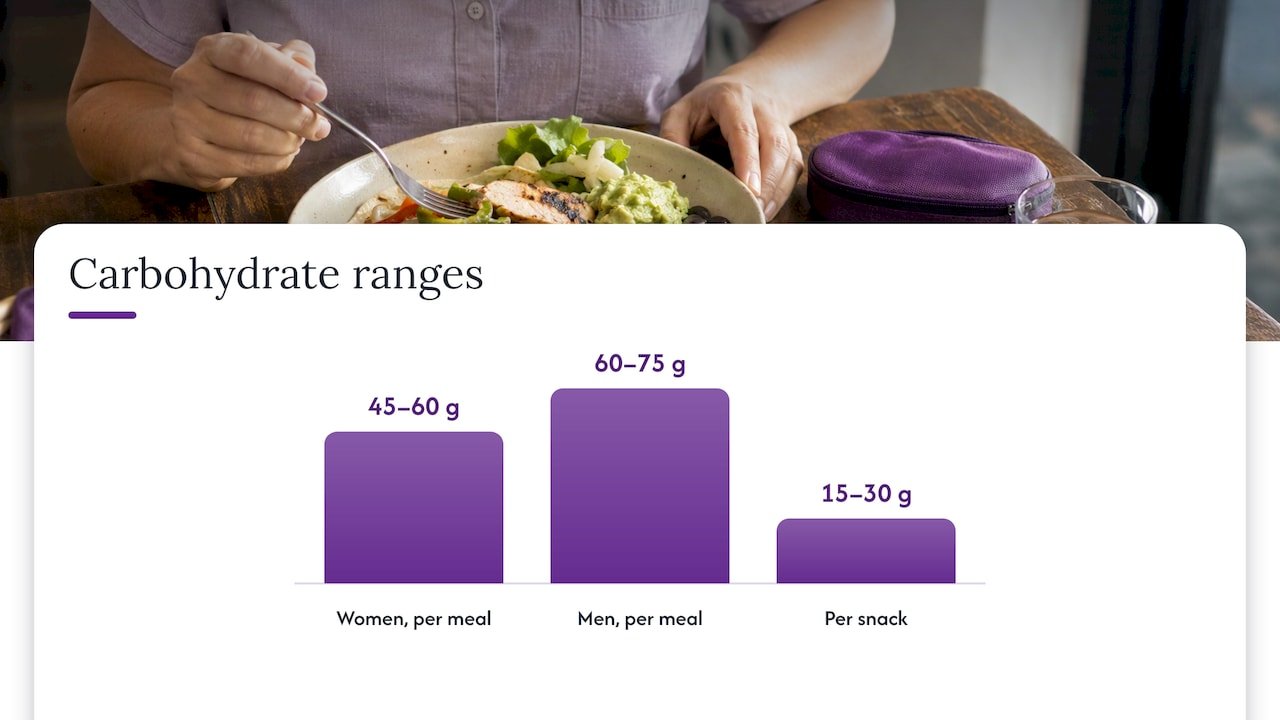
Diabetes Canada’s dining-out guidance gives general carbohydrate guidelines of 45 to 60 g per meal for women and 60 to 75 g per meal for men, and 15 to 30 g per snack. These are starting points. Your target may be lower or higher depending on your medication, activity and goals, so confirm it with your doctor, diabetes educator or registered dietitian.
The same page suggests checking your blood glucose before eating (a 4 to 7 mmol/L target) and again 2 hours after the start of the meal (5 to 10 mmol/L). If you use insulin or other medication that affects your blood sugar, ask your care team how to adjust for a restaurant meal before you rely on estimates.
The carb math: what each part of a Mexican meal adds
The Quebec Diabetes Association guide is the most useful Canadian reference for this. Here are its figures, side by side.
| Item | Carbohydrate | Calories |
|---|---|---|
| Fajita, no cheese | 20 g | 190 kcal |
| Enchilada with cheese | 30 g | 320 kcal |
| Quesadilla with cheese | 40 g | 415 kcal |
| Burrito with ground beef | 45 g | 410 kcal |
| Burrito with beans | 45 g | 330 kcal |
| ½ cup rice | 25 g | 115 kcal |
| ½ cup refried beans | 15 g | 120 kcal |
| 1 tbsp guacamole | 1 g | 30 kcal |
| 1 tbsp salsa | 1 g | 5 kcal |
| 1 tbsp sour cream | 1 g | 25 kcal |
Source: Quebec Diabetes Association restaurant guide, 2018. Restaurant recipes and portions differ, so treat these as a guide to scale, not an exact count for any one kitchen.
Three things stand out. Rice is the single largest add-on: half a cup is 25 g, and a restaurant scoop is often more. Toppings like salsa, guacamole and sour cream are tiny in carbs, though cheese, sour cream and guacamole add fat and calories. And a quesadilla looks simple but carries 40 g of carbohydrate and 30 g of fat in this guide, so it is not the automatic safe choice.
What to order: the short list
Several professional and dietitian sources agree on the same pattern.
- Grilled or slow-cooked protein. The American Diabetes Association’s eating-out roadmap suggests, for Mexican food, grilled proteins such as carne asada or pollo asado, vegetable fajitas without tortillas, or salads with grilled protein to keep carbs and saturated fat lower.
- Fajita-style plates. The Quebec guide recommends chicken fajitas with vegetables and salsa over a nacho plate with sour cream and guacamole, and lists two chicken fajitas at 50 g carbohydrate, 10 g fat and 410 kcal.
- Soups and salads. Taste of Home notes that soups, salads and tacos are among the better Mexican choices for people with diabetes. Dietitians quoted by Eat This, Not That point to chicken tortilla soup as one of the lighter items, with a caution about sodium (more on that below).
- A bowl instead of a wrapped tortilla. CCS Medical’s guide suggests asking for dishes in a bowl rather than a tortilla, loading up on non-starchy vegetables and choosing black beans over refried.
Naturally lower-carb dishes
If you are ordering at a traditional Mexican restaurant, Type2Diabetes.com lists ceviche, albóndigas soup, grilled seafood, fajitas, chile verde and pozole as naturally low in carbohydrate, and suggests asking whether burritos or tacos can be served on a bed of greens. Healthline adds carne asada, carnitas and guacamole, noting that a marinade can add a trace of carbohydrate to the steak. For a number to anchor on, VerywellFit puts a 3-ounce serving of ceviche at about 140 calories and 3 g of carbohydrate.
What to skip or shrink
- The chip basket. The Quebec guide advises refusing the basket of chips offered as a starter. If you want some, count them out onto a plate rather than eating from the basket.
- Deep-fried shells. The same guide steers you away from tostadas, fried shells and chimichangas toward fajitas with vegetables and grilled meat.
- A double starch. If the dish already has a tortilla or beans, replace the side of rice with a salad.
- Creamy and cheesy extras. Use salsa and lime juice in place of sour cream, cheese sauce and refried beans, and keep guacamole to a moderate scoop.
- Sugary drinks. The guide notes a large soft drink can hold up to 120 g of carbohydrate and suggests water. Sweet drinks like horchata belong in the same bucket.
Portions: the swap that changes the most
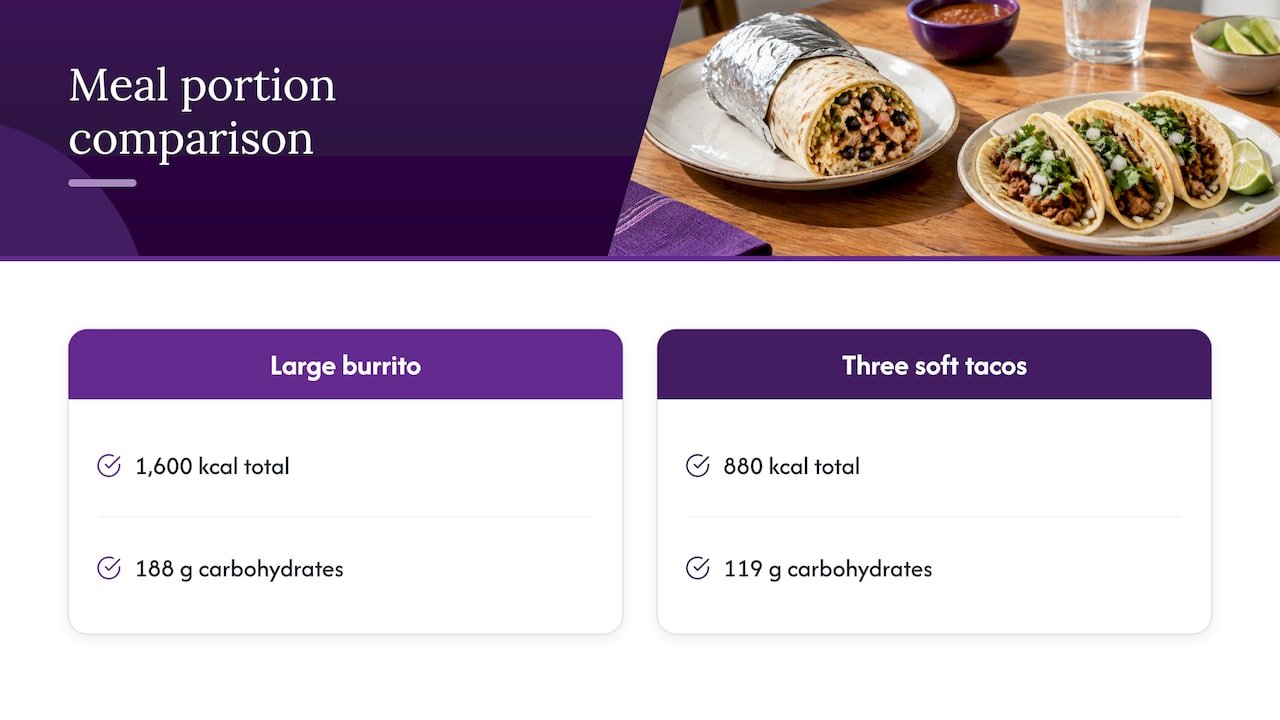
A University of Georgia Extension example shows how much the build matters. A large burrito with chicken, white rice, black beans, cheese and sour cream plus tortilla chips came to 1,600 kcal and 188 g of carbohydrate. Three soft tacos with chicken, brown rice, black beans, lettuce, pico de gallo and roasted corn came to 880 kcal and 119 g. That is still a big meal, but it is a large drop, and a lot of it comes from losing the oversize wrap, chips and creamy toppings.
Diabetes Canada also reminds diners they can ask for leftovers to be packed, share an entrée or request a half portion. If you are ordering takeout, that is even easier: pack half before you start eating.
Watch the sodium too
Many people managing diabetes also watch blood pressure. Soups, seasoned meats, salty chips and sauces can add up. The dietitians at Eat This, Not That note that chicken tortilla soup is much lower in fat and calories than most Mexican dishes but high in sodium, and suggest skipping the salty chips and watching salt for the rest of the day. We have a separate guide on low-sodium Mexican orders if that applies to you.
What about menudo?
Menudo is a tripe and hominy soup. One registered dietitian’s blog reports that a typical bowl has about 12 g of carbohydrate, 14 g of protein and 9 g of fat, but recipes vary a lot by cook and region, and we would not rely on one blog figure. If menudo is part of your life, ask your dietitian to review the recipe you eat most often, and check for added sugar, hominy quantity and sodium.
How to order at Burrito Splendido
We are a fast-casual Mexican-inspired restaurant, and you build your own order. That is helpful when you are counting carbs, because you choose each piece. Our menu includes burritos, “naked” burrito bowls, street-style tacos, quesadillas, salads and soup, and we offer gluten-free, vegan, vegetarian, keto and paleo options. Here is how the advice above translates to our counter.
- Start with a bowl or a salad. A naked burrito bowl is the burrito without the wrap, which follows the “bowl rather than tortilla” advice from the sources above. Our menu lists every option.
- Pick a slow-cooked protein. Our carnitas (braised pork), barbacoa (shredded beef) and adobo chicken are slow-cooked and hand-pulled in-house.
- Fill up on vegetables and salsa. Salsa and lime add flavour for roughly 1 g of carbohydrate per tablespoon in the Quebec guide’s figures.
- Decide where your starch goes. Choose one: rice, beans or a tortilla. If you want tacos, keep it to a number of tacos that fits your meal target.
- Take sauces and cheese on the side, so you control how much goes on.
- Drink water or another unsweetened drink.
We do not use a deep fryer in our kitchens, so there are no fried shells or fried fillings to avoid. Our staff are trained to handle specific dietary needs and cross-contamination concerns, so say what you need when you order. For more ideas, see our guides to low-carb Mexican orders, keto Mexican options and healthy Mexican orders with sample builds.
Sample builds to adapt
These are templates based on the principles above, not nutrition counts for our dishes. Your care team can help you turn them into numbers.
- Protein bowl: carnitas or adobo chicken, extra vegetables, salsa, a spoonful of guacamole, and one starch of your choice in a modest portion.
- Taco plate: two or three street-style tacos with grilled or slow-cooked protein, salsa and lime, and a side salad instead of rice.
- Soup and salad: a salad with slow-cooked protein, plus a cup of soup if your sodium target allows.
If you work nearby and want something on a lunch break, our healthy lunch in Winnipeg page has seasonal Manitoba bowls.
Asking when there are no nutrition numbers
Most restaurant menus do not list carbohydrate. The Quebec guide suggests asking the owner, visiting the website, asking about the menu or requesting modifications. The American Diabetes Association adds that if nothing on a menu fits your plan, you can ask the kitchen for a simple swap or something lighter, and that many chefs are glad to help.
Useful questions to ask:
- Can this come as a bowl or on greens instead of in a tortilla?
- Can I get the sauce, cheese or sour cream on the side?
- What is in the marinade or sauce? Is there added sugar?
- Can I swap the rice for extra vegetables or a salad?
Perspective: what we think about eating well here
We started Burrito Splendido in Winnipeg in 2012 on a simple idea: fresh, local and doing the right thing. Everything is made from scratch every day, so when someone tells us they are managing diabetes, we can talk about what actually goes into the food.
We think the best way to serve a guest with dietary needs is flexibility. Our menu is built so you choose the protein, the vegetables and the starch, which means you choose the carbohydrate. Slow-cooked carnitas, barbacoa and adobo chicken carry plenty of flavour without needing a heavy sauce, and we run a kitchen without a deep fryer.
Our advice is the same as the dietitians’: plan your plate, pick one starch, keep sugary drinks out, and ask questions. Our team is trained on dietary requests, and we would rather you ask us three questions than guess.
Austin
Order from us, or cater for a group
If you are ready to order, our full menu has bowls, tacos, salads, soup and more, and you can order in store or online for takeout. Planning a team lunch or event where someone has diabetes? Our catering options include Burrito Express, Burrito Express Deluxe and the Bueno Burrito Bar, and we can talk through dietary needs when you book.
Visit burritosplendido.com to find your nearest Manitoba location.
FAQ
What can you eat at a Mexican restaurant with diabetes?
Grilled or slow-cooked meat, fish or chicken with vegetables and salsa is the most dependable base. Fajita-style plates, salads with grilled protein, soups and bowls all work well. Keep to one starch, skip the chip basket and fried shells, and pick water over a sweet drink.
What are some low-carb Mexican foods?
Ceviche, grilled seafood, fajitas without tortillas, carne asada, carnitas, guacamole and chile verde without beans are common picks from Healthline and Type2Diabetes.com. At our counter, a naked burrito bowl with slow-cooked protein and vegetables follows the same idea.
Are tortillas, rice and beans off limits?
No, but they are where most of the carbohydrate sits. In the Quebec guide, half a cup of rice is 25 g and half a cup of refried beans is 15 g. Choose one, keep the portion modest, and count it toward your meal target.
Can I eat a burrito if I have diabetes?
A burrito with beans or meat is around 45 g of carbohydrate in the Quebec guide, which can fit some meal targets but not all. Ordering the same fillings as a bowl removes the wrap, and sharing or saving half also helps. Check your own target with your dietitian.
Sources
- Quebec Diabetes Association restaurant guide (Gagné and Savard, 2018)
- Dining out, Diabetes Canada
- A Roadmap for Eating Out or Eating In, American Diabetes Association
- Simple Swaps for Eating Out with Diabetes, UGA Extension
- Eating Mexican Food with Diabetes, CCS Medical
- I’m a Dietitian: What I Order at a Mexican Restaurant, Eat This
- Mexican recipes for people with diabetes, Taste of Home
- Lower-carb Mexican food favourites, Type2Diabetes.com
- Keto Mexican food, Healthline
- Low-carb choices in Mexican restaurants, VerywellFit