A healthy catering menu is defined as a planned meal programme that combines lean proteins, whole grains, healthy fats, and fibre-rich vegetables to nourish guests without sacrificing flavour. The best examples of healthy catering menus draw from Mediterranean and Mexican cuisine frameworks, both recognised as gold standards for balanced, crowd-pleasing nutrition. Whether you are planning a corporate luncheon, a wedding reception, or a community gathering, the right menu keeps guests energised, satisfied, and talking about the food long after the event ends. Burritosplendido has built its entire catering model around this principle, sourcing Manitoba ingredients daily to deliver menus that are as nutritious as they are memorable.
1. What are the top examples of healthy catering menus?
Four foundational components define every successful healthy catering menu: lean proteins, whole grains, healthy fats, and fibre-rich vegetables. Mediterranean and fresh Mexican cuisines exemplify this balance and consistently rank as the top choices for health-conscious event catering. The following menu types represent the most effective and widely used formats available to planners in 2026.
- Mediterranean mezze menus: Grilled chicken skewers, lamb kofta, hummus, tabbouleh, whole grain pita, olives, and roasted vegetables. This style delivers variety, colour, and abundant protein without heavy sauces.
- Mexican-inspired grain bowls and street tacos: Brown rice or cauliflower rice bases, slow-cooked proteins like Carnitas or Adobo Chicken, fresh pico de gallo, avocado, and black beans. Chicken and black bean meals provide up to 31g of protein per serving, supporting full-day engagement.
- Plant-forward and vegan menus: Roasted sweet potato, spiced lentils, quinoa, charred brassicas, and tahini dressing. Bold seasoning replaces the need for heavy fats, and the result appeals well beyond the vegan crowd.
- Breadless bowls and supergreen wraps: Replacing flour wraps with large leafy greens or supergreen collard wraps cuts refined carbohydrates significantly. Supergreen-wrapped meals contain 280 calories, 28g of protein, and only 13g of net carbs per serving.
- Build-your-own bowl stations: Guests select a base, protein, toppings, and sauce from clearly labelled options. This format simplifies dietary accommodations and boosts guest satisfaction by giving people direct control over their plate.
Each of these formats works across event sizes, from a 20-person board lunch to a 300-person conference. The key is pairing the format with the right service style for your venue and guest profile.
2. How do healthy catering menus support energy and focus at corporate events?
Menu selection directly affects how attendees perform during long events. High-glycaemic foods like white bread rolls, pastries, and sugary drinks cause blood sugar spikes followed by crashes. Replacing flour wraps with supergreen alternatives maintains steady energy throughout a corporate day. The difference shows up in afternoon sessions, where engagement and focus either hold or collapse depending on what was served at lunch.
The evidence from real workplace settings is clear. One Type 1 diabetic employee recorded a 100-point drop in blood sugar after switching to supergreen wrap-based catering menus. That outcome reflects what low-glycaemic, high-protein meals do for metabolic stability across an entire guest group, not just those managing medical conditions. Protein and fibre work together to slow digestion and keep energy levels consistent.
Pairing chicken with black beans is one of the most effective combinations for sustained energy at events. The protein content supports muscle function and cognitive clarity, while the fibre from black beans slows glucose absorption. High-fibre, nutrient-dense menus can reach 10g of fibre per serving when proteins and legumes are combined thoughtfully.
Pro Tip: When planning an all-day corporate event, schedule the heaviest protein and vegetable course at lunch and keep afternoon snacks to fresh fruit, nuts, and sparkling water. This prevents the 2 p.m. energy dip without adding a second full meal to your budget.
3. What formats and presentation styles make healthy menus feel premium?
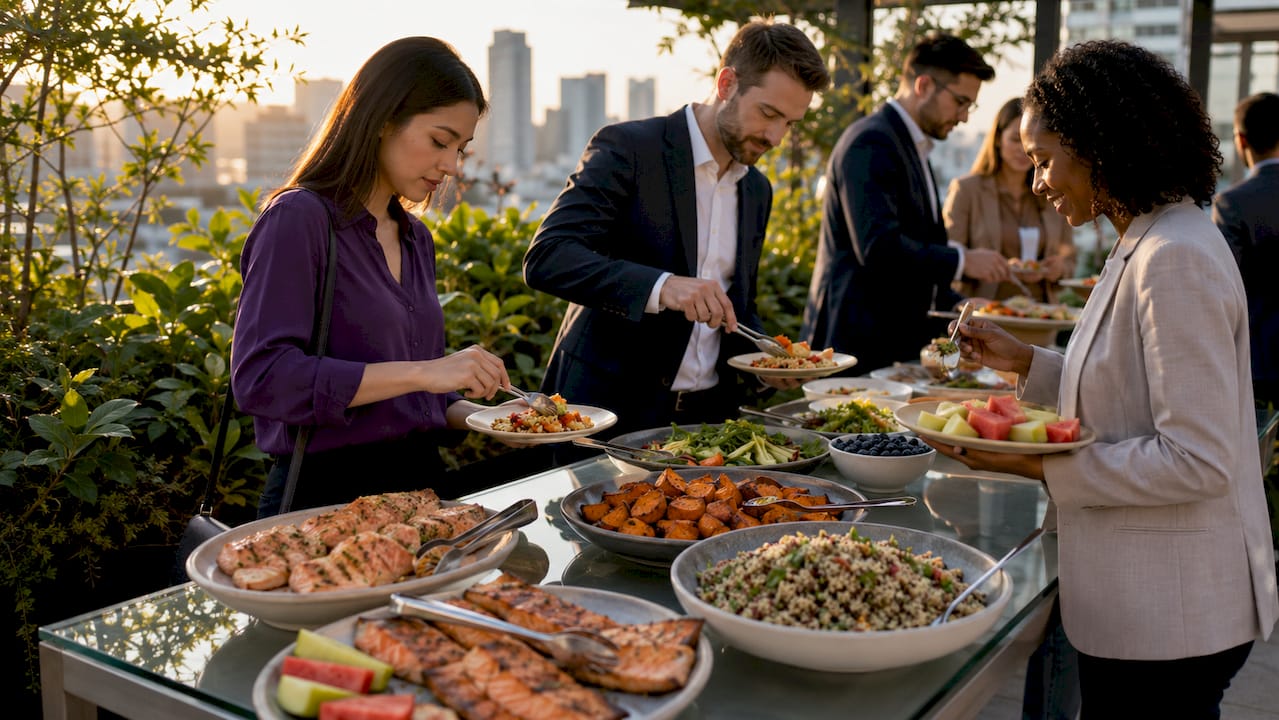
Presentation determines whether guests perceive a healthy menu as a treat or a restriction. Mediterranean meze platters create visual variety and an engaging social dining experience, making healthy menus feel abundant and premium rather than clinical. The shared format encourages conversation and interaction, which matters as much at a wedding as it does at a team offsite.
Grazing tables work on the same principle. Arrange roasted vegetables, whole grain crackers, marinated proteins, fresh herbs, and dips across a long table and guests graze at their own pace. The abundance of colour and texture signals quality before anyone takes a bite. Fresh herbs like mint, coriander, and flat-leaf parsley add visual appeal and flavour simultaneously.
“Healthy catering succeeds when it pairs nutrition with vibrant flavours that guests actually enjoy and remember.” — ZeroCater
Using aggressive natural seasoning with herbs, garlic, lemon, and spices delivers bold flavour without heavy fats or added sugars. Expert chefs identify this approach as the critical factor separating memorable healthy catering from bland, forgettable diet food. Seasoning is not optional. It is the mechanism that makes nutritious food feel indulgent.
- Meze and grazing tables for social, abundant presentation
- Build-your-own bowl stations for customisation and dietary control
- Family-style sharing platters for personal celebrations and intimate events
- Vibrant garnishes using fresh herbs, edible flowers, and citrus zest
- Labelled ingredient cards at each station for transparency and allergy awareness
4. How to cater to diverse dietary needs with inclusive menu examples
Inclusive catering means every guest eats well, not just the ones with dietary restrictions. Plant-forward dishes appeal to vegans and omnivores alike when seasoned boldly and presented with satisfying textures. A well-spiced roasted cauliflower taco or a lentil and sweet potato bowl does not read as a compromise. It reads as a highlight.
Accommodating multiple diets simultaneously is easier than most planners expect. The following steps make it straightforward:
- Choose a naturally gluten-free base. Corn tortillas, rice, quinoa, and roasted vegetables work for gluten-free, vegan, and keto guests without modification.
- Offer two or three protein options. One plant-based, one poultry, and one red meat option covers the majority of dietary preferences at any event.
- Replace common allergens proactively. Swap flour-based wraps for corn or leafy green alternatives. Swap dairy-based sauces for avocado or tahini dressings.
- Request clean cooking fats explicitly. Commercial caterers often use seed oils that promote inflammation. Requesting olive oil-based cooking distinguishes genuinely healthy catering from menus that only appear healthy.
- Label everything clearly. A simple card listing the top allergens at each station removes anxiety for guests and reduces questions for your serving staff.
Pro Tip: Ask your caterer directly whether they cook with seed oils or olive oil. Most will accommodate the request without a cost increase, and it makes a measurable difference to the nutritional quality of the entire menu.
For dietary-friendly catering that covers vegan, gluten-free, keto, and paleo needs simultaneously, build-your-own bowl stations are the most reliable format. Guests self-select within a curated set of options, which eliminates the need for separate plated meals and reduces kitchen complexity.
5. Comparison of healthy catering menu examples by cuisine and event type
The table below summarises the five main healthy catering menu styles, their key nutritional features, dietary suitability, and best-fit event types to help you make a fast, informed decision.
| Menu style | Key protein sources | Dietary suitability | Best event type | Standout feature |
|---|---|---|---|---|
| Mediterranean mezze | Grilled chicken, lamb, legumes | Gluten-free adaptable, vegetarian-friendly | Weddings, galas, corporate lunches | Visual abundance, social dining |
| Mexican-inspired bowls | Carnitas, Adobo Chicken, black beans | Gluten-free, keto, vegan adaptable | Corporate events, team lunches | Local sourcing, high protein |
| Plant-forward vegan | Lentils, chickpeas, tofu, quinoa | Vegan, gluten-free, nut-free adaptable | Conferences, community events | Bold seasoning, wide appeal |
| Breadless bowls and wraps | Chicken, turkey, plant proteins | Keto, low-carb, gluten-free | Corporate day events, health summits | Low net carbs, metabolic support |
| Build-your-own bowl station | Guest-selected from all categories | All diets simultaneously | Any event with 30 or more guests | Maximum inclusivity, minimal waste |
The build-your-own bowl station stands out as the most versatile format across all event types. It handles dietary complexity without requiring a separate menu for each guest group, which saves planning time and reduces food waste.
Key takeaways
The most effective healthy catering menus combine lean proteins, fibre-rich vegetables, clean fats, and bold natural seasoning to nourish guests and sustain energy across any event format.
| Point | Details |
|---|---|
| Lead with protein and fibre | Pair lean proteins with legumes or whole grains to sustain guest energy and prevent afternoon crashes. |
| Choose the right format | Build-your-own bowl stations accommodate all dietary needs simultaneously with minimal logistical complexity. |
| Season aggressively with natural ingredients | Herbs, garlic, lemon, and spices deliver bold flavour without added fats or sugars. |
| Request clean cooking fats | Specify olive oil over seed oils when briefing your caterer to ensure genuine nutritional quality. |
| Local sourcing improves freshness and flavour | Ingredients sourced from local producers arrive fresher, taste better, and support the community. |
What I have learned planning healthy catering menus
After years of watching event planners make the same mistake, I want to say this plainly: the biggest error is treating healthy catering as a constraint rather than a creative brief. Planners spend energy worrying about what to remove from a menu instead of focusing on what to add. The result is a table of beige food that nobody remembers.
The menus that work are the ones built around abundance. A Mexican-inspired bowl station with slow-cooked Carnitas, roasted corn, fresh pico de gallo, and avocado does not feel like a health compromise. It feels like a feast. The nutrition is built into the ingredients, not bolted on as an afterthought.
Local sourcing is the detail that separates good healthy catering from great healthy catering. Ingredients that travel less arrive with more flavour and more nutrients intact. When Burritosplendido sources produce through Peak of the Market and cheese from Bothwell Cheese, the difference shows up on the plate. Guests notice freshness even when they cannot name the reason.
My practical advice for 2026: stop asking caterers for a “healthy option” and start specifying exactly what you want. Request olive oil, ask for the protein content per serving, and insist on a build-your-own format if your guest list includes more than three dietary profiles. Specificity gets results. Vague requests get a sad salad.
— Austin
Burritosplendido catering: fresh, healthy Mexican-inspired menus for Manitoba events
Burritosplendido brings the same locally sourced, from-scratch philosophy to event catering that it applies to every meal served across its Winnipeg and Brandon locations. Every protein is slow-cooked and hand-pulled in-house. Every tortilla is pressed fresh from 100% Manitoba-produced flour. Produce arrives through Peak of the Market, and cheese comes from Bothwell Cheese, one of Manitoba’s most respected producers.
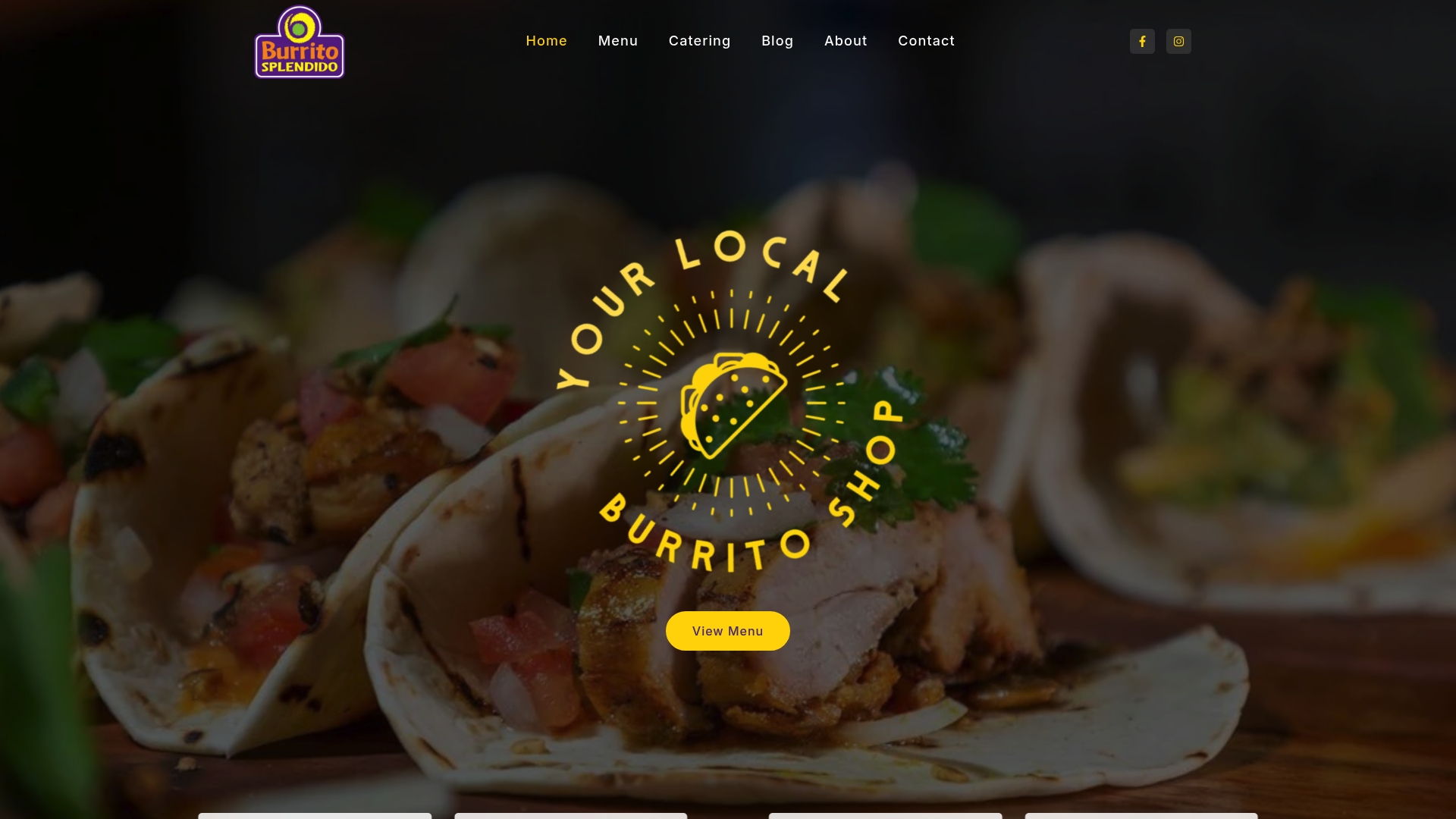
For corporate lunches, team events, or personal celebrations, Burritosplendido’s catering programme offers customisable bowl stations, street taco spreads, and naked burrito bowls that accommodate gluten-free, vegan, keto, and paleo guests without a separate menu. If you want healthy Mexican catering built on real local ingredients, Burritosplendido is the right call for your next Manitoba event.
FAQ
What is a healthy catering menu?
A healthy catering menu is a planned meal programme built around lean proteins, whole grains, healthy fats, and fibre-rich vegetables. Mediterranean and Mexican cuisines are the most widely recognised frameworks for this approach.
What are the best healthy catering menu formats for large events?
Build-your-own bowl stations are the most effective format for large events. They accommodate vegan, gluten-free, keto, and omnivore guests simultaneously without requiring separate plated meals.
How do I prevent energy crashes at a corporate catering event?
Choose low-glycaemic options like grain bowls, supergreen wraps, and legume-based dishes. Replacing refined flour wraps with supergreen alternatives maintains steady blood sugar and cognitive focus throughout the day.
How do I make sure my healthy catering menu is genuinely nutritious?
Ask your caterer to cook with olive oil instead of seed oils, confirm protein content per serving, and request that all bases use whole grains or vegetables rather than refined flour products.
Can healthy catering menus work for guests with multiple dietary restrictions?
Yes. A well-designed build-your-own station with clearly labelled gluten-free, vegan, and dairy-free options covers most dietary profiles at once. Corn tortillas, rice, roasted vegetables, and plant-based proteins serve as naturally inclusive bases for nearly every dietary need.