No Winnipeg restaurant can be called celiac-safe from a menu label alone. Safety comes from how the kitchen handles your meal: the equipment, the cleaning, the staff and the way they answer your questions. The best approach is to pick a place that welcomes questions, call ahead, and ask the same few things every time. This guide shows you how, and how we handle gluten-free orders at Burrito Splendido.
TL;DR
- “Gluten-free” on a menu describes ingredients. Celiac safety depends on preventing cross-contact: shared fryers, grills, utensils, toasters and surfaces.
- Canada has no legislation on allergen labelling in restaurants, so you rely on what staff tell you. Ask specific questions about your meal.
- Dedicated and shared kitchens can both work when there are written procedures and trained staff. Check the process, not just the label.
- Call ahead, avoid buffets and salad bars, and carry a gluten-free snack as a backup.
- At Burrito Splendido we are a deep-fryer-free kitchen with staff trained for dietary needs and cross-contamination concerns. Tell us you have celiac disease when you order.
Table of Contents
- What “celiac-safe” actually means
- What the Winnipeg research shows
- Dedicated gluten-free kitchen or shared kitchen?
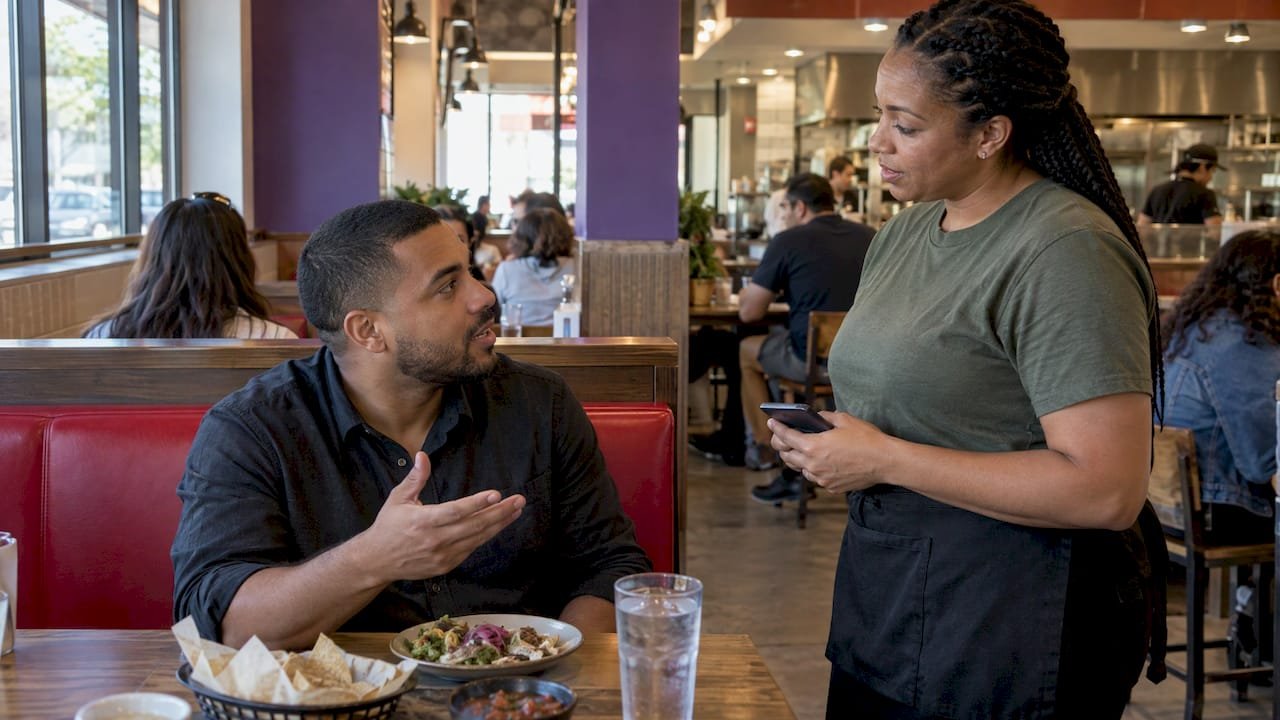
- Questions to ask before you order
- Call ahead, and bring a backup
- How to read a menu label
- What a careful kitchen does behind the line
- Ordering takeout or delivery
- Choosing a place for a group
- Perspective: how we think about gluten-free at Burrito Splendido
- Eating at Burrito Splendido
- Planning catering with a gluten-free guest
- FAQ
- Sources
What “celiac-safe” actually means
For someone with celiac disease, a safe meal has no gluten ingredients and no gluten transferred from other food or equipment. That transfer is called cross-contact. SickKids explains that it happens when gluten moves from one food or object, such as a cooking surface or utensil, to another.
That is why a dish with no wheat in the recipe can still make you ill. A gluten-free bun toasted on a shared grill is no longer safe. Fries cooked in oil that also cooks breaded items are not safe. Heat does not fix it either: Coeliac Australia states that gluten is not destroyed at high temperatures, which is why a dedicated fryer matters for gluten-free items.
Celiac Canada’s dining-out guidance puts it simply: ask how the restaurant handles gluten-free meals and what steps it takes to prevent cross-contact. That question, asked politely, is the foundation of everything below.
What the Winnipeg research shows
A 2026 study of 548 restaurants in Winnipeg found that 69% reported offering gluten-free items. Of those, 80% reported using methods to limit cross-contact. The authors group those methods into three kinds:
- Cleaning, such as washing hands, changing gloves and aprons, and cleaning preparation surfaces.
- Separate kitchenware, such as dedicated fryers, pans, griddles, pots, colanders or fresh aluminum foil.
- Preparing the food in an area apart from the regular flow of the kitchen.
The same paper notes that Canada has no legislation on allergen labelling in restaurants. Diners therefore depend on what staff say, and many people on a gluten-free diet report low confidence in staff knowledge. Some avoid eating out altogether.
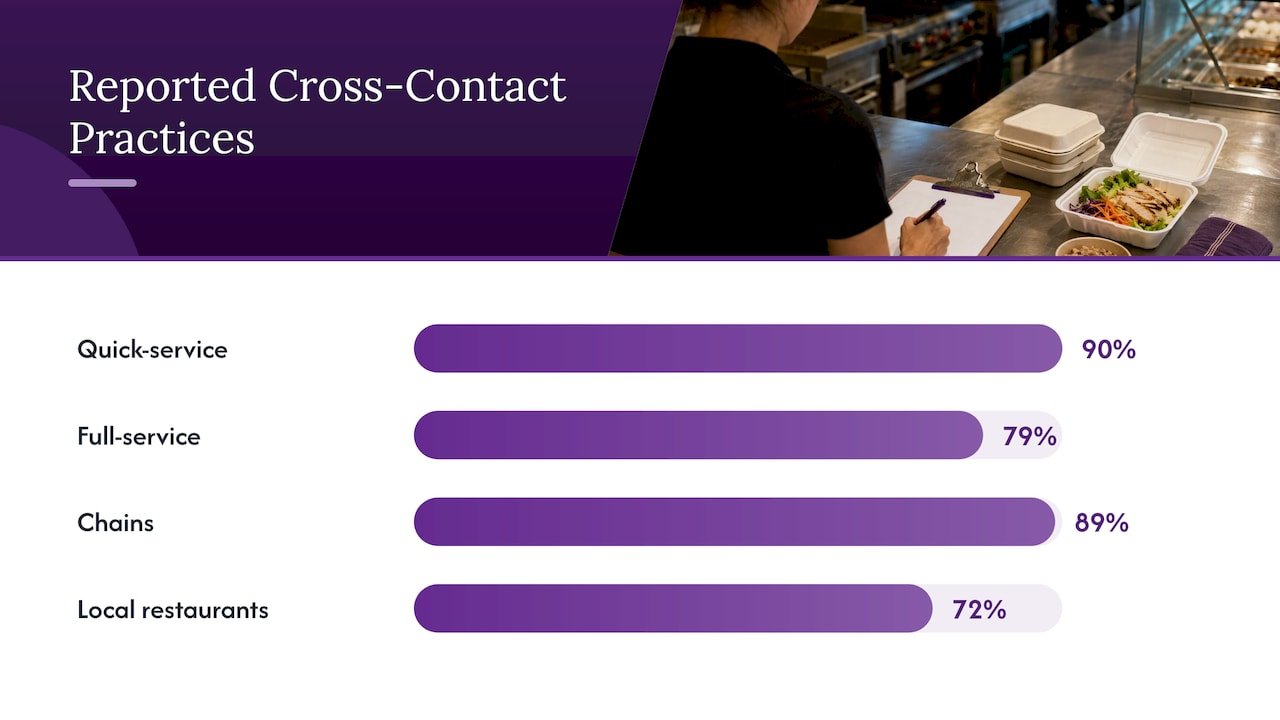
An earlier Canadian study found that reported cross-contact methods were more common in quick-service restaurants than in full-service ones (90% versus 79%). They were also more common in chains than in local restaurants (89% versus 72%). These are reported practices, not proof that any type of restaurant is clinically safer. The takeaway is that practices vary by service type, location and cuisine, so you judge each kitchen on its own answers.
Dedicated gluten-free kitchen or shared kitchen?
A dedicated gluten-free kitchen removes one source of risk, and many people rely on one for that reason. But Winnipeg has only a few of them, and you will eat in other places too: with family, at work, on a road trip.
Canadian food-protection guidance from the Ontario Food Protection Association says the type of operation, dedicated or not, sets the risk level. It also stresses that written controls, trained decision-makers and staff procedures are what manage that risk in either setting. So in a shared kitchen, look for evidence of a process:
- Someone on shift who knows the gluten-free procedure and can speak to it.
- Clear answers about fryers, grills, toasters and shared utensils.
- Gluten-free ingredients stored separately and covered.
- A willingness to remake a dish if something touches gluten.
The fewer shared-heat, shared-oil and shared-surface steps in a kitchen, the fewer questions you have to worry about. That is one reason we cook without a deep fryer at Burrito Splendido: there is no shared fry oil to ask about.
Questions to ask before you order
Celiac Canada recommends telling your server you have celiac disease and need a strictly gluten-free meal, then asking what the restaurant does to prevent cross-contact and questions specific to your dish. SickKids suggests terms like “food allergy” or “severe reaction” to convey how serious it is.
Use this short list, adapted from Celiac Canada and a CMAJ supplement on dining out:
| Your dish | What to ask |
|---|---|
| Anything fried | Is it cooked in a dedicated gluten-free fryer, not oil used for battered foods? |
| Toast or bread | Is the gluten-free bread toasted separately from regular bread? |
| Pasta | Is it cooked in fresh water, with a clean strainer? |
| Sauces, marinades, dressings, seasonings | Are they gluten-free, and can I see the ingredients? |
| Eggs | Do the scrambled eggs or omelette contain pancake batter? |
| Salads, buffets | Are utensils shared? Buffet lines and salad bars carry a risk of swapped utensils and spilled food. |
| Tempura, imitation crab, meat alternatives | Is it gluten-free? The CMAJ supplement advises avoiding these unless confirmed. |
Ask the person preparing or supervising your food, not only the cashier. If the answer is vague, treat that as information. A good kitchen will tell you honestly what it can and cannot do.
Call ahead, and bring a backup
SickKids recommends looking up the restaurant online first, reading the menu for ingredient and preparation details, and calling or emailing before you go. Celiac Canada’s dining-out article adds two more habits: asking detailed questions when you arrive and carrying a gluten-free snack in case the restaurant cannot offer a safe meal.
Call outside the lunch and dinner rush, when a manager has time. We have written a short list of phone questions for ordering gluten-free in Winnipeg you can read out as is.
How to read a menu label
Treat the wording as a prompt for a question:
- “Gluten-free” tells you about ingredients. Ask what happens in preparation.
- “Gluten-friendly” is a term many people with celiac disease are wary of. Celiac Canada advises asking what it means and whether the restaurant follows strict gluten-free protocols.
- No label at all is not a no. Ask what is naturally gluten-free and how it is cooked.
Our guides on explaining gluten-free menus and on which kitchen items cause gluten cross-contact go deeper on this. For the wider picture, see our gluten-free restaurant tips.
What a careful kitchen does behind the line
Knowing the practices helps you recognise them. The National Celiac Association’s food service guidelines recommend:
- training staff in gluten-free procedures and assigning one person per shift to prepare gluten-free meals;
- a dedicated gluten-free station where possible;
- cleaning surfaces, washing hands, changing gloves and wearing a clean apron;
- clean, preferably colour-coded dedicated equipment, with fresh foil on shared equipment;
- storing gluten-free items separately and above foods that contain gluten.
The same principles apply outside restaurants. If you cook at home for a guest with celiac disease, a gluten-free wrap recipe shows how simple a gluten-free base can be when the whole prep space stays clean and separate.
Ordering takeout or delivery
Cross-contact can happen at the pass or in the bag, not only on the line. The National Celiac Association’s restaurant guidelines advise clearly marking take-out containers or bags as gluten-free. Note the gluten-free need in the order, repeat it when you pick up, and open the container yourself at home. If something looks mixed or mislabelled, do not eat it.
Choosing a place for a group
When one person has celiac disease and others do not, the choice is easiest if the menu is built around customizable ingredients. A few steps help:
- Pick the kitchen first. Choose a place whose staff have already answered your questions, then let the group choose dishes.
- Call once for the whole party. Confirm which dishes the kitchen will prepare gluten-free, and who will prepare them.
- Avoid shared serving. Skip shared platters, buffets and family-style bowls for the person with celiac disease. Coeliac Australia advises not displaying gluten-free and gluten-containing foods on the same platter.
- Order their meal separately and have it marked at the table.
- Bring the backup snack.
For catered events, brief the caterer early and ask how gluten-free portions will be packed and labelled.
Perspective: how we think about gluten-free at Burrito Splendido
We opened in Winnipeg in November 2012 with a simple idea: fresh, local and doing the right thing. For us that includes feeding people who have to think hard about every meal.
Our kitchen cooks from scratch every day. We are a deep-fryer-free kitchen, so there is no shared fry oil to worry about. Our proteins, carnitas, barbacoa and adobo chicken, are slow-cooked and hand-pulled in-house, and our menu offers gluten-free, vegan, vegetarian, keto and paleo options. Our staff are trained to handle specific dietary needs and cross-contamination concerns.
What we ask of you is the same thing we would ask as diners: tell us you have celiac disease when you order. We would much rather answer your questions than have you guess. A customizable menu of bowls, tacos and salads also makes it easier to build a meal around what you need, and to leave out what you cannot have.
Austin
Eating at Burrito Splendido
Our menu covers burritos, salads, tacos, quesadillas, soup, sides, kids’ items, sweets and drinks. Many of our diners are looking for gluten-free, vegan or keto choices, and our guide to navigating the menu for gluten-free, vegan and keto explains how to order. Our “naked” burrito bowls are a popular way to build a meal around the fillings. If you want to compare formats, see how bowls and burritos handle gluten-free diets.
Tell the person taking your order that you have celiac disease and need a strict gluten-free meal, then ask your questions about the dish you want. Order online or in person, and mention it again at pickup.
Planning catering with a gluten-free guest
For an office lunch or a family event, our catering page lists the packages. Burrito Express is $1,050 to $1,150 and Burrito Express Deluxe is $1,550. Delivery and set-up is $20, catering staff are $15 per hour per staff member, and gratuity is 10%. Tell us about any celiac guests when you book so we can plan their portions with you.
FAQ
Is there a restaurant in Winnipeg that is guaranteed celiac-safe?
No restaurant can be guaranteed from the outside. Canada has no legislation on allergen labelling in restaurants, so you rely on staff answers. Choose places that explain their process clearly, and ask about fryers, surfaces and utensils every visit.
Is a dedicated gluten-free restaurant always safer?
A dedicated kitchen removes one risk, but guidance from Canadian food-protection experts says written controls, trained staff and procedures manage the risk in any kitchen. Judge each place by how well it can explain what it does.
Can I eat Mexican food with celiac disease?
Many Mexican dishes can be built from naturally gluten-free ingredients, but sauces, tortillas, seasonings and shared fryers need checking. Ask about each component and the cooking method. At our restaurants, tell the staff about your celiac disease and ask about your chosen dish.
What should I do if I am unsure about my meal?
Do not eat it. Ask for it to be remade or explained, and use the gluten-free snack you brought. Talk to your dietitian or physician about any symptoms after a meal.
Sources
- Gluten Free Dining: Dining Safely, Celiac Canada
- Dining Out with Celiac Disease, Celiac Canada
- Reported availability and use of methods to limit gluten cross-contact, Winnipeg study (2026)
- Availability and use of methods to limit gluten cross-contact, Canadian study (2024)
- How to communicate about celiac disease when you eat out, SickKids
- CMAJ supplement on dining out with celiac disease
- Guidance and Strategies for an Effective Gluten-Free Management Program, Ontario Food Protection Association
- Gluten Free Meal Preparation Guidelines for Food Services, National Celiac Association
- Gluten-Free Meal Preparation Restaurant Guidelines, National Celiac Association
- Gluten Free in Food Service, Coeliac Australia
- Gluten-free wrap recipe, Wild Foodz