Fresh Mexican cooking is defined by layering flavour through technique, not by ingredient lists alone. The most effective tips for fresh Mexican cooking follow a clear sequence: toast dried chiles, char vegetables, simmer sauces, braise proteins, and finish every dish with bright, acidic elements like lime, cilantro, and fresh salsa. Master this sequence and your tacos, bowls, and salsas will taste genuinely alive. Skip it and even the best ingredients fall flat.
1. How to toast dried chiles for authentic Mexican flavour
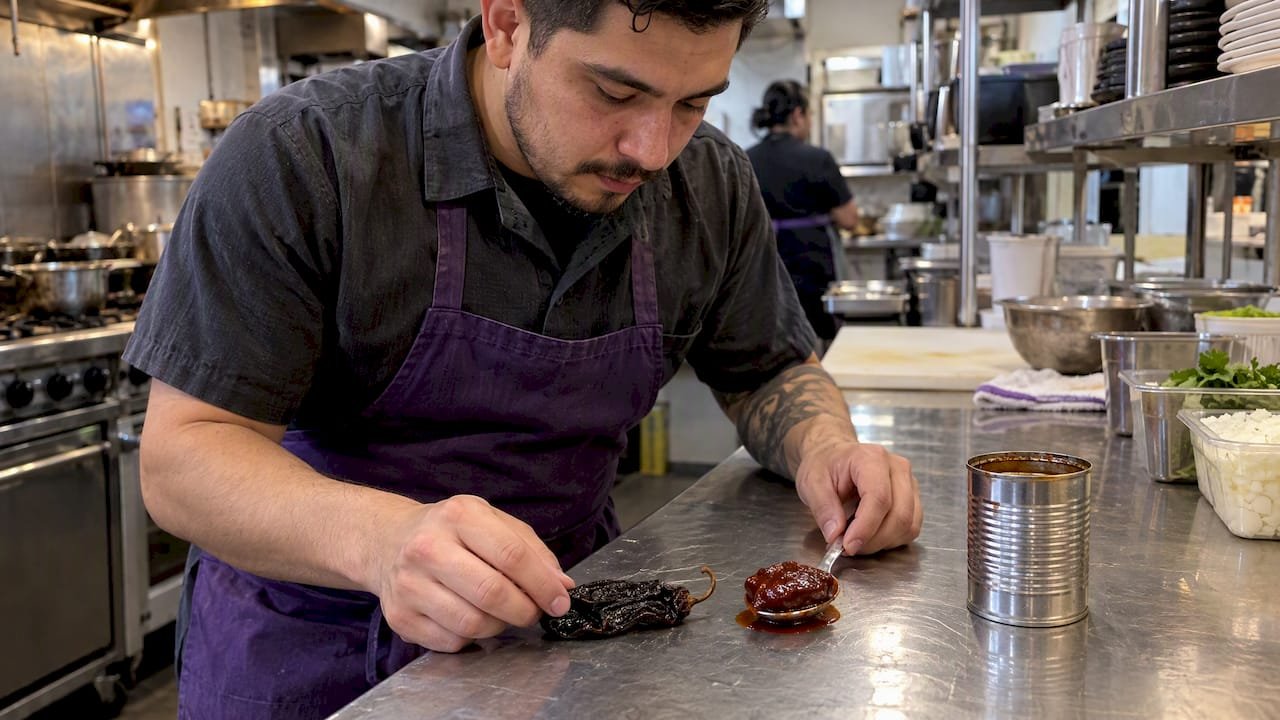
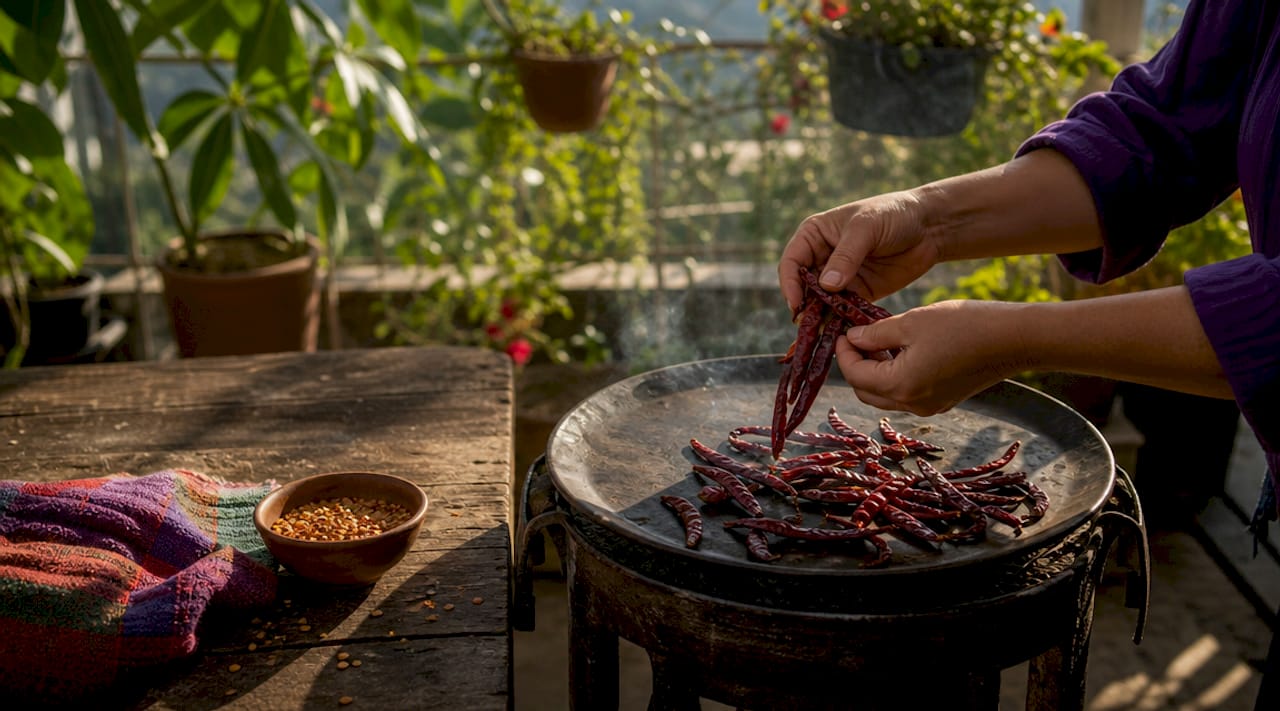
Toasting dried chiles is the single most skipped technique in home kitchens, and it is also the most consequential. Precise toasting means pressing each chile flat against a hot, dry comal or cast iron skillet for 10 to 15 seconds per side until the skin blisters and releases a warm, nutty aroma. That aroma is the signal that aromatic oils are activating. Pull the chile the moment you smell it.
The risk is burning. A burnt chile turns bitter and ruins an entire sauce or mole. Keep the heat at medium to medium-high and never walk away. Once toasted, transfer chiles immediately to a bowl of warm water to soak for 20 to 30 minutes before blending.
- Use a comal, cast iron skillet, or any heavy-bottomed pan without oil
- Press the chile flat with a spatula to maximise contact with the surface
- Toast one chile at a time if you are new to the technique
- Grind toasted whole spices like cumin or coriander immediately after toasting for peak freshness
Pro Tip: Tear open dried chiles and remove seeds before toasting. The seeds toast faster than the flesh and can scorch before the chile is ready, introducing bitterness into your sauce.
2. Charring vegetables to build smoky depth in salsas
Charring vegetables on a dry, hot comal until blackened in patches is not a mistake. It is the technique that gives Mexican salsas their signature smoky complexity. Tomatoes, tomatillos, white onion, and garlic all benefit from direct, dry heat with no oil involved.
Each vegetable chars at a different rate, so sequence matters:
- Place garlic cloves (unpeeled) on the comal first, as they take the longest and the skin protects them from burning
- Add halved onion cut-side down and leave undisturbed for 3 to 4 minutes until deeply caramelised
- Add whole tomatillos or tomatoes and char on all sides, turning every 2 minutes
- Peel garlic once cooled and add everything to your blender
The level of char you apply directly affects flavour complexity. Light char produces a mild, sweet smokiness. Heavy char on tomatillos creates a bitter edge that balances rich proteins beautifully. A charred salsa verde with tomatillos, serrano, and garlic takes roughly 15 minutes from start to finish and delivers a depth that no raw salsa can replicate.
Pro Tip: Never rinse charred vegetables before blending. The blackened bits carry concentrated flavour. Rinsing them off is like discarding the best part of the dish.
3. Crafting fresh salsas: raw, roasted, and charred
Understanding the salsa spectrum is one of the most practical authentic Mexican cooking tips you can apply at home. Each style serves a distinct purpose, and choosing the wrong one for a dish flattens the contrast you are trying to create.
Raw salsa verde cruda is made with fresh, uncooked tomatillos, serrano or jalapeño, garlic, white onion, and cilantro blended together and served chilled. It is bright, sharp, and herb-forward. It should never be reheated, as heat destroys the fresh flavour profile that defines it. Consume it within 3 to 5 days and treat it like a fresh herb sauce.
| Salsa style | Preparation method | Best used for | Storage |
|---|---|---|---|
| Raw salsa verde cruda | Blended raw, served chilled | Fresh tacos, ceviche, light dishes | 3 to 5 days refrigerated |
| Roasted salsa verde | Oven or broiler roasted | Grilled meats, enchiladas, bowls | Up to 7 days refrigerated |
| Charred salsa verde | Dry-charred on comal | Rich proteins, braised meats | Up to 7 days refrigerated |
Roasted salsa verde sits in the middle of the spectrum. It has a rounded, balanced flavour that works across a wide range of dishes. Charred salsa verde is the boldest of the three, with a smoky depth that pairs best with slow-braised proteins like carnitas or barbacoa. Matching salsa style to dish role is what separates a good plate from a great one.
4. Nixtamalization and making fresh masa tortillas
Nixtamalization is the ancient process of soaking dried corn in an alkaline lime solution, and it is the foundation of every authentic fresh tortilla. Soaking nixtamalised corn for 8 to 12 hours after boiling transforms the kernels into masa with the correct texture, flavour, and nutritional profile. Skipping or shortening the soak produces tough, dense tortillas that crack when folded.
For home cooks, the practical approach is to use masa harina (dried, pre-nixtamalised corn flour) from brands like Maseca or Bob’s Red Mill as a starting point. Fresh-ground masa from a tortilleria is superior, but masa harina prepared correctly still produces excellent results.
- Mix masa harina with warm water gradually until the dough holds together without cracking or sticking
- Rest the dough for 30 minutes covered with a damp cloth before pressing
- Use a tortilla press lined with plastic cut from a zip-lock bag for even, thin rounds
- Cook each tortilla on a dry, hot comal for 30 to 45 seconds per side until light brown spots appear
- Stack finished tortillas in a clean cloth to trap steam and keep them pliable
| Method | Texture result | Time investment | Flavour depth |
|---|---|---|---|
| Full nixtamalization from dried corn | Exceptional | 12 to 16 hours | Deepest |
| Masa harina with proper rest | Very good | 45 minutes | Good |
| Masa harina without rest | Acceptable | 15 minutes | Moderate |
Burritosplendido uses 100% Manitoba-produced flour for their house-pressed tortillas, which demonstrates how sourcing quality base ingredients directly affects the final product. For a deeper look at what separates a genuinely fresh tortilla from a commercial one, the science behind tortilla freshness is worth reading before your next batch.
5. Layering flavours in proteins and finishing with fresh toppings
Slow braising tougher proteins at low heat for several hours produces the tender, flavour-saturated meats that define dishes like carnitas, barbacoa, and adobo chicken. The braising liquid itself becomes a concentrated sauce. But the braise is only half the equation.
The finishing layer is where freshness enters. Adding cilantro, a squeeze of lime, crema, or a spoonful of salsa just before serving introduces acidity and brightness that cuts through the richness of slow-cooked meat. This contrast is not optional. It is the structural principle that makes Mexican food taste vibrant rather than heavy.
- Season proteins with dried chiles, cumin, garlic, and oregano before braising for a layered base flavour
- Braise at 150°C to 160°C in a covered Dutch oven or heavy pot for 3 to 4 hours
- Shred meat and return it briefly to the braising liquid to absorb remaining flavour
- Add fresh toppings at the table, not during cooking, to preserve their brightness
- Use a zesty seasoning blend like BB’s Zesty Lemon Pepper to add a citrus-forward finish to lighter proteins like fish or chicken
Pro Tip: Squeeze lime over shredded meat immediately before serving, not during cooking. Lime added too early loses its volatile aromatics to heat and contributes only sourness without the fresh, floral lift.
For easy Mexican meal ideas that apply these finishing principles directly to tacos, the step-by-step taco guide from Burritosplendido walks through each layer in sequence.
Key takeaways
Fresh Mexican cooking succeeds when technique drives flavour: toasting, charring, braising, and finishing with bright, acidic elements in the correct sequence creates the contrast that defines authentic Mexican dishes.
| Point | Details |
|---|---|
| Toast dried chiles first | Press flat on a dry comal for 10 to 15 seconds per side until blistered to unlock aromatic oils. |
| Char vegetables without oil | Dry-char tomatoes, tomatillos, onion, and garlic to build smoky depth in salsas and sauces. |
| Match salsa style to dish | Use raw salsa cruda for fresh tacos, roasted for grilled meats, and charred for braised proteins. |
| Respect the nixtamalization soak | Soak corn for 8 to 12 hours after boiling; skipping this step produces tough, inferior tortillas. |
| Finish with fresh elements last | Add lime, cilantro, and crema just before serving to preserve their brightness and contrast. |
What I have learned from cooking Mexican food the right way
Most home cooks I have observed make the same two mistakes. They skip the toasting step because it seems minor, and they add fresh toppings too early because they want the flavours to “meld.” Both choices produce flat, one-dimensional results.
The toasting step takes 90 seconds. The payoff is a sauce with three times the aromatic complexity. That is not an exaggeration. When you toast a dried ancho or guajillo chile properly and then blend it into a sauce, the difference is immediately obvious to anyone at the table.
The second mistake is subtler. Mexican freshness is not about raw ingredients alone. It is about balancing richness with bright, acidic elements to create contrast. A slow-braised carnitas without a squeeze of lime and a spoonful of charred salsa verde is just pork. With those finishing elements, it becomes a complete dish. The contrast is the point.
My personal favourites for finishing are a charred tomatillo salsa, fresh cilantro torn rather than chopped, and a thin drizzle of crema. These three elements together hit every note: smoke, herb, and fat. You do not need a long ingredient list. You need the right technique applied at the right moment.
— Austin
Bring fresh Mexican flavours to your next gathering
If you want to experience how these techniques translate into a full meal without doing all the prep yourself, Burritosplendido has you covered. Their kitchen operates on the same principles described in this article: slow-braised proteins, house-made salsas, and fresh-pressed tortillas made daily from locally sourced Manitoba ingredients.

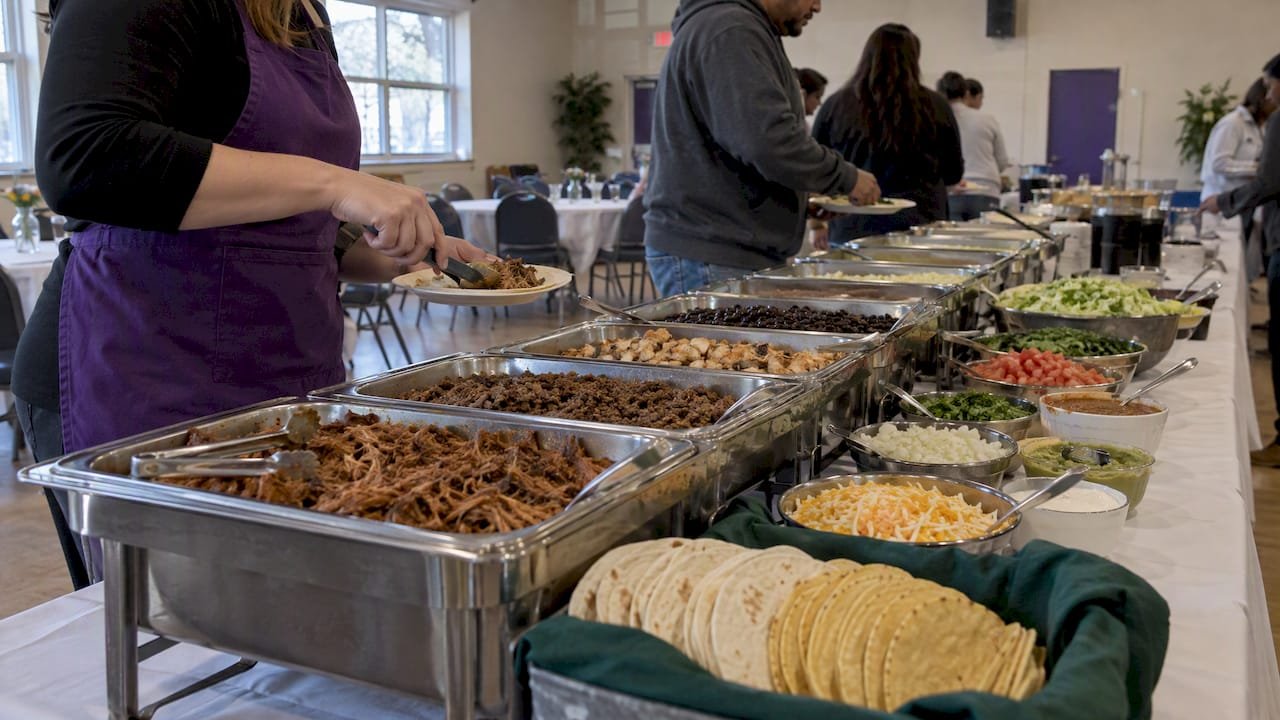
Burritosplendido’s catering service brings that same from-scratch quality to your home, office, or event. Whether you are hosting a casual dinner or a larger gathering, their team prepares everything fresh on the day. It is a practical way to serve authentic Mexican food without compromising on the techniques that make it taste genuine. Visit burritosplendido.com to explore options and get inspired for your next meal.
FAQ
What is the most important technique in fresh Mexican cooking?
Toasting dried chiles on a dry comal for 10 to 15 seconds per side is the single most impactful technique. It unlocks aromatic oils that give sauces, moles, and stews their characteristic depth and complexity.
Can I make fresh tortillas without nixtamalising corn myself?
Yes. Masa harina from brands like Maseca is pre-nixtamalised and produces very good results when mixed with warm water, rested for 30 minutes, and pressed thin before cooking on a hot comal.
What is the difference between raw and charred salsa verde?
Raw salsa verde cruda is blended from fresh, uncooked tomatillos and served chilled. It is bright and herb-forward and should not be reheated. Charred salsa verde uses dry-charred tomatillos and garlic for a smoky, deeper flavour suited to rich braised meats.
When should I add fresh toppings like lime and cilantro?
Add lime, cilantro, crema, and fresh salsa immediately before serving. Heat destroys the volatile aromatics in lime and wilts cilantro, so adding them during cooking removes the brightness that makes Mexican dishes taste vibrant.
How do I build flavour in layers when cooking Mexican food at home?
Follow this sequence: toast dried chiles and spices, char vegetables for salsas, simmer your sauce, braise proteins low and slow, and finish with fresh herbs, citrus, and salsa just before serving. Each step builds on the last to create contrast and depth.