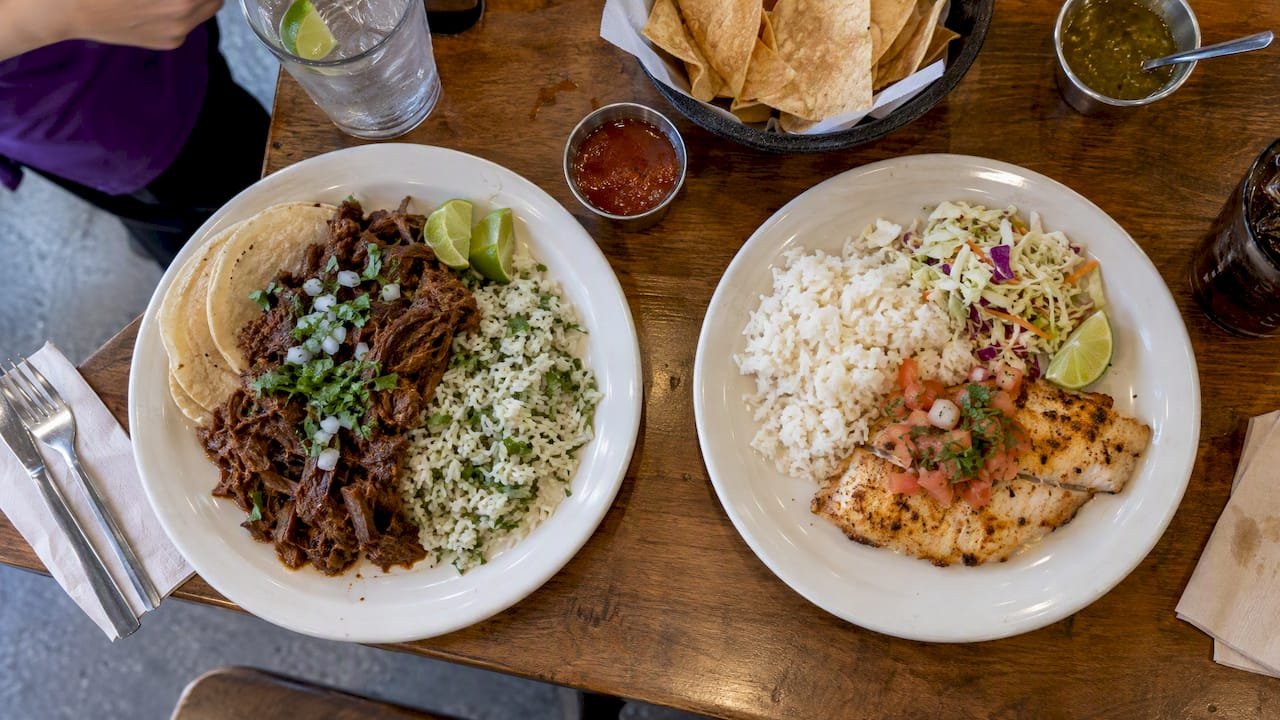
A burrito can be a balanced, protein-rich meal or a calorie bomb wrapped in foil, and the difference almost always comes down to the build. Nutrition is set layer by layer: tortilla, protein, rice, beans, cheese, sauces. Swap or shrink the tortilla and you cut the single biggest calorie load most burritos carry. A build-your-own nutrition calculator, paired with a handful of smart substitutions, gets most people to a low-calorie or high-protein result without giving up the format entirely.
TL;DR:
- Choosing a bowl or a smaller tortilla can reduce calorie content by about 100 to 290 calories without major menu changes.
- The largest calorie swings come from tortilla size and type, protein choice, and the amount of cheese and sauces used.
- Adjusting portion sizes of rice, beans, and toppings, along with ingredient swaps like Greek yogurt for sour cream, can significantly improve nutritional balance.
- A burrito’s sodium level can approach daily limits in restaurant builds due to seasoning, sauces, and cheese, often requiring careful customization.
- Cooking method influences nutrition, with grilled proteins and tortillas typically lower in fat and calories compared to fried or crispy versions.
Table of Contents
- Burrito nutrition guide basics: what a calculator actually does
- Typical calorie ranges: homemade, restaurant, and loaded builds
- How tortilla, protein, rice, beans, cheese, and sauces move the numbers
- Bowl versus wrapped burrito: the single biggest swap
- Build your burrito to fit your goal: three step-by-step approaches
- A quick checklist for ordering with nutrition facts in hand
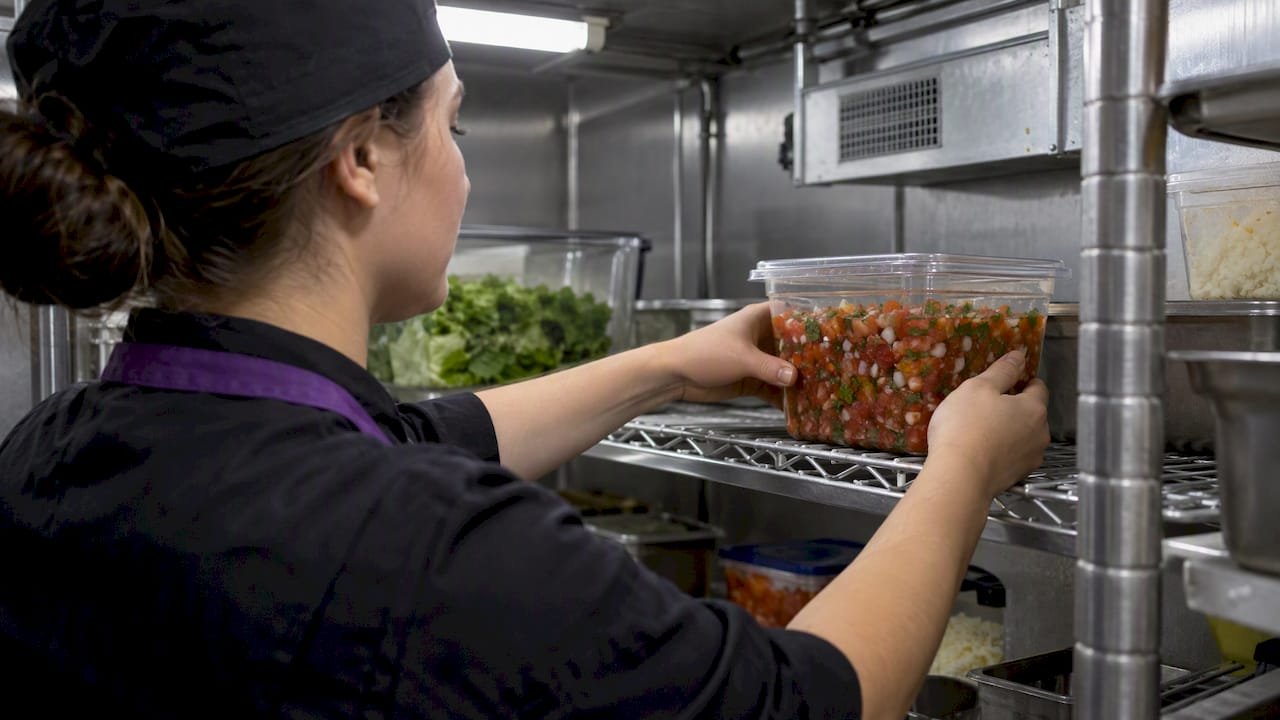
- A from-scratch kitchen approach changes what nutrition control actually looks like in practice. Homemade tortillas, slow-cooked proteins rather than pre-seasoned meat, and produce sourced from local suppliers matter for sodium and additive control, because scratch cooking means seasoning is something decided by the kitchen, not something baked into a frozen input.
- Allergen information and label transparency you should expect
- The vitamins and minerals hiding inside a typical burrito
- Health benefits and drawbacks of common burrito ingredients
- Portion size: why serving size changes everything
- Making a burrito work for keto, vegan, or gluten-free needs
- Grilled versus fried: how cooking method changes the numbers
- Order smarter, not just lighter
- Sources
Burrito nutrition guide basics: what a calculator actually does
A burrito nutrition calculator works by stacking layers the way a kitchen actually builds the order: tortilla, protein, rice, beans, toppings, sauces, each added to a running total for calories, protein, carbs, fat, and sodium. The output is only as good as the inputs, which is why tools like the BiteKit burrito calculator let you adjust portion size on each layer rather than assume a fixed serving.
Use the numbers to prioritize, not panic. The biggest swings usually come from four choices:
- Tortilla size and type — often the single largest calorie contributor in the whole burrito
- Protein source — grilled chicken and carnitas can differ by 100+ calories per serving depending on fat content
- Cheese and sauces — small in volume, large in calorie density
- Rice portion — easy to underestimate since it is scooped, not weighed
The limitation worth knowing: restaurant recipes vary by location and cook, and a calculator can’t see how heavy a scoop actually is. When in doubt, round up on cheese, sauces, and rice, and round down on lean protein and vegetables.
Typical calorie ranges: homemade, restaurant, and loaded builds
The spread between burrito builds is wide enough that “a burrito” is nearly meaningless as a nutrition category on its own. A lean bowl with grilled protein, beans, and vegetables can land under 400 calories, while a fully loaded wrapped burrito with a large flour tortilla, double meat, cheese, sour cream, and guacamole can top 1,200, according to layer-by-layer calorie modelling from BiteKit.
By the numbers: Homemade balanced burritos commonly fall around 450 to 550 calories, while restaurant versions typically run 700 to 1,200 calories, with sodium in many restaurant builds pushing close to daily recommended limits, according to nutrition breakdowns published by FreshOra Health.
The macronutrient pattern tends to follow the same script across builds. Carbohydrates from tortilla and rice dominate unless you actively cut them; protein rises with meat or bean portion size; fat climbs fastest with cheese, sour cream, and guacamole stacked together. Sodium is the sneaky one; it comes from seasoned rice, canned beans, cheese, and sauces all at once, which is how a single burrito can approach a full day’s sodium target without tasting obviously salty.
How tortilla, protein, rice, beans, cheese, and sauces move the numbers
Every layer pulls its own weight, but not equally. A 12 inch flour tortilla frequently accounts for approximately 290 to 320 calories on its own, more than some entire bowl builds. Switching to a smaller flour tortilla, a corn tortilla, or skipping it for a bowl is the fastest single lever you can pull, since removing the tortilla eliminates a dense calorie source while leaving the rest of the meal’s nutrition intact.
Protein choice changes the protein-to-calorie ratio more than most people expect. Grilled chicken delivers lean protein at a modest calorie cost; carnitas and ground beef bring more flavour and fat along with it; plant proteins like black beans or tofu bring fibre alongside protein, which slows digestion and helps with fullness. Rice and beans supply most of the carbohydrate and fibre in a typical build. Rinsing canned beans before use meaningfully lowers sodium content, a simple step home cooks can control that restaurant kitchens don’t always take.
Cheese, sour cream, and guacamole are where calories concentrate fastest relative to their volume; a couple of tablespoons of each can add 200 or more combined calories with minimal nutritional upside beyond fat and, in guacamole’s case, some healthy monounsaturated fat. Salsa and pico de gallo sit at the opposite end: big flavour, close to zero calorie cost.
- Tortilla: often the largest single calorie source
- Protein: swings 100+ calories depending on cut and cooking fat
- Rice and beans: main carb and fibre contributors
- Cheese, sour cream, guacamole: calorie-dense in small amounts
- Salsa, pico, grilled vegetables: high flavour, low calorie cost
Pro Tip: Ask for salsa and pico in double portions before you ask for extra cheese. You get more volume and flavour for a fraction of the calorie cost.
Bowl versus wrapped burrito: the single biggest swap
Choosing a burrito bowl over a wrapped burrito removes the tortilla entirely, which is usually the fastest way to cut about 290 calories without changing anything else about the order. If portability matters more than maximum calorie savings, a smaller flour tortilla or a low-carb wrap splits the difference.
- Bowl: no tortilla calories, easier to eat with a fork at a desk, less portable for eating on the go
- Smaller wrap: keeps the handheld format, trims 100 to 200 calories versus a full-size tortilla
- Low-carb wrap: portable option with a lighter carbohydrate load than standard flour
At the counter, simple language works: “make that a bowl” or “small tortilla instead of the large” gets the swap without extra explanation.
Build your burrito to fit your goal: three step-by-step approaches
The order you make decisions in matters, because the biggest levers should get pulled first and the small ones can be adjusted to taste after.
For a low-calorie build:
- Choose a bowl, or a small tortilla if you want it wrapped
- Double the vegetables to add volume without many calories
- Skip or go light on cheese and sour cream
- Finish with salsa or pico instead of a creamy sauce
For a high-protein build:
- Pick a lean grilled protein as your base
- Add a full portion of beans on top of the meat, not instead of it
- Swap sour cream for Greek yogurt, which adds protein while cutting saturated fat
- Ask about a higher-protein or whole-wheat wrap if the menu offers one
For a low-sodium build:
- Confirm beans are rinsed or made without added salt
- Ask for light seasoning on rice and protein
- Avoid bottled or pre-made sauces, which carry hidden sodium
- Cross-check totals with a menu’s nutrition facts or a calculator before you commit
Pro Tip: Recipe testing shows a chicken burrito built this way can deliver roughly 35 to 40 grams of protein while staying under 500 calories, which is a genuinely useful benchmark to aim for at the counter.
A quick checklist for ordering with nutrition facts in hand
The fastest way to control a burrito’s nutrition is to decide on your three biggest inputs before you reach the register: tortilla size, protein choice, and add-on toppings. Everything else is fine-tuning.
- Change the tortilla or go bowl-only first; it moves the needle more than any other single choice
- Pick your protein deliberately, not by default
- Scan per-item nutrition facts for sodium and fat, not just total calories, since cross-checking calculator output against posted nutrition facts catches surprises a calorie count alone misses
- Use a short, specific request at the counter: “light cheese, no sour cream, double salsa” gets exactly what you want without back-and-forth
Ordering online works the same way; most build-your-own menus let you toggle ingredients and see the effect before you check out.
A from-scratch kitchen approach changes what nutrition control actually looks like in practice. Homemade tortillas, slow-cooked proteins rather than pre-seasoned meat, and produce sourced from local suppliers matter for sodium and additive control, because scratch cooking means seasoning is something decided by the kitchen, not something baked into a frozen input.
Two builds show the range. A balanced high-protein order: adobo chicken, black beans, brown rice, a light hand on cheese, and pico de gallo instead of sour cream, landing in a protein-forward range similar to the high-protein benchmarks above. A low-calorie order: a naked bowl with carnitas trimmed lean, double vegetables, salsa, and no cheese or guacamole, keeping the meal closer to the lean end of typical calorie ranges.
Kitchens operating without deep fryers and using locally sourced proteins mean fewer processed additives sit between the ingredient and the plate, giving sodium and fat fewer places to hide.
Allergen information and label transparency you should expect
A burrito touches nearly every major allergen category at once: gluten in the tortilla, dairy in cheese and sour cream, and often soy or tree nuts depending on sauces and garnishes. Build-your-own formats make this more complicated, not less, because every swap changes the allergen profile of the finished order.
The trust signal to look for is ingredient-level disclosure, not just a blanket “contains gluten and dairy” note at the bottom of a menu. A kitchen that lists allergens per component, per topping, per sauce, gives you the information to build safely rather than guess. That level of detail also matters for cross-contamination, since a gluten-free tortilla prepared on a shared grill or cutting board can still pick up trace gluten even if the ingredient itself is safe.
Menus built around gluten-free, vegan, and keto options work best when staff can speak to cross-contamination practices directly, not just point to a printed list. Ask specifically how shared equipment, like a grill used for both meat and vegetarian proteins, is handled between orders if that is a concern for you.
If you’re managing a diagnosed allergy rather than a preference, treat any restaurant’s allergen list as a starting point for a conversation with staff, not a final answer. Ingredients change, suppliers change, and the safest approach is asking the specific question about the specific ingredient you’re worried about.
The vitamins and minerals hiding inside a typical burrito
A burrito’s micronutrient profile depends entirely on what goes inside it, and this is where vegetables and beans do quiet, unglamorous work. Black beans and pinto beans carry meaningful iron, magnesium, and folate alongside their protein and fibre. Tomatoes in salsa and pico contribute vitamin C and lycopene. Leafy greens or shredded lettuce add small amounts of vitamin K and folate, and avocado in guacamole brings potassium and vitamin E along with its fat content.
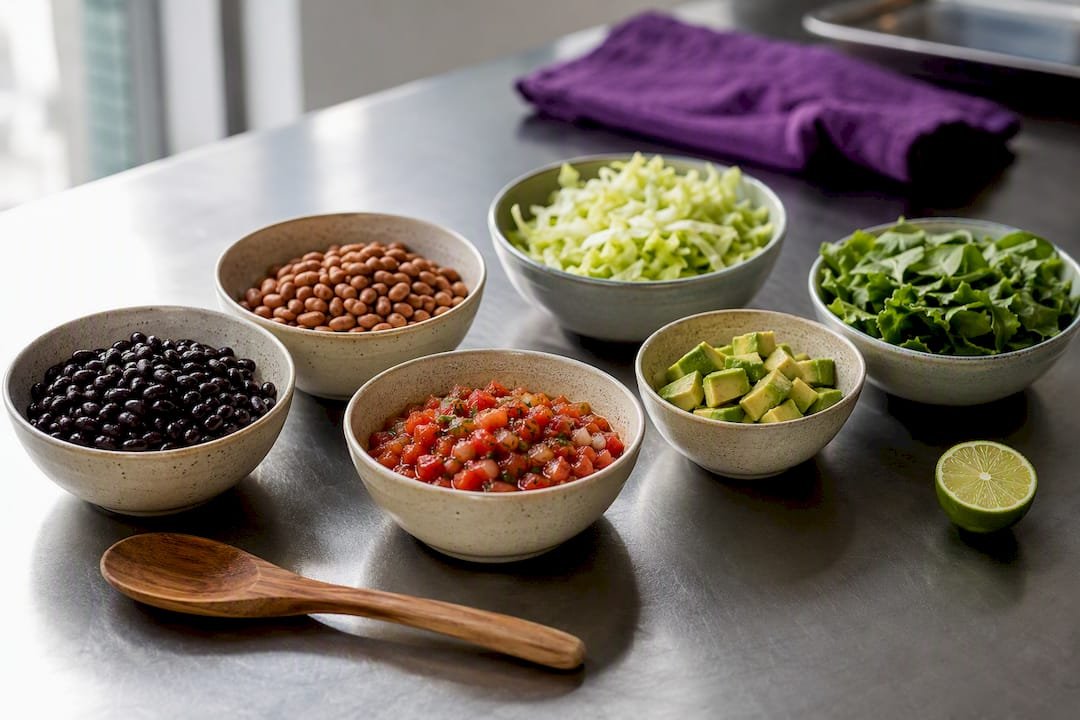
Cheese and dairy-based sauces bring calcium, though usually in smaller amounts than a glass of milk would provide, given typical topping portions. Brown rice, where offered instead of white, adds magnesium and a modest bump in B vitamins compared with white rice, though the difference is smaller than people often assume.
The practical takeaway is that a burrito loaded with only meat, cheese, and refined rice is calorie-dense but micronutrient-thin. Add beans, salsa, and a vegetable component, and the same meal becomes a real source of iron, folate, and potassium without much added calorie cost. This is one of the few places in a burrito build where “add more” is actually the right nutrition advice, provided that what you’re adding is vegetables and beans rather than cheese and sauce.
Health benefits and drawbacks of common burrito ingredients
Beans are close to a nutritional best buy: high in fibre and plant protein, low in saturated fat, and linked to steadier blood sugar response because fibre slows carbohydrate absorption. Their main drawback is sodium in the canned form, which rinsing before use substantially reduces.
Lean grilled proteins like chicken deliver protein with relatively little saturated fat, while fattier options like carnitas or ground beef bring more flavour and iron but also more saturated fat per serving. Neither is “bad”; the right choice depends on how the rest of your day’s fat intake looks.
Cheese offers calcium and protein but concentrates saturated fat quickly given how it’s typically portioned in a burrito. Guacamole is genuinely beneficial in moderation, its fat is largely monounsaturated, the kind linked to better cardiovascular markers, but it’s still calorie-dense enough that a double portion changes the whole meal’s math. Sour cream is the ingredient with the weakest benefit-to-calorie ratio in a standard build, which is exactly why Greek yogurt shows up so often as the recommended swap.
Portion size: why serving size changes everything
Nutrition facts posted per burrito are only useful if you understand what “one serving” actually contains. A restaurant burrito is frequently built to a portion that’s genuinely a meal and a half by home-cooking standards, which is part of why totals run higher than people expect from a wrap that fits in one hand.
Rice and beans get scooped rather than weighed in most kitchens, and a heavy scoop can add 100 or more calories over a standard portion without looking obviously different on the plate. Protein portions vary the same way; a generous ladle of carnitas versus a standard one can shift protein and calorie totals meaningfully. This is exactly why a calculator that lets you adjust each layer’s portion, rather than assume one fixed size, gives a more honest number than reading a single posted calorie count.
If you’re trying to manage calories precisely, splitting a large restaurant burrito into two meals, eating half and saving half, is a legitimate and simple portion strategy. It’s also worth remembering that a bowl format naturally makes portion control easier to see, since ingredients sit in visible layers rather than hidden inside a wrap.
Making a burrito work for keto, vegan, or gluten-free needs
Each dietary need pulls on a different lever, and knowing which one keeps the substitution simple. For keto, the tortilla is the main obstacle since standard flour or corn tortillas carry too many carbohydrates; a bowl format with extra protein, cheese, and avocado in place of rice and beans keeps carbs low while staying satisfying. For vegan builds, beans, rice, and grilled vegetables become the protein and bulk, with guacamole and salsa replacing dairy-based toppings entirely; a well-built vegan burrito can still hit a reasonable protein number if beans are generous rather than an afterthought.
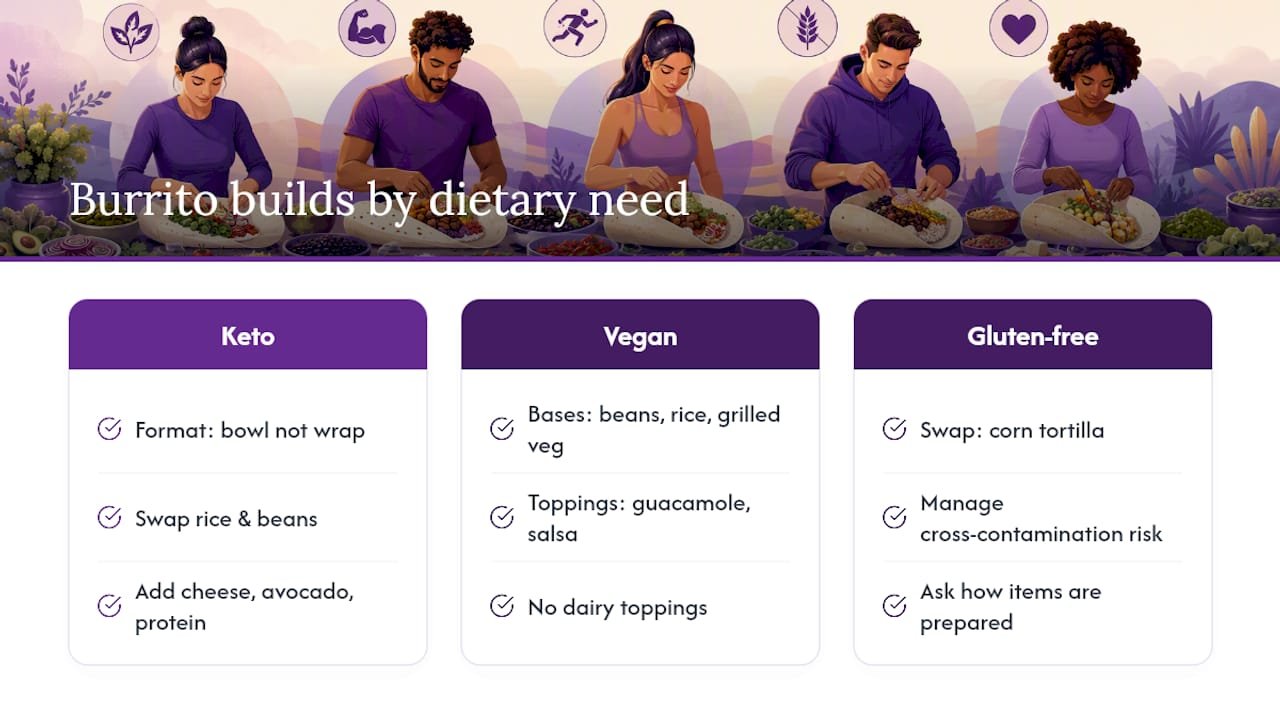
For gluten-free needs, corn tortillas are the direct swap, though cross-contamination on shared grills or cutting boards is the real risk to manage, not the ingredient itself. Ask specifically how gluten-free items are prepared relative to standard ones.
Pro Tip: If you’re mixing dietary needs, like vegan and gluten-free at once, build from the bowl up rather than trying to modify a wrapped burrito. It’s easier to swap components in a bowl than to unpick them from something already assembled.
Vegetable-forward wrap techniques, including methods for keeping plant-based wraps crisp rather than soggy, are also worth borrowing if you’re building vegan burritos at home and want the tortilla itself to hold up.
Grilled versus fried: how cooking method changes the numbers
Cooking method affects a burrito’s nutrition almost as much as ingredient choice does, and it’s an easy thing to overlook. Grilled proteins render off some fat as they cook and pick up minimal additional oil, which keeps the calorie and fat profile close to the protein’s natural composition. Fried or pan-fried preparations, particularly for proteins like crispy carnitas bits or fried tortilla strips, absorb oil during cooking, adding calories and fat that don’t show up as a separate “ingredient” on a menu description.
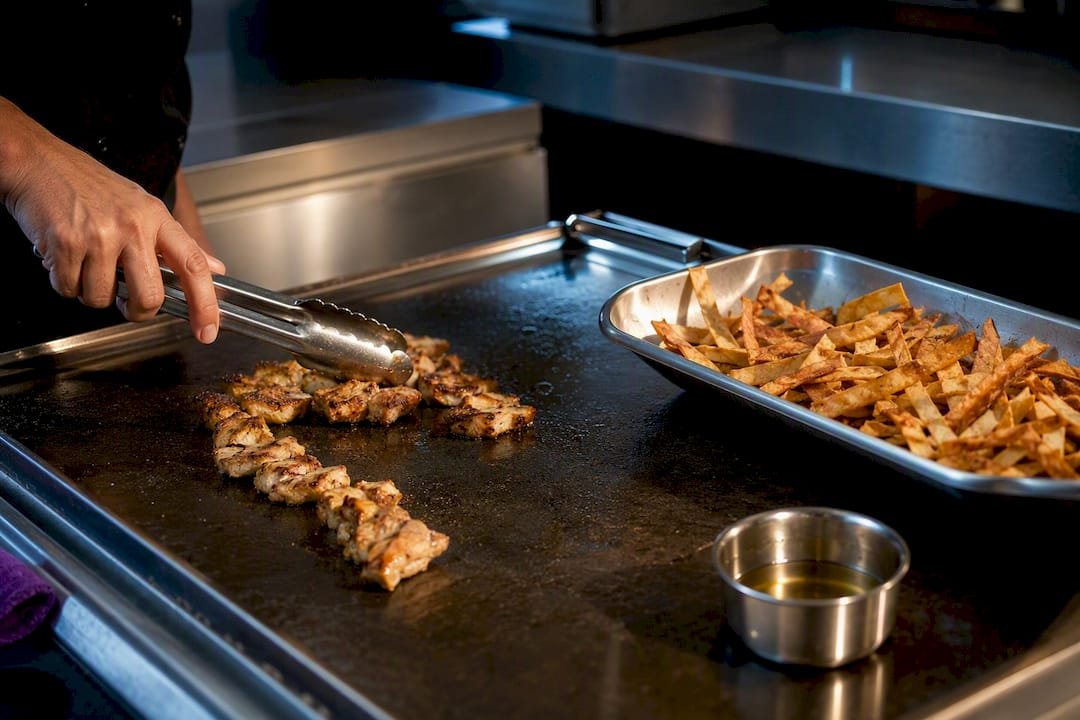
The same principle applies to the tortilla itself. A soft, unfried tortilla stays close to its baseline calorie count; a fried or crisped tortilla, the kind used for a chimichanga-style preparation, absorbs oil during frying and can add a meaningful chunk of calories and fat beyond the base dough. Restaurants operating without deep fryers avoid this addition by default, which is one reason grilled and griddled preparations tend to sit lower on both calorie and fat counts than fried versions of the same base ingredients.
If you’re comparing two similar-sounding menu items and only one lists “crispy” or “fried” in the description, assume it carries a noticeably higher fat count even if the core ingredients look identical on paper.
Order smarter, not just lighter
The conventional advice on burrito nutrition treats every burrito as roughly the same food with a fixed calorie count, and that’s the biggest thing this guide pushes back against. A burrito isn’t one dish; it’s a modular meal with four or five decision points, and most of the calorie and sodium damage happens at just two of them: the tortilla and the toppings.
What’s overrated is calorie-counting the whole meal after it’s built. What actually works is deciding on tortilla size and protein before you order, then treating cheese, sour cream, and sauces as adjustable rather than automatic. Rinsed beans and Greek yogurt swaps aren’t dramatic, but they are recognized as changes that can improve nutrition over time.
If you take one thing from this, prioritize the bowl-versus-wrap decision first. It has the largest single effect of any swap covered here, and it’s the one most people skip because it feels like giving something up rather than gaining control. It’s the opposite.
— Austin
Sources
- Burrito Calorie Calculator – Build Your Burrito & Count Calories | BiteKit
- Are Burritos Healthy? Nutrition Facts Explained 2026 | FreshOra Health
- High Protein Chicken Burrito (40g Protein) – Ready in 30 Minutes | TastyProMeals
For anyone managing diabetes, kidney disease, or another condition where sodium or carbohydrate precision genuinely matters, a registered dietitian can translate these general benchmarks into numbers specific to your situation.