Pick black beans when you want firm, distinct beans that hold their shape, a slightly sweet and meaty bite, and a lower glycemic load; pick pinto beans when you want a creamy, mashable texture built for refried beans, stews, and dips. Nutritionally, they’re close cousins: black beans edge ahead on fibre and antioxidants, pintos edge ahead on potassium and folate. If you’re still stuck, cook the one you’ll actually eat again next week.
TL;DR:
- Black beans have a modest edge in fiber, antioxidants, and glycemic index, which can benefit blood sugar control and overall health.
- Pinto beans contain slightly more potassium and folate, making them better for pregnant women or those needing additional nutrients.
- Black beans maintain their shape and are better suited for salads, salsas, and dishes that require firm beans, while pinto beans excel in creamy refried or thick stews.
- Cooking and preparation differences, such as soaking and cook times, should be adjusted when swapping beans to avoid texture and water absorption issues.
- Choosing between black and pinto beans depends more on dish texture and flavor preferences than on nutritional superiority.
Table of Contents
- Black beans vs pinto: the nutrition numbers side by side
- Taste and texture: how pinto vs black beans actually differ at the table
- Cooking dried and canned beans: soaking, timing, and swap rules
- Which bean is easier to digest, and does glycemic index matter?
- Recipe ideas: putting the differences to work at the stove
- How a from-scratch kitchen decides between black beans and pinto beans
- What the bean debate gets wrong
- Sources
- FAQ
Black beans vs pinto: the nutrition numbers side by side
The macronutrient gap between these two beans is small enough that you shouldn’t lose sleep over it either way. But the small differences matter for specific goals, and they’re worth knowing before you default to whichever bag is cheaper at the store.
Per half-cup serving of reduced-sodium canned beans, nutrition comparisons show black beans running slightly ahead on protein and fibre, while pinto beans hold a modest lead in potassium and folate.
| Nutrient (per ½ cup, canned, reduced sodium) | Black Beans | Pinto Beans |
|---|---|---|
| Calories | approximately equal | approximately equal |
| Protein | slightly higher | slightly lower |
| Fibre | slightly higher | slightly lower |
| Potassium | Lower | Higher |
| Folate | Lower | Higher |
| Antioxidant notes | Higher (anthocyanins, polyphenols) | Lower |
A 1 to 2 gram fibre edge doesn’t sound dramatic, but stacked across a week of lunches it adds up toward the 25 to 38 grams most adults are aiming for daily. Folate matters most for anyone pregnant or planning to be, since it supports neural tube development, which nudges the folate-richer pinto bean slightly ahead for that specific need. Potassium plays a role in blood pressure regulation, and pintos carry a bit more of it per serving too.
The antioxidant story belongs to black beans. Their dark seed coats concentrate anthocyanins and other polyphenols, the same pigment family that gives blueberries and red cabbage their antioxidant reputation. Lighter-skinned pinto beans simply don’t carry the same concentration.
Statistic Callout: Black beans have a modest but consistent edge in fibre content per serving compared to pintos, which may be relevant for those monitoring their daily fibre intake.
None of this makes one bean “healthier” in any meaningful sense.
Taste and texture: how pinto vs black beans actually differ at the table
Texture, more than flavour, is what separates these two beans in a dish. Black beans hold their shape through a long simmer, which is why they show up whole in salads, grain bowls, and salsas where you want distinct bites rather than mush. Their flavour leans slightly sweet with a meaty undertone, which is part of why they pair so naturally with citrus, cilantro, and smoky chili.
Pinto beans behave completely differently once heat hits them. Their skins soften and start to break down, giving the interior a creamy consistency that makes them the traditional pick for refried beans and thick stews. The flavour is earthier and nuttier than black beans, with less of that sweet edge.
Here’s how that plays out dish by dish:
- Burritos (whole beans): black beans for texture contrast against rice and protein; pinto for a softer, more cohesive bite.
- Refried beans: pinto wins almost every time because the skins break down into that classic creamy paste.
- Chili: black beans if you want beans that survive an hour on the stove without disintegrating; pinto if you want the chili to thicken naturally.
- Salads and grain bowls: black beans, for the visual pop and firm bite against leafy greens.
- Dips: pinto, blended or mashed, for a smoother base than black bean dip typically delivers.
- Tacos: either works, but pinto’s creaminess plays well against a crisp shell, while black beans hold up better in a soft tortilla with juicy fillings.
Pro Tip: If a recipe calls for pinto beans and all you have is black beans, mash roughly a third of the batch before adding them back in. That fakes the creaminess pintos deliver naturally, without losing all the texture.
Swapping one for the other changes more than colour. Expect a firmer finished dish with black beans and a looser, thicker one with pintos, and adjust salt and acid slightly since pinto’s earthier flavour sometimes needs a touch more lime or vinegar to brighten it.
Cooking dried and canned beans: soaking, timing, and swap rules
Dried beans need planning that canned beans skip entirely, and the two beans behave a little differently even before they hit the pot.
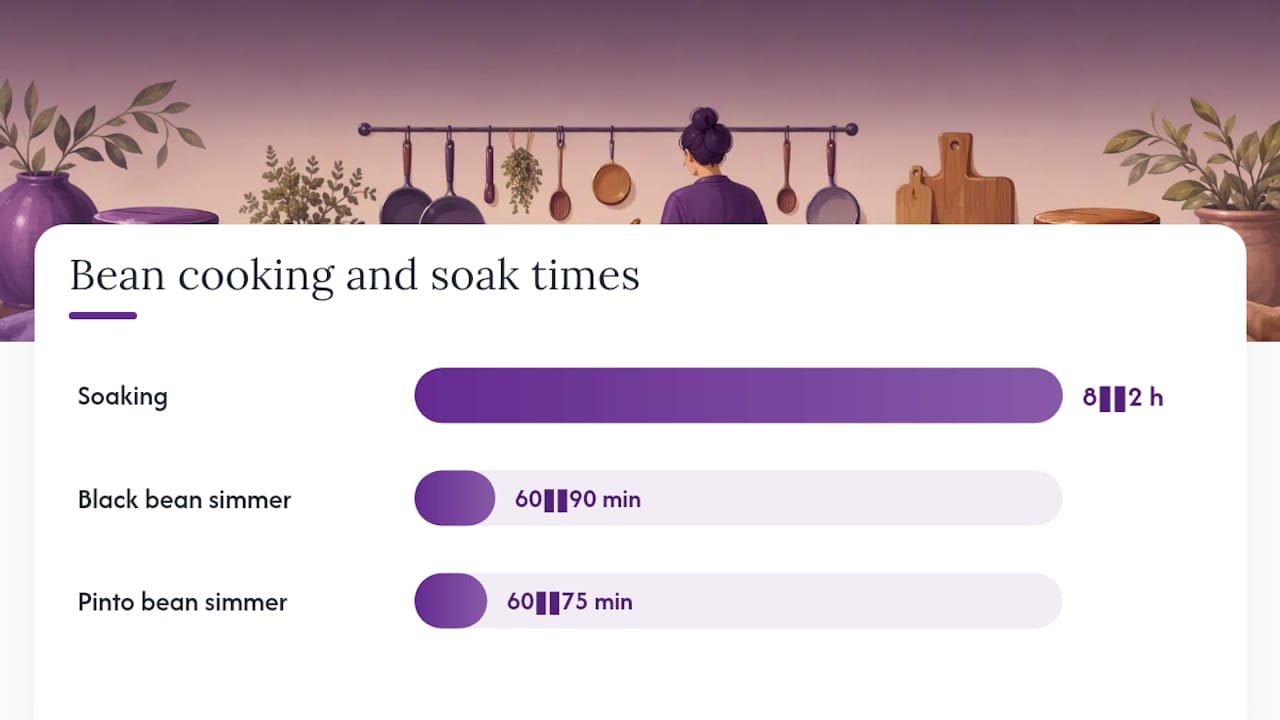
Soaking: an overnight soak (8 to 12 hours) isn’t mandatory for either bean, but it shortens cooking time and lowers the odds of split, “blown” beans that turn mushy on the outside while staying tough in the centre. Soaking works especially well for pintos headed for refried beans, since a more even cook makes mashing easier. Skip it for black beans destined for a quick salad where you want them firmer.
Water absorption: black beans tend to absorb more water and expand more during cooking than pintos, which matters for portioning. A cup of dried black beans can yield noticeably more cooked volume, so if a recipe was written for pinto beans, start with slightly less dried black bean volume or expect extra yield.
Swapping one bean for the other in an existing recipe takes a few adjustments:
- Check the cook time. Black beans generally need 60 to 90 minutes at a simmer once softened from soaking; pintos often need slightly less, closer to 60 to 75 minutes, though this varies by age of the dried bean.
- Decide whole vs mashed. If the original recipe relies on pinto’s creaminess (refried beans, thick stews), mash a portion of your black bean substitute partway through cooking.
- Adjust liquid. Because black beans absorb more water, add a splash more broth or water if the dish is drying out faster than expected.
- Recalibrate seasoning. Pinto’s earthier profile can carry more cumin and smoked paprika; black bean’s sweeter note pairs well with lime, cilantro, and a touch of chili powder.
Pro Tip: Always rinse canned beans, black or pinto, under cold water before using them. It washes away a good portion of the starchy liquid that contributes to bloating, and it cuts sodium by a meaningful margin compared to using the can liquid straight.
For storage, cooked beans of either type keep well refrigerated for three to four days and freeze cleanly for up to six months. Reheat gently with a splash of water or broth so they don’t dry out or turn grainy. A small pinch of baking soda in the cooking water can soften beans faster, but use it sparingly. Too many leaves a soapy aftertaste and can strip some nutrients.
Which bean is easier to digest, and does glycemic index matter?
Both beans support heart and gut health in roughly the same ways: soluble fibre, resistant starch, and plant protein that feeds gut bacteria and helps regulate cholesterol. The differences worth knowing are narrower and more situational than most headlines suggest.
Black beans carry a lower glycemic index, roughly 30, compared with pinto beans at roughly 39. That gap is modest, but it can matter for anyone actively managing blood sugar, since a lower GI food raises blood glucose more slowly after a meal.
On the digestibility side, the advantage flips slightly toward pintos. Their skins break down more completely during cooking, which some people find easier on the stomach than the firmer, more intact black bean skin. If you’re prone to bloating or gas after beans, that’s not a reason to avoid black beans entirely. It’s a reason to cook them longer and introduce them gradually.
Statistic Callout: The glycemic index gap between black beans (~30) and pinto beans (~39) is small in absolute terms, but for someone tracking post-meal blood sugar closely, that difference can shift how a meal sits over the following two hours.
A few practical steps make either bean easier on digestion:
- Soak dried beans for at least 8 hours; discard the soaking water rather than cooking in it.
- Cook thoroughly until beans are fully tender, not just soft on the outside.
- Introduce beans gradually if you don’t eat them often, giving your gut bacteria time to adjust to the added fibre.
- Rinse canned beans well to remove excess sodium and some of the oligosaccharides that cause gas.
The honest takeaway: neither bean is objectively “healthier.” Black beans edge ahead on fibre, antioxidants, and glycemic index; pintos edge ahead on potassium, folate, and digestibility for sensitive stomachs. Choose based on which factor matters most for you, not because one bean has better marketing.
Recipe ideas: putting the differences to work at the stove
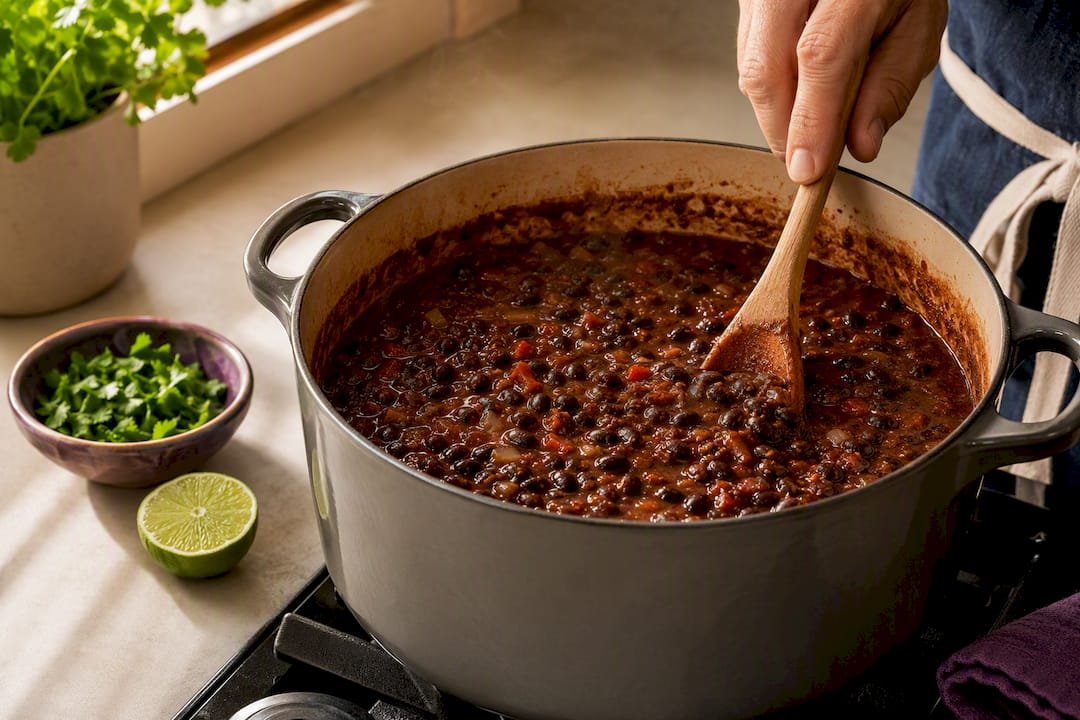
Once you know how each bean behaves, building a menu around them gets easy. Black beans shine in a citrus black bean salad with corn, red onion, and lime, or folded whole into a vegetarian chili that needs beans to survive an hour of simmering without falling apart. They also work well as the base of a hearty vegetarian meal when you want meals built around 20 to 40 grams of protein without meat.
Pinto beans belong in frijoles de olla (whole beans simmered slowly with onion, garlic, and epazote if you can find it), classic refried beans, or a creamy stew base that thickens on its own as the beans break down.
Seasoning templates worth keeping on hand:
- Black beans: cumin, lime juice, fresh cilantro, a pinch of chili powder, finished with fresh salsa.
- Pinto beans: smoked paprika, garlic, a splash of apple cider vinegar, finished with a dollop of sour cream or crema.
For a hybrid approach, try the half-and-half technique: spread a layer of creamy refried pinto on the tortilla as a base, then scoop whole black beans on top for chew and visual contrast. It’s a simple trick that gives you both textures in a single burrito.
For more ideas on building a balanced plate around beans and other staples, Burrito Splendido’s guide to fresh Mexican cooking at home covers seasoning and pairing techniques that apply directly to both beans.
How a from-scratch kitchen decides between black beans and pinto beans
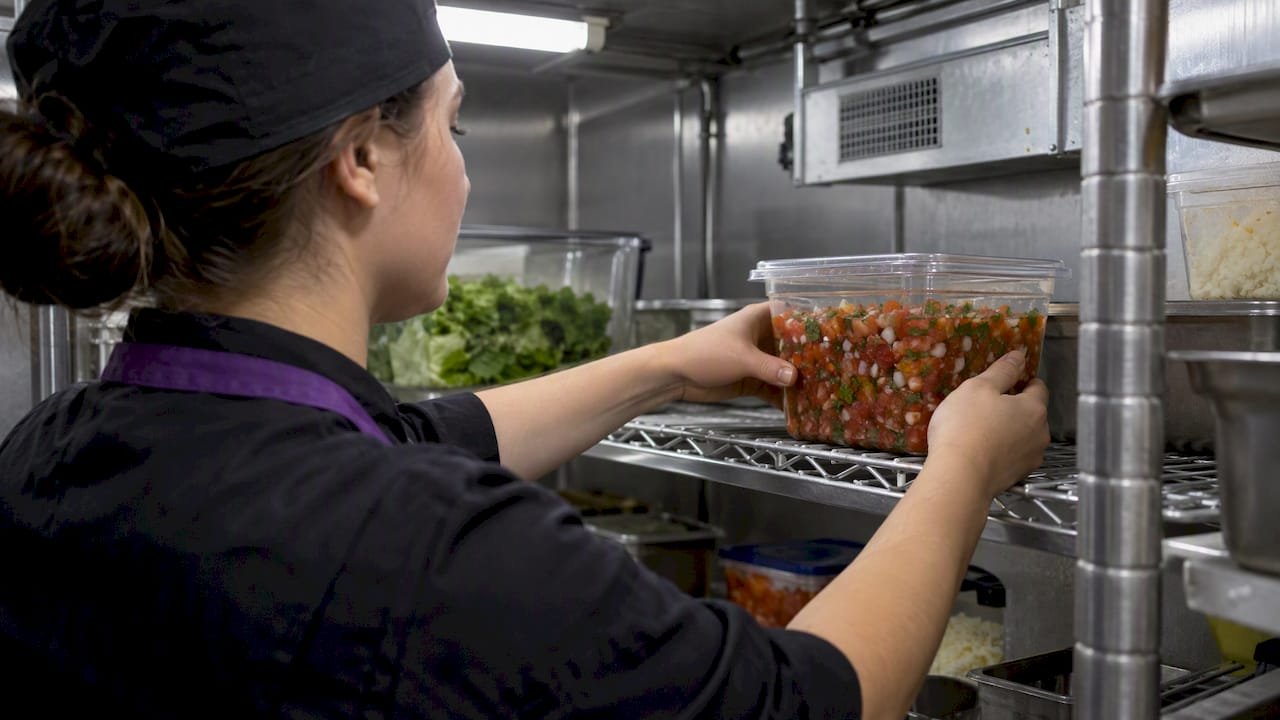
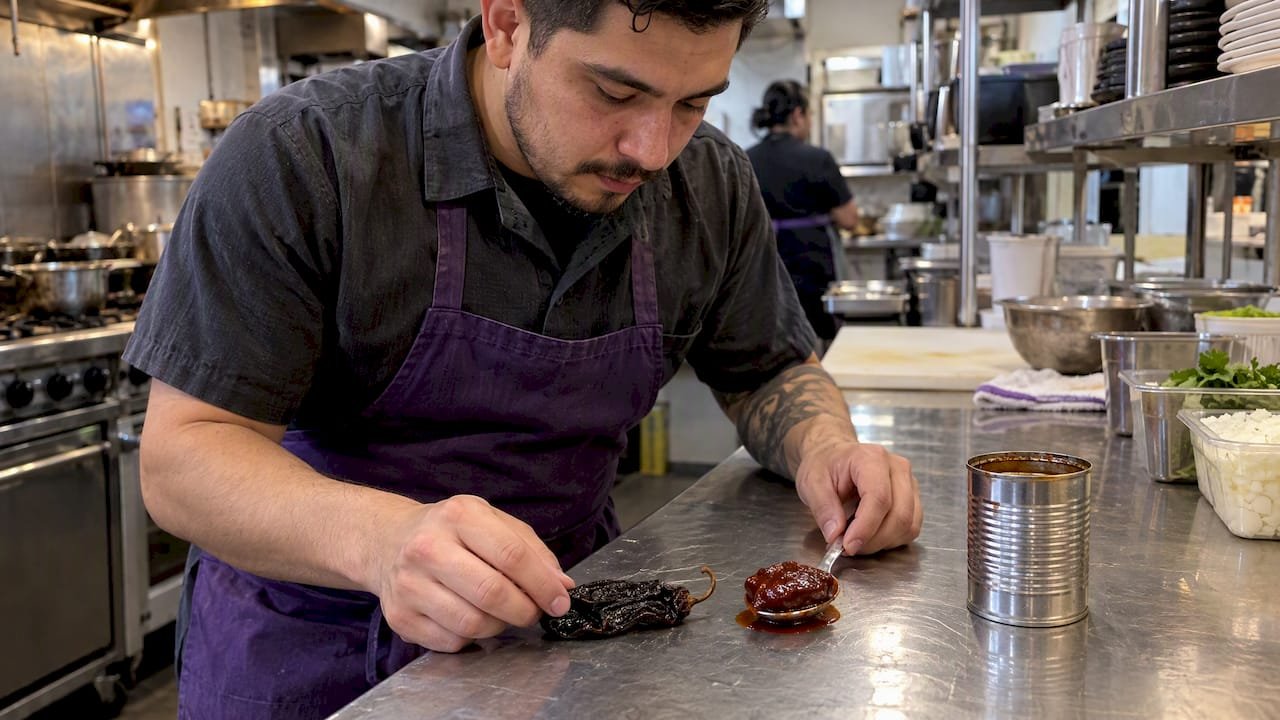
A kitchen preparing everything daily has to think about moisture the way a home cook rarely does. Black beans need to stay firm enough to hold their shape inside a rolled burrito without turning the tortilla soggy, while pinto beans get simmered down until they’re properly creamy for refried preparations that need to spread evenly.
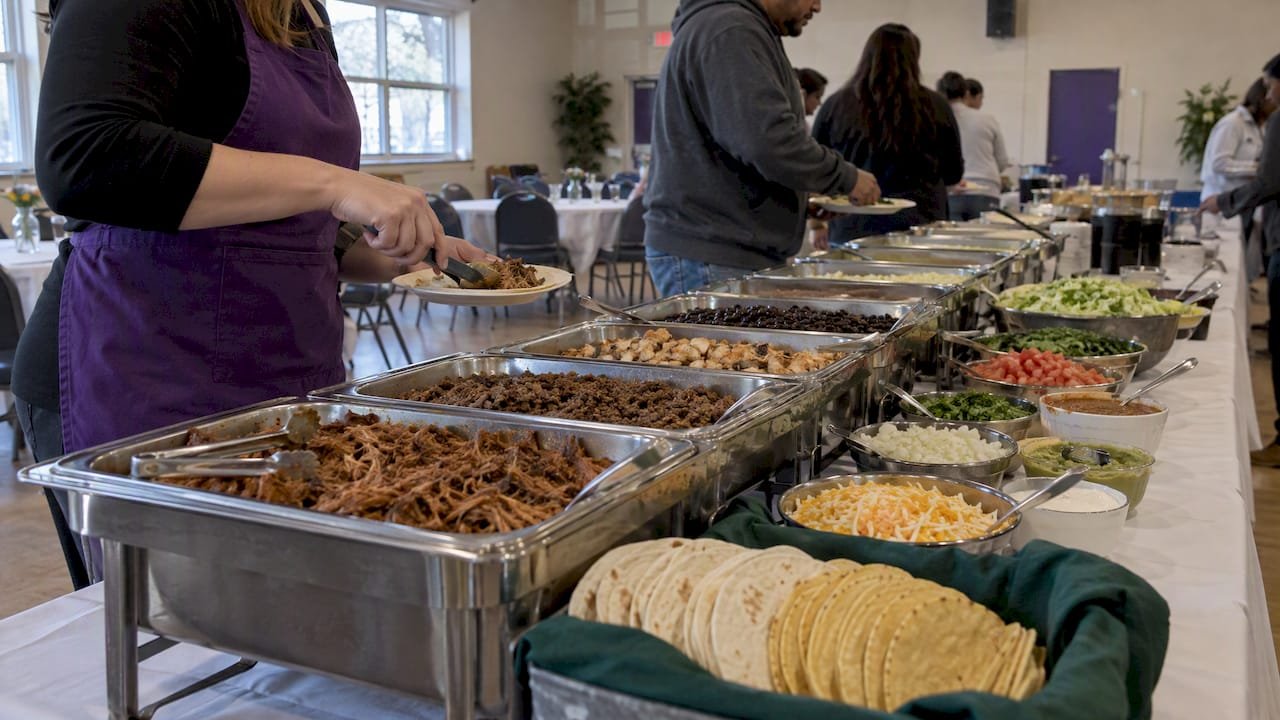
Serving both means training staff to recognize cross-contact risks for gluten-free and vegan orders, since bean pots, utensils, and prep surfaces need clear separation. That kind of attention is part of why Burrito Splendido runs a dietary-inclusive kitchen built for people managing specific needs, not just preferences. Both bean styles show up across the full menu, and group orders through catering can be built around whichever bean style suits the event.
What the bean debate gets wrong
Most articles treat this as a health competition with a winner, and that framing misses the point. The nutrition gap between black beans and pinto beans is smaller than the gap between eating beans regularly and not eating them at all. Fixating on a gram of fibre here or a milligram of folate there distracts from the bigger win: both beans are cheap, versatile, and genuinely good for you.
Where the conventional advice really falls short is texture. Most nutrition-first comparisons barely mention that pintos mash into a completely different dish than black beans do, and that mismatch is exactly what makes a home cook’s chili taste off, or a burrito filling turn watery when they swap beans without adjusting technique. Texture drives satisfaction more than milligram-level nutrition differences ever will.
If you take one thing from this: pick your bean based on what the dish needs to do, not which bean wins a nutrition scoreboard. Cook it properly, season it to match its natural flavour, and the health differences will take care of themselves.
— Austin
Sources
- Black Beans vs. Pinto Beans: Which Are Better for Gut and …
- Black Beans Vs Pinto Beans: Everything You Need To Know
- Pinto vs black beans: nutrition, cooking, and digestion explained
FAQ
Which is healthier, black beans or pinto beans?
Neither bean is clearly healthier. Black beans have slightly more fibre and antioxidants, while pinto beans offer a bit more potassium and folate, so the better choice depends on your specific nutrition goal.
Can I substitute pinto beans for black beans?
Yes, but expect texture changes since black beans hold their shape while pinto beans soften and turn creamy. Mash a portion of the swapped bean to better match the original recipe’s consistency, and adjust liquid slightly since black beans absorb more water during cooking.
What bean is healthiest overall?
There isn’t a single healthiest bean; black beans, pinto beans, lentils, and chickpeas all offer strong fibre and protein with small nutritional trade-offs between them. Choosing the bean you’ll eat consistently usually matters more than chasing marginal nutrient differences.
Do black beans taste better than pinto beans?
Taste is subjective, but the two beans are genuinely different: black beans are slightly sweet with a meaty note, while pinto beans are earthier and nuttier once cooked into their traditionally creamy texture. Neither one objectively outranks the other; the dish you’re making usually decides which flavour profile fits better.