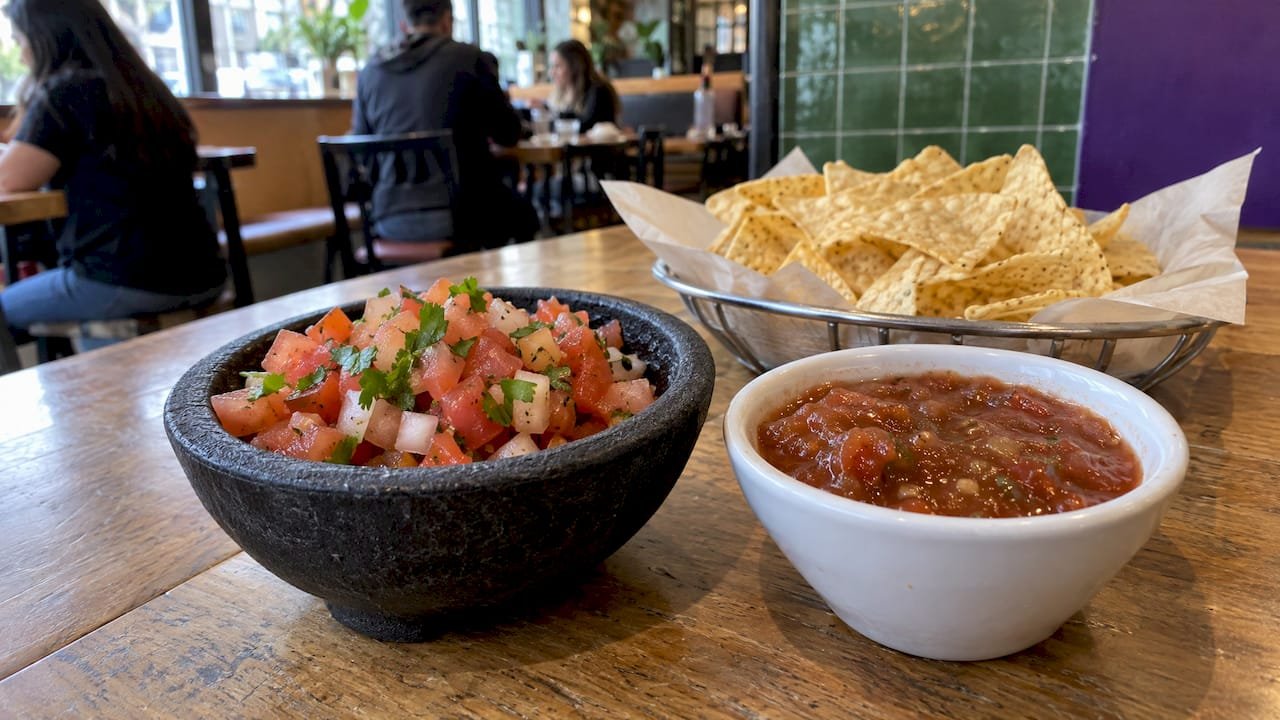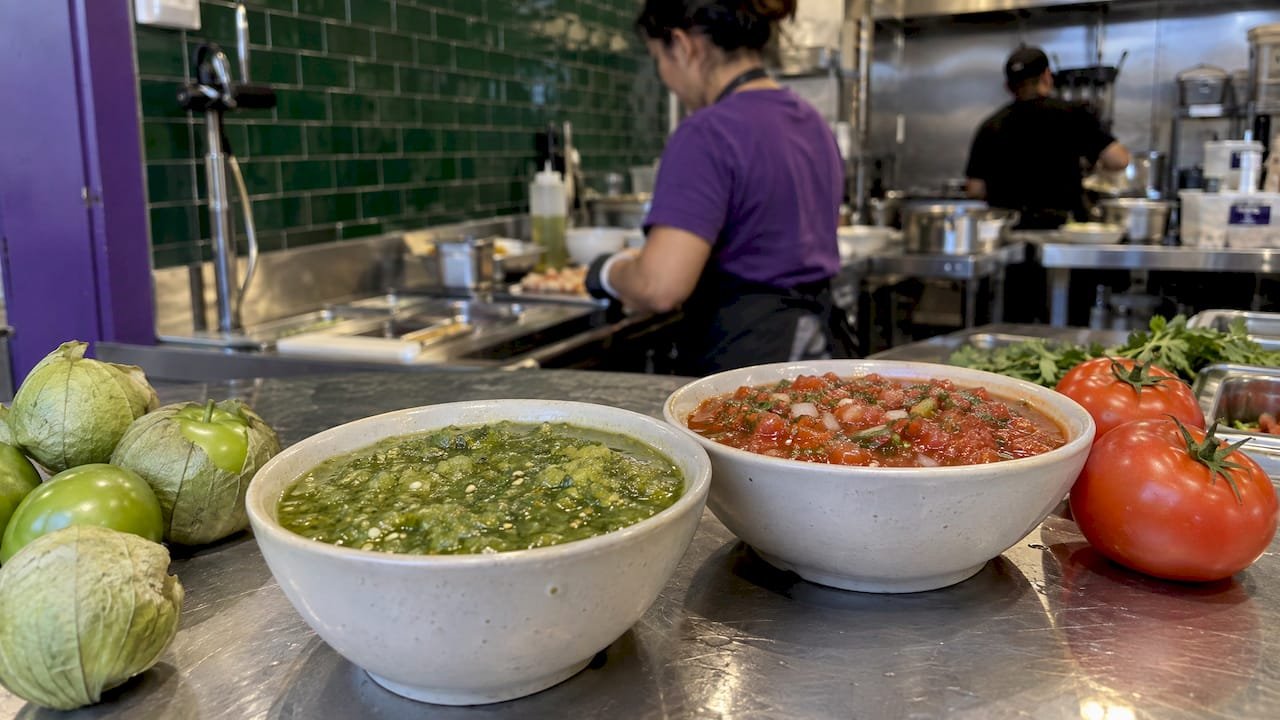
Fresh salsa is raw, bright and best eaten within a few days. Jarred salsa is cooked, deeper in flavour and built to sit in a cupboard for months. Neither is “better” in every case. The right choice depends on what you are eating it with, how soon you will finish it and how much you care about a short ingredient list. This guide explains the real differences so you can pick the right one for your next meal.
TL;DR
- Jarred salsa is cooked, which gives it a rounder, richer flavour and a softer texture. Fresh salsa is uncooked, so it tastes sharper, brighter and crunchier.
- Fresh and homemade salsa belong in the fridge at 4°C or colder and should be eaten quickly. Our own guideline is the cautious end of the range: 2 to 3 days.
- Read the label on a jar: a short list of tomatoes, onion, peppers, vinegar or lime and salt is a good sign. Added sweeteners, flavourings and preservatives are common in prepared salsas.
- Use fresh salsa as a topping and jarred salsa as a cooking ingredient or a pantry backup.
Table of Contents
- What actually separates fresh from jarred
- Is jarred salsa safe, and what about additives?
- Homemade salsa: what goes into it
- Which one should you choose?
- Our perspective
- Bring fresh salsa to your table
- FAQ
- Sources
What actually separates fresh from jarred
The core difference is heat. Jarred salsa is cooked, and often canned, so it can sit on a shelf. Fresh salsa never sees a pot. A chef’s breakdown of cooked, raw and fruit salsas puts it simply: cooking changes the texture, takes away sharpness and builds depth, richness and character, while raw salsa delivers a big hit of freshness.
That one step explains almost everything else you notice at the table:
| Fresh salsa | Jarred salsa | |
|---|---|---|
| Preparation | Chopped or blended raw | Cooked, then jarred |
| Flavour | Bright, sharp, herbal | Deeper, rounder, sometimes sweeter |
| Texture | Crisp pieces, juicy | Softer, more uniform, often thicker |
| Shelf life | Days, refrigerated | Months unopened, then weeks once opened |
| Best for | Topping, dipping, finishing | Cooking, simmering, pantry backup |
The same food publication notes that fresh salsa is not heated before packaging and tastes brighter than cooked tomato salsa, a point repeated in a taste test of store-bought salsas.
Taste and texture in practice
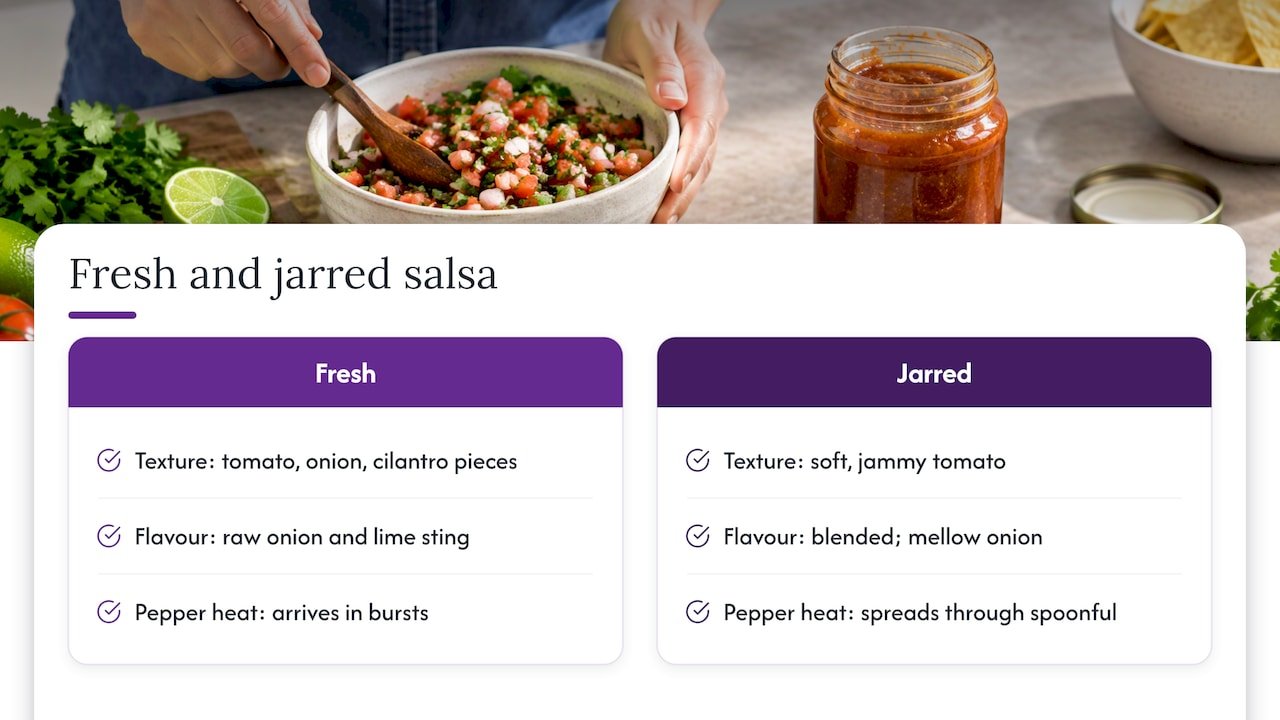
Put a spoonful of each on a plain chip and the difference is obvious. Fresh salsa gives you distinct pieces of tomato, onion and cilantro, with the sting of raw onion and lime. Jarred salsa blends those flavours into one. The onion mellows, the tomato turns soft and jammy, and the heat of the pepper spreads through the whole spoonful instead of arriving in bursts.
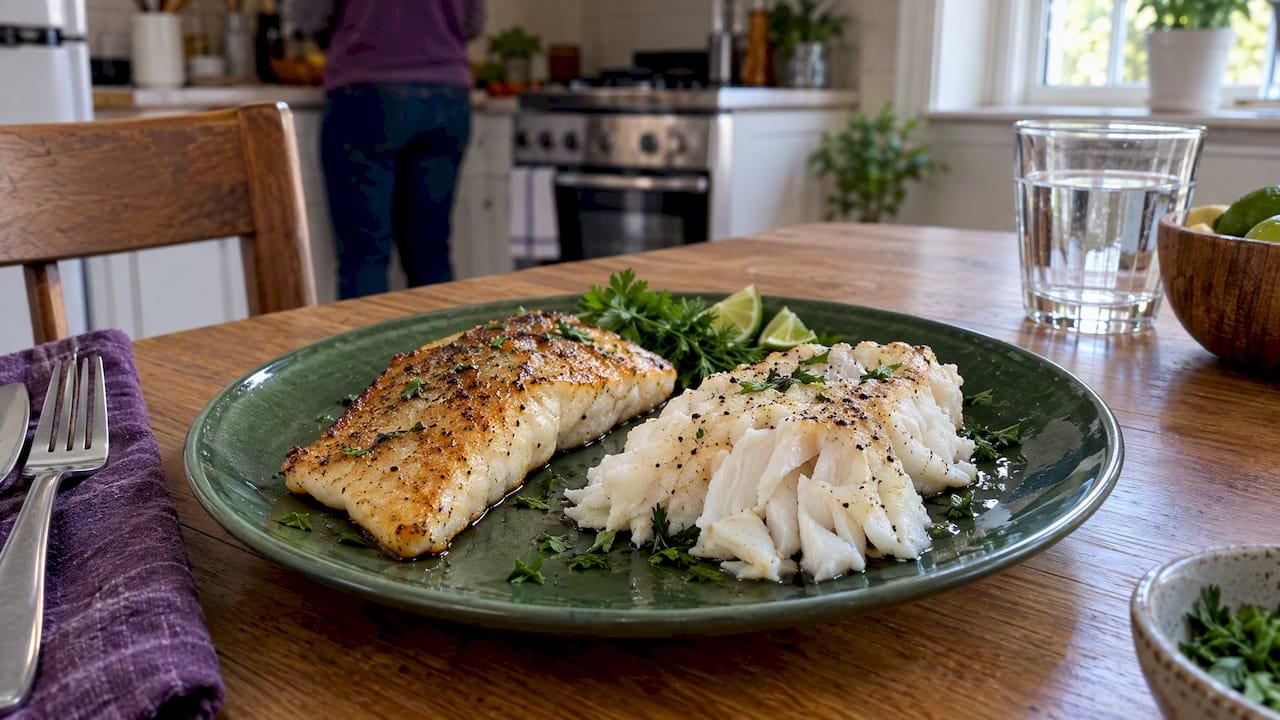
Neither profile is a flaw. A fish taco wants the snap of fresh salsa. A pot of chili, a braise or a baked casserole wants the depth of cooked salsa, because raw salsa loses its character as soon as it hits a hot pan.
How long each one keeps
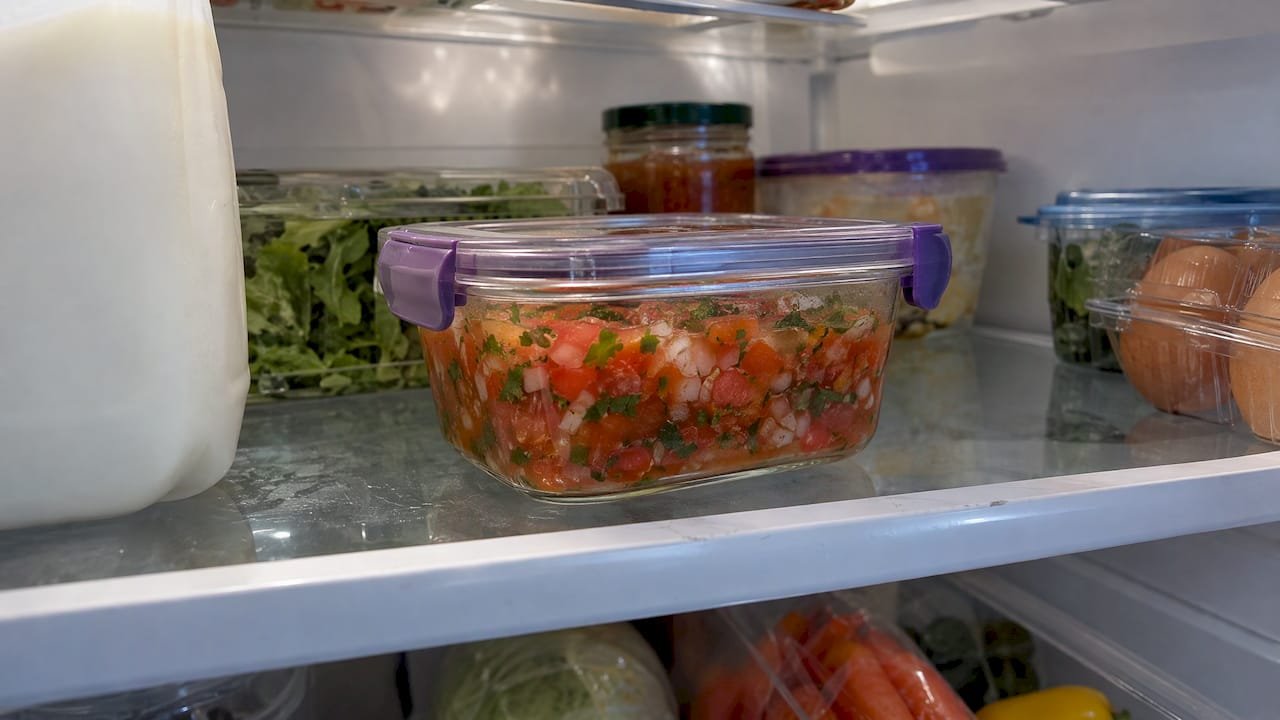
Jarred salsa that is sealed can sit in the pantry. Once you open it, it goes in the fridge, and quality drops over a few weeks. Fresh salsa is a different matter. Because nothing has been cooked or sterilised, it behaves like any other cut vegetable dish.
Health Canada’s safe food storage guidance recommends a fridge temperature of 4°C (40°F) or lower, and warns against leaving food in the “temperature danger zone” between 4°C and 60°C, where bacteria multiply quickly. It lists cooked vegetable dishes as keeping 3 to 4 days in the fridge. One chef’s guide puts sealed fresh salsa at 3 to 5 days.
We take the cautious end for our own kitchen and our own advice. For the full reasoning, see our guide on how long fresh salsa lasts in Canada. The short version: keep it sealed, keep it cold, use clean spoons and do not leave a bowl on the table for hours.
Is jarred salsa safe, and what about additives?
Yes, commercially produced salsa sold in Canada is regulated. Even newer methods are reviewed: Health Canada has assessed that tomato-based salsas treated with high pressure processing are as safe as untreated ones on the Canadian market. That is the type you often find in the chilled section, which tastes closer to fresh than a shelf-stable jar.
The trade-off is the ingredient list. Prepared salsas can include added sweeteners, thickening or firming agents, natural flavours and preservatives such as citric acid and sodium benzoate, according to an ingredient comparison of salsas. A Quebec nutritionist quoted in La Presse notes that additives authorized in Canada are safe because Health Canada controls them, and suggests choosing foods with short, natural ingredient lists.
That gives you a practical way to read a label:
- Look for tomatoes first, then onion, peppers, vinegar or lime juice, garlic, salt.
- Count the ingredients. Fewer is usually a closer match to what you would make at home.
- Check for added sugar or sweeteners if you are watching sugar intake.
- Compare the sodium on the nutrition facts table, especially if you are cutting back on salt. Our guide to low sodium Mexican orders shows how to do that when eating out.
Convenience also matters. Dietitians often point out that a ready-to-use jar helps people eat more vegetables, because it removes the chopping. If a jar means you eat salsa with your eggs, beans and grilled chicken all week, that is a real benefit.
Homemade salsa: what goes into it
Homemade salsa is the middle road. You control the ingredients and the salt, and you can choose raw or cooked. A typical no-cook recipe from a Canadian home cook’s blog uses canned diced tomatoes, onion, jalapeño, salt, cilantro and garlic. Using canned tomatoes is a sensible shortcut in a Canadian winter, when fresh tomatoes are pale and mealy.
A few habits make homemade salsa better:
- Salt late. Salt pulls water from tomatoes. Add it just before serving if you want crisp pieces.
- Rinse the onion. A quick rinse in cold water takes the harsh edge off raw onion without losing the bite.
- Use lime, not just vinegar. Fresh lime juice gives the bright finish that jarred salsa cannot.
- Chop the cilantro at the end. It darkens and fades quickly.
For more kitchen habits like these, see our tips for fresh Mexican cooking at home and our home cook’s guide to the role of salsas in Mexican food.
A note on canning your own
If you want to make homemade salsa that sits in a pantry, the rules change. Tested canning recipes call for added acid such as bottled lemon juice or 5% vinegar, because tomatoes vary in acidity, and a university extension service explains that food with a pH above 4.6 can support the bacteria behind botulism. Do not improvise proportions for canning. Follow a tested recipe exactly. For anything you are not canning, the fridge rules above apply.
Which one should you choose?
Match the salsa to the job.
| Situation | Better pick |
|---|---|
| Topping tacos, bowls or grilled fish | Fresh |
| Simmering into chili, rice or braises | Jarred or cooked |
| Weeknight snack with chips | Either, or a chilled fresh-style jar |
| Stocking the pantry for a storm or a busy week | Jarred |
| Cutting back on additives | Fresh, homemade, or a jar with a short label |
| A party where it will sit out | A small bowl at a time, refilled from the fridge |
Heat matters too. Cooked salsas spread their heat evenly, while fresh ones can feel hotter in pockets. Our kitchen-tested guide to four salsa heat levels explains how peppers and the Scoville scale shape what you taste, and how to judge a jar before you buy.
Our perspective
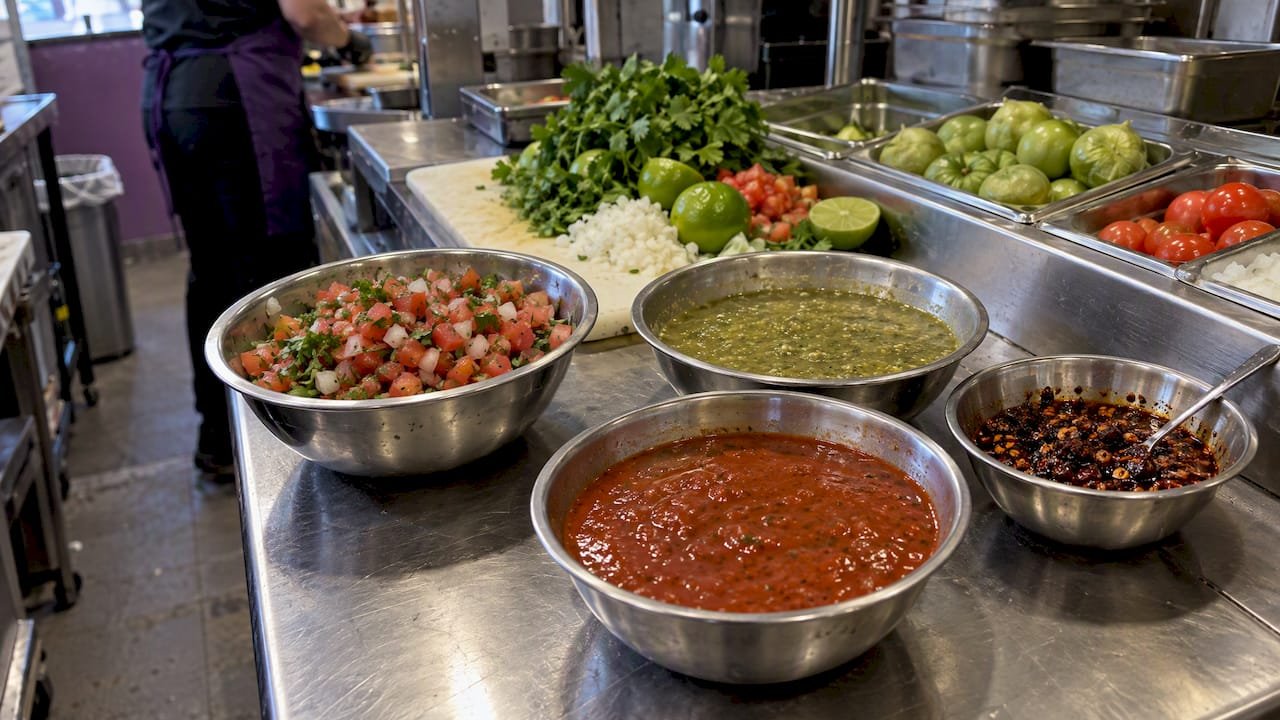
We make salsa the way we make everything else: from scratch, in our own kitchen, every day. We think the freshness argument is easiest to settle at the table, not on a label.
A salsa made that day tastes alive. The tomato is juicy, the onion has bite, the lime is still bright. That is the same philosophy behind our tortillas, which are pressed from 100% Manitoba flour, and our slow-cooked, hand-pulled carnitas, barbacoa and adobo chicken. We prefer to build flavour by hand, and we are a deep-fryer-free kitchen, so the salsa sits next to food prepared with the same care.
Freshness also means working in small batches and respecting the cold chain. That is why we say salsa made fresh should be eaten fresh. If you are making it at home, make less, more often.
Salsa is also how you tune a meal. Mild on a quesadilla, hotter on a bowl of barbacoa, a cool spoonful on a fish taco. A house-made salsa lets you do that without hiding the food.
Austin
Bring fresh salsa to your table
If you would rather skip the chopping, we do it for you. Our menu covers burritos, bowls, tacos, quesadillas, salads, soup, sides, kids’ items and more, with gluten-free, vegan, vegetarian, keto and paleo options. Everything is prepared daily in our Winnipeg-born kitchen with Manitoba ingredients, and you can order online for takeout or dine in.

See the full Burrito Splendido menu and build your order, or if you are feeding a team or a party, look at our catering options. Not sure which format suits you? Our comparison of burrito bowls and burritos walks through calories, portability and leftovers, and our guide to seasonal Manitoba bowls for a healthy lunch in Winnipeg shows what is fresh now.
FAQ
Is jarred salsa cooked?
Most shelf-stable jarred salsa is cooked and sealed so it can be stored at room temperature. Cooking softens the texture and mellows sharp flavours. Chilled “fresh” salsas in tubs are usually not cooked, though some are treated with high pressure instead of heat.
Which is healthier, fresh or jarred salsa?
Both are mostly vegetables, so the main difference is the label. Fresh and homemade salsa let you control salt and skip added sweeteners and preservatives. A jar can still be a good choice when its ingredient list is short and its sodium is modest.
How long does fresh salsa last in the fridge?
Kept sealed at 4°C or colder, it generally lasts a few days. Sources range from 3 to 5 days, and we recommend the cautious end. Our guide on how long fresh salsa lasts explains why.
Can I make homemade salsa taste like the jarred kind?
Yes. Simmer it for 15 to 20 minutes, then cool it fully before refrigerating. The tomatoes soften, the flavours blend and the result is closer to a cooked jar. Store it in a sealed container in the fridge. If you want to can it for the pantry, use a tested canning recipe with the required acid.
Sources
- Everything I Know About Salsa: Cooked, Raw and Fruit
- Best Store Bought Salsa: Tasted and Reviewed
- Safe food storage, Health Canada
- Novel Food Information: Avocado Pulp, Tomato-based Salsas, Guacamole Treated with High Pressure Processing, Health Canada
- Which tomato salsas are closest to homemade?
- La danse des salsas, La Presse
- Fresh Homemade Salsa, Dr. Stephanie’s Kitchen
- Safely Canning Tomatoes and Salsa