The best burrito bowl toppings break down into five jobs: something fresh (cilantro, lime), something creamy (avocado, crema), something acidic or pickled (red onion, jalapeño), something crunchy (cabbage, pepitas, tortilla strips), and something sweet to cut the richness (mango or pineapple salsa). Balance those five and any bowl works. Skip two or three, and you get a soft, one-note pile of rice and beans.
TL;DR:
- Most home cooks overlook the importance of crunchy and acidic toppings, which are essential for balancing the soft, rich elements in a bowl.
- Preparing pickled red onions and making salsa in advance can save time and maintain freshness for up to two weeks.
- Incorporating at least one crunchy topping and one acid, like charred corn or lime, transforms a soft, bland bowl into a flavorful dish.
- Using specific cheeses like cotija or queso fresco adds contrasting textures and saltiness without melting, unlike shredded cheeses.
- Ordering from a scratch kitchen like Burrito Splendido guarantees fresh salsas, house-made tortillas, and balanced textures without extra prep work.
Table of Contents
- What are the essential burrito bowl toppings?
- Which vegetables and crunchy toppings work best?
- What sauces, cremas and dressings make the biggest difference?
- Why pickled toppings punch above their weight
- What cheese and creamy toppings should you choose?
- How do fruit salsas balance a rich bowl?
- What’s the actual texture ratio for a great bowl?
- How do you meal-prep burrito bowl toppings without losing freshness?
- How Burrito Splendido builds a topping-first bowl
- Favourite topping combos worth stealing
- Skip the prep and order a bowl built this way already
- Recipes and techniques behind this guide
- Sources
- FAQ
What are the essential burrito bowl toppings?
Every great bowl starts with the same short list of essentials, and getting these right matters more than any fancy add on.
Avocado and guacamole do the heavy lifting for richness. Slice it when you want clean, distinct pieces that hold their shape; mash it into guacamole when you want the fat to coat the rice and tie other toppings together. Salsa is the second pillar, and the tomato-versus-tomatillo choice changes everything: tomato-based salsas and pico de gallo bring a jammy sweetness, while tomatillo-based green salsas bring sharp, grassy acidity that cuts through fatty proteins like carnitas.
Cilantro and lime are non-negotiable finishers, not optional garnish. A squeeze of lime at the very end wakes up every other flavour in the bowl, and a scatter of fresh cilantro adds a herbal top note that dried spices can’t replicate. Beans and corn round things out. They’re not exciting, but they add fibre, sustain the bowl through a full meal, and give you something to build texture contrast against.
Here’s the core lineup worth keeping stocked:
- Avocado or guacamole for creamy richness
- Pico de gallo or tomatillo salsa for brightness
- Fresh cilantro and lime wedges as finishing acid and herb
- Black or pinto beans for body and fibre
- Corn (fresh, roasted, or charred) for sweetness and bite
These five toppings alone, according to recipe testing from Once Upon a Chef, cover most of what a bowl needs before you even get to cheese or sauce.
Which vegetables and crunchy toppings work best?
Vegetables are where most home cooks stall out, mostly because they default to whatever’s in the crisper drawer instead of thinking about what the vegetable actually needs to do.
Fajita-style peppers and onions bring sweetness and a soft, almost caramelized bite once they’re sautéed or grilled. They work when you want a warm, savoury layer that plays well with steak or chicken. Shredded cabbage does the opposite job: it stays crisp under warm rice and beans far longer than lettuce, which wilts within minutes of contact with anything hot. Swapping lettuce for cabbage is one of the simplest upgrades a home cook can make, and it costs nothing extra.
Jicama and radish are the durability champions of the crunchy category. Both hold their snap for hours in the fridge, which makes them ideal for meal-prepped bowls that need to survive a few days without going soft. Roasted vegetables, particularly cauliflower and sweet potato, add fibre and heft when you want the bowl to eat more like a full dinner than a snack.
- Fajita peppers and onions for warm, savoury sweetness
- Shredded cabbage for lasting crunch that won’t wilt
- Jicama and radish for meal-prep-friendly bite
- Roasted cauliflower or sweet potato for heartiness
- Charred corn for smoky sweetness
Pro Tip: Char corn (fresh, frozen, or even canned) in a dry, hot skillet for two to three minutes before it hits the bowl. The blistered kernels taste closer to elote than anything you’d get from a can straight out of the fridge.
What sauces, cremas and dressings make the biggest difference?
A bowl without sauce is a bowl missing its connective tissue, since sauce is what ties dry rice, firm protein, and raw vegetables into something that eats like a cohesive dish.
- Avocado crema blends ripe avocado with lime juice, a splash of water or milk, and salt until it’s pourable. It adds the same richness as guacamole but in a drizzle format that reaches every bite instead of sitting in one spot.
- Cilantro-lime crema starts from sour cream or Greek yogurt blended with a handful of cilantro and lime juice. It’s brighter and lighter than avocado crema, and it pairs especially well with grilled chicken or fish.
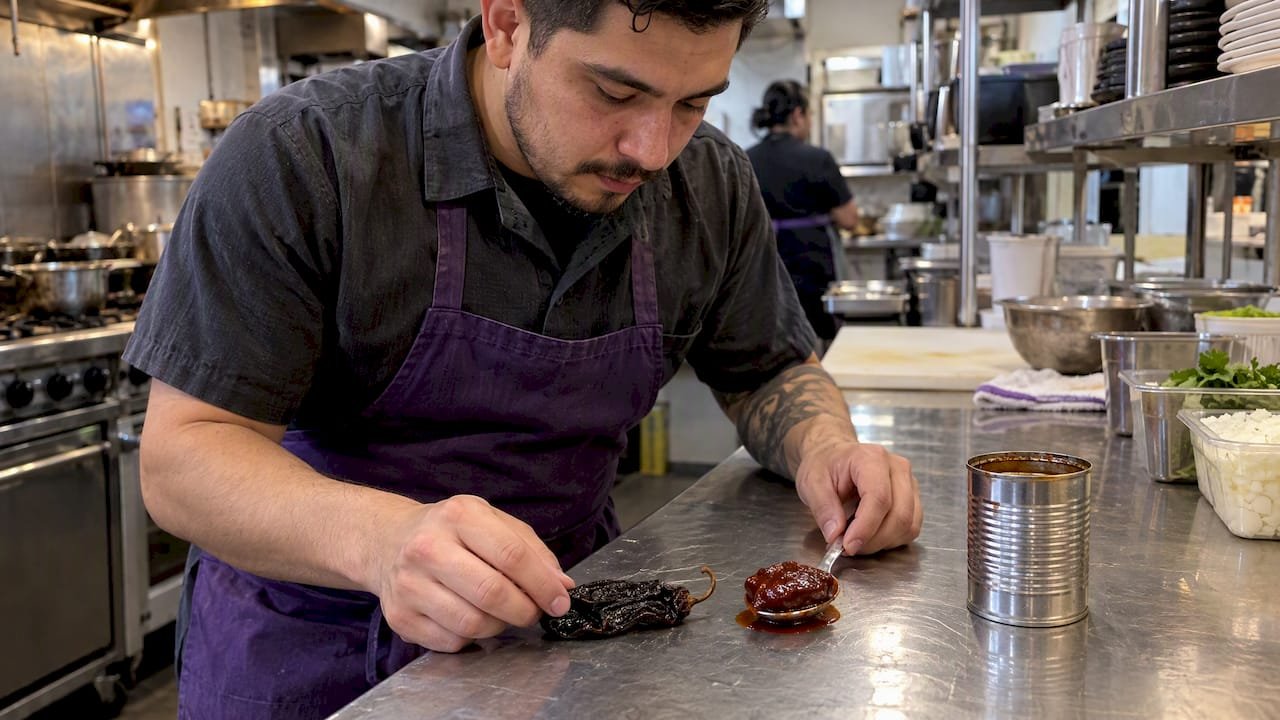
- Chipotle-yogurt sauce mixes plain Greek yogurt with a spoonful of chipotle paste or minced canned chipotle in adobo. The smoky heat plays against sweeter toppings like corn or mango salsa.
- Tomatillo salsa verde brings sharp, tangy brightness, and it’s the sauce to reach for when a bowl already has a lot of richness from cheese, crema, or fatty pork.
If you want a shortcut, most of these reduce to a two or three ingredient formula: a creamy base (yogurt, sour cream, avocado), an acid (lime), and one flavour driver (chipotle, cilantro, roasted tomatillo). Once you know that formula, you can improvise a new sauce on a weeknight without a recipe in front of you.
Why pickled toppings punch above their weight
Pickling is the single highest-impact move in this entire list, and it’s the one most home cooks skip because it sounds like more work than it actually is.
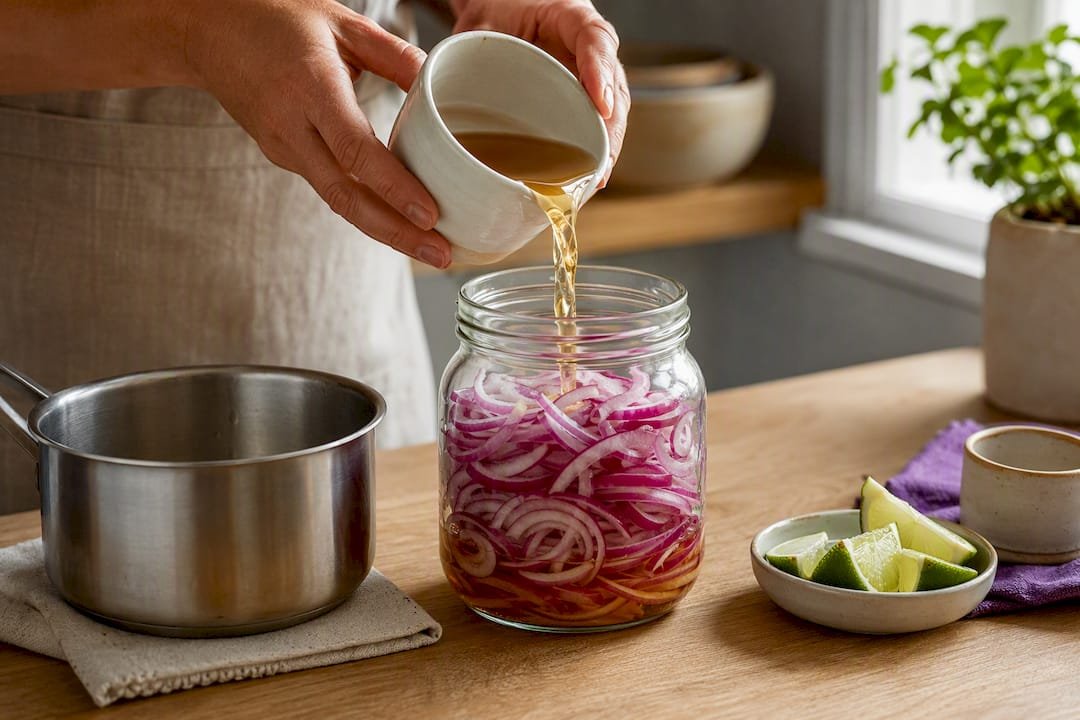
Quick-pickled red onions take about fifteen minutes of hands-on time. Slice a red onion thin, cover it with a mix of vinegar, a bit of sugar, and salt, and let it sit at room temperature for at least thirty minutes before refrigerating. They’ll keep in the fridge for roughly two weeks, which makes them one of the best make-ahead toppings in this entire guide. Quick-pickled red onions add tang, colour, and a distinct crunch that raw onion simply doesn’t have.
Pickled jalapeños and escabeche style pickled vegetables (carrots, cauliflower, onion together) add heat alongside acidity, which matters because chili heat without acid can flatten a bowl rather than lift it.
- Quick-pickled red onions: 15 minutes prep, up to two weeks in the fridge
- Pickled jalapeños: heat plus acid in one topping
- Escabeche-style mixed vegetables: heat, crunch, and tang together
Use pickles when you want acidity that lingers through the whole bite. Save fresh lime for the acid you want as a quick, final hit right before eating.
What cheese and creamy toppings should you choose?
Cheese and creamy toppings aren’t interchangeable, even though most people treat them that way.
Cotija and queso fresco are the two Mexican cheeses that actually belong on a bowl. Cotija is salty, dry, and crumbly, closer to a hard feta than to cheddar, and it works best as a finishing sprinkle rather than a melted layer. Queso fresco is milder and softer, and it adds a cooling, slightly tangy contrast against spicy proteins. Shredded cheddar or Monterey Jack, meanwhile, melts into warm rice in a way cotija never will, so reach for those when you want gooeyness rather than a salty accent.
Greek yogurt and sour cream are the lighter creamy options, and Greek yogurt in particular adds protein along with the tang. For dairy-free eating, cashew crema (soaked cashews blended with lime juice and water) delivers a similar richness to sour cream without any dairy at all.
- Cotija or queso fresco for a salty, crumbly finish
- Shredded cheddar or Monterey Jack for melt and gooeyness
- Greek yogurt or sour cream for lighter tang
- Cashew crema as a dairy-free swap
How do fruit salsas balance a rich bowl?
Fruit salsas solve a problem most people don’t realize they have until they taste it: rich, fatty proteins need something sweet and acidic to cut through them, and a squeeze of lime alone often isn’t enough.
Mango and pineapple salsa are the two workhorses here, both built from diced fruit, red onion, cilantro, jalapeño, and lime juice. Fruit-based salsas reliably balance rich proteins, which is why they show up so often alongside pork and shrimp specifically. Pork carnitas, with its deep fat content, and grilled shrimp, with its char and brine, both benefit from a bright, sweet counterpoint that a tomato salsa can’t quite deliver.
Grilling or charring the fruit before it goes into the salsa adds a smoky note that raw fruit salsa lacks entirely, which is worth the extra five minutes on a grill pan if you’re already cooking protein.
- Mango salsa with pork or grilled chicken
- Pineapple salsa with shrimp or grilled fish
- Grilled peach salsa in late summer, paired with pork
For a fast version, dice the fruit and toss it with lime and salt, then let it sit for ten minutes before serving. That short maceration draws out juice and softens the onion’s bite without turning the whole thing mushy.
What’s the actual texture ratio for a great bowl?
The rule that separates a forgettable bowl from a genuinely good one is texture ratio, and it’s simpler than it sounds: aim for roughly 3 parts soft, 2 parts crunchy, and 1 part chewy.
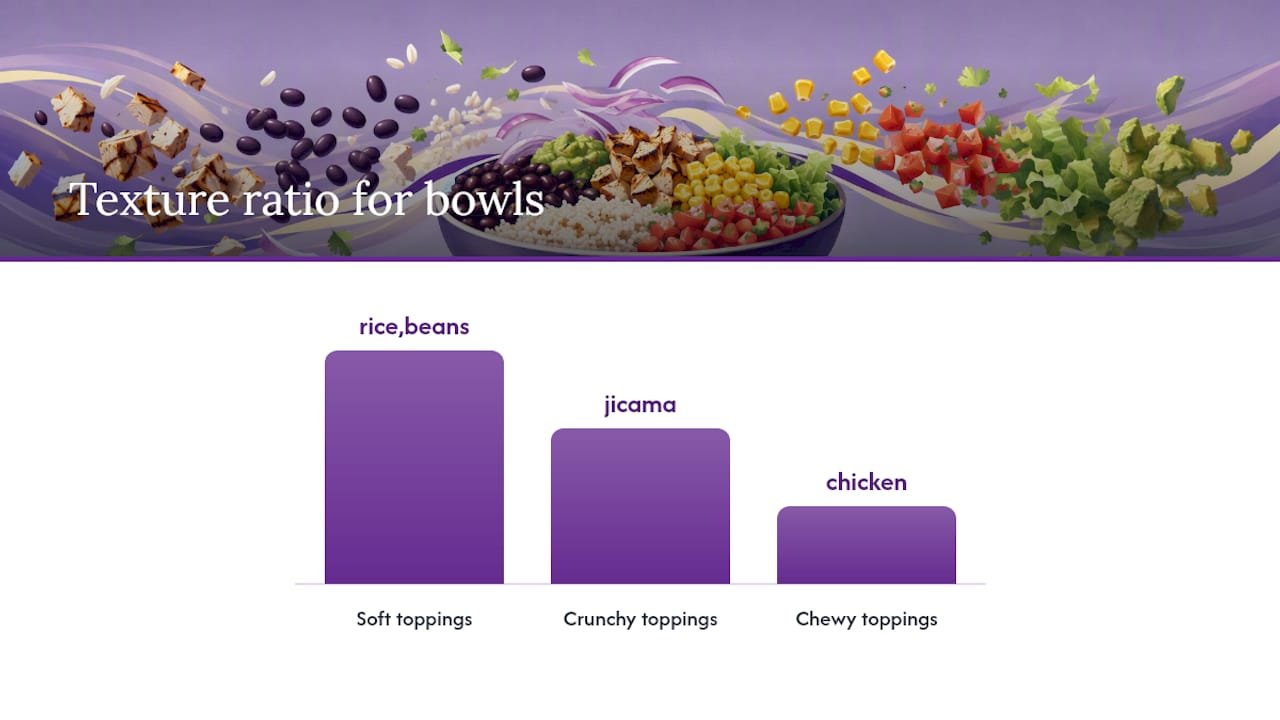
Soft elements are your rice, beans, avocado, and any melted cheese. Crunchy elements are cabbage, jicama, radish, or toasted pepitas. Chewy elements are your protein, whether that’s shredded chicken, sliced steak, or hand-pulled carnitas. Most home-built bowls overload the soft category and forget the other two entirely, which produces what one food writer calls a soft, mushy pile instead of a dish with any real bite to it.
The fix is a hard rule: every bowl needs at least one crunchy topping and one acidic topping, full stop. If you’re only adding cheese, sour cream, and salsa, you have zero crunch and the whole thing will eat soft no matter how good the individual toppings are.
Finishing touches close the gap between a decent bowl and a memorable one, and these vibrant food presentations offer plenty of inspiration on how to arrange toppings attractively. A bit of lime zest grated over the top adds aromatic oil that lime juice alone doesn’t carry. Toasted pepitas add nutty crunch and a bit of fat. Fried shallots, the kind you’d find on a Vietnamese noodle bowl, add a savoury crispness that most Mexican-inspired bowls never think to borrow. Professional kitchens lean on exactly these small, low-cost finishing touches because they add outsized flavour and texture without adding a whole new component to the plate.
Pro Tip: Before you serve a bowl, do a quick mental inventory: soft, crunchy, chewy, acidic. If you can’t name a topping in each category, you’re one ingredient away from a much better dinner.
How do you meal-prep burrito bowl toppings without losing freshness?
Meal prep and fresh flavour aren’t actually in conflict, they just require choosing the right toppings to prep ahead versus the right ones to add last minute.
- Batch-pickle on Sunday. Quick-pickled red onions and pickled jalapeños both keep for a week or more, so making a jar of each at the start of the week covers your acidity for every bowl that follows.
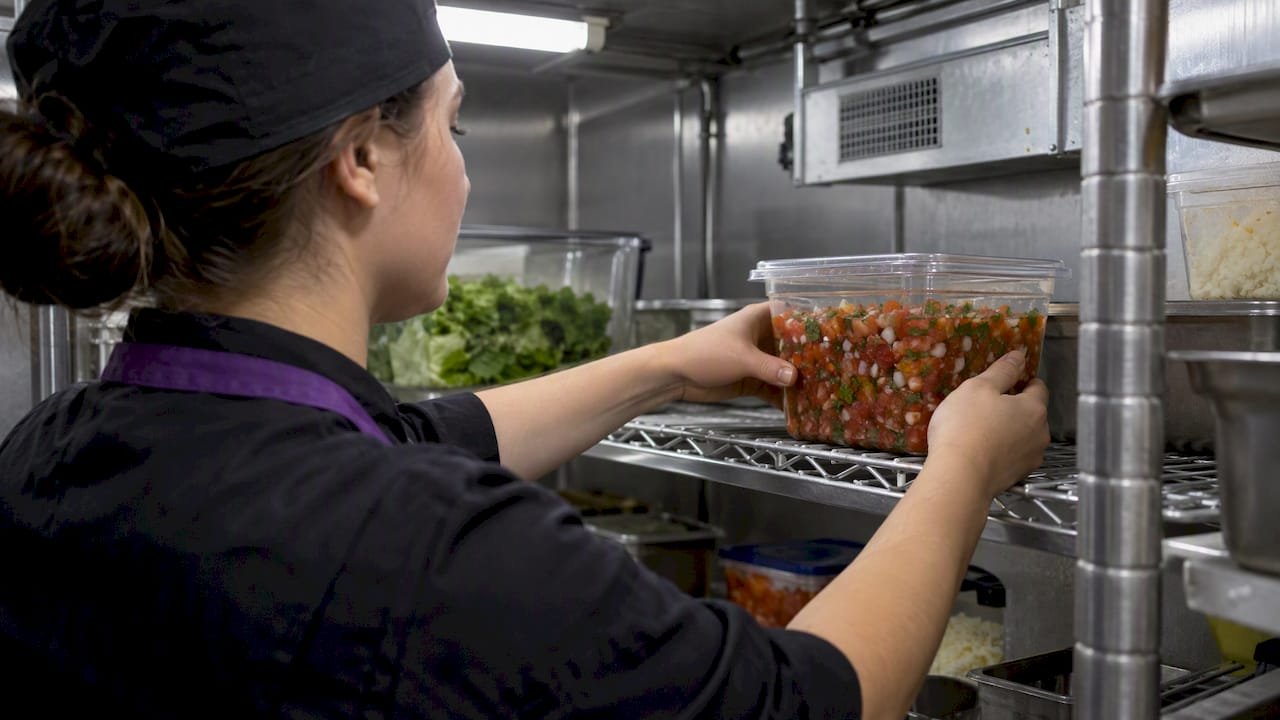
- Make salsa in bulk. Pico de gallo and fruit salsas hold up in the fridge for several days, and make-ahead salsas mean you’re never assembling from scratch on a Tuesday night.
- Upgrade canned and frozen shortcuts fast. A few minutes in a dry skillet turns frozen or canned corn smoky and charred, and a splash of lime and cumin wakes up canned beans that would otherwise taste flat.
- Batch-toast your crunch. Toasted pepitas and baked tortilla strips both keep in an airtight container for a week, so toasting a big batch once means crunchy toppings are ready the moment you need them.
None of this requires special equipment. It just requires deciding on prep day that acid, crunch, and sauce are the three categories worth batching, while cheese and fresh herbs stay for last minute assembly.
How Burrito Splendido builds a topping-first bowl
Burrito Splendido runs a from-scratch kitchen, which shapes how the team thinks about toppings differently than a place assembling from pre-made bins. Tortillas are pressed daily using 100% Manitoba-produced flour, and proteins like carnitas and barbacoa are slow-cooked and hand-pulled in house rather than shipped in pre-portioned. That preparation style carries directly into topping choices: house-made salsas are built to match specific proteins, not applied as an afterthought.
Sourcing plays into it too. Produce comes primarily through Peak of the Market, and cheese comes from Bothwell Cheese, which means the crumbly, salty cotija-style toppings and the melted cheddar options both start from a Manitoba supply chain rather than a generic foodservice distributor.
A bowl only tastes as good as its weakest topping. When the tortillas are pressed that morning and the salsa was made that afternoon, there’s nowhere for a bad topping to hide.
The kitchen is also deep-fryer-free, which nudges topping choices toward roasted, charred, or fresh preparations rather than fried garnishes, and toward the same texture-balance logic that home cooks can replicate with a skillet and a sharp knife.
Favourite topping combos worth stealing
Three combos hold up in almost any kitchen. The first: barbacoa, cilantro-lime rice, black beans, pickled red onion, shredded cabbage, cotija, and avocado crema. That’s rich, tangy, crunchy, and salty all at once. The second: adobo chicken, corn, pico de gallo, jicama, queso fresco, and chipotle-yogurt sauce, which leans smoky and bright. The third is fully vegetarian: roasted sweet potato and cauliflower, black beans, mango salsa, shredded cabbage, and cashew crema, which proves a meat-free bowl doesn’t have to skip richness or crunch.
For keto, skip the rice and beans and double down on cabbage, avocado, cheese, and protein. For gluten-free, almost everything above already qualifies except flour tortilla strips, which swap easily for crunchy jicama or roasted pepitas. Whatever you build, cap it at five to seven toppings so no single flavour gets lost in the crowd.
— Austin
Skip the prep and order a bowl built this way already
If reading through pickling times and salsa ratios sounds less appealing than eating the finished bowl, that’s the whole point of ordering one instead of building it yourself. Burrito Splendido is the alternative to spending an evening pickling onions and charring corn: a from-scratch kitchen in Winnipeg and Brandon presses tortillas daily from 100% Manitoba flour, slow-cooks its own carnitas and barbacoa, and makes its salsas fresh, so the texture and acidity balance covered in this article is already built into every naked bowl before it reaches the counter.
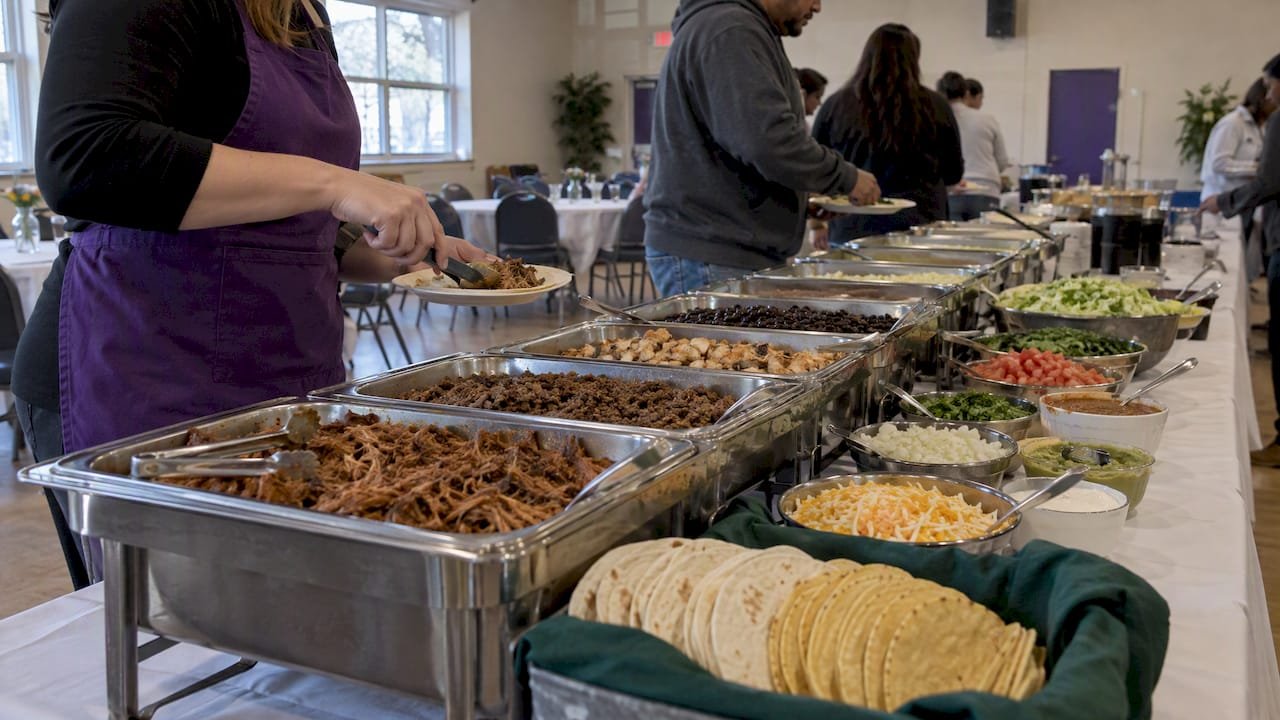
The menu covers vegan, vegetarian, keto, and gluten-free builds, so dietary swaps aren’t an afterthought, and the catering page has bowl-friendly options for group orders, from the Burrito Express package up to the full Bueno Burrito Bar for larger events. If a weeknight bowl or a group order sounds better than another round of grocery shopping, place an order or reach out about catering for your next gathering.
Recipes and techniques behind this guide
A handful of sources back the specific techniques covered above, and they’re worth a closer look if you want the full recipes behind the shorthand.
- Two Peas and Their Pod’s burrito bowl recipe lays out the core essentials list in full recipe form.
- Once Upon a Chef’s burrito bowls shows base, protein, and topping swaps in detail.
- Tasting Table’s texture and charring tips cover the acidity and texture rules referenced throughout this piece.
- Hip Hip Gourmet’s make-ahead guide explains the shortcuts for canned and frozen ingredients.
Sources
- 11 burrito bowl tricks that’ll make dinner taste better than Chipotle
- Burrito bowls
- Creative burrito bowl recipe topping ideas
- Burrito bowl guide
FAQ
What are some good toppings for burritos?
The most reliable toppings are avocado or guacamole, pico de gallo or salsa verde, shredded cheese, pickled red onion, and fresh cilantro with lime. Together they cover creaminess, acidity, saltiness, and brightness in one short list, which is the same core lineup recipe testing confirms works across nearly any protein.
What goes well with burrito bowls?
Grilled or roasted vegetables, a bright fruit salsa, and a crunchy element like shredded cabbage or toasted pepitas round out a bowl built around rice, beans, and protein. Sauces like cilantro-lime crema or chipotle-yogurt tie those pieces together instead of leaving them tasting separate.
What veggies go well in a burrito bowl?
Shredded cabbage, jicama, radish, fajita-style peppers and onions, and roasted cauliflower or sweet potato all work well, each adding a different texture. Cabbage and jicama in particular hold their crunch far longer than lettuce once they hit warm rice and beans.
How do I make a burrito bowl taste better?
Add at least one crunchy topping and one acidic topping to every bowl, since a bowl built only from soft ingredients tends to taste flat no matter how good each component is on its own. Charring corn, pickling onions, and finishing with lime zest or toasted pepitas are the fastest ways to fix a bowl that eats like a soft pile instead of a dish with real texture.
Does Burrito Splendido offer vegetarian or vegan burrito bowls?
Yes, Burrito Splendido’s menu includes vegan and vegetarian bowl options alongside keto and gluten-free builds, using the same from-scratch salsas and pressed tortillas as every other order. Current menu pricing and full ingredient options are listed on the menu page.