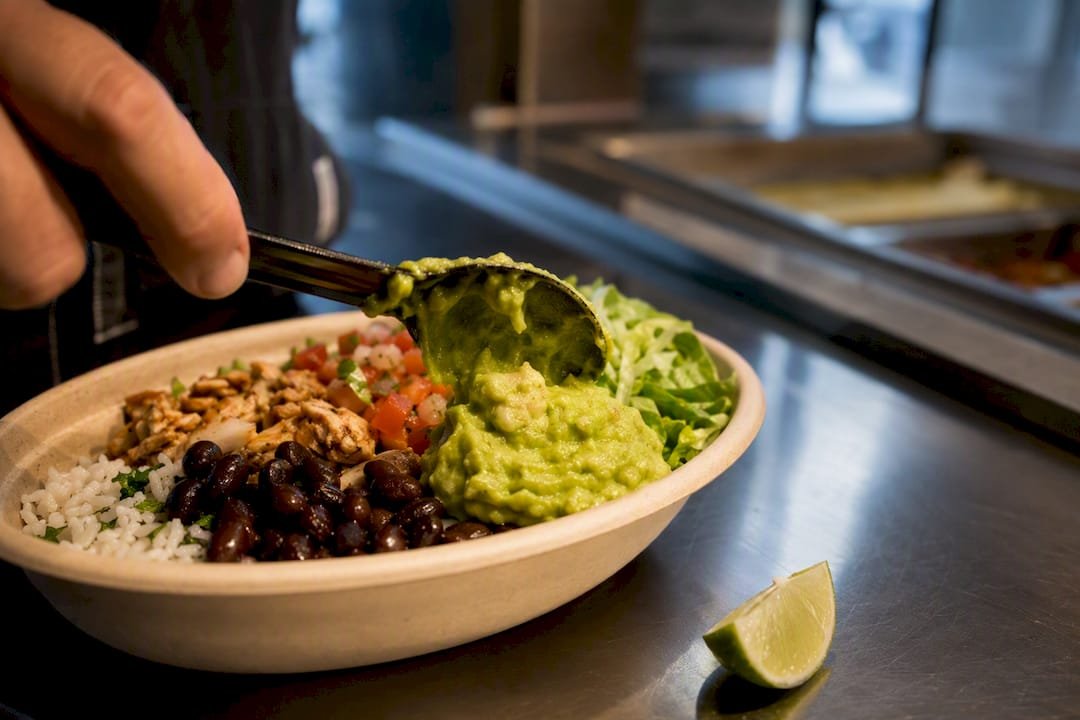
A typical burrito bowl lands somewhere between 500 and 900 calories, with 25 to 45 grams of protein, depending almost entirely on your base, protein choice, and how heavy the toppings get. The biggest swing factors are rice portion, added fats like guac and cheese, and whether sauce comes mixed in or on the side. If you want to land inside a specific macro target, skip ahead to the swap section below and build backward from your numbers.
TL;DR:
- Choosing cauliflower rice or a salad base can reduce a bowl’s calories to below 530, ideal for low-carb or calorie-cutting goals.
- Prioritizing a protein portion of 30 to 45 grams is essential for macro tracking and makes bowls more satisfying as a complete meal.
- Limiting fat toppings to one hero item like guacamole or cheese can save 100 to 150 calories without sacrificing flavor.
- Swapping white rice with cauliflower rice or halving rice portions significantly cuts carbs and total calories, especially useful when dieting.
- Weighing proteins after cooking and ordering sauces on the side improve accuracy when tracking macros from restaurant bowls.
Table of Contents
- Burrito bowl macros breakdown by build type
- What actually moves your macros: base, protein, beans, and fat
- How to adjust a bowl to hit your macro targets
- Getting accurate numbers when you’re not cooking it yourself
- Why most macro advice for bowls misses the point
- Sources
Burrito bowl macros breakdown by build type
Chipotle-style bowls tend to sit in the 640–675 calorie range, with a macro split close to 45% carbs, 29% fat, and 26% protein. That’s a reasonable middle ground, but it’s not where most macro-focused eaters should aim if the goal is a leaner build or a bigger protein hit.
Here’s how three common builds actually stack up:
- Light bowl (~420–530 kcal): cauliflower rice or a salad base, grilled chicken, black beans, salsa, no cheese or sour cream. Macro split runs roughly 40–45 g protein, 30–35 g carbs, 15–18 g fat when built for performance-focused recipes.
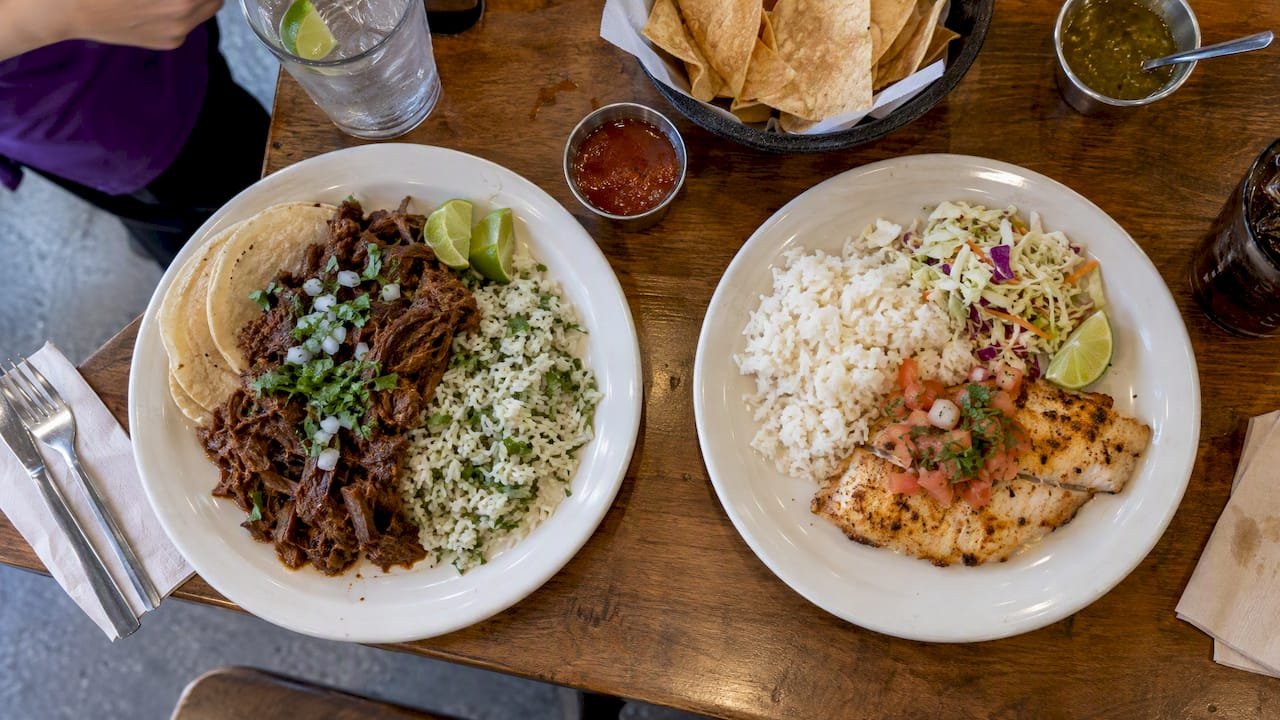
- Average restaurant bowl (~640–675 kcal): white rice, one protein, beans, mild toppings, a scoop of guac. This is the Chipotle-style benchmark above, and it’s a fair default if you’re not adjusting anything.
- Heavier/loaded bowl (~800–1,000+ kcal): double rice, extra cheese, sour cream, and queso stacked on top of a fattier protein like barbacoa. Fat alone can climb past 40 grams before you’ve added a single tortilla chip on the side.
Most high-protein recipe builds report 35–45 grams of protein per bowl and calories in the 420 to 550 range, which is a solid benchmark if you’re eating bowls as a primary muscle-building meal rather than an occasional lunch. A useful number to remember: aim for 30–45 g of protein per bowl if you’re tracking macros seriously. Anything below that and the bowl functions more like a side dish than a full meal.
What actually moves your macros: base, protein, beans, and fat
Every component in a burrito bowl macros breakdown pulls in a different direction, and knowing which ones matter most saves you from guessing.
Base: white rice runs about 45 g of carbs per cup cooked. Brown rice is similar in carbs but adds a bit more fibre. Cauliflower rice cuts that same portion down to roughly 5 g carbs, and a lettuce or spinach base drops it close to zero. This is the single biggest lever for total calories in the entire bowl.
Protein: grilled or shredded chicken breast is the leanest option, typically 25 to 30 g of protein per 4 ounce portion with minimal fat. Shredded meats like barbacoa or carnitas carry more fat per gram of protein because of the cut and the braising liquid. Plant proteins like tofu or seasoned black beans deliver protein with less saturated fat but usually need a larger portion to match the same gram count. A tofu-based bowl built around 30–35 g of protein shows how that works without meat at all.
Beans: black beans or pinto beans add roughly 7 g of protein and 7 g of fibre per half cup, which is a genuinely underrated move for satiety. They fill volume without the calorie density of extra rice.
Fats: guacamole (about 50 kcal per tablespoon), cheese, sour cream, and queso are where calories hide fastest. Pro Tip: Pick one hero fat per bowl, guac or cheese, not both, and you’ll cut 100 to 150 calories without losing flavour. Restaurant nutrition calculators show how quickly a “light” bowl becomes a 900 calorie bowl once two or three fatty toppings stack up.
How to adjust a bowl to hit your macro targets
Building toward a specific number is mostly about order of operations. Here’s the sequence that works:
- Start with protein. Decide your target grams (30–45 g is the standard range) and choose the leanest option that fits your taste, whether that’s grilled chicken, a double portion, or a plant-based swap.
- Cut the base in half or swap it. Half rice plus a scoop of beans replaces lost carbs with fibre instead of empty starch. Cauliflower rice, proven to lower total carbs substantially, works well if you’re cutting calories hard.
- Add beans deliberately, not rice, for volume. They add fibre and protein instead of just more starch.
- Choose one fat topping and measure it. A tablespoon of guac or a light sprinkle of cheese, not a full scoop of both.
- Ask for sauces and dressings on the side. This single step removes the biggest source of logging error in restaurant tracking.
- Request lighter oil or none in the cooking pan if you’re ordering from a made-to-order counter.
| Adjustment | Effect on macros |
|---|---|
| Half rice, add beans | Lowers total carbs, raises fibre and protein |
| Double protein portion | Adds 20–30 g protein, minimal carb change |
| Cauliflower rice swap | Cuts carbs by roughly 35–40 g per serving |
| One hero fat only | Saves 100–150 kcal versus two toppings |
| Sauce on the side | Removes 50–150 kcal of guesswork |
For meal prep specifically, weigh cooked portions rather than eyeballing them, and store sauces in separate containers so they don’t skew your Sunday-batch numbers by Thursday. A full meal-prep workflow for burrito bowls walks through container sizing and labelling if you’re prepping five days at once.
Getting accurate numbers when you’re not cooking it yourself
Burrito Splendido builds every bowl to order, which matters more for tracking than it sounds. When sauces come on the side and toppings are added individually rather than pre-mixed, you can log each component instead of guessing at a combined total. That’s the same principle meal planners use when they choose a naked bowl over a wrapped burrito: fewer hidden variables, easier math.
A few habits make restaurant bowls easier to track accurately:
- Weigh proteins after cooking, not before. Cooking yield changes gram counts more than people expect.
- Overestimate oil. Unmeasured cooking oil is the most common reason bowls come in higher than logged.
- Log beans as their own line item rather than folding them into “rice and beans” as one guess.
- Use a template or saved build in an app like Eat This Much so repeat orders don’t require re-entering every ingredient.
For batch-prepped bowls, portion into containers by weight, label each one with its protein and carb count, and keep moist ingredients like salsa separate until serving. Our guide to meal-prepping burritos covers container choices and storage windows in more detail.
Why most macro advice for bowls misses the point
Most nutrition content treats burrito bowl macros like a fixed lookup table, as if every bowl with the same name has the same numbers. It doesn’t. The real skill isn’t memorizing a calorie count, it’s understanding which three or four decisions (base size, protein choice, fat toppings, sauce placement) actually swing the total, then controlling those and letting everything else ride.
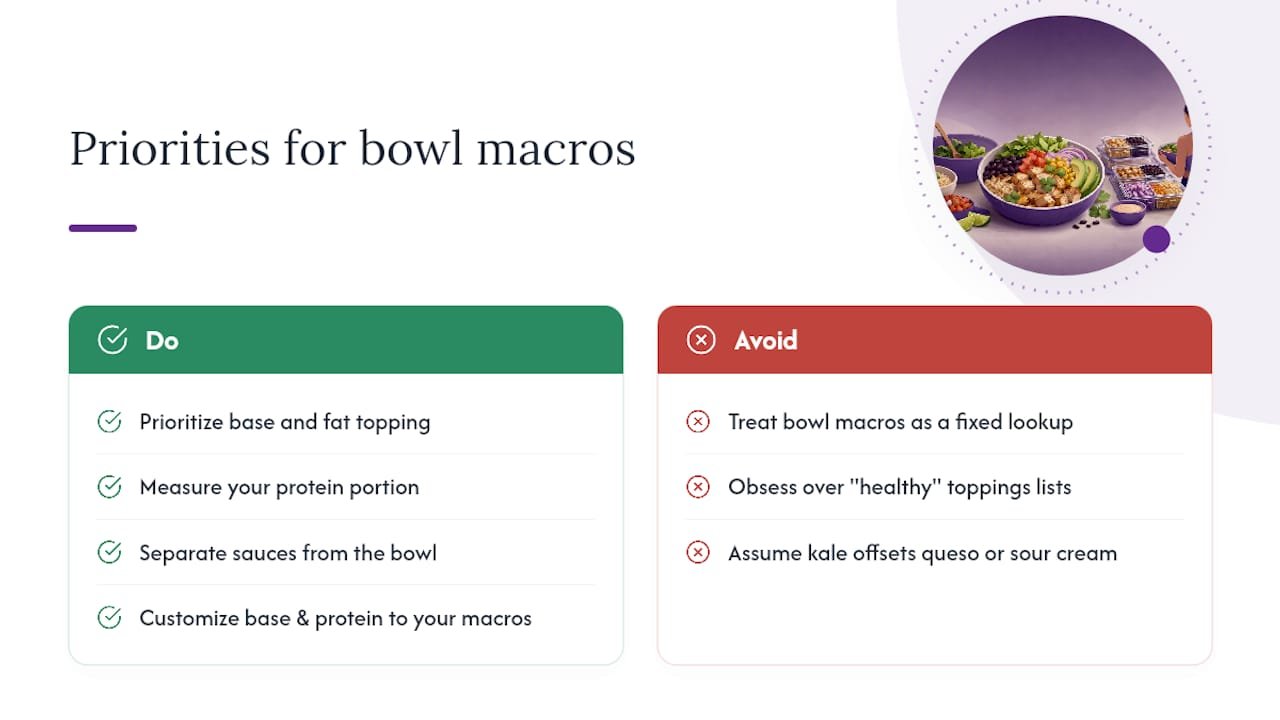
Where conventional advice falls short is the obsession with “healthy” toppings lists. Kale doesn’t matter if you’ve got queso and sour cream on the same bowl. Prioritize the base and the fat topping first. Get those two right, and the rest of the bowl mostly takes care of itself.
If you’re building bowls regularly, whether at home or ordering from a counter that lets you customize each component, the habit that pays off most is separating sauce and measuring your protein. Everything else is fine-tuning.
— Austin
Ready to build a bowl around your own numbers? Browse the full menu and customize your protein, base, and toppings exactly the way your macros call for, or check the Winnipeg Mexican restaurant checklist for what to look for in a genuinely fresh, made-to-order bowl. If you’re planning meals for a busy week ahead, these holiday and travel eating tips pair well with a portion-controlled bowl routine.
Sources
- Chipotle Mexican Grill Burrito Bowl (EatThisMuch)
- High-Protein Chicken Burrito Bowls – Bento Recipes
- High-Protein Chicken Burrito Bowl – Fast Zesty Recipes
- Qdoba nutrition calculator (Macro & Meals)