Medium salsa is hotter than mild, and it’s not close. The gap comes down to which peppers go into the pot and how many seeds and ribs stay in the mix. But labels aren’t standardized across brands, so one company’s “medium” can taste like another’s “hot.” The heat chart below breaks down what each level actually means before you buy.
TL;DR:
- Pepper ratios, seed inclusion, and growing conditions significantly influence salsa heat, making brand labels unreliable indicators of actual spiciness.
- The Scoville scale measures capsaicin concentration proportionally, so even common peppers can vary widely in perceived heat based on ingredients and preparation.
- Taming excessive salsa heat can be achieved with dairy, dilution, acidity, or cooling, but pairing heat levels carefully enhances dish compatibility.
- A from-scratch kitchen tracks batch-specific heat and adjusts recipes accordingly, unlike mass-produced jars with fixed flavor profiles.
- Starting with medium salsa is safest for mixed groups, and testing small amounts helps prevent unwanted spice surprises at the table.
Table of Contents
- The salsa heat scale: mild, medium, hot, and beyond
- How peppers and the Scoville scale determine salsa heat
- Why salsa spice levels vary by brand, and how to judge before you buy
- How to tone down salsa heat and what to pair with each level
- How a from-scratch kitchen keeps salsa heat consistent
- Picking the right heat for you or a group
- Taste the difference at Burrito Splendido
- Sources
The salsa heat scale: mild, medium, hot, and beyond
Salsa heat splits into four rough tiers, and each one leans on different peppers to get there, as explained in detail by Las Salsas – La Condesa.
- Mild — built around bell peppers or deseeded jalapeños, usually landing under about 2,500 Scoville Heat Units. Expect a tomato-forward flavour with barely any burn, since mild salsa relies on low-capsaicin peppers almost by design.
- Medium — brings in whole jalapeños or serranos with seeds intact, typically running within a moderate Scoville Heat Units range(https://eathealthy365.com/the-definitive-guide-to-salsa-heat-and-the-scoville-scale/).
- Hot — steps up to serrano-heavy or habanero-spiked recipes, often clearing 25,000 SHU with real bite.
- Extra hot — built on habanero, ghost pepper, or chile de árbol, sometimes reaching very high Scoville Heat Units on the scale.
Tomatoes, onion, garlic, and lime juice dilute all of it. A salsa loaded with habanero but stretched with a big batch of tomatoes tastes tamer than the pepper count suggests.
How peppers and the Scoville scale determine salsa heat
The Scoville scale measures capsaicin concentration, the compound responsible for that burning sensation, and it works on a proportional basis rather than a flat one. A habanero at 350,000 SHU isn’t mildly hotter than a jalapeño at 3,500 SHU. It’s roughly a hundred times hotter, which is why swapping one pepper for another in a recipe changes the whole experience, not just the intensity by a notch.
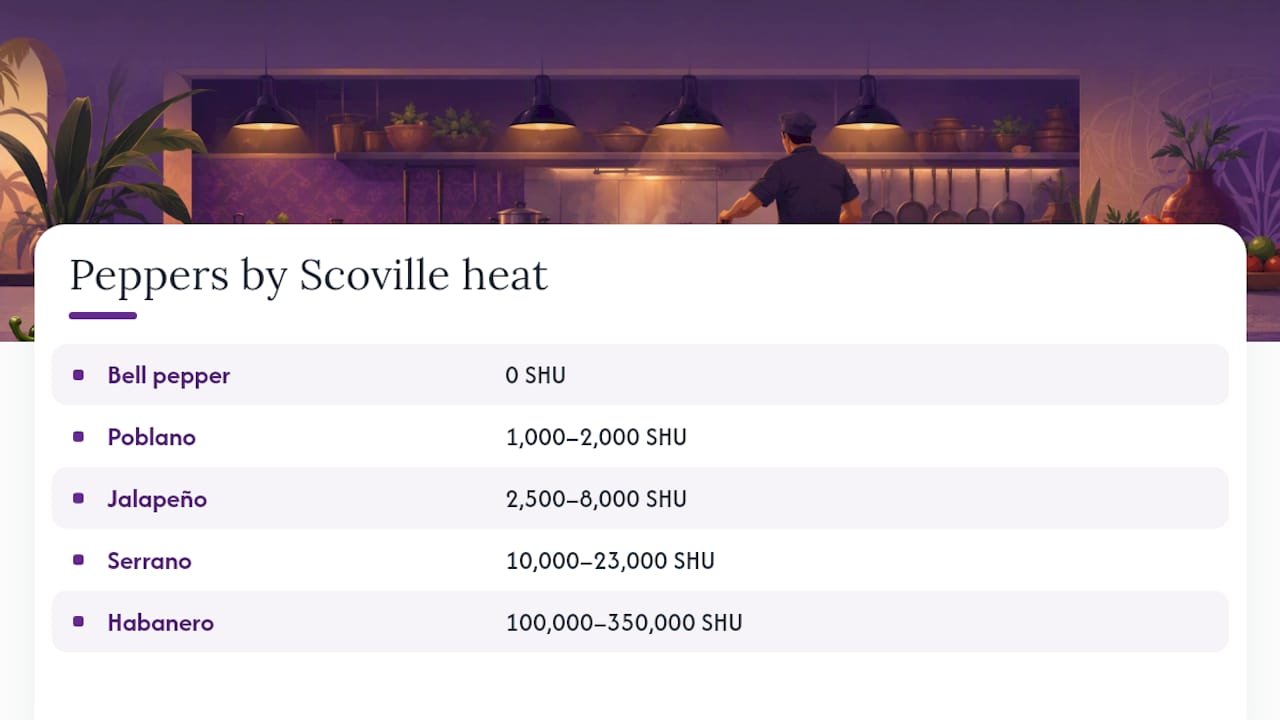
Common salsa peppers span a wide range. Bell peppers sit at zero SHU. Poblanos run 1,000 to 2,000. Jalapeños land between 2,500 and 8,000. Serranos climb to 10,000 to 23,000. Habaneros jump to 100,000 to 350,000. That’s the backbone of the mild through extra hot ladder.
Two salsas using the same pepper can still taste different, though. Ratios matter: a recipe heavy on tomato and light on pepper reads milder than one going the other way, even with identical ingredients. Seeds and the placenta (the white membrane inside a pepper) hold most of the capsaicin, so a jalapeño stripped of both burns far less than one left whole. Growing conditions play a role too. Peppers of the same variety can vary in heat depending on soil, rainfall, and stress during growth, so no pepper name guarantees an exact SHU every time.
Why salsa spice levels vary by brand, and how to judge before you buy
There’s no government or industry standard forcing “mild” to mean the same thing across every jar. One brand’s recipe testing sets the bar differently than the next, so labels are inherently subjective. The fix is to stop trusting the word on the label and start reading the ingredient list.
- Scan for pepper names. Anything naming habanero, serrano, or árbol signals real heat, while “mild” jars often lean on bell pepper or deseeded jalapeño.
- Look for a printed SHU number. Some brands include it; most don’t, but it’s worth checking.
- Check colour and texture through the jar. Visible seed flecks and a darker, oilier look often mean more capsaicin made it into the mix.
- Note the best-by date. Heat fades as salsa ages, so a jar close to expiry may taste noticeably tamer than it did fresh.
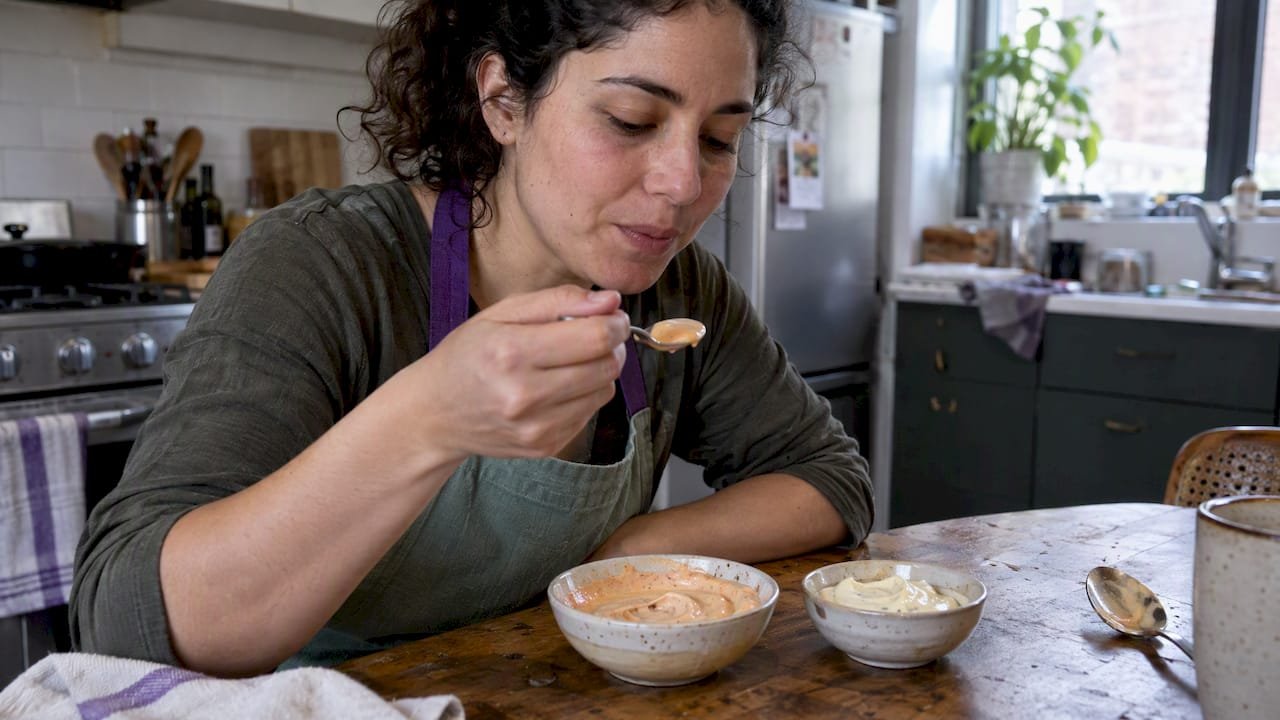
Pro Tip: Before serving a new jar to guests, taste a pea-sized amount first, then follow it with a spoonful of yogurt. The way the heat lingers, or doesn’t, tells you more than any label ever will.
How to tone down salsa heat and what to pair with each level
If a salsa turns out hotter than expected, a few fixes actually work and a few just feel like they do.
- Reach for dairy. Milk, sour cream, or yogurt contain casein, a protein that binds to capsaicin and physically clears it from your mouth’s receptors.
- Dilute with more tomato or onion. Stretching the batch spreads the same capsaicin across more volume, which lowers the heat per bite.
- Add acid or a touch of sugar. Lime juice or a pinch of sugar won’t neutralize capsaicin, but it balances the flavour enough that the heat feels less aggressive.
- Pull the seeds and membrane. If you’re making your own, removing both before blending cuts a meaningful share of the capsaicin before it ever hits the bowl.
- Serve it cold. Chilled salsa dulls perceived heat slightly compared to room temperature, since capsaicin receptors respond partly to warmth too.
Because SHU differences between peppers run in multiples rather than small steps, the Scoville scale is proportional, not linear, which is part of why one extra habanero in a batch can swing the result far more than a home cook expects.
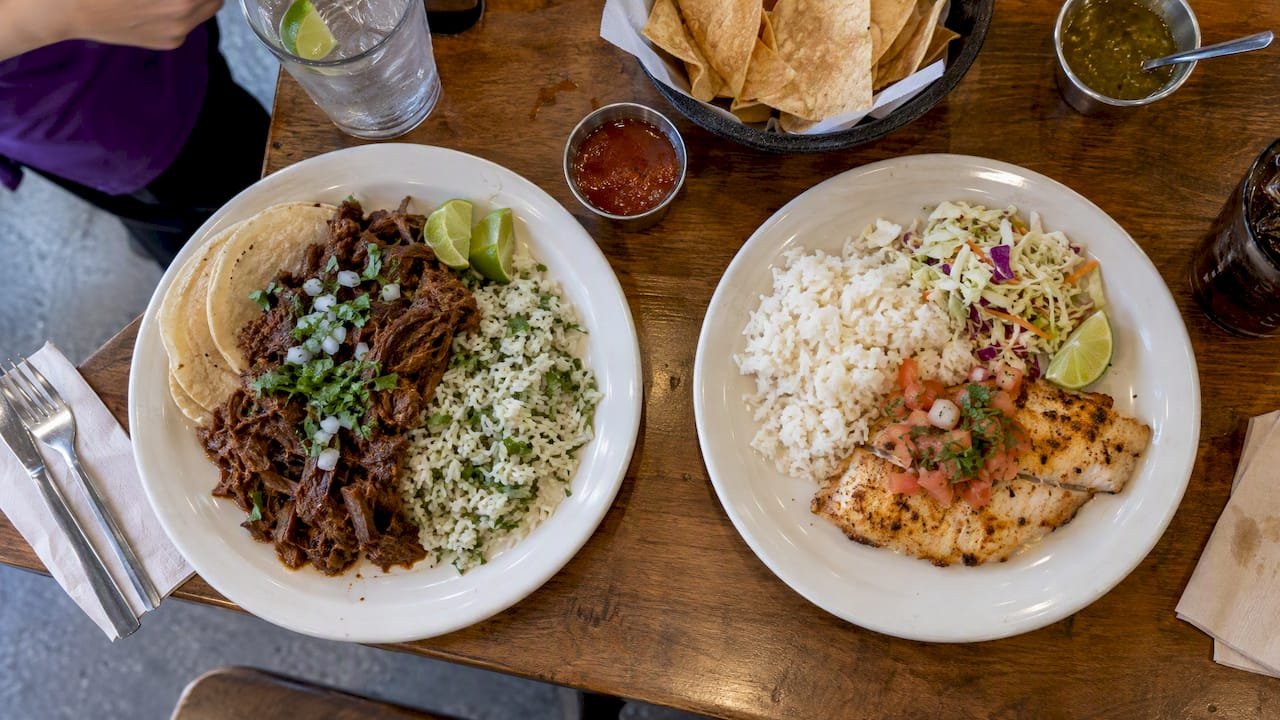
Pairing matters as much as taming heat. Mild suits delicate proteins like fish or eggs, where you don’t want the salsa to dominate. Medium works as an everyday default for tacos and burrito bowls. Hot and extra hot pair best with fatty cuts like carnitas or barbacoa, since fat coats the tongue and takes some of the edge off. A home cook’s guide to salsa’s role in Mexican food goes deeper on matching heat to dish.
How a from-scratch kitchen keeps salsa heat consistent
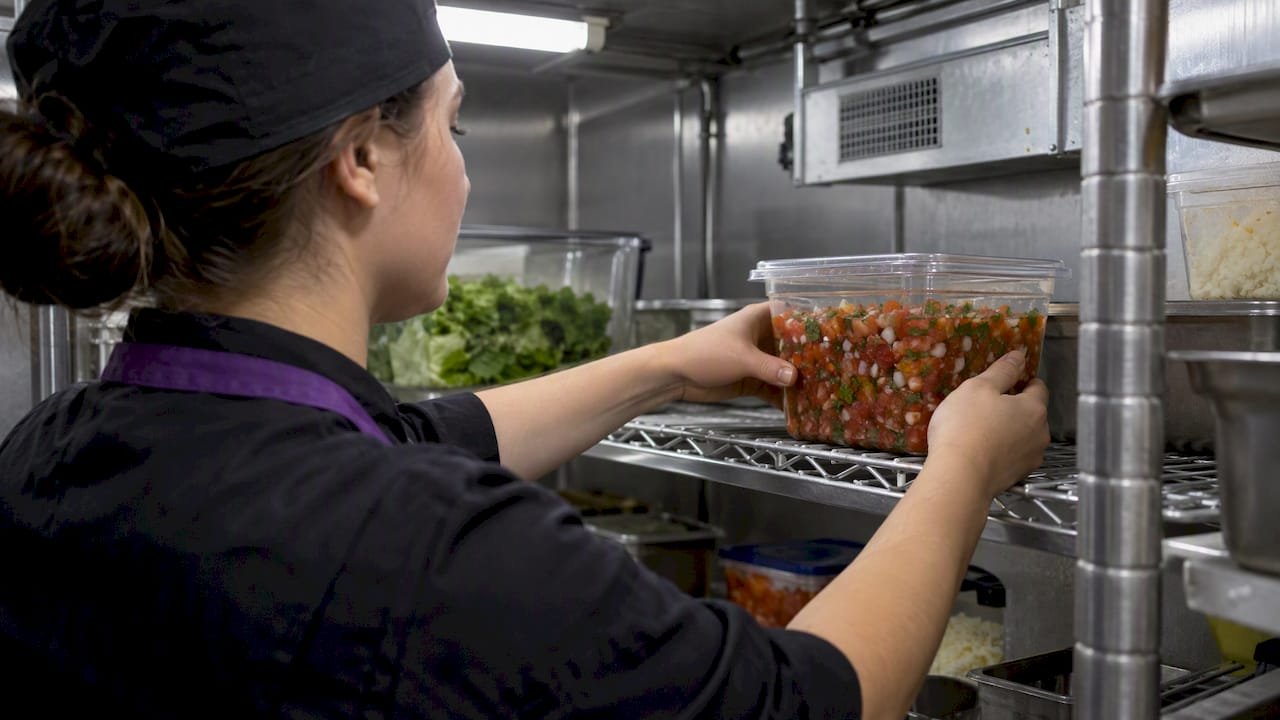
Jarred salsa can’t adjust once it’s sealed and shipped. A from-scratch kitchen can, and that’s the practical advantage of ordering salsa made fresh daily rather than bought off a shelf. At Burrito Splendido, house-made salsa preparation starts with picking peppers by batch, not just by name, since pepper heat shifts with growing conditions.
Kitchen staff taste-test each batch before it goes on the line, adjusting ratios if a pepper delivery runs hotter or milder than usual. Salsas get labelled by heat level at the point of service, and older batches rotate out first, since capsaicin intensity fades with storage time. That kind of batch discipline, tracking what went into a jar and when it was made, is something mass production struggles to match.
Picking the right heat for you or a group
Start with medium if you’re unsure. It’s the safest middle ground for a mixed table, hot enough to taste like something but rarely a shock. For groups with kids or spice-sensitive guests, put mild and hot in separate labelled containers rather than blending them, and keep a dairy-based side like sour cream nearby as a quick cooling option.
If you’re testing an unfamiliar hot or extra hot salsa, sample a small spoonful first and wait a minute before deciding whether to add more. Heat builds after swallowing more than most people expect, especially with habanero-based recipes.
— Austin
Taste the difference at Burrito Splendido
Reading a label only gets you so far. Burrito Splendido’s from-scratch kitchen makes house salsas fresh in small batches, so what you taste at mild, medium, or hot stays consistent from one visit to the next, not left to guesswork on a factory line months earlier.

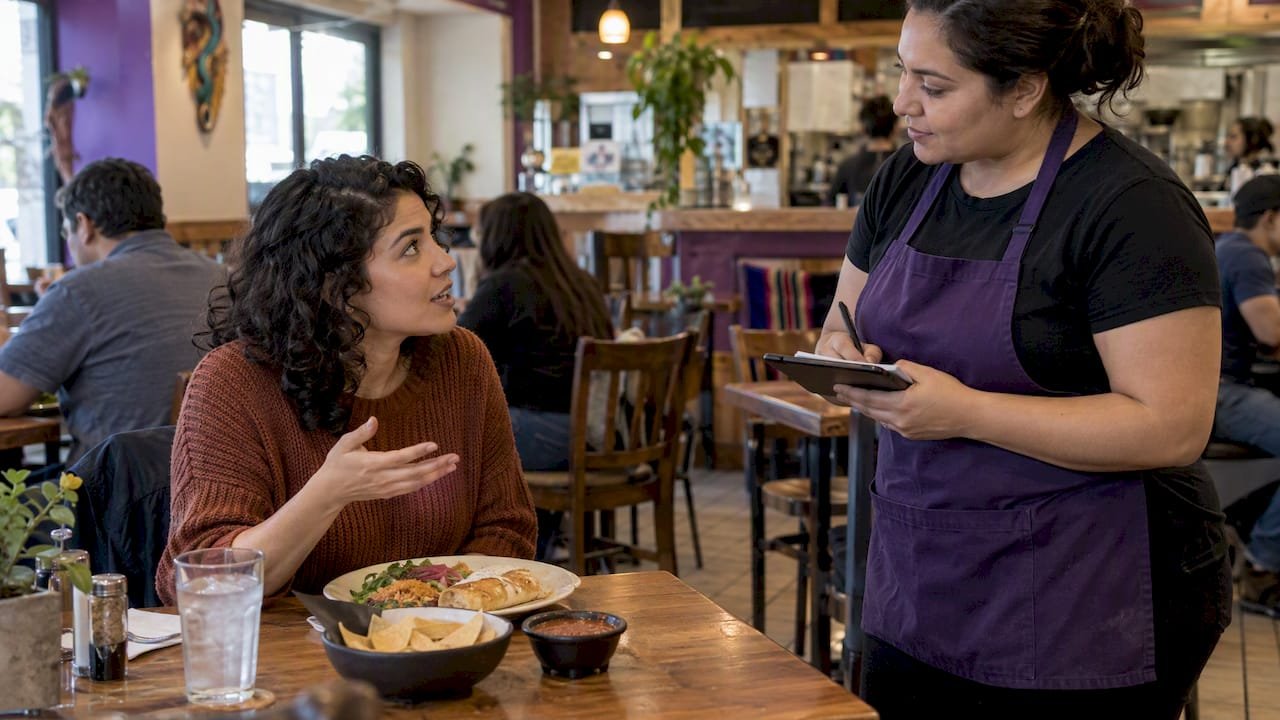
You can build your own bowl, burrito, or taco order around whichever heat level suits your table, or ask staff which salsa pairs best with a specific protein. If you’re planning a group order or an event, the catering menu lets you offer a heat range instead of committing everyone to one jar. For a regular order, head to the Burrito Splendido menu and pick your heat level directly at checkout.
Sources
- Mild vs Medium Salsa Heat Level Explained (No Guesswork)
- Salsa Heat Chart: Mild, Medium, and Hot Salsa Guide
- Scoville scale | Peppers, Ghost Pepper, Habanero, Jalapeño, & Facts | Britannica