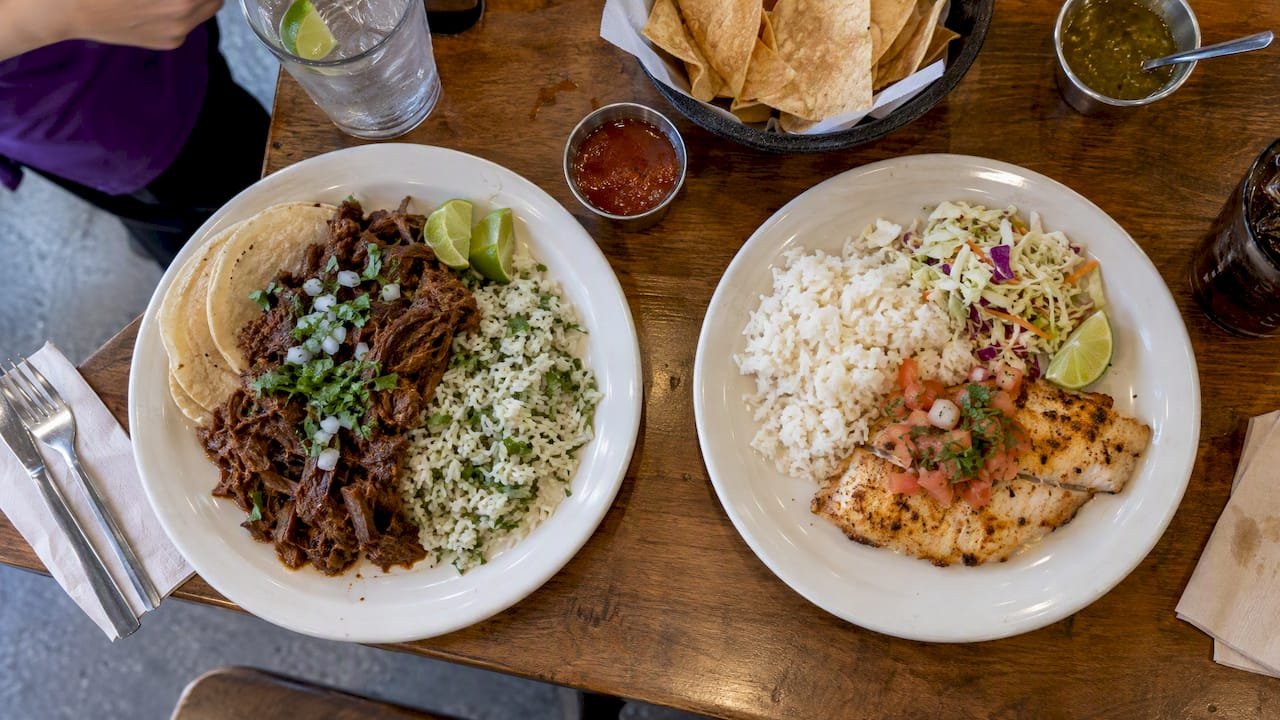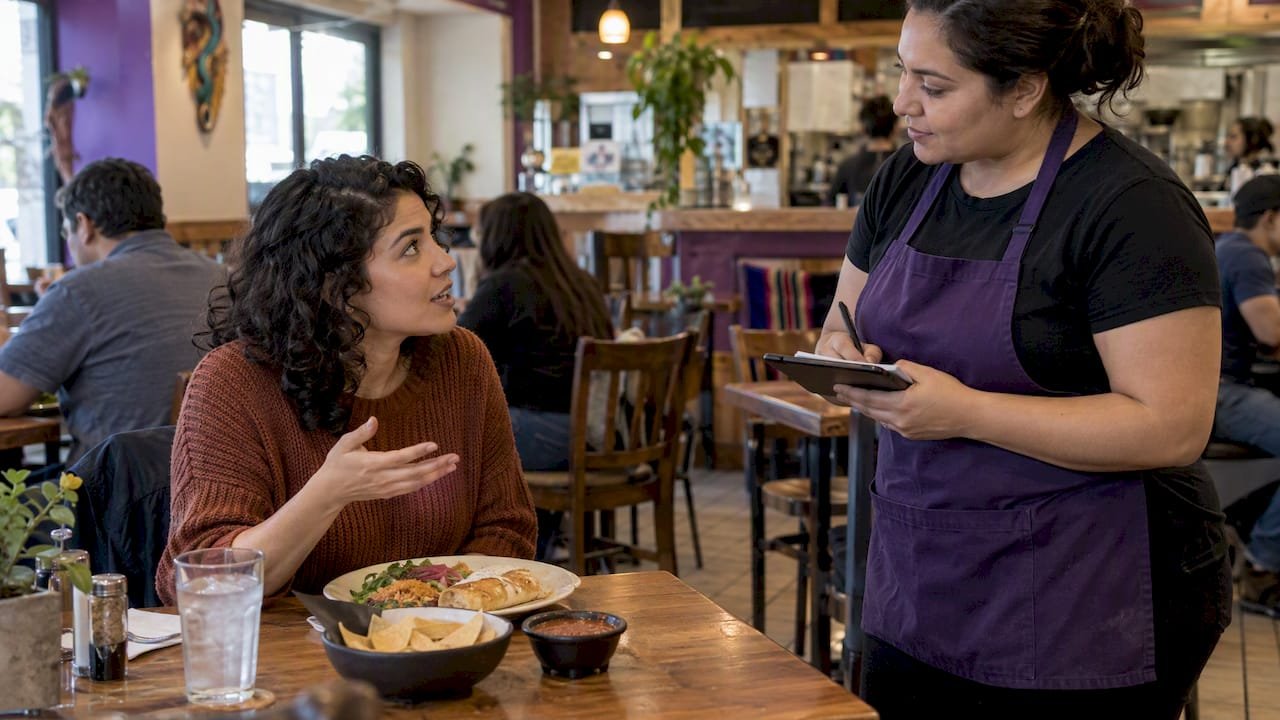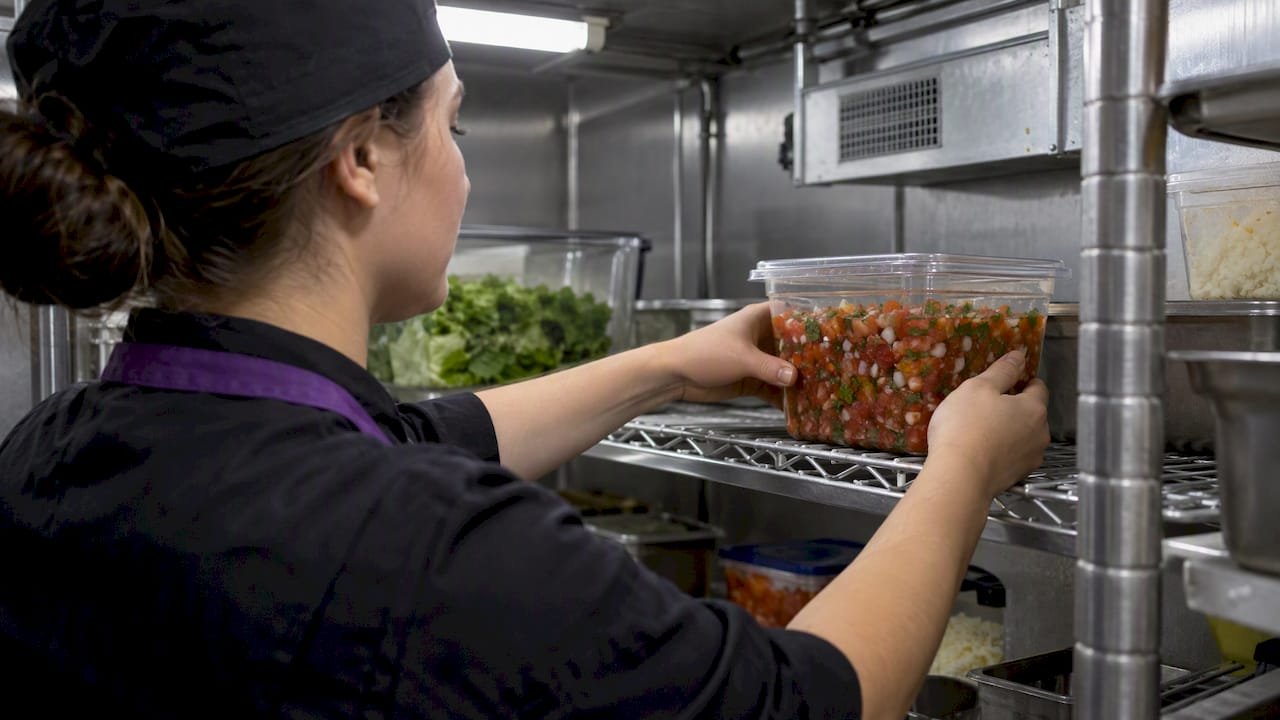
Local sourcing in restaurants is defined as purchasing ingredients from producers within roughly 100 miles of your operation. The reasons why use local suppliers in restaurants goes beyond marketing: 38% of diners explicitly prefer restaurants that offer locally sourced food, local sourcing can cut fossil fuel consumption by up to 40%, and 82% of businesses that invest in localised supply chains report stronger resilience against disruptions. Those three facts alone make a compelling operational case. Burritosplendido built its entire Manitoba-first sourcing model on exactly this logic, partnering with producers like Bothwell Cheese, Granny’s Chicken, and Peak of the Market to deliver fresher food and a stronger community connection every single day.
Why use local suppliers in restaurants for better ingredient quality?
Local produce arrives at your kitchen faster than anything shipped across the country. A tomato picked yesterday tastes different from one harvested two weeks ago and gassed to ripen in transit. That gap in freshness shows up directly on the plate, and guests notice.
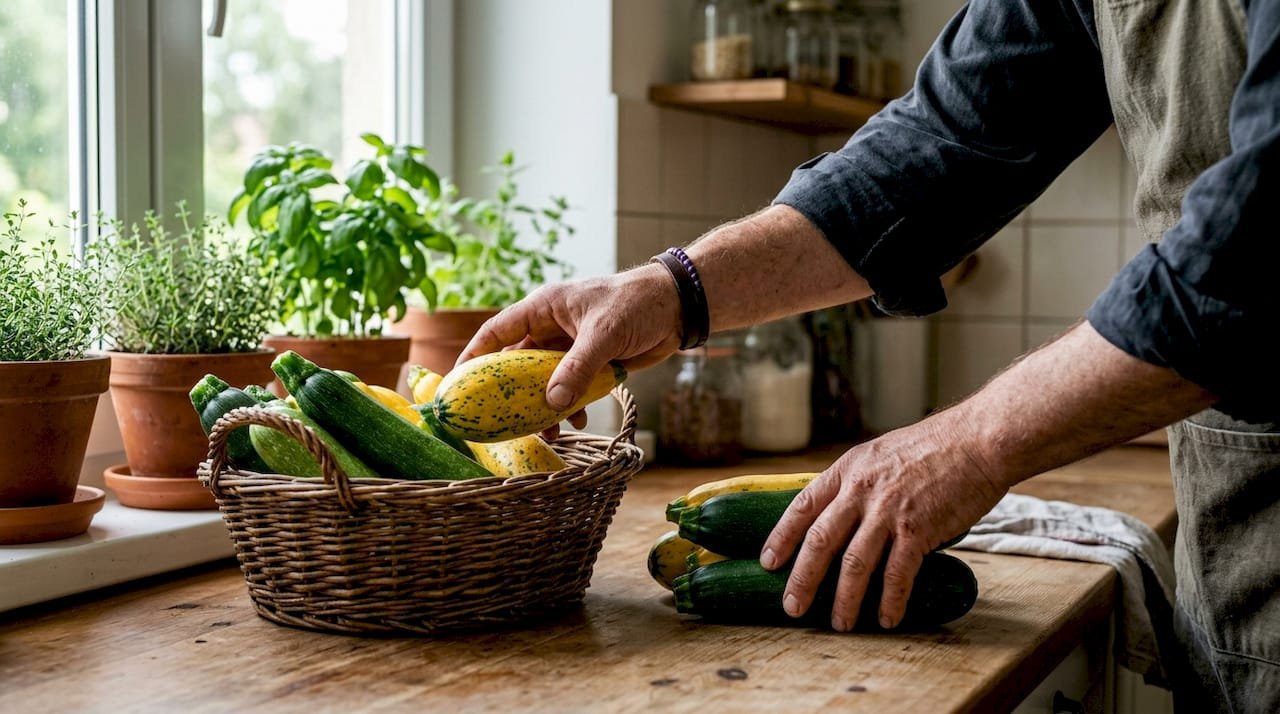
The flavour and nutritional benefits of locally sourced ingredients are well documented in food science. Vitamins and antioxidants degrade during long transport and cold storage. Shorter supply chains preserve those nutrients, which means your dishes are genuinely healthier, not just marketed that way.
Seasonal availability also pushes menu creativity in a productive direction. When your produce supplier tells you the pickerel are running or the corn is at peak sweetness, you build a special around it. Burritosplendido does exactly this with its Manitoba Whitefish and Pickerel tacos, a seasonal item that guests actively look forward to each year.
Guest trust grows when you can name the farm on your menu board. Diners read those callouts. A line like “cheese from Bothwell, Manitoba” signals care and transparency in a way that “premium cheese blend” never will.
- Local ingredients arrive fresher, with more flavour and nutrients intact.
- Seasonal menus built around local availability feel more exciting and authentic.
- Named producers on your menu build credibility and guest loyalty.
- Cross-utilising seasonal produce across multiple dishes protects food cost margins.
Pro Tip: When a local ingredient is at peak quality and price, build two or three dishes around it at once. A bumper crop of Manitoba squash can appear in a soup, a taco filling, and a side. You buy in volume, reduce waste, and keep your cost per portion low.
What operational advantages do local suppliers offer?
Shorter supply chains lower your exposure to the disruptions that plague global logistics. Port congestion, weather events, and fuel price spikes hit long-haul distributors hard. Local suppliers provide better communication, giving you early notice of crop failures or weather impacts so you can adjust your menu before a gap becomes a crisis.
The operational benefits stack up quickly when you map them out:
- Fewer logistics layers. A local farm delivers directly or through a regional distributor. You cut out multiple handling points, which reduces spoilage and cost.
- More frequent, smaller deliveries. Local suppliers can often deliver two or three times a week. That means less refrigerator space tied up in inventory and fresher product on the line every service.
- Direct customisation. A local grower will cut your herbs to spec, harvest at the size you need, or hold a batch for your delivery day. A national distributor will not.
- Faster problem resolution. When something arrives wrong, you call one person who knows your account. Resolution happens in hours, not days.
Pro Tip: Build a vendor sheet for every local supplier you work with. Record the contact name, delivery days, order minimums, lead times, and any seasonal gaps. Designate one person on your team as the single ordering point. This prevents duplicate orders, missed minimums, and communication breakdowns during busy periods.
The 82% resilience figure from businesses using localised supply chains is not abstract. It reflects the real-world advantage of knowing your supplier personally and being able to pivot quickly when something changes.
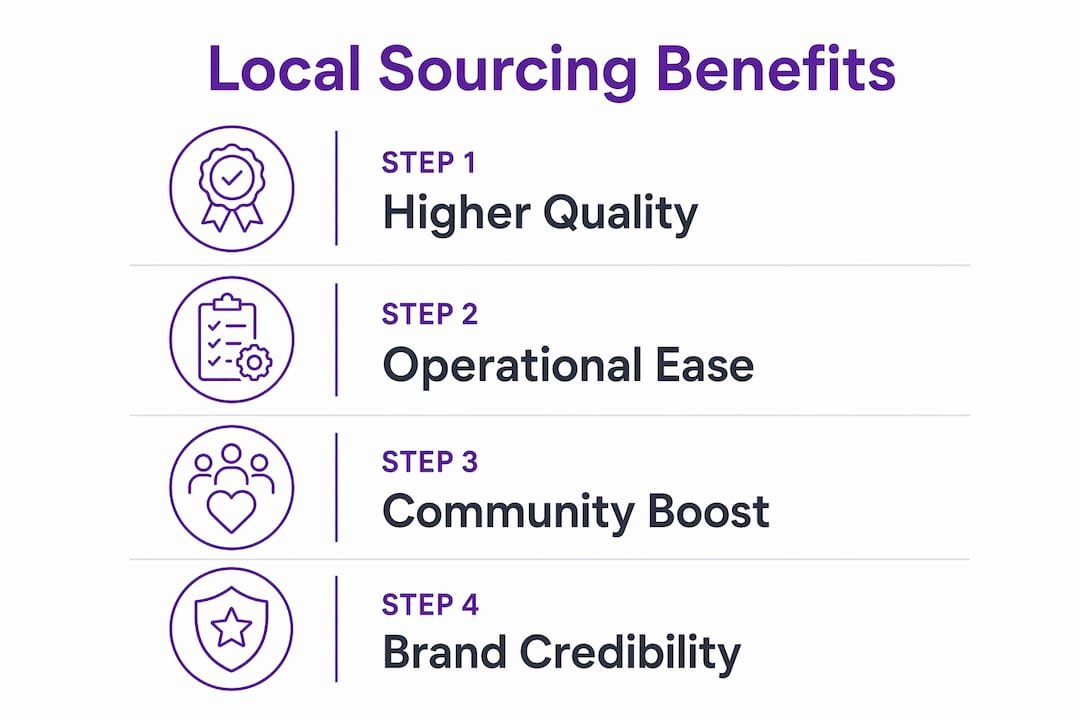
In what ways does local sourcing benefit your community and brand?
Spending locally recirculates revenue through the regional economy in a way that national purchasing does not. Local sourcing creates a multiplier effect, where money spent with a local farm supports that farm’s employees, their families, and the other local businesses they patronise. Your restaurant becomes part of a network, not just a customer in a supply chain.
The brand benefits are equally concrete. Restaurants that communicate their community-based food supply story attract guests who share those values. Consumer loyalty tied to shared values runs deeper than loyalty tied to price or convenience.
- Local spending strengthens the regional economy through a network effect that reaches well beyond farming.
- Community goodwill translates into word-of-mouth referrals and repeat visits.
- Environmental credentials improve because buying locally cuts fossil fuel use by up to 40% versus long-distance distribution.
- Sustainability messaging resonates with a growing segment of diners who factor environmental impact into their dining choices.
- Named local partners on your menu and social channels give your marketing team concrete, specific stories to tell.
Burritosplendido’s Manitoba-first sourcing model demonstrates this in practice. Sourcing flour from Manitoba producers, pork from local farms, and produce through Peak of the Market is not just an ethical choice. It is a brand differentiator that shows up in guest reviews, press coverage, and community recognition.
How can restaurants implement local sourcing without operational pitfalls?
The most common mistake restaurant managers make is trying to source everything locally at once. Overcommitting to year-round local availability for every item on your menu creates gaps, inconsistency, and cost overruns. Start with high-impact ingredients where quality differences are obvious to guests.
Start with the right ingredients
Starting with high-impact items means choosing the ingredients guests notice most: proteins, fresh produce, and dairy. These are the items where a quality upgrade is immediately perceptible and where you can justify a modest price premium. Commodity items like cooking oil or canned goods can stay with your existing distributor.
Build flexibility into your menu
Menu flexibility is the single most effective tool for managing seasonal variability. Rotating specials, weekly soups, and chef’s features give you a place to use whatever is at peak quality without locking your core menu into an ingredient that may not be available year-round. A seasonal menu approach protects your food cost and keeps your offering feeling fresh.
Manage your supplier relationships actively
- Visit your suppliers at least once a season. A face-to-face relationship changes the quality of communication you receive.
- Set clear expectations on delivery windows, minimum orders, and quality standards before you commit.
- Build backup options for critical ingredients. One local supplier for your primary protein is a risk. Two is a plan.
- Train your front-of-house staff to talk about local sourcing naturally. A server who can say “our pork comes from a farm about an hour from here” adds genuine value to the guest experience.
- Review your vendor sheets quarterly and update contact information, pricing, and seasonal availability notes.
The transition from transactional buying to true producer partnerships starts with a direct conversation about what you need and what the producer can reliably deliver. That conversation is worth more than any contract.
Key takeaways
Local sourcing delivers measurable gains in food quality, supply resilience, community impact, and brand credibility when implemented with clear systems and realistic expectations.
| Point | Details |
|---|---|
| Start with high-impact ingredients | Prioritise proteins, fresh produce, and dairy where quality differences are immediately obvious to guests. |
| Build menu flexibility | Use rotating specials and seasonal features to manage supply variability without disrupting your core menu. |
| Use vendor sheets and one ordering point | Centralise supplier contacts, delivery days, and minimums to reduce communication errors. |
| Communicate your sourcing story | Train staff to name local producers; guests respond to specificity more than generic “local” claims. |
| Expect resilience gains | Businesses with localised supply chains report significantly stronger ability to absorb disruptions. |
Local sourcing: what I’ve learned that most guides skip
The articles that cover local sourcing tend to focus on the feel-good angle. Fresh ingredients, happy farmers, lower carbon footprint. All true. But the operational reality is messier, and the restaurants that succeed with local sourcing are the ones who plan for that mess.
The biggest lesson I’ve taken from watching operators work through this is that the relationship is the product. When you buy from a local farm, you are not just buying carrots. You are buying early warning when the crop comes in short. You are buying the flexibility to get a custom harvest size. You are buying a story your staff can tell with genuine conviction because it is true. None of that comes from a purchase order. It comes from showing up, asking questions, and treating your supplier like a business partner rather than a vendor.
The second thing most guides miss is the backup plan conversation. Seasonal variability is real. A late frost, a wet summer, a pest outbreak: these things happen, and if your menu depends on one local supplier for a core ingredient, you will have a bad week. The restaurants I respect most have two local options for anything critical, and they have a non-local fallback they are not embarrassed to use when needed. Flexibility is not a compromise. It is professionalism.
Finally, the storytelling piece is underrated. Guests do not need a farm tour. They need one specific, true sentence from their server. “Our cheese comes from Bothwell, about an hour east of here.” That sentence does more for guest loyalty than a paragraph of marketing copy on your website.
— Austin
Burritosplendido’s approach to fresh, local menus
Burritosplendido has built its reputation in Manitoba on exactly the principles this article covers: sourcing from local farms, naming producers, and building a menu that reflects what the region actually grows.
If you are planning an event and want a catering menu that puts local ingredients front and centre, Burritosplendido’s catering programme is built around fresh, Manitoba-sourced food prepared from scratch. Every item on the catering menu reflects the same Manitoba-first sourcing philosophy that drives the restaurant’s daily kitchen. You can also explore locally inspired menu ideas to see how regional ingredients translate into crowd-pleasing, health-conscious dishes for any occasion.
FAQ
Why do restaurants choose local suppliers over national distributors?
Local suppliers offer fresher ingredients, faster communication, and greater flexibility for menu adjustments. Businesses using localised supply chains report significantly stronger resilience against disruptions like port congestion and weather events.
Does local sourcing actually improve food quality?
Local produce arrives faster and with fewer handling steps, which preserves flavour and nutrients that degrade during long-distance transport. The quality difference is most noticeable in proteins, fresh produce, and dairy.
How does local sourcing benefit the community?
Local spending creates a multiplier effect that recirculates revenue through the regional economy, supporting farms, their employees, and the broader network of local businesses those employees patronise.
Is local sourcing more expensive for restaurants?
Local ingredients can carry a higher unit cost, but consolidating vendors, cross-utilising seasonal produce, and reducing spoilage through fresher deliveries offset much of that premium. Starting with high-impact ingredients lets you justify modest price adjustments to guests who can taste the difference.
How do I start sourcing locally without disrupting my current menu?
Begin with one or two high-visibility ingredients where quality is immediately obvious to guests, such as a featured protein or a seasonal vegetable. Build a rotating special around those items before committing your core menu to local supply.