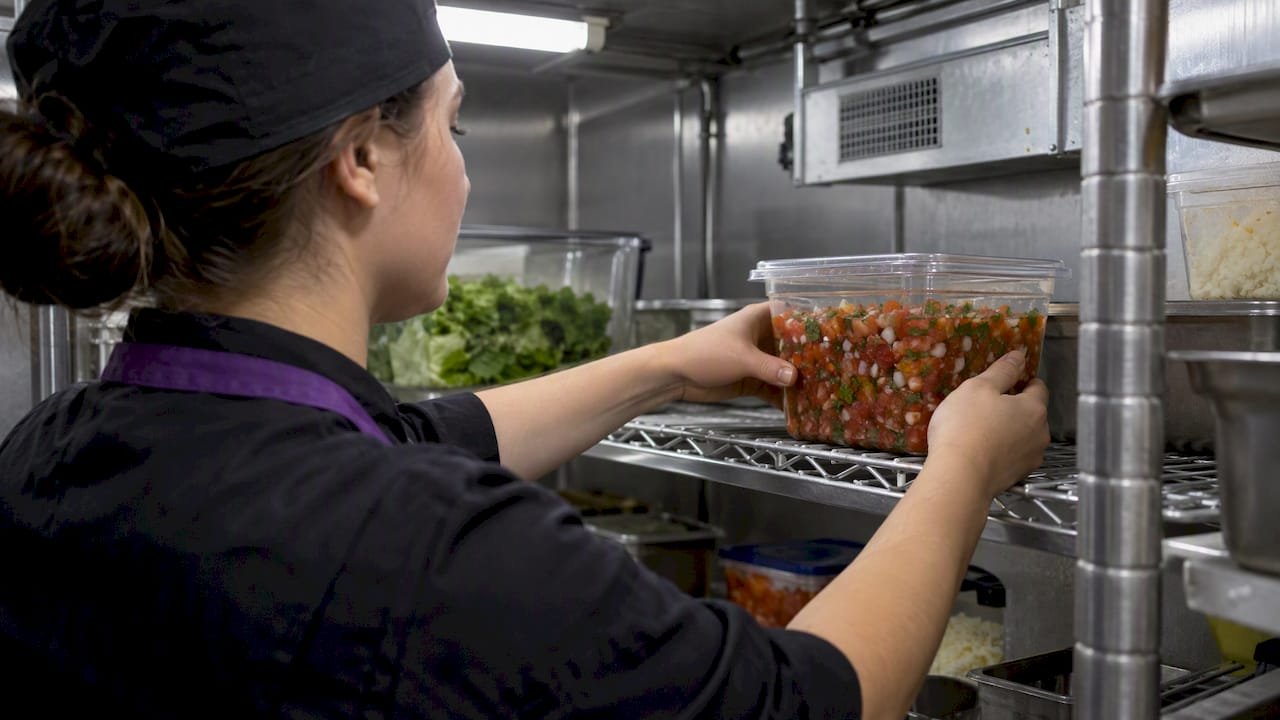
Fresh ingredients are the single most important factor in catering quality, directly shaping flavour, nutrition, and guest satisfaction at every event. The role of fresh ingredients in catering goes well beyond taste. It touches food safety, budget management, and the story your event tells. Diets built around fresh, whole foods reduce cardiovascular risk by about 15%, which means the health case for freshness is as strong as the culinary one. For event planners, understanding this connection is the foundation of every great catering decision.
How fresh ingredients affect flavour and nutrition in catered meals
Freshness is not a marketing term. It is a measurable quality factor with direct consequences for every plate you serve.
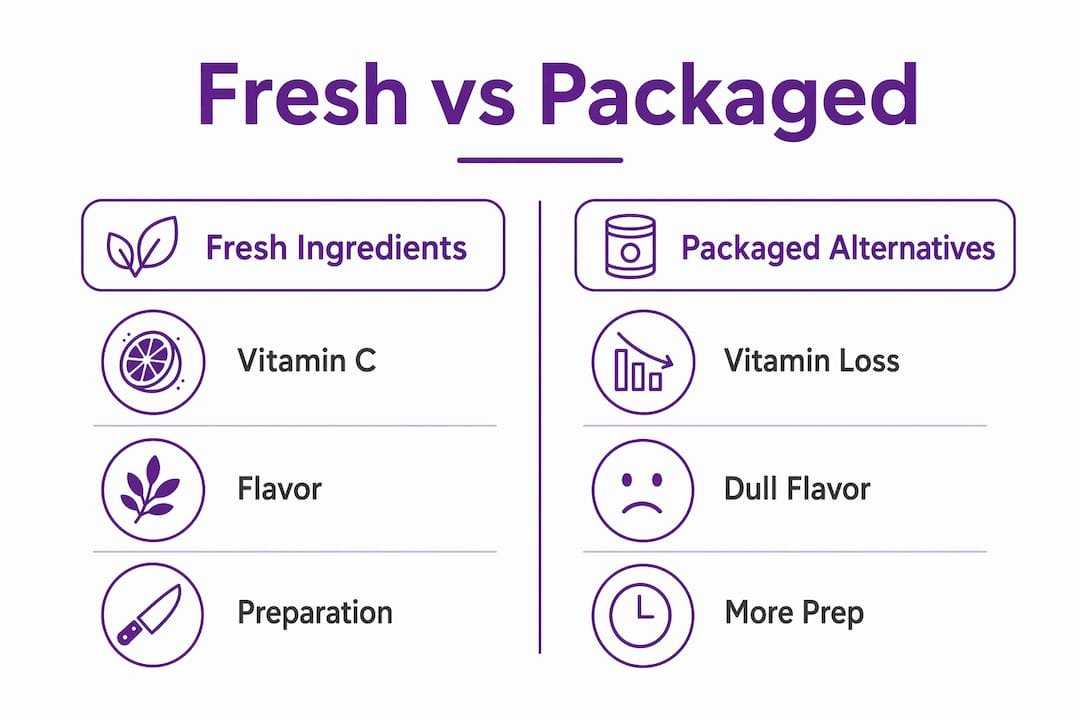
Fresh vegetables lose 15–55% of their vitamin C within seven days of harvest. That loss does not stop at nutrition. Vitamin C degradation travels alongside the breakdown of natural sugars and aromatic compounds, which means produce that sat in a warehouse for a week tastes noticeably flatter than produce picked days ago.
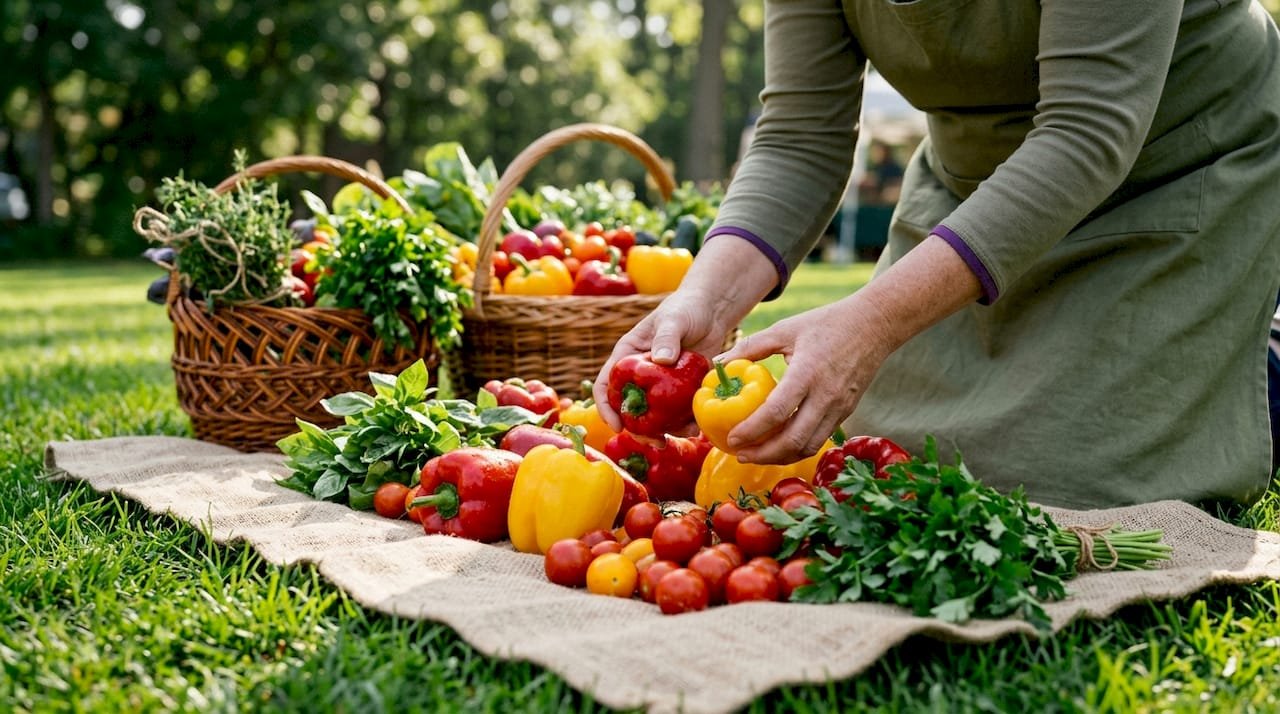
Packaged and processed ingredients compound this problem. Packaged foods can be 1–3 months old by the time they reach a kitchen. That age gap is the core difference between a catered meal that guests remember and one they forget.
Fresh ingredients also simplify kitchen work. High-quality fresh produce requires less preparation and less masking with sauces or seasonings, which reduces labour time and cost. A ripe tomato needs nothing. An out-of-season, weeks-old tomato needs salt, acid, and heat just to taste like itself.
What this means for your catering menu
| Quality factor | Fresh ingredients | Packaged or aged alternatives |
|---|---|---|
| Vitamin C retention | High within 1–3 days of harvest | Significantly reduced after weeks in transit |
| Natural sugar content | Intact, supports sweetness and balance | Degraded, often replaced by added sugars |
| Aromatics and flavour | Vivid, requires minimal seasoning | Muted, requires more preparation |
| Labour requirement | Lower, less masking needed | Higher, more technique required |
| Guest perception | Noticeably better taste and texture | Often described as flat or heavy |
Pro Tip: Schedule produce deliveries as close to your event date as possible. For a Saturday event, a Thursday or Friday delivery maximises nutrient retention and flavour without risking spoilage.
Why does seasonality matter for catering menus?
Seasonality is a culinary philosophy, not a trend. It is the practice of building menus around what is growing and harvested right now, in your region.
Seasonality governs catering excellence by connecting guests to flavour intensity and reducing environmental impact. Produce harvested at peak ripeness contains more natural sugars, firmer texture, and stronger aroma than the same ingredient grown out of season in a controlled environment and shipped across the country. The difference is immediate and obvious to any guest.
Local sourcing amplifies this effect. When you source ingredients locally, you shorten the supply chain, which preserves freshness and reduces the carbon footprint of your event. For planners who want their events to reflect genuine regional character, local sourcing is the most direct path.
The financial case is equally strong. Seasonal menus avoid out-of-season premiums, which means you get better ingredients at lower cost simply by aligning your menu with what is naturally abundant. A Manitoba summer menu built around Peak of the Market produce will outperform and undercost a menu that imports hothouse tomatoes in january.
“Viewing a catering menu as a story shaped by local, fresh ingredients transforms meals into events that reflect the region and the season.” Farm-to-table sourcing gives guests a sense of place that no imported ingredient can replicate.
The benefits of seasonal, local sourcing for event planners include:
- Peak flavour: Ingredients harvested at full ripeness deliver the best possible taste without added effort.
- Lower costs: Abundant seasonal produce carries no out-of-season premium.
- Reduced environmental impact: Shorter transport distances mean a smaller carbon footprint for your event.
- Regional storytelling: A menu built on local ingredients gives your event a distinct sense of place.
- Guest connection: Seasonal menus feel current and intentional, which guests notice and appreciate.
Understanding locally rooted cuisine deepens this connection further, linking food choices to cultural identity and community.
How does freshness reduce food safety risks in catering?
Fresh ingredients from trusted local suppliers are the most reliable way to reduce contamination risk in catering operations.
Working with reputable local suppliers minimises food safety risks and protects your brand reputation. Shorter supply chains mean fewer handling points, fewer storage transitions, and less time for bacterial growth. Every additional step between farm and kitchen is an opportunity for contamination.
For event planners, supplier selection is a risk management decision, not just a quality one. A caterer who sources from verified local farms and wholesalers can trace every ingredient back to its origin. That traceability matters when something goes wrong and matters even more as a prevention tool.
Practical risk reduction through fresh sourcing follows a clear sequence:
- Vet your suppliers. Confirm that farms and wholesalers hold current food safety certifications and practise proper handling.
- Shorten the supply chain. Fewer intermediaries mean fewer contamination points and fresher product on arrival.
- Set delivery windows. Specify delivery times that align with your prep schedule so ingredients are not sitting at room temperature.
- Inspect on arrival. Check temperature, packaging integrity, and visual quality before accepting any delivery.
- Document everything. Keep records of supplier names, delivery dates, and lot numbers for every event.
Pro Tip: Ask your caterer directly which farms or wholesalers supply their produce and proteins. A caterer who cannot answer that question has not built the supply chain relationships that protect your guests.
Burritosplendido applies this standard at every location. Produce comes through Peak of the Market, poultry from Granny’s Chicken, and cheese from Bothwell Cheese. Every supplier is named, verified, and consistent. That transparency is what catering authenticity looks like in practice.
Practical tips for sourcing fresh ingredients for your event
Smart sourcing is the operational side of the freshness commitment. Good intentions do not survive poor planning.
The most effective approach combines supplier relationships, menu timing, and storage discipline. Start by identifying local wholesalers or farmers’ markets in your region. In Manitoba, Peak of the Market is the benchmark for consistent, locally grown produce. Nationally, most provinces have regional produce distributors who can supply caterers at scale.
Align your menu with seasonal availability before you finalise it. A seasonal menu built around what is currently harvested will always outperform a menu that fights the calendar. If you are planning a late-summer event, stone fruits, corn, and tomatoes are at peak quality and lowest cost. A winter event calls for root vegetables, squash, and hearty greens.
Storage discipline protects the freshness you paid for:
- Keep produce at the correct temperature from delivery to prep. Most vegetables hold best between 1°C and 4°C.
- Store proteins separately from produce to prevent cross-contamination.
- Use a first-in, first-out rotation so older stock is always used before newer deliveries.
- Avoid washing produce until immediately before use, as moisture accelerates spoilage.
Budget management through fresh sourcing is also straightforward. Seasonal ingredients cost less because supply is high. Buying from local suppliers cuts transport costs. And because fresh ingredients require less preparation, labour hours drop. The savings compound across a full event catering operation.
For planners new to this process, the guide on how to choose catering options for any event is a practical starting point for evaluating caterers on ingredient sourcing standards.
Key takeaways
Fresh ingredients are the foundation of catering quality, and sourcing them locally and seasonally delivers better flavour, lower costs, and stronger food safety outcomes simultaneously.
| Point | Details |
|---|---|
| Freshness drives flavour | Vitamin C and natural sugars degrade within days of harvest, making delivery timing critical. |
| Seasonal sourcing saves money | Menus aligned with harvest cycles avoid out-of-season premiums and reduce ingredient costs. |
| Local suppliers reduce safety risk | Shorter supply chains mean fewer handling points and lower contamination exposure. |
| Fresh ingredients cut labour | High-quality produce requires less preparation, reducing kitchen time and staff costs. |
| Regional sourcing creates event narrative | Farm-to-table menus give guests a sense of place that imported ingredients cannot replicate. |
Why I think most caterers underestimate the operational upside of freshness
Most conversations about fresh ingredients focus on taste and health. Those arguments are valid, but they miss the operational case, which is the one that actually changes how caterers run their kitchens.
Fresh, high-quality ingredients simplify everything. When a tomato is genuinely ripe, you do not need a sauce. When a piece of pork has been properly raised and handled, slow-cooking it produces something extraordinary without complexity. The kitchen gets quieter, faster, and cheaper when the ingredients are doing the work.
I have seen this play out in practice at Burritosplendido, where Carnitas, Barbacoa, and Adobo Chicken are slow-cooked and hand-pulled daily using local Manitoba pork and poultry. The preparation is not elaborate. The ingredients carry it. That is the operational truth that most catering operations miss when they reach for complexity to compensate for mediocre sourcing.
The other thing planners underestimate is how quickly guests notice. They may not articulate it as “the produce was harvested three days ago,” but they will say the food was the best they have had at an event. That response comes from freshness. It is not a coincidence.
My advice to any event planner is to make ingredient sourcing the first question you ask a caterer, not an afterthought. Ask where the produce comes from. Ask when it was delivered. Ask which farms supply the proteins. The answers will tell you everything about the quality of the meal your guests will eat.
— Austin
Burritosplendido’s approach to fresh, local event catering
Burritosplendido has built its entire operation around the principle that fresh, locally sourced ingredients produce better food and better events. Every item on the catering menu is prepared from scratch daily, using Manitoba-grown produce, locally raised proteins, and house-pressed tortillas made from 100% Manitoba flour.

For event planners who want a catering partner that takes ingredient sourcing as seriously as they do, Burritosplendido’s catering service offers fully customisable menus built on the same local supply chain that powers every restaurant location. Whether you are planning a corporate lunch, a community event, or a private celebration, the menu adapts to your guests’ dietary needs, including gluten-free, vegan, and keto options, without compromising on freshness or flavour.
FAQ
What is the role of fresh ingredients in catering?
Fresh ingredients define the flavour, nutritional quality, and safety of catered meals. They reduce the need for complex preparation and deliver a guest experience that processed or aged alternatives cannot match.
How do fresh ingredients affect flavour compared to packaged options?
Fresh vegetables retain natural sugars and aromatics that degrade quickly after harvest. Packaged foods can be 1–3 months old, which means significantly reduced flavour and nutritional value by the time they reach a plate.
Why does local sourcing matter for event catering?
Local sourcing shortens the supply chain, which preserves freshness, reduces contamination risk, and lowers the environmental impact of your event. It also connects guests to the region through ingredients that reflect the local harvest.
Does using seasonal produce actually reduce catering costs?
Seasonal ingredients are more abundant and require less transport, which lowers their cost. Aligning your menu with the current harvest avoids out-of-season premiums and often improves quality at the same time.
How can I tell if a caterer genuinely prioritises fresh ingredients?
Ask directly which farms or wholesalers supply their produce and proteins. A caterer committed to freshness will name their suppliers, specify delivery schedules, and be able to explain how they maintain ingredient quality from source to service.