Barbacoa is a traditional Mexican slow-cooked meat dish defined by its preparation method: meat wrapped in maguey leaves and cooked underground in an earthen pit for 8–12 hours, producing tender, richly flavoured results. The dish draws from Indigenous Caribbean and Mexican culinary traditions dating back centuries, making it one of the oldest cooking methods still practised in North America. Whether you encounter it at a street market in Hidalgo or on the menu at a fast-casual restaurant in Winnipeg, barbacoa represents far more than a recipe. It is a living expression of patience, community, and cultural identity.
What is barbacoa, exactly?
Barbacoa is defined as slow-cooked meat, traditionally prepared in an underground pit using embers, hot stones, and maguey (agave) leaves as a steam barrier. The word itself traces back to the 14th-century Taíno term barabicu, which referred to a wooden framework used for slow-cooking meat over fire. That single word eventually evolved into the English “barbecue,” though the two cooking traditions are fundamentally different.
The defining feature of barbacoa is the cooking method, not the meat. Beef, lamb, and goat are all traditional choices depending on the region. In the states of Hidalgo, Tlaxcala, and Puebla, lamb and goat are most common. In northern Mexico, beef cheeks and beef head are the preferred cuts. This regional variation is part of what makes barbacoa such a rich culinary tradition rather than a single standardised dish.
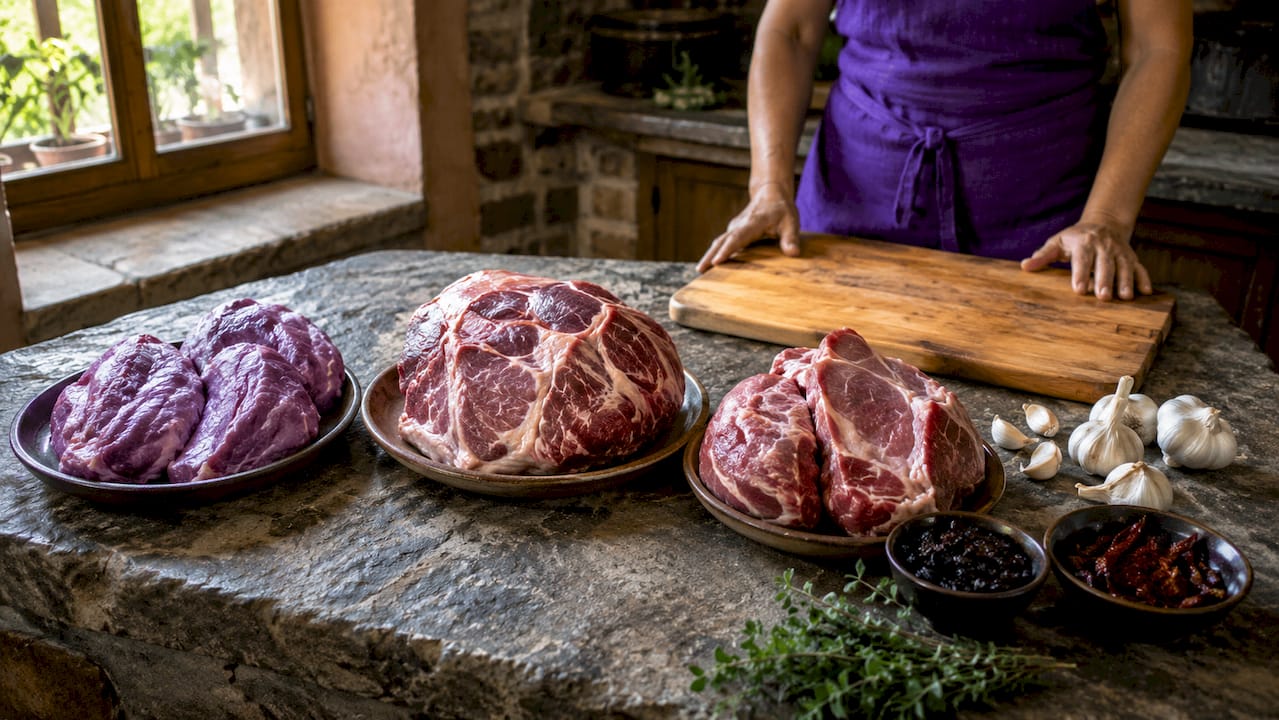
Barbacoa is not a heavily spiced or sauced preparation. The flavour is earthy, deeply savoury, and meat-forward. The maguey leaf wrapping does most of the aromatic work, infusing the meat with a distinctive herbal quality that no substitute can replicate.
How is traditional barbacoa prepared in mexico?
Traditional pit-style barbacoa follows a process that has changed very little over hundreds of years. The preparation begins the night before serving, with the pit dug into the earth and lined with hot stones and burning embers. Meat is seasoned, wrapped tightly in maguey leaves, and lowered into the pit. The pit is then sealed and left to cook overnight.
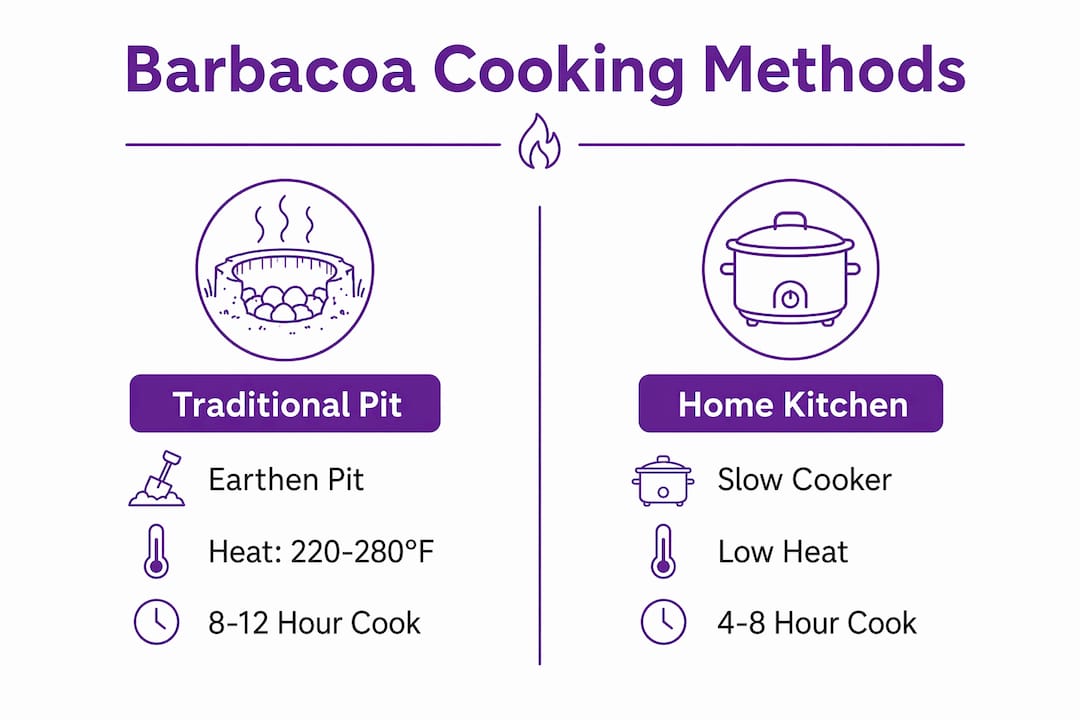
Pit barbacoa cooks for 8–12 hours at sustained temperatures between 220°F and 280°F. That low, slow heat is what transforms tough, collagen-rich cuts into the shreddable, moist meat barbacoa is known for. The sealed pit traps steam, and the maguey leaves act as both a moisture barrier and a flavour source.
One of the most overlooked elements of traditional barbacoa is the consommé. As the meat cooks, fat and juices drip into a clay pot or container placed beneath it. This collected broth is seasoned with chickpeas, coriander, and onion, producing a rich, nutrient-dense soup served alongside the meat. Skipping the consommé is one of the clearest signs that a barbacoa recipe has lost its traditional roots.
Key elements of authentic pit barbacoa preparation:
- Earthen pit: Dug to roughly one metre deep, lined with volcanic or river stones
- Heat source: Wood embers and hot stones sustain temperature without direct flame
- Maguey wrapping: Agave leaves seal in steam and impart an earthy, herbal aroma
- Cooking time: 8–12 hours, typically overnight for a Sunday morning meal
- Consommé collection: A clay pot beneath the meat catches drippings for broth
- Regional variation: Lamb in Hidalgo, goat in Puebla, beef in northern states
Pro Tip: If you ever visit central Mexico on a Saturday night, look for families preparing pits in their yards. Sunday morning barbacoa is a deeply social ritual, not just a meal. The preparation itself is the event.
How do home cooks adapt barbacoa without a pit?
Modern home barbacoa uses a slow cooker, Dutch oven, or steamer to replicate the low-and-slow process without digging up the backyard. Home versions braise for 4–8 hours, using beef chuck roast or beef cheeks as the most accessible cuts. The result is genuinely delicious, even if it lacks the smoky, earthy depth of a maguey-wrapped pit cook.
The honest trade-off is flavour complexity. A slow cooker cannot replicate the steam environment created by a sealed earthen pit, and no ingredient substitutes for maguey leaves. Liquid smoke comes closest in spirit but falls well short in practice. What home cooking does preserve is the texture: with the right cut and enough time, you get the same tender, shreddable meat.
Here is a direct comparison of traditional versus home barbacoa methods:
| Feature | Traditional Pit Method | Home Kitchen Method |
|---|---|---|
| Cooking vessel | Earthen pit with hot stones | Slow cooker or Dutch oven |
| Heat source | Wood embers, sealed underground | Electric or stovetop heat |
| Cooking time | 8–12 hours | 4–8 hours |
| Maguey leaves | Yes, essential for aroma | Not available; omitted |
| Consommé | Collected naturally during cooking | Simulated with braising liquid |
| Flavour profile | Smoky, earthy, deeply herbal | Rich, savoury, meat-forward |
| Accessibility | Requires outdoor space and preparation | Fully achievable in any kitchen |
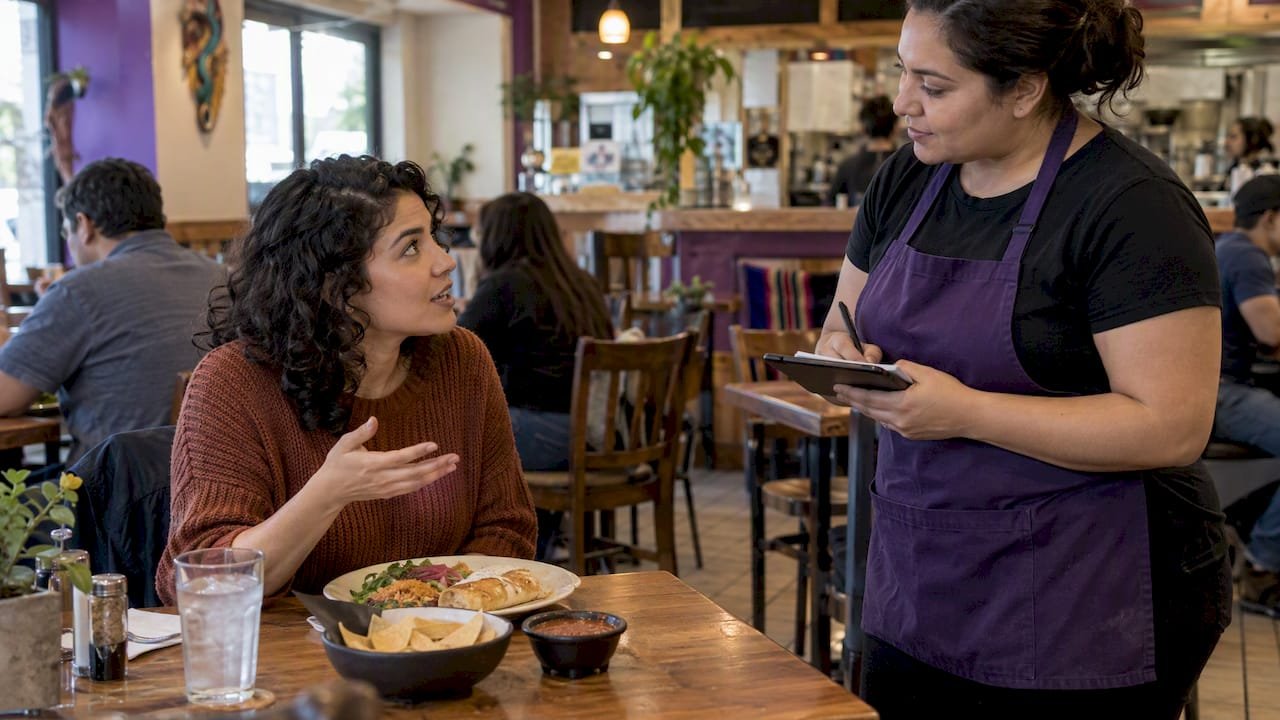
Fast-casual restaurants simplify barbacoa further, often losing the consommé and pit ritual entirely. The flavour can still be excellent, but the cultural context is stripped away. Understanding that gap helps you appreciate what you are eating and what you might be missing.
Pro Tip: Add a small piece of dried guajillo or ancho chili to your braising liquid. It will not replace maguey leaves, but it adds a layer of earthy complexity that gets you closer to the real thing.
What is the cultural and historical significance of barbacoa?
The term barbacoa derives from the 14th-century Taíno word barabicu, used by the Indigenous people of the Caribbean to describe a wooden framework for slow-cooking meat. Spanish colonisers encountered this technique and carried the word and the method into mainland Mexico, where it merged with existing Mesoamerican pit-cooking traditions. Over four centuries, barabicu became barbacoa in Spanish and eventually barbecue in English.
Barbacoa and American BBQ share a linguistic ancestor but represent entirely different traditions. Barbacoa is cooked underground in a sealed earthen pit, while American BBQ involves smoking meat above indirect heat. The two methods produce different textures, flavours, and cultural meanings. Conflating them is a common misconception worth correcting.
The cultural weight of barbacoa goes well beyond cooking technique:
- Community ritual: Preparing barbacoa is a collective act, often involving extended family and neighbours
- Sunday tradition: In central Mexico, barbacoa is synonymous with Sunday morning gatherings after church
- Regional identity: Each state’s variation reflects local ingredients, livestock, and history
- Cultural survival: The tradition persisted through colonisation and continues to define regional Mexican identity
Barbacoa is a living tradition that embodies patience and communal connection. That is not a romantic exaggeration. The overnight preparation, the shared labour, and the Sunday morning meal are inseparable from the dish itself. When you understand that context, even a slow-cooker version carries more meaning.
What cut of meat makes the best barbacoa?
The best barbacoa comes from cuts high in connective tissue and fat. Beef cheeks and chuck roast are the top choices for home cooks because their collagen breaks down into gelatin during long cooking, producing the moist, shreddable texture that defines the dish. Lean cuts like sirloin or round roast dry out before the collagen has time to break down, resulting in tough, stringy meat.
Traditional cuts used across Mexico include:
- Beef cheeks: The most prized cut for their intense flavour and high collagen content
- Chuck roast: The most accessible substitute for home cooks in Canada
- Lamb shoulder: Common in Hidalgo and central Mexico; produces a richer, gamier flavour
- Goat shoulder: Traditional in Puebla and Tlaxcala; leaner than lamb but deeply flavourful
- Beef head: Used in northern Mexico; includes cheeks, tongue, and other cuts cooked whole
Seasoning in authentic barbacoa is restrained. Dried chilies (guajillo, ancho, pasilla), garlic, Mexican oregano, and cumin form the base. The goal is to complement the meat, not mask it. You can find a detailed breakdown of authentic Mexican proteins to help you choose the right cut for your preparation.
Pro Tip: Never trim all the fat from your barbacoa cut before cooking. That fat renders down during the long braise and bastes the meat from the inside, keeping it moist and adding flavour to your braising liquid.
How do you serve and enjoy barbacoa at home?
Serving barbacoa well is as important as cooking it well. The traditional presentation is straightforward and lets the meat speak for itself. Follow this sequence for the most authentic experience at home:
- Warm your tortillas. Use small corn tortillas, warmed directly on a dry skillet or open flame until lightly charred. Flour tortillas work but corn is traditional.
- Serve the consommé first. Ladle the braising liquid into small cups or bowls. Season with fresh coriander, diced white onion, and a squeeze of lime. Sip it before eating.
- Pile the meat. Shred the barbacoa by hand or with two forks. Pile it generously onto tortillas without pressing it flat.
- Add fresh toppings. White onion, fresh coriander, and a squeeze of lime are the classic trio. Salsa verde or a smoky red salsa adds heat without overpowering the meat.
- Keep it simple. Barbacoa does not need cheese, sour cream, or heavy sauces. The flavour of the meat is the point.
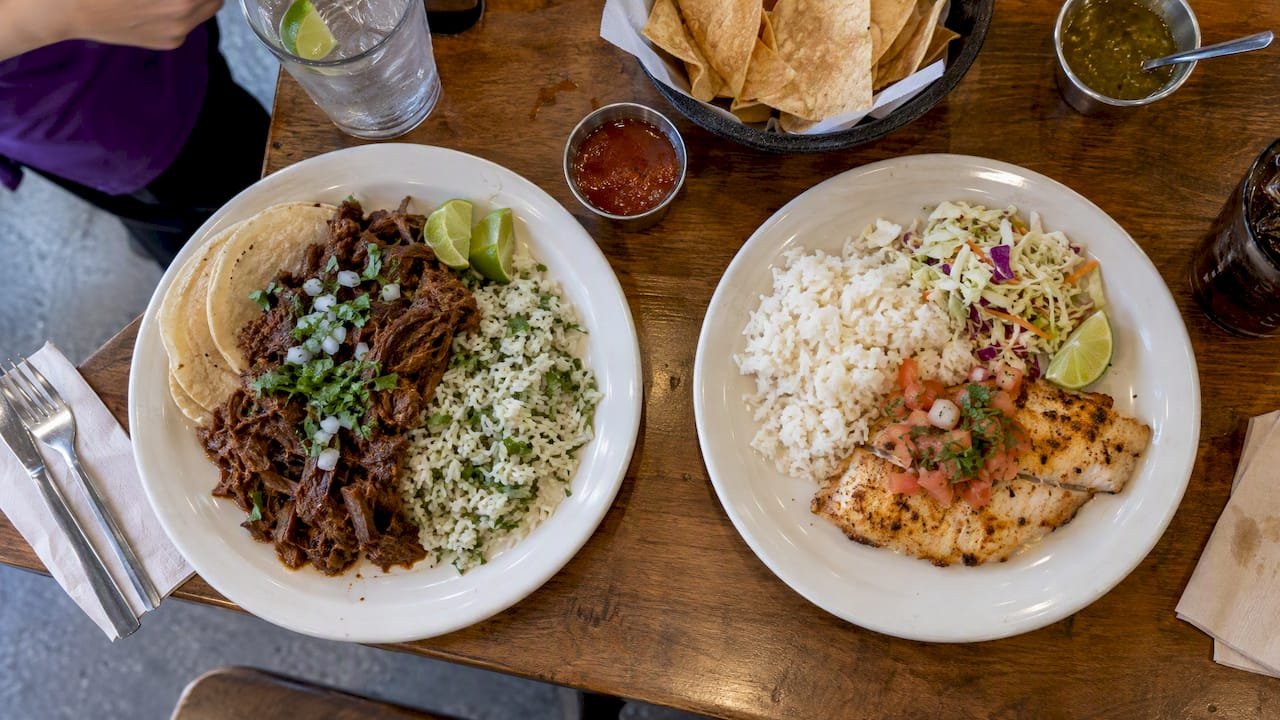
Barbacoa also works beautifully as a burrito filling, in a rice bowl, or alongside refried beans. For a complete guide to building tacos around it, the authentic taco checklist at Burritosplendido covers the full process. Leftover barbacoa reheats best with a splash of braising liquid in a covered pan over low heat. Avoid the microwave if you can. It dries the meat out quickly.
Key takeaways
Barbacoa is defined by its cooking method, not its meat: low heat, long time, and high-collagen cuts are the three non-negotiable elements of an authentic result.
| Point | Details |
|---|---|
| Cooking method defines barbacoa | Underground pit cooking with maguey leaves is the authentic standard; slow cookers approximate it. |
| Choose high-collagen cuts | Beef cheeks and chuck roast produce the shreddable, moist texture barbacoa requires. |
| Consommé is not optional | The dripping broth collected during cooking is a core part of the traditional serving experience. |
| Cultural roots run deep | Barbacoa traces to 14th-century Taíno traditions and remains a living community ritual in Mexico. |
| Barbacoa is not BBQ | Despite sharing a linguistic root, pit-cooked barbacoa and smoked American BBQ are distinct traditions. |
Why barbacoa deserves more respect than it gets
I have eaten a lot of barbacoa over the years, from street stalls in Pachuca to slow-cooker versions made in Canadian kitchens in January. The gap between the two is real, but it is not the gap most people focus on.
Most food writing about barbacoa fixates on the pit and the maguey leaves as if they are the whole story. They are not. The part that actually gets lost in modern adaptations is the consommé and the communal pace of the meal. Nobody rushes barbacoa in Mexico. You sip the broth, you wait for the meat, you eat with people you care about. That rhythm is as much a part of the dish as the cooking method.
What I find genuinely exciting is how well barbacoa translates to a Canadian kitchen when you respect the fundamentals. A good beef chuck roast, a proper braise, and a homemade consommé from the braising liquid will produce something worth being proud of. The texture and flavour are achievable. What you are really practising is patience, and that is a skill worth developing.
If you want to go deeper on the comparison between barbacoa and carnitas, the carnitas guide at Burritosplendido lays out the differences clearly. Both dishes reward the same slow, attentive approach.
— Austin
Bring authentic flavour to your next gathering with Burritosplendido
Barbacoa is a dish built for sharing, and Burritosplendido understands that better than most. Their shredded beef barbacoa is slow-cooked and hand-pulled in-house daily, following the same patient approach that defines the traditional method. If you are planning a family gathering, office lunch, or community event in Manitoba, their catering service brings that authentic flavour directly to your table without the overnight pit prep.
Every protein on the Burritosplendido menu is prepared from scratch using locally sourced Manitoba ingredients, including beef from regional farms and cheese from Bothwell Cheese. The result is a fast-casual experience that respects the cultural roots of the dishes it serves. Explore their fresh Manitoba menus to see what is available at locations across Winnipeg and Brandon.
FAQ
What is barbacoa made of?
Barbacoa is traditionally made from beef cheeks, lamb shoulder, or goat, slow-cooked in an earthen pit wrapped in maguey leaves. Home versions most commonly use beef chuck roast or beef cheeks braised in a slow cooker or Dutch oven.
Is barbacoa the same as pulled beef?
Barbacoa and pulled beef share a similar shredded texture, but barbacoa is defined by its specific cooking method, seasoning profile, and cultural origin. Pulled beef is a generic term; barbacoa is a distinct Mexican culinary tradition with Indigenous roots.
What is the difference between barbacoa and carnitas?
Barbacoa is slow-cooked beef (or lamb or goat) with earthy, savoury flavours, while carnitas is braised pork cooked in its own fat until tender and slightly crispy. Both use low-and-slow methods, but the meat, fat content, and flavour profiles are quite different.
How long does it take to make barbacoa at home?
Home barbacoa takes 4–8 hours of braising in a slow cooker or Dutch oven. Traditional pit barbacoa requires 8–12 hours of underground cooking, typically started the night before serving.
Why does barbacoa taste different at restaurants?
Most restaurants, including fast-casual chains, simplify barbacoa by skipping the pit cooking and consommé preparation. The result is flavourful but lacks the smoky, earthy depth and the full ritual of traditional preparation.