Gluten-free tortillas are defined as wheat-free flatbreads made from corn, rice, cassava, or other non-gluten grains, and they are a medical necessity for anyone with celiac disease or non-coeliac gluten sensitivity. For these individuals, a standard wheat tortilla is not simply an inconvenient food choice. It is a direct trigger for immune-mediated intestinal damage. Understanding why gluten-free tortillas matter starts with understanding what gluten actually does inside a sensitive body, and why replacing this one staple food can change the course of someone’s health.
Why gluten-free tortillas matter: the medical case
Celiac disease is a T-cell mediated autoimmune condition in which gluten ingestion causes the immune system to attack the lining of the small intestine. The result is damage to the villi, the tiny finger-like projections that absorb nutrients from food. When villi are flattened, the body cannot properly absorb iron, calcium, B vitamins, or fat-soluble vitamins. That malabsorption leads to fatigue, anaemia, bone loss, and a range of digestive symptoms that persist as long as gluten is consumed.

Strict gluten avoidance is the only effective treatment for celiac disease. There is no medication that neutralises the immune response. The intestinal lining can heal, but only when gluten is fully removed from the diet. Harvard Health confirms that symptoms persist as long as gluten is eaten, and that a strict gluten-free diet leads to intestinal healing and disease control over time.
Non-coeliac gluten sensitivity (NCGS) is a separate condition. People with NCGS do not have the same intestinal damage, but they experience real symptoms including bloating, brain fog, joint pain, and fatigue after consuming gluten. The mechanism is less understood, but the practical solution is identical: remove gluten from the diet consistently.
“Up to 40% of people with celiac disease have persistent symptoms due to inadvertent gluten exposure, even when they believe they are following a gluten-free diet.”
This statistic matters because it shows that intention alone is not enough. The foods you eat every day, including tortillas, must be reliably free of gluten. A tortilla is not a once-a-week indulgence. For many people, it is a daily vehicle for meals. Getting it wrong repeatedly means the intestine never fully heals.
- Celiac disease causes immune-mediated destruction of intestinal villi
- Nutrient malabsorption leads to anaemia, fatigue, and bone density loss
- Intestinal healing takes months to years after gluten is fully removed
- NCGS causes real symptoms without the same structural intestinal damage
- Both conditions require consistent, strict gluten avoidance as the primary management strategy
How do gluten-free labels and certifications actually work?
The FDA defines gluten-free as containing less than 20 parts per million (ppm) of gluten. This threshold is the international standard used by Health Canada as well. The 20 ppm level is considered the lowest amount reliably detectable by current testing methods, and research supports it as safe for most people with celiac disease.
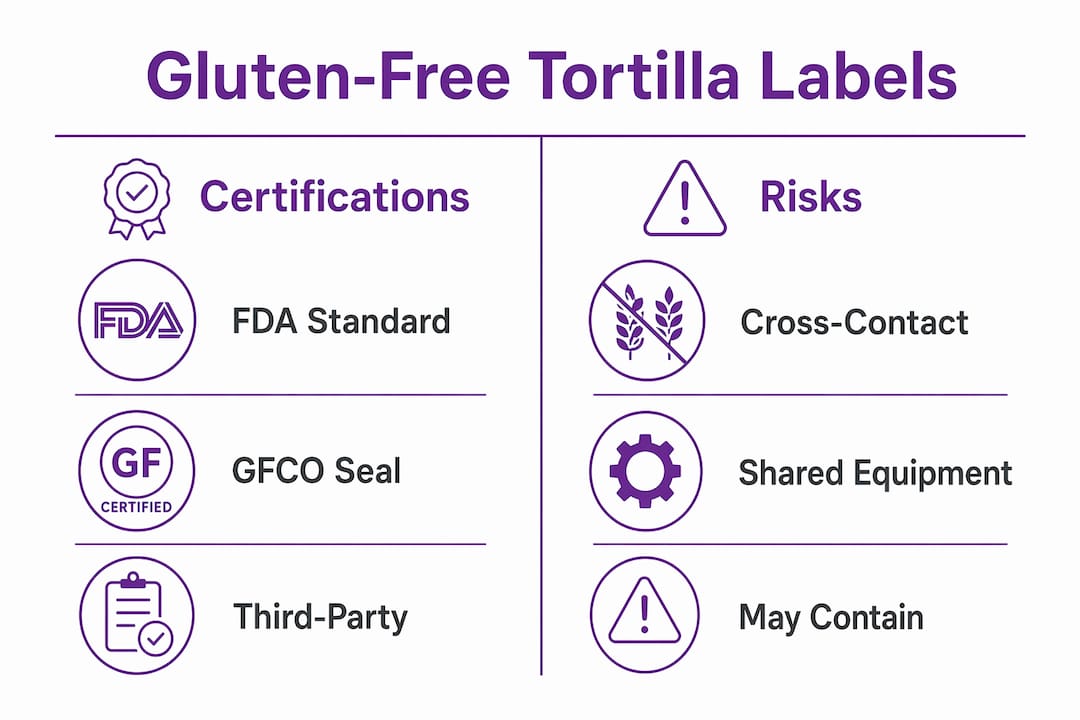
The problem is that naturally gluten-free ingredients can fail this standard through cross-contact. Corn, rice, and cassava contain no gluten on their own. But if they are processed on shared equipment with wheat, barley, or rye, the finished product can exceed 20 ppm. This is why the ingredient list alone does not tell the full story.
There are three distinct label categories you will encounter on tortilla packaging:
- “Gluten-free” claim: The product meets the FDA or Health Canada threshold of less than 20 ppm. This is a regulatory claim, but it does not require third-party verification or facility audits.
- “May contain gluten” advisory: This signals a cross-contact risk from shared equipment or facilities. The absence of this label does not guarantee safety. Many manufacturers simply do not include it even when risk exists.
- Certified gluten-free seal (e.g., GFCO): The Gluten-Free Certification Organisation requires products to test below 10 ppm and undergo facility audits. This is the most reliable assurance available to consumers.
The FDA is actively reviewing gluten labelling and cross-contact disclosure standards in 2026, which reflects ongoing concern that current labels do not give consumers enough information to make safe choices. Until those standards are updated, the GFCO seal or equivalent third-party certification is the strongest signal of safety.
Pro Tip: When buying tortillas, look for the GFCO seal or a similar third-party certification rather than relying solely on a “gluten-free” claim on the front of the package. The certification requires stricter testing and facility oversight.
Even corn-based tortillas carry cross-contact risks if they are produced in facilities that also handle wheat. Shared equipment and additives are the leading cause of ongoing symptoms in people who believe they are eating gluten-free. Choosing certified products closes that gap.
Are gluten-free tortillas widely available and affordable?
Access to gluten-free tortillas is a genuine barrier for many Canadians. A 2026 study on gluten-free food availability found an average of only 7.6 gluten-free food products per store in UK supermarkets, down from previous years, and gluten-free items consistently cost more than their conventional equivalents. While the Canadian market differs in some respects, the pattern of limited selection and higher prices is familiar to anyone who shops for gluten-free staples here.
| Factor | Conventional Tortillas | Gluten-Free Tortillas |
|---|---|---|
| Average retail price | Lower | Higher (often 30–60% more) |
| Availability in stores | Widely stocked | Limited, varies by retailer |
| Ingredient variety | Primarily wheat flour | Corn, rice, cassava, almond flour |
| Certification options | Not applicable | GFCO and other third-party seals available |
| Shelf life | Moderate | Often shorter without preservatives |
Gluten-free tortillas are not a niche product for people who want to eat differently. They are a foundational food in a gluten-free diet, replacing one of the most common vehicles for meals across Mexican-inspired, Tex-Mex, and everyday Canadian cooking. Removing wheat tortillas without a reliable substitute makes the diet harder to sustain long-term.
In Canada, corn tortillas from brands like La Cocina are a practical and authentic option. Burritosplendido sources its gluten-free corn tortillas from La Cocina specifically for its street-style tacos, which gives diners a safe and flavourful option without compromising on quality. For home cooks, larger grocery chains like Loblaws and Sobeys carry certified gluten-free tortilla options, though selection varies significantly by location.
Pro Tip: Buy gluten-free tortillas in bulk when you find a certified brand you trust, and store extras in the freezer. Most corn and rice-based tortillas freeze well and thaw quickly, which reduces both cost and the frustration of running out.
How do you choose and use gluten-free tortillas safely?
Selecting the right tortilla is only half the work. Safe preparation and handling at home and when dining out are equally important. Cross-contamination risk exists at every stage from manufacturing to the plate, and a single lapse can trigger symptoms or delay intestinal healing.
Here is what to check and do consistently:
- Read the full ingredient list, not just the front-of-package claim. Look for wheat, barley, rye, malt, and any derivatives listed under “may contain” advisories.
- Prioritise certified products. The GFCO seal requires testing below 10 ppm and facility audits. This is a stronger guarantee than a regulatory claim alone.
- Use dedicated kitchen tools at home. A toaster, cutting board, or pan that has been used with wheat products can transfer enough gluten to cause a reaction. Keep separate utensils for gluten-free cooking.
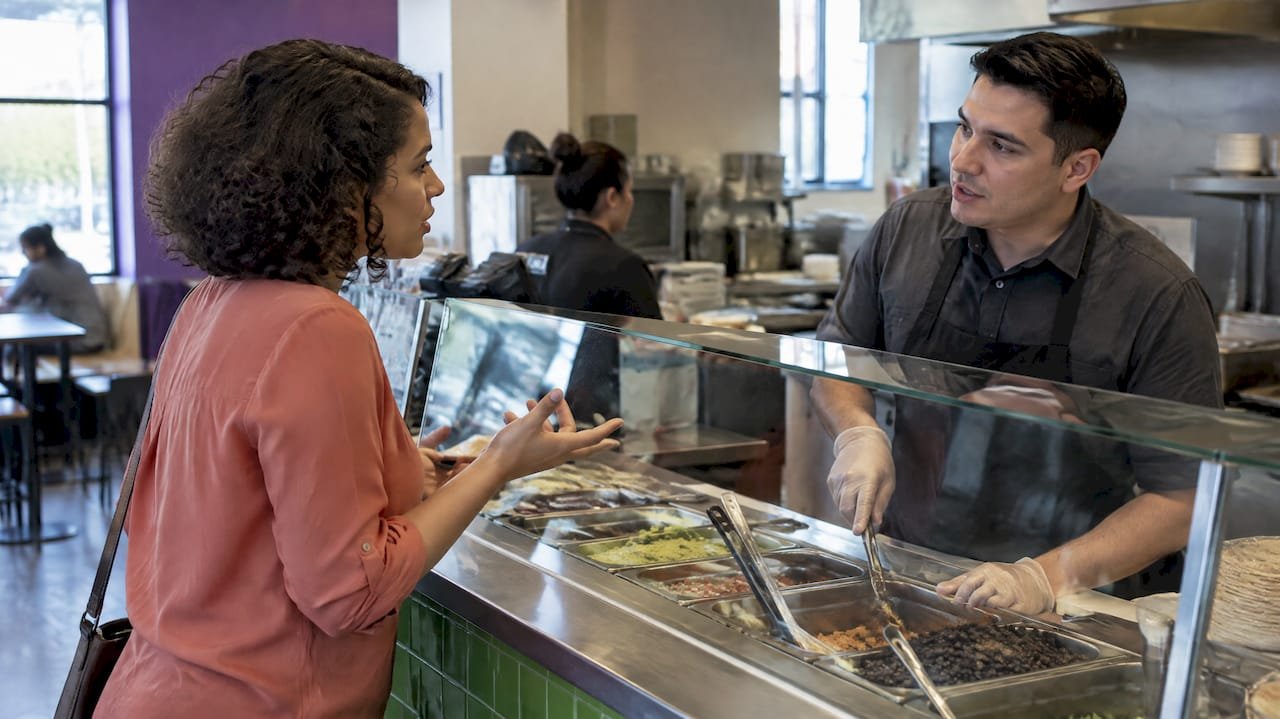
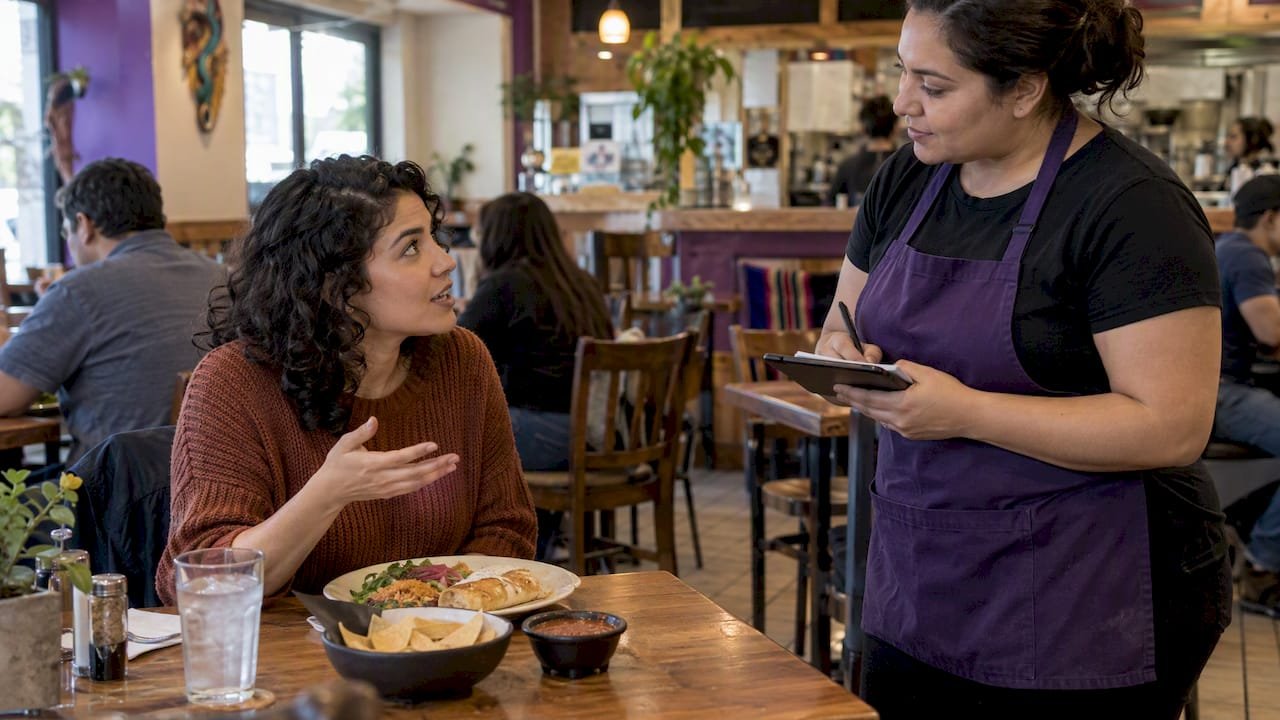
- Ask specific questions when dining out. Ask whether gluten-free tortillas are stored separately, whether they are heated on shared surfaces, and whether staff are trained in allergen handling. Restaurants with formal allergen protocols, like Burritosplendido, are the safest choice.
- Store tortillas properly. Keep them sealed in their original packaging or an airtight container, away from any wheat-containing products in your pantry or fridge.
- Check for freshness indicators. Gluten-free tortillas without preservatives can go stale or develop mould faster than conventional ones. Check best-before dates and refrigerate after opening.
When dining out, the importance of staff training and kitchen procedures cannot be overstated. Restaurants must maintain strict allergen control systems to keep gluten-free options genuinely safe. A tortilla labelled gluten-free on a menu means nothing if it is warmed on the same grill as a wheat wrap.
Key takeaways
Gluten-free tortillas are a medical necessity for people with celiac disease or gluten sensitivity, and choosing certified products with proper handling is the only reliable way to prevent ongoing intestinal damage.
| Point | Details |
|---|---|
| Medical necessity | Celiac disease requires strict gluten avoidance; tortillas are a daily staple that must be reliably safe. |
| Certification over claims | GFCO-certified products test below 10 ppm and undergo audits, making them safer than label claims alone. |
| Cross-contact is the hidden risk | Corn and rice tortillas can still contain gluten from shared equipment; always verify manufacturing practices. |
| Availability and cost barriers | Gluten-free tortillas cost more and are less widely stocked, making bulk buying and trusted brands a practical strategy. |
| Safe handling matters equally | Dedicated kitchen tools, proper storage, and informed restaurant choices are as important as the product itself. |
The part most people overlook about gluten-free eating
I have spoken with a lot of people who have been diagnosed with celiac disease and made the switch to gluten-free tortillas, only to find their symptoms persisting months later. In almost every case, the culprit was not the tortilla brand they chose. It was everything around it. The shared toaster. The communal cutting board. The restaurant that used a gluten-free tortilla but warmed it on the same flat-top as a wheat wrap.
The medical literature confirms this pattern. Intestinal healing takes months to years, and repeated small exposures from staple foods reset that clock. People often blame their diagnosis or their sensitivity level when the real issue is a gap in their handling practices.
What I find genuinely encouraging is how the food industry is starting to catch up. The FDA’s 2026 labelling review signals that regulators recognise the current system is not transparent enough. Third-party certification bodies like GFCO have been ahead of this curve for years. Consumers who know to look for those seals are already better protected.
There is also something worth saying about the cultural dimension of this. Tortillas are not just a food delivery mechanism. They are central to Mexican cuisine, to family meals, to the experience of eating something that feels complete and satisfying. For someone with celiac disease, finding a gluten-free tortilla that actually tastes good and holds together is not a minor convenience. It is the difference between feeling included in a meal and feeling like an afterthought. That matters, and the role tortillas play in food culture is a real part of why getting this right is worth the effort.
— Austin
Gluten-free dining done right at Burritosplendido
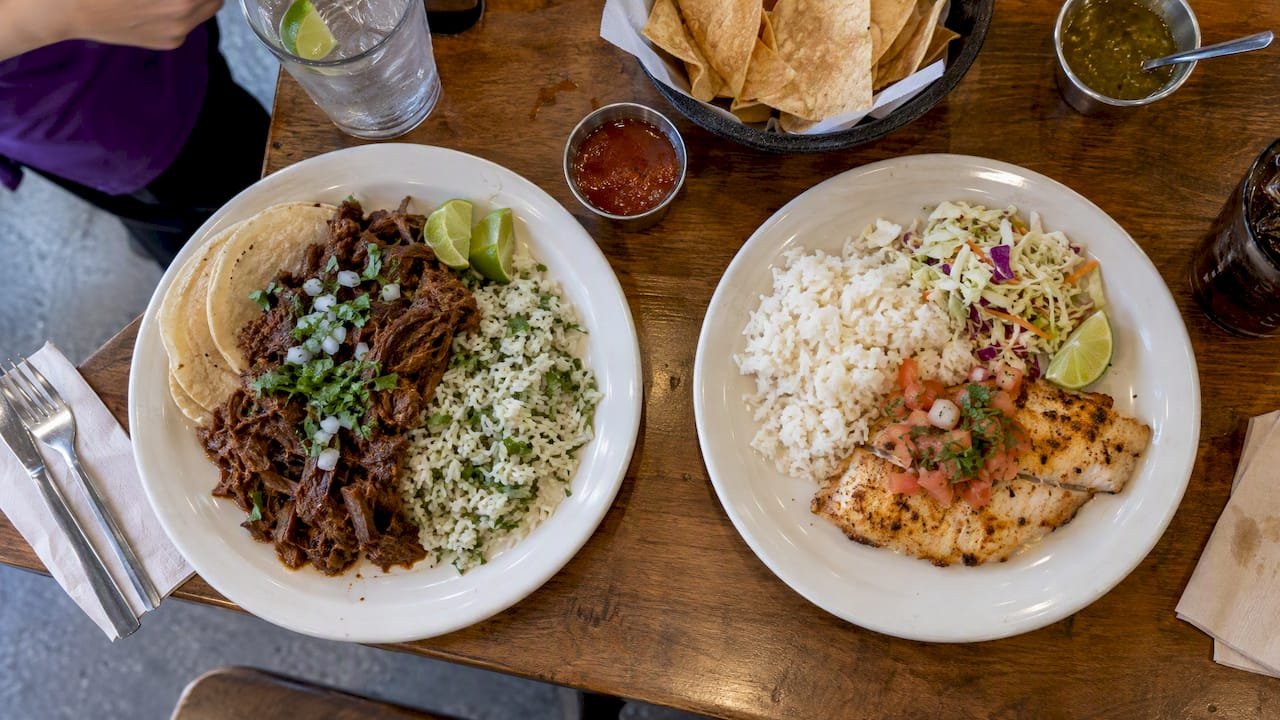
Burritosplendido was built on the principle of doing the right thing, and that extends directly to how it handles gluten-free dining. The menu includes gluten-free soft corn tacos sourced from La Cocina, and staff are trained to manage allergen concerns and cross-contamination with care. Every item is prepared fresh daily in a deep-fryer-free kitchen, which removes one common source of cross-contact found in many fast-casual restaurants.
Whether you are planning a group event or looking for a reliable gluten-free meal in Winnipeg or Brandon, Burritosplendido offers customisable options that work for gluten-sensitive diners without compromise. The gluten-free catering service is designed to accommodate dietary needs at scale, with the same commitment to fresh, locally sourced ingredients that defines every location. Explore the full gluten-free menu options to see what is available and how each dish is prepared.
FAQ
What makes a tortilla truly gluten-free?
A tortilla is considered gluten-free when it contains less than 20 ppm of gluten, as defined by the FDA and Health Canada. Products with third-party certification from organisations like GFCO meet an even stricter standard of below 10 ppm, with facility audits to verify manufacturing practices.
Can corn tortillas contain gluten?
Yes. Corn is naturally gluten-free, but corn tortillas can contain gluten through cross-contact during processing on shared equipment with wheat products. Always check for a certified gluten-free seal rather than assuming corn-based products are automatically safe.
How long does it take to heal after switching to gluten-free tortillas?
Intestinal healing from celiac disease takes months to years after gluten is fully removed from the diet. Repeated small exposures from cross-contact in staple foods like tortillas can significantly delay that recovery.
Is a “may contain gluten” label a dealbreaker?
For people with celiac disease, yes. A “may contain gluten” advisory signals a real cross-contact risk during manufacturing. The absence of this label does not guarantee safety, which is why certified gluten-free products offer stronger protection.
Where can i find reliable gluten-free tortillas in canada?
Certified gluten-free corn tortillas are available at major Canadian grocery chains including Loblaws and Sobeys, though selection varies by location. La Cocina corn tortillas are one trusted option used by Burritosplendido for its gluten-free taco menu in Manitoba.