Yes, tacos can be excellent performance meals — provided you build them right. The tortilla gives you fast-acting carbohydrates, a solid protein portion drives muscle repair, and the right toppings add micronutrients that most athletes are quietly short on.
Three things to get right from the start:
- Protein source: Grilled chicken, lean beef, whitefish, shrimp, or a tofu-and-bean combination all clear the 20–40 g per meal threshold that supports muscle protein synthesis.
- Tortilla choice: Corn tortillas for lighter, gluten-free fuelling; flour tortillas when you need more carbohydrate volume around a long session.
- Timing: Eat a carb-forward taco 1–3 hours before training; prioritise a protein-and-carb taco within 60 minutes after.
The sections below cover three ready-to-make recipes with full macros, how to build the ideal athlete taco, meal timing targets backed by peer-reviewed research, and a batch-cook plan you can run on a Sunday afternoon.
Key takeaways
Tacos built from a quality protein, a carbohydrate base, and nutrient-rich toppings are genuinely effective performance meals when timed correctly around training.
| Point | Details |
|---|---|
| Protein target per meal | Aim for 20–40 g of high-quality protein per taco meal to support muscle protein synthesis. |
| Timing matters | Eat carb-forward tacos 1–3 hours pre-workout; prioritise protein-and-carb tacos within 60 minutes post-session. |
| Tortilla choice | Corn tortillas suit lighter recovery meals and gluten-free needs; flour tortillas deliver more carbohydrates for high-volume training days. |
| Micronutrients count | Beans, avocado, and lean meats supply iron, magnesium, zinc, and potassium that directly affect training performance. |
| Burritosplendido option | Manitoba athletes can order or cater athlete-friendly tacos and bowls from Burritosplendido’s from-scratch, deep-fryer-free kitchen. |
For personalised nutrition planning based on your sport and training load, consult a registered sport dietitian.
Table of Contents
- 1. Three high-protein taco recipes built for training and recovery
- 2. How to make your tacos high in protein
- 3. When to eat tacos around training: timing and targets
- 4. How to build the ideal athlete taco: tortillas, toppings, and sauces
- 5. Batch-cooking tacos for a busy training week
- 6. Sample one-day training meal plan with tacos
- 7. The science behind protein and carbohydrate targets for athletes
- 8. How Burritosplendido supports athletes in Manitoba
- 9. Snack-sized tacos for during-event fuelling and quick energy boosts
- 10. Micronutrients in taco ingredients that directly affect performance
- The part most athlete nutrition advice gets wrong
- Burritosplendido: fresh, local tacos for Manitoba athletes and teams
- Sources
1. Three high-protein taco recipes built for training and recovery
Sport-dietitian guidance frames every performance taco around three parts: a carbohydrate base, a focused protein portion, and micronutrient-rich toppings. These three recipes follow that structure and are designed to be batch-cooked.
Recipe 1: Sheet-pan whitefish tacos
Why it suits athletes: Whitefish (pickerel works perfectly) is low in saturated fat, high in complete protein, and cooks in under 15 minutes on a sheet pan — no standing over a stove required.
Ingredients (2 servings):
- 300 g whitefish fillets (pickerel or cod)
- 4 small corn tortillas
- 1 cup shredded purple cabbage
- ½ avocado, sliced
- 2 tbsp plain Greek yoghurt
- Lime juice, cumin, smoked paprika, salt
Method: Season fish, bake at 425°F for 12–14 minutes. Warm tortillas. Assemble with cabbage, avocado, and a Greek yoghurt drizzle.
Prep time: 5 min | Cook time: 14 min | Servings: 2
Batch-cook note: Season and bake 600–800 g of fish at once. Refrigerate cooked fillets for up to 3 days; reheat in a dry pan for 2 minutes.
Recipe 2: Lean beef and black bean tacos
Why it suits athletes: Lean ground beef combined with black beans reaches roughly 38 g of protein per serving in 15 minutes, making it one of the fastest high-protein taco options available.
Ingredients (2 servings):
- 200 g extra-lean ground beef (90%+)
- ½ cup canned black beans, rinsed
- 4 small flour tortillas
- Fresh pico de gallo (tomato, onion, cilantro, lime)
- Cumin, chili powder, garlic powder
Method: Brown beef in a skillet, drain fat, add beans and spices, cook 3 minutes. Serve in tortillas with pico.
Prep time: 5 min | Cook time: 10 min | Servings: 2
Batch-cook note: Double the beef-and-bean mixture and refrigerate for up to 4 days. Freezes well for up to 3 months.
Recipe 3: Tofu, tempeh, and bean vegan tacos
Why it suits athletes: Combining tofu with tempeh and legumes creates a complete amino-acid profile from plant sources alone, with fibre that supports gut health during heavy training blocks.
Ingredients (2 servings):
- 150 g firm tofu, crumbled
- 100 g tempeh, crumbled
- ½ cup pinto beans
- 4 small corn tortillas
- Salsa verde, shredded lettuce, lime
Method: Sauté tofu and tempeh with spices for 6–8 minutes. Add beans, warm through. Assemble with salsa verde and lettuce.
Prep time: 8 min | Cook time: 10 min | Servings: 2
Batch-cook note: The tofu-tempeh mixture keeps refrigerated for 3 days. Prep a double batch and portion into containers.
Pro Tip: For the vegan recipe, add 2 tbsp of hemp seeds to each serving — they contribute roughly 10 g of additional complete protein with minimal volume.
2. How to make your tacos high in protein
The protein source and portion size determine whether a taco actually supports muscle repair or just tastes good. Here is a practical breakdown of the best options and what a realistic athlete portion looks like.
High-quality protein sources for athlete tacos:
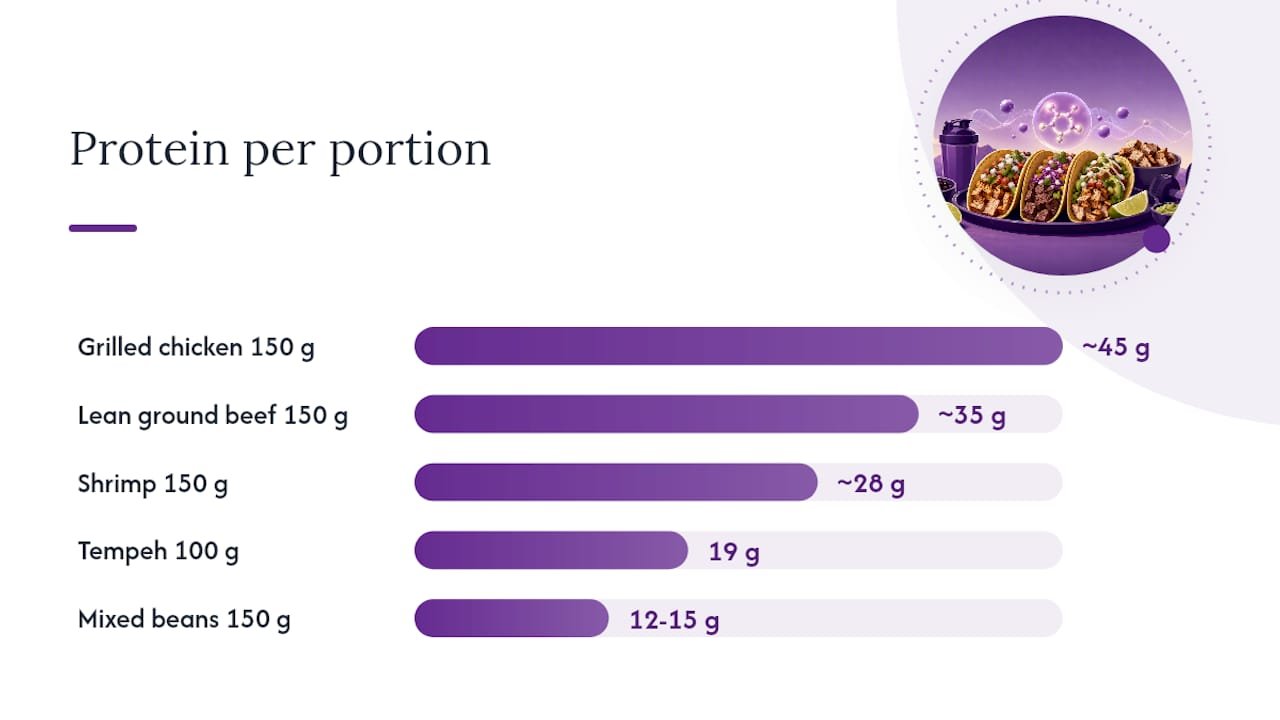
- Grilled chicken breast: 150 g cooked = ~45 g protein; lean, versatile, pairs with almost any topping
- Lean ground beef (90%+): 150 g cooked = ~35 g protein; rich in creatine and zinc
- Manitoba whitefish/pickerel: 150 g cooked = ~32 g protein; low fat, excellent for lighter recovery meals
- Shrimp: 150 g cooked = ~28 g protein; fast-cooking, omega-3 content supports inflammation management
- Turkey mince: 150 g cooked = ~34 g protein; lower in saturated fat than regular beef
- Pork carnitas (braised): 120 g cooked = ~28 g protein; slow-cooked for digestibility
- Firm tofu: 150 g = ~18 g protein; best combined with legumes for a complete profile
- Tempeh: 100 g = ~19 g protein; fermented, so it is easier on digestion than raw soy
- Mixed beans (black, pinto, kidney): 150 g cooked = ~12–15 g protein; excellent fibre and iron source
For a full overview of authentic Mexican protein options, the range goes well beyond ground beef.
Research on protein distribution across meals shows that spreading protein intake evenly across three to four meals supports muscle mass retention better than front-loading or back-loading. Practically, that means targeting 25–40 g of protein per taco meal rather than eating 60 g at dinner and very little at lunch.
Pro Tip: When using plant proteins, pair tofu or beans with a grain-based tortilla to cover all nine essential amino acids. Adding Greek yoghurt as a topping instead of sour cream adds another 6–8 g of protein per 60 g serving with almost no extra fat.
3. When to eat tacos around training: timing and targets
Meal timing is where most athletes leave performance on the table. Tacos are flexible enough to serve both windows, but the composition shifts depending on which side of a session you are on.
Pre-workout (1–3 hours before training):
- Target 1–4 g of carbohydrate per kilogram of body weight, with moderate protein (20–25 g)
- Prioritise easily digestible carbs: corn tortillas, rice, or a flour tortilla without heavy fat additions
- Keep fat and fibre lower to speed gastric emptying — skip the extra guacamole and heavy cheese here
- A two-taco serving with grilled chicken, salsa, and corn tortillas fits this window well
Post-workout (within 60 minutes):
- Target 20–40 g of high-quality protein to stimulate muscle protein synthesis
- Pair with carbohydrates: combining protein with carbohydrates after training improves glycogen restoration compared with protein alone
- A high-protein taco bowl delivering around 48 g of protein and balanced complex carbohydrates fits this recovery window well
- Athletes with higher training volumes benefit from tailored carbohydrate intake around high-intensity sessions to support both performance and recovery
Statistic: Peer-reviewed trials confirm that 20–40 g of high-quality protein after resistance exercise increases muscle protein synthesis compared with lower doses — a two-taco serving with a solid protein filling clears this threshold comfortably.
Hydration note: Taco meals with salsa, pickled jalapeños, or added salt can contribute meaningful sodium, which supports fluid retention after sweating. Pair any post-workout taco meal with at least 500 mL of water, and more if the session exceeded 90 minutes.
4. How to build the ideal athlete taco: tortillas, toppings, and sauces
The tortilla is not just a wrapper — it is the carbohydrate foundation of the meal. The toppings determine whether you are adding micronutrients or empty calories.
Corn vs. flour tortillas:
Corn tortillas are naturally gluten-free, lower in calories (roughly 50–60 kcal each), and have a slightly lower glycaemic response than flour. They suit lighter recovery meals and athletes managing body composition. Flour tortillas carry more carbohydrates per shell (roughly 120–140 kcal for a medium size), which makes them the better choice when you need higher carbohydrate volume around a long training session or competition day.
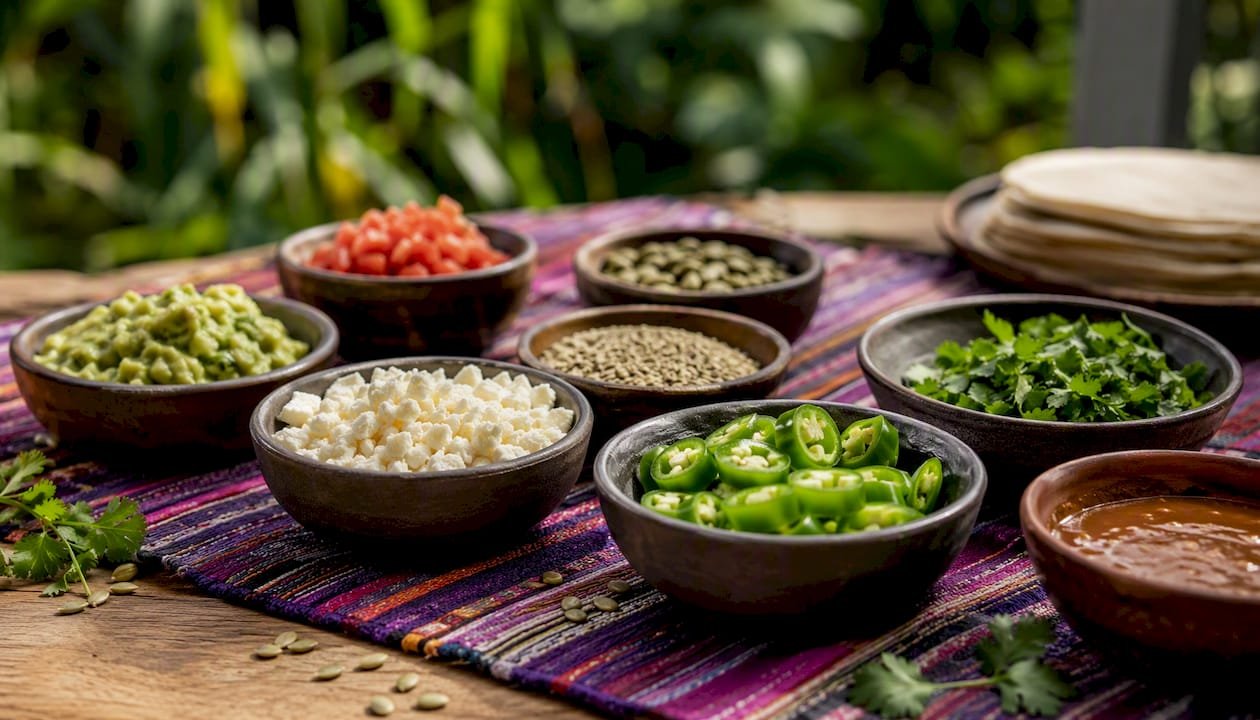
Athlete-focused toppings checklist:
- Avocado or guacamole: monounsaturated fats that support joint health; limit to ¼ avocado pre-workout to keep fat low
- Black or pinto beans: add plant protein, iron, and fibre; 60 g adds roughly 5–7 g of protein
- Shredded cabbage or romaine: volume, vitamin K, and crunch with almost no calories
- Fresh salsa (pico de gallo): lycopene from tomatoes, vitamin C, and almost zero added sugar
- Greek yoghurt: replaces sour cream with a protein boost; 60 g adds 6–8 g of protein
- Pickled jalapeños or onions: probiotics from fermentation, plus capsaicin has some evidence for reducing muscle soreness
- Lime juice: vitamin C aids non-haem iron absorption from beans and plant proteins
Sauce guidance: Most commercial hot sauces are low in sugar and sodium-reasonable in small amounts. Avoid creamy chipotle sauces with added sugar or oil as a primary sauce. A simple blended salsa verde or fresh pico keeps sodium controlled and adds antioxidants.
For a step-by-step approach to assembling perfect tacos with local flavours, the technique matters as much as the ingredients.
Pro Tip: Swap cheese for a small portion of Bothwell-style aged cheese if you want flavour with less volume — aged cheeses pack more taste per gram, so you use less while still satisfying the craving.
5. Batch-cooking tacos for a busy training week
Two hours on a Sunday afternoon can cover five days of taco meals. The key is cooking proteins and bases in bulk, then storing components separately so nothing goes soggy.
Week-ahead batch-cook checklist:
- Cook 600–800 g of your primary protein (chicken, beef, or tofu-tempeh mixture)
- Prepare 2 cups of cooked brown rice or cauliflower rice
- Cook a full pot of black or pinto beans from dried, or drain and rinse three cans
- Chop cabbage, peppers, and onion; store in airtight containers
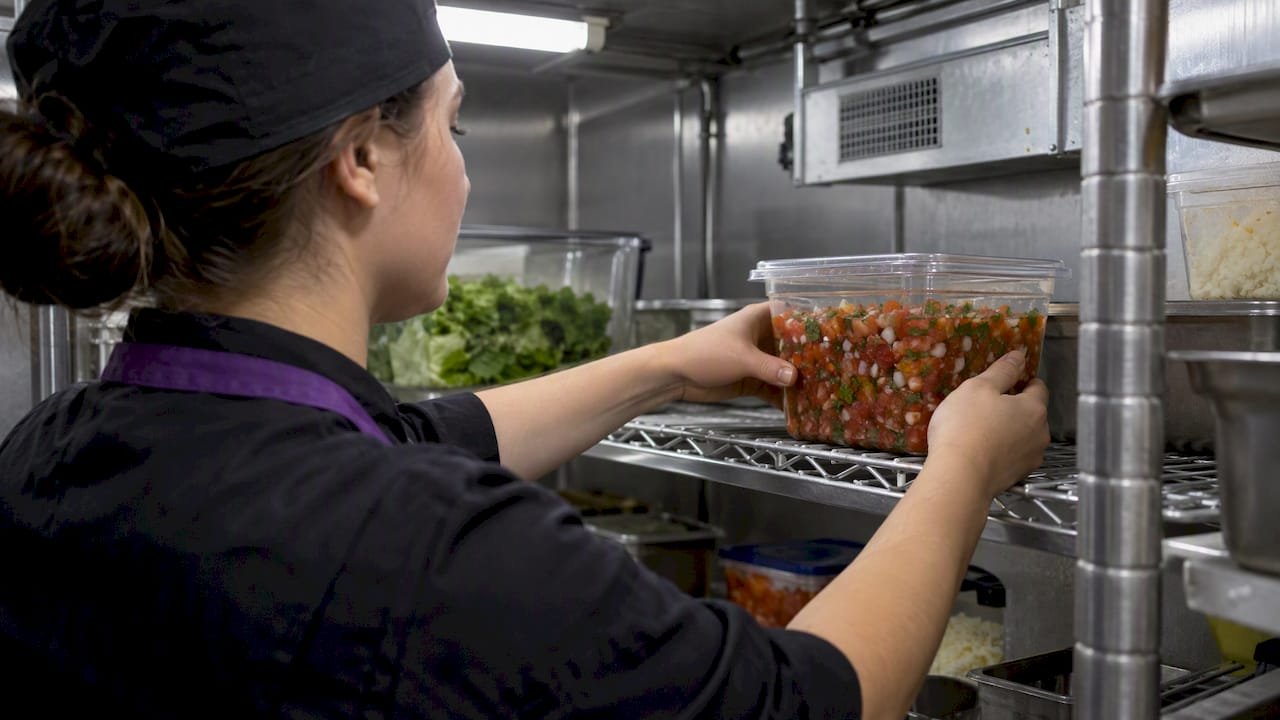
- Make a large batch of fresh salsa or salsa verde; refrigerate in a sealed jar
- Portion Greek yoghurt into small containers (60 g each)
- Keep tortillas sealed at room temperature or freeze a stack for later in the week
Example Sunday prep schedule:
- 0:00 Start beans on the stove (or use canned — no shame in it)
- 0:10 Season and start cooking chicken or beef
- 0:25 Cook rice
- 0:40 Chop vegetables while proteins finish
- 1:00 Portion proteins into 150 g servings in containers
- 1:15 Make salsa, portion yoghurt, label everything with dates
- 1:30 Done
Food-safety storage: Cooked proteins keep safely in the refrigerator for 3–4 days. Beans and rice keep for 4–5 days. For anything beyond that, freeze in portioned bags and thaw overnight. Never leave cooked protein at room temperature for more than 2 hours.
For a meal prep workflow for burrito bowls that adapts easily to tacos, the same container-and-component system applies.
6. Sample one-day training meal plan with tacos
This plan is built around a mid-morning training session. Adjust portion sizes up or down based on your body weight and training load.
Notes for adjusting by training load:
- On high-volume days (2+ hours of training), add a serving of rice to the post-workout bowl and increase the dinner tortilla count to three.
- On rest days, reduce the afternoon snack or swap it for a single taco with extra vegetables.
- Athletes over 80 kg will likely need to scale protein portions by 10–20% to meet a 1.6–2.2 g/kg daily target.
7. The science behind protein and carbohydrate targets for athletes
The numeric targets used throughout this article are not arbitrary. They come from a consistent body of peer-reviewed evidence.
Key evidence points:
- Consuming 20–40 g of high-quality protein after resistance exercise stimulates muscle protein synthesis more effectively than lower doses — the upper end of that range is relevant for larger athletes or those in a caloric deficit.
- Protein distribution across meals matters: spreading intake evenly across three to four meals supports muscle mass retention better than concentrating it in one or two sittings.
- Combining protein with carbohydrates post-training improves glycogen restoration compared with protein alone, which is why the post-workout taco bowl includes both rice and a solid protein portion.
- Evidence reviews confirm that athletes benefit from tailored carbohydrate intake around high-intensity sessions to support both performance and recovery.
Statistic: A well-constructed taco bowl can deliver around 48 g of protein alongside complex carbohydrates, meeting the upper end of the post-workout protein target in a single meal.
These targets apply to most recreational and competitive athletes. For personalised recommendations based on your sport, body composition goals, and training phase, consult a registered sport dietitian.
8. How Burritosplendido supports athletes in Manitoba
Burritosplendido operates a from-scratch kitchen across multiple Winnipeg and Brandon locations, and the menu is built around the kind of transparency athletes actually need.
What makes it relevant for athletes:
- Deep-fryer-free kitchen: proteins are slow-cooked, braised, or grilled, not fried
- Manitoba-sourced ingredients: poultry from Granny’s Chicken, pork from local farms, cheese from Bothwell Cheese, and produce from Peak of the Market
- Gluten-free soft corn tortillas (from La Cocina) available for athletes with coeliac disease or gluten sensitivity
- Extensive options for gluten-free, vegan, keto, and paleo eating patterns
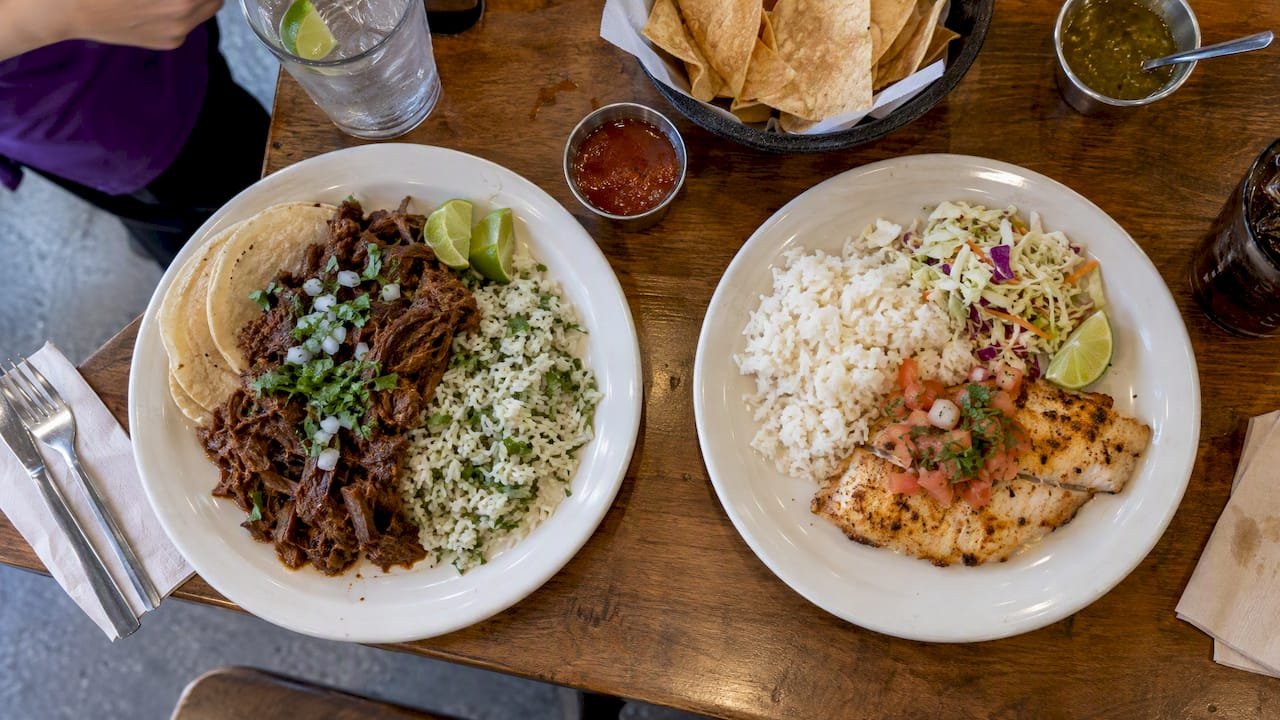
- Slow-cooked proteins including Adobo Chicken, Carnitas, and Barbacoa — all hand-pulled in-house
- Seasonal Manitoba Whitefish/Pickerel tacos, a lean, local protein option
- Build-your-own bowls and street-style tacos let you control macros at the counter
- Catering available for teams, training camps, and group events
For athletes who need to order around specific dietary needs, the staff are trained on cross-contamination protocols. The CANEX Mall location at CFB Shilo also serves the Canadian Armed Forces community directly.
9. Snack-sized tacos for during-event fuelling and quick energy boosts
Not every taco needs to be a full meal. During multi-hour events, tournaments, or between-session gaps, a smaller taco portion can top up glycogen without causing digestive discomfort.
Portioning for snack-sized fuelling:
- Use one small corn tortilla (50–60 kcal) rather than two
- Fill with a simple, low-fat protein: shrimp, grilled chicken strips, or a small scoop of beans
- Skip heavy toppings like guacamole or cheese during events; stick to salsa and a squeeze of lime
- Target 15–20 g of carbohydrates and 10–15 g of protein per snack taco
A single shrimp-and-black-bean corn taco hits roughly 180–200 kcal, 14 g of protein, and 22 g of carbohydrates — a clean energy top-up that digests quickly. Shrimp tacos with black beans are a well-established light recovery option used in field sports precisely because the combination of lean protein, omega-3s, and plant fibre is easy on the stomach.
For athletes travelling to competitions, maintaining consistent nutrition away from home is its own challenge. Practical meal planning for travel can help you keep taco-based meals in rotation even on the road.
10. Micronutrients in taco ingredients that directly affect performance
Protein and carbohydrates get most of the attention, but the micronutrient density of a well-built taco is genuinely impressive.
Iron: Black beans, pinto beans, and lean beef are all meaningful sources of dietary iron. Iron is central to oxygen transport via haemoglobin — low iron is one of the most common performance-limiting deficiencies in endurance athletes, particularly women. Pairing beans with fresh salsa (vitamin C from tomatoes and lime) increases non-haem iron absorption significantly.
Magnesium: Black beans, pumpkin seeds (an easy topping addition), and whole-grain or corn tortillas all contribute magnesium. Magnesium supports muscle contraction, nerve function, and sleep quality — all of which degrade under heavy training loads. Athletes who sweat heavily lose magnesium through perspiration, making dietary replenishment through food rather than supplements the more sustainable approach.
Zinc: Lean beef and shrimp are among the best dietary sources of zinc, which plays a direct role in immune function and protein synthesis. Athletes in contact sports or those training through winter months benefit from keeping zinc intake consistent.
Potassium: Avocado, black beans, and fresh tomato salsa all contribute potassium, which regulates fluid balance and muscle contraction. A taco with guacamole and beans can deliver a meaningful portion of the daily target without any supplementation.
Vitamin B12: Animal proteins in tacos (beef, chicken, shrimp, fish) supply B12, which is critical for red blood cell production and neurological function. Vegan athletes building plant-based tacos should consider a B12 supplement separately, as no plant food reliably provides it in adequate amounts.
The part most athlete nutrition advice gets wrong
The standard advice on performance eating treats food as a delivery mechanism for macros. Hit your protein number, hit your carb number, done. Tacos get dismissed in that framework because they look like “junk food” — which is a category error, not a nutritional assessment.
What actually matters is the composition of the meal, not its cultural origin. A corn tortilla with grilled pickerel, black beans, cabbage, and salsa verde is a more nutrient-dense meal than a plain chicken breast with white rice. The taco format forces variety: you stack protein, fibre, healthy fat, and multiple vegetables into a single hand-held meal. That variety is where the micronutrient density comes from.
The second mistake is obsessing over the post-workout window while ignoring pre-workout nutrition entirely. The research on protein timing is real, but the pre-session meal sets the ceiling for how hard you can train. A light, carb-forward taco two hours before a session often produces a better training output than the most optimised recovery shake afterward.
The third, and most overlooked, point: meal prep compliance beats perfect macros every time. A taco you actually eat on Tuesday after a hard session beats a theoretically optimal meal you did not prepare. The batch-cook system in this article exists because consistency is the variable that compounds over a training season, not any single meal.
Burritosplendido: fresh, local tacos for Manitoba athletes and teams
Training hard in Manitoba and eating well should not be mutually exclusive. Burritosplendido’s from-scratch kitchen across Winnipeg and Brandon builds every taco and bowl from locally sourced ingredients daily, with no deep fryer in sight.
For athletes, the practical advantages are real: slow-cooked proteins like Adobo Chicken and Carnitas, gluten-free corn tortilla options, build-your-own bowls that let you control your macros at the counter, and a menu that covers vegan, keto, and paleo needs without a separate menu or special request. Manitoba Whitefish/Pickerel tacos are a seasonal standout for anyone prioritising lean protein and local sourcing.
Teams and training groups can take advantage of Burritosplendido’s catering service for post-practice meals, competition-day fuelling, or group events. Browse the full menu and place an order online at any Winnipeg or Brandon location.
This article is general information, not a substitute for advice from a qualified doctor. Consult a qualified healthcare professional about your own circumstances before acting on anything here.
Sources
- Pubmed
- Pubmed
- Pubmed
- Taco like a pro: Build performance tacos for Cinco de Mayo – Amy Goodson RD
- High-Protein Taco Bowl for Athletes – The Triathlete
- Mexican Tacos | 38g Protein in 15 Minutes — FitChef