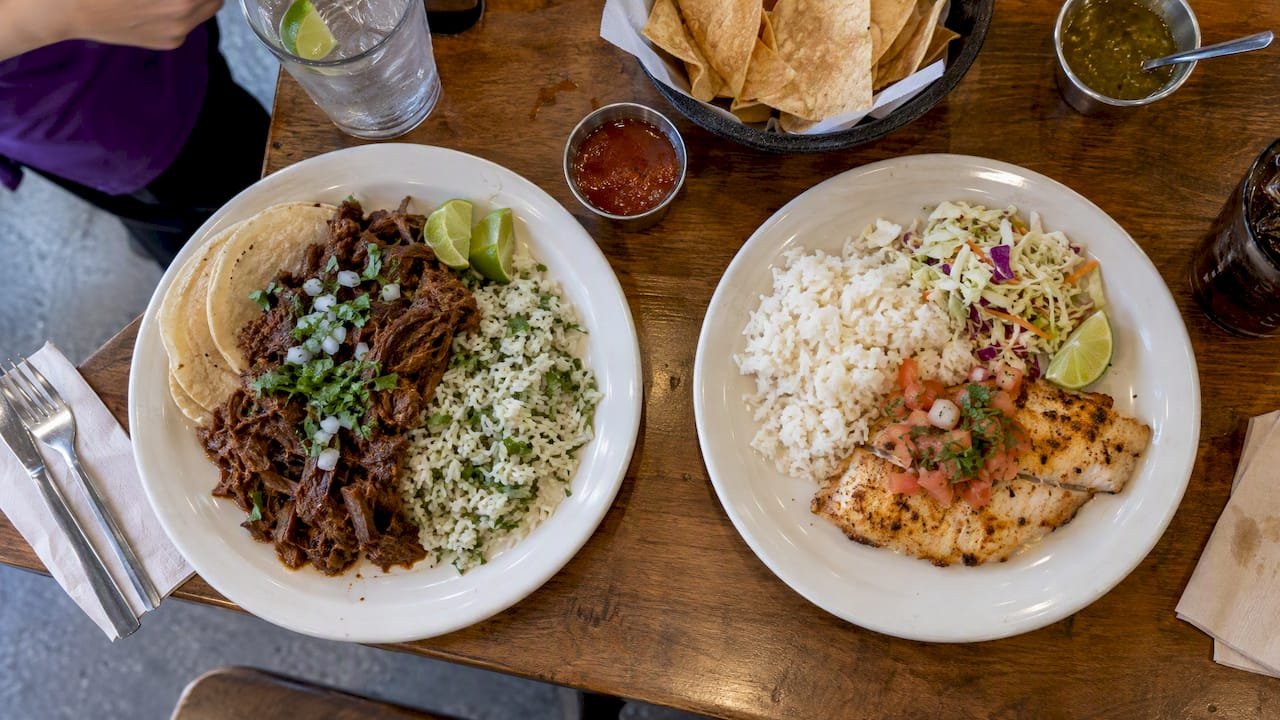
A paleo burrito bowl swaps grain rice for lime-cilantro cauliflower rice, adds a well-seasoned protein, roasted sweet potato for heft, and a dairy-free crema to finish. The full version below comes together in about 30 to 40 minutes and every component holds separately in the fridge for 3 to 4 days, so it’s built for weekly meal prep. If you’d rather skip the chopping, many restaurants build paleo-friendly bowls from scratch daily using local ingredients.
TL;DR:
- Cauliflower rice should be cooked for only 3 to 5 minutes to prevent mushiness, and thawed frozen rice works if drained thoroughly.
- Store components separately in airtight containers, as sauces and fresh toppings do not freeze or last well once dressed onto warm ingredients.
- Reheat sweet potato and cauliflower rice in a skillet rather than microwave to preserve texture and avoid excess moisture.
- Using fresh lime juice at the end rather than during cooking enhances seared flavor and adds brightness to the bowl.
- Restaurant-prepared paleo bowls are a convenient alternative, available for order and catering, eliminating the need for meal prep.
Table of Contents
- What goes into a paleo burrito bowl?
- How do you build a paleo burrito bowl step by step?
- How long do paleo burrito bowl components last in the fridge?
- What are the best flavour variations for a paleo bowl?
- Why does my cauliflower rice turn mushy?
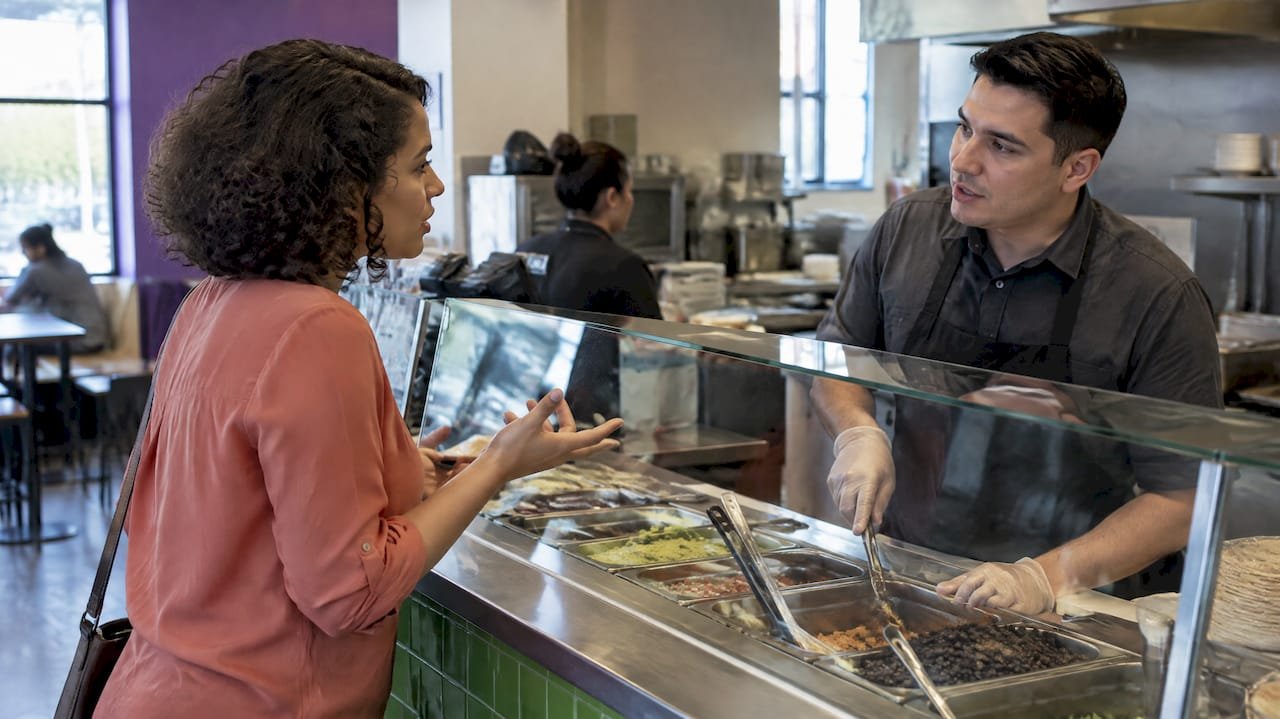
- Many kitchens prepare everything from scratch daily, and layering matters as much at a counter as it does at a stovetop. Warm protein against cool, fresh toppings is what makes a bowl taste finished rather than thrown together.
- Burrito Splendido: paleo bowls without the prep work
- Sources
What goes into a paleo burrito bowl?
The base ingredient list is short, but a few choices determine whether your bowl tastes like a restaurant version or a sad pile of vegetables.
Cauliflower rice comes fresh (a head pulsed in a food processor) or pre-riced from the freezer section. Fresh gives you more control over texture; frozen saves ten minutes and works fine if you thaw and drain it first, since frozen cauliflower holds extra water that causes mush. Either way, season it with lime juice, chopped cilantro, and salt after cooking, never before, so it doesn’t weep liquid in the pan.
For protein, aim for roughly 30 to 40 grams per bowl. That’s about 5 to 6 ounces of cooked chicken thigh, ground beef, pulled pork, or ground turkey. Pan-seared chicken thighs are a reliable choice because the higher fat content keeps them from drying out under reheating, and a quick check on burrito bowl macros can help you dial in portions if you’re tracking closely.
Sweet potato is the standard grain substitute for carb density. Cube it, toss with avocado oil, and roast at 400°F for 20 to 25 minutes until the edges caramelize.
For sauce, skip dairy sour cream and go with:
- Avocado sauce — blended avocado, lime, and a splash of water for pourability
- Coconut-yogurt crema — unsweetened coconut yogurt with lime and a pinch of cumin
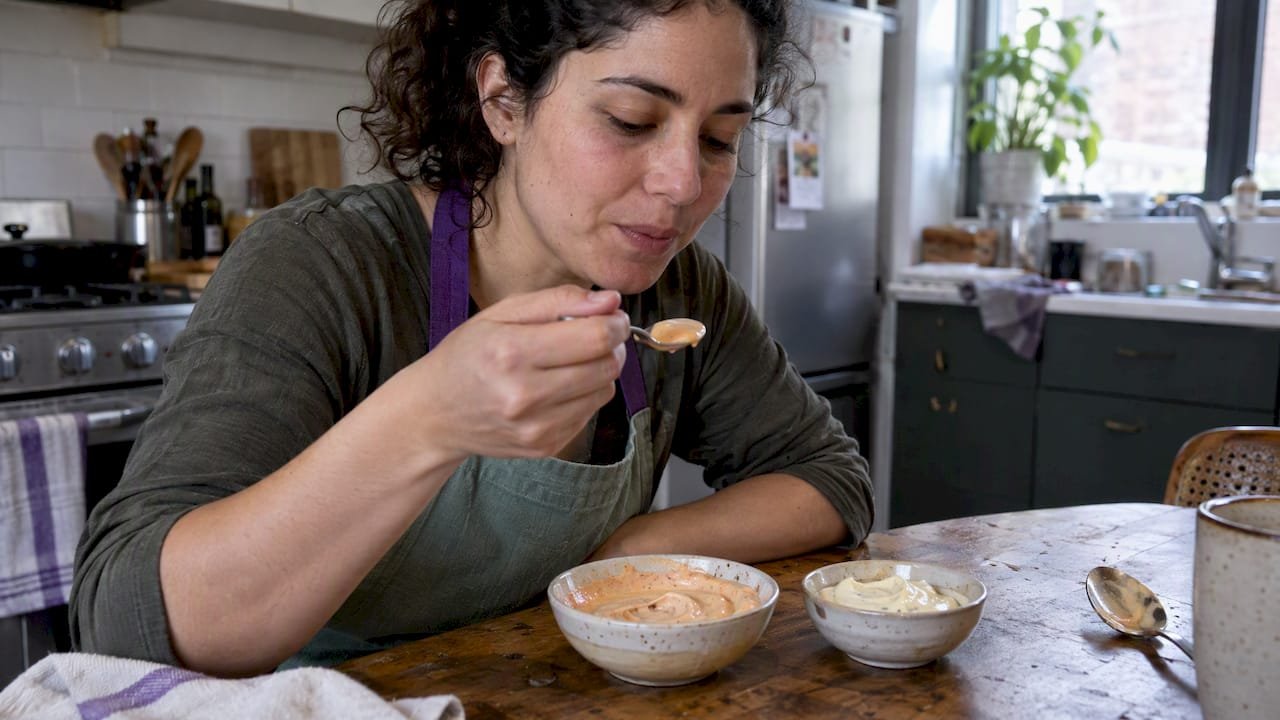
- Mayo-based crema — avocado oil mayo thinned with lime juice and chipotle powder
Round out the pantry with coconut aminos instead of soy sauce for a soy-free umami hit, plus cumin, smoked paprika, garlic powder, and chili powder for the protein rub. Full component prep for a batch typically lands in the 25 to 60 minute range, depending on how many proteins and sauces you’re making at once.
How do you build a paleo burrito bowl step by step?
Work in this order and everything finishes within roughly the same window, so nothing sits cold while you wait on something else.
- Start the sweet potato first. Preheat the oven to 400°F, cube one medium sweet potato, toss with avocado oil and salt, and roast for 20 to 25 minutes. It needs the oven longest, so it goes in before anything else touches a pan.
- Season and sear the protein. Rub chicken thighs, ground beef, or pork with cumin, smoked paprika, garlic powder, and salt. Sear over medium-high heat, about 6 to 8 minutes per side for thighs, or 8 to 10 minutes total for ground meat, until it’s cooked through and lightly charred at the edges.
- Sauté peppers and onions in the same pan once the protein rests, 4 to 5 minutes, scraping up the browned bits for flavour.
- Cook the cauliflower rice last, over medium-high heat for 3 to 5 minutes, stirring often. Pull it the moment it turns tender. Any longer and it starts releasing water and turns to porridge.
- Assemble in this order: cauliflower rice base, warm protein, roasted sweet potato and sautéed peppers, then fresh toppings (pico, diced avocado, pickled onion), and sauce last, right before eating.
For a single-skillet shortcut, sear the protein first, remove it, sauté the vegetables in the same fat, then finish the cauliflower rice in the last minute of that same pan. One pan, three components, minimal cleanup.
If you’re prepping for the week, portion into four containers: roughly 1 cup cauliflower rice, 5 to 6 ounces protein, and a half cup roasted sweet potato per container. Leave sauce and fresh toppings out until you’re ready to eat.
Pro Tip: Finish the protein with a squeeze of fresh lime right off the heat, not during cooking. Acid added too early mutes the seared flavour; added at the end, it wakes the whole bowl up.

How long do paleo burrito bowl components last in the fridge?
Store every component separately in its own airtight container. This is the single biggest thing that separates a good meal-prep bowl from a soggy one by Thursday.
- Cooked protein and cauliflower rice generally hold up well for several days refrigerated when kept apart.
- Roasted sweet potato keeps its texture better than you’d expect, but it softens further with each reheat, so eat it earlier in the week if you’re picky about texture.
- Sauces and fresh toppings (pico, diced avocado, pickled onion) do not freeze well and lose their appeal fast once dressed onto warm rice, so keep them separate until the moment you eat.
- Freeze cooked protein in individual portions if you’re prepping more than a week out. Cauliflower rice and roasted sweet potato don’t freeze cleanly. Both turn watery on thawing.
For reheating, skip the microwave for the sweet potato and cauliflower rice if you can. A hot skillet for 2 to 3 minutes re-crisps the edges and drives off the extra moisture a microwave traps. If you’re eating at a desk, microwave the protein and rice together for convenience, then add cold toppings and sauce after, straight from their separate containers. It takes ten extra seconds and it’s the difference between a bowl that tastes freshly made and one that tastes reheated.
What are the best flavour variations for a paleo bowl?
The base method stays the same. Swapping seasoning and sauce keeps the rotation from getting boring across a month of meal prep.
- Adobo-seasoned chicken with a squeeze of orange juice for a brighter, slightly sweet profile.
- Chipotle-lime ground beef for smoky heat, paired with chipotle crema for consistency.
- Cumin-lime pork, shredded, works well with pickled red onion and extra cilantro.
- Carb swap: use plantain instead of sweet potato for a sweeter, starchier note, or skip the starchy vegetable entirely and add extra avocado for satiety if you want it lower carb.
- Whole30 check: skip any pre-made seasoning blends with added sugar and confirm your coconut aminos and mayo are compliant brands.
- Keto adjustment: drop the sweet potato altogether and double the avocado and cheese-free crema for fat instead of carbs.
Why does my cauliflower rice turn mushy?
Overcooking is almost always the culprit. Cauliflower rice needs 3 to 5 minutes over medium-high heat, no longer, and you should pull it from the pan the second it looks just tender, not soft. Crowding the pan makes this worse. A crowded skillet steams the cauliflower instead of sautéing it, trapping moisture that has nowhere to go.

Soggy bowls usually come down to sauce timing, not the recipe itself. Keep every wet ingredient, sauce included, off the bowl until you’re actually eating, and add crunchy fresh elements like diced onion or shredded cabbage right at the end for contrast.
Pro Tip: Salt your protein before cooking, but save the lime for after. Salt draws out moisture during the sear, which helps browning, while acid added too early can make meat taste flat instead of vibrant.
Many kitchens prepare everything from scratch daily, and layering matters as much at a counter as it does at a stovetop. Warm protein against cool, fresh toppings is what makes a bowl taste finished rather than thrown together.
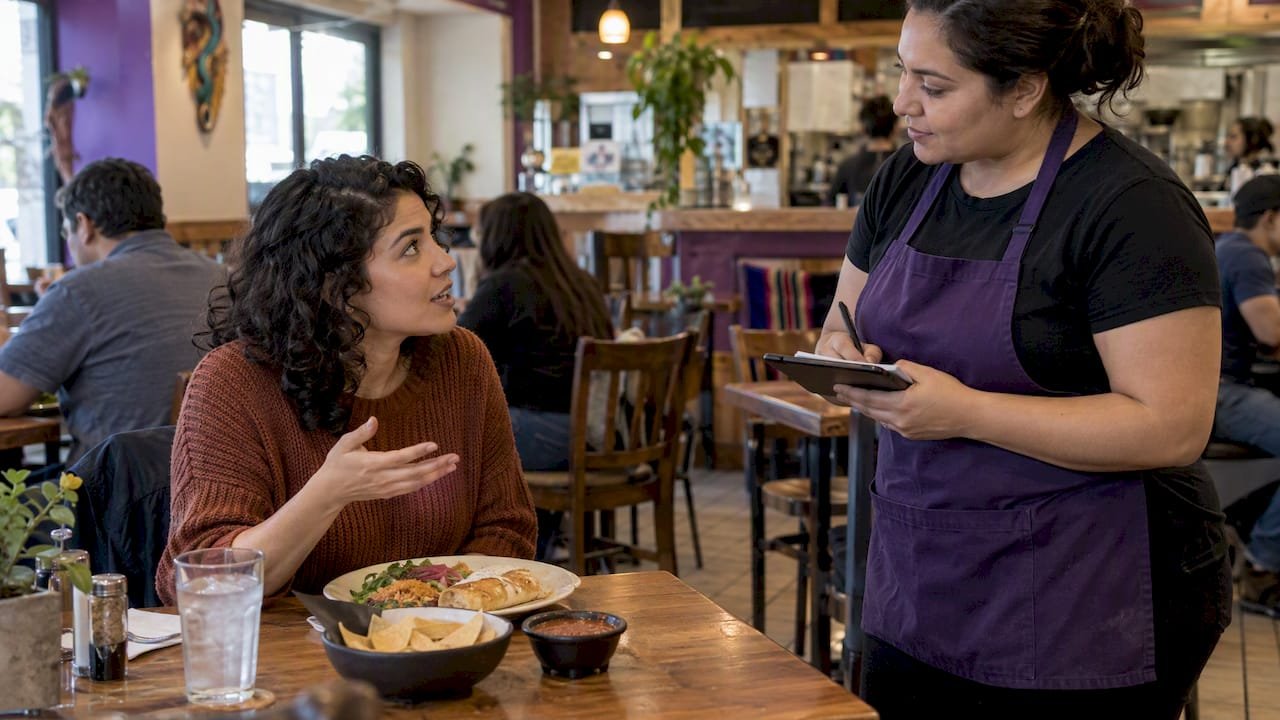
A common paleo request is a naked bowl with no rice substitute confusion. Staff trained on cross-contact protocols for gluten-free and paleo orders can provide safer options. Cooking for yourself makes sense on a slow weeknight. Ordering makes more sense when feeding a group, tight on time, or catering an event where consistency matters more than the process.
Burrito Splendido: paleo bowls without the prep work
If chopping cauliflower and roasting sweet potato on a Tuesday night isn’t happening, some restaurants offer paleo bowl options prepared daily with locally sourced ingredients, and staff trained to handle paleo, keto, and gluten-free requests without cross-contact issues.
You can customize a bowl to your exact paleo spec at any location, order ahead online for pickup, or arrange catering if you’re feeding a group that has mixed dietary needs. Catering solves the exact problem meal prep is trying to solve at a bigger scale: consistent, compliant food without you doing the cooking. Check the menu and place an order through Burritosplendido today.
Sources
- Paleo Chicken Burrito Bowls {Whole30, Keto} – The Paleo Running Momma
- Paleo burrito bowl – PaleoLeap
- Paleoish recipes and techniques