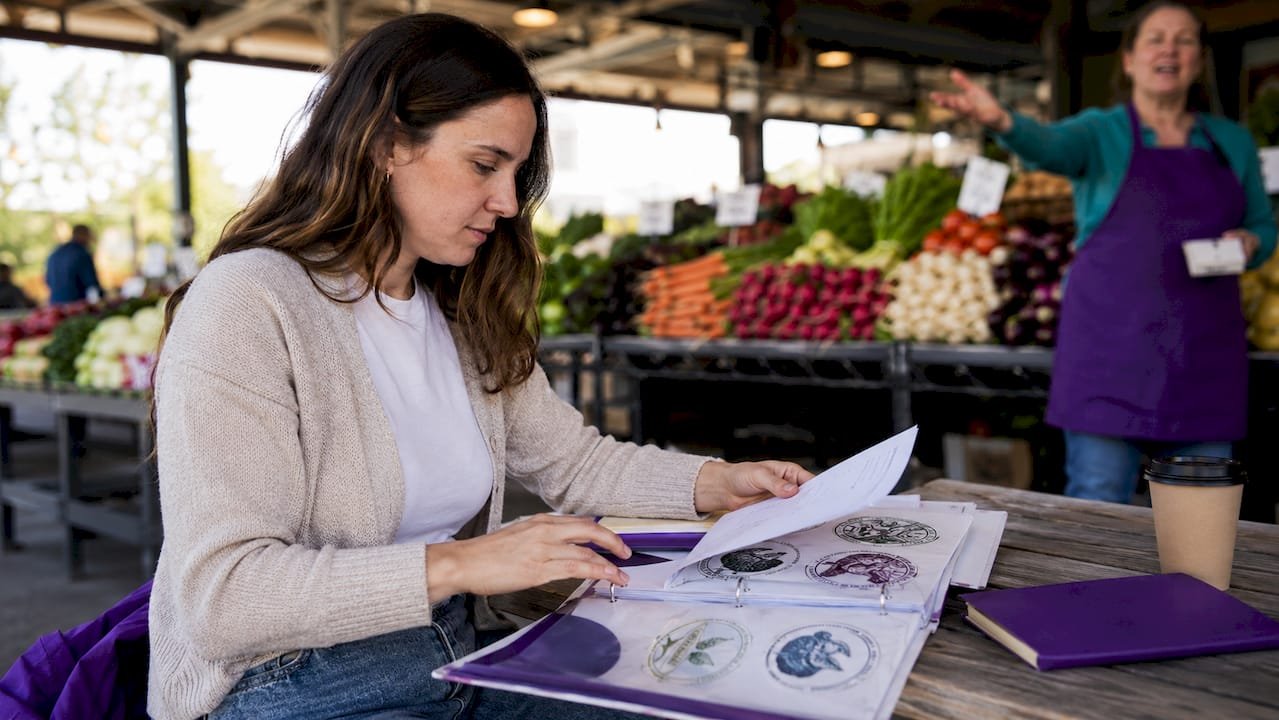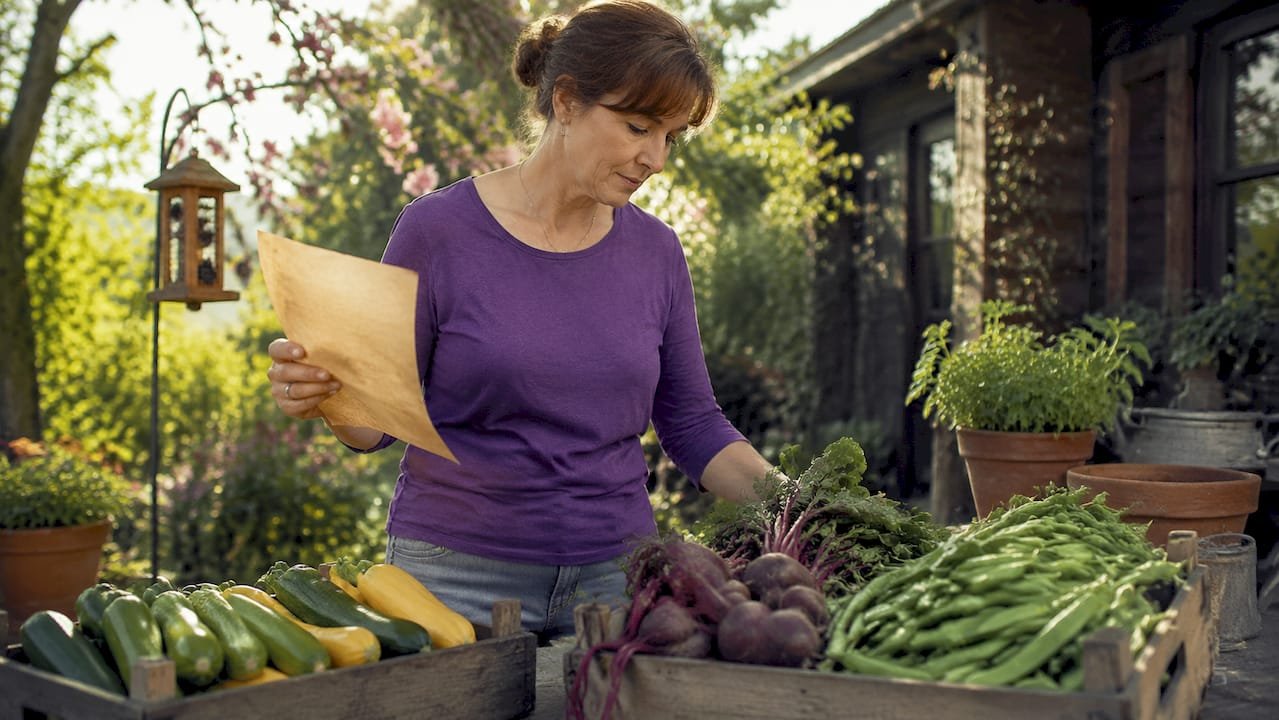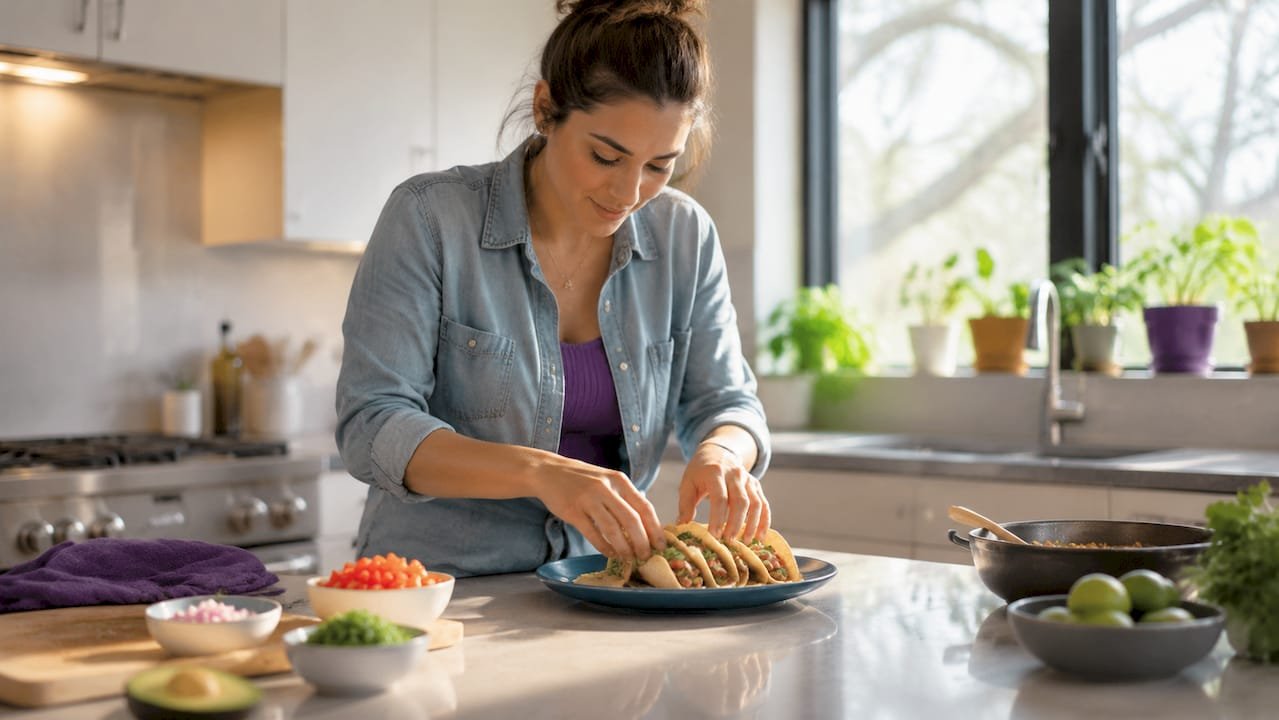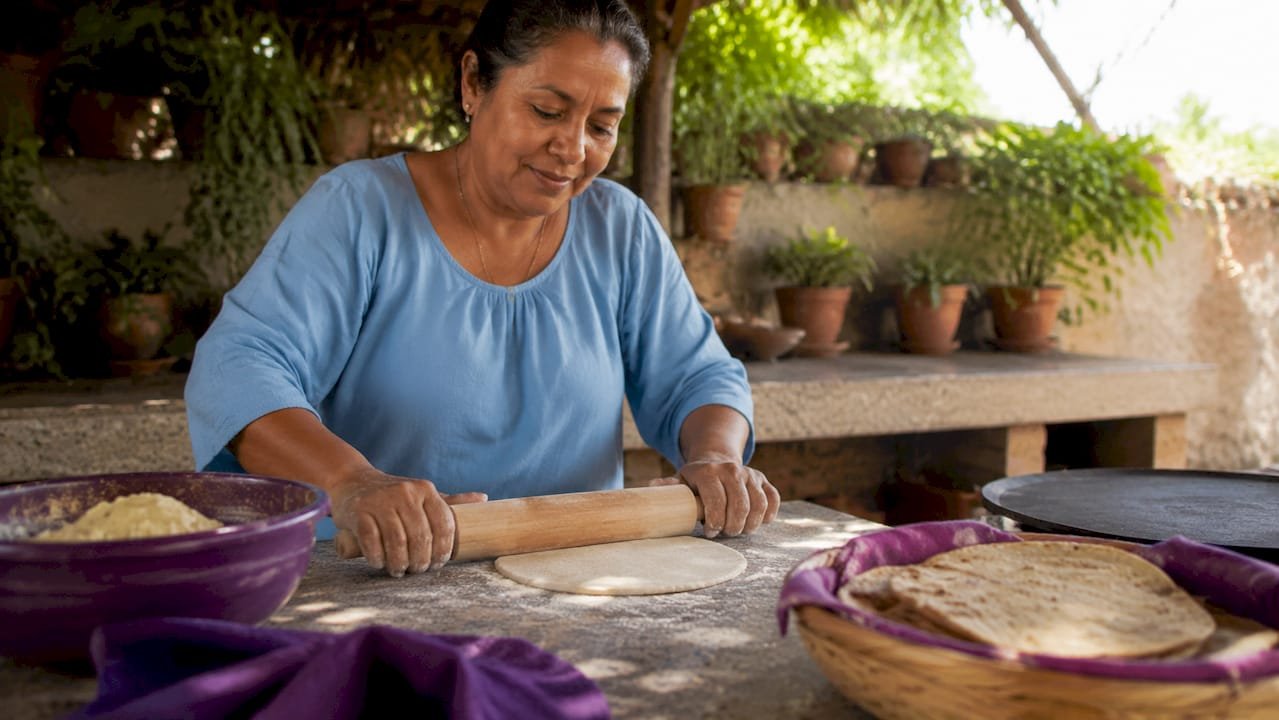
Farm-to-table catering, the industry term for what most Winnipeg event planners call organizing local ingredient catering, means sourcing fresh, seasonal ingredients directly from nearby producers and building your menu around what is actually growing right now. The result is food that tastes better, travels less, and reflects the place where your guests are gathered. For Winnipeg events, this approach connects your table to Manitoba’s agricultural community, from Peak of the Market produce to Bothwell Cheese and Granny’s Chicken. This guide walks you through every step, from finding the right farms and caterers to locking in a flexible menu and running a smooth event day.
How to organize local ingredient catering in Winnipeg
Local ingredient catering is defined by one core principle: source within 60 miles of your event venue. That single constraint reduces food miles by up to 80%, which translates directly to fresher produce, longer shelf life on event day, and fewer spoilage surprises. For Winnipeg hosts, that radius covers a rich belt of Manitoba farmland producing everything from heritage pork to field vegetables.
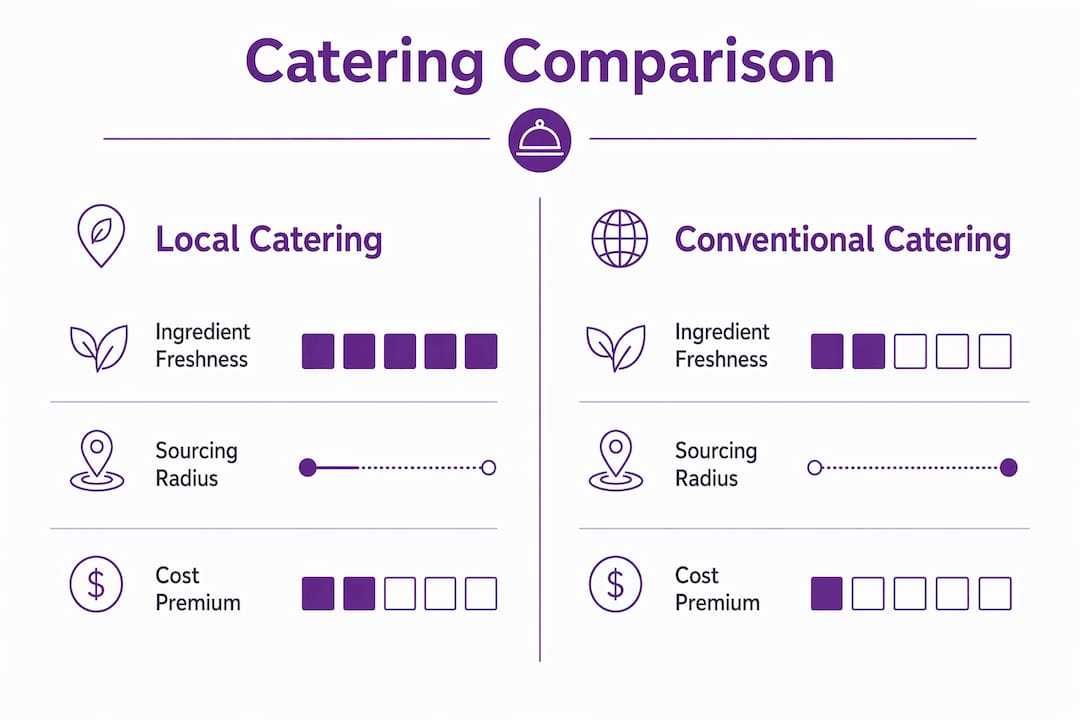
The practical outcome is food that arrives at your event in peak condition. Conventional catering often relies on broadline distributors who source nationally or internationally. Local food catering flips that model. Your caterer knows the farmer by name, and the ingredients were likely harvested within the past 48 hours.
Burritosplendido has operated on exactly this model since 2012. Their tortillas use 100% Manitoba-produced flour, their pork comes from local farms, and their produce runs through Peak of the Market. That supply chain is not a marketing claim. It is a replicable blueprint for any event planner in Winnipeg who wants the same standard.

How do you find the best local caterers in Winnipeg?
The single most important criterion when selecting a caterer for a locally sourced event is direct producer relationships. Caterers with direct farm ties deliver better ingredient integrity than those who rely on third-party distributors. Ask every candidate one question: “Can you name the farms supplying your proteins and produce?” If they cannot answer specifically, move on.
Here is what to look for when evaluating local farms and caterers:
- Proximity: Confirm ingredients come from within roughly 60 miles of your venue. Manitoba producers like Peak of the Market and local pork operations already meet this standard.
- Sustainable practices: Ask whether farms use organic or low-input growing methods. This affects both flavour and your event’s environmental footprint.
- Seasonal expertise: Choose caterers who have built menus around what is available, not what is convenient. Seasonal ingredient catering requires a chef who treats harvest schedules as a creative constraint, not a problem.
- Dietary accommodation: Verify the caterer can handle gluten-free, vegan, keto, and other requirements without cross-contamination. This is non-negotiable for larger events.
- References from similar events: A caterer who has served a 200-person corporate lunch with local ingredients is a different proposition from one who has only done small private dinners.
Pro Tip: Ask your caterer to show you a sample invoice from a local supplier. A genuine farm-to-table catering operation will have those documents readily available and will share them without hesitation.
When evaluating sustainable catering services, also ask about waste management. Sustainability runs across sourcing, cooking, logistics, and waste, not just the ingredient list. A caterer who sources locally but sends half the food to landfill has only solved part of the problem.
How do you plan a seasonal menu for a local catering event?
The most common mistake in seasonal ingredient catering is locking in a fixed menu too early. Finalise your menu 2–3 weeks before the event to confirm what is actually at peak harvest with your local producers. Booking a specific dish six months out and expecting the same ingredient quality is unrealistic in Manitoba’s climate.
Follow this sequence for menu planning:
- Set your event date and guest count first. Everything else flows from these two numbers.
- Brief your caterer on dietary requirements at the first meeting. Collecting dietary data from guests after the menu is built creates expensive last-minute changes.
- Ask your caterer for a seasonal availability window. In Manitoba, summer and early autumn bring the widest local produce selection. Winter events require more creativity with root vegetables, preserved goods, and proteins.
- Build two or three menu variations. Dishes change with what is freshly harvested the week of the event. Having backup options prevents a single crop failure from disrupting your entire menu.
- Confirm final selections 2–3 weeks out. This is when your caterer locks in orders with local farms and you get accurate per-head pricing.
Dietary considerations deserve their own attention at this stage. Catering with fresh produce naturally supports plant-based and allergen-sensitive menus because whole ingredients are easier to track than processed ones. Menus with 80% or more plant-based content reduce CO2 emissions by approximately 60% compared to traditional menus. That figure matters if your organisation has sustainability commitments to report on. For a deeper look at accommodating restrictions, the 2026 dietary catering planner covers the full range of common requirements.
Here are the dietary categories to address before finalising any local event menu:
- Gluten-free (including cross-contamination protocols)
- Vegan and vegetarian
- Keto and paleo
- Nut allergies and other severe allergens
Pro Tip: Send a dietary preference form to all guests at least three weeks before the event. Collecting this data early gives your caterer enough lead time to source appropriate local alternatives without paying rush premiums.
What does event-day execution look like for local catering?
Execution is where local ingredient catering either delivers on its promise or falls apart. The logistics are tighter than conventional catering because freshness has a shorter window and there is no warehouse buffer to draw from.
Focus on these operational priorities:
- Coordinate delivery windows carefully. Fresh produce and proteins from local farms should arrive the morning of the event, not the night before. Confirm delivery times in writing with both the farm and the caterer.
- Verify kitchen and service space in advance. Caterers working with whole, unprocessed ingredients need adequate prep space. A venue with a commercial kitchen is a significant advantage over a tent setup.
- Assign a single point of contact on event day. Communication between the venue, the caterer, and the farm suppliers breaks down when multiple people are relaying messages. One person owns logistics.
- Plan for waste separation from the start. Structured waste separation reduces environmental impact without overcomplicating event operations. Set up clearly labelled compost, recycling, and landfill stations before guests arrive.
- Use presentation to highlight local sourcing. Small table cards naming the farm source of a dish add perceived value and reinforce your event’s local story. Guests notice and remember this detail.
Food safety is non-negotiable. Local does not mean unregulated. Confirm your caterer holds a valid Manitoba food handler certification and that all proteins are stored and transported at correct temperatures. This is standard practice for any reputable catering operation.
Local ingredient catering vs. conventional catering: what are the trade-offs?
The honest answer is that farm-to-table catering costs more and requires more planning flexibility. The returns are real, but they are not free.
| Factor | Local ingredient catering | Conventional catering |
|---|---|---|
| Ingredient freshness | Harvested within 48–72 hours of service | May travel days or weeks from source |
| Menu flexibility | Must adapt to seasonal availability | Fixed menus available year-round |
| Cost | Typically higher; 10–20% premium to farmers may apply | Lower and more predictable per-head cost |
| Environmental impact | Significantly lower food miles and emissions | Higher transport and packaging footprint |
| Guest experience | Stronger flavour, local story, and authenticity | Consistent but less distinctive |
The premium cost reflects real value. Paying farmers 10–20% above market rate secures the best seasonal harvests for your event rather than whatever is left after retail buyers have taken priority. That investment shows up on the plate. For organisations with sustainability goals, the environmental case for vegan catering at events adds another dimension to this calculation.
The flexibility requirement is the trade-off most planners underestimate. You cannot guarantee a specific dish will be on the menu until 2–3 weeks before the event. For corporate clients who need printed menus months in advance, this requires a conversation about expectations upfront.
Key takeaways
Successful local ingredient catering in Winnipeg requires seasonal menu flexibility, direct farm relationships, and early dietary planning to deliver quality food with a lower environmental footprint.
| Point | Details |
|---|---|
| Source within 60 miles | Ingredients from within 60 miles reduce food miles by up to 80% and arrive fresher. |
| Finalise menus 2–3 weeks out | Locking in menus too early risks missing peak harvests and seasonal availability. |
| Prioritise direct farm relationships | Caterers with named producer ties deliver better ingredient integrity than distributor-reliant services. |
| Address dietary needs early | Collecting guest dietary data at booking prevents costly last-minute menu changes. |
| Build in flexibility | Have two or three menu variations ready to accommodate harvest variability on event week. |
What I have learned from watching Winnipeg events get this right and wrong
The caterers who consistently deliver the best local food events are not the ones with the longest ingredient lists on their website. They are the ones who call the farmer directly when a crop comes in early and adjust the menu the same day. That responsiveness is the real differentiator.
The most common failure I see is treating local sourcing as a marketing label rather than an operational commitment. An event planner books a caterer who claims farm-to-table credentials, but the actual supply chain is a broadline distributor with a few local items mixed in. The way to catch this is simple: ask for farm names, not just farm-to-table language.
The other pitfall is underestimating dietary complexity. A 150-person corporate event in Winnipeg will typically include guests with gluten sensitivities, vegan preferences, and at least one severe nut allergy. Caterers who handle these requirements well, the way Burritosplendido does with its deep-fryer-free kitchen and cross-contamination protocols, treat dietary accommodation as a core skill, not an afterthought.
My honest view is that sustainability in catering goes well beyond the ingredient list. The caterers worth hiring are the ones who have thought through packaging, waste, transport, and energy use as a complete system. That level of thinking produces better events and better food.
— Austin
Burritosplendido: local catering built for Winnipeg events
Burritosplendido has been sourcing Manitoba ingredients since 2012, and that supply chain is available for your next event.
Their Winnipeg catering services feature fully customisable menus built from locally sourced proteins, Peak of the Market produce, Bothwell Cheese, and house-pressed tortillas made with 100% Manitoba flour. Every menu accommodates gluten-free, vegan, keto, and paleo requirements, with staff trained on cross-contamination protocols. Whether you are planning a corporate lunch, a community gathering, or a private celebration, Burritosplendido brings the same fresh, from-scratch approach to your event that defines their fresh Manitoba-inspired menus in-restaurant. Contact them directly to discuss your event size, dietary needs, and seasonal menu options.
FAQ
What is local ingredient catering?
Local ingredient catering, also called farm-to-table catering, means sourcing ingredients from producers within roughly 60 miles of your event venue. This approach prioritises seasonal availability, freshness, and direct relationships with local farms.
How far in advance should I plan a local catering menu?
Begin planning 6–8 weeks before your event, but finalise the menu 2–3 weeks out to confirm what is at peak harvest. Locking in specific dishes too early risks poor ingredient quality or unavailability.
Does local ingredient catering cost more than conventional catering?
Yes, typically. Securing the best seasonal harvests may require paying local farmers 10–20% above standard market rates. The trade-off is noticeably better flavour, fresher ingredients, and a lower environmental footprint.
How do I accommodate dietary restrictions with a local menu?
Collect dietary requirements from all guests at least three weeks before the event and brief your caterer at the first planning meeting. Local produce-based menus are naturally well-suited to gluten-free and vegan requirements when the caterer has proper cross-contamination protocols in place.
Is farm-to-table catering available in Winnipeg year-round?
Yes, though the menu changes with the seasons. Summer and early autumn offer the widest Manitoba produce selection. Winter menus lean on root vegetables, preserved goods, and locally raised proteins, all of which are available through established Manitoba suppliers.