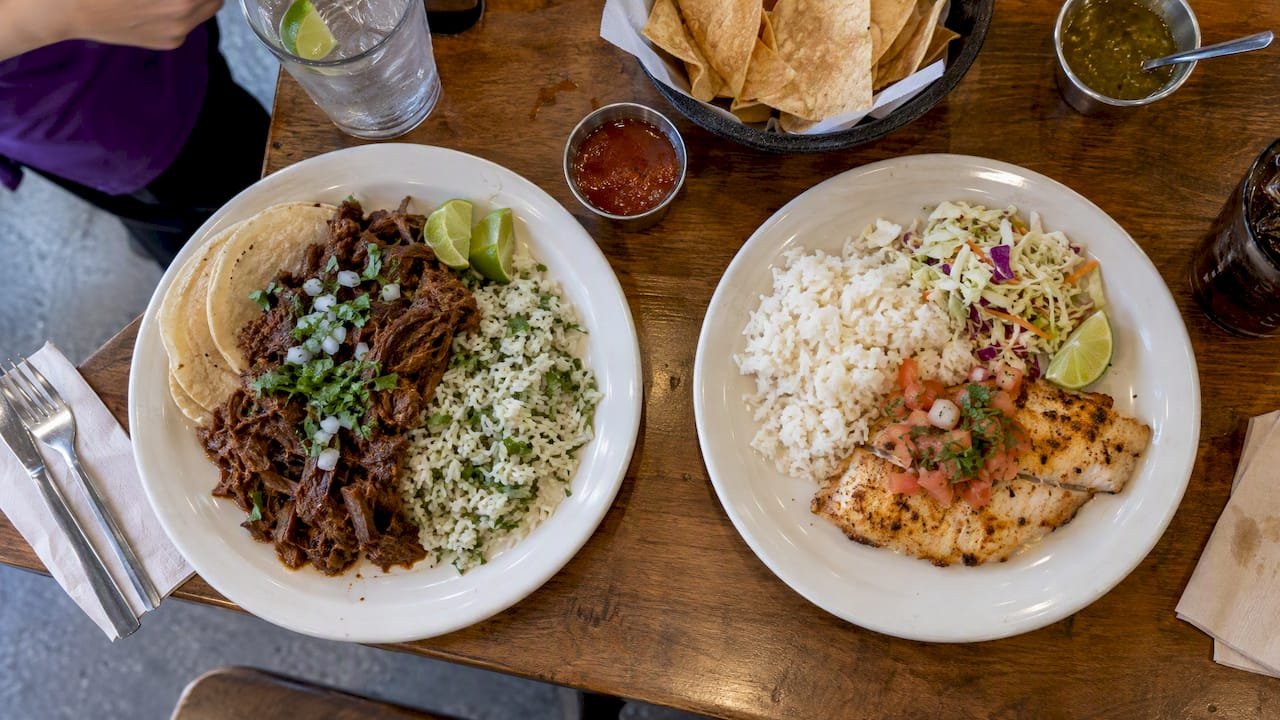
A seasonal menu is a curated selection of dishes that changes throughout the year based on which ingredients are at their freshest and most plentiful. Unlike a fixed menu that runs the same items year-round, a seasonal food menu is driven by agricultural cycles, regional supply, and peak ingredient conditions. The Kitchen Management Authority sets food cost benchmarks for seasonal planning at 28%–35% of menu price to maintain profitability. That figure tells you something important: seasonal menus are not just a culinary philosophy. They are a financial and operational strategy built around nature’s calendar.
What is a seasonal menu and why does it matter?
A seasonal menu, known in professional kitchens as a rotating menu or market menu, is defined by one core principle: ingredients lead, dishes follow. When Manitoba asparagus arrives in late spring, it earns a spot on the menu. When summer berries peak in july and august, they shape desserts and sauces. When the harvest slows in late autumn, root vegetables and preserved goods take over.
This approach matters because ingredient quality is directly tied to timing. Produce picked at peak ripeness tastes better, holds more nutrients, and costs less than out-of-season imports. For home cooks, understanding seasonal menus means learning to let the market guide your cooking rather than forcing a recipe regardless of what is available.
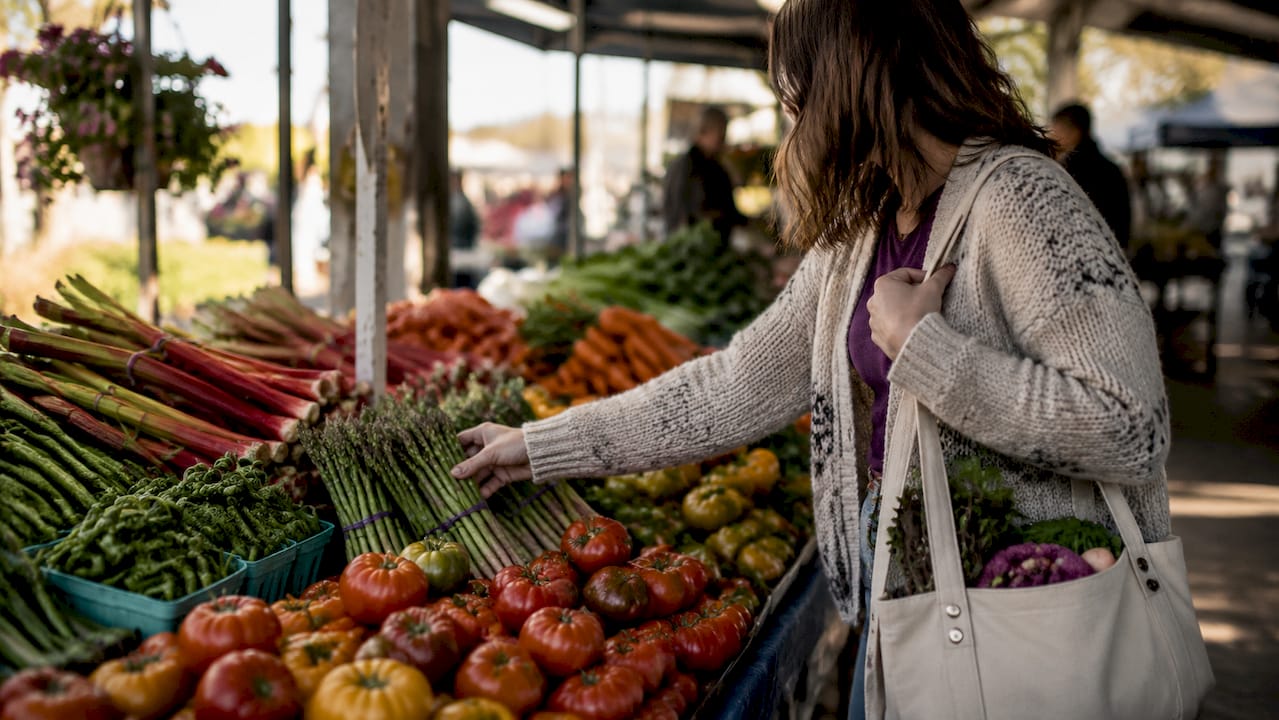
Seasonal menus are a strategic system, not just a trend or a marketing gimmick. That distinction separates cooks who consistently produce great food from those who struggle with flat flavours and unpredictable costs.
How does ingredient seasonality determine menu planning?
Ingredient seasonality is the engine behind every well-built rotating menu. Agricultural cycles dictate when specific produce, proteins, and herbs are at their best, and smart menu planning maps directly onto those cycles.
Here is a practical breakdown of what each season typically offers in a Canadian context:
- Spring: Asparagus, rhubarb, pea shoots, fiddleheads, green onions
- Summer: Tomatoes, corn, zucchini, berries, peppers, fresh herbs
- Autumn: Squash, root vegetables, apples, wild mushrooms, late-harvest greens
- Winter: Stored root vegetables, preserved goods, greenhouse greens, dried legumes
One of the most useful planning principles is cooking within ingredient families. Planning around ingredient families allows flexibility to substitute within groups when supply is limited. If your recipe calls for butternut squash and the supply runs short, acorn squash or delicata squash steps in without disrupting the dish’s structure or flavour profile.
Sourcing reliability is the other half of the equation. Seasonal menus require dependable supply relationships and planning for ingredient variability. Occasional buying from a farmers’ market is enjoyable, but it is not a system. Building consistent relationships with local growers, co-ops like Peak of the Market in Manitoba, or community-supported agriculture programmes gives you predictable access to what is coming into season.
Pro Tip: Build a simple seasonal calendar for your region. Note the first and last weeks each ingredient typically appears. This gives you a planning window rather than a surprise, and it helps you buy in volume when prices are lowest.
Advanced planning uses master spreadsheets mapping months and menu categories to track sourcing lead times and preservation schedules. For home cooks, a simpler version works just as well: a notebook or spreadsheet with columns for month, available produce, and planned dishes covers the essentials.
| Season | Key Ingredients | Planning Priority |
|---|---|---|
| Spring | Asparagus, fiddleheads, rhubarb | Plan light dishes; short availability window |
| Summer | Tomatoes, corn, berries, peppers | Preserve surplus; peak flavour period |
| Autumn | Squash, apples, root vegetables | Batch cook and store; transition to heartier dishes |
| Winter | Dried legumes, preserved goods, greenhouse greens | Rely on staples; supplement with preserved items |
What are the benefits of a seasonal menu?
The benefits of a seasonal menu reach well beyond better-tasting food. They touch cost control, sustainability, and the emotional experience of eating.
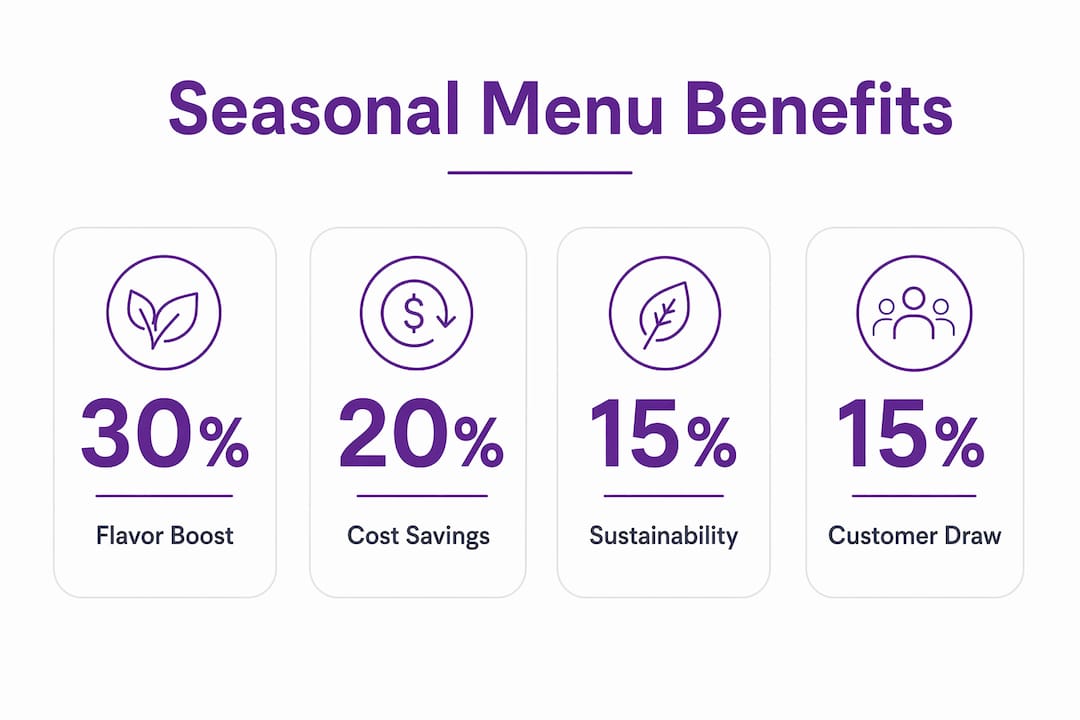
Flavour and freshness are the most immediate gains. Ingredients at peak ripeness contain more natural sugars, acids, and aromatic compounds. A tomato grown locally and harvested in august tastes fundamentally different from one shipped in january from a distant greenhouse. That difference shows up on the plate without any extra technique required.
Cost management is the benefit professional kitchens value most. When you buy what is abundant, you pay less. Out-of-season ingredients carry import costs, longer cold-chain handling, and price volatility. The Kitchen Management Authority’s 28%–35% food cost target is achievable precisely because seasonal buying aligns purchasing with natural supply peaks. Balancing seasonal volatile items with year-round staples prevents wild cost fluctuations, which is advice that applies equally to a home grocery budget.
Customer engagement is a benefit that surprises many people. A 2026 Mintel report shows that consumer engagement with seasonal menus varies by age: younger diners seek global and novel flavours, while older diners prefer classic seasonal cues. That generational divide means a well-designed seasonal menu can speak to both groups at once. Seasonal dishes also create emotional connections. Seasonal menus create emotional brand experiences by aligning dishes with natural cravings and climates, and Franchise Brief notes this leads to faster decisions and higher average spending.
“Limited-time seasonal dishes generate excitement while preserving brand consistency with stable staple menus.” — Lionsdeal Blog
Sustainability rounds out the case. Buying local and in-season reduces transport distances, supports regional farmers, and cuts the energy cost of cold storage. For home cooks, it also means less food waste because you are buying what is plentiful rather than forcing ingredients that have been sitting in transit for days.
Introducing seasonal specials can increase restaurant foot traffic by 15%, according to a case study of a summer seasonal smoothie initiative. That kind of lift comes from novelty combined with genuine quality, not from discounting.
How do seasonal menus differ from fixed or promotional menus?
The distinction between a seasonal menu and other menu types is one that confuses many home cooks and even some food businesses. The difference comes down to what is driving the change.
A fixed menu runs the same dishes year-round. It prioritises consistency and operational simplicity. A burger chain’s core menu is a fixed menu. It does not change because the beef supply changes or because tomatoes are out of season.
A promotional menu changes based on marketing calendars, not ingredient availability. A limited-time pumpkin spice latte in september is a promotional item. It may use real pumpkin or it may not. The trigger for its appearance is a marketing decision, not a harvest.
A seasonal menu changes because the ingredients driving it have changed. The decision is supply-led and flavour-led, not campaign-led. This is the core distinction.
| Menu Type | Change Driver | Example |
|---|---|---|
| Fixed menu | Consistency and brand standards | Year-round burger and fries |
| Promotional menu | Marketing calendar and campaigns | Limited-time holiday special |
| Seasonal menu | Ingredient availability and peak freshness | Summer corn tacos, autumn squash soup |
Maintaining signature staple dishes alongside seasonal offerings preserves brand identity and customer satisfaction. This is the balance every good rotating menu strikes. At Burritosplendido, for example, the core burritos, bowls, and tacos remain constant, while seasonal specialties like Manitoba Whitefish and Pickerel tacos appear when local supply makes them possible. The staples anchor the experience; the seasonal items make it memorable.
Pro Tip: When building your own seasonal menu at home, keep three or four reliable “anchor” dishes that work year-round. Build your seasonal experiments around those anchors so you always have a fallback when a new ingredient does not work out as planned.
A customisable menu approach can complement seasonal planning by letting diners swap components based on what is freshest, which is exactly how Burritosplendido structures its build-your-own format.
How can home cooks build their own seasonal menu?
Bringing seasonal menu thinking into your home kitchen does not require a commercial supply chain or a professional chef’s training. It requires a shift in how you plan your meals.
Here is a practical process to get started:
- Visit a local farmers’ market or produce stand weekly. Let what is available shape your shopping list rather than arriving with a fixed list. Peak of the Market in Manitoba, for instance, publishes seasonal availability guides that tell you exactly what is coming in each month.
- Learn your ingredient families. Root vegetables, brassicas, alliums, stone fruits, and berries each form a family. When one member is unavailable, another from the same family usually substitutes well. Swap parsnips for carrots, nectarines for peaches, kale for Swiss chard.
- Plan two or three seasonal dishes per week, not your entire menu. Trying to make every meal seasonal is overwhelming. Start with one seasonal ingredient per shopping trip and build a dish around it.
- Preserve surplus when prices are lowest. Roast and freeze summer tomatoes in august. Pickle autumn cucumbers. Make fruit compotes from end-of-season berries. Advanced seasonal planning starts preservation projects months ahead of when those ingredients will be needed.
- Track what works. Keep a simple food journal noting which seasonal dishes your household loved and when the ingredients were available. Over one full year, you will have a personal seasonal menu that reflects your tastes and your region.
Pro Tip: Check your local grocery store’s weekly flyer alongside the farmers’ market. Sale items often reflect seasonal abundance. When peppers are on sale in late summer, that is your signal to roast and freeze a batch for winter soups and stews.
The dietary-friendly catering guide from Burritosplendido offers useful frameworks for thinking about ingredient sourcing and planning that translate directly to home cooking, particularly for households managing multiple dietary needs alongside seasonal variety.
Key takeaways
A seasonal menu works because it aligns ingredient quality, cost, and customer experience with natural supply cycles, making it the most reliable path to better-tasting, lower-cost meals.
| Point | Details |
|---|---|
| Seasonal menus are supply-driven | Dishes change because ingredients change, not because of marketing calendars. |
| Ingredient families enable flexibility | Substituting within a family keeps dishes consistent when specific items run short. |
| Cost control is a core benefit | Buying at peak abundance keeps food costs within the 28%–35% benchmark target. |
| Staples anchor the experience | Keeping reliable dishes alongside seasonal items prevents menu fatigue and cost shocks. |
| Home cooks can start small | Two or three seasonal dishes per week builds the habit without overwhelming your kitchen. |
Why seasonal cooking changed how i think about food
I used to plan meals the way most people do: pick a recipe, write a shopping list, and buy whatever the recipe demanded regardless of the month. The results were fine. Not great. Fine.
The shift happened when I started shopping at a farmers’ market and letting the stalls tell me what to cook. The first time I built a meal entirely around what looked best that morning, the food was noticeably better. Not because I had better skills. Because the ingredients were better.
What I have come to believe is that seasonal cooking is less about discipline and more about curiosity. The question changes from “what do I feel like eating?” to “what is actually good right now?” That is a more interesting question, and it produces more interesting meals.
The role of authenticity in food is something Burritosplendido understands well. Their Manitoba Pickerel tacos only appear when the fish is available locally. That constraint is not a limitation. It is what makes the dish worth waiting for.
The challenge is real, though. Seasonal cooking requires more planning, more flexibility, and a willingness to change course when your intended ingredient is not available or not good. Some weeks the asparagus looks tired and you pivot to snap peas. That pivot is the skill. Once you get comfortable with it, you stop seeing the season as a restriction and start seeing it as a creative brief.
My honest advice: start with one ingredient this week that you have never cooked before and that is clearly in season where you live. Build one meal around it. That single experiment will teach you more about seasonal cooking than any amount of reading.
— Austin
Fresh and local at Burritosplendido
Burritosplendido has built its entire menu around the same principles that make seasonal cooking work: fresh ingredients, local sourcing, and daily preparation from scratch.
Every protein at Burritosplendido is slow-cooked and hand-pulled in-house. Produce comes primarily through Peak of the Market, Manitoba’s leading fresh produce network. Seasonal specialties like Manitoba Whitefish and Pickerel tacos reflect exactly the kind of supply-driven menu thinking this article describes. When you are planning a gathering and want a fresh, seasonal catering option in Winnipeg or Brandon, Burritosplendido brings that same local-first philosophy to your event. Explore the fresh Manitoba menu to see what is on offer right now.
FAQ
What is a seasonal menu in simple terms?
A seasonal menu is a list of dishes that changes throughout the year based on which ingredients are freshest and most available in each season. It is driven by ingredient supply, not marketing calendars.
How often does a seasonal menu typically change?
Most seasonal menus rotate four times per year, aligned with spring, summer, autumn, and winter. Some restaurants update monthly to track shorter ingredient windows more precisely.
What are the main benefits of a seasonal menu?
The main benefits are better flavour from peak-ripeness ingredients, lower food costs from buying in-season abundance, reduced waste, and stronger customer engagement through novelty and variety.
Can home cooks realistically follow a seasonal menu approach?
Yes. Starting with two or three seasonal dishes per week and shopping at local farmers’ markets or checking weekly produce sales is enough to build a genuine seasonal cooking habit without overhauling your entire routine.
How is a seasonal menu different from a limited-time promotional offer?
A seasonal menu changes because ingredient availability changes. A limited-time promotional offer changes because a marketing campaign dictates it. The driver is the key difference: supply versus strategy.