You love the bold, layered flavours of Mexican food, but you also take pride in eating local and keeping things wholesome. That tension is real for a lot of Manitoba food lovers. The good news is that Mexican cuisine and Prairie ingredients are a surprisingly natural match. From Bothwell Cheese standing in beautifully for cotija to local pickerel making a stunning taco filling, customising your Mexican meals with Manitoba produce is not a compromise. It is an upgrade that celebrates where you live and what you eat.
Table of Contents
- What you need to customize Mexican meals at home
- Step-by-step: How to customize classic Mexican dishes
- Troubleshooting and common mistakes when customising
- How to know you’ve elevated your meal: Results to expect
- What most guides miss about customising Mexican meals in Manitoba
- Take your custom Mexican meals further with Burrito Splendido
- Frequently asked questions
Key Takeaways
| Point | Details |
|---|---|
| Local swaps boost flavour | Substituting Manitoba pork, corn, and cheese adds freshness and authenticity to Mexican dishes. |
| Healthy options don’t sacrifice taste | Greek yogurt, lean proteins, and veggies make meals lighter yet still flavourful. |
| Adaptation is truly authentic | Mexican cuisine celebrates using what’s local as part of its essence. |
| Avoid common pitfalls | Balance spices, use proper technique, and don’t overcook local meats. |
| Verify with your senses | A successful custom meal looks, smells, and tastes vibrant and delicious. |
What you need to customize Mexican meals at home
Before you fire up the pan, knowing your ingredients and tools makes the whole process far smoother. Mexican cooking is built on a short list of key components: tortillas, beans, chiles, proteins, fresh vegetables, and a good acid like lime or tomato. The exciting part for Manitoba cooks is how naturally local ingredients slot into each category.
Start with your pantry staples. Stock cumin, chili powder, smoked paprika, dried oregano, and chipotle peppers in adobo sauce. These are the backbone of Mexican flavour and you can find them at any Winnipeg or Brandon grocery store. Add canned black beans, corn tortillas, and a jar of good salsa, and you have a solid foundation.
Now build your Manitoba layer. This is where things get exciting. Here is a quick look at classic Mexican ingredients side by side with their local Manitoba counterparts:
| Classic Mexican ingredient | Manitoba substitute or equivalent |
|---|---|
| Cotija cheese | Bothwell Cheese (aged cheddar or feta style) |
| Pork shoulder (carnitas) | Local Manitoba pork from Prairie farms |
| White fish tacos | Manitoba pickerel or whitefish |
| Corn for elote | Peak of the Market sweet corn |
| Sour cream | Local Greek-style yogurt or Bothwell sour cream |
| Canola or vegetable oil | Manitoba-grown canola oil |
| Fresh cabbage | Manitoba green or red cabbage |
This table is not just about swapping for the sake of it. Farm-to-fork Mexican food is about getting peak freshness into every dish, and local produce simply tastes better when it has not travelled thousands of kilometres.
For proteins, Manitoba Pork recipes adapt Mexican flavours brilliantly. A Pulled Pork Mexicano using canola oil, garlic, onions, jalapeño, chili powder, cumin, tomato paste, and diced tomatoes slow-cooked in the oven produces carnitas-style pork that rivals anything you would find in a Mexican taqueria. Similarly, Manitoba Beef Producers showcase local corn in a Mexican Street Corn Salad that is colourful, creamy, and deeply satisfying.
Equipment you will actually use:
- A cast-iron skillet for charring tortillas and browning proteins
- A baking sheet for roasting vegetables and finishing proteins in the oven
- A sharp chef’s knife for uniform vegetable cuts
- A grill or grill pan for corn and chicken
- Tongs and a wooden spoon for managing proteins without shredding them too early
Pro Tip: Prep your vegetables on Sunday. Chop onions, slice cabbage, and juice limes in advance, then store them in airtight containers in the fridge. This cuts your weeknight taco assembly time in half and keeps your produce crisp.
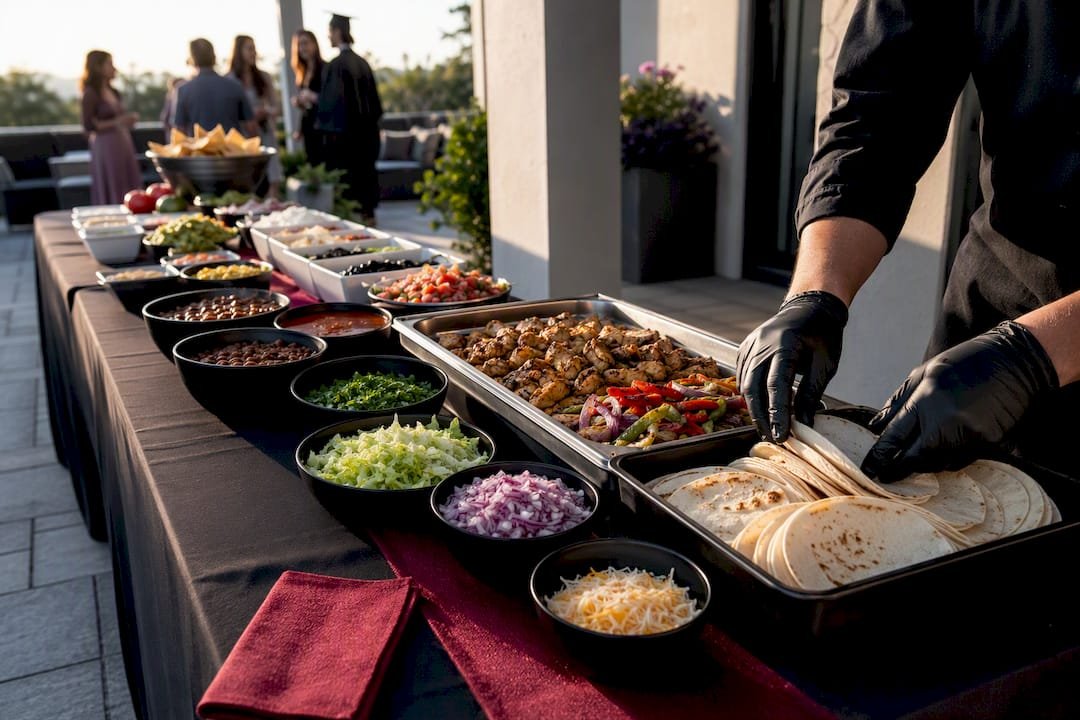
Mexican food is also ideal for feeding a crowd, which is why it works so well for gatherings. If you are planning Mexican food for Manitoba events, the same customisation principles scale effortlessly from a family dinner to a 50-person office lunch.
Step-by-step: How to customize classic Mexican dishes
With your ingredients ready, the real fun begins. The goal is not to reinvent Mexican cuisine but to adapt it thoughtfully, the way every regional cook has always done.
Customised tacos: A step-by-step build
-
Choose your tortilla. Corn tortillas are naturally gluten-free and have a nuttier flavour. Flour tortillas, ideally made with Manitoba-grown wheat flour, are softer and better for larger fillings. Heat them directly on a dry cast-iron pan for 30 seconds per side until they blister.
-
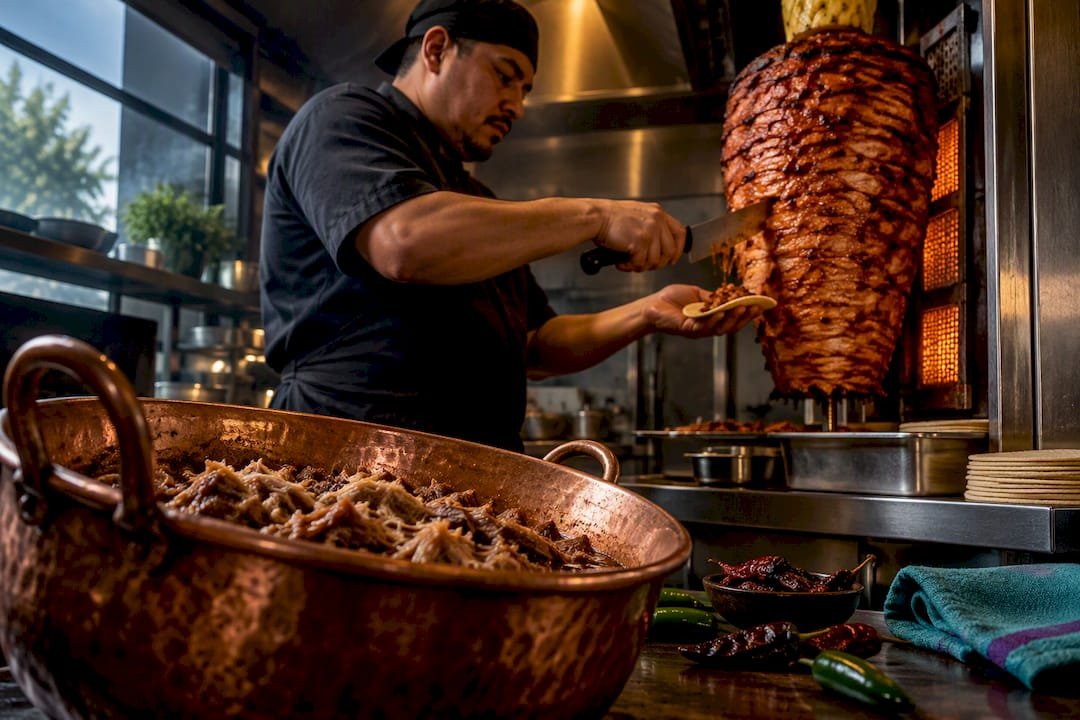
Prepare your protein. For pulled pork, rub a Manitoba pork shoulder with cumin, chili powder, garlic powder, and smoked paprika. Sear it in canola oil in your cast-iron pan, then transfer it to a roasting dish with tomato paste, diced tomatoes, jalapeño, and a splash of beef broth. Cover and bake at 325°F for three and a half to four hours until it pulls apart easily.
-
Roast or grill your vegetables. Toss sliced bell peppers, zucchini, and corn kernels in canola oil and a pinch of cumin. Roast at 425°F for 20 minutes or grill on high heat until you get good char marks. Roasting concentrates the natural sweetness of Manitoba produce beautifully.
-
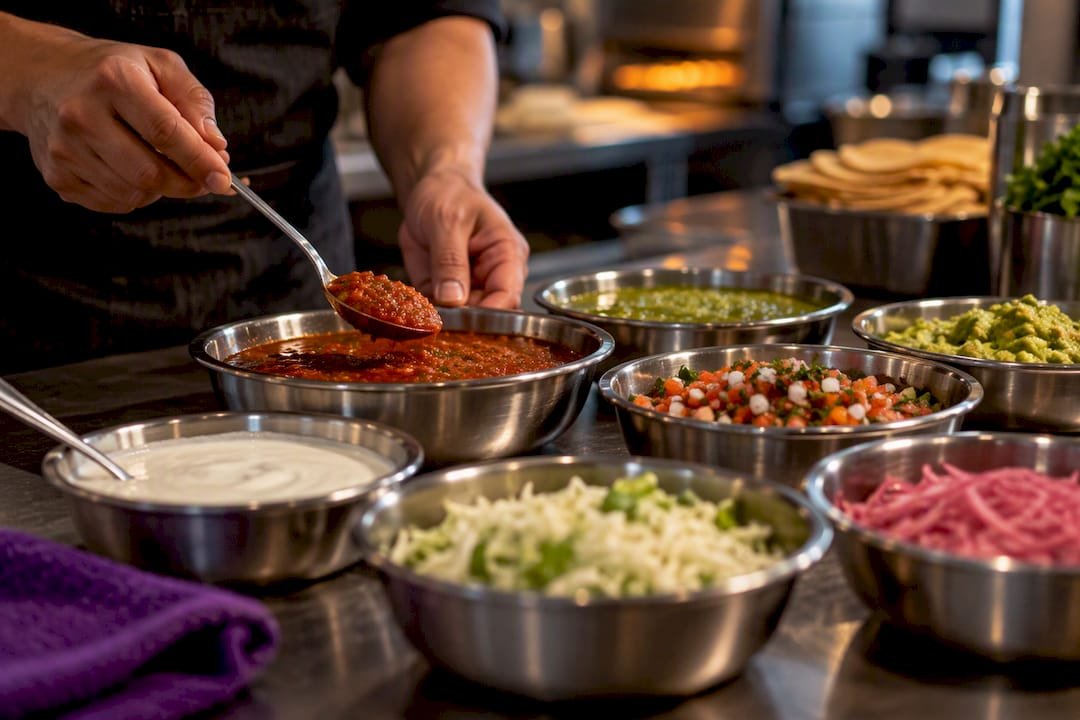
Build your sauce. Blend a chipotle pepper in adobo with Greek yogurt, lime juice, and a small garlic clove. This gives you a creamy, smoky drizzle that works as a healthier stand-in for sour cream-based sauces. Healthy customisations like Greek yogurt for sour cream, more vegetables, and citrus-forward flavouring all help you cut calories and sodium without sacrificing taste.
-
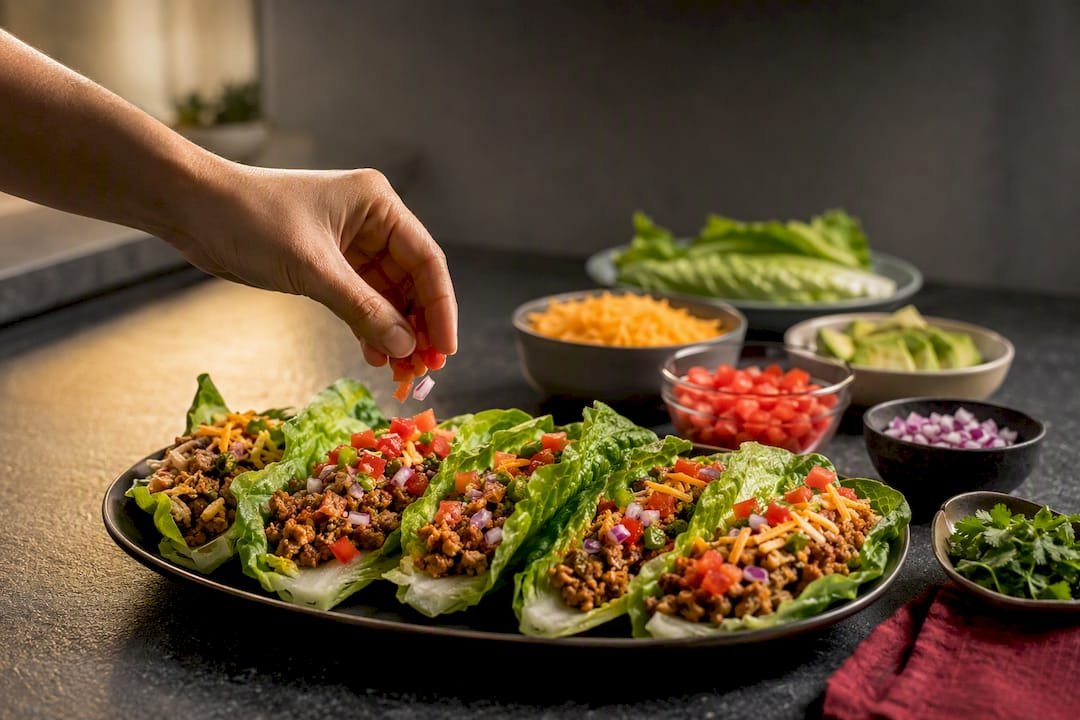
Assemble with intention. Protein first, then roasted vegetables, then fresh toppings like shredded cabbage, pickled onions, and fresh cilantro. Drizzle your sauce last and finish with a squeeze of lime.
-
Taste and adjust. Every ingredient batch is slightly different. Add more lime for brightness, a pinch of salt if the flavours are flat, or a few drops of your favourite hot sauce if you want more heat.
Manitoba Street Corn Salad as a side
Char fresh Manitoba corn directly on the grill or in a dry cast-iron pan for eight to ten minutes, turning regularly. Cut the kernels off the cob and toss them with crumbled Bothwell cheese, a dollop of Greek yogurt, lime juice, chili powder, and fresh cilantro. This side dish takes about 15 minutes and adds a spectacular pop of colour and flavour to any taco spread.
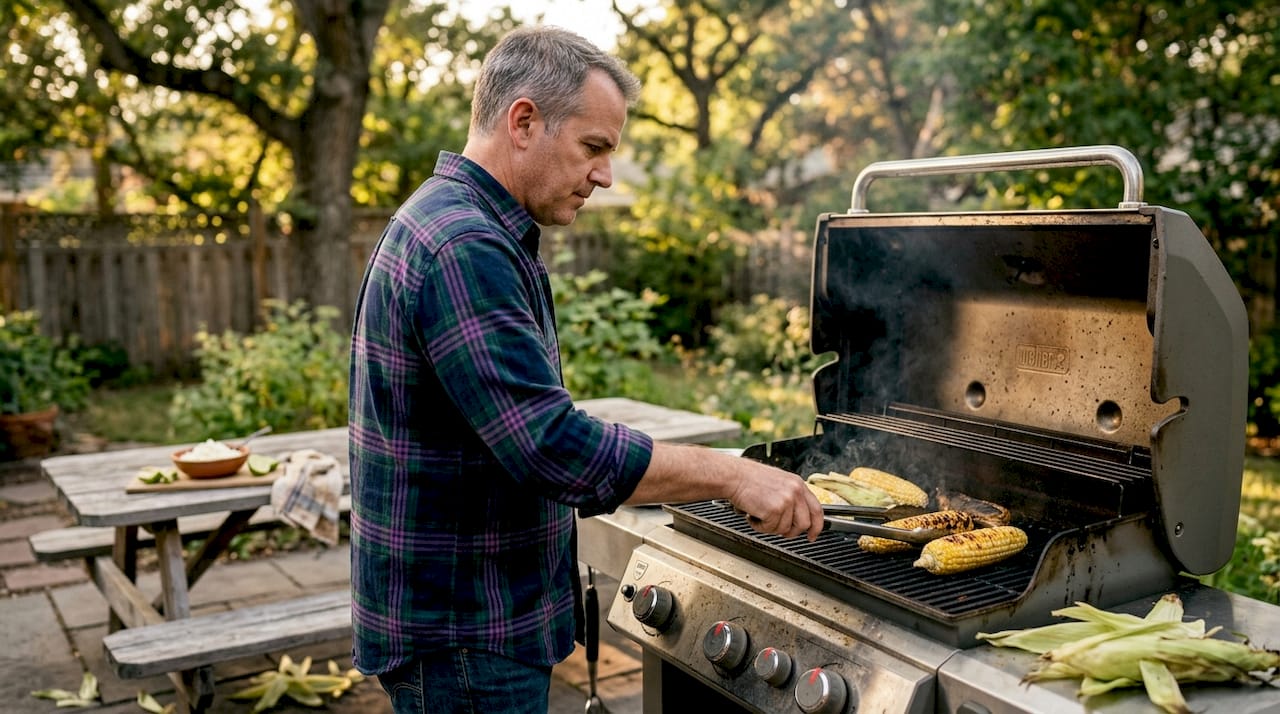
As chef Enrique Olvera notes, tacos are highly adaptable to local ingredients and regions. That adaptability is not a modern trend. It is baked into the very DNA of Mexican food culture, which has always evolved alongside whatever the land provides. If you want ideas for burritos with Canadian ingredients, the same layering logic applies perfectly.
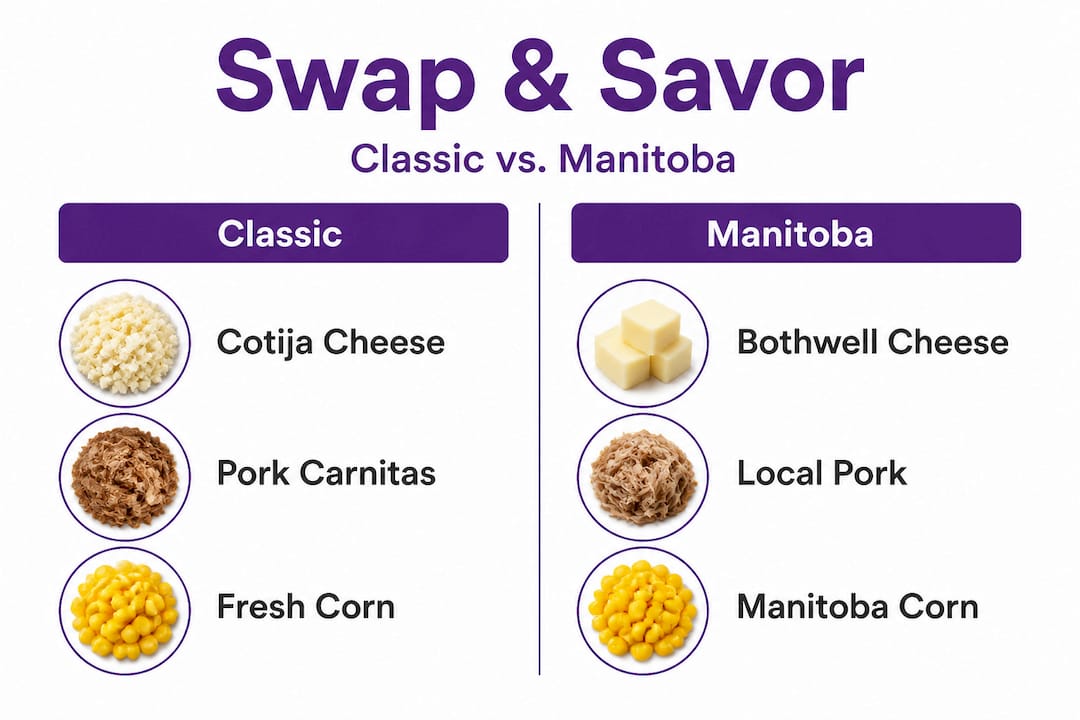
| Classic version | Manitoba custom version |
|---|---|
| Cotija crumble on tacos | Crumbled Bothwell aged cheddar |
| Pork carnitas in lard | Manitoba pork braised in canola oil |
| Elote with mayonnaise | Street corn with Greek yogurt and lime |
| Deep-fried fish tacos | Pan-seared Manitoba pickerel |
| Regular sour cream drizzle | Chipotle Greek yogurt sauce |
Pro Tip: Finish your tacos with local herbs like fresh dill or chives mixed into your Greek yogurt sauce. It sounds unconventional, but the cool, grassy notes pair beautifully with smoky pork or charred corn and give your dish a Prairie identity all its own.
For more local inspiration on how Winnipeg’s street food scene blends international flavours with regional character, it is well worth exploring what local restaurants are doing before you cook your next batch at home.
Troubleshooting and common mistakes when customising
Even experienced home cooks run into stumbling blocks when working with new ingredient combinations. Here are the most common issues and how to fix them quickly.
Mistakes to watch for:
- Overcooking local proteins. Manitoba pork shoulder is excellent, but it dries out fast if you rush it. The pork shoulder needs 3.5 to 4 hours at low heat to become truly tender. Pulling it early means tough, chewy meat. Patience is your best tool here.
- Watery salads. Fresh Manitoba corn and cabbage have high water content. If you salt your corn salad too early, it will weep liquid and turn soggy within minutes. Salt it just before serving and keep your dressing light until you are ready to plate.
- Oversalting your proteins. Rubs and marinades with chili powder, cumin, and tomato paste already carry a lot of sodium. Taste your meat before adding any extra salt, especially if you are using canned tomatoes, which are often salted already.
- Unbalanced heat. Manitoba produce tends to have a clean, mild sweetness. If you add too much jalapeño or chipotle, the heat overpowers the delicate flavour of local corn or fish. Start with half the chile the recipe calls for and build from there.
- Choosing the wrong oil. Canola oil is ideal for high-heat cooking because of its neutral flavour and high smoke point. Using olive oil at high temperatures can produce a bitter, acrid note that clashes with Mexican spices. Save the olive oil for dressings and cold applications.
“The key to great Mexican-inspired cooking with local ingredients is not trying to hide the substitution. Let the Manitoba pork, the Prairie corn, and the local cheese be themselves. Build the Mexican flavours around them rather than forcing them to disappear into the dish. Grilling and roasting will always serve you better than frying when local produce is this fresh and this good.”
If your dish tastes flat, squeeze more lime over it before adding salt. Often what reads as “missing salt” is actually missing acidity. Lime, a splash of apple cider vinegar, or even a spoonful of pickled jalapeño brine can bring a dish back into balance without making it too salty. For more hands-on technique tips, the step-by-step taco guide is an excellent starting point for getting the basics right every time.
How to know you’ve elevated your meal: Results to expect
You have cooked, assembled, and plated. Now comes the most satisfying moment: confirming that your Manitoba-infused Mexican meal actually worked. Here is what success looks and tastes like.
The sensory checklist:
| Sign of success | What to look for |
|---|---|
| Aroma | Smoky, warm spices with a clean, fresh note from herbs and citrus |
| Colour | Vibrant yellows from corn, deep reds from chiles, bright greens from cabbage and cilantro |
| Texture | Pork that pulls apart with a fork, crisp cabbage, creamy sauce, blistered tortilla edges |
| Taste | Layered flavour: smoky, sweet, tangy, and mildly spicy in sequence |
| Satisfaction | Feeling full without feeling heavy—a sign of balanced, wholesome ingredients |
The local Manitoba corn integration is often the moment people realise that farm-to-table freshness is not just a marketing phrase. Peak of the Market corn picked at its sweetest, charred on a hot grill, carries a depth of flavour that frozen or imported corn simply cannot match. That natural sweetness becomes the anchor around which all the spice and acid orbit.
When you use Bothwell Cheese, you will notice its slightly sharper, creamier flavour compared to standard cotija. That is not a flaw. That is character. It melts differently on warm ingredients and gives your taco or salad a distinctly Canadian identity without feeling out of place. This is the kind of result you can get by visiting the local tacos step guide and applying the same principles at home.
What most guides miss about customising Mexican meals in Manitoba
Most guides on Mexican food customisation spend a lot of time worrying about authenticity. They treat any ingredient swap as a dilution of something sacred. That framing is both historically inaccurate and practically unhelpful.
Mexican cuisine has never been a fixed, static thing. It is the result of centuries of adaptation. Indigenous ingredients met Spanish influences. Regional climates shaped which proteins and vegetables dominated the local table. Street food evolved city by city, market by market. The mole in Oaxaca is nothing like the mole in Puebla. Both are authentic. Both are local expressions of a broader tradition.
As chef Enrique Olvera describes it, the taco is fundamentally democratic. Simple or complex, classic or fusion, the tortilla accepts whatever the cook brings to it with honesty and skill. That philosophy means a Manitoba pickerel taco with charred corn and Bothwell Cheese is not a compromise. It is the tradition continuing in a new place, with a new terroir.
What is also rarely said is that Manitoba ingredients actually make certain Mexican dishes better, not just different. Local pork raised on Prairie farms tends to have more flavour than industrially farmed alternatives. Peak of the Market vegetables are harvested closer to peak ripeness. Bothwell Cheese carries a complexity that elevates a simple corn salad into something memorable. The customisation is an improvement, not a shortcut.
For a deeper look at what authentic Mexican food really means for Canadians, the answer is less about replicating a specific regional dish and more about cooking with the same spirit of freshness, honesty, and respect for local ingredients that has always driven Mexican food culture.
Pro Tip: Own your fusion. Make it, taste it, adjust it, and serve it with confidence. The best Mexican cooks everywhere have always done exactly that.
Take your custom Mexican meals further with Burrito Splendido
Everything described in this article is something we live by every single day at Burrito Splendido. Our kitchen operates on a from-scratch philosophy built around Manitoba-first ingredients: pork from local farms, poultry from Granny’s Chicken, cheese from Bothwell, fresh produce through Peak of the Market, and tortillas pressed daily from 100% Manitoba flour. Every item on our menu is a working example of what local, healthy, customised Mexican food looks like in practice.
Whether you want to taste the difference before you cook at home, explore catering options for your next event, or simply get inspired by what local ingredients can do in a Mexican kitchen, Burrito Splendido is your reference point. Find out why Burrito Splendido is the top choice for Manitoba diners who care about what goes into their food. Browse our Mexican food catering options for group events, or revisit the story of local ingredients in Mexican food to deepen your understanding of why freshness matters so much.
Frequently asked questions
What are easy local ingredient swaps for Mexican dishes in Manitoba?
Try Bothwell Cheese instead of cotija, use Manitoba pork for carnitas, and opt for local corn and cabbage to boost freshness and regional flavour. Manitoba pork adapts beautifully into Pulled Pork Mexicano using pantry-friendly Mexican spices.
How do I make Mexican meals healthier without losing flavour?
Use Greek yogurt instead of sour cream, load up on roasted vegetables, choose lean proteins like chicken or fish, and add citrus and fresh herbs. Heart-healthy Mexican recipes prioritise grilling and roasting over frying, which keeps flavour high and fat low.
Do authentic Mexican meals allow for regional ingredient changes?
Yes, authentic Mexican cooking has always been built on regional adaptation, and culinary experts actively encourage creative local twists. As chef Olvera emphasises, tacos are inherently adaptable and thrive on local character.
What are quick healthy toppings for tacos besides cheese and sour cream?
Try mango salsa, avocado slices, pepitas, shredded cabbage, or a generous squeeze of fresh lime for a bright and healthy flavour boost that adds texture without heaviness.
Recommended
- Why Mexican food is ideal for Manitoba corporate events – Burrito Splendido
- Authentic Mexican street food: Top picks to try in Winnipeg – Burrito Splendido
- What ‘authentic’ Mexican food really means for Canadians – Burrito Splendido
- Farm to Fork: Why Local Ingredients Make the Best Mexican Food in Canada – Burrito Splendido
- Food Tour Mexico | Rban Tours