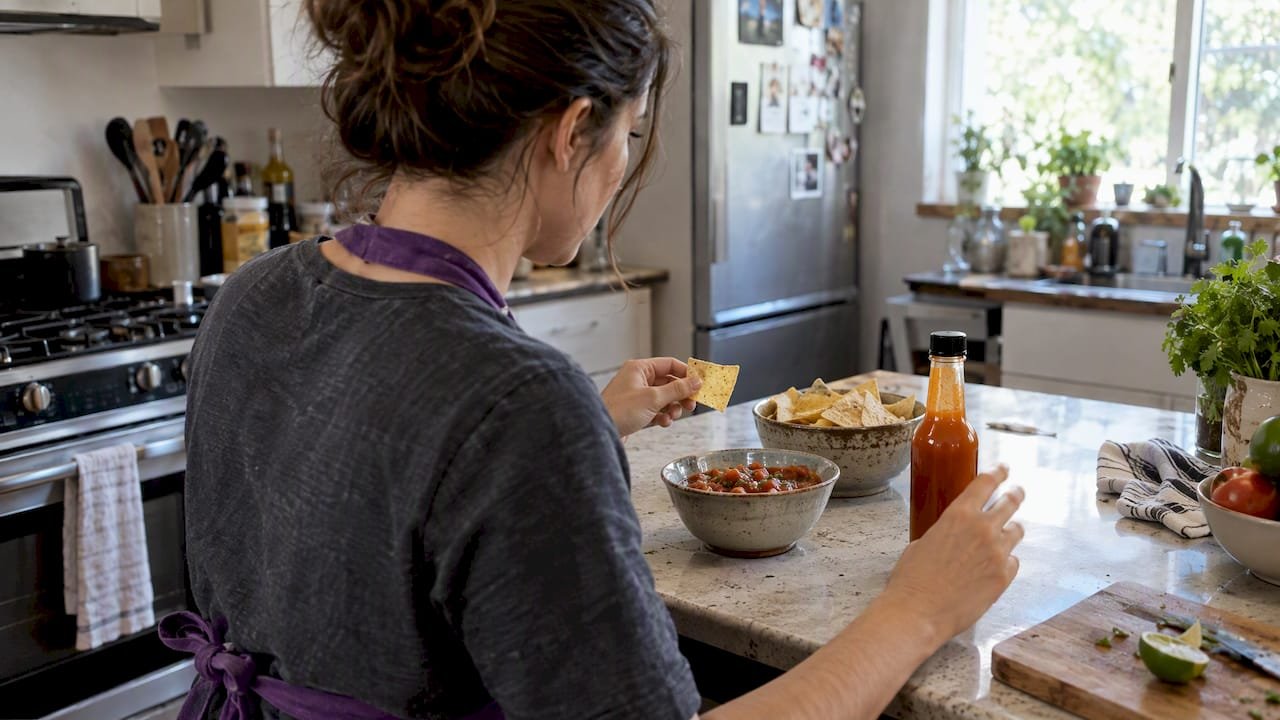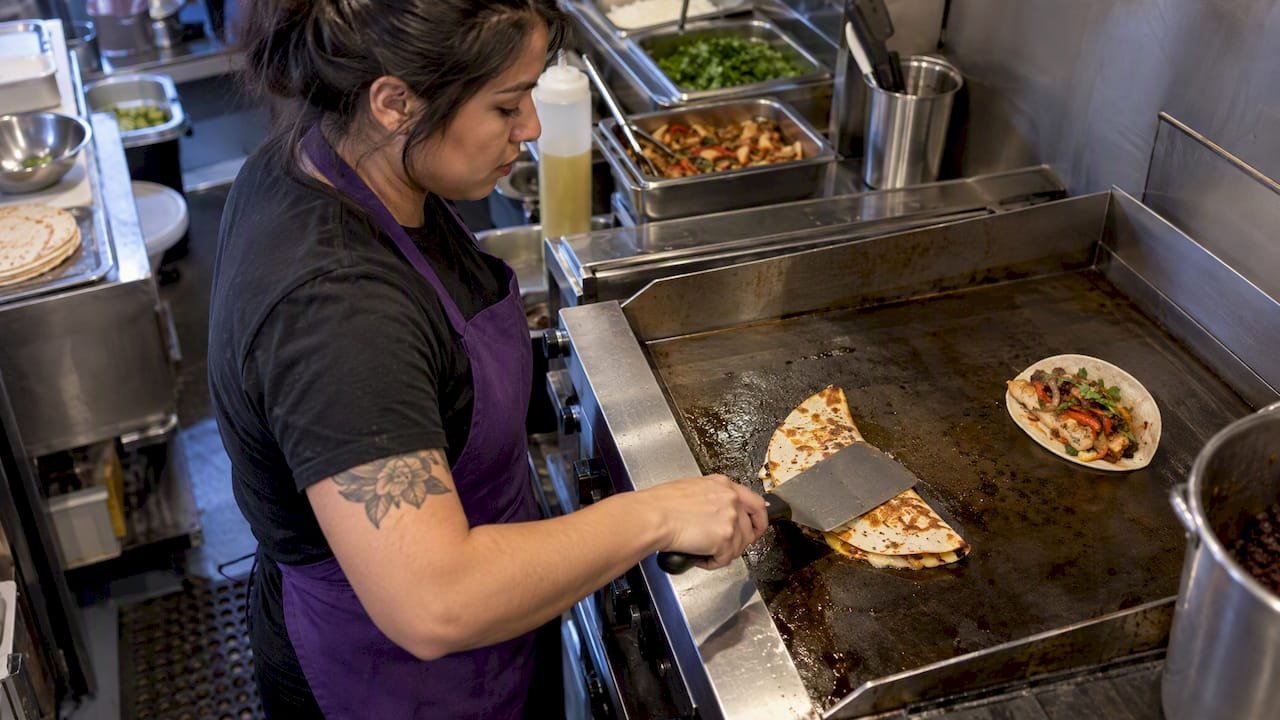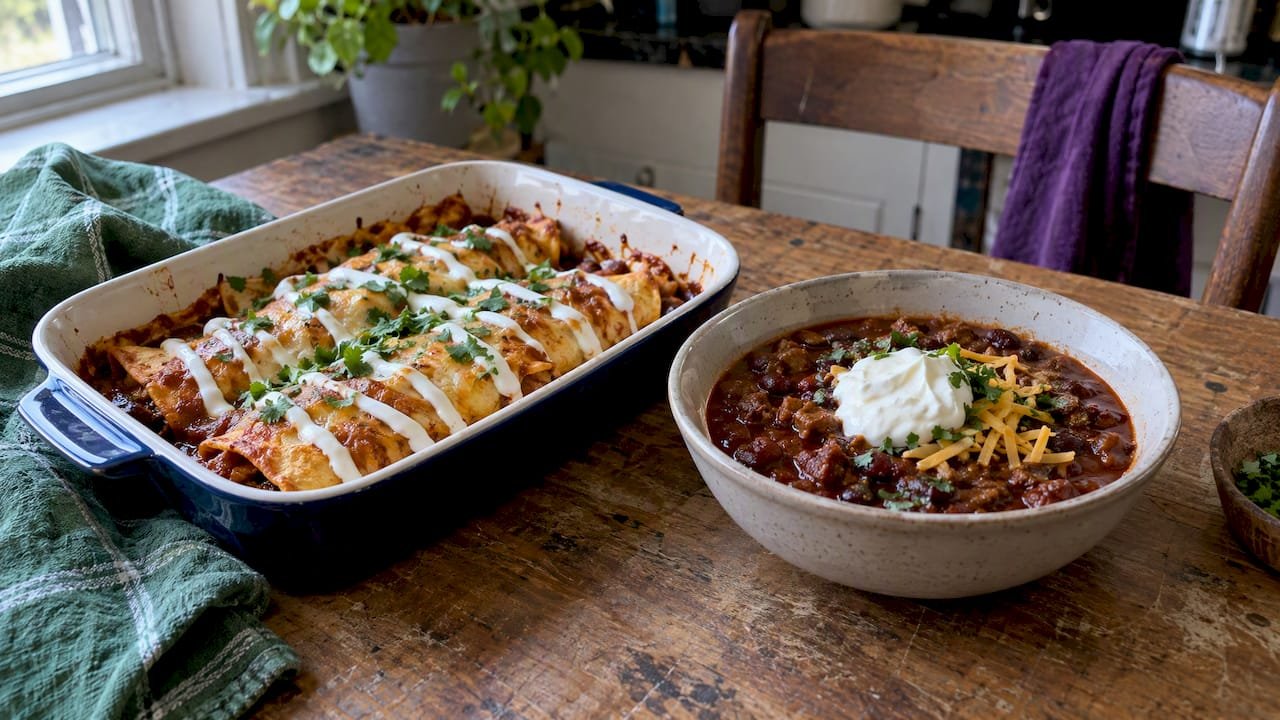
Salsa is a produce-driven, spoonable condiment; hot sauce is a pepper-forward, vinegar-based liquid used as a dasher. That’s the short version. Regional naming muddies things, since some communities use “salsa” as an umbrella word for almost any pepper condiment, including what we’d call hot sauce. The real distinction lives in texture, ingredients, and how capsaicinoids show up in each.
TL;DR:
- Shelf-stable hot sauces use vinegar and heat processing to prevent bacterial growth, unlike fresh salsa which depends on refrigeration and quick use.
- Hot sauce is usually smooth and liquid, while salsa is chunky and contains fresh produce, affecting how each is used in dishes.
- Hot sauces generally have higher sodium levels, so reading labels and moderating portions can help manage health risks.
- Homemade salsa requires proper acidity, often from bottled citrus juice, to ensure safe canning and prevent botulism risks.
- Hot sauce can substitute for salsa when only heat and acidity are needed, but it cannot replace salsa’s bulk in dishes like chip dips or fillings.
Table of Contents
- What each is made of and how that affects texture, flavour and storage
- How to use salsa versus hot sauce in real dishes
- Health trade-offs: capsaicinoids, nutrients and sodium
- Home cooking and preservation: safe salsa making and hot sauce storage tips
- A short checklist to pick salsa or hot sauce for a meal
- Why we make our own salsas from scratch
- Taste the difference: order house-made salsas or book catering
- FAQ
- Sources
What each is made of and how that affects texture, flavour and storage
Salsa starts with fresh produce: tomatoes, tomatillos, onion, cilantro, lime, and chilies blended or chopped but rarely strained. Hot sauce starts with peppers, vinegar, and salt, sometimes with sugar or garlic added, then it’s usually blended smooth and strained into a pourable liquid. That single choice, whether to keep the pulp or strain it out, explains most of the textural gap between a chunky pico de gallo and a bottle of Cholula.
Processing method matters as much as ingredients. Fresh salsa is typically raw or lightly cooked and meant to be eaten within days. Some hot sauces are fermented for weeks before the vinegar and straining step, which builds tang and depth beyond what raw peppers alone can deliver. Fermentation and vinegar-based preservation are what let a shelf-stable hot sauce sit in a pantry for months, while a jar of fresh salsa belongs in the fridge.
The preservation mechanisms behind that shelf-life gap come down to a short list:
- Vinegar’s acidity lowers pH enough to slow bacterial growth in bottled hot sauce.
- Heat processing during commercial bottling further stabilizes hot sauce for long-term storage.
- Fresh salsa lacks that acid load, so it depends on refrigeration and quick use instead of shelf stability.
- Some commercial salsas add vinegar or citric acid specifically to extend their fridge life past what fresh versions manage.
An unopened commercial hot sauce can sit at room temperature for a long stretch, while fresh salsa is best treated as a perishable, used within days and kept cold the whole time.
How to use salsa versus hot sauce in real dishes
The texture difference isn’t just aesthetic. A chunky salsa adds bulk, moisture, and bite to a dish; a liquid hot sauce adds concentrated heat and acid without changing the mouthfeel much. That’s why one gets spooned and the other gets dashed.
- Chips and dips call for salsa. The chunk and body are the point, and a thin hot sauce would just run off a tortilla chip.
- Tacos and burrito bowls often take both: salsa for body and freshness, a few drops of hot sauce layered on top for extra heat without diluting the dish.
- Eggs and fried foods usually favour hot sauce. A vinegar-forward sauce cuts through grease and fat far better than a wetter, chunkier salsa would.
- Soups and braises benefit from a splash of hot sauce stirred in at the end, since it adds acid and heat without changing the soup’s consistency.
- Grilled meats can go either way: a smoky salsa roja adds body as a topping, while a dash of hot sauce at the table lets each diner control their own heat.
Swaps work when the job is just “add heat.” They fail when the dish needs salsa’s bulk, like a chip dip or a filling for a quesadilla, where a thin hot sauce leaves the dish watery instead of textured.
Health trade-offs: capsaicinoids, nutrients and sodium
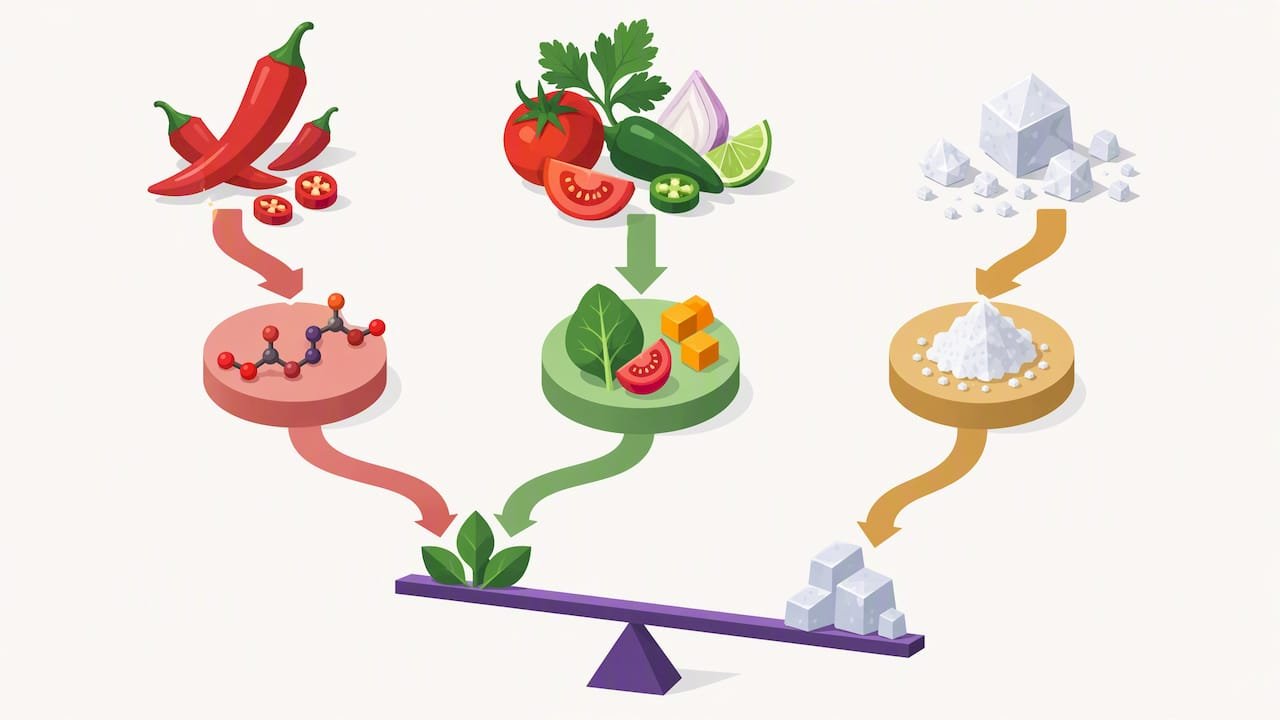
Capsaicinoids, the compounds responsible for chili heat, are linked to thermogenesis and may help modulate cardiometabolic risk factors, though the evidence depends heavily on dose and overall diet. That nuance matters because the same review notes many commercial sauces carry a lot of sodium, which can offset any metabolic upside if used heavily.
Fresh salsa tends to bring its own nutritional case: tomatoes and tomatillos contribute vitamin C and carotenoids, and a produce-based salsa is naturally low in calories. Hot sauce, by contrast, is mostly about flavour and heat rather than nutrient density, and its sodium content varies widely between brands.
A few practical habits help balance both:
- Read sodium content on hot sauce labels, since values swing a lot between brands.
- Choose low-sodium or no-added-sugar options when available, especially for frequent use.
- Treat portion size as a lever, not just flavour: a few dashes deliver heat without excess salt.
Home cooking and preservation: safe salsa making and hot sauce storage tips
Canning salsa safely isn’t a matter of taste, it’s a matter of acid. Tested recipes from the National Center for Home Food Preservation exist precisely because homemade salsa needs a correct, verified acid level to avoid botulism risk during boiling-water canning. Substituting fresh-squeezed lime or lemon juice for the bottled version called for in a recipe isn’t safe, since fresh citrus acidity varies and can leave the final jar under-acidified.
Storage habits differ sharply between the two condiments:
- Fresh salsa goes in the fridge immediately and is best eaten within about a week.
- Commercial hot sauce can sit unopened at room temperature for a long time thanks to vinegar and processing, though refrigerating after opening preserves flavour longer.
- Home-fermented hot sauces need careful salt ratios and clean equipment to ferment safely before bottling.
- Always wear gloves when handling hot peppers, since capsaicin oils linger on skin and transfer easily to eyes.
- Label jars with the date made, whether it’s fridge salsa or a fermenting batch, so nothing lingers past its safe window.
Pro Tip: Never swap bottled lemon or lime juice for fresh-squeezed in a canning recipe, even if the flavour seems similar, the acidity level is what keeps the jar safe.
A short checklist to pick salsa or hot sauce for a meal
Standing at the stove, a quick mental checklist settles most decisions faster than overthinking it:
- Decide if texture matters. If the dish needs bulk or bite, reach for salsa; if not, hot sauce works fine.
- Check the quantity needed. A topping for a whole bowl calls for salsa’s volume; a flavour accent calls for a few drops of hot sauce.
- Think about heat control. Hot sauce lets each person dose their own heat at the table, which salsa’s bulkier format makes harder to fine-tune.
- Consider acidity against fat. Fried or fatty foods usually want a vinegar-forward hot sauce to cut through the richness.
- Factor in dietary needs. Some commercial hot sauces carry added sugar or higher sodium, so a fresh salsa may fit a stricter diet better.
A thin, watery salsa can often substitute for hot sauce when only a punch of heat is needed. The reverse rarely works: hot sauce can’t replace salsa in a chip dip, where the lack of texture becomes obvious immediately.
Why we make our own salsas from scratch
We build house-made salsas daily using fresh, locally sourced produce, rather than relying on a bottled, mass-produced base. That from-scratch approach lets us control texture, heat, and freshness in a way a shelf-stable product can’t match, and it keeps our salsas naturally suited to gluten-free and vegan menus without extra substitutions. We’ve mapped out our own salsa heat levels so you can match the right one to whatever you’re building at home or ordering from us.
— Austin
Taste the difference: order house-made salsas or book catering
Our menu features these house-made salsas built into burritos, bowls, tacos, and quesadillas, so you can taste the texture and freshness difference we’ve described here in person.

Planning a larger gathering, our catering options bring that same fresh salsa and from-scratch cooking to your event, with gluten-free, vegan, and other dietary accommodations available on request.
FAQ
Why do Mexicans call hot sauce salsa?
In Mexican Spanish, “salsa” translates simply as “sauce,” and culinary tradition treats it as an umbrella term that includes many pepper-based condiments, not just chunky produce-based ones. That’s different from the narrower English split between “salsa” and “hot sauce,” which reflects regional naming habits more than a universal rule.
Is hot sauce healthy, yes or no?
It depends on the brand and how much you use. The capsaicinoids in chili peppers are linked to thermogenesis and possible cardiometabolic benefits, but many commercial hot sauces carry notable sodium, so moderation and label reading matter more than treating any bottle as automatically healthy.
Do Texans call salsa hot sauce?
Naming conventions vary by region, and some areas blur the line between the two terms more than others. In most Tex-Mex contexts, “salsa” still refers to the chunkier, produce-based condiment, while “hot sauce” describes the thinner, vinegar-based liquid, though usage isn’t universal.
What is a substitution for hot sauce?
A thin, well-blended salsa can often stand in when you just need a punch of heat and acidity, especially in soups, braises, or marinades. It won’t work as a substitute in recipes where hot sauce’s liquid consistency is essential, like whisking into a dressing.
Sources
- Capsaicinoids modulating cardiometabolic syndrome risk factors: current perspectives
- Ingredients for salsa recipes — National Center for Home Food Preservation
- Salsa vs. hot sauce: unveiling the fiery differences — EatingChoice
- How to make salsa — NYT Cooking