The single best default at any Mexican restaurant is a grilled-protein bowl or two tacos on corn tortillas with black beans and extra vegetables, sauces on the side. That one decision alone removes the biggest calorie and sodium traps on the menu before you even open your mouth.
Order these:
- Grilled chicken, fish, or shrimp (not fried or chorizo)
- Corn tortillas or a bowl base instead of a large flour tortilla
- Black or pinto beans (whole, not refried in lard)
Avoid these:
- Chips and queso as a starter
- Deep-fried items (chimichangas, taco shells, flautas)
- Extra-large flour burritos loaded with cheese sauce and sour cream
When the server comes over, say: “Can I get that grilled, with sauces on the side and double the vegetables instead of extra rice?”
Key takeaways
A healthy Mexican order comes down to three decisions: choose a grilled protein and corn tortillas or a bowl, add whole beans and extra vegetables, and put every sauce on the side.
| Point | Details |
|---|---|
| Choose grilled over fried | Grilled chicken, fish, or shrimp on corn tortillas or in a bowl cuts fat significantly versus fried alternatives. |
| Swap rice for extra veg | Double vegetables instead of extra rice adds fibre and micronutrients while reducing refined carbohydrate. |
| Ask for sauces on the side | Controlling your own pour of guacamole, salsa, and sour cream is the highest-leverage single habit for calorie control. |
| Watch the hidden hazards | Chips, queso, refried beans in lard, and large cocktails are the most common sources of excess calories and sodium. |
| Burritosplendido | A deep-fryer-free, locally sourced option in Manitoba with built-in customisation for bowls, tacos, and dietary needs. |
Table of Contents
- How do you build a healthy Mexican plate from any menu?
- What are the best and worst choices at a Mexican restaurant?
- What exact swaps and phrases work at the table?
- What raises calories, sodium, and saturated fat the most?
- What do dietitian-friendly sample orders look like?
- A local restaurant lens on healthy custom orders
- Healthy Mexican meals, ready-made in Manitoba
- Sources
How do you build a healthy Mexican plate from any menu?
Experts recommend treating the menu as a modular system: pick your base, then your protein, then your fibre source, then your vegetables, and finally control what goes on top. That order of decisions keeps you from defaulting to whatever the kitchen piles on by default.
Follow these steps every time:
-
Choose your base. A bowl (no tortilla) or two corn tortillas beats a large flour tortilla on fibre and glycaemic load. Say: “Can I get a bowl instead of the burrito?” or “Corn tortillas, please.”
-
Pick a lean, grilled protein. Grilled chicken, fish, or shrimp are the reliable choices. On the menu, look for terms like a la parrilla, asado, or al carbón — these signal grilled preparations with less added fat than anything labelled frito or con queso. Say: “Is the chicken grilled or cooked in oil?”
-
Add legumes. Black beans or pinto beans supply protein and soluble fibre. Ask for whole beans rather than refried. Say: “Whole black beans, please, not refried.”
-
Load up on vegetables. Fajita peppers and onions, lettuce, tomato, and pico de gallo all add volume and micronutrients with minimal calories. Say: “Can I get double the vegetables instead of extra rice?”
-
Control sauces and toppings. Ask for everything on the side: salsa, guacamole, sour cream, and any dressing. You decide how much goes on. Say: “All sauces on the side, please.” Patient guidance from MedlinePlus specifically recommends this step to reduce sodium and fat at restaurants.
-
Manage your portion. If the plate looks large, ask for half to be boxed before you start eating. You can also order two small plates or street tacos instead of one oversized entrée.
You can customize Mexican meals with Manitoba flair and health using the same modular logic whether you’re eating out or ordering in.
What are the best and worst choices at a Mexican restaurant?
The simplest heuristic: grilled protein + beans + vegetables + corn tortillas = a nutritious Mexican meal. Everything else is a variable you can control.
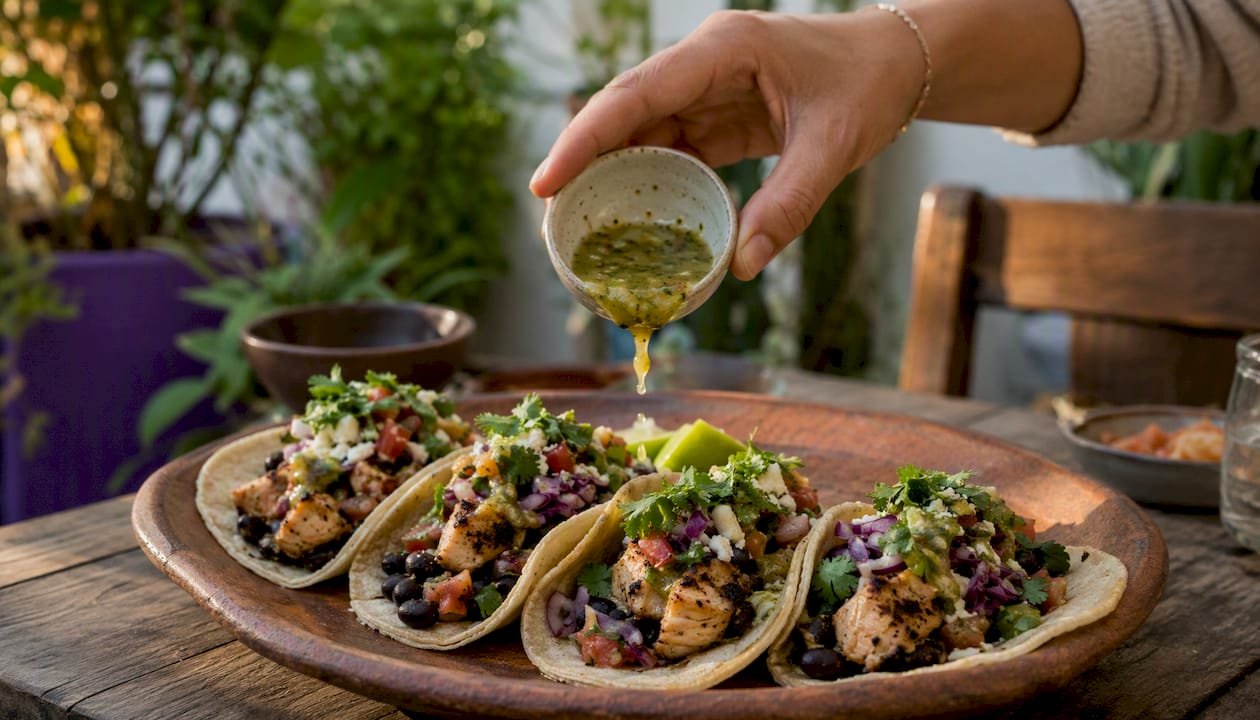
Heart-healthy guidance from Cleveland Clinic and Tufts Health & Nutrition Letter both point to the same short list of reliable swaps.
Best choices
- Grilled fish or chicken tacos on corn tortillas — corn tortillas are lower in calories and higher in fibre than flour; two street tacos are a reasonable, satisfying portion
- Fajita bowl with grilled protein and extra veg — naturally lower in refined carbs when you skip the tortilla
- Black or pinto beans (whole) — supply protein, soluble fibre, and potassium that helps offset the sodium in restaurant cooking
- Pico de gallo — fresh, low-sodium, and adds flavour without cream or fat
- Guacamole (small portion on the side) — healthy unsaturated fats; far better than queso or sour cream
Avoid or limit
- Chimichangas and flautas — deep-fried, which roughly doubles the fat content versus a grilled equivalent
- Queso-smothered nachos — a starter that can deliver more saturated fat and sodium than an entire entrée
- Deep-fried taco shells — add unnecessary calories with no nutritional upside
- Extra-large flour burritos — a single oversized burrito with cheese, sour cream, and rice can exceed a full day’s sodium target before you add chips
What exact swaps and phrases work at the table?
Swap decisions are where a healthy Mexican order actually gets made. Here are the most useful ones:
- Corn over flour tortillas — lower glycaemic load, more fibre, fewer calories per tortilla
- Whole beans instead of refried — refried beans are often prepared with lard; whole beans keep the protein and fibre without the added saturated fat
- Sauces and dressings on the side — a single ladle of queso or chipotle mayo can add several hundred calories; controlling the pour yourself is the single highest-leverage habit
- Double vegetables instead of extra rice — adds volume and micronutrients while cutting refined carbohydrate
- Salsa or pico instead of sour cream — fresh salsa has negligible calories; sour cream adds saturated fat with little nutritional return
- Bowl or “naked” format instead of a wrapped burrito — removes the large flour tortilla entirely and naturally reduces portion size
Verbatim phrases that work:
- “Can I get the fajita bowl with grilled chicken, double peppers and onions, black beans, and all sauces on the side?”
- “Corn tortillas, please, and can you go light on the oil when you grill the vegetables?”
- “Could I get half of this boxed before it comes out?”
Pro Tip: Ask for vegetables to be grilled “with very little oil” or “dry-grilled.” Hidden fats are common even in fajita vegetables — a simple request here can meaningfully reduce calories without changing the flavour of the dish. There’s no need to apologise for the ask; most kitchens handle it without issue.
For guidance on communicating dietary restrictions and allergen concerns, this safe meal ordering guide covers the full conversation with staff.
What raises calories, sodium, and saturated fat the most?
The top nutrient hazards at Mexican restaurants are fried foods, cheese and cream sauces, chips, and sugary cocktails. Most diners underestimate how quickly these add up before the main course arrives.
- Chips and salsa as a starter — chips are fried and calorie-dense; it’s easy to consume a significant portion of your daily calorie budget before the entrée arrives, especially when the basket is refilled automatically
- Queso and cream-based sauces — high in saturated fat and sodium; a generous pour can rival the calorie count of the protein itself
- Refried beans prepared in lard — a less obvious source of saturated fat; always worth asking how they’re made
- Large margaritas and cocktails — the WHO states there is no level of alcohol consumption that is completely safe for health, and a large frozen margarita can carry as many calories as a full meal on its own
- Fried proteins (chorizo, chimichangas, flautas) — the frying process adds fat that grilling simply doesn’t
If you’re unsure how a dish is prepared, ask the server directly: “Is this cooked in oil or lard? Can it be grilled instead?” MedlinePlus patient guidance recommends exactly this kind of kitchen inquiry to manage sodium and fat when dining out.
What do dietitian-friendly sample orders look like?
Dietitians define a healthy Mexican order by balance: lean protein, fibre-rich beans, fresh vegetables, and controlled sauces. The menu category matters far less than how you build the plate. Here are three practical templates that fit that framework, with approximate calorie ranges that account for normal restaurant variation.
-
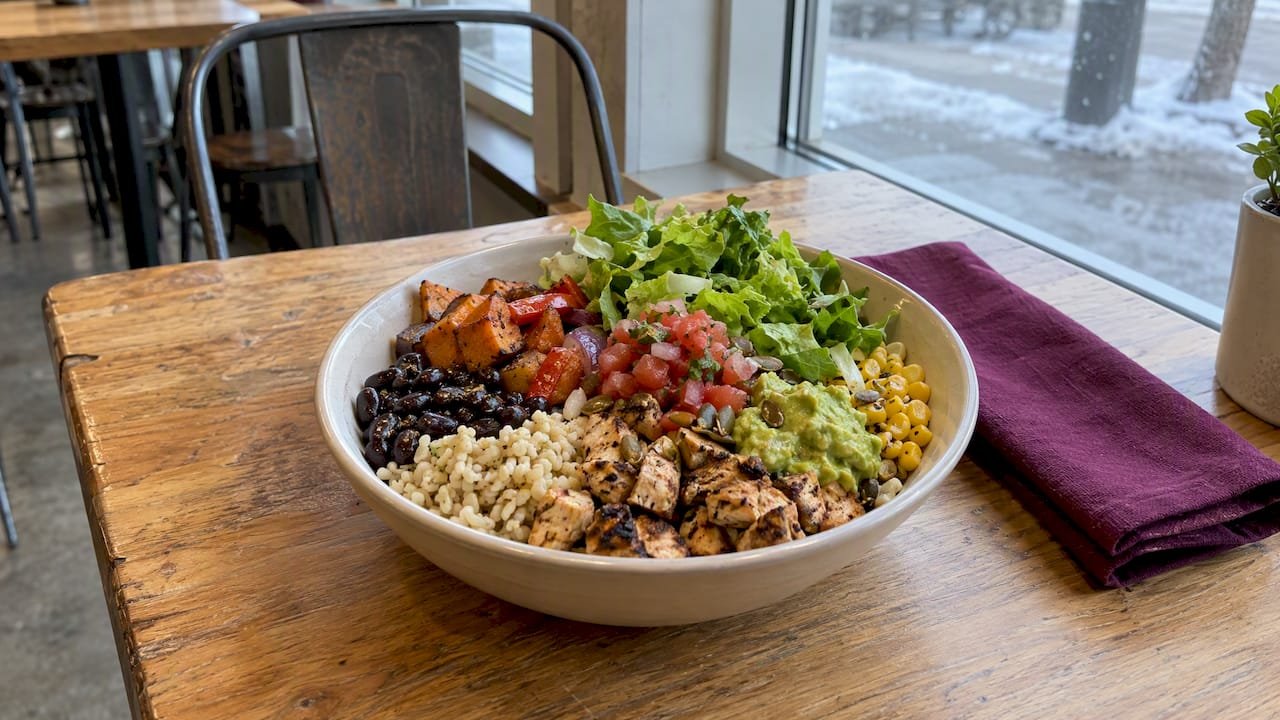
Grilled chicken fajita bowl with double veg and black beans, sauces on the side — a moderate calorie range depending on portion size and how much guacamole you add. This is the most flexible template: easy to request at almost any Mexican restaurant and naturally lower in refined carbs.
-
Two fish tacos on corn tortillas with pico de gallo and a side of whole beans — a moderate calorie range. Corn tortillas keep the glycaemic load lower than flour, and pico adds flavour without cream or fat. A solid choice if you want something lighter.
-
Vegetarian bean bowl with a lettuce base, pico, and guacamole on the side — a moderate calorie range. The lettuce base replaces rice entirely, and whole beans supply enough protein and fibre to keep you full. This template aligns well with Canada’s Food Guide emphasis on plant-based protein and plenty of vegetables at each meal.
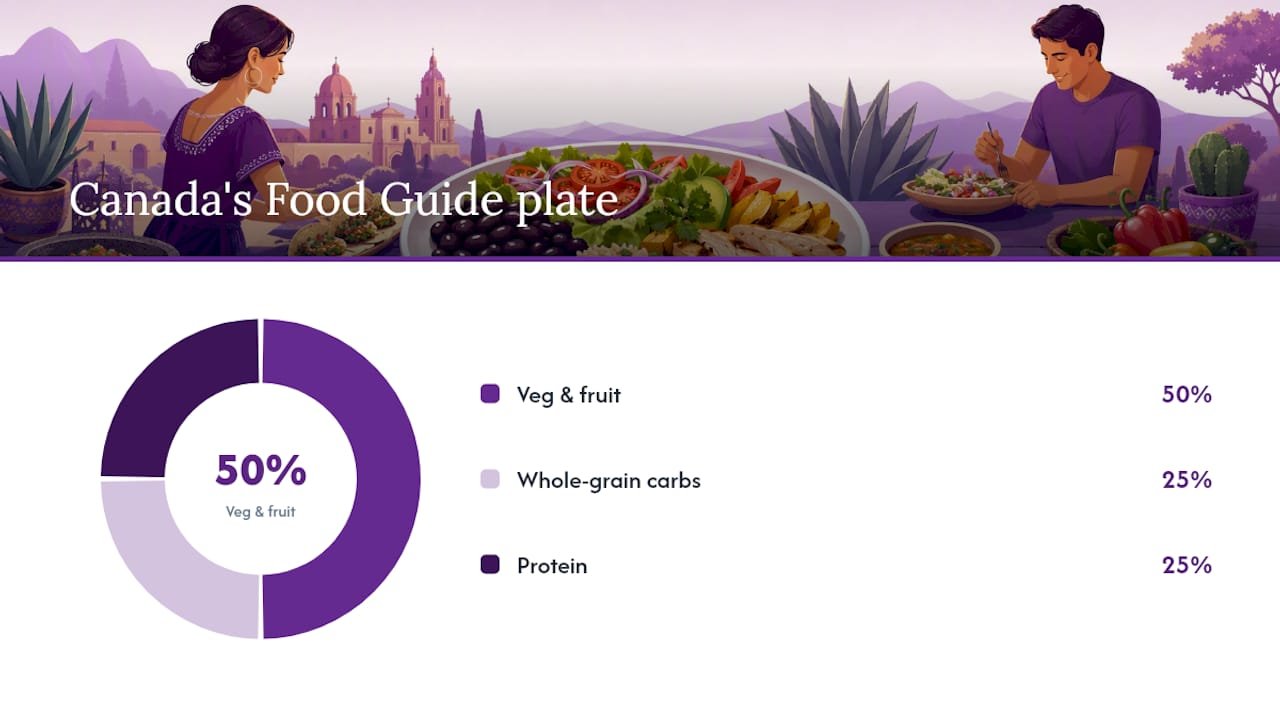
For Canadian diners, Canada’s Food Guide recommends filling half your plate with vegetables and fruit, a quarter with whole-grain or higher-fibre carbohydrates, and a quarter with protein. The bowl and taco templates above map directly onto that framework. Portion control remains the most practical lever: a healthy Mexican meal workflow that pre-plans your order before you arrive makes it easier to stick to these templates under the social pressure of a restaurant setting.
A local restaurant lens on healthy custom orders
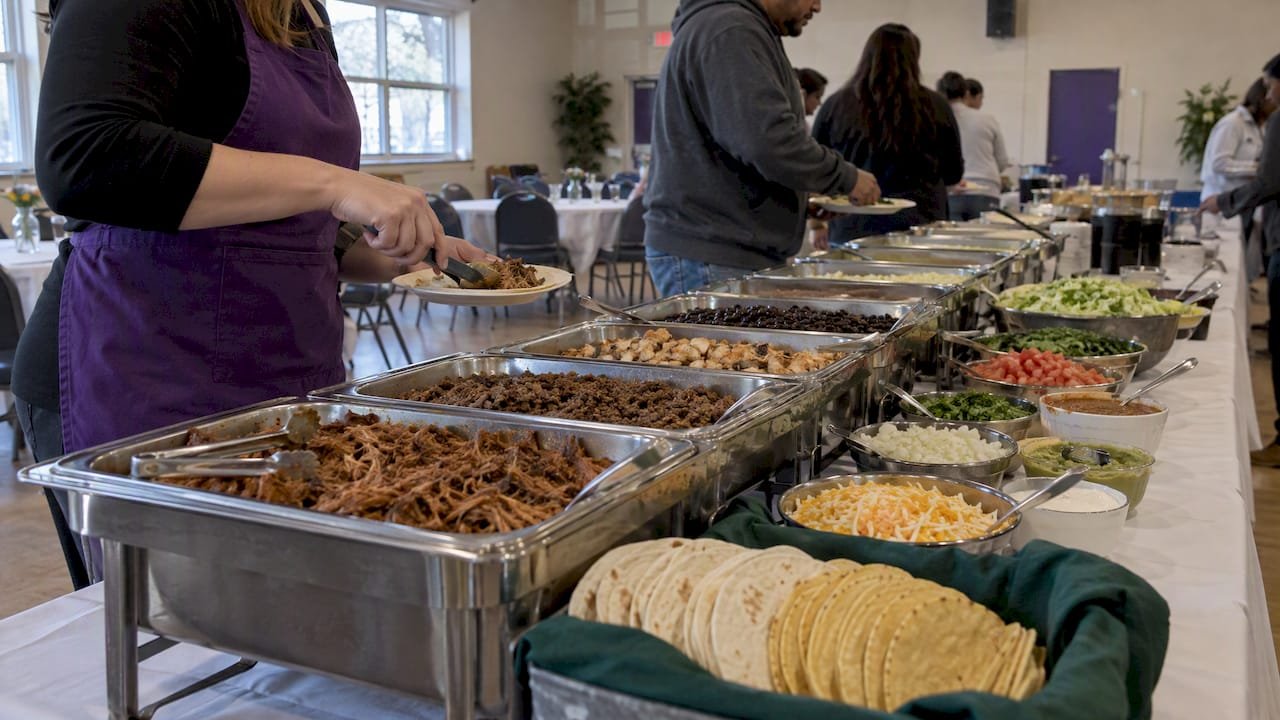
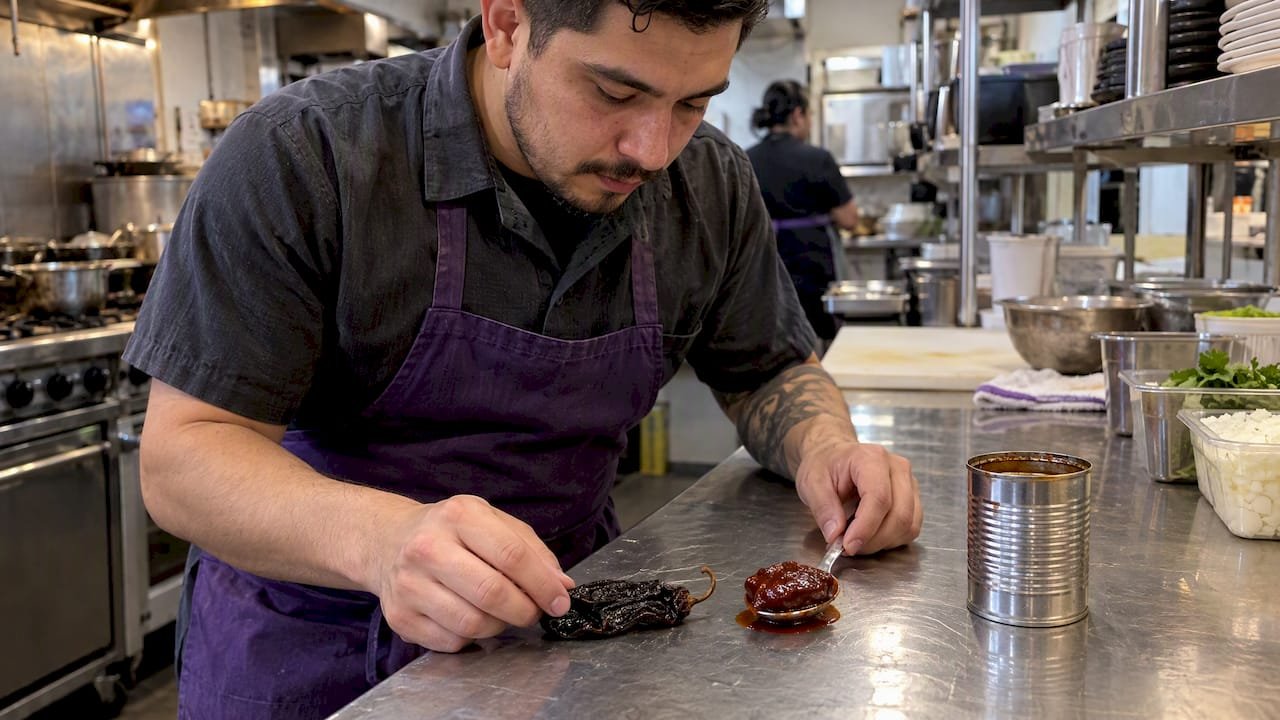
Burritosplendido’s approach to healthy ordering starts before the customer even speaks: the kitchen operates without a deep fryer, which removes the most common source of hidden fat from the equation entirely. Every protein — Adobo Chicken, Barbacoa, Carnitas — is slow-cooked and hand-pulled in-house, not processed or pre-fried.
The Manitoba-first sourcing model means the vegetables, cheese, and proteins on the menu come from local farms and producers, including Peak of the Market produce and Bothwell Cheese. That supply chain is shorter and more transparent than most fast-casual chains, which matters when you’re asking about preparation methods or ingredients.
The menu is built for customisation: gluten-free corn tacos from La Cocina, vegan and vegetarian bowl options, keto and paleo modifications, and staff trained to handle cross-contamination concerns. Asking for sauces on the side, double vegetables, or a naked bowl is a standard request, not an inconvenience. Fresh, custom Mexican in Winnipeg is the practical expression of that philosophy.
Healthy Mexican meals, ready-made in Manitoba
Burritosplendido is the straightforward answer for health-conscious diners in Manitoba who want a nutritious Mexican meal without negotiating every ingredient. The kitchen is deep-fryer-free, the proteins are grilled or slow-cooked, and every bowl or taco is built to order from locally sourced ingredients.
What that means in practice for health-focused diners:
- Grilled proteins (Adobo Chicken, Barbacoa, seasonal Manitoba Whitefish/Pickerel) with no frying
- Naked burrito bowls with lettuce base, whole beans, and sauces on the side
- Gluten-free corn tacos, vegan bowls, and keto-friendly modifications as standard
- Bothwell Cheese and Peak of the Market produce — local, fresh, and traceable
- Allergen-aware preparation with staff trained on cross-contamination
For groups and corporate events, Burritosplendido catering offers the same customisable, health-forward menu at scale. Browse the full menu and place your order at burritosplendido.com/shop, or call ahead to confirm any specific dietary modifications before you arrive.
Sources
- How to Order The Healthiest Mexican Food
- We Asked Dietitians Their Favorite Chipotle Order—They All Said the Same Thing
- Delicious, Nutritious Mexican Food – Tufts Health & Nutrition Letter
- Say ‘olé’ to heart-healthy Mexican food
- No level of alcohol consumption is safe for our health (WHO)
- Eating, Diet, and Nutrition – MedlinePlus patient instructions
- What to Order at Any Mexican Restaurant if You’re Eating Healthy – Health Info
- Eat Healthy at a Mexican Restaurant: A Dietitian’s Guide – Chaztin
This article is general information, not a substitute for advice from a qualified doctor. Consult a qualified healthcare professional about your own circumstances before acting on anything here.