Tallahassee’s Korean dining scene breaks into three distinct types: communal K-BBQ steakhouses where you grill at the table, small neighbourhood kitchens serving home-style comfort food, and fusion poke counters that blend Korean staples with sushi and poke bowls. For a Canadian visitor, the most useful thing to know upfront is that each type requires a different approach — K-BBQ calls for a reservation and a couple of hours; a neighbourhood kitchen is a quick, affordable sit-down; and a fusion counter is your best bet for takeout or a mixed group.
Key takeaways
Tallahassee’s Korean dining options split clearly by format, and matching the venue type to your occasion is the single most useful thing you can do before booking.
| Point | Details |
|---|---|
| Three venue types | K-BBQ steakhouses, neighbourhood kitchens, and fusion poke counters each suit different occasions and budgets. |
| K-BBQ pricing | Dinner at an all-you-can-eat steakhouse starts at a moderate price per person; lunch is typically less expensive. |
| Neighbourhood kitchen value | Entrées at smaller kitchens run at an affordable price point, with free banchan sides included. |
| Takeout tip | Fusion counters and neighbourhood kitchens handle takeout well; communal K-BBQ is best enjoyed in-person. |
| Canadian visitors: tip 20% | US tipping norms run higher than Canadian casual dining — budget 18–20% on the pre-tax total. |
Table of Contents
- What kinds of Tallahassee Korean restaurants will you actually find?
- How do you find and choose the right Korean dining spot?
- What should you expect at a Korean BBQ buffet in Tallahassee?
- What are the most popular Korean dishes to order?
- How does Korean takeout and delivery work in Tallahassee?
- Practical tips for Canadian visitors heading to Tallahassee for Korean food
- How to find comparable Korean dining experiences back in Canada
- Why Tallahassee’s Korean scene mixes traditional and fusion styles
- A practical take on picking the right Korean spot
- Sources
What kinds of Tallahassee Korean restaurants will you actually find?
Three formats cover almost every listing you’ll encounter when searching for Korean food in Tallahassee.
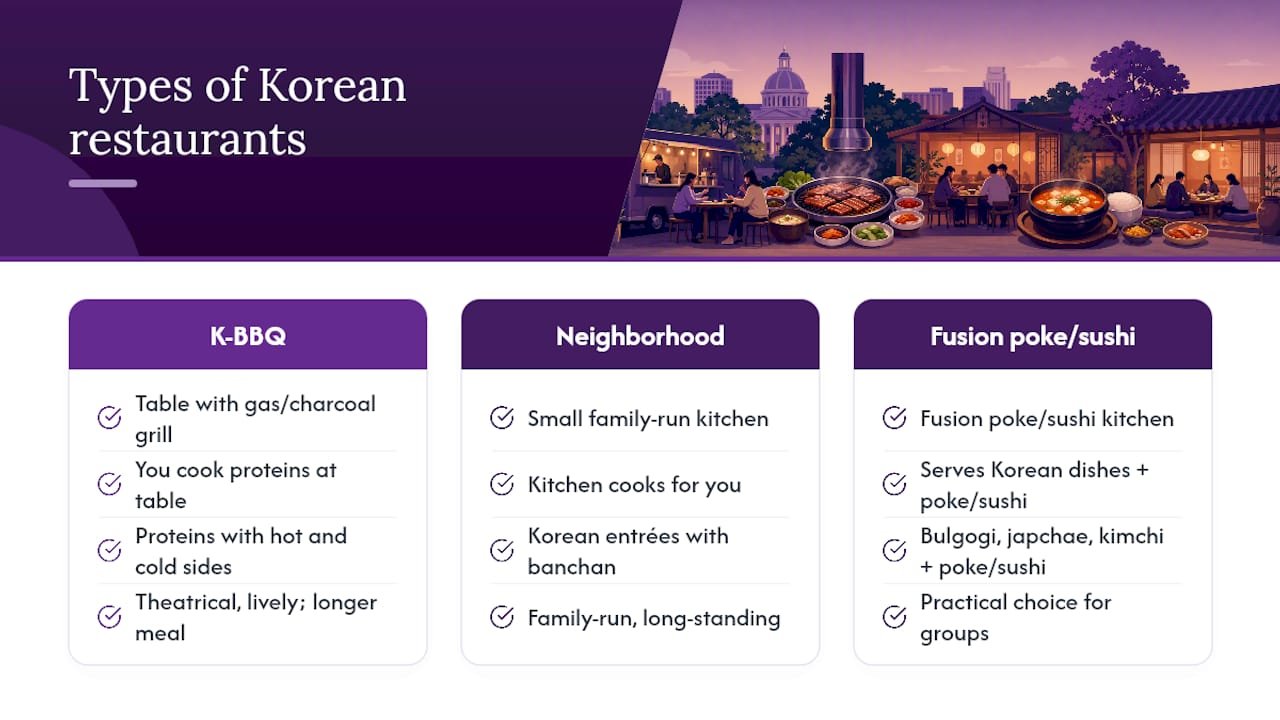
K-BBQ / all-you-can-eat steakhouses are the most theatrical. You sit at a table fitted with a gas or charcoal grill, order proteins from a menu, and cook at your own pace. Chow Won Korean Steakhouse opened in Tallahassee offering a variety of protein options and hot or cold sides, with dinner and lunch priced affordably. Expect a longer meal, a lively atmosphere, and clothes that smell faintly of smoke afterward.
Small neighbourhood Korean kitchens are family-run spots where the kitchen does the cooking. Korean BBQ & More is a long-standing example, having relocated to a more central Apalachee Parkway spot after 12 years in business. Entrées there have been reported in a moderate price range, and the kitchen sends out generous banchan spreads — free side dishes like kimchi and bean sprout salad — that make the price feel like a genuine deal.
Fusion poke/sushi kitchens with Korean items sit somewhere between the two. Kami Poke & Korean Kitchen on Apalachee Parkway serves bulgogi, japchae, and kimchi alongside poke and sushi, making it a practical choice for groups where not everyone wants a full Korean meal.
How do you find and choose the right Korean dining spot?
A quick, repeatable checklist saves you from showing up at a closed kitchen or waiting an hour for a K-BBQ table with no reservation.
- Check hours and phone number first. Many smaller Korean kitchens keep limited hours or close on specific weekdays. The KBBQ site for Korean BBQ & More posts current hours and a phone number — that kind of live contact info is the strongest early signal that a restaurant is actively operating.
- Confirm online ordering or reservation policy. K-BBQ venues fill up fast on weekends. Fusion counters like Kami Poke support online ordering, which is worth confirming before you drive over.
- Read the sample menu and prices. Look for posted prices, not just dish names. A menu with no prices is often outdated.
- Check recent reviews and photos. TripAdvisor’s page for Korean BBQ and More shows customer photos that confirm dish authenticity and portion sizes better than any description.
- Verify parking and accessibility. Apalachee Parkway has strip-mall parking lots that are generally easy to navigate, but confirm before visiting a new spot.
Search terms that work well in Google Maps: “Korean BBQ Tallahassee,” “Korean restaurant near me Tallahassee,” and “all-you-can-eat Korean Tallahassee.”
Pro Tip: For communal K-BBQ, call ahead even if the site says walk-ins are welcome. Weekend evenings fill quickly, and a 20-minute wait at the door is common without a reservation.
What should you expect at a Korean BBQ buffet in Tallahassee?
The format is simple once you’ve done it once. You sit at a table with a built-in grill, order raw or marinated proteins from a menu, and cook them yourself over the heat source. Staff typically help manage the grill and swap out spent charcoal or adjust gas levels. Sides arrive automatically — banchan like kimchi, pickled vegetables, and egg dishes — and you eat as you go.
At an all-you-can-eat format like Chow Won, the price covers unlimited proteins and sides for a set time window (typically 90–120 minutes). Budget US$30 or more per person for dinner before tip. Lunch runs cheaper, often US$5 less per person.
A few practical notes:
- Ventilation varies. Some venues have strong overhead exhaust; others less so. Lighter clothing is a good call.
- Grilling etiquette is relaxed. Staff will often help flip or cut meat if you ask.
- Pace yourself with banchan. The free sides add up fast and are genuinely filling.
The arrival of chain-scale K-BBQ steakhouses in Tallahassee reflects growing local demand for communal, interactive dining — a format that has been expanding steadily across mid-sized American cities.
Pro Tip: Arrive hungry and skip the banchan for the first round. The marinated meats are the main event, and it’s easy to fill up on pickled sides before the proteins arrive.
What are the most popular Korean dishes to order?
Knowing what’s on the menu before you arrive makes ordering faster and more satisfying.
- Bulgogi: Thinly sliced beef marinated in soy, sesame, and sugar, then grilled or pan-cooked. Sweet, savoury, and a safe first order for anyone new to Korean food.
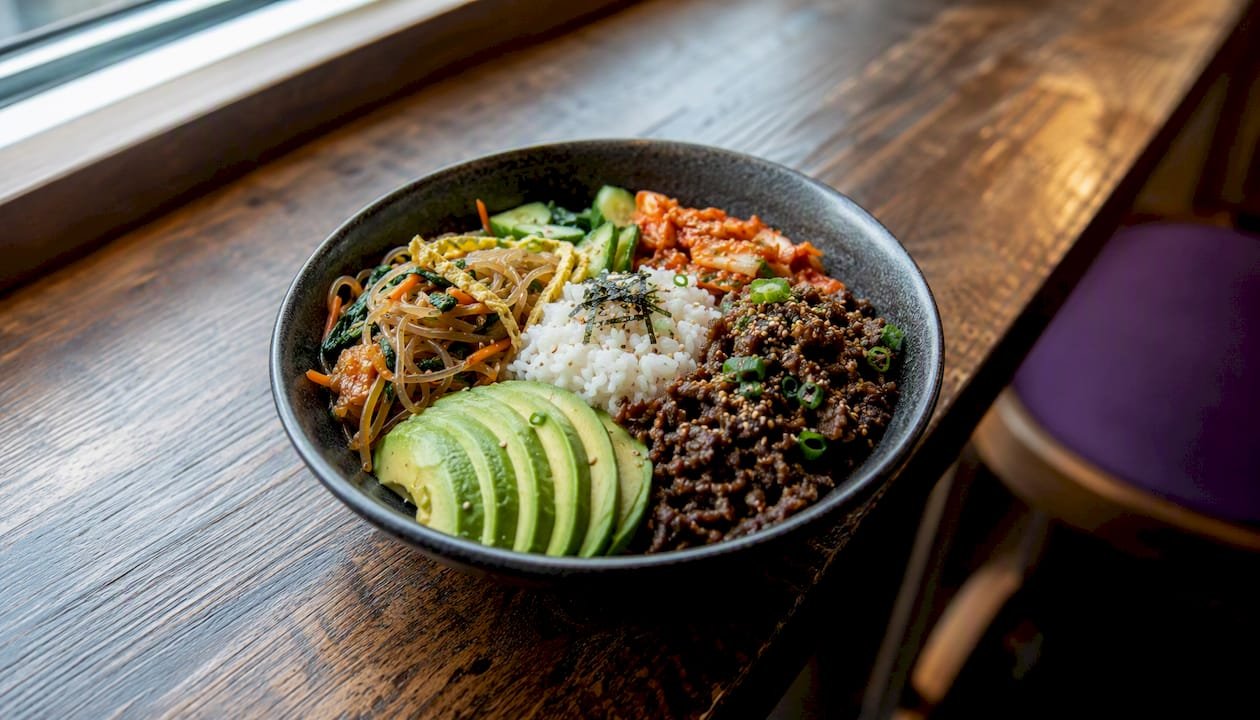
- Bibimbap: A rice bowl topped with seasoned vegetables, a fried egg, and often beef, mixed with gochujang (chili paste) at the table. Spice level is adjustable.
- Kimchi: Fermented cabbage with chili and garlic. It arrives as a side dish at almost every Korean restaurant and ranges from mild to very spicy depending on the batch.
- Japchae: Glass noodles stir-fried with vegetables and beef in a sesame-soy sauce. Naturally gluten-free in most preparations and a good vegetarian option when made without meat.
- Korean fried chicken: Double-fried for crunch, then glazed with soy-garlic or spicy sauce. Portion sizes tend to be generous.
- Haemul pajeon (seafood pancake): A savoury pancake loaded with green onion and seafood. Good for sharing as a starter.
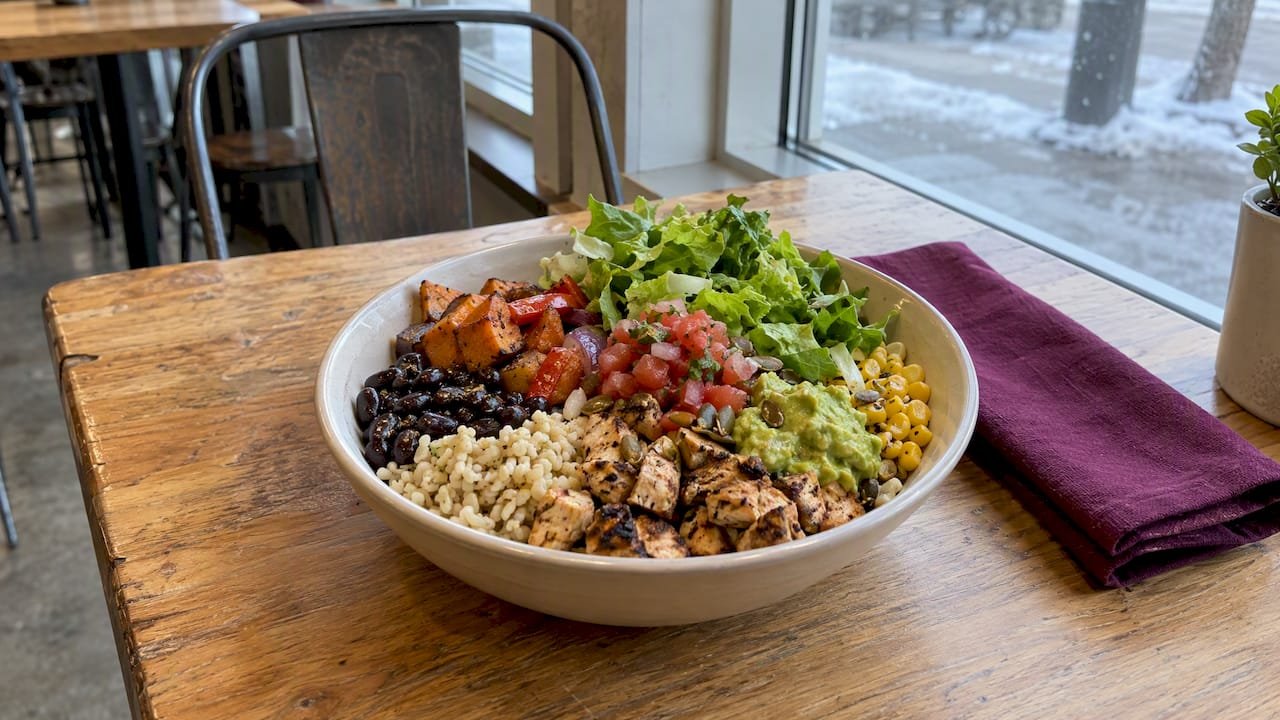
For dietary needs, japchae and bibimbap are the easiest dishes to adapt for vegetarians. Ask specifically about broth bases in soups, as many use anchovy or beef stock. If spice is a concern, ask the server to rate the dish before ordering — most kitchens are used to the question. Readers who navigate dietary restrictions regularly may find the Burritosplendido gluten-free and vegan menu guide a useful reference for how to ask the right questions at any restaurant.
Community discussions from Tallahassee locals highlight japchae, bibimbap, and kimchi variations as consistent favourites across the city’s Korean spots.
How does Korean takeout and delivery work in Tallahassee?
Takeout works best at neighbourhood kitchens and fusion counters. Small kitchens like Korean BBQ & More prepare entrées to order, so packaging travels well. Fusion spots like Kami Poke are built for it — the counter format and online ordering system are designed around quick pickup.
K-BBQ is a different story. The communal grill experience doesn’t translate to a takeout box. Some venues will pre-cook proteins for takeout orders, but you lose the interactive element entirely. If takeout is the goal, a neighbourhood kitchen or fusion counter is the right call.
Fusion kitchens serve groups with mixed preferences particularly well. One person orders a poke bowl, another gets bulgogi, and a third picks sushi — all from the same counter, all ready at the same time.
For delivery, check whether the restaurant lists a delivery partner directly on its site or Google listing. Kami Poke’s official site shows online ordering availability, which is the clearest confirmation you’ll find.
Practical tips for Canadian visitors heading to Tallahassee for Korean food
- Parking: Most Korean restaurants in Tallahassee sit in strip-mall corridors along Apalachee Parkway. Free surface parking is standard. Accessibility ramps are common in newer plazas, but worth confirming for older strip malls.
- Hours: Many smaller kitchens close between lunch and dinner service (roughly 2:30–5:00 PM). Check before you go.
- Tipping: US restaurants expect 18–20% on the pre-tax total. At K-BBQ, where staff manage the grill and bring multiple rounds of sides, 20% is the norm. This is higher than what many Canadians tip at casual spots back home.
- Portion sizes: Korean entrées in the US tend to be generous. At a neighbourhood kitchen, one entrée plus banchan is usually a full meal for one person.
- Soju and drinks: Soju (Korean rice liquor) is available at some Tallahassee Korean restaurants, but not all. Confirm with the restaurant directly, as liquor licensing varies. Korean rice punch (sikhye) and barley tea are common non-alcoholic options.
- Spice: Dishes are often labelled mild, medium, or spicy, but the baseline heat level at Korean restaurants tends to run hotter than at most Canadian Asian restaurants. When in doubt, ask.
Pro Tip: If you’re visiting from a Canadian city with a large Korean community, expect Tallahassee’s Korean dining scene to be smaller in scale but genuinely authentic at the neighbourhood kitchen level.
How to find comparable Korean dining experiences back in Canada
When you return home, these search phrases work across Canadian cities in Google Maps and review apps:
- “Korean BBQ near me”
- “All-you-can-eat Korean steakhouse”
- “Korean kitchen bibimbap”
- “KBBQ buffet [your city]”
- “Korean comfort food [your city]”
What to look for by venue type:
- Communal K-BBQ: Search for “Korean steakhouse” or “KBBQ buffet.” In cities like Toronto, Vancouver, Calgary, and Edmonton, these are well-established. Look for venues that list protein counts and per-person pricing.
- Neighbourhood Korean kitchens: Search “Korean restaurant” with filters for “dine-in” and sort by rating. Read reviews that mention banchan — that’s a reliable signal of a traditional kitchen.
- Korean fusion counters: Search “Korean poke” or “Korean fusion bowl.” These are common in food courts and fast-casual strips in major Canadian cities.
One regional note: Canadian Korean restaurants in cities with large Korean communities (Koreatown in Toronto, H-Mart corridors in Vancouver) tend to have broader menus and more regional Korean dishes than what you’ll find in Tallahassee. Dishes like sundubu jjigae (soft tofu stew) or galbi (short ribs) may appear more consistently in Canada than in a mid-sized Florida city. Supporting local independent restaurants wherever you are tends to surface the most authentic options.
Why Tallahassee’s Korean scene mixes traditional and fusion styles
Tallahassee is a mid-sized university city, and its restaurant market reflects that. Smaller Korean kitchens, some operating for over a decade, built their audience on home-style cooking and value. The arrival of chain-scale K-BBQ venues like Chow Won signals that local demand has grown large enough to support a more expensive, experience-driven format.
Fusion kitchens fill the gap between the two. By pairing Korean flavours with familiar formats like poke and sushi, they attract diners who might not seek out a Korean restaurant on their own. That audience-broadening role matters in a city where the Korean dining scene is still developing relative to larger markets.
The split between large K-BBQ venues and smaller neighbourhood kitchens mirrors a pattern seen across mid-sized American cities: as Korean food gains mainstream familiarity, the market stratifies into high-experience and everyday-value tiers.
A practical take on picking the right Korean spot
For a group dinner or a special occasion, a communal K-BBQ is the right call. The interactive format makes it memorable, and the all-you-can-eat structure removes the awkwardness of splitting a bill. For a solo lunch or a quick weeknight meal, a neighbourhood kitchen like Korean BBQ & More delivers more value per dollar and a more personal experience. Fusion counters are the move when your group can’t agree — they’re fast, flexible, and reliably good for takeout.
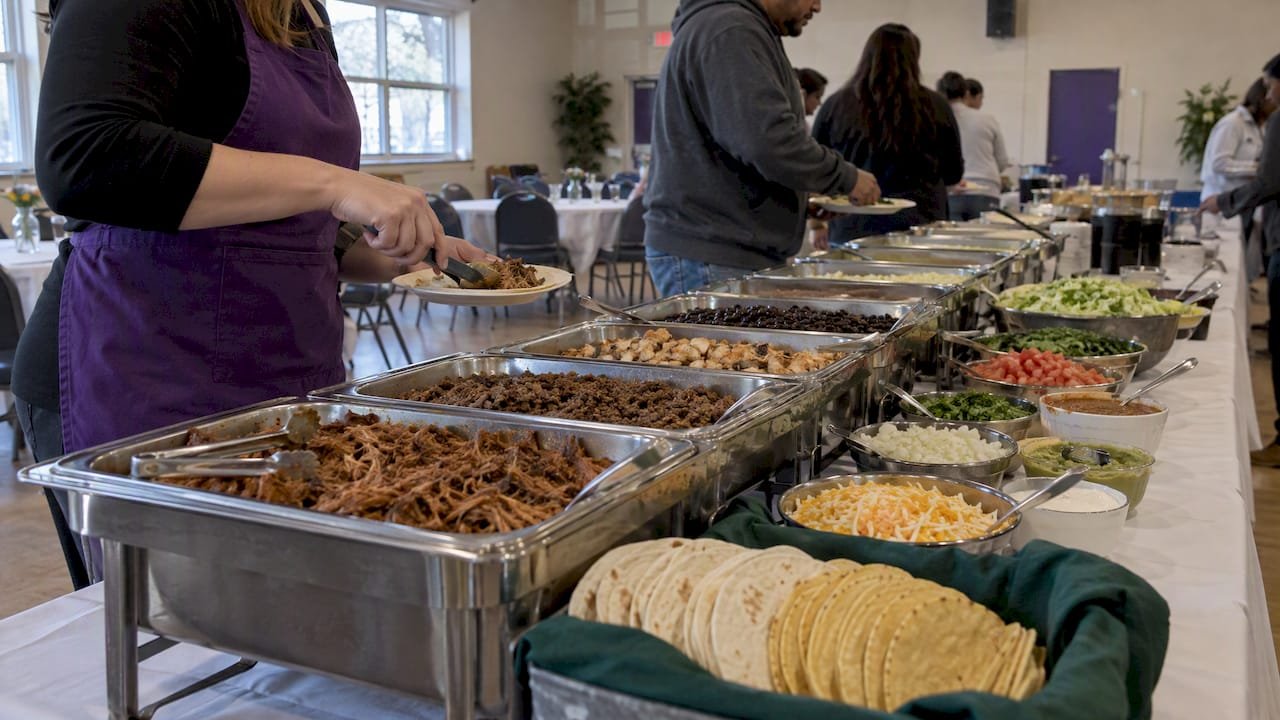
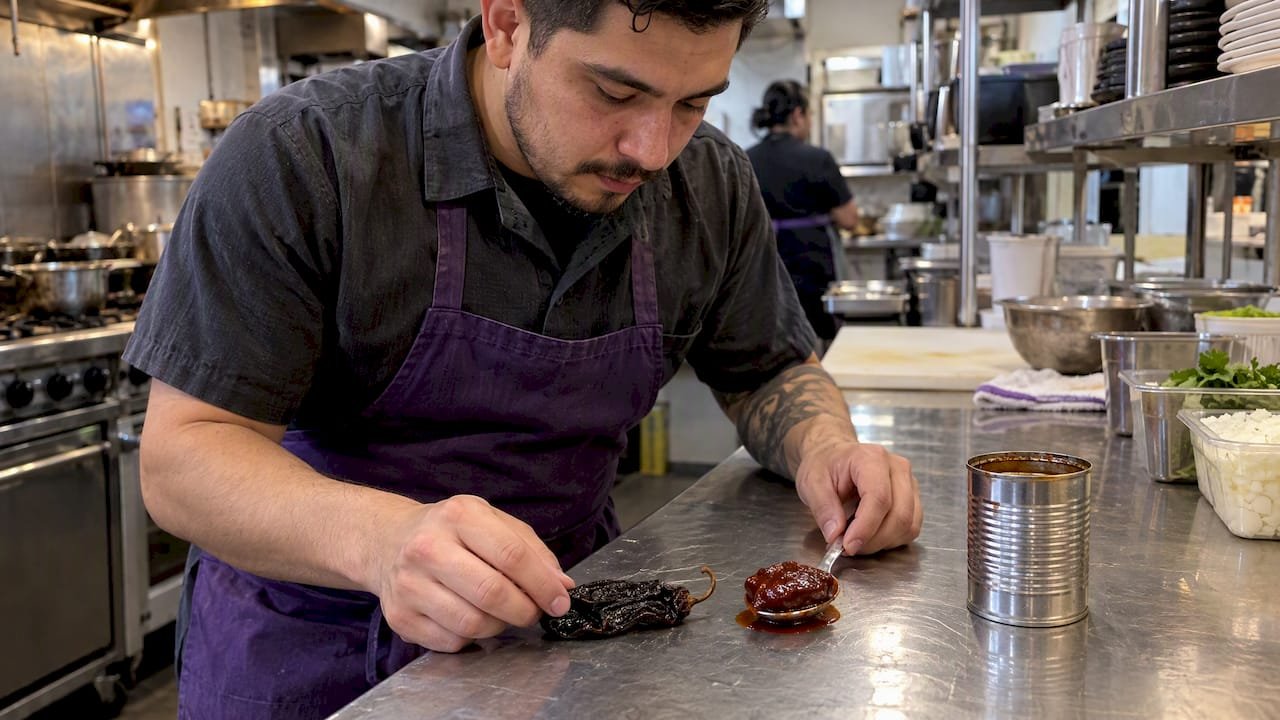
The same logic applies when you’re back in Canada. Authentic flavours tend to come from kitchens that prioritise real preparation methods over convenience shortcuts. That’s true whether you’re eating Korean in Tallahassee or Mexican in Winnipeg. At Burritosplendido, every protein is slow-cooked and hand-pulled in-house — the same commitment to from-scratch preparation that separates a neighbourhood kitchen from a reheated shortcut. If you’re planning a group meal in Manitoba and want that same care applied to catering, Burritosplendido’s catering service handles corporate and event orders with the same locally sourced ingredients used in-store.
Sources
- New restaurant: Chow Won Korean Steakhouse opens in Tallahassee
- Kami Poke – Korean Restaurant丨Online Order丨Tallahassee丨FL
- KBBQ
- Korean food in Tally? : r/Tallahassee