The fastest route to a healthy lunch in Winnipeg is a plant-based café, a build-your-own salad or bowl counter, or a chef-prepared delivery service, and we at Burrito Splendido offer a local, diet-inclusive version of that same idea with customizable bowls and salads made from Manitoba ingredients. A good lunch follows Health Canada’s plate proportions: half vegetables, a quarter whole grains, a quarter protein, whether you pick it up or have it delivered.
TL;DR:
- Choose vegetables, whole grains, and a protein portion the size of your palm; request sauces separately and pick water or an unsweetened drink.
- During Winnipeg winters, frozen or canned vegetables and legumes remain nutritious alternatives when fresh produce costs more or is harder to find.
- Chef prepared delivery services design salads and bowls to hold texture for up to seven days, but typically cost more and use set delivery windows.
- Build your own bowl when tracking macros or dietary needs, since fixed combos obscure ingredients and sandwich counters can be harder to customize for allergies.
Table of Contents
- Types of healthy lunch options around Winnipeg
- How to choose a healthy lunch using Canada’s plate guidance
- Building a filling, balanced plant-based lunch
- Meal delivery and chef-prepared salads: when convenience makes sense
- How Burrito Splendido builds a balanced, local lunch
- Nutritional information and calorie counts for popular healthy lunches
- Customizing a healthy lunch at a Mexican-inspired fast-casual spot
- Common ingredients in healthy Mexican lunches and what they offer
- Balancing flavour and nutrition without feeling like you’re compromising
- What Winnipeggers say about healthy lunch options locally
- A local perspective on eating well through Winnipeg’s seasons
- Order a balanced lunch from Burrito Splendido today
- FAQ
- Sources
Types of healthy lunch options around Winnipeg
Winnipeg’s healthy lunch scene breaks down into a handful of formats, and each one suits a different kind of day. Plant-based cafés and juice bars focus on produce-forward menus and smoothies, often with a stated commitment to local and seasonal ingredients, similar to what you’ll find through Verde Juice Bar’s Uber Eats listing. Salad bars and build-your-own bowl counters let you control every ingredient, which matters if you’re avoiding gluten, dairy or animal protein. Lean-protein hot bowl spots lean heavier on grains and roasted meats or legumes, good for a cold-weather lunch that still hits your protein target. Grab-and-go sandwich counters round things out for days when you need something fast between meetings.
When you’re scanning a menu, a few signals tell you whether a spot takes nutrition seriously: clear ingredient lists, stated local sourcing, dietary labels like vegan or gluten-free, and kitchens that advertise themselves as deep-fryer-free or low-fry.
Each format has trade-offs worth weighing before you order:
- Plant-based cafés: strong on freshness and produce variety, but portions can run light for a full workday.
- Build-your-own bowl counters: full control over ingredients and dietary needs, with pricing that scales with add-ons.
- Lean-protein hot bowls: filling and good for winter, though sauces and dressings can add hidden sodium.
- Grab-and-go sandwiches: fastest option, but often the hardest to customize for allergies or macros.
How to choose a healthy lunch using Canada’s plate guidance
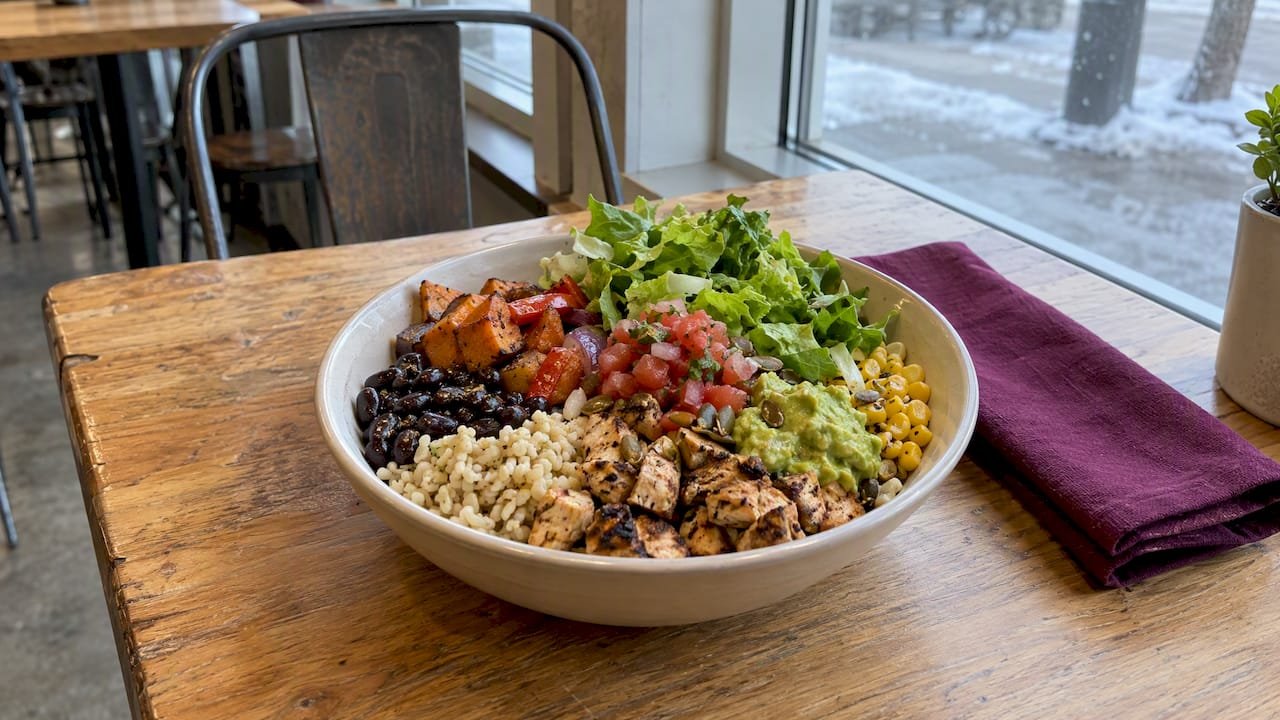
Health Canada’s Eat Well plate model replaced older serving-count guidance with a simple visual: fill half your plate with vegetables and fruit, a quarter with whole grains, and a quarter with protein foods, favouring plant-based proteins like legumes, tofu and nuts where you can. That proportion maps cleanly onto a lunch bowl or burrito format, which makes it one of the easier guidelines to apply when you’re ordering on the go.
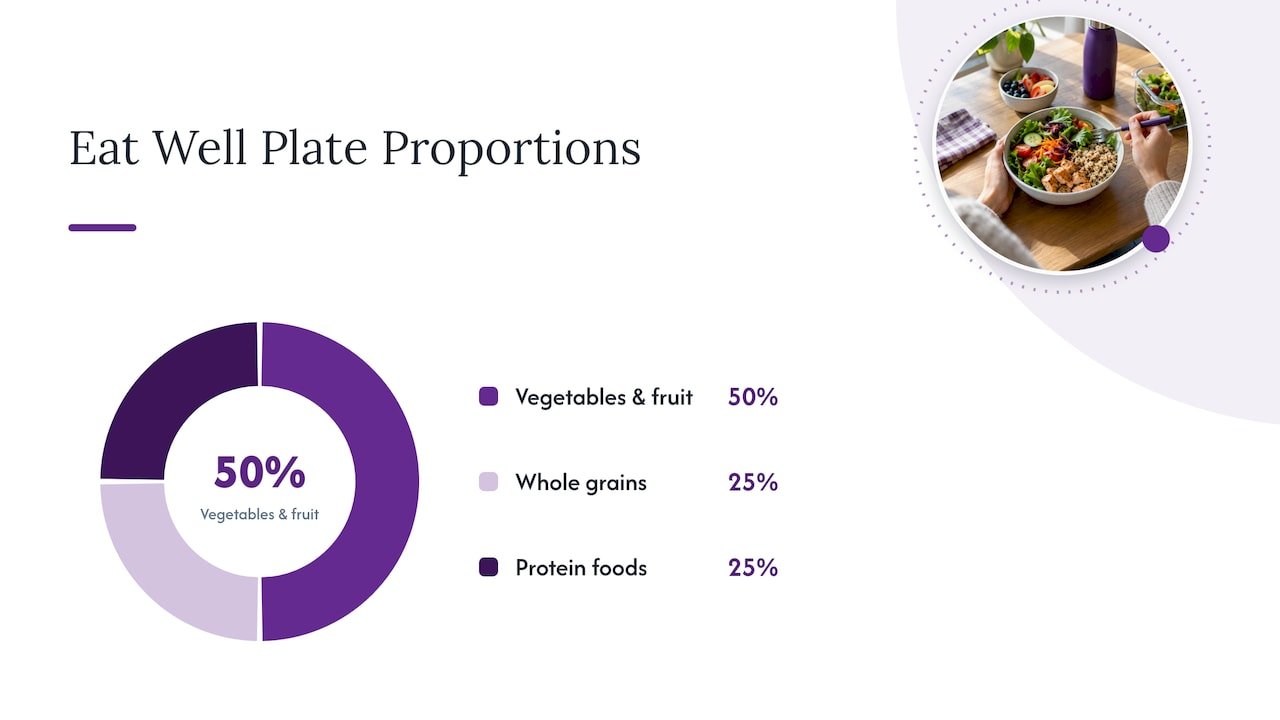
One in four plate sections should be whole grains or protein, according to Health Canada’s guidance, which gives you a quick mental checklist at the counter: more green, less white rice or fries, and a protein portion roughly the size of your palm.
When you’re ordering, run through this sequence:
- Scan the menu for a vegetable-forward base, whether that’s greens, roasted veg or a slaw.
- Pick a whole grain over a refined one: brown rice, quinoa or whole-grain tortilla instead of white rice or a flour-heavy wrap.
- Choose a protein that fits your needs, plant-based or lean animal protein.
- Ask for dressings and sauces on the side so you control the amount.
- Skip the sugary drink and go with water or an unsweetened option.
That five-step habit works whether you’re standing at a counter in the Exchange District or scrolling a delivery app from your desk.
Building a filling, balanced plant-based lunch
A plant-based lunch stays satisfying when you pair a solid protein source, legumes, tofu, tempeh or eggs, with a whole grain and plenty of fibre-rich vegetables. That combination slows digestion and keeps you from reaching for a snack an hour later.
Good toppings to prioritize:
- Roasted vegetables for texture and natural sweetness.
- Beans or lentils for fibre and plant protein.
- Seeds like pumpkin or sunflower for crunch and healthy fats.
- Avocado for satiety, used in moderate portions.
Toppings worth limiting include crispy fried add-ons and heavy cream-based dressings, both of which pile on calories without adding much nutrition. In Winnipeg winters, fresh produce gets expensive and less available, but Health Canada’s dietary guidance notes that frozen and canned vegetables and legumes remain nutritious, practical substitutes when fresh options are seasonal or costly.
Pro Tip: Order dressing on the side and add it yourself, a small step that can cut a few hundred calories from a heavy bowl without changing the ingredients.
Meal delivery and chef-prepared salads: when convenience makes sense
Chef-prepared meal delivery fills a real gap for busy weeks: consistent portioning, no prep time, and an easy way to feed an office without everyone ordering separately. Services like Inspired Go’s chef-prepared meals design salads and bowls to hold their texture for up to seven days, which makes batch ordering realistic for a household or a small team.
The trade-off is cost and timing. Multi-day deliveries typically cost more per meal than a single lunch order, and you’re working within a set delivery window rather than ordering on demand.
A few practical habits help:
- Check that dressings arrive in separate containers and store them chilled.
- Look for packaging specifically designed for multi-day freshness.
- Choose delivery for a full week of office lunches, and pick-up or dine-in for a single meal or last-minute plans.
Plant-based delivery options in Winnipeg often skip subscriptions entirely, which keeps things flexible if your schedule changes week to week.
How Burrito Splendido builds a balanced, local lunch
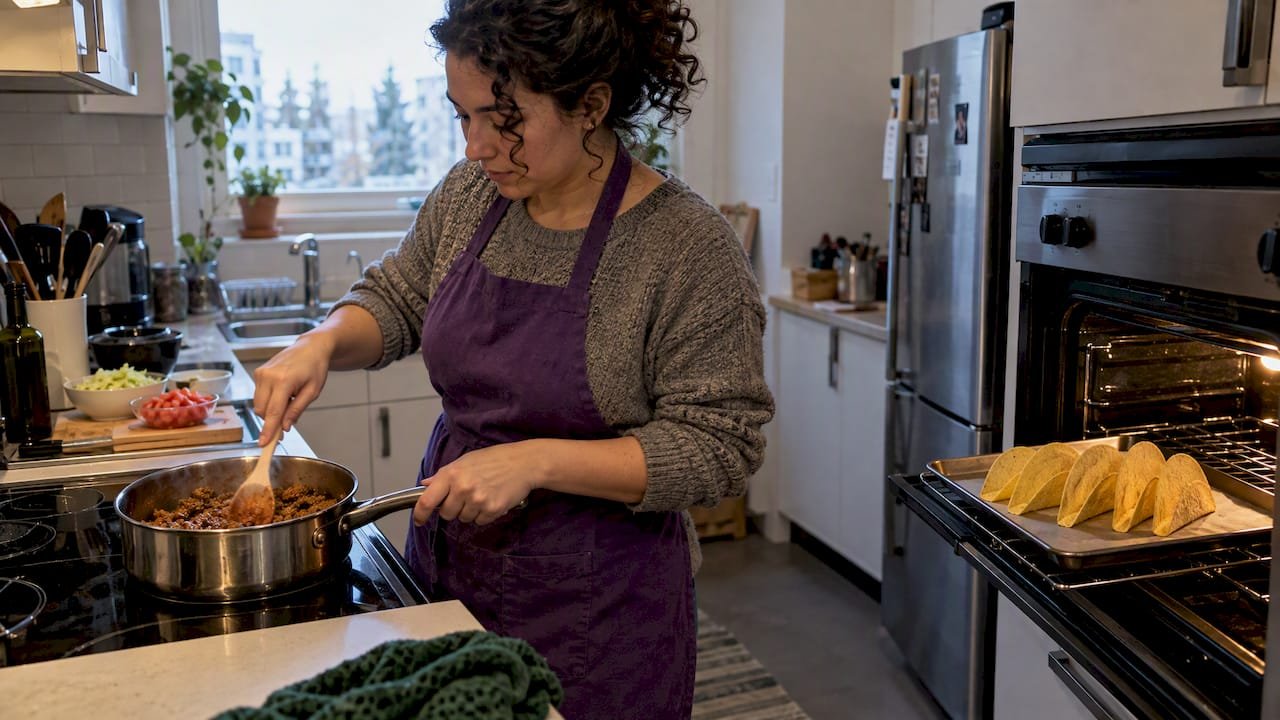
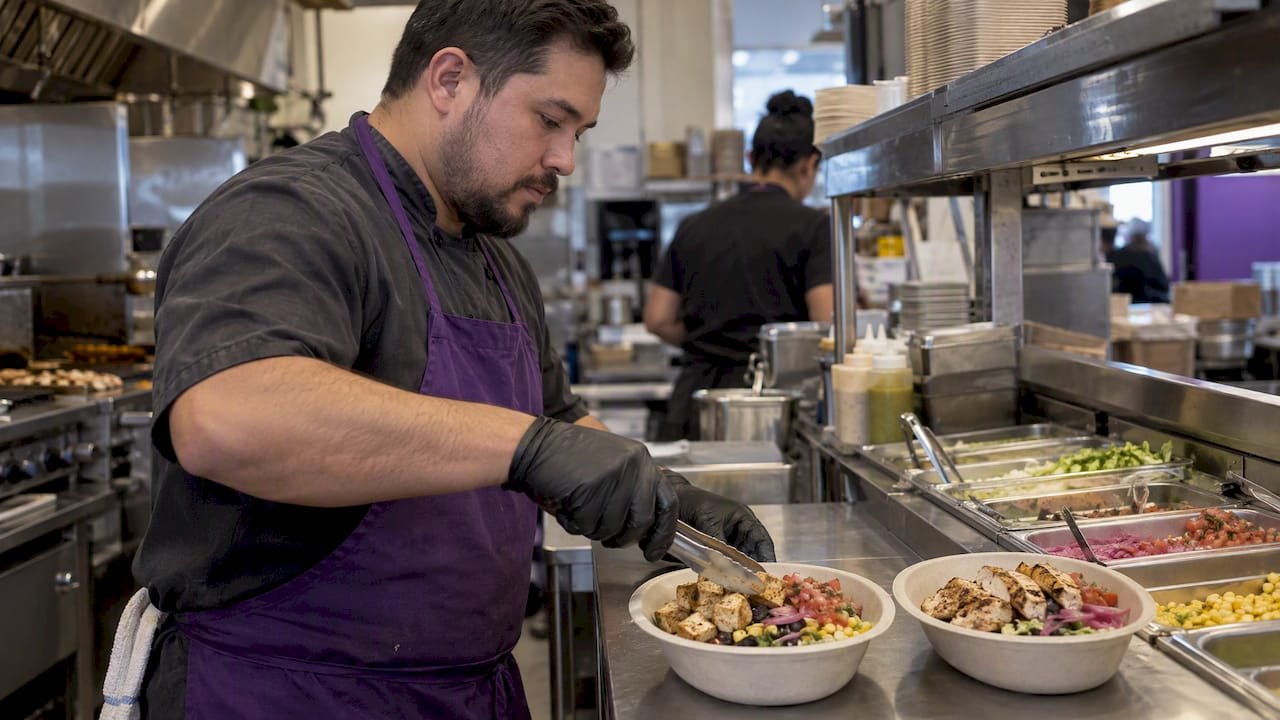
We built our kitchen around a simple idea: fresh, local, and doing the right thing. We run a deep-fryer-free kitchen, and our menu is built to work for a variety of dietary needs, with staff trained on cross-contamination concerns.
To build a plate that matches the Eat Well proportions, start with a naked burrito bowl as your base: half the bowl in lettuce, salsa and roasted vegetables, a quarter in rice or a whole-grain option, and a quarter in a protein like our slow-cooked carnitas, barbacoa or a plant-based swap. Ask for dressing or sour cream on the side, and check our guide to building a burrito bowl for specific swap ideas. For office lunches, we also handle catering orders so a whole team can eat the same way.
Nutritional information and calorie counts for popular healthy lunches
Calorie counts for a healthy lunch vary widely depending on portion size and toppings, but the format matters more than the label. A vegetable-heavy bowl with a modest grain portion and a palm-sized protein tends to land in a moderate calorie range that keeps you full through the afternoon without the crash that comes after a refined-carb-heavy meal.
The biggest swings come from add-ons: a bowl can gain several hundred calories just from a heavy pour of creamy dressing, extra cheese or a side of fried chips. Choosing a tortilla-based wrap over a double portion of rice, or asking for dressing on the side, are small changes that keep the calorie count predictable without cutting flavour.
Protein content matters just as much as calories for a lunch that keeps you productive. A bowl built around beans, grilled chicken or slow-cooked meat alongside whole grains delivers steadier energy than a sandwich built mostly on refined bread. If you’re tracking macros, the clearest approach is to build your own bowl rather than order a pre-set combo, since you can see exactly what’s going into each portion and adjust the ratio of vegetables, grains and protein to match what you need.
Customizing a healthy lunch at a Mexican-inspired fast-casual spot
Fast-casual Mexican menus are some of the easiest to customize for a healthy lunch because almost everything is assembled to order. Start by choosing a bowl over a tortilla-wrapped option if you’re watching refined carbs, or stick with a soft corn tortilla if you want a gluten-free base without sacrificing the burrito format.
A few swaps make a real difference:
- Ask for extra lettuce, salsa or roasted vegetables instead of extra rice.
- Choose black beans or pinto beans as a fibre-rich protein add-on alongside or instead of meat.
- Request sour cream, cheese and dressing on the side so you control the portion.
- Skip the fried tortilla strips or chips if you’re limiting fried foods.
Our high-protein Mexican bowl guide walks through specific protein swaps if you’re building a lunch around a higher protein target. Small requests like these let you keep the flavour of a fully loaded burrito while shifting the nutritional balance toward what Health Canada’s plate model recommends.
Common ingredients in healthy Mexican lunches and what they offer
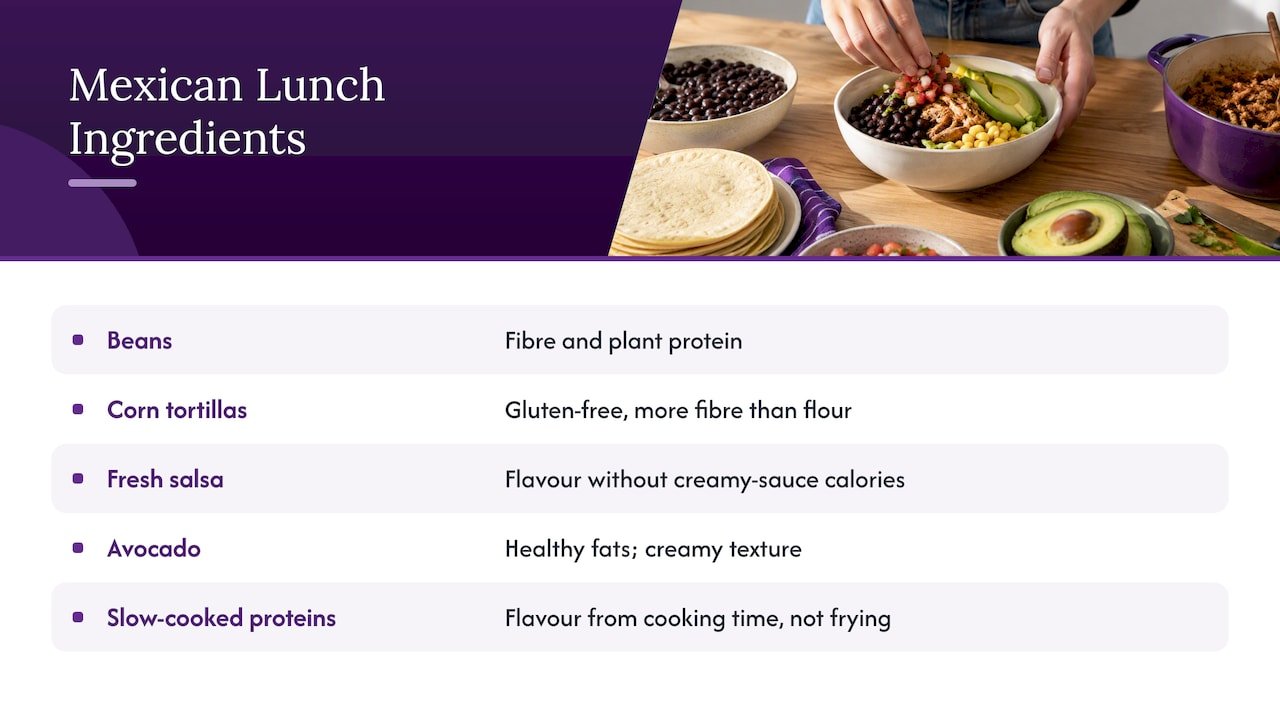
A handful of ingredients show up across most Mexican-inspired lunch menus, and each one contributes something specific. Black beans and pinto beans bring fibre and plant protein, which helps slow digestion and keep you full longer than a refined grain alone would. Corn tortillas, made from whole corn, offer a gluten-free base with more fibre than a flour tortilla, while a fresh-pressed flour tortilla made from quality flour still beats a mass-produced one on texture and ingredient simplicity.
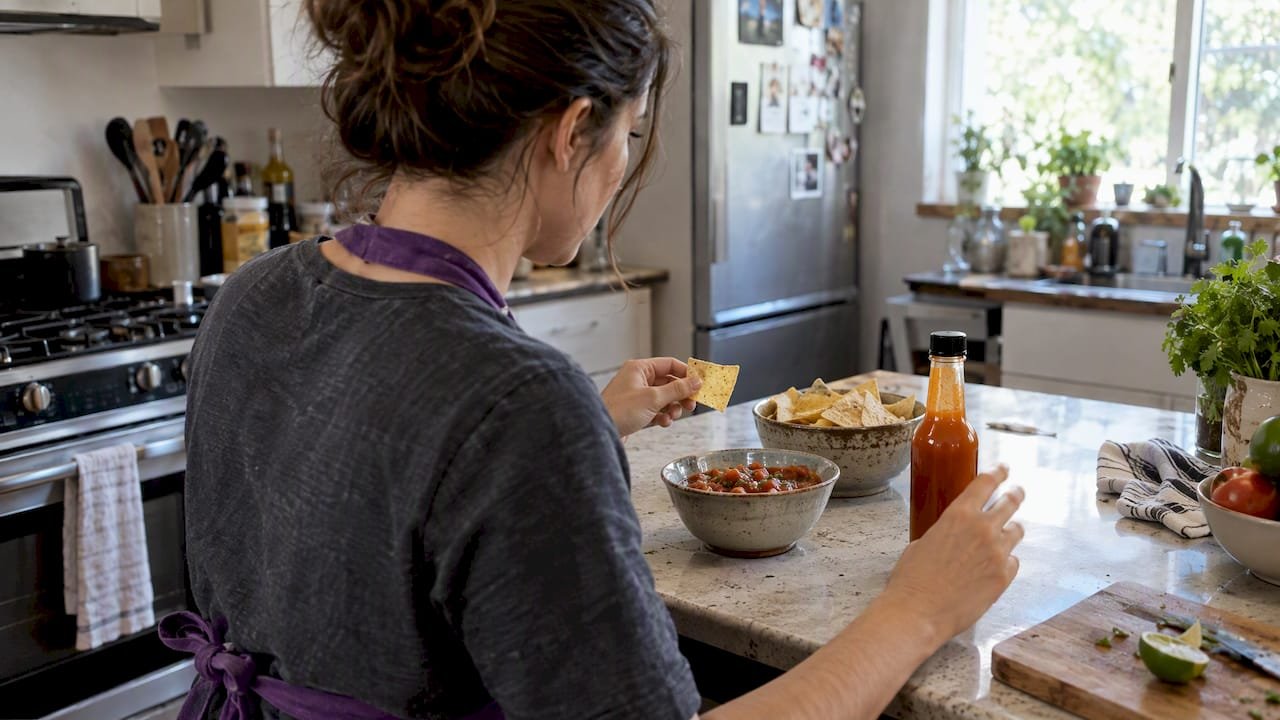
Fresh salsas built from tomatoes, onion and chili peppers add flavour without the calories of a creamy sauce, and many kitchens make theirs daily rather than relying on shelf-stable versions. Avocado contributes healthy fats and a creamy texture that can replace heavier dressings. Slow-cooked proteins like braised pork or shredded beef deliver flavour through cooking technique rather than added fat, since the tenderness comes from time, not frying.
Lettuce, pico de gallo and roasted vegetables round out the vegetable half of the plate, and leaning on these rather than extra cheese or sour cream keeps a burrito or bowl closer to the Eat Well proportions. The ingredients themselves aren’t the issue with Mexican-inspired food; it’s usually portion size and heavy extras that push a meal off balance.
Balancing flavour and nutrition without feeling like you’re compromising
The easiest way to keep a lunch both satisfying and nutritious is to build flavour from ingredients that are also doing nutritional work: fresh salsa instead of a processed sauce, a squeeze of lime instead of extra salt, roasted vegetables instead of extra cheese. None of these swaps mute the flavour of a meal; they just move the seasoning toward ingredients that add something besides calories.
Spice is another easy lever. Chili peppers, cumin and fresh herbs add depth without added sugar or sodium, which means you can make a bowl taste bold without reaching for a heavier sauce. Texture matters too: a mix of crunchy roasted vegetables, creamy avocado and a hearty grain gives you contrast in every bite, so you don’t need a fried element to make the meal feel complete.
The habit that makes the biggest difference is treating sauces and dressings as seasoning rather than a base layer. A spoonful of salsa or a drizzle of dressing adds flavour; a ladle of either turns a balanced bowl into a calorie-dense one. Ordering on the side and adding gradually gives you the same taste with a fraction of the extra calories, and it’s a habit that works at nearly any counter-service restaurant in the city.
What Winnipeggers say about healthy lunch options locally
Winnipeg diners consistently look for a few things when choosing where to eat a healthy lunch: clear dietary labelling, visible ingredient quality, and a menu that doesn’t force a trade-off between flavour and nutrition. Local eatery pages that list hours, dietary markers and direct ordering links tend to be the ones people return to, since they make it easy to check what’s in a dish before committing.
For many Winnipeggers, a Mexican-inspired fast-casual spot fills that need particularly well because the build-your-own format sidesteps the usual complaint about healthy food being bland or repetitive. Being able to load a bowl with roasted vegetables, a protein of your choice and a fresh salsa, then skip the parts you don’t want, gives you a meal that still feels like a treat rather than a compromise. That flexibility, paired with visible local sourcing, is often what keeps a lunch spot in someone’s weekly rotation rather than a once-off visit.
A local perspective on eating well through Winnipeg’s seasons
Winnipeg’s climate makes strict year-round rules impractical. Winters call for hearty grains, hot bowls and frozen or canned legumes, all of which Health Canada’s guidance backs as nutritionally sound. Summers open things up to local greens and chilled bowls. Small, repeatable swaps beat strict rules, and leaning on regional ingredients like wild rice or pickerel, as Manitoba’s food history shows, adds both flavour and local character to an ordinary lunch.
— Austin
Order a balanced lunch from Burrito Splendido today
We make it simple to turn everything above into an actual lunch: our menu covers customizable burrito bowls, salads, tacos and quesadillas, all built from Manitoba ingredients and ready to order online for pickup or delivery. If you’re planning a work lunch for a group, catering options can handle an office or event without anyone having to compromise on dietary needs.
Browse our full menu to build your own bowl or salad today, or check our catering page if you’re planning ahead for a team lunch.
FAQ
What kind of food is Winnipeg known for?
Winnipeg’s food scene blends Indigenous ingredients like wild rice and pickerel with waves of immigrant foodways, creating a regional identity built on diverse, often locally sourced dishes, according to the Manitoba Food History Project. Fast-casual and chef-driven restaurants across the city increasingly highlight Manitoba-grown produce and locally raised meat as a point of pride.
What is the healthiest takeout restaurant?
The healthiest takeout choice depends on your dietary needs, but a strong option is one that lets you build your own meal around vegetables, whole grains and a protein you choose, rather than a fixed combo. We design our bowls and salads around that same build-your-own principle, with gluten-free, vegan, keto and paleo options available on request.
What restaurants are located in the Exchange District in Winnipeg?
The Exchange District is home to a mix of cafés, fast-casual restaurants and sit-down spots, including locations that offer fresh, customizable lunch formats like bowls and salads. Checking a restaurant’s own menu and hours page is the most reliable way to confirm current offerings in the area.
Who are some food influencers from Winnipeg?
Winnipeg’s food scene is covered by a range of local bloggers, reviewers and food-history researchers rather than a single defined list of influencers. Local resources like the Manitoba Food History Project document the city’s food culture and the people shaping it in more depth.
How can I find gluten-free or vegan lunch options in Winnipeg?
Look for menus that clearly label gluten-free, vegan and other dietary options and that describe how they handle cross-contamination in the kitchen. Our menu lists gluten-free, vegan, keto and paleo options directly, with staff trained to accommodate specific dietary needs.