Local food matters in 2026 because it strengthens food sovereignty, keeps Manitoba dollars circulating at home, and puts fresher, more nutrient-rich ingredients on your plate. TL;DR: Burritosplendido presses tortillas from 100% Manitoba-produced flour and sources cheese from Bothwell Cheese — proof that a local-first commitment is practical, not just aspirational.
Three things you can do this week:
- Swap one grocery item for a local equivalent: Bothwell Cheese instead of a national brand, or Peak of the Market produce instead of imported.
- Ask your favourite restaurant which suppliers they name by name — vague answers are a red flag.
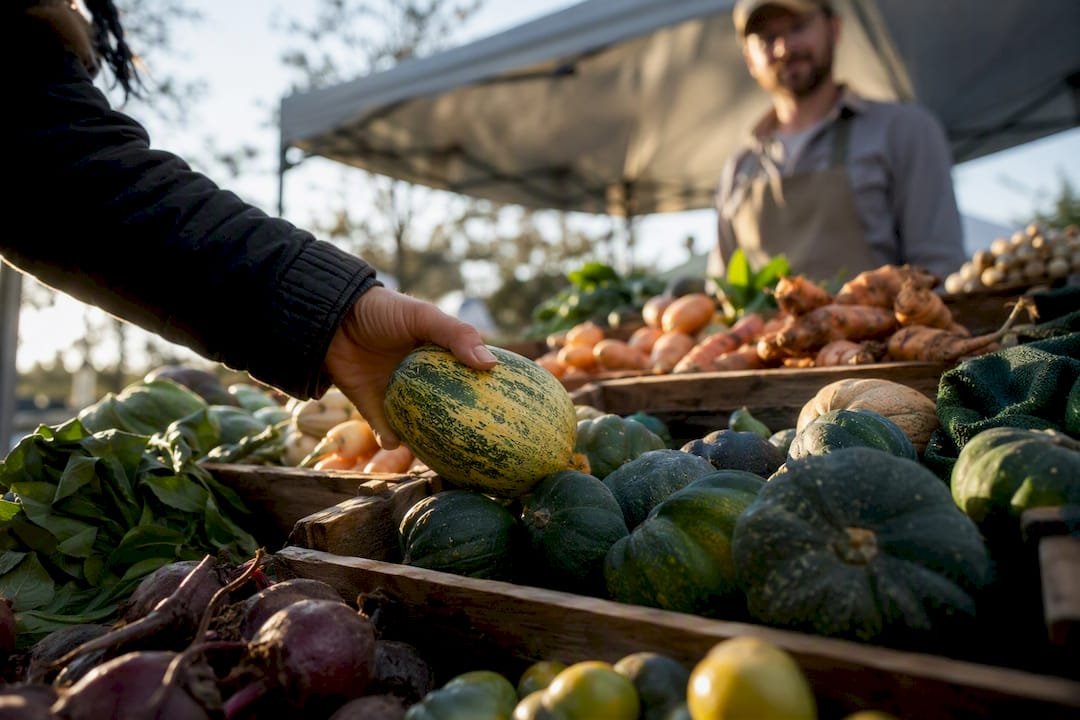
- Check your nearest farmers market or CSA for a seasonal share before summer produce peaks.
Table of Contents
- Why local food still matters in 2026 for Manitoba diners
- Burritosplendido: Manitoba-first on every plate
- Key takeaways
Why local food still matters in 2026 for Manitoba diners
Food sovereignty and supply-chain resilience
Global supply shocks in recent years exposed how fragile long-haul food chains can be. Local food systems improve community control and reduce vulnerability to those disruptions. Manitoba’s spring wheat, Granny’s Chicken, and regional dairy producers like Bothwell Cheese represent exactly the kind of regional capacity that keeps shelves stocked when international logistics stall.
Forward purchasing from institutions and restaurants is one of the most effective ways to scale that capacity. When a restaurant commits to a supplier by name, the farmer can invest in equipment and expand production — a one-off market sale rarely does that.
The local multiplier: where your dollar actually goes
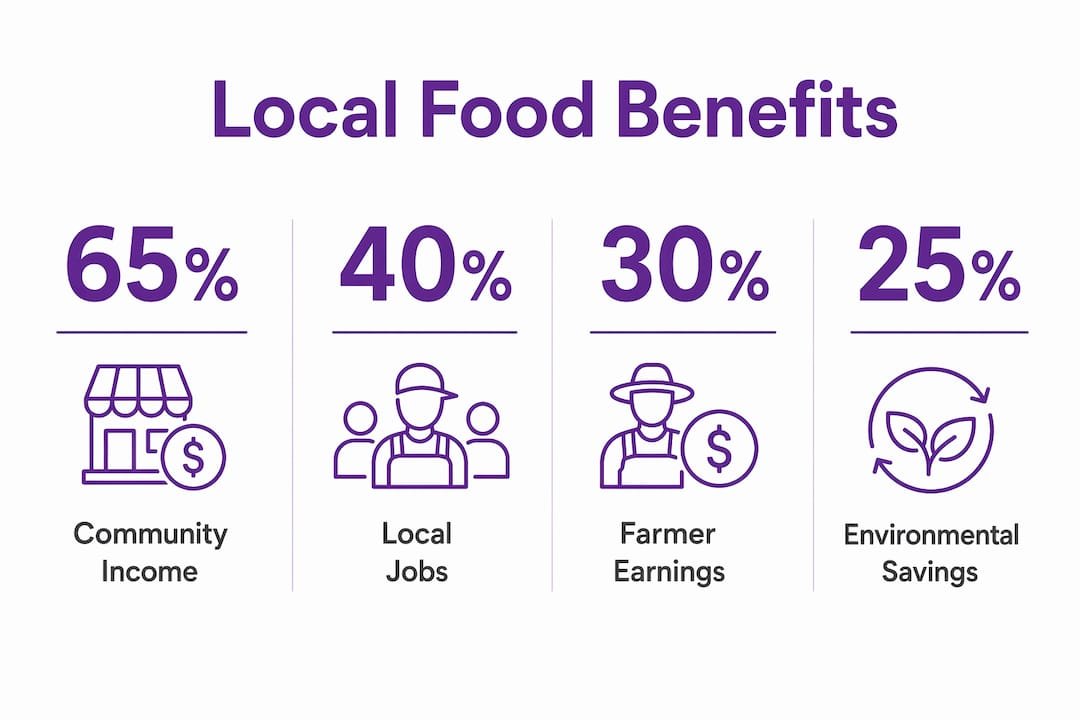
Buying local keeps a notably larger share of your dollar within the community than purchases at large chain stores. Small local producers hire locally, bank locally, and contribute to social capital in ways a distant distribution centre simply cannot replicate.
Environmental nuance: local does not automatically mean greener
This is where the conversation gets honest. Academic reviewers caution that production methods — land use, energy inputs, type of food — often matter more for environmental footprint than transport distance alone. A greenhouse-grown local tomato in January may carry a heavier energy cost than a field-grown imported one. The smarter frame: treat local as a social and economic resilience choice first, and pair it with attention to how food is grown. For a deeper look at how restaurants navigate this, Burritosplendido’s sustainable fast-casual guide breaks down the operational trade-offs.
How to verify genuinely local sourcing in Manitoba
Named suppliers are the clearest signal. “Local” on a menu means little without a farm or brand attached. Look for:
- Specific producer names (Bothwell Cheese, Peak of the Market, Granny’s Chicken, Manitoba spring wheat flour)
- Seasonal menu changes that reflect what Manitoba actually grows
- Certifications or provincial labels — Ontario uses Foodland Ontario; Manitoba consumers can look for local food map tools and direct-market listings
Pro Tip: Ask staff where the cheese or produce comes from. A restaurant with genuine local sourcing will answer without hesitation.
Freshness, nutrition, and the case for seasonal eating
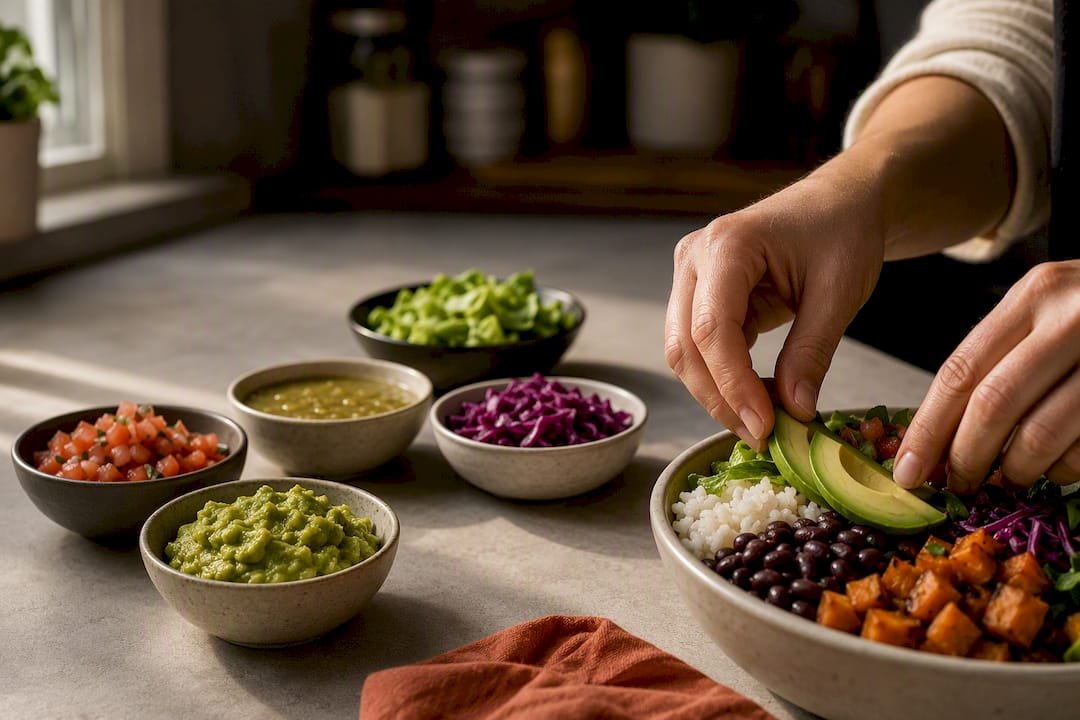
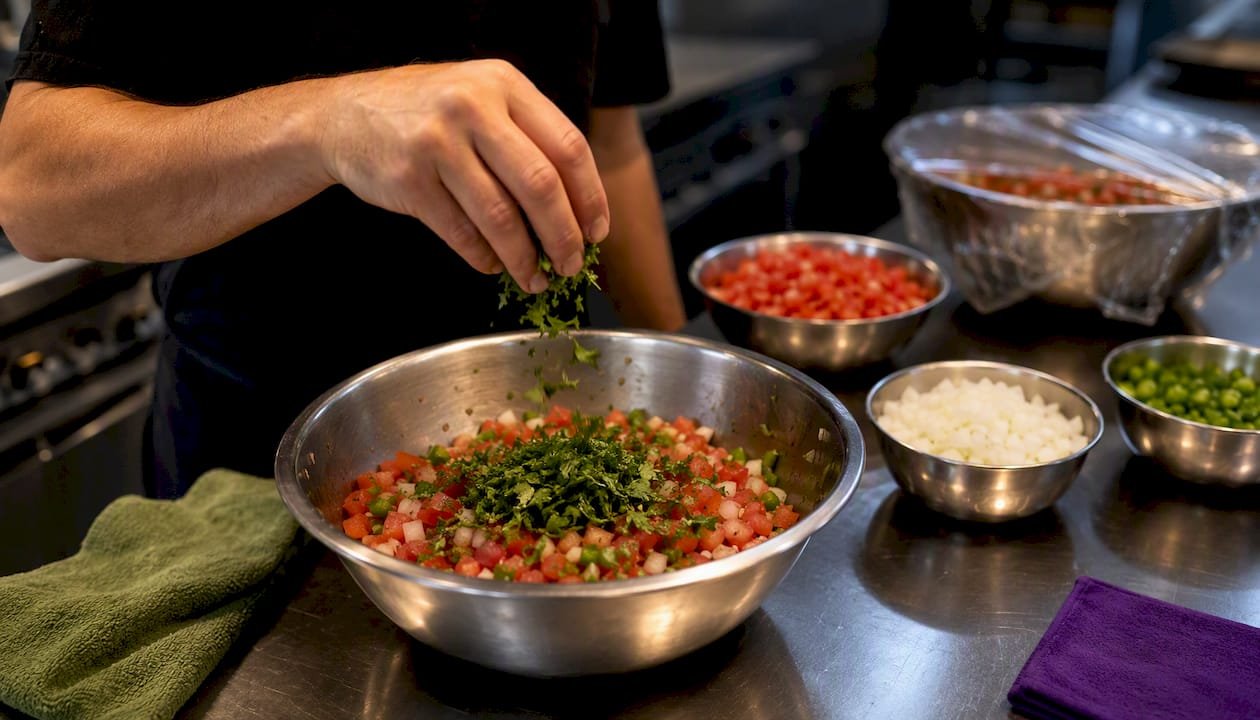
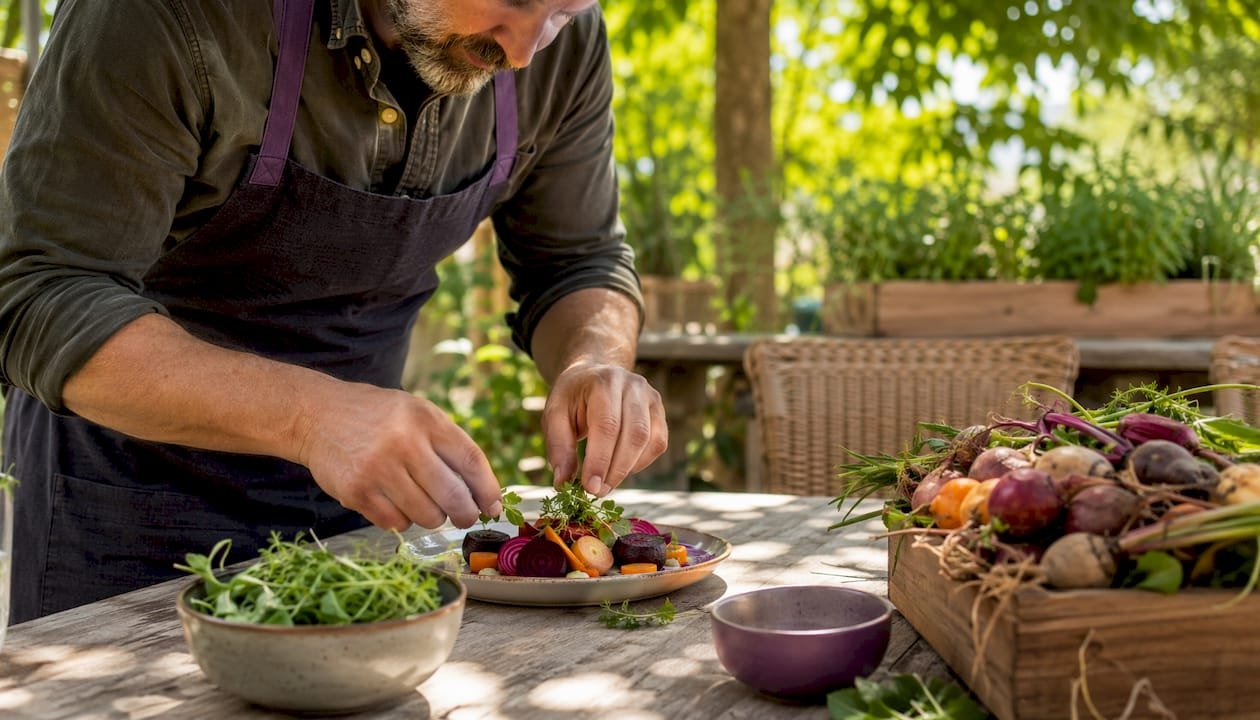
Produce harvested closer to peak maturity retains higher levels of vitamins and antioxidants than items shipped long distances and picked early. For Mexican-inspired dishes, that gap shows up in tomatoes, greens, and herbs. The seasonal nutrition benefits of eating what Manitoba grows in-season are real and measurable.
How restaurants translate local sourcing into menu practice
The local suppliers guide for restaurants points to a practical approach: prioritise categories available year-round or with season-extension (dairy, flour, eggs, greenhouse greens), then build seasonal swaps into procurement. Burritosplendido does exactly this — Manitoba Whitefish/Pickerel tacos appear seasonally, while Bothwell Cheese and Manitoba-milled flour anchor the menu year-round.
Technology and digital platforms supporting local buying in 2026
Food hubs and aggregation models reduce per-unit logistics costs enough to make small-producer supply reliable for restaurants. Ontario’s Local Food Map attracted more than 35,000 visits between April 2025 and March 2026. Manitoba consumers can use farmers markets, CSA programmes, and direct-farm sales as their primary local channels — and increasingly, restaurant ordering platforms that name their sourcing partners.
Burritosplendido: Manitoba-first on every plate
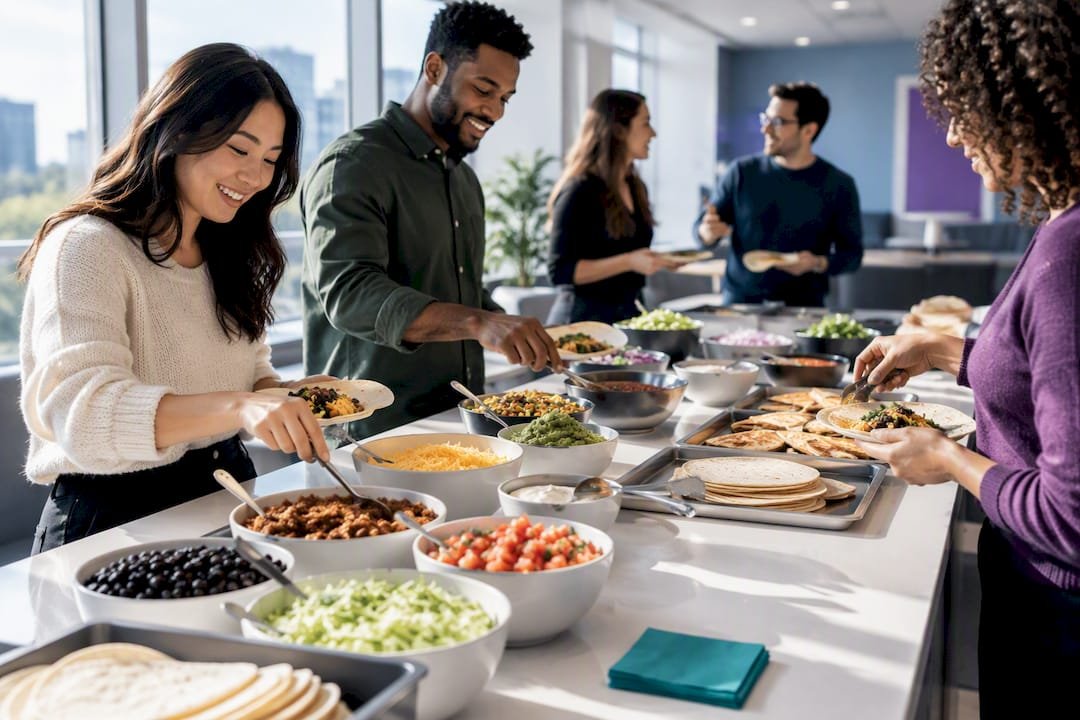
Burritosplendido was built on a straightforward idea: source from Manitoba first, cook from scratch daily, and be transparent about both. Every tortilla is pressed in-house from 100% Manitoba-produced flour. Cheese comes from Bothwell Cheese. Poultry is sourced through Granny’s Chicken. Fresh produce runs through Peak of the Market. That supply chain is named, not vague.
The menu reflects it: slow-cooked Carnitas, Barbacoa, and Adobo Chicken alongside seasonal specials like Manitoba Pickerel tacos. Gluten-free, vegan, keto, and paleo options are built in, not afterthoughts. No deep fryer in sight.
Locations span Winnipeg (Portage Avenue, St. Mary’s Road, King Edward Street, Henderson Highway, Regent Avenue) and Brandon, with a dedicated location at CANEX Mall at CFB Shilo. For group orders or institutional forward purchasing, catering through Burritosplendido is the direct route. Ready to order now? Browse the full Winnipeg menu and see what’s in season.
Key takeaways
Local food in 2026 is a food sovereignty and economic resilience choice as much as a freshness one — and named suppliers are the only reliable way to verify it.
| Point | Details |
|---|---|
| Food sovereignty first | Local systems reduce vulnerability to global supply shocks by building regional capacity. |
| Local multiplier effect | Buying local keeps a notably larger share of your dollar within the community than purchases at large chain stores. |
| Local ≠ always greener | Production methods matter more than distance; pair local buying with attention to how food is grown. |
| Verify with supplier names | Named producers (Bothwell Cheese, Peak of the Market, Granny’s Chicken) are the clearest provenance signal. |
| Burritosplendido | Sources 100% Manitoba-produced flour, Bothwell Cheese, and Granny’s Chicken across its Winnipeg and Brandon locations. |