Paleo catering is a food service model that prepares and delivers meals strictly following paleo diet principles, centred on whole, unprocessed ingredients while excluding grains, dairy, legumes, added sugars, and processed foods. Whether you are planning a corporate event in Winnipeg or ordering weekly meal prep, understanding how paleo catering works helps you ask the right questions and avoid costly surprises. The paleo approach, sometimes called the “ancestral diet” or “Stone Age diet” in clinical literature like StatPearls, is not a single fixed menu. It is a compliance framework that caterers apply to every ingredient, sauce, and seasoning on your plate.
What is paleo catering and what foods does it include?
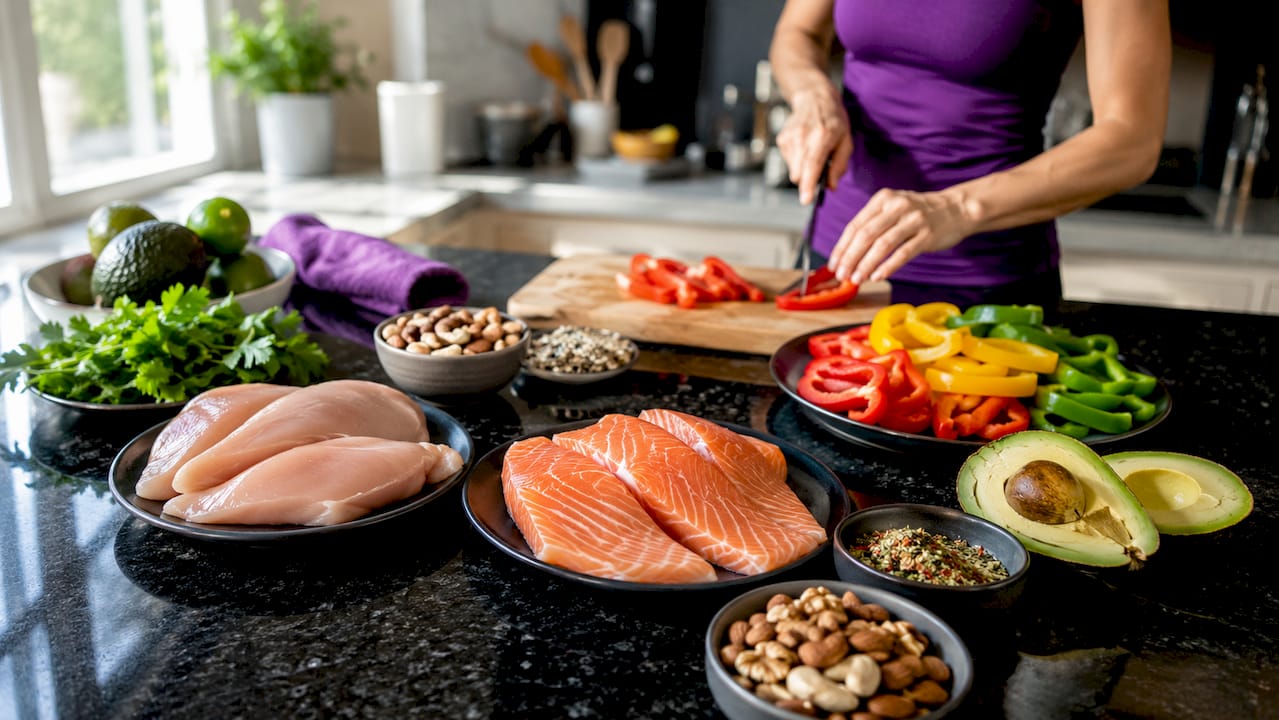
Paleo diet catering is built around one core rule: if it could not be hunted, fished, or gathered before agriculture, it does not belong on the plate. In practice, that means whole, unprocessed foods form the backbone of every menu. Lean meats, wild-caught fish, eggs, fresh vegetables, fruits, nuts, and seeds are all approved. Grains, legumes, dairy, refined sugars, and anything ultra-processed are excluded without exception.
For a caterer, this translates directly into menu architecture. Bread rolls, pasta salads, rice pilafs, cream-based sauces, and cheese boards all disappear from the table. In their place, you get roasted root vegetables, herb-crusted proteins, avocado-based dressings, and fruit-forward desserts. The shift sounds dramatic, but skilled caterers replace those staples with equally satisfying alternatives that most guests enjoy regardless of their dietary preferences.
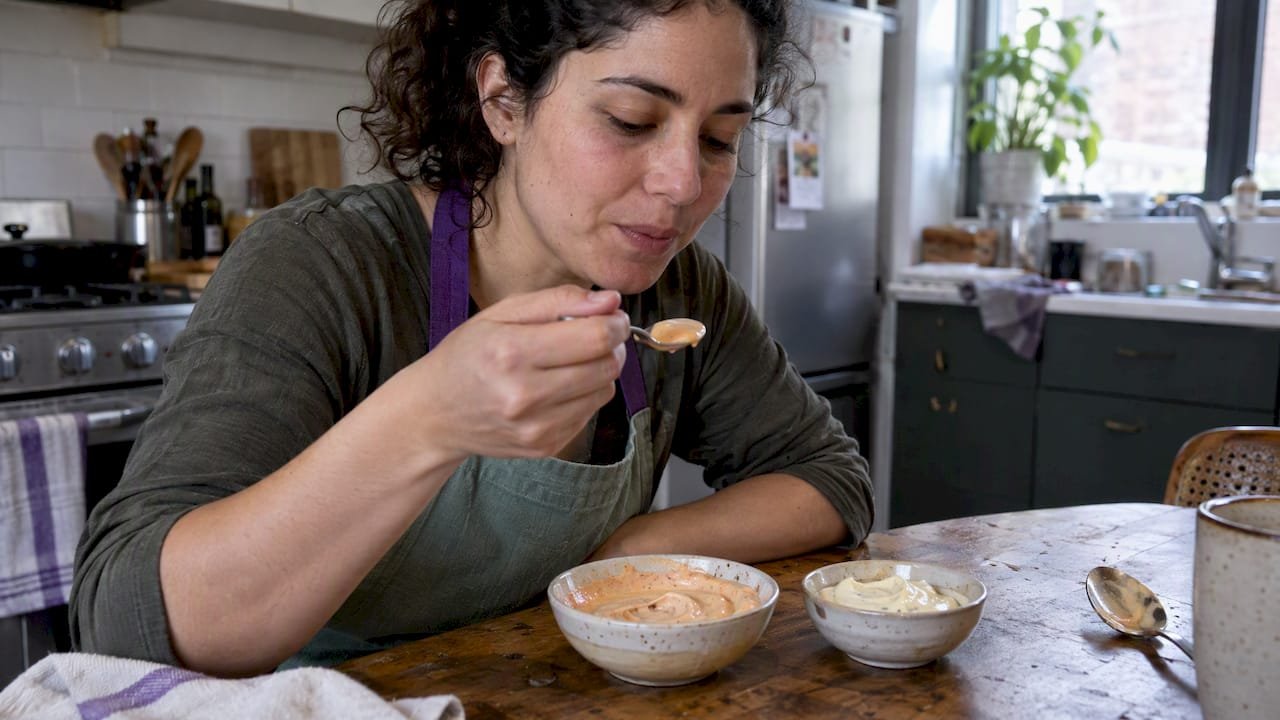
The hidden challenge is not the main components. It is the condiments, marinades, and spice blends. A teriyaki glaze contains soy sauce, which is grain-derived. A store-bought barbecue sauce often contains refined sugar or molasses. Even a standard chicken broth can include additives that fall outside paleo compliance standards. This is where paleo catering separates itself from simply “healthy catering.” Every sub-ingredient must be vetted, not just the proteins and vegetables.
Pro Tip: Ask your caterer for a full ingredient list that includes sauces, marinades, and spice blends. Non-compliant additives in these components are the most common source of paleo violations in otherwise well-intentioned menus.
For readers curious about how grain-free ingredient substitutions work in practice, the logic behind paleo exclusions connects directly to the broader grain-free food movement, where removing grains changes both the nutritional profile and the cooking method for every dish.
Event catering vs. paleo meal delivery: what is the difference?
Paleo catering options split into two distinct service models, and confusing them leads to mismatched expectations. On-site event catering and paleo meal delivery share the same dietary rules but operate through completely different workflows. Understanding the difference helps you choose the right format for your situation.
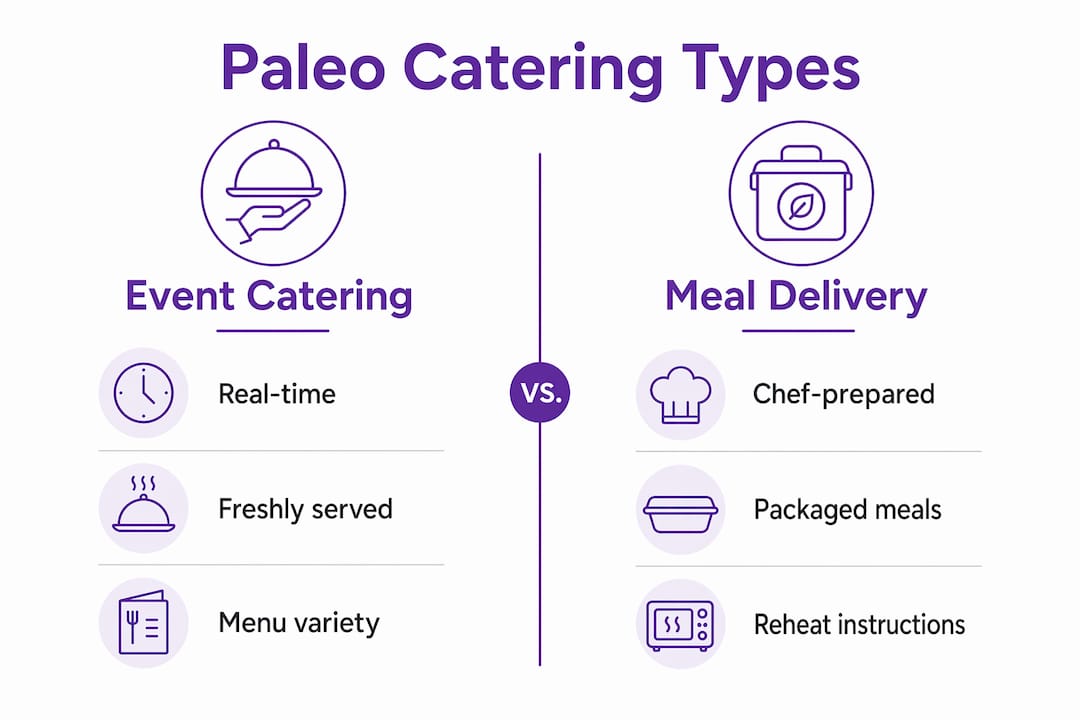
On-site event catering involves a team arriving at your venue, preparing or finishing dishes on location, and serving guests in real time. The operational priorities are:
- Temperature control throughout transport and service, keeping hot proteins above safe holding temperatures and cold salads properly chilled.
- Timed plating so that a roasted salmon fillet served to guest 40 looks as good as the one served to guest 1.
- Guest-specific accommodations, where a caterer managing a 60-person corporate lunch must track which guests have additional restrictions beyond standard paleo.
- On-site ingredient separation to prevent cross-contact when paleo dishes share a kitchen or serving line with non-paleo items.
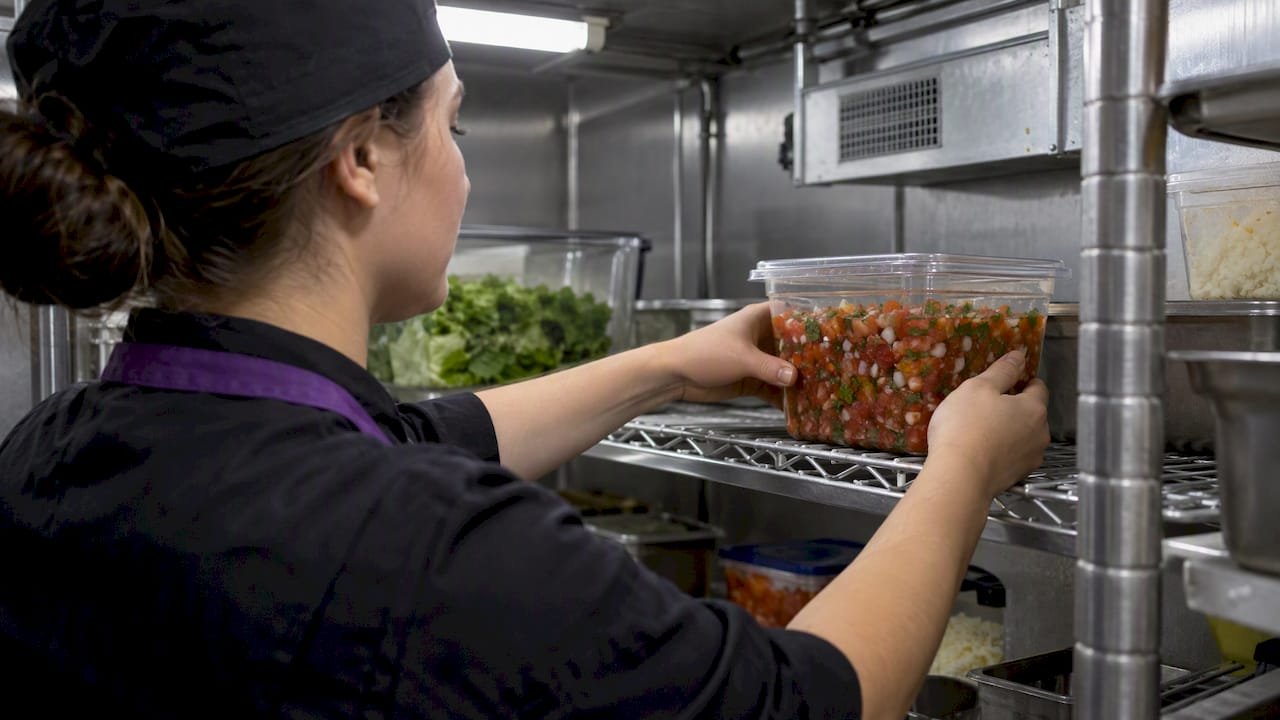
Paleo meal delivery, by contrast, is a chef-prepared, packaged service. Providers like 2 Guys With Knives in Vancouver demonstrate the standard model: meals are chef-prepared and refrigerated, delivered with clear reheating instructions, and designed to stay fresh for up to seven days in the refrigerator. This model suits individuals who want weekly paleo meal prep without cooking from scratch every day.
The quality controls differ significantly between the two. Event catering demands real-time execution under pressure. Meal delivery demands precise packaging, accurate labelling, and shelf-life management. A caterer who excels at one does not automatically excel at the other. When you are evaluating providers, ask directly which model they specialise in and what their quality control process looks like for each. For a broader understanding of how event catering services are structured, the operational principles apply directly to paleo-specific formats.
Standard paleo vs. autoimmune paleo: which version applies?
Not all paleo catering is the same level of restrictive, and this distinction matters enormously when you are booking a service. Standard paleo excludes grains, legumes, dairy, refined sugars, and processed foods. Autoimmune Paleo, known as AIP, goes considerably further.
The table below shows the key differences between the two variants:
| Food category | Standard paleo | Autoimmune paleo (AIP) |
|---|---|---|
| Grains | Excluded | Excluded |
| Dairy | Excluded | Excluded |
| Legumes | Excluded | Excluded |
| Eggs | Permitted | Excluded |
| Nuts and seeds | Permitted | Excluded |
| Nightshades (tomatoes, peppers) | Permitted | Excluded |
| Seed-based spices | Permitted | Excluded |
AIP is designed for individuals managing autoimmune conditions, and its exclusion list is broad enough that a standard paleo caterer cannot simply adapt their menu on the fly. Providers like Urban AIP specialise specifically in AIP meal delivery because the compliance requirements demand a dedicated kitchen workflow.
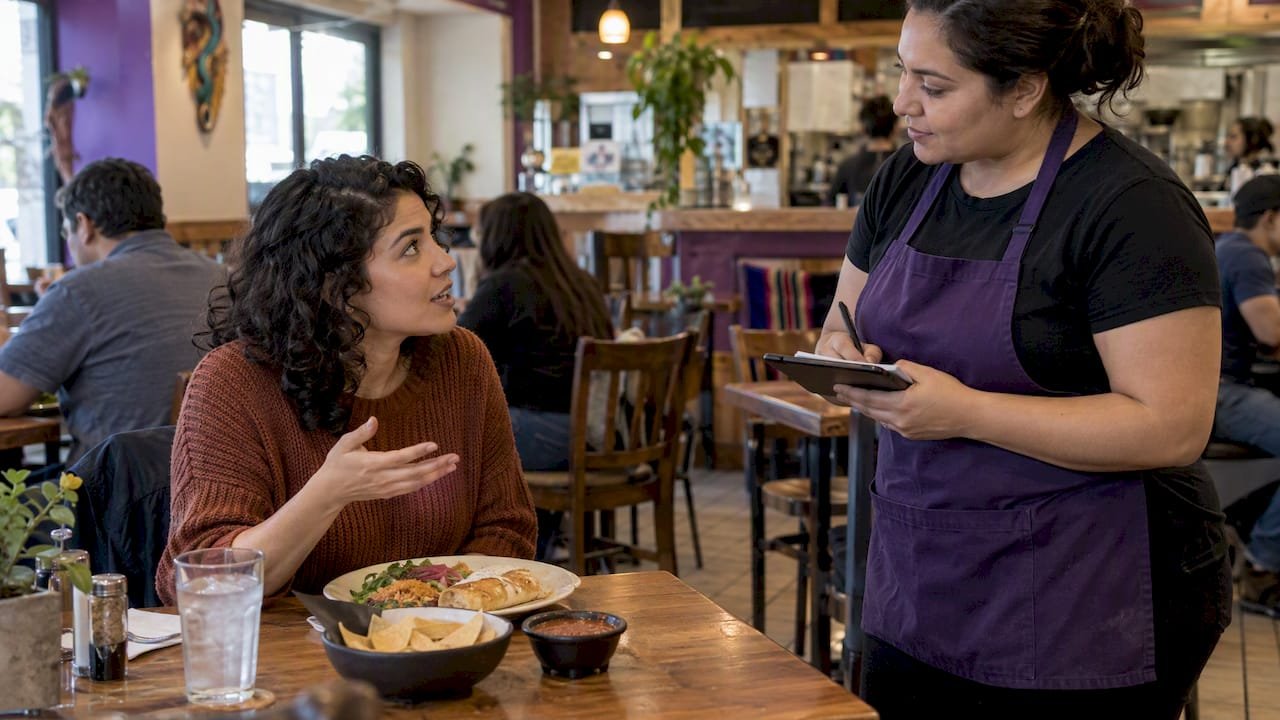
The practical implication for you as a client is straightforward. Before signing any catering contract, confirm which version of paleo the provider follows. A caterer who offers “paleo options” as part of a wider menu, alongside vegan and keto choices, is almost certainly working to standard paleo rules. If you or your guests require AIP compliance, that needs to be stated explicitly and confirmed in writing. Caterers should also clarify allergen handling procedures, because paleo does not automatically mean allergen-free. A standard paleo menu can still include tree nuts, eggs, and shellfish, all of which are common allergens.
Pro Tip: When booking paleo catering for an event with multiple guests, send a short pre-event questionnaire asking whether anyone follows AIP or has specific allergen concerns. This single step prevents the most common compliance failures.
Paleo catering is also frequently offered as one option within a broader menu customisation framework, alongside vegan, keto, and gluten-free choices. If you want to understand how similar exclusion-based menus work for gluten-free requirements, the gluten-free catering approach shares many of the same ingredient-vetting principles.
How much does paleo catering cost and how do you choose a provider?
Pricing for paleo diet catering varies based on service style, ingredient sourcing, and guest count. Premium paleo meal preparation services can range considerably depending on your region and the complexity of the menu. The factors that drive cost upward are predictable once you understand the model.
- Ingredient sourcing. Grass-fed beef, wild-caught fish, and organic produce cost more than conventional equivalents. Caterers who source locally, as Burritosplendido does with Manitoba-produced proteins and Peak of the Market produce, often deliver better freshness but at a price that reflects that sourcing commitment.
- Service style. Full on-site event catering with staff, equipment, and real-time service costs more per person than a meal-prep delivery subscription.
- Guest count and customisation. Smaller guest counts with multiple dietary variants (standard paleo plus AIP plus nut-free) require more kitchen labour per person, which increases the per-head cost.
- Menu complexity. A three-course plated dinner with paleo-compliant sauces made from scratch costs more than a buffet of roasted proteins and vegetables.
When evaluating providers, the benefits of paleo catering are only realised if the caterer can actually deliver compliant food. Here is what to verify before booking:
- Request a sample menu with full ingredient lists, including all sauces and dressings.
- Ask how the kitchen handles cross-contact when paleo dishes are prepared alongside non-paleo items.
- Confirm whether the provider distinguishes between standard paleo and AIP, and whether they can accommodate both.
- For meal delivery, ask about packaging, refrigeration standards, and reheating instructions.
- Check whether the caterer has experience with your event size. A provider who handles 10-person meal prep weekly may not have the logistics for a 150-person corporate event.
Choosing a caterer who treats paleo as a compliance checklist rather than a vague dietary preference is the single most important factor in getting food your guests can actually eat with confidence.
Key takeaways
Paleo catering requires ingredient-level compliance across every component of a dish, not just the proteins and vegetables, making provider vetting the most critical step in the booking process.
| Point | Details |
|---|---|
| Core paleo exclusions | Grains, dairy, legumes, refined sugars, and processed foods are excluded from all paleo menus. |
| AIP is a stricter variant | Autoimmune Paleo also excludes eggs, nuts, seeds, and nightshades; confirm which version applies before booking. |
| Two distinct service models | On-site event catering and meal delivery require different operational workflows and quality controls. |
| Hidden ingredients are the risk | Sauces, marinades, and spice blends are the most common source of non-compliant ingredients in paleo catering. |
| Verify before you sign | Always request full ingredient lists and confirm allergen handling procedures with any paleo caterer. |
Paleo catering in practice: what I have learned
The biggest misconception I encounter is that paleo catering is simply “meat and vegetables.” That framing undersells the skill required and sets clients up for disappointment when they receive a plate that is technically compliant but genuinely unpleasant to eat.
The real craft in paleo catering is menu engineering. When you remove bread, pasta, rice, dairy-based sauces, and legumes from a catering menu, you strip away most of the traditional comfort and satiety cues that guests expect. Replacing them requires a caterer who understands fat, texture, and flavour layering. A well-made paleo menu uses roasted bone marrow, herb-infused olive oil, slow-braised proteins, and fermented vegetable sides to create the same sense of satisfaction that a cream sauce or a dinner roll would normally provide. That is a genuinely different skill set from standard catering.
The operational challenge I find most underestimated is managing multiple dietary restrictions simultaneously. When a 100-person event includes guests who are standard paleo, AIP, nut-free, and shellfish-free, the kitchen logistics become complex quickly. Caterers who handle this well use colour-coded labelling, dedicated prep surfaces, and a single point of contact for dietary queries. Caterers who handle it poorly just hope nobody notices the almond flour in the dessert.
My honest observation is that the demand for paleo catering has grown significantly, but the sophistication of providers has not kept pace uniformly. The best providers treat paleo as a serious compliance discipline. The weakest ones treat it as a marketing label. Your job as a client is to ask enough specific questions to tell the difference before the food arrives at your event.
— Austin
Paleo-friendly catering options from Burritosplendido
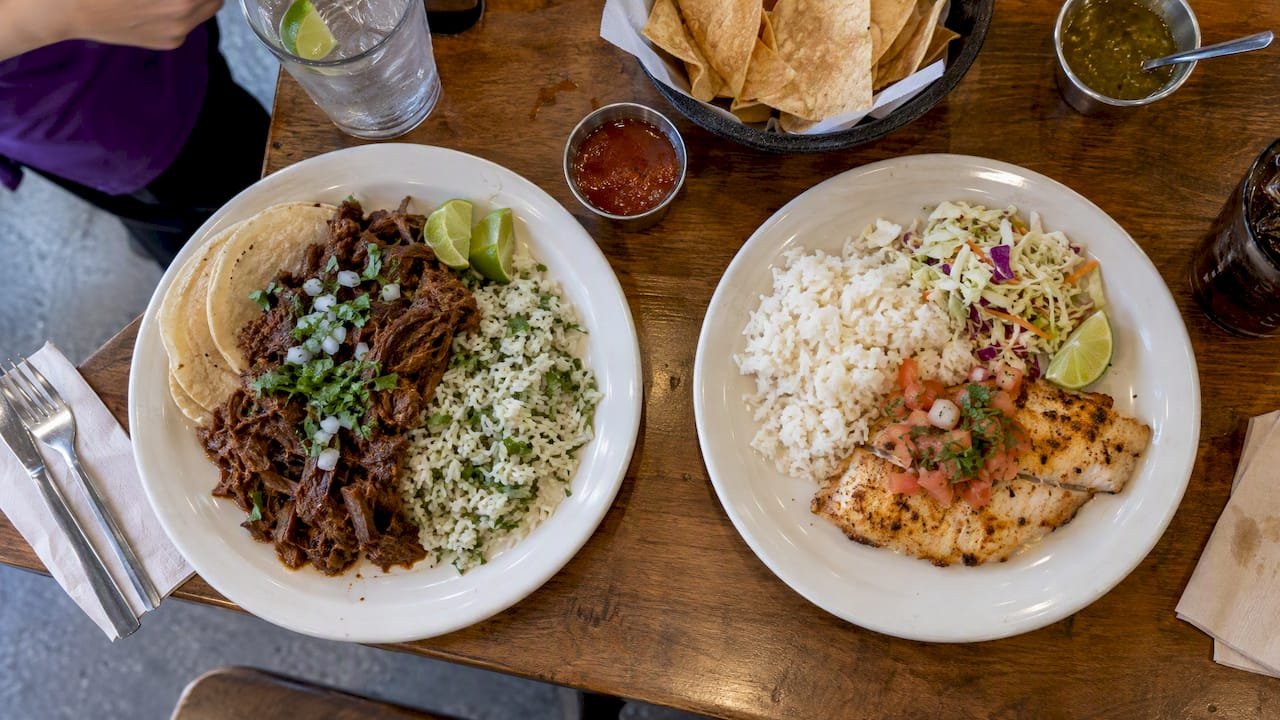
If you are exploring paleo catering options in Manitoba, Burritosplendido is worth a close look. The kitchen operates without a deep fryer, sources proteins like Carnitas, Barbacoa, and Adobo Chicken from local Manitoba farms, and builds every dish from scratch daily. The menu is designed to accommodate paleo, keto, gluten-free, and vegan requirements, with staff trained on cross-contamination protocols.
Burritosplendido’s catering services offer customisable meal options that align naturally with paleo principles, using fresh produce from Peak of the Market and proteins from trusted local suppliers. Whether you are planning a corporate lunch or a private event, the team can work with your dietary requirements to build a menu that is both compliant and genuinely satisfying. Visit burritosplendido.com to explore catering options and get in touch with the team directly.
FAQ
What is paleo catering exactly?
Paleo catering is a food service that prepares meals following paleo diet principles, focusing on whole, unprocessed foods like lean meats, fish, vegetables, fruits, nuts, and seeds while excluding grains, dairy, legumes, and processed ingredients.
What can you eat on paleo catering menus?
Paleo catering menus typically include lean meats, wild-caught fish, eggs, fresh vegetables, fruits, nuts, and seeds. All grains, dairy products, legumes, refined sugars, and processed foods are excluded.
How does paleo meal delivery differ from event catering?
Paleo meal delivery involves chef-prepared, refrigerated meals with reheating instructions, staying fresh for up to seven days. On-site event catering requires real-time temperature control, timed plating, and guest-specific service.
What is autoimmune paleo and does it affect catering?
Autoimmune Paleo (AIP) is a stricter variant that additionally excludes eggs, nuts, seeds, nightshades, and seed-based spices. Clients following AIP must confirm this with their caterer explicitly, as standard paleo menus are not automatically AIP-compliant.
How do I verify a caterer is genuinely paleo-compliant?
Request a complete ingredient list covering all sauces, marinades, and spice blends, and ask how the kitchen prevents cross-contact with non-paleo items. Caterers who cannot provide this information clearly are unlikely to deliver reliable paleo compliance.