You’ve done taco night. You’ve loaded up the crunchy shells, sprinkled on the shredded cheese, and still walked away feeling like something was missing. That’s because what most of us grew up calling a “taco” bears little resemblance to what you’d find sizzling on a street corner in Mexico City or Oaxaca. Real Mexican tacos are restrained, deeply flavourful, and built on a handful of quality components done exactly right. This guide walks you through every step: from choosing the right tortilla and sourcing fresh, local ingredients, to marinating proteins, assembling with precision, and serving like a seasoned taquero.
Table of Contents
- Choose the right tortillas and ingredients
- Marinate, grill, and prepare authentic taco fillings
- Master authentic taco assembly and toppings
- Serve tacos like a pro and try regional variations
- Our take: why authenticity is in the details, not the dogma
- Bring authentic Mexican flavour to your next meal
- Frequently asked questions
Key Takeaways
| Point | Details |
|---|---|
| Corn tortillas are key | Always use fresh corn tortillas, doubled up and warmed for strength and flavour. |
| Simple fillings shine | Classic taco fillings like carne asada and carnitas rely on simple, well-marinated meats cooked hot and fast. |
| Toppings should be minimal | Stick with onion, cilantro, salsa, and lime to keep flavours balanced and authentic. |
| Serve immediately | For the best tacos, assemble and serve them hot and fresh, ideally in a group setting. |
Choose the right tortillas and ingredients
The tortilla is not a vessel. It is part of the flavour. This single distinction separates a forgettable taco from one you’ll talk about for days. Most grocery store flour tortillas are soft, bland, and oversized, engineered for shelf life rather than taste. Authentic Mexican tacos, particularly street-style, use small soft corn tortillas, often doubled for strength, warmed on a dry skillet or comal to become pliable and slightly charred. That’s the standard you’re working toward.
Corn vs. flour: what’s actually authentic?
In central and southern Mexico, corn tortillas are the unambiguous standard. They carry an earthy, slightly sweet flavour that acts as a quiet but essential backdrop to robust fillings. Flour tortillas are more common in northern states like Sonora and Chihuahua, where wheat farming has deep roots. For street-style tacos, corn is the right call.
Pro Tip: When you pick up a fresh corn tortilla, smell it. A good one smells distinctly of corn masa, slightly earthy and warm. If it smells of nothing, it will taste of nothing.
How to warm your tortillas properly
Warming is not optional. A cold tortilla cracks and falls apart; a properly warmed one folds cleanly and develops a subtle char that adds complexity.
- Heat a dry cast iron skillet or comal over medium-high heat
- Place tortillas directly on the surface, one or two at a time
- Warm for 30 to 40 seconds per side until small brown spots appear
- Stack and wrap in a clean tea towel to keep warm and steamy
- Double up two tortillas before filling to prevent splitting
Sourcing quality ingredients in Canada
The good news for Canadian home cooks is that quality local ingredients are more accessible than ever. For proteins, look for Manitoba-raised pork, locally sourced chicken, or fresh regional fish. Understanding how to use local ingredients for Mexican food can genuinely transform the outcome of your tacos without requiring imported specialty products.
Here’s a quick reference for what to look for at the market:
| Ingredient | What to look for | Why it matters |
|---|---|---|
| Corn tortillas | Small (15 cm), fresh smell, pliable | Flavour and fold-ability |
| Beef (flap steak) | Deep red colour, minimal marbling | Better char and tenderness |
| Pork shoulder | Local farm raised, firm texture | Richer fat for carnitas |
| Chicken thighs | Free-range, skin-on | Juicier after high heat |
| Produce | In-season, locally grown | Brightness and natural sweetness |
| Limes | Heavy for their size, firm skin | More juice per squeeze |
Understanding traditional Mexican techniques alongside great local sourcing is where real authenticity begins to take shape.
Marinate, grill, and prepare authentic taco fillings
Once ingredients are gathered, focus shifts to transforming them into flavourful, authentic fillings. The filling is where most home cooks either win or lose the taco. The common mistake is overseasoning with pre-made spice packets or undercooking proteins for lack of confidence on the grill. Both rob the taco of its character.
Classic fillings you should know
Key fillings include carne asada, which is grilled marinated beef like flap steak, carnitas, which is slow-cooked pork crisped at its edges, al pastor, which is spit-grilled pork with pineapple, and others like chicken, fish, or barbacoa. Each filling has a distinct profile. Carne asada is smoky and bold. Carnitas are fatty and crispy. Al pastor is sweet, savoury, and slightly spiced. Fish tacos are bright and clean. Starting with any one of these teaches you the logic of how a taco filling works.
The marinade makes the difference
For carne asada specifically, the marinade uses citrus, including orange and lime juice, beer, Worcestershire sauce, jalapeños, and garlic for both tenderising and deep flavour. The acid breaks down the muscle fibres in the beef, making it more tender. The garlic and jalapeño infuse heat and aromatics without overpowering. Let beef marinate for at least four hours, overnight is better.
Here’s a quick comparison to help you choose your filling based on cook time and difficulty:
| Filling | Primary protein | Cook method | Difficulty | Time required |
|---|---|---|---|---|
| Carne asada | Flap or skirt steak | Grill, high heat | Beginner | 20 min + marinate |
| Carnitas | Pork shoulder | Low and slow braise | Intermediate | 3 to 4 hours |
| Al pastor | Pork loin | Spit or oven roast | Intermediate | 2 hours |
| Adobo chicken | Chicken thighs | Grill or pan sear | Beginner | 30 min + marinate |
| Fish (pickerel) | Local whitefish | Pan sear or grill | Beginner | 15 minutes |
Step-by-step: how to cook taco meat at home
- Choose your cut and trim excess fat, leaving a thin layer for flavour
- Mix your marinade in a bowl and coat the protein thoroughly
- Cover and refrigerate for a minimum of four hours
- Remove protein from the fridge 30 minutes before cooking to bring it to room temperature
- Heat your grill or pan to medium-high before adding the meat, surface should be very hot
- Cook in small batches without crowding for maximum char development
- Rest the meat for five minutes before chopping or shredding
Pro Tip: Crowding your grill drops the surface temperature and causes steaming rather than searing. Always cook taco meats in batches for the best char and caramelisation.
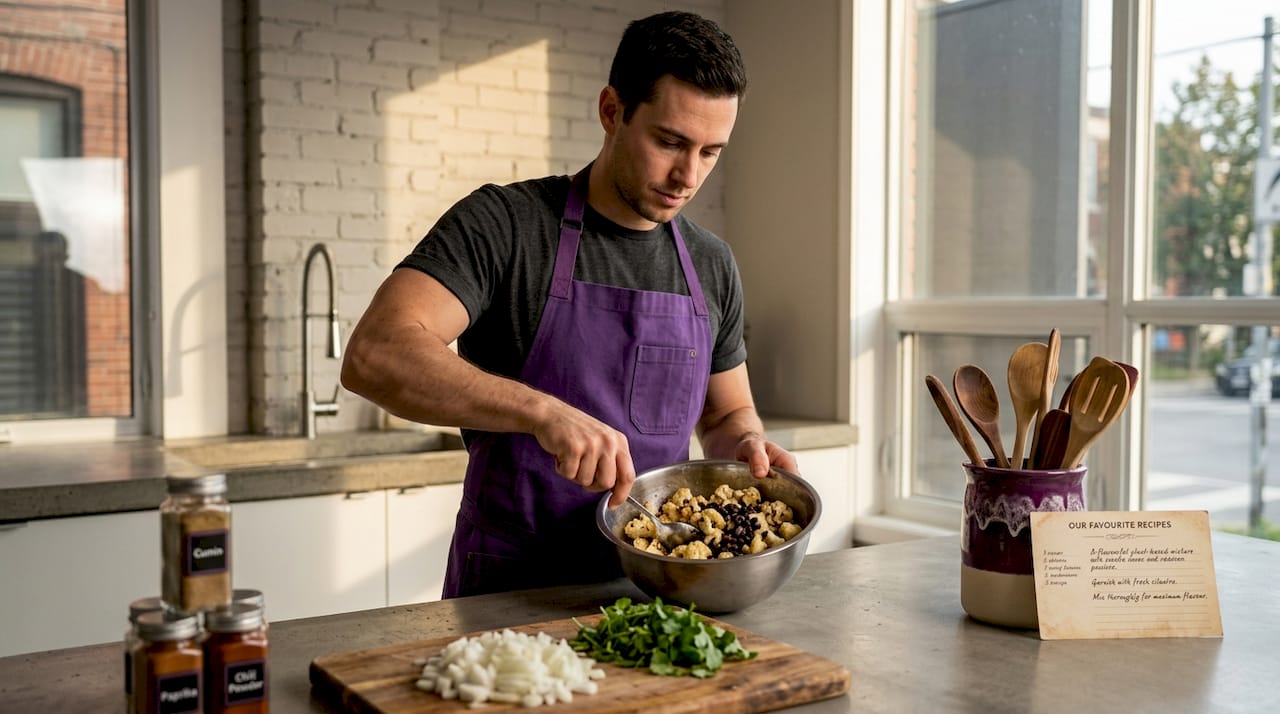
For vegetarian and vegan options, cauliflower florets roasted with cumin and smoked paprika are excellent. Black beans mashed with garlic, lime, and cumin also work beautifully. The same principles apply: high heat, bold seasoning, and restraint with toppings.
Master authentic taco assembly and toppings
Filled and ready, the next secret is in the art of assembly and minimal but bold toppings. This is where most home cooks overdo it. The instinct to pile on the toppings is understandable, but it smothers the very flavours you worked so hard to develop. Authentic street tacos are small, restrained, and precisely balanced.
The correct order of assembly
Building a taco is more deliberate than it looks. Think of it as a flavour ratio exercise rather than a freestyle layering exercise. Every component earns its place.
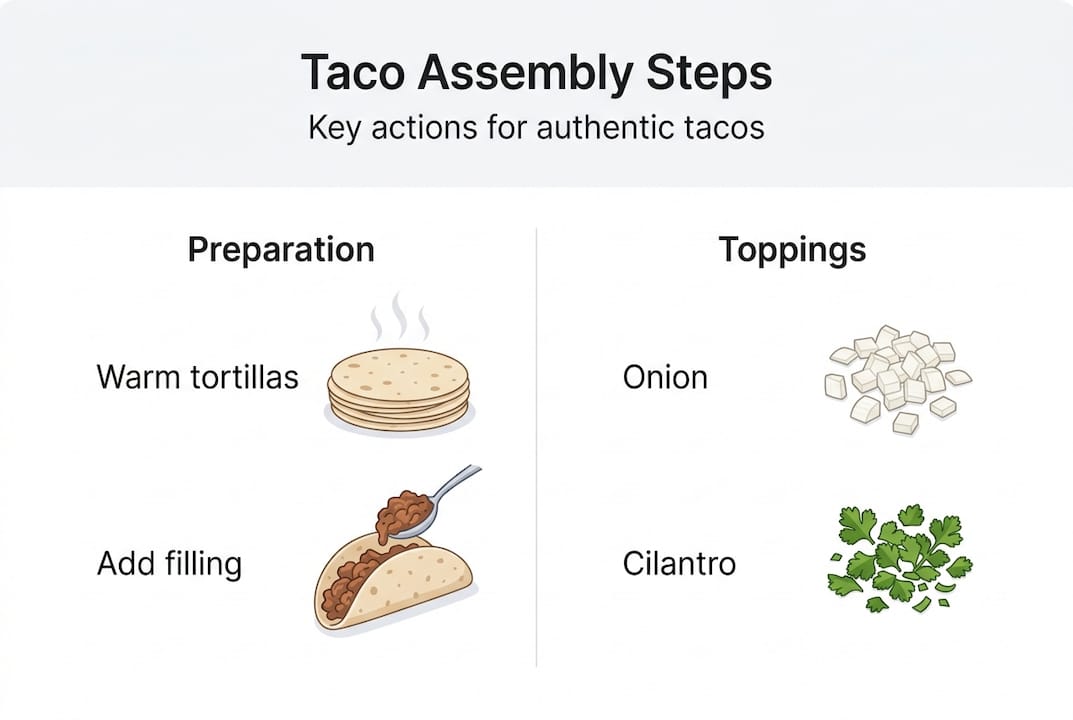
- Place two warmed corn tortillas, overlapped, in your hand or on a flat surface
- Add a moderate spoonful of protein to the centre, roughly 60 to 70 grams
- Scatter finely chopped white or red onion over the top
- Add a small pinch of fresh cilantro leaves
- Squeeze a wedge of fresh lime generously over the filling
- Spoon a small amount of salsa, either roja (red) or verde (green), over everything
- Fold and eat immediately
The right toppings and why others are skipped
Classic toppings are minimal: finely chopped white or red onion, fresh cilantro, a squeeze of lime, and a good salsa roja or verde. Cheese, lettuce, and sour cream are avoided for authenticity. This surprises many people at first. Cheese adds fat and weight that dulls the meat’s natural char. Lettuce contributes water and crunch that clashes with the soft warmth of the tortilla. Sour cream masks the salsa’s brightness entirely.
Here are the only toppings you need for a proper authentic taco:
- White onion: finely diced, rinsed briefly in cold water to mellow the sharpness
- Fresh cilantro: leaves only, never stems, roughly torn not chopped fine
- Lime wedges: at least one per taco, squeezed at the moment of eating
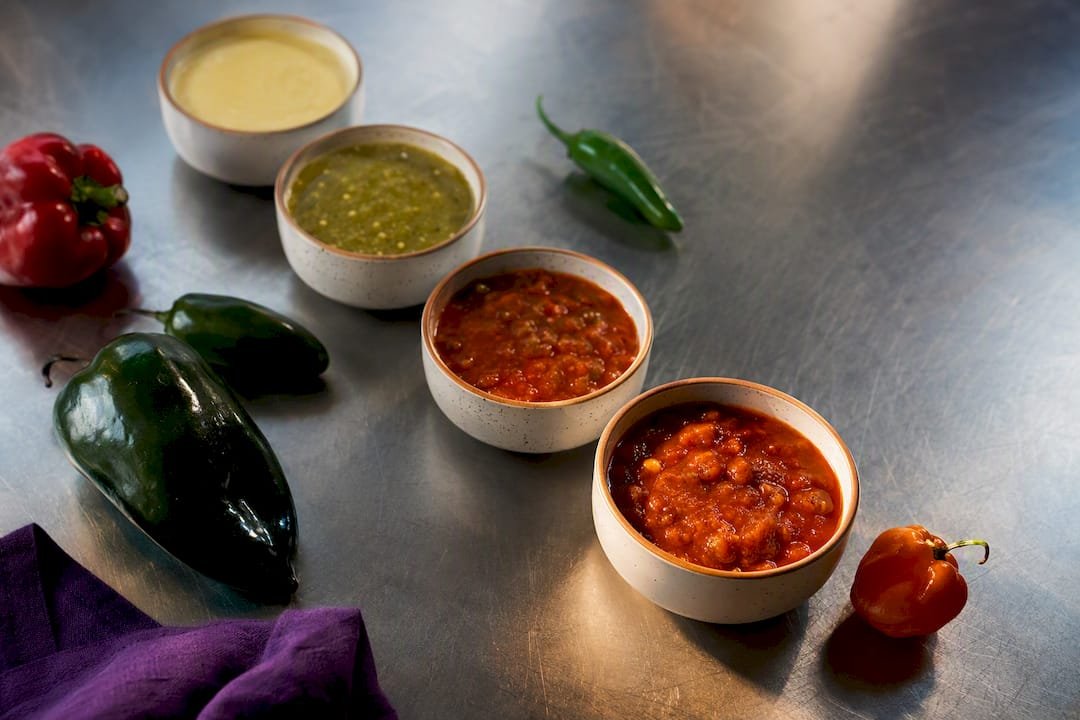
- Salsa roja: blended roasted tomatoes, chipotles, garlic, and salt
- Salsa verde: tomatillos, serranos, white onion, cilantro, and lime
- Pickled jalapeños: optional, for an extra punch of acid and heat
A well-assembled taco should fit neatly into 2.5 to 3 bites. If it takes more, you’ve overfilled it. This proportion matters not just for ease of eating but for flavour balance. Each bite should carry every component in equal measure. A great resource for getting this right is the 12-step taco assembly guide, which breaks down the process with precision.
Serve tacos like a pro and try regional variations
With your tacos built, it’s time to make your meal memorable with authentic serving practices and fun twists. Even perfectly cooked tacos suffer when they’re served cold, assembled too far ahead, or buried under condiments applied by guests who don’t know the flavour ratios. The experience of eating a taco is inseparable from the conditions under which it’s served.
Serving hot and fresh, every time
Plate meat immediately onto fresh tortillas and eat without delay. This is not a dish where sitting for five minutes is harmless. The steam from the hot filling softens the tortilla further, the salsa gets absorbed, and the carefully developed char begins to steam away. Every second counts.
How to host a taco night for a group
Serving tacos for a group requires organisation. Here’s a simple workflow that keeps everyone fed and the tacos tasting fresh:
- Prepare all toppings in small bowls and arrange them in a line on the counter or table
- Warm tortillas in batches of six to eight, wrapping in a tea towel as you go
- Cook protein in batches off the grill or pan, moving directly to a warmed serving dish
- Invite guests to build their own tacos immediately at the station
- Replenish tortillas and protein in small quantities throughout the meal to maintain warmth
“The beauty of a taco night isn’t just in the food. It’s in the ritual. Gathering around the table, building your own plate, passing the salsa, tearing off lime wedges. That communal energy is inseparable from the flavour.”
Regional variations worth exploring at home
Authentic regional varieties exist, and some do include cheese or are fried, while corn remains more authentic in most traditions. Tacos de castacán from the Yucatán, for instance, feature crispy pork belly with Oaxacan cheese. Flautas are tightly rolled and pan-fried corn tortillas filled with shredded chicken. Ensenada-style fish tacos use beer-battered local fish in slightly larger tortillas.
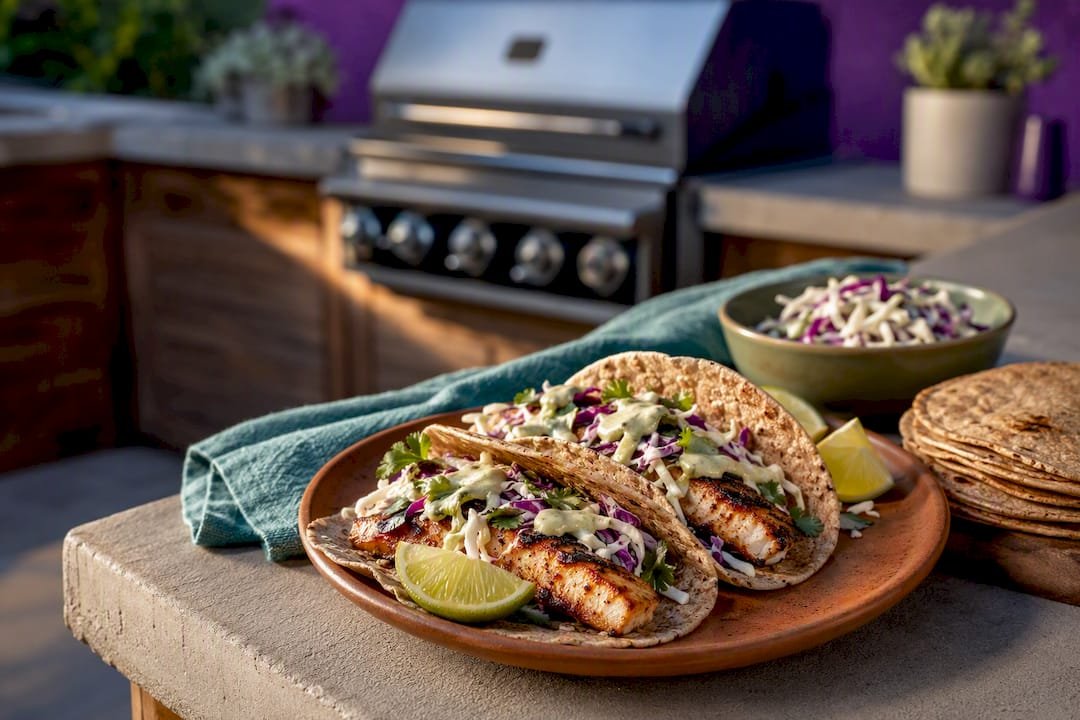
For Manitoba home cooks, the fish taco variation is a natural fit. Local pickerel or whitefish, pan-seared with cumin and lime, tucked into doubled corn tortillas with slaw and salsa verde, is a genuinely exciting regional riff that honours both Mexican tradition and Canadian terroir.
Pro Tip: Set up an at-home taquería bar where serving tacos for gatherings becomes effortless. Label each topping bowl, lay out extra limes, and let guests serve themselves. The interactive element transforms dinner into an event.
Our take: why authenticity is in the details, not the dogma
Stepping back, it’s worth reconsidering what authenticity really means in a Canadian kitchen. We’ve seen the debates online: corn only, never flour. Cilantro or nothing. No cheese, ever. And while there’s real value in learning traditional technique, rigid rules can make the process intimidating rather than joyful.
At Burrito Splendido, we’ve built our whole approach around sourcing honest, quality ingredients and respecting the technique behind every dish. Our carnitas are braised low and slow, our tortillas are pressed from Manitoba flour daily, and our proteins are hand-pulled in-house. But we’ve also learned that the spirit of authenticity is more about the intention behind the cooking than whether your tortillas came from a specific region.
When you use fresh, quality ingredients and follow the fundamental technique, the result carries the same honesty as any street taco in Mexico. Understanding how to apply authentic flavours with local ingredients is what bridges the gap between “inspired by” and “genuinely good.”
“The best taco you’ve ever had probably wasn’t perfect. It was fresh, made with care, and shared with someone you like. That’s the whole point.”
Minimal toppings, properly warmed tortillas, and well-seasoned protein. These three details do more for your taco than any exotic ingredient. Perfection isn’t the goal. Presence, care, and good company are.
Bring authentic Mexican flavour to your next meal
If this guide has you craving real, thoughtfully made Mexican food, you don’t have to wait for your next home cook session. Exploring authentic flavours in Canada is easier than you think when you know where to look.
At Burrito Splendido, every taco, burrito, and bowl is built from scratch using locally sourced Manitoba ingredients, slow-cooked proteins, and house-pressed tortillas. Whether you’re planning a family dinner or a big event, our Mexican food catering brings the same fresh, intentional approach to your table. Ready to take your taco skills further? The advanced taco assembly guide walks you through every detail, Winnipeg style.
Frequently asked questions
What is the most authentic taco filling?
Carne asada, carnitas, and al pastor are among the most traditional fillings, all relying on simple marinades and high-heat cooking to develop their characteristic flavour. Barbacoa and fish are also widely regarded as authentic regional options.
Can I use flour tortillas instead of corn?
Corn is more authentic in the majority of Mexican taco traditions, but some northern regions and modern taco trucks regularly use flour, especially for larger or specialty preparations. For street-style tacos, corn is strongly preferred.
What toppings go on authentic Mexican tacos?
Finely chopped onion, cilantro, lime, and a simple salsa roja or verde are the classic toppings. Keeping it minimal allows the protein and tortilla to carry the flavour.
How do I keep tacos from falling apart when I eat them?
Double up corn tortillas and warm them thoroughly on a dry skillet before filling. Keeping the filling amount modest, around 60 to 70 grams, also reduces splitting and makes the taco easier to eat in a few clean bites.
Is it okay to add cheese or sour cream?
Authentic street tacos typically skip both, as they mask the protein’s flavour and salsa’s brightness. That said, Yucatecan variations like tacos de castacán do incorporate Oaxacan cheese, proving there are always thoughtful regional exceptions worth exploring.
Recommended
- How to assemble perfect tacos in 12 steps: local flavours – Burrito Splendido
- How to make authentic burritos with Canadian ingredients – Burrito Splendido
- Authentic Mexican street food: Top picks to try in Winnipeg – Burrito Splendido
- Mexican Food Catering in Canada: How to Host the Perfect Fiesta – Burrito Splendido