Farm-to-table is not a trend that arrived in Mexican cuisine from the outside. It has always been there. Traditional Mexican cuisine is recognised by UNESCO as a living cultural heritage precisely because it has always centred on fresh, local, and seasonal ingredients. In Manitoba, where local sourcing has become a growing priority for food lovers and health-conscious diners alike, this centuries-old approach is finding a passionate new audience. This guide unpacks what farm-to-table Mexican cuisine really means, how restaurants bring it to life, and how you can experience these authentic flavours right here at home.
Table of Contents
- Understanding farm-to-table Mexican cuisine
- How farm-to-table works in Mexican restaurants
- The benefits of farm-to-table Mexican: Flavour, health, and biodiversity
- How to find and enjoy farm-to-table Mexican cuisine in Manitoba
- The deeper story: Farm-to-table is Mexican tradition, not just a modern movement
- Discover Manitoba’s freshest Mexican flavours
- Frequently asked questions
Key Takeaways
| Point | Details |
|---|---|
| Rooted in tradition | Farm-to-table is integral to authentic Mexican cuisine and predates modern food trends. |
| Manitoba adaptation | Local Mexican restaurants blend heritage methods with fresh Manitoba ingredients for vibrant dishes. |
| Health and flavour | Diners enjoy superior taste, nutrition, and environmental benefits from local sourcing. |
| Accessible options | Menus are affordable and varied, making farm-to-table Mexican food easy to enjoy in Manitoba. |
| Authentic experience | Asking about sourcing and choosing seasonal dishes ensures a genuine farm-to-table meal. |
Understanding farm-to-table Mexican cuisine
The phrase “farm-to-table” gets thrown around so often that it starts to lose meaning. In the context of Mexican food, though, it points to something very specific and very old. It means sourcing ingredients from nearby farms and producers, preparing them using traditional techniques, and letting seasonality guide the menu rather than a fixed corporate formula. That is exactly how Mexican cooking has operated for centuries.
What distinguishes farm-to-table Mexican food from generic restaurant fare is the emphasis on the full chain: from soil to table. Every ingredient has a story, from the heirloom corn ground into masa for tortillas to the slow-braised proteins that simmer for hours in house-made spice blends. When that chain stays short and transparent, both flavour and nutrition improve dramatically.
For health-conscious Manitobans, understanding authentic Mexican food in Canada is a good starting point. Authentic preparation is not about theatre. It is about discipline: grinding your own corn, pressing your own tortillas, and refusing to cut corners with pre-processed substitutes.
The key principles of farm-to-table Mexican cuisine include:
- Local sourcing first: Ingredients come from regional farms and producers whenever possible, supporting the local economy and shortening supply chains.
- Seasonal menus: Dishes change with the growing season, which means better produce, less environmental impact, and a more interesting dining experience.
- Traditional preparation methods: Nixtamalisation (the ancient process of treating corn with an alkaline solution), slow braising, and hand-pulling proteins are all central techniques.
- Biodiversity through ingredients: Heritage grain varieties, heirloom beans, and diverse produce support ecological health beyond the kitchen.
- No shortcuts: No deep fryers, no heavily processed fillers, and no ingredients designed purely for shelf life.
“Farm-to-table practices are not a modern marketing invention in Mexican cuisine. Biodiversity preservation and fresher flavours are among the empirical benefits of maintaining these traditional approaches, which critics sometimes dismiss as trend-driven but traditionalists rightly see as inseparable from Mexican culinary identity.”
Understanding the role of tortillas in Mexican cuisine gives you a concrete window into these principles. A house-pressed tortilla made with locally milled flour or nixtamalised masa is a completely different product from a factory-packaged alternative. The texture, the aroma, and the nutritional profile are simply not comparable.
How farm-to-table works in Mexican restaurants
Understanding the philosophy is one thing. Seeing it operate inside an actual kitchen is another. Across North America, a growing number of Mexican restaurants are building their operations around genuine farm-to-table models, and the results are measurable in both quality and community impact.
One strong example is Mesa Agricola, based in San Diego. The restaurant grows its own five-acre farm to supply produce for guisados, tacos, and nixtamalised tortillas. Their kitchen draws on culinary traditions from all 31 Mexican states, blending that heritage with local seafood and heirloom beans. It is a working model that proves farm-to-table Mexican cuisine scales beyond the romantic idea and into daily operations.
In Manitoba, the adaptation looks somewhat different but follows the same logic. Instead of avocados and local Pacific seafood, Manitoba kitchens work with what the province does best: fresh produce sourced through operations like Peak of the Market, locally raised pork and poultry, and dairy products from producers like Bothwell Cheese. The result is a menu that respects Mexican flavour traditions while being rooted in the Canadian Prairies.
Here is a quick comparison of how farm-to-table principles translate across different contexts:
| Principle | Traditional Mexican model | Manitoba adaptation |
|---|---|---|
| Protein sourcing | Local farm pigs, regional poultry | Manitoba pork farms, Granny’s Chicken |
| Produce | Heirloom varieties, small farms | Peak of the Market fresh produce |
| Tortillas | Nixtamalised corn masa | Manitoba-milled flour, pressed in-house |
| Dairy | Regional cheese varieties | Bothwell Cheese |
| Seasonal specials | Regionally-caught fish and shellfish | Manitoba Whitefish and Pickerel tacos |
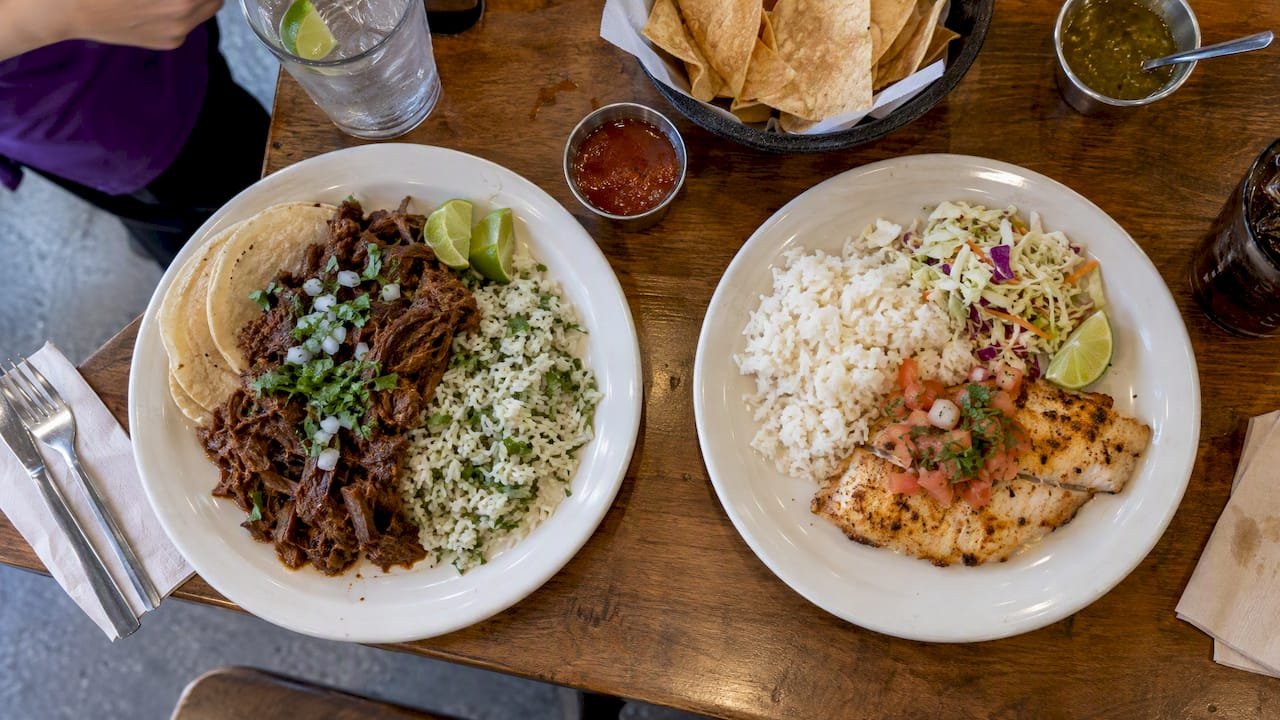
Bringing this to life also means building a kitchen that treats preparation as a daily practice rather than an occasional event. Carnitas braised low and slow, barbacoa shredded by hand, and adobo chicken marinated in house-made spice blends are all non-negotiable if you want the full farm-to-table experience. These are not convenience items. They are commitments.

If you want to make some of these flavours at home, a step-by-step guide to authentic Mexican tacos at home can walk you through the process with Manitoba-sourced ingredients.
Pro Tip: When evaluating a restaurant’s farm-to-table credentials, ask specifically about their tortillas. A kitchen that presses tortillas in-house from locally sourced flour or masa is demonstrating a meaningful commitment to quality that extends throughout the entire menu.
The Winnipeg Mexican restaurant checklist is also a useful tool for comparing local options and knowing what questions to ask before you sit down.
The benefits of farm-to-table Mexican: Flavour, health, and biodiversity
The benefits of this approach go well beyond flavour, though flavour is a very good place to start. A tomato picked at peak ripeness from a Manitoba farm and used the same day tastes fundamentally different from one transported across a continent in a refrigerated truck. That difference compounds across every ingredient in a dish.
Here is a closer look at the primary advantages:
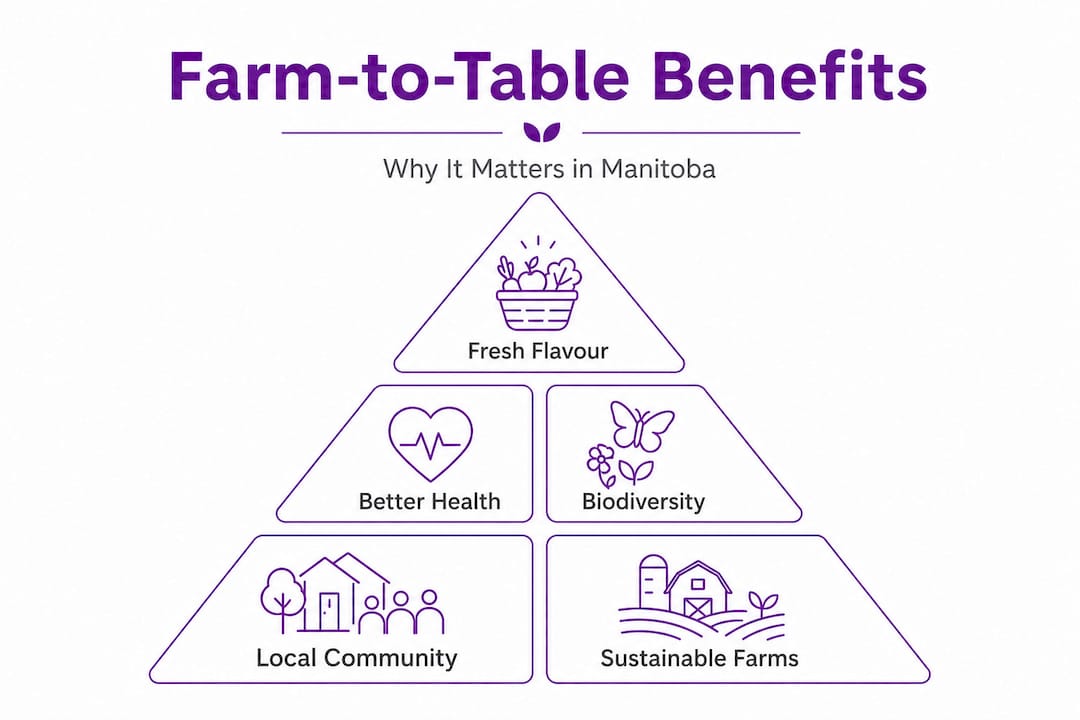
- Fresher taste: Shorter supply chains mean ingredients arrive with more flavour intact. Herbs, chillies, and fresh produce lose volatile aromatic compounds the longer they travel, so local sourcing is a direct flavour upgrade.
- Higher nutritional value: Studies consistently show that recently harvested produce retains more vitamins and antioxidants than produce stored for extended periods. Choosing farm-fresh ingredients is not just an aesthetic preference. It is a health decision.
- Fewer additives: When ingredients arrive fresh and are used quickly, there is less need for preservatives, artificial stabilisers, or flavour enhancers. The food stands on its own.
- Environmental impact: Lower food miles mean reduced carbon emissions from transportation. Supporting local farms also keeps agricultural land in active use, which has its own ecological benefits for Manitoba’s landscape.
- Biodiversity: Growing and sourcing heirloom bean varieties, heritage corn, and diverse produce contributes to the preservation of plant biodiversity. Biodiversity preservation is one of the most important but least discussed benefits of traditional Mexican food culture.
| Benefit | Impact for diners | Impact for the community |
|---|---|---|
| Fresh produce | Better taste, more nutrients | Supports local growers |
| Local proteins | Traceable, higher welfare standards | Keeps farming dollars in Manitoba |
| Seasonal menus | More variety, lower prices in season | Reduces food waste |
| House-made preparations | No hidden additives | Skilled kitchen jobs |
“Choosing locally sourced Mexican food is not a compromise. It is the most direct path to experiencing the cuisine the way it was designed to be experienced: close to the land, prepared by hand, and eaten fresh.”
For Manitobans specifically, the benefits of local Mexican food in Winnipeg extend into community resilience. Every meal sourced from a Manitoba farm keeps revenue circulating locally rather than being absorbed by distant supply chains.
If you are exploring healthy Mexican menus in Manitoba, the farm-to-table lens gives you a reliable filter. Menus built around local sourcing and from-scratch preparation almost always outperform those built around convenience in both flavour and nutritional quality.
How to find and enjoy farm-to-table Mexican cuisine in Manitoba
Knowing the principles is great. Finding the real thing on a Tuesday evening is what actually matters. The good news is that farm-to-table Mexican cuisine in Manitoba is more accessible than ever, but you do need to know what to look for.
Menus that rotate with the seasons are your first clue. A restaurant committed to farm-to-table sourcing cannot keep the same menu year-round without compromising their sourcing standards. If the menu changes with what is growing, that is a strong signal of genuine commitment. Mesa Agricola adapts recipes from all 31 Mexican states using local and seasonal ingredients, changing their offerings regularly to reflect what is available. That model is instructive.
Look for these menu signals when evaluating your options:
- Named farms or producers: Menus that credit Granny’s Chicken, Bothwell Cheese, or Peak of the Market are being transparent about sourcing.
- Seasonal specials: Limited-time offerings tied to growing seasons indicate a living relationship with local suppliers.
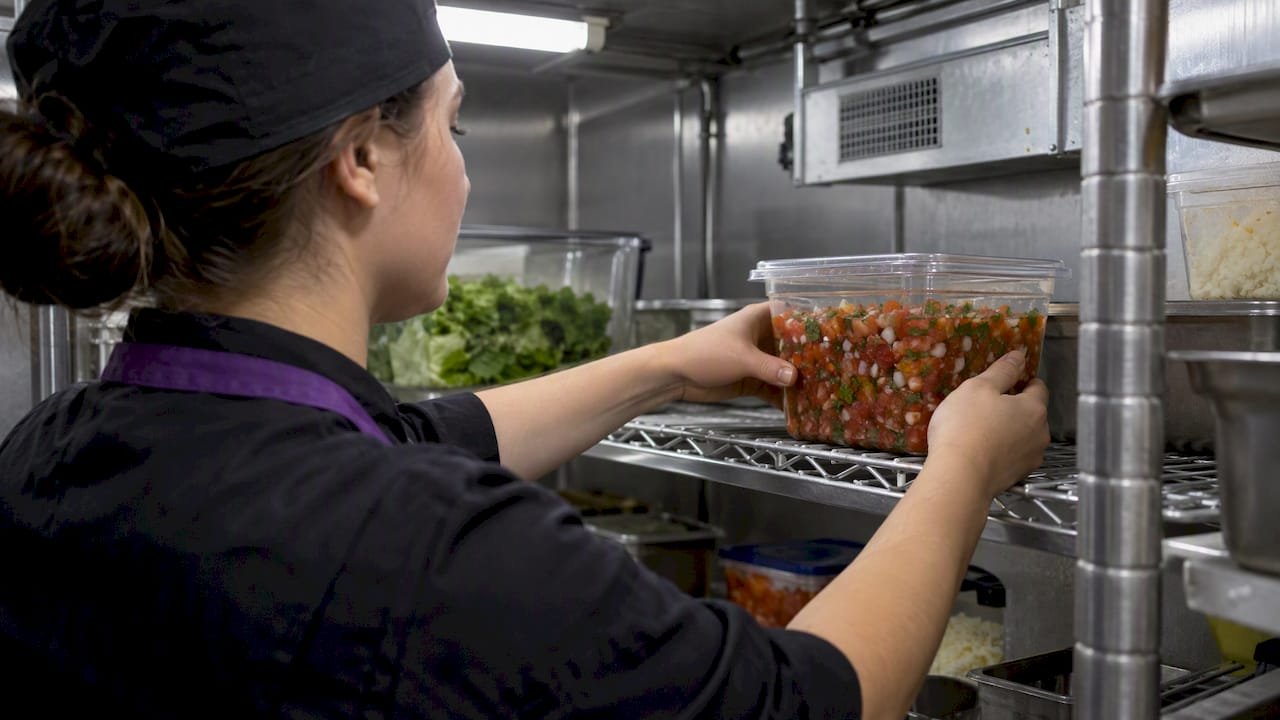
- House-made items: House-pressed tortillas, slow-cooked proteins, and house-made salsas signal a scratch kitchen.
- No deep-fryer items: A kitchen operating without a deep fryer is making a deliberate health and quality choice.
- Dietary flexibility: Genuine farm-to-table kitchens tend to accommodate gluten-free, vegan, and other dietary needs because the base ingredients are naturally clean.
Questions worth asking your server or restaurant directly include: Where does your chicken come from? Are your tortillas pressed in-house? Does your menu change with the seasons? A restaurant proud of its sourcing will answer these questions enthusiastically.
Pro Tip: Ask whether the restaurant’s proteins are slow-cooked in-house. Carnitas braised on-site in the morning versus reheated off-site product taste very different, and the cooking method tells you a lot about the kitchen’s overall philosophy.
The farm-to-fork Mexican food story in Canada is still being written, and Manitoba is one of the most exciting chapters. With a strong agricultural base and a growing food culture, the province is well positioned to support genuinely local Mexican cuisine at a competitive price point.
When you visit, try multiple dishes rather than defaulting to one familiar order. The taco, the burrito bowl, and the street-style option each showcase different ingredients and techniques. Tasting across the menu gives you a fuller picture of what the kitchen is actually doing with its sourced ingredients.
The deeper story: Farm-to-table is Mexican tradition, not just a modern movement
Here is something that much of the mainstream food coverage misses entirely: Mexico did not need the farm-to-table movement to tell it to cook from the land. The connection between Mexican cooking and local, seasonal, fresh ingredients predates any modern restaurant trend by centuries. Traditional Mexican cuisine earned its UNESCO intangible cultural heritage designation precisely because it represents an unbroken chain of community-based, land-rooted food practice.
When food writers and restaurant marketers celebrate farm-to-table Mexican cuisine as something newly discovered or creatively invented, they are inadvertently erasing a story that was never lost in Mexico. The milpa system, the communal growing of corn, beans, and squash together, is one of the oldest and most ecologically intelligent agricultural practices in human history. Mexican cooks have been practising what we now brand as “farm-to-table” since long before the phrase existed.
For Manitobans, this context matters because it reframes how we engage with the food. You are not trying something trendy when you choose a restaurant that presses its own tortillas from Manitoba-milled flour and sources its chicken from a local farm. You are participating in a tradition that is genuinely centuries deep. That is a meaningful difference.
The danger of the trend framing is that it makes the practice feel optional, fashionable, or temporary. If it is just a trend, it can pass. But if it is the foundation of a cuisine’s integrity, it must be protected and supported. The farm-to-fork story deserves that kind of seriousness, not just as a marketing angle but as a genuine commitment to culinary heritage and community.
We think Manitoba diners who engage with farm-to-table Mexican food from this perspective get more out of every meal. The flavours become more interesting when you understand why they taste the way they do. The choices feel more intentional when you know what they are rooted in.
Discover Manitoba’s freshest Mexican flavours
If reading through all of this has made you hungry for the real thing, you are in the right place.
At Burrito Splendido, the farm-to-table philosophy is not a marketing tagline. It is the daily reality in every kitchen. Every tortilla is pressed in-house using 100% Manitoba-produced flour. Every protein, from slow-braised Carnitas to hand-pulled Barbacoa, is prepared from scratch each morning. Seasonal specials like Manitoba Whitefish and Pickerel tacos reflect a genuine connection to the province’s land and waterways. You can explore the full farm-to-fork Mexican food story and see exactly how local sourcing shapes every menu choice. Whether you are looking to customise Mexican meals for specific dietary needs or simply want a fresh, honest meal, multiple Winnipeg and Brandon locations are ready to deliver it.
Frequently asked questions
What makes Mexican farm-to-table different from other cuisines?
Mexican farm-to-table is grounded in centuries-old traditions that value local ingredients and biodiversity as part of a UNESCO-recognised cultural heritage, not simply a modern dining preference.
How can I identify farm-to-table Mexican restaurants in Manitoba?
Look for menus that name local farms, feature seasonal specials, and highlight house-made tortillas. Restaurants that grow or source local produce and regularly update their menus with seasonal changes are a reliable indication of genuine farm-to-table practice.
Is farm-to-table Mexican food healthier?
Yes. Local and seasonal sourcing typically means higher nutritional value and fewer additives because fresher flavours and improved quality are direct outcomes of shorter supply chains and minimal processing.
What typical dishes benefit most from farm-to-table principles?
Tacos, guisados, and nixtamalised tortillas benefit most because they rely heavily on fresh produce and properly prepared masa. Kitchens that make tacos and tortillas with farm-grown produce deliver a noticeably superior result in both texture and flavour.
Are farm-to-table Mexican menus more expensive?
Not necessarily. Competitive pricing is achievable, with tacos at $4 and burritos at $7 at operations like Mesa Agricola. Quality sourcing and thoughtful kitchen practices do not have to translate into premium pricing for the diner.