You can eat dairy-free at a Mexican restaurant, and often more easily than at other cuisines, because the base of the food (corn or flour tortillas, grilled or slow-cooked meat, beans, rice, salsa) is rarely built on milk. The risk sits in the extras: the cheese on top, the crema drizzled at the end, the shared fryer, the spoon moved from one tub to the next. This guide shows where dairy hides, what to say at the counter and how to build a meal that works, with notes for diners in Winnipeg and across Canada.
TL;DR
- Dairy usually arrives as a garnish (crema, queso fresco, cotija, shredded cheese), so say “no cheese and no crema” every time you order, even if the menu does not mention it.
- Chips, fried shells and anything from a shared fryer deserve a direct question, because cross-contact is the hidden risk, not the ingredient list.
- In Canada, no federal rule makes a restaurant list every allergen on its menu, so a spoken conversation with staff matters more than the printed description.
- Tacos, bowls and burritos built from grilled or braised proteins, beans, rice, salsa and guacamole are the easiest dairy-free orders.
- Allergy and preference are different: a true milk allergy needs stricter questions than a choice to skip dairy.
Table of Contents
- Why Mexican food is easier than it looks, and riskier than it looks
- Where dairy hides on a Mexican menu
- Allergy, intolerance or preference: say which one it is
- The cross-contact question nobody puts on the menu
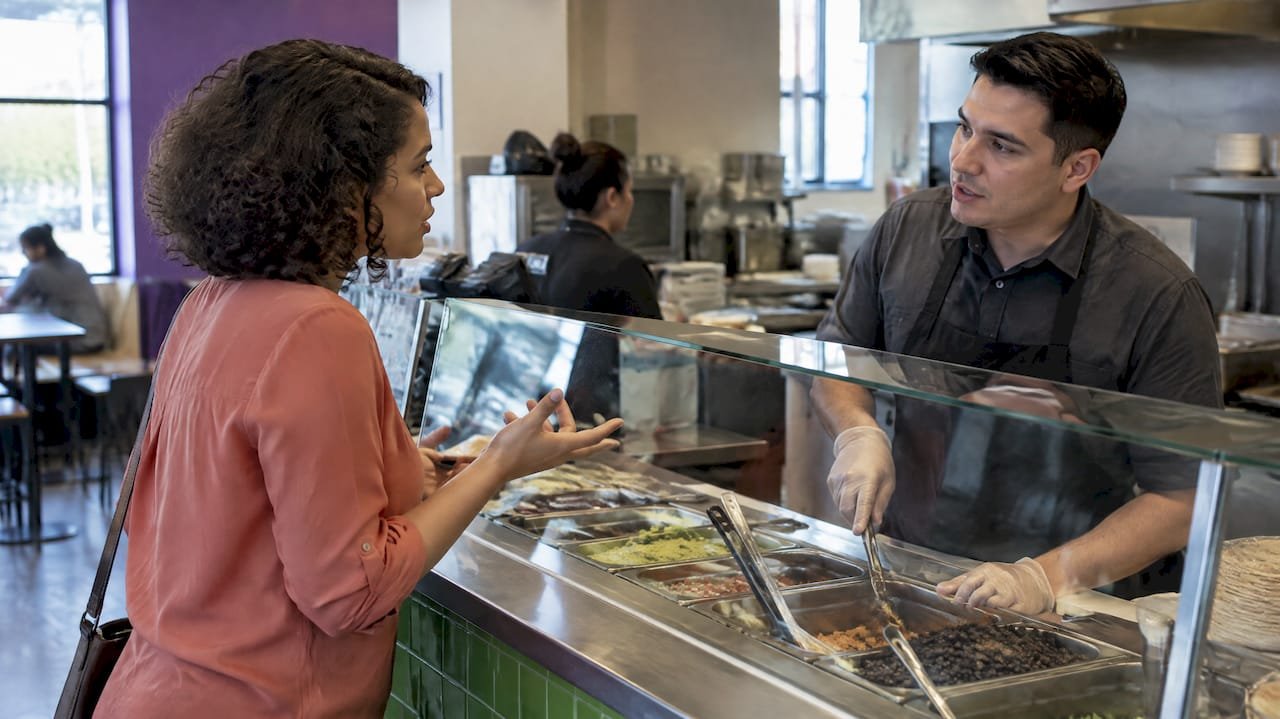
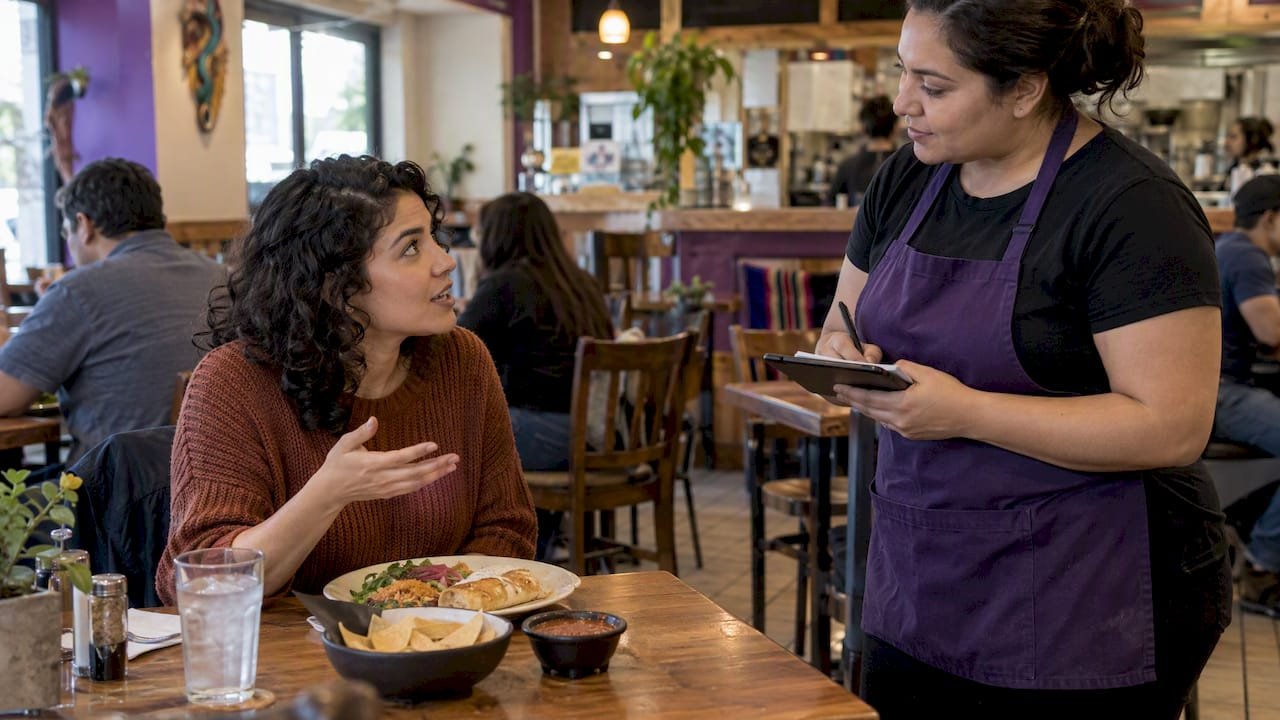
- A script that works at the counter
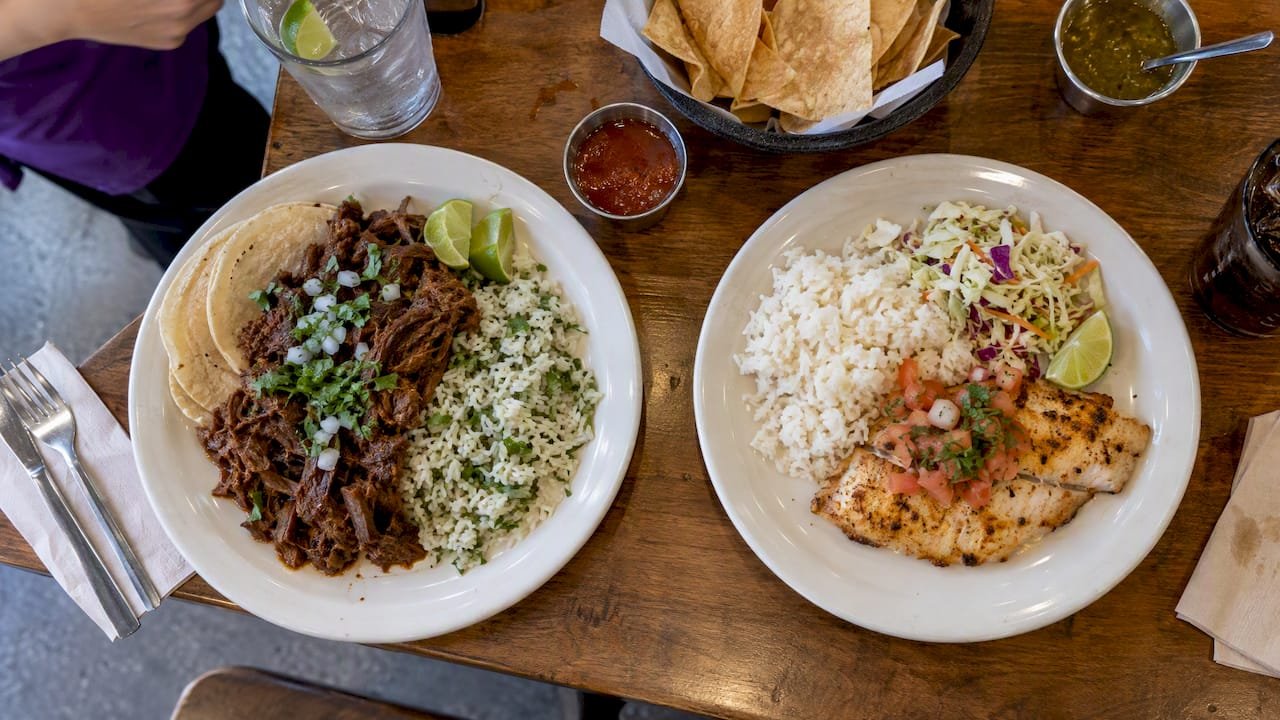
- Dairy-free tacos, bowls and burritos: how to build them
- Our perspective on dairy-free ordering
- Eating dairy-free in Winnipeg
- Order dairy-free at Burrito Splendido
- Quick reference: a dairy-free order you can adapt anywhere
- FAQ
- Sources
Why Mexican food is easier than it looks, and riskier than it looks
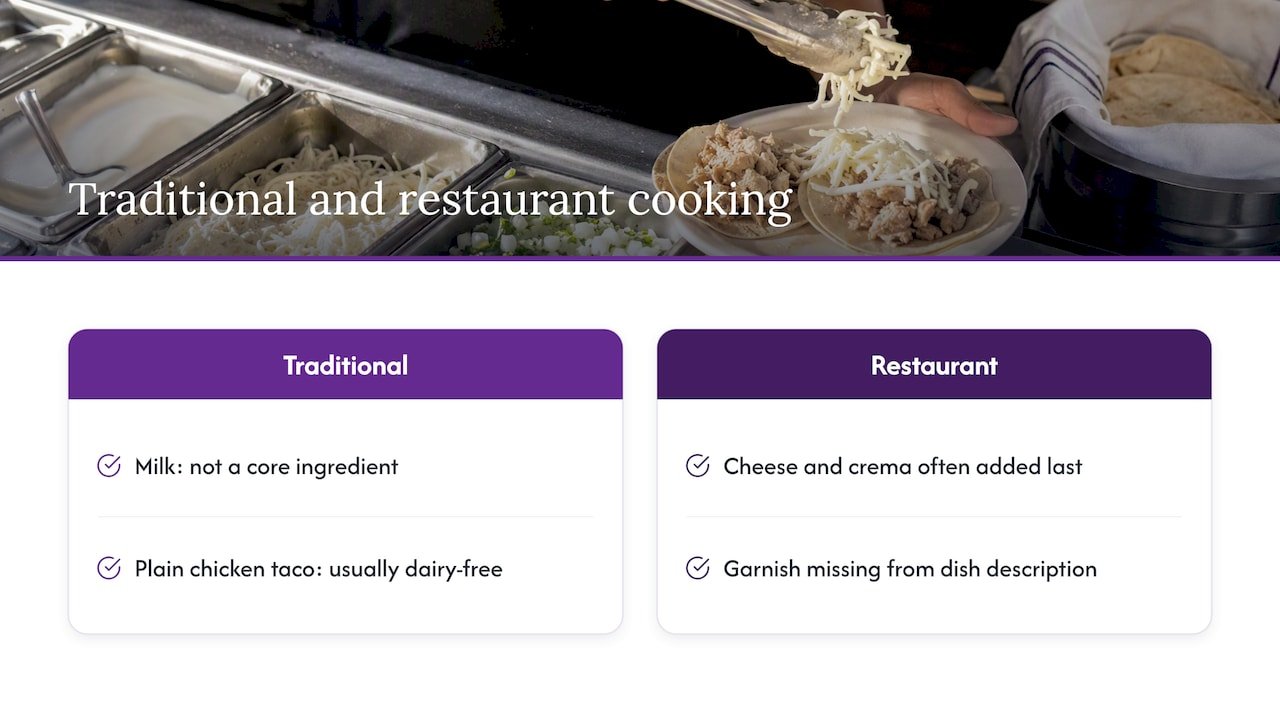
Traditional Mexican cooking leans on corn, chilies, beans, citrus, herbs and meat. Milk is not a core ingredient in most of those. That is why a plain taco with grilled chicken, onion, cilantro and salsa is naturally dairy-free in most kitchens.
The trouble is that restaurant versions, especially in Canada, have drifted toward the cheese-and-sour-cream style. Mexican cuisine has several allergen traps that are invisible on menus, and dairy garnish is one of them. Cheese and crema are often added in the last second, so they do not show up in the dish name or the ingredient description.
That is also why the question “is it dairy-free?” is a weak one. Better questions are specific: what goes on top, what is the sauce made of, what is it cooked in, and what touched it before it reached my plate.
Where dairy hides on a Mexican menu
Use this as a checklist when you read a menu or stand at a counter.
| Item | Dairy risk | What to ask or say |
|---|---|---|
| Crema, sour cream | Almost always dairy | “No crema, no sour cream.” |
| Queso fresco, cotija, panela | Dairy, often added as a finishing garnish | “No cheese on top, please.” |
| Shredded cheese in burritos, bowls, quesadillas | Dairy, often pre-loaded | Ask for the item built without it before assembly. |
| Queso dip, cheese sauce | Dairy | Skip, or ask what is in it. |
| Refried beans | Sometimes cooked with lard or topped with cheese | Ask how they are made and whether cheese is added. |
| Rice | Occasionally finished with butter | Ask if butter is used. |
| Creamy salsas and sauces (chipotle, green, “house” drizzles) | Can contain crema, mayonnaise-style bases or cheese | Ask for the ingredients, or choose a tomato or tomatillo salsa you can see. |
| Tortilla chips and fried shells | Shared fryer with breaded or cheese items | Ask if the fryer is dedicated. |
| Flour tortillas | Some recipes use milk or lard | Ask what the tortilla is made of. |
| Desserts (flan, tres leches, churros) | Often milk, cream or butter | Assume dairy unless told otherwise. |
The garnish point is the one most diners miss. Cotija, queso fresco and crema are routinely sprinkled on at the end, which is why a standard precaution is asking for the dish “sin queso y sin crema”, meaning without cheese and without cream. Saying it in plain English works just as well.
Lard, and why it matters here too
Lard shows up in refried beans, tamale masa and some flour tortillas. It is not dairy, so it will not hurt someone with a milk allergy, but the same detail tells you something useful: a dish can look simple and still contain things the menu never mentions. If a restaurant cannot tell you how the beans or tortillas are made, treat that as information about how careful the kitchen is with ingredients in general.
Allergy, intolerance or preference: say which one it is
Staff handle these three cases differently, and you will get better service if you are clear.
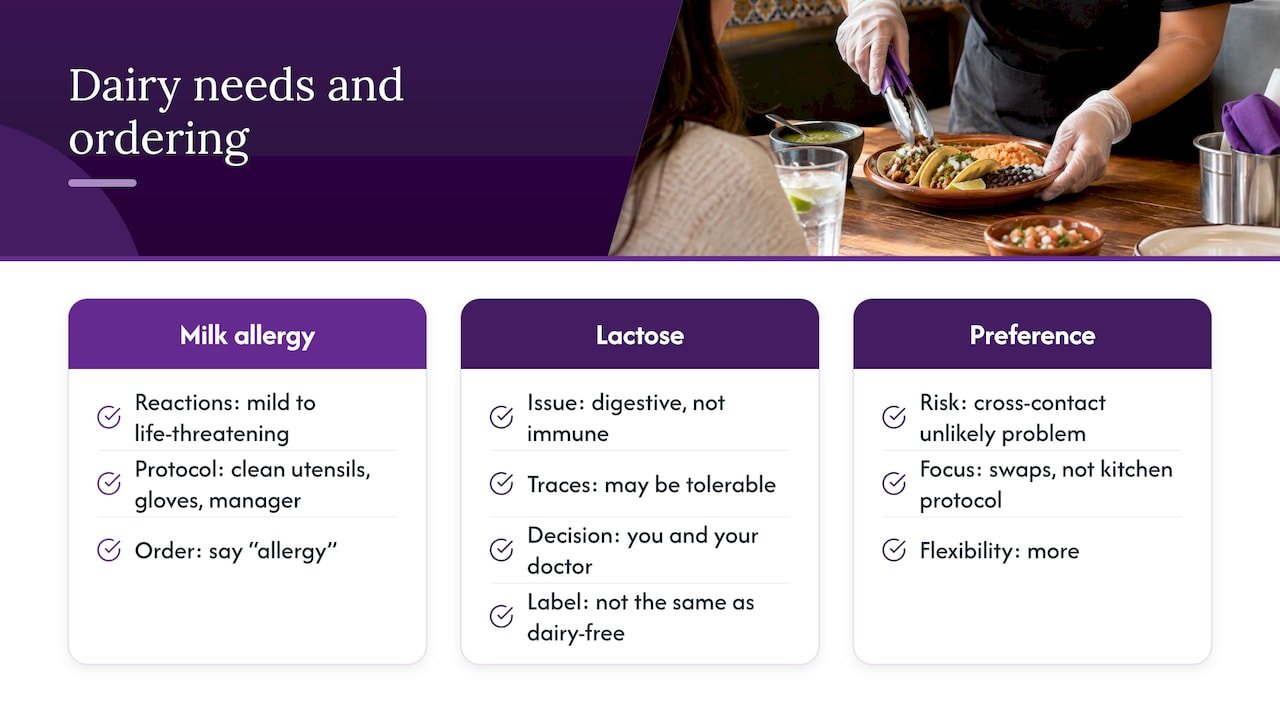
Milk allergy. Milk is one of the priority food allergens in Canada, and Health Canada estimates that between 1.8 and 2.1 million Canadians may be affected by food allergies. Reactions range from mild to life-threatening, and avoiding the allergen is the only effective way to prevent them. If this is you, use the word “allergy” at the counter. That word triggers cleaner utensils, glove changes and a conversation with a manager in kitchens that are trained for it.
Lactose intolerance. This is a digestive issue rather than an immune reaction. Small traces may be tolerable for some people, but that is a decision for you and your doctor or dietitian, not something to assume. If you are managing lactose rather than milk protein, ideas like these lactose-free meal options can help you think about swaps at home and when eating out, but remember that “lactose-free” and “dairy-free” are not interchangeable labels for an allergic diner.
Preference or lifestyle. If you are skipping dairy for vegan, paleo or general reasons, you have more flexibility. A sprinkle of cross-contact is unlikely to be a problem, and you can focus on the swaps rather than the kitchen protocol. Our guide to vegan Mexican ordering covers that side.
The cross-contact question nobody puts on the menu
The most common hidden danger in dining out is cross-contact, where an allergen moves onto a dish through shared equipment, utensils or surfaces. The Canadian Food Inspection Agency’s guidance on food allergens as a chemical hazard for food operators makes the point from the kitchen’s side: operators are expected to control it, which is why it is fair for you to ask about it.
In a Mexican kitchen, four places matter most:
- The fryer. Chips, taco shells and fried sides are often cooked in oil shared with breaded or cheesy items. Tortilla chips are not guaranteed dairy-free for this reason. Ask whether the fryer is dedicated, or whether the kitchen has a fryer at all.
- The flat-top or grill. Quesadillas and tortillas warmed with melted cheese leave residue. Ask for a clean spot or a fresh pan.
- The assembly line. Scoops and tongs travel between cheese, crema and toppings. Ask the person building your meal to change gloves and use clean utensils.
- The sauces. A ladle left in a creamy sauce can end up in the salsa beside it.
There is also a plain legal fact worth knowing. Federal labelling rules cover prepackaged food, and restaurants in Canada are not federally required to list every allergen on a menu. Practices are guided by provincial food safety rules and voluntary standards. So you cannot rely on a printed menu alone. As Allergies Québec notes, staff may not know every ingredient in a complex sauce, which puts a share of the responsibility on you to be clear and specific before you order.
A script that works at the counter
You do not need to be long or apologetic. Three sentences cover it.
- “I have a dairy allergy. Can you tell me which proteins and toppings are dairy-free?”
- “Please leave off cheese and crema, and can you change gloves and use clean utensils?”
- “Is anything fried in a shared fryer, and are the tortillas made with milk or butter?”
Then watch what happens. A good kitchen asks follow-up questions, checks a recipe or calls a manager. A kitchen that says “it’s fine, probably” has told you what you need to know. Repeat the conversation on every visit. Recipes and staff change, and the same dish can be built differently on a busy Friday than on a quiet Tuesday.
Dairy-free tacos, bowls and burritos: how to build them
Searches for dairy-free tacos are far more common than searches for the whole topic, and for good reason. Tacos are the easiest place to start because you control each layer.
Tacos
- Tortilla: corn is the traditional choice and is usually dairy-free. If you want flour, ask how it is made.
- Protein: grilled chicken, braised pork, shredded beef, fish or seasoned vegetables and tofu. Ask about marinades and whether any are finished with butter or cream.
- Toppings: onion, cilantro, lime, pickled onion, cabbage, pico de gallo, fresh salsa, guacamole.
- Skip: cotija, queso fresco, crema, cheese sauce and any “special sauce” you cannot identify.
If you cook at home, our step-by-step taco guide shows how to build tacos from the tortilla up, and you can leave out the cheese without losing anything.
Bowls
A “naked” burrito bowl is a burrito without the tortilla: rice, beans, protein, vegetables and salsa. It removes the tortilla question and puts everything where you can see it. The only extras to check are the cheese, the crema and any sauce on top.
Burritos
Burritos hide more, because everything is wrapped and you cannot inspect it. Tell the person building it, before they start, that no cheese or crema goes in. Pre-loaded fillings (cheesy rice, beans with cheese) are the usual surprise, so ask whether they are separate.
Quesadillas
The name says it. A quesadilla is built on cheese, so it is the order to skip unless a restaurant offers a truly dairy-free version and can explain how it is made and cooked.
Our perspective on dairy-free ordering
We built Burrito Splendido around a kitchen where things are made from scratch every day, and that shapes how we think about this question. When tortillas are pressed in the restaurant, proteins like carnitas, barbacoa and adobo chicken are slow-cooked and hand-pulled in-house, and salsas are prepared fresh, we can tell you what is in them, because we made them. That is the single most useful thing a restaurant can offer a diner who avoids dairy: answers.
We are also a deep-fryer-free kitchen. For anyone avoiding dairy, that removes one of the biggest sources of cross-contact described above, the shared fryer that handles chips, shells and breaded items. Our menu is customizable by design, with vegan, vegetarian, gluten-free, keto and paleo options, and our staff are trained to handle specific dietary needs and cross-contamination concerns. A dairy-free order is a customization we are used to, not a special request that throws the line off.
Here is our honest advice. Whichever restaurant you visit, including ours, tell the person building your meal about the allergy, ask what is in the sauces and watch the assembly. No menu can replace that conversation, and the diners who do it every time are the ones who stay safe. If you want a broader walkthrough, our guide to ordering for dietary needs goes through the process step by step, and our piece on kitchen items that cause gluten cross-contact explains the same logic for another allergen.
— Austin
Eating dairy-free in Winnipeg
Winnipeg has a good spread of Mexican and Mexican-inspired places, from sit-down restaurants to fast-casual counters, and the same rules apply to all of them. A few local habits help:
- Look at how the food is made. A counter where you watch your burrito or bowl assembled gives you more control than a plated dish arriving from a back kitchen.
- Ask about local ingredients. Kitchens that source from nearby suppliers usually know their ingredient lists well, because there are fewer unknown products in the cooler.
- Check delivery orders carefully. Add the allergy note on the order, then confirm by phone or at pickup. Notes on apps are not always read.
- Plan for winter. Soups and warm bowls are popular from November to March. Ask whether soups use cream or cheese as a thickener or garnish.
At Burrito Splendido, we use Manitoba-produced flour for our house-pressed tortillas and work with local suppliers such as Bothwell Cheese for cheese and Granny’s Chicken for poultry. If you are avoiding dairy, you will leave the cheese off your order, but you will still get the same fresh tortillas, slow-cooked proteins and house salsas as everyone else. You can look over the full menu before you arrive and decide what you want to ask.
Order dairy-free at Burrito Splendido
If you would like to plan a meal in advance, start with our menu of burritos, tacos, salads, soup and sides, and tell us about your allergy when you order, in store or online. For groups, our catering options (Burrito Express, Burrito Express Deluxe and the Bueno Burrito Bar) let you flag dairy needs ahead of time so that the person with the allergy is not left with the leftovers. If you are ordering for a team lunch, tell us how many guests avoid dairy when you place the order.
Quick reference: a dairy-free order you can adapt anywhere
- Choose a corn tortilla or a bowl.
- Pick a grilled, braised or slow-cooked protein, and ask how it was seasoned and finished.
- Add beans and rice after confirming they have no cheese, butter or cream.
- Add vegetables, salsa and guacamole.
- Say “no cheese, no crema” out loud, even if the menu does not list them.
- Ask about the fryer, and skip chips and fried shells if you cannot get a clear answer.
- Ask for clean gloves and utensils if you have an allergy.
- Check the finished plate before you eat.
If you also manage other restrictions, our guides to keto Mexican options and healthy Mexican order swaps use the same ordering logic and combine easily with a dairy-free request.
FAQ
Are tortilla chips at Mexican restaurants dairy-free?
Not necessarily. The chips themselves are usually just corn, oil and salt, but many kitchens fry them in a fryer that is also used for breaded or cheese-containing items. Ask whether the fryer is dedicated before you assume they are safe, especially if you have a milk allergy.
Is Mexican food naturally dairy-free?
Much of the base is: corn tortillas, grilled meats, beans, rice, salsa and guacamole. The dairy usually comes from toppings such as crema, queso fresco, cotija and shredded cheese, and from sauces. Always ask what is on top and what is in the sauce.
What should I say to staff about a dairy allergy?
Say “I have a dairy allergy” first, then ask for no cheese and no crema and for clean gloves and utensils. Ask about shared fryers and sauces. Repeat this on every visit, because recipes and staff change.
Do Canadian restaurants have to list allergens on the menu?
No federal rule requires restaurants to list every allergen on a menu. Labelling regulations apply to prepackaged foods, and restaurant practice follows provincial food safety rules and voluntary standards. That is why speaking directly with your server or manager matters.
Are lactose-free and dairy-free the same thing?
No. Lactose-free products have the milk sugar removed or broken down but can still contain milk protein, which is what triggers an allergy. If you have a milk allergy, “lactose-free” is not a safe signal.
Sources
- Tips for avoiding common allergens in food, Health Canada
- Preventive controls for food allergens, gluten and added sulphites, Canadian Food Inspection Agency
- Gestion des allergènes pour les restaurateurs, Allergies Québec
- Mexican Food Allergy Guide: Dairy, Egg and Gluten