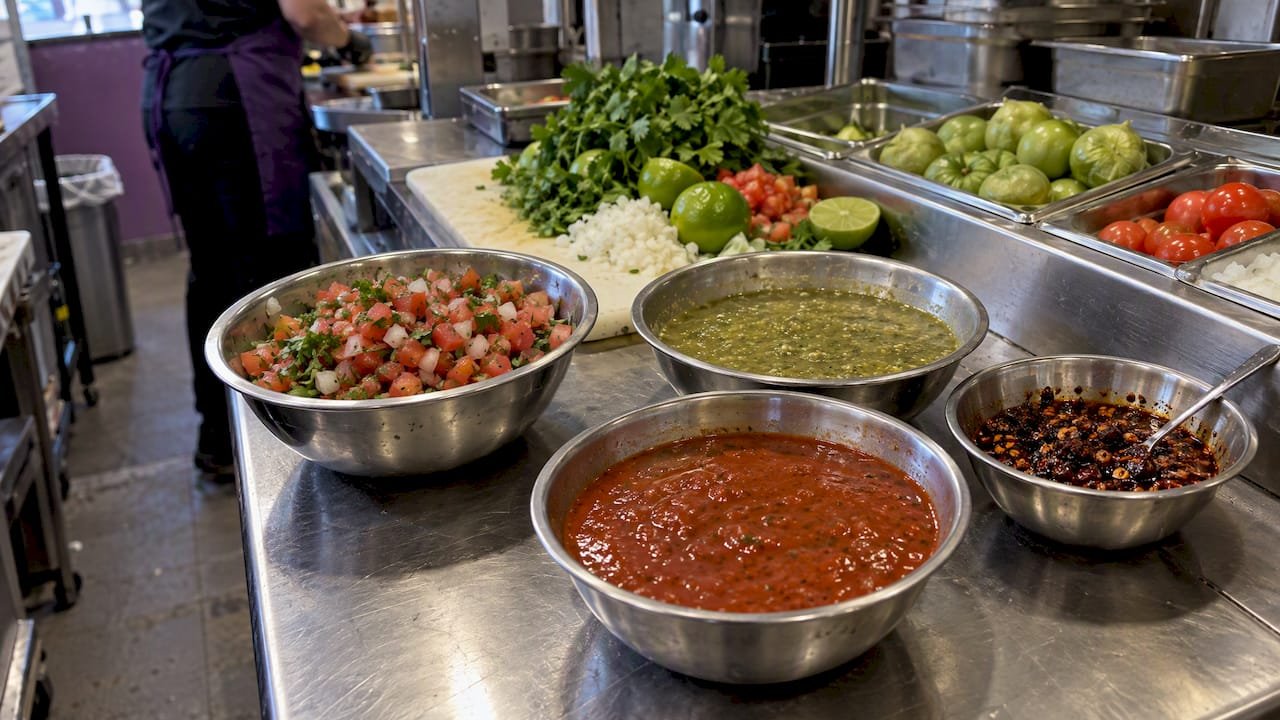
Mild Mexican salsas are easy to find and easy to make: pico de gallo, a cooked salsa roja built on dried ancho chiles, and a salsa verde made with jalapeños all sit at the gentle end of the range. Heat comes from the chile you pick and how much of its seed and membrane goes in the bowl. Everything else, from tomatoes to lime to onion, can be adjusted to keep the flavour big while the burn stays small.
This guide covers which styles work well mild, what goes into them, how to dial heat down without turning the salsa bland, and how to ask for what you want when you order Mexican food out.
TL;DR
- Pico de gallo, salsa roja made with ancho chiles and a jalapeño-based salsa verde are the easiest Mexican salsas to keep mild.
- A classic mild salsa needs only tomatoes, onion, jalapeño, cilantro, lime juice, salt and garlic.
- Heat depends mostly on the chile variety, then on seeds and membranes, chile size and whether the salsa is cooked or diluted.
- To soften a salsa, remove seeds and ribs, use fewer chiles, add more tomato and onion, or let the chiles sit in lime juice first.
- If you are ordering out, ask which salsas are mild and how they are made; we are happy to talk you through ours.
Table of Contents
- What “mild” means in a Mexican salsa
- Which Mexican salsa styles can be made mild
- What goes into a mild salsa
- What really controls how hot a salsa tastes
- How to make a salsa milder without losing flavour
- A simple mild salsa fresca to try at home
- Matching a mild salsa to the food
- Ordering mild salsa when you eat out
- Our perspective on mild salsa
- Try it at Burrito Splendido
- FAQ
- Sources
What “mild” means in a Mexican salsa
In Mexico, salsa is a category, not a single recipe. It covers everything from a chunky chopped tomato mix to a smooth cooked sauce to an oil-based condiment with crunchy bits in it. Heat is only one dial among several: acidity, smokiness, sweetness, texture and salt all shape how a salsa tastes.
That matters because a “mild” salsa is not a weak one. A good mild salsa still tastes of something: ripe tomato, sharp onion, bright lime, herbal cilantro, a little fruity warmth from a dried chile. The aim is to take the sting down while leaving those flavours up front.
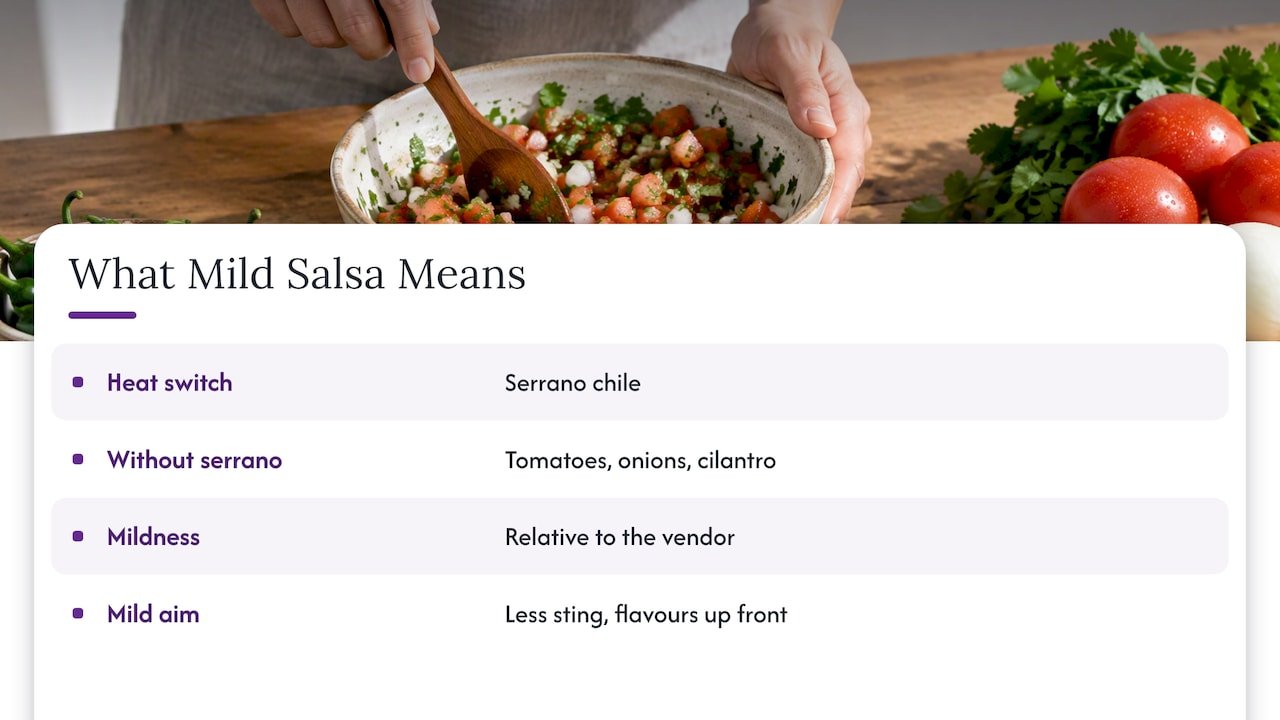
It is also worth knowing that mild is a relative idea. A vendor in Mexico City told the New York Times he offers a non-spicy option by leaving out the serrano chiles, which leaves tomatoes, onions and cilantro. That is a useful picture of how simple the logic is: the chile is the heat switch, and everything else is the base.
Which Mexican salsa styles can be made mild
Not every style handles a heat reduction equally well. These are the ones that do, and what each one tastes like.
Pico de gallo (salsa fresca)
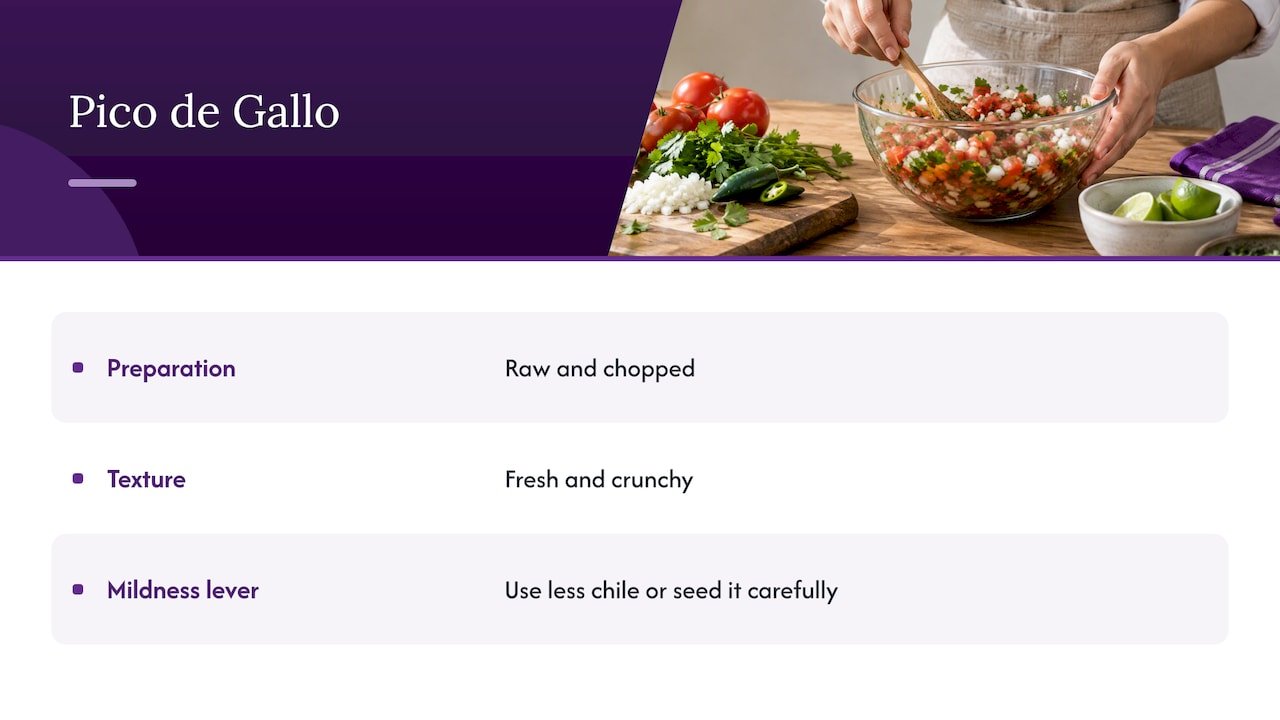
Pico de gallo is raw and chopped rather than blended or mashed, which is why it has such a fresh, crunchy texture. Real Simple’s guide to salsa styles describes it as raw, with chopped ingredients, in contrast to blended or mashed salsas. It is the most forgiving style for mild cooking because the chile is just one chopped ingredient among many. Use less of it, or seed it carefully, and the tomato, onion, cilantro and lime carry the dish.
Salsa roja
Salsa roja is the red salsa most people picture, built on tomatoes, chiles, onion and garlic, and it can be made with cooked or raw ingredients, according to the same Real Simple overview. Cooking softens the edges. If you use dried ancho chiles as the main chile, you get a deep, slightly fruity warmth rather than a sharp sting, which makes it a good candidate for family tables where heat tolerance varies.
Salsa verde
Salsa verde is typically made with tomatillos, jalapeños or serranos, onions, garlic and lime juice, per the same style guide. The choice between those two chiles is your heat decision: jalapeño is the milder option and serrano the hotter one. Cooking the tomatillos before blending also rounds off their raw tartness, so a cooked verde tends to taste mellower and more savoury than a raw one.
Salsa macha: handle with care
Salsa macha is an infused-oil salsa with crispy, crunchy elements. It is one of the most variable styles: Real Simple notes it can range from a slight tongue tickle to a major kick. If you want a mild version, look for one made with mild dried chiles and ask how it was made rather than assuming.
What goes into a mild salsa
A mild salsa does not need a long ingredient list. Real Simple’s mild salsa recipe uses tomatoes, onion, jalapeño, cilantro, lime juice, salt and garlic, and that short list is a good template for the whole family of mild salsas.
| Ingredient | What it does | Mild-friendly tip |
|---|---|---|
| Tomatoes | Body, sweetness, acidity | Use more of them to dilute the chile |
| Onion | Sharpness and crunch | Rinse chopped onion in cold water for a gentler bite |
| Jalapeño | Fresh green heat | Remove seeds and ribs, or use fewer |
| Cilantro | Herbal brightness | Add at the end so it stays fresh |
| Lime juice | Acidity, lift | Squeeze fresh; it wakes up a flat salsa |
| Salt | Brings every flavour forward | Add gradually and taste |
| Garlic | Savoury depth | One small clove is plenty in a raw salsa |
If cilantro is not your thing, there is a workable stand-in: our home-cook guide covers a 1:1 parsley swap for cilantro in salsa.
What really controls how hot a salsa tastes
Before you start removing things, it helps to know where the heat comes from. NYT Cooking explains that chile heat is primarily determined by the variety of pepper. It ranks common types from least to most spicy as jalapeño, serrano, chile de árbol and habanero.
The same guide lists the other factors that move the needle:
- Seeds and membranes. The ribs and seeds carry a lot of the burn, so removing them lowers heat quickly.
- Size. Smaller chiles are generally hotter than larger ones.
- Cooking and dilution. Whether a salsa is cooked or thinned with other ingredients changes how hot it feels.
The same article makes a point worth remembering: chiles contribute flavour as well as heat, and heat is a byproduct. So the goal of a mild salsa is not to remove the chile, but to use it for flavour and keep the sting in check.
If you want a deeper look at how peppers and the Scoville scale translate into salsa heat, we put together a kitchen-tested guide on how peppers and the Scoville scale determine salsa heat.
How to make a salsa milder without losing flavour
There are several levers, and they work best in combination. Start with the gentlest and taste as you go.
1. Pick a milder chile
Swap serrano for jalapeño. For salsa verde in particular, jalapeños give a milder result and serranos give more heat. If you are working from a recipe that calls for a hotter chile, drop down one step on the ranking above.
2. Remove the seeds, ribs and membranes
Simply Recipes says it plainly: if you like salsa with less heat, remove the ribs and seeds from the peppers. Wear gloves or wash your hands well afterwards, and keep them away from your eyes.
3. Use fewer chiles, or a milder stand-in
NYT Cooking suggests using fewer chiles or substituting hot varieties with mild green bell peppers. Bell pepper brings a vegetal sweetness and no sting, so it fills the space the chile leaves behind.
4. Dilute with more of the base
The same guide notes that increasing the tomatoes and onions helps dilute the spice. If your batch came out hotter than planned, add another chopped tomato and a little more onion, then rebalance with salt and lime.
5. Let the chiles mellow in lime juice
A technique from the Calgary Herald’s salsa feature: let hot peppers, garlic, onion and salt sit in lime juice before adding tomatoes and cilantro. That two-stage process mellows flavours that are too raw or hot. Ten to fifteen minutes is a sensible place to start; taste after that and decide whether it needs longer.
6. Soak chiles to pull out heat
NYT Cooking also describes soaking chiles in oil, vinegar or alcohol to extract heat while keeping their flavour. This is more of a cook’s trick than a weeknight step, but it is useful when you want the chile’s character without the full burn.
7. Fix the balance, not just the heat
When you tone down a salsa, it can start to taste flat. Real Simple’s advice is to add lime juice or salt if it tastes flat, and more onion or jalapeño if it ends up too mild. Salt and fresh lime do more work in salsa than most people expect, and the Calgary Herald piece stresses that salt and fresh-squeezed lime juice are particularly important.
A simple mild salsa fresca to try at home
This is a base to adjust to your own taste, built on the ingredient list above rather than copied from any one source.
- Dice four ripe tomatoes and put them in a bowl.
- Finely chop half a small onion and rinse it under cold water, then drain well and add it to the bowl.
- Cut one jalapeño in half, scrape out the seeds and ribs, mince the flesh and stir in half of it. Taste before adding the rest.
- Add the juice of one lime, a pinch of salt and one small minced garlic clove. Let it sit for ten minutes.
- Fold in a handful of chopped cilantro and taste. If it is flat, add salt or lime. If it is too mild for you, add more jalapeño in small amounts.
Salsa made at home is yours to adjust: it can be as spicy or as mild as you like. The same logic applies to cooked salsas, where you can roast or simmer the tomatoes and a dried ancho for a smoother, rounder result. For more on how salsas fit into a meal, see our home cook’s guide to the role of salsas in Mexican food and our broader tips for fresh Mexican cooking at home.
Matching a mild salsa to the food
Mild salsas are the most flexible on the table. Here is how we think about pairing them.
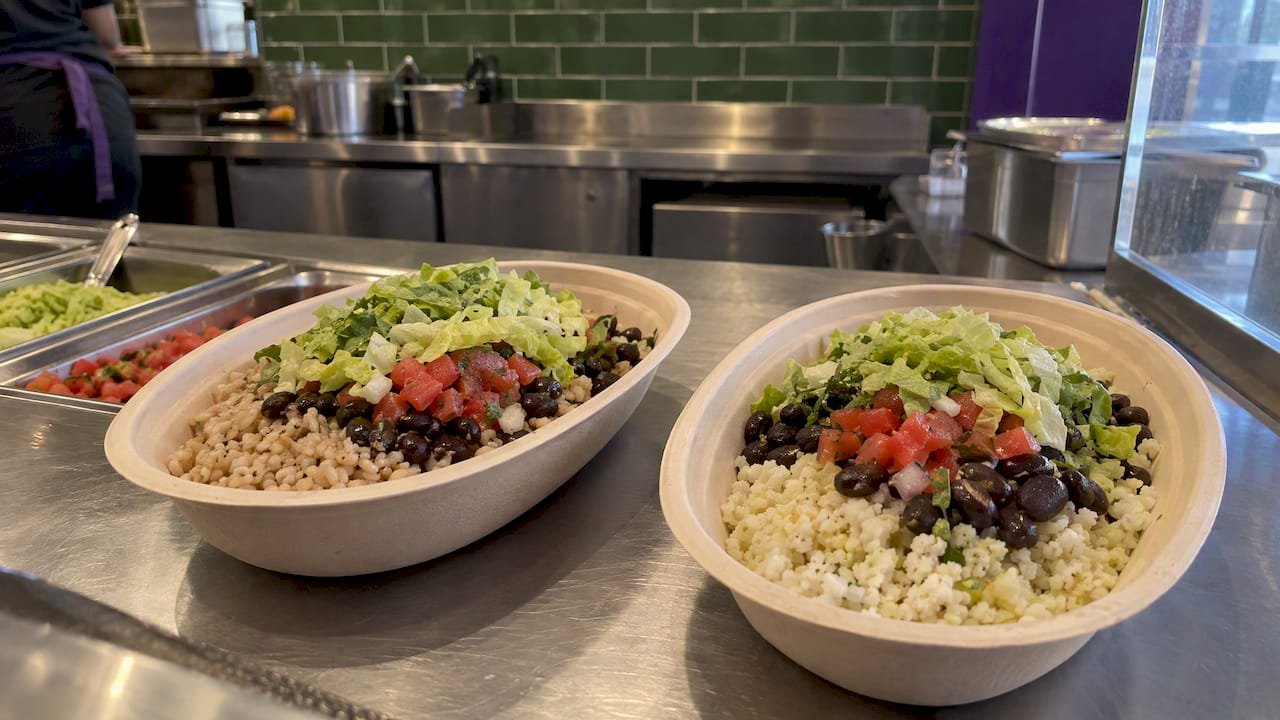
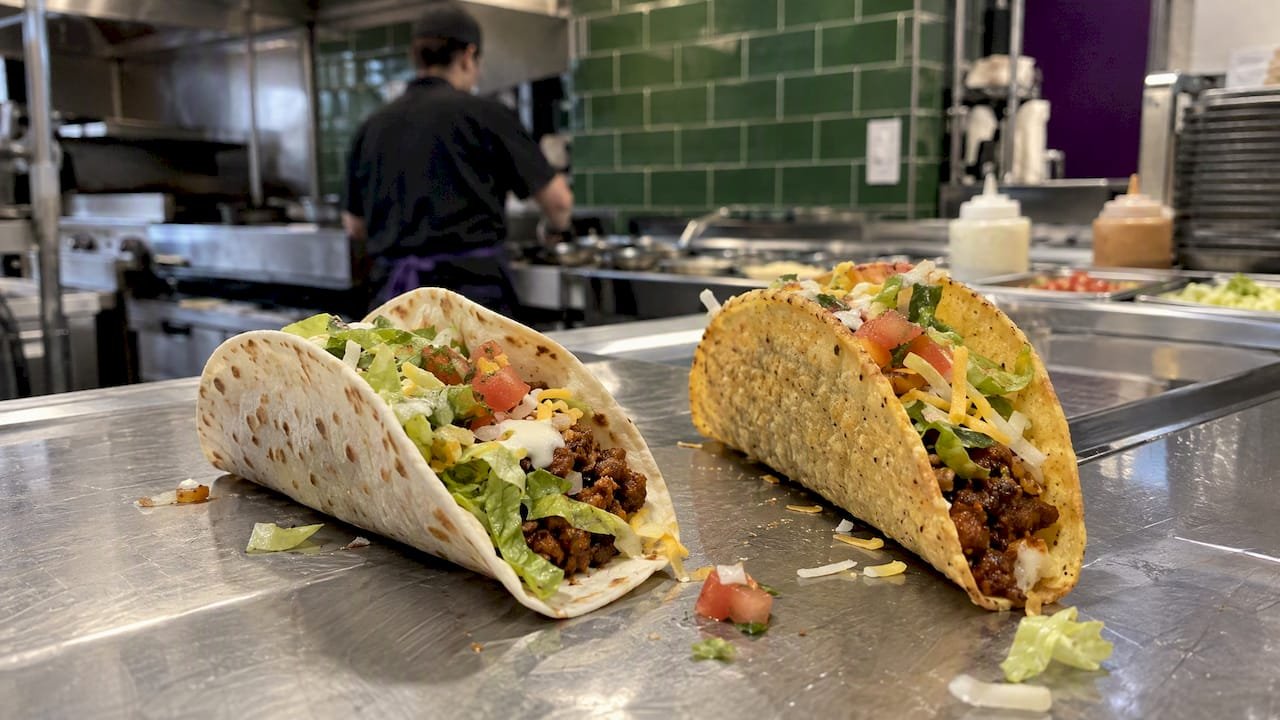
- Pico de gallo works on tacos, in burrito bowls and with grilled proteins, where its crunch and acidity cut through richness.
- Cooked salsa roja suits quesadillas and chips, where a smoother sauce clings well.
- Salsa verde brings a tangy lift to slow-cooked pork or chicken.
If you are deciding between formats, our comparison of quesadillas and tacos and our guide to building a burrito show how salsa fits into each. If you are making tacos at home, the step-by-step on serving tacos and trying regional variations is a good next stop.
Ordering mild salsa when you eat out
Heat labels are not standardized. What one kitchen calls mild, another calls medium, because it depends on the chile, how much seed goes in and whether the salsa is cooked. Our guide on why salsa spice levels vary by brand and how to judge before you buy explains how to read a label or a menu, and the salsa heat scale from mild to hot gives you a common vocabulary.
A few questions that help in any restaurant:
- Which salsa is the mildest, and is it raw or cooked?
- Which chile is used, and are the seeds removed?
- Can I get the salsa on the side so I can add it to taste?
- Does the kitchen make its salsas in-house?
That last one matters for consistency. A kitchen that makes salsa from scratch can tell you what goes into it, and our notes on how a from-scratch kitchen keeps salsa heat consistent explain why. If a dish arrives hotter than you wanted, there are ways to tone down salsa heat and pair each level with the right food.
Watching your salt as well? Salsa depends on it, so see our page on low sodium Mexican orders for how to ask.
Our perspective on mild salsa
We cook from scratch every day, and salsa is where that shows most. A mild salsa has nowhere to hide: if the tomatoes are not ripe or the lime is not fresh, you taste it immediately. That is why we care so much about fresh, local and doing the right thing in the kitchen, and why we think good mild salsa starts with good ingredients, not with more chile.
Our menu is built for people who eat differently from one another. We offer gluten-free, vegan, vegetarian, keto and paleo options, and our staff are trained to handle specific dietary needs and cross-contamination concerns. Heat tolerance is another kind of dietary need, and it deserves the same attention. If you tell us you like things gentle, we can point you to what suits you.
Our approach is simple: build flavour first, then adjust heat. Chiles are there for flavour, and the sting is a byproduct you can steer. We press our tortillas with Manitoba flour, slow-cook and hand-pull our proteins in-house, and run a kitchen with no deep fryer. A fresh, bright salsa belongs next to food made that way, whether it is a taco, a burrito or a bowl.
Austin
Try it at Burrito Splendido
If you would rather taste a good mild salsa than make one, come and see us. Our menu covers burritos, bowls, tacos, quesadillas and salads, all made from scratch with Manitoba ingredients, and you can customize them to suit your taste. Ordering for a group? Our catering options are built for offices, events and gatherings, so you can plan for guests who like it mild and guests who want more of a kick.

We also offer dine-in, takeout and online ordering, so you can choose what suits your day.
FAQ
Which Mexican salsa is the mildest?
Pico de gallo is usually the gentlest, since it is raw and chopped and the chile is only one small ingredient in it. A cooked salsa roja made with dried ancho chiles is also mild, with fruity warmth rather than sharp heat. A salsa verde made with jalapeños rather than serranos is a good milder choice too.
What are the basic ingredients in a mild salsa?
A typical mild salsa uses tomatoes, onion, jalapeño, cilantro, lime juice, salt and garlic. You can leave the chile seeds and ribs out to lower the heat further. From there, adjust with more lime or salt if it tastes flat.
How do I make salsa less spicy after it is already made?
Add more of the non-spicy base, such as chopped tomatoes and onions, to dilute the heat, then rebalance with salt and lime. NYT Cooking lists dilution as one of the factors that affect how hot a salsa tastes. Make the fix in small amounts and taste between each addition.
Does removing the seeds really make a difference?
Yes. Seeds and membranes are among the factors that affect how hot a chile tastes, and recipe writers regularly recommend removing the ribs and seeds for a milder result. The chile variety matters more, so combine both steps if you are cooking for someone sensitive to heat.
Can I ask for a mild salsa at a restaurant?
Yes, and it helps to be specific. Ask which salsa is mildest, whether it is cooked or raw, and whether you can have it on the side. Heat labels vary from kitchen to kitchen, so a short conversation gets you a better result than guessing.
Sources
- Can Foreigners Handle the Heat? Mexico City Debates Milder Salsa (The New York Times)
- Different Salsa Styles and How To Make Them (Real Simple)
- Easy DIY Mild Salsa Recipe (Real Simple)
- How to Make the Best Salsa (NYT Cooking)
- Fresh Salsa Recipe, Pico de Gallo (Simply Recipes)
- Making salsa is about conducting a symphony of flavours (Calgary Herald)