Customizing a catering menu means tailoring food choices specifically to your event’s needs, balancing variety, dietary requirements, and presentation to create a memorable dining experience. Whether you are planning a corporate luncheon, a wedding reception, or a community gathering, knowing how to customize a catering menu is the difference between a forgettable meal and one guests talk about for weeks. The industry term for this process is custom menu planning, and it follows a clear set of steps that any planner can apply. This guide walks you through every stage, from gathering guest information to finalizing service details.
How to customize catering menu: what you need before you start
Custom menu planning begins with three pieces of information: your event type, your confirmed guest count, and your guests’ dietary needs. Without these, no caterer can build a menu that works. Get them locked in before your first consultation.
Guest count matters more than most planners expect. Most caterers require a minimum of 15 guests to make custom preparation operationally viable. That threshold exists because custom cooking requires dedicated prep time, specialized ingredients, and staffing that only make financial sense at a certain scale.
Dietary accommodations are no longer optional extras. Inclusive menus now cover vegan, vegetarian, gluten-free, dairy-free, kosher, and halal options as standard practice. Failing to account for these needs before the planning stage forces last-minute changes that cost more and create kitchen errors. Check out this 2026 planner’s guide for a full breakdown of dietary labelling requirements.
Use the table below as a starting point for sizing your menu:
| Menu category | Recommended range |
|---|---|
| Proteins | 4–6 options |
| Sides | 6–8 options |
| Salads | 2–4 options |
| Desserts | 3–5 options |
Pro Tip: Build a simple one-page brief before your first caterer meeting. Include event type, date, guest count, known dietary restrictions, budget per head, and any theme. Caterers who receive this upfront consistently deliver stronger first proposals.
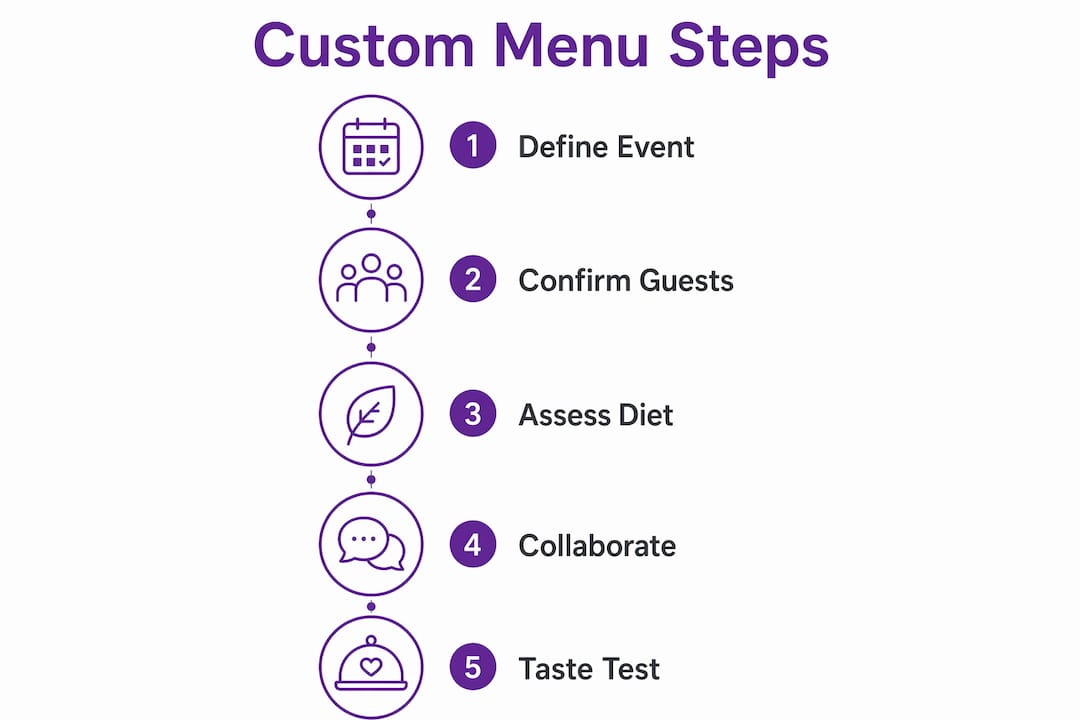
How do you collaborate with caterers to build the right menu?
The most effective custom menus come from collaboration and flexibility rather than a client arriving with a fixed list. Caterers bring knowledge of what is seasonal, what is cost-effective, and what their kitchen can execute well. Planners bring knowledge of the guest profile and event goals. The best menus happen when both sides contribute.
Seasonality is a real cost driver. A caterer who sources locally will tell you that building around what is available in a given month reduces both price and lead time. This is the same philosophy Burritosplendido applies at every location, sourcing produce through Peak of the Market and proteins from Manitoba farms to keep quality high and costs predictable.
Modular menu systems are one of the most practical tools in custom menu planning. Modular systems pair standard base dishes with customised sauces, toppings, or presentations, giving guests variety without multiplying kitchen complexity. A taco station, for example, can serve the same slow-cooked protein across four different presentations: a burrito, a bowl, a street taco, or a quesadilla.
Popular cuisine themes that work well for events include:
- Mexican street food stations with build-your-own options
- Mediterranean spreads with shared mezze and carved proteins
- Asian fusion bowls with customisable bases and sauces
- Canadian regional menus featuring local grains, cheeses, and proteins
- Plant-forward menus centred on legumes, grains, and seasonal vegetables
Pro Tip: Always request a tasting before signing off on the final menu. A tasting reveals portion sizes, flavour balance, and presentation quality that no written proposal can fully communicate. Schedule it at least three weeks before your event.
How do you balance variety and dietary needs without overloading the kitchen?
Menu variety and kitchen efficiency pull in opposite directions. Industry experts recommend 4–6 proteins, 6–8 sides, 2–4 salads, and 3–5 desserts as the range that satisfies guests without creating preparation bottlenecks. Going beyond these ranges increases the risk of delays, inconsistent quality, and higher per-head costs.
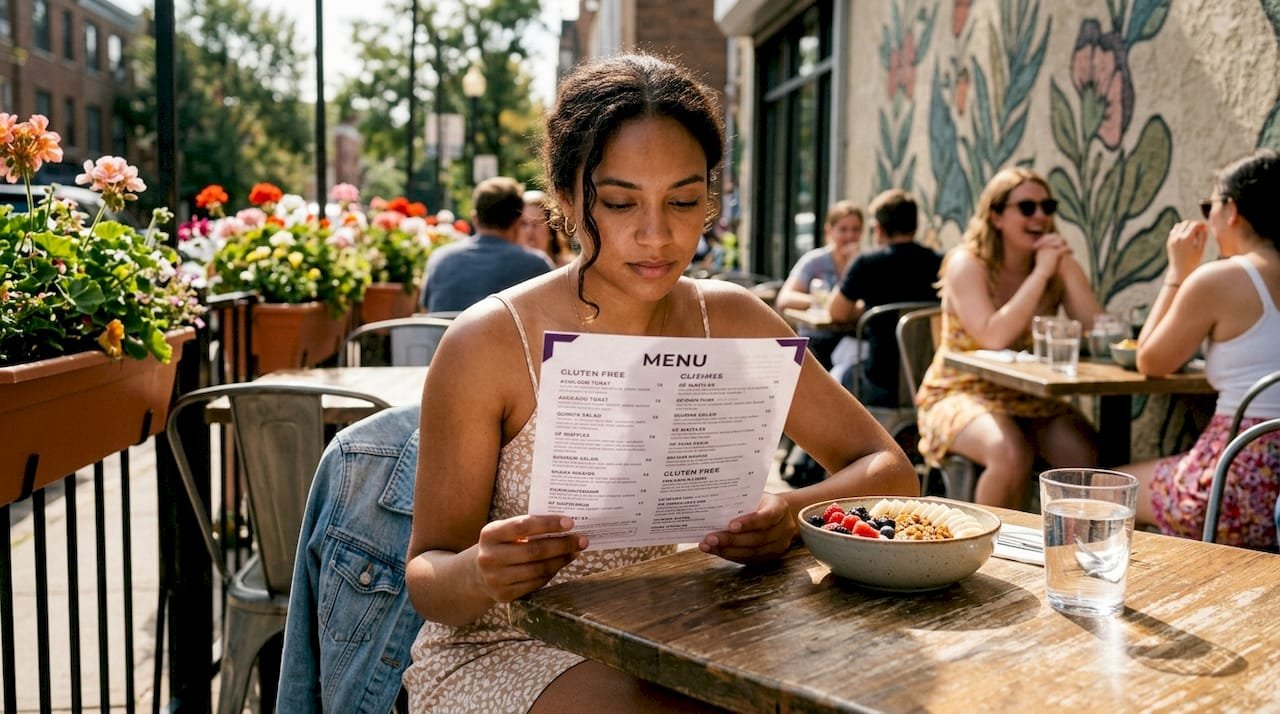
Clear dietary labelling solves a problem that most planners underestimate. Guests with allergies or religious dietary requirements need to identify safe options quickly and confidently. Labels should appear on every dish card, buffet sign, or printed menu. Use plain language: “vegan,” “gluten-free,” “halal,” and “contains dairy” are clearer than symbols alone.
Interactive food stations increase guest engagement and perceived value by letting guests build their own plates. Build-your-own concepts also reduce food waste because guests take only what they want. This format works especially well for corporate events and casual receptions where mingling is part of the programme. For inspiration on how this works in practice, the Mexican buffet format is one of the most adaptable models available.
The table below compares three common catering service levels to help you match your budget to your event format:
| Service level | Price per person | Key features |
|---|---|---|
| Drop-off | $25–$45 | Packaged delivery, no on-site staff |
| Full-service | $45–$85 | On-site staff, setup, and service |
| Premium | $75–$150 | Full staffing, plated courses, décor coordination |
Pro Tip: For corporate events with mixed dietary needs, assign one staff member as the dietary liaison. That person confirms labels, answers guest questions, and communicates any last-minute changes to the kitchen. It prevents confusion and protects guests with serious allergies.
What is the step-by-step process to finalize your catering menu?
A clear workflow prevents the most common planning failures: last-minute changes, missed dietary requests, and unclear pricing. Follow these steps in order.
- Confirm your final guest count at least two weeks before the event. Caterers price and prep based on headcount, and late changes create waste or shortfalls.
- Submit all dietary requirements in writing. A verbal list is not enough. Written records protect both you and the caterer if a guest has a reaction.
- Lock in your menu choices and request a written confirmation from the caterer. This document should list every dish, its dietary classification, and the agreed portion size.
- Pay your deposit immediately after menu confirmation. A deposit is required to secure your date, particularly during peak seasons like spring and december. Waiting risks losing your booking.
- Coordinate delivery and setup logistics. Confirm arrival times, table layout, serving equipment, and who is responsible for breakdown.
- Request a final walkthrough 48 hours before the event. Confirm that all dietary labels are printed, service staff are briefed, and contingency items are in place.
Common issues to troubleshoot in advance include:
- A key ingredient becoming unavailable: agree on substitutions during the consultation phase, not the day before
- Guest count changes: build a 10% buffer into your order to cover unexpected additions
- Equipment failures at the venue: confirm whether the caterer supplies chafing dishes, serving utensils, and power sources
- Timing delays: set a firm service start time in the contract and confirm it with venue staff
Dedicated catering menus with clear pricing reduce order errors and make the planning process faster for corporate clients. Ask your caterer for a standalone catering menu document, separate from any restaurant menu, with all pricing and options listed transparently.
What mistakes should you avoid when adjusting catering menus?
The most common mistake in custom menu planning is overloading the menu. More dishes do not mean a better event. They mean longer prep times, higher costs, and a higher chance of something going wrong. Stick to the recommended ranges and resist the urge to add dishes to please every possible preference.
Watch for these specific pitfalls:
- Skipping dietary labelling: Guests with allergies cannot safely eat unlabelled food. This is both a guest experience failure and a liability risk.
- Ignoring guest feedback from past events: If your last corporate lunch had complaints about portion sizes or missing vegetarian options, address those directly in the new brief.
- Delaying the deposit: Popular caterers book out months in advance. Waiting to confirm locks you out of your preferred provider.
- Choosing dishes that photograph well over dishes that travel well: Drop-off catering requires food that holds temperature and texture for 30–60 minutes after delivery.
Pro Tip: Build a contingency plan for every event. Identify one or two dishes that can be added or removed with less than 24 hours’ notice. Agree on this with your caterer upfront so there are no surprises if your guest count shifts at the last minute.
Key takeaways
Successful custom menu planning requires confirmed guest data, clear dietary labelling, and a collaborative relationship with your caterer before a single dish is chosen.
| Point | Details |
|---|---|
| Start with guest data | Confirm count, dietary needs, and event type before approaching any caterer. |
| Use recommended menu sizes | Stick to 4–6 proteins, 6–8 sides, 2–4 salads, and 3–5 desserts for kitchen efficiency. |
| Label every dietary option | Clearly mark vegan, gluten-free, halal, kosher, and dairy-free dishes on all menus. |
| Secure your booking with a deposit | Pay immediately after menu confirmation to hold your date, especially in peak seasons. |
| Plan for contingencies | Agree on substitutions and buffer quantities with your caterer before the event day. |
What I have learned from planning catering menus across dozens of events
The advice that changed how I approach custom menu planning came from a caterer who told me: “Your guests will not remember what they ate. They will remember how they felt while eating it.” That reframing shifted my focus from dish counts to guest experience.
The planners who get the best results are the ones who treat caterers as creative partners, not order-takers. Arriving at a consultation with a rigid list of dishes closes off the caterer’s best ideas. Arriving with a clear picture of your guests, your budget, and your event’s tone opens up a much better conversation.
The hardest lesson I have had to learn is that cultural and dietary diversity requires genuine effort, not a token gluten-free option added at the end. When a guest with a halal requirement or a vegan preference finds a full, thoughtfully prepared plate waiting for them, the impact on their experience is significant. That level of care is what separates a good event from a great one.
Operationally, the modular approach consistently outperforms the “build a long list” approach. Fewer base dishes with more customisation options give guests the feeling of choice without overwhelming the kitchen. Burritosplendido’s model of slow-cooked proteins served across multiple formats, from burritos to bowls to tacos, is a practical example of this principle working at scale.
— Austin
Burritosplendido’s catering: built for events like yours
Burritosplendido brings the same fresh, from-scratch philosophy to event catering that it applies every day across its Manitoba locations. Every catering order is built around locally sourced ingredients, including proteins from Manitoba farms, cheese from Bothwell Cheese, and produce from Peak of the Market. The menu covers vegan, gluten-free, keto, and halal-friendly options, with staff trained to handle dietary requirements and cross-contamination concerns. Whether you are feeding a corporate team or a large community gathering, Burritosplendido’s customisable Mexican-inspired menus give you the flexibility to build a spread that works for every guest at your table.
FAQ
What does it mean to customize a catering menu?
Customizing a catering menu means selecting and adjusting food options to match your event’s guest profile, dietary needs, budget, and theme. It goes beyond choosing dishes to include portion sizes, labelling, service format, and presentation.
How many dishes should a custom catering menu include?
Industry guidance recommends 4–6 proteins, 6–8 sides, 2–4 salads, and 3–5 desserts. This range balances guest variety with kitchen efficiency.
What dietary options should every catering menu include?
Every catering menu should clearly provide for vegan, vegetarian, gluten-free, dairy-free, kosher, and halal guests. Clear labelling on every dish is as important as the options themselves.
When should I pay a deposit for custom catering?
Pay your deposit immediately after finalising your menu. Deposits are required to secure your date, and peak season bookings fill quickly.
What is the minimum guest count for custom catering?
Most caterers require a minimum of 15 guests for custom menu preparation to be operationally and financially viable.