An inclusive menu is defined as a food service document that clearly presents dietary accommodations, allergen information, and ingredient details so that every diner can order safely and confidently. Whether you follow a vegan lifestyle, manage a gluten intolerance, or navigate a serious food allergy, the menu in front of you should do the heavy lifting. The industry term for this practice is “inclusive menu design,” and it covers everything from icon systems and allergen callouts to accessible formats and staff training. Approximately 1 in 4 adults live with some form of disability. That figure alone makes inclusive dining a standard expectation, not a courtesy.
What does explaining inclusive menu options actually mean?
Explaining inclusive menu options means communicating dietary accommodations clearly, consistently, and without ambiguity across every format a restaurant uses. The goal is simple: a diner with a nut allergy, a vegan preference, or a gluten sensitivity should be able to read a menu and know exactly what is safe to order. This goes beyond adding a small “V” beside a salad. True inclusive menu design addresses vegan, vegetarian, gluten-free, dairy-free, keto, paleo, and common allergen categories in a way that is readable for everyone, including tourists, older guests, and people with visual impairments.
Burritosplendido is a strong example of this philosophy in practice. The Winnipeg-based fast-casual chain operates as a deep-fryer-free kitchen and clearly labels options for gluten-free, vegan, keto, and paleo lifestyles. Their staff receives specific training to handle dietary needs and cross-contamination concerns. That combination of labelling and staff knowledge is exactly what diverse menu explanations require to be genuinely useful.
How do labels, symbols, and language work on inclusive menus?
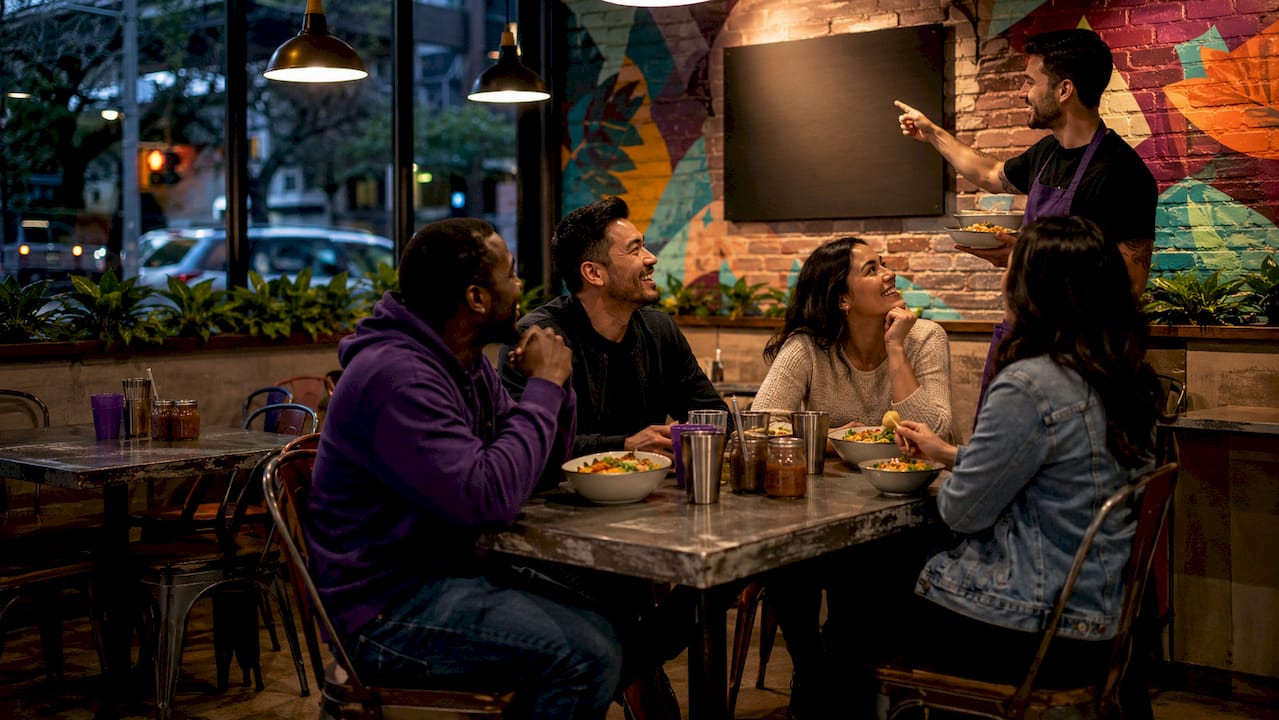
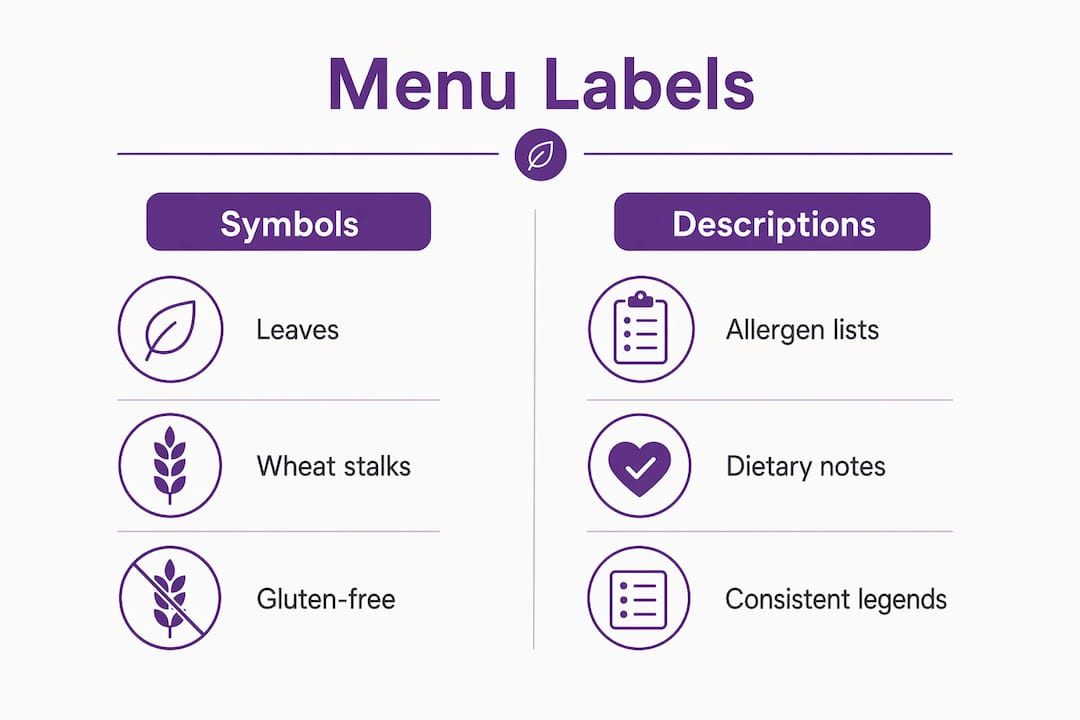
Menu symbols like a green leaf for vegan dishes or a crossed wheat stalk for gluten-free items are the most common tools restaurants use to signal dietary suitability. The problem is that these icons are not standardised. One restaurant’s leaf means vegan; another’s means vegetarian. Without a clear legend, symbols become guesswork rather than guidance.
Best-in-class inclusive menus prioritise a clear and consistent legend, list all allergens per dish rather than only the most prominent ones, and avoid stacking multiple symbols without definitions. This matters because a diner scanning quickly may miss a stacked icon or misread it entirely. Allergen and dietary tags placed visibly next to dish names, rather than buried in fine print, improve both trust and safety.
The language itself also carries weight. “Vegan” means no animal products whatsoever. “Vegetarian” includes dairy and eggs. “Dairy-free” does not automatically mean vegan. These distinctions are not obvious to every diner, and a well-designed menu explains them plainly.
Here is what to look for when reading menu labels:
- A legend or key that defines every symbol used, placed prominently on the menu
- Allergen callouts listed per dish, not just in a general disclaimer at the bottom
- Plain language descriptions that distinguish between vegan, vegetarian, and dairy-free
- Ingredient notes for dishes with common hidden allergens such as soy, sesame, or sulphites
- Consistent use of the same symbols across all menu formats, including printed and digital versions
Pro Tip: If a menu uses symbols without a legend, ask your server for a printed allergen sheet. Most restaurants that take inclusive dining seriously will have one ready.
How do inclusive menus accommodate allergies and dietary restrictions safely?
Safe ordering goes well beyond reading a label. Cross-contamination is a significant risk; even allergen-free ingredients can be compromised during preparation if shared equipment or surfaces are involved. A dish labelled gluten-free may still be unsafe if it is assembled on the same counter as wheat-based products. This is why the written menu is only the first layer of safety.
Diners with serious allergies should follow these steps when ordering at any restaurant:
- Read the full ingredient description, not just the dietary symbol beside the dish name.
- Ask your server specifically whether the dish is prepared on shared equipment or surfaces.
- Request to speak with a manager or kitchen lead if the server is uncertain about preparation protocols.
- Confirm whether sauces, marinades, or garnishes contain hidden allergens such as gluten, soy, or dairy.
- Verify that any modifications you request, such as removing cheese, are noted and communicated to the kitchen.
Legal obligations also shape how restaurants must communicate. Laws like the ADA require restaurants to provide auxiliary aids such as large-print menus and to read menus aloud when requested, unless doing so creates an undue burden. In Canada, provincial human rights codes carry similar expectations around accessible service. Restaurants that fail to accommodate face both legal risk and reputational damage.
“Social accessibility is as critical as physical or digital accessibility. Staff training on respectful interaction with guests with disabilities is essential for true inclusion.” Restaurant accessibility: how-to guide
Staff knowledge is the piece most diners underestimate. A beautifully designed menu means little if the server cannot answer a direct question about preparation. Restaurants that invest in trained staff for dietary needs deliver a meaningfully safer experience than those that rely on printed labels alone.
Printed menus vs. digital menus: which is more inclusive?
The format of a menu shapes how accessible it is for different diners. Printed menus offer familiarity and do not require a smartphone or data connection, but they go out of date the moment a recipe changes. Digital menus, accessed via QR code or a restaurant’s website, can be updated in real time and often include filters for dietary preferences and allergen restrictions.
| Feature | Printed menu | Digital or QR menu |
|---|---|---|
| Real-time updates | No | Yes |
| Dietary filter options | No | Yes, on most platforms |
| Screen reader compatibility | N/A | Only if designed accessibly |
| Accessibility for visual impairment | Large-print versions needed | Depends on design |
| Consistency across locations | High | Variable |
| Offline access | Always | Requires connectivity |
QR code menus often create barriers for visually impaired users if the linked pages lack screen reader compatibility. Providing multiple formats, including an accessible web menu and a printed option, improves both compliance and guest experience. Digital menus with interactive filters allow diners to quickly find dishes that meet multiple dietary needs, but the information may not always be updated uniformly across platforms. Confirming details with staff remains the safest approach regardless of format.
Emerging tools are changing this space. District by Zomato, for example, has launched an inclusive dining toolkit that uses AI-powered filters to help diners manage complex dietary needs more effectively. These tools are promising, but they depend entirely on restaurants keeping their data current.
Pro Tip: Before visiting a new restaurant, check their website for a digital menu with allergen filters. Cross-reference what you find online with what the server tells you in person. Discrepancies are a signal to ask more questions.
How to navigate accessible meal choices as a diner
Knowing how to read a menu is a skill, and it gets sharper with practice. The following habits will help you order with confidence at any restaurant, whether the menu is a laminated card or a QR code on a napkin holder.
- Read the full dish description. The symbol beside a dish name is a starting point. The ingredient list is the actual information. Look for both before ordering.
- Ask targeted questions. “Is this dish gluten-free?” is less useful than “Is this dish prepared on equipment that also handles gluten?” Specificity gets better answers.
- Understand what modifications change. Removing cheese from a dish does not make it dairy-free if the sauce contains butter. Ask what the modification actually affects.
- Communicate your needs clearly and early. Tell your server about dietary restrictions before you order, not after the food arrives. This gives the kitchen time to adjust.
- Request alternative formats when needed. If the menu is difficult to read due to font size, lighting, or format, ask for a large-print version or request that the server walk you through the options verbally.
- Use the gluten-free options list as a reference point when planning where to eat, so you arrive with a baseline understanding of what is likely to be safe.
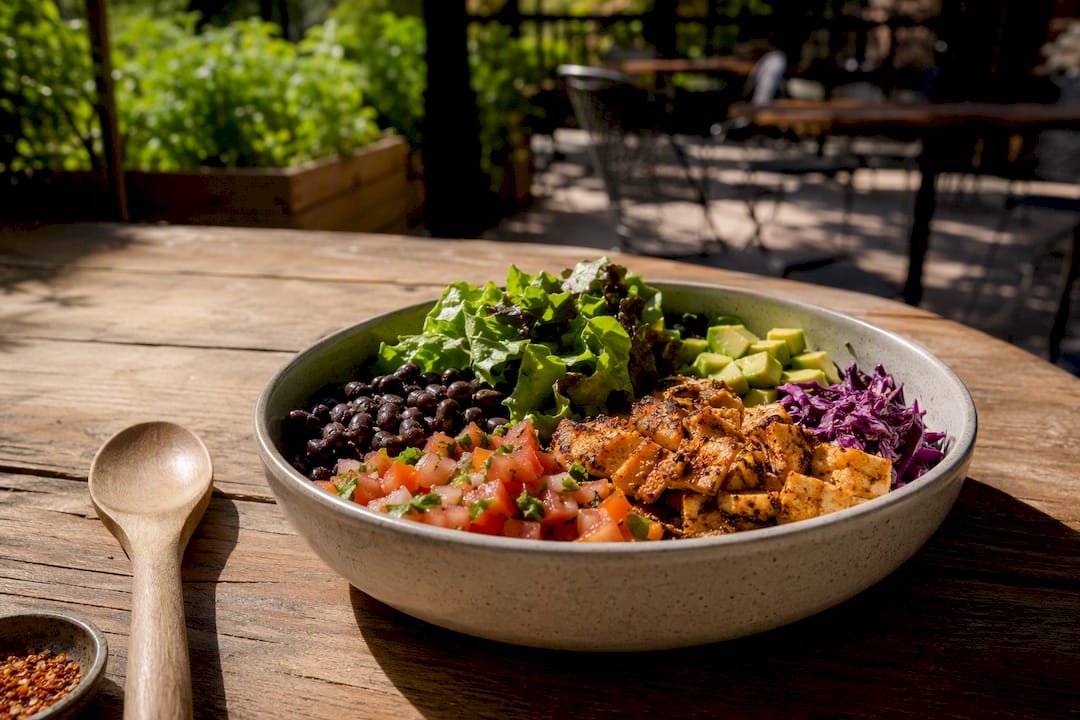
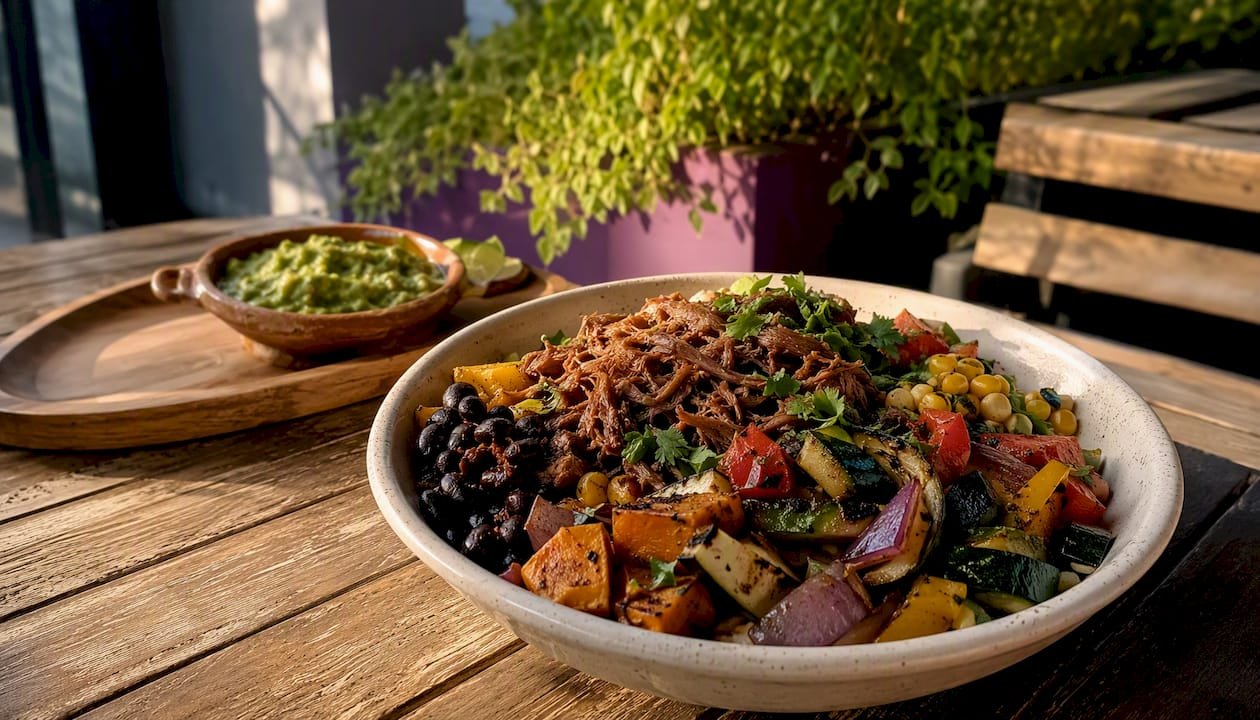
Modular menu design makes this process easier on both sides of the table. Allergen-friendly base ingredients simplify kitchen operations and reduce the need for entirely separate specialised dishes. At Burritosplendido, the customisable bowl and burrito format works exactly this way. You build from a base, choose your protein, and select toppings, so dietary accommodations happen naturally rather than as exceptions.
Key takeaways
An inclusive menu works because it combines clear labelling, consistent allergen information, accessible formats, and knowledgeable staff into a single, trustworthy dining experience.
| Point | Details |
|---|---|
| Symbols need a legend | Icons like leaves and wheat stalks are not standardised; always look for a defined key. |
| Cross-contamination is the hidden risk | Ask about preparation protocols, not just ingredient lists, for allergy safety. |
| Digital menus need verification | Online allergen filters may be outdated; confirm details with staff before ordering. |
| Staff knowledge matters as much as labels | Trained servers are the final safety layer that printed menus cannot replace. |
| Modular menus simplify accommodation | Build-your-own formats naturally support diverse dietary needs without separate dishes. |
What I have learned from years of reading menus closely
The most common mistake diners make is trusting a symbol without reading the description beneath it. I have sat at tables where a dish was marked vegan but contained honey in the dressing, or labelled gluten-free while sharing a prep surface with flour tortillas. The symbol was accurate in spirit but incomplete in practice.
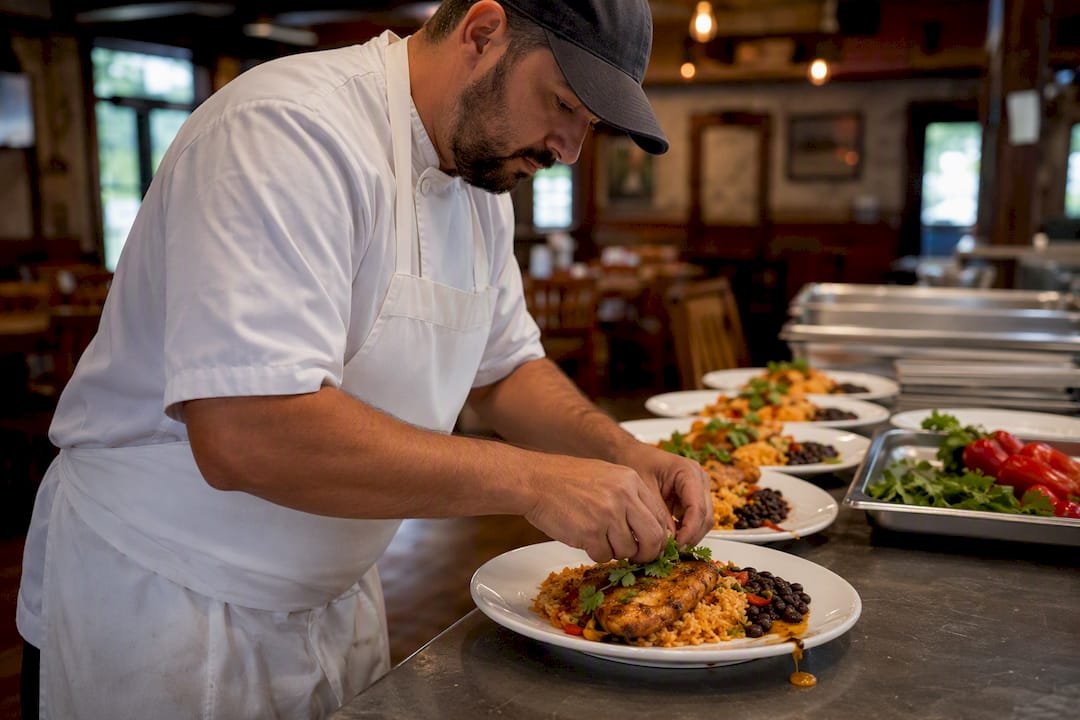
The restaurants that get this right share one trait: their staff can answer follow-up questions without hesitating or disappearing into the kitchen for ten minutes. That confidence comes from training, and training comes from a kitchen culture that takes dietary needs seriously rather than treating them as inconveniences.
I also think diners underestimate the value of asking for a dietary-friendly catering guide or a printed allergen sheet before sitting down. Most restaurants that genuinely prioritise inclusion will have one. The ones that look confused by the request are telling you something important.
The shift toward modular, customisable menus is the most practical development in inclusive dining I have seen. When a restaurant builds its menu around flexible base ingredients, accommodation stops being a special request and starts being the default. That is the standard every diner deserves.
— Austin
How Burritosplendido makes inclusive dining straightforward
Burritosplendido was built on the idea that fresh, local food should be accessible to everyone. Every item on the menu is prepared from scratch daily using Manitoba-sourced ingredients, and the kitchen operates without a deep fryer. Vegan, gluten-free, keto, and paleo options are clearly identified, and staff are trained to handle cross-contamination concerns directly.
Whether you are planning a group meal or ordering for yourself, Burritosplendido’s catering services accommodate a full range of dietary needs with the same transparency you find in the restaurant. The customisable bowl and burrito format lets you build exactly what works for your diet, with no guesswork required. Visit burritosplendido.com to explore the full menu and find a location near you.
FAQ
What is an inclusive menu?
An inclusive menu clearly presents dietary accommodations, allergen information, and ingredient details so that diners with vegan, gluten-free, allergy-related, or other dietary needs can order safely. It uses consistent labels, plain language, and accessible formats to serve every guest.
Are menu symbols like leaves and wheat stalks standardised?
No universal standard exists for menu icons. Diners should treat symbols as helpful hints and confirm safety by reading ingredient descriptions and asking specific questions about preparation.
How do I ask about cross-contamination at a restaurant?
Ask your server whether the dish is prepared on shared equipment or surfaces, not just whether the ingredients are allergen-free. Cross-contamination is a significant risk even when individual ingredients meet dietary requirements.
Are digital menus more inclusive than printed ones?
Digital menus offer real-time updates and dietary filters, but they can become outdated or inconsistent across platforms. Providing both digital and printed formats, including large-print options, delivers the most accessible dining experience for all guests.
What should I do if a menu does not clearly label dietary options?
Ask your server for a printed allergen sheet or request a verbal walkthrough of the menu. Restaurants with genuine inclusive dining practices will have this information ready and staff trained to provide it accurately.