Vegan catering is defined as providing 100% plant-based menu options that contain no meat, dairy, eggs, or other animal products. The decision to offer vegan catering at events is no longer a niche accommodation. It is a strategic choice that directly affects guest satisfaction, brand reputation, and your bottom line. With 30 to 40% of consumers actively reducing their meat intake, the audience for plant-based food extends far beyond committed vegans. Event planners who understand why offer vegan catering as a core question will be better positioned to run inclusive, cost-effective, and memorable events in 2026.
What are the key benefits of offering vegan catering at events?
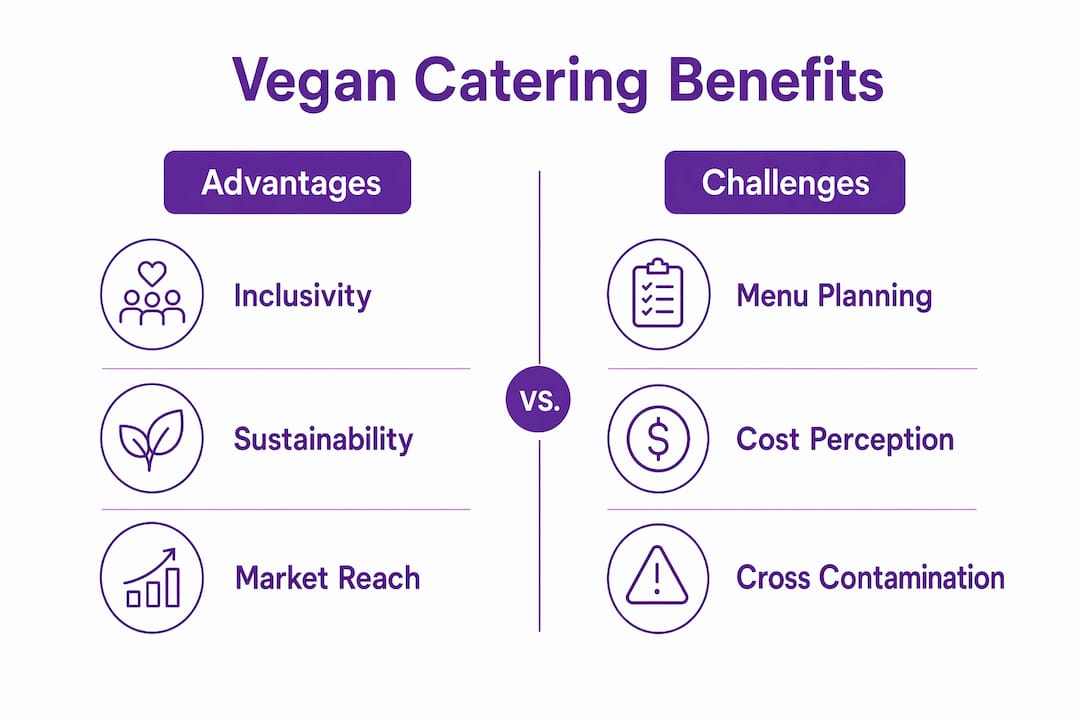
The most direct benefit of vegan catering is inclusivity. When your menu works for vegans, vegetarians, flexitarians, and many guests with common allergen concerns, no one at the table feels like an afterthought. Group dining decisions are often driven by the most restrictive guest. One person’s dietary needs can determine where an entire party eats or which caterer gets hired. Offering plant-based options removes that barrier entirely.
The market reach is substantial. Around 6% of adults identify as vegan, but the real opportunity lies with the flexitarian majority who are actively cutting back on animal products. These guests are not looking for a token salad. They want satisfying, well-designed food that happens to be plant-based. Events that deliver on this expectation earn repeat business and strong word-of-mouth.

The sustainability argument is equally compelling. Plant-based catering is now viewed as a strategic imperative for organisations that want to demonstrate genuine ecological commitment. For corporate events, conferences, and institutional gatherings, the catering menu has become a visible signal of an organisation’s values. Choosing plant-based options aligns with ESG goals and meets growing public expectations around environmental responsibility.
Pro Tip: Position your vegan menu as the default, crowd-pleasing option rather than a special accommodation. Guests who eat everything will enjoy it, and guests with dietary restrictions will feel genuinely welcomed rather than managed.
The advantages of vegan menus also extend to marketing. Authentic, thoughtfully designed plant-based offerings generate social media content, attract press attention, and differentiate your event from competitors still serving the same tired buffet. For planners tracking health-conscious menu trends, vegan catering is one of the clearest signals that an event is current and guest-focused.
How does vegan catering compare with other plant-based options?
Understanding the distinctions between catering styles helps you make the right choice for your guests and your event format.
- Vegan catering excludes all animal products: no meat, fish, dairy, eggs, or honey. It is the strictest standard and the most inclusive for guests with ethical or religious dietary requirements.
- Vegetarian catering excludes meat and fish but may include dairy and eggs. It covers more guests than omnivore menus but excludes vegans and many guests with lactose intolerance or egg allergies.
- Plant-based catering is a broader, less defined term. It emphasises whole plants and minimally processed ingredients but does not always guarantee the absence of all animal products.
| Catering style | Animal products excluded | Guest coverage | Cross-contamination risk |
|---|---|---|---|
| Vegan | All (meat, dairy, eggs, honey) | Widest | Lowest |
| Vegetarian | Meat and fish only | Moderate | Moderate |
| Plant-based (general) | Varies by menu | Moderate to wide | Varies |
| Traditional omnivore | None | Narrowest for restrictions | Highest |
Purely vegan menus carry a practical advantage that is often overlooked: they significantly reduce cross-contamination concerns. When every dish on the table is free of animal products, guests with multiple dietary restrictions can eat with confidence. This matters especially for event catering at corporate or institutional settings where liability and guest welfare are priorities.
Integrating vegan options throughout the menu rather than isolating them as a separate category also improves the overall guest experience. A vegan burrito bowl placed alongside other options on a shared menu reads as a great dish. The same bowl listed under “dietary alternatives” reads as a consolation prize. The framing matters as much as the food itself.
What practical strategies ensure successful vegan catering for events?
Executing plant-based catering well requires deliberate planning at every stage, from menu design to staff communication. These steps will help you deliver confidently.
-
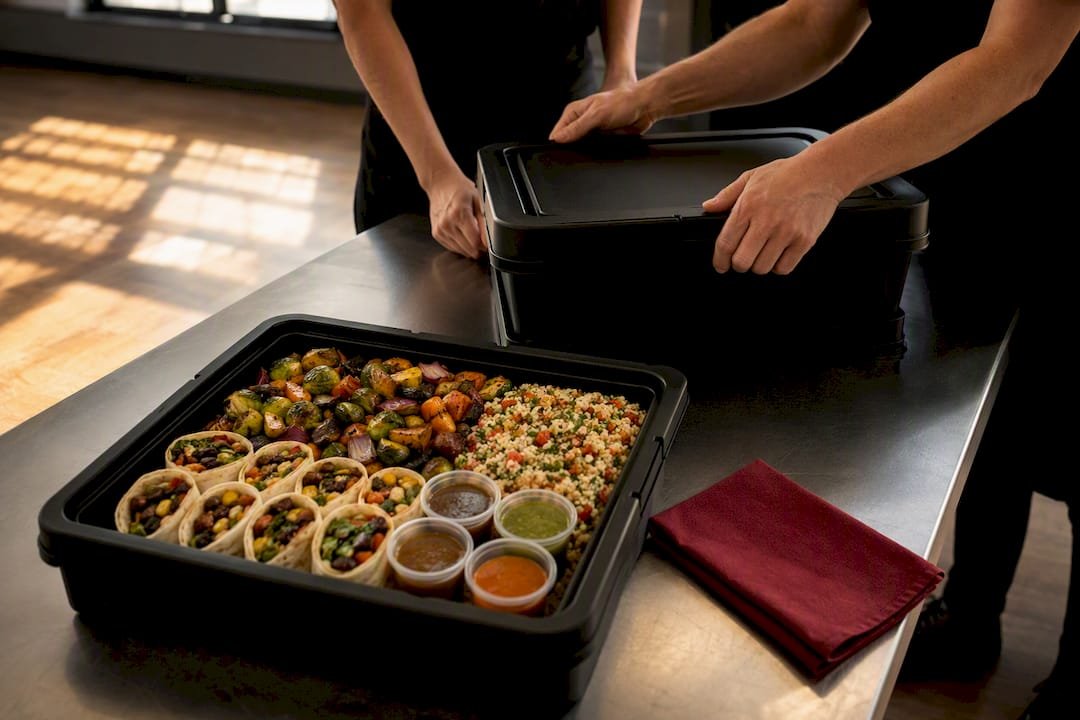
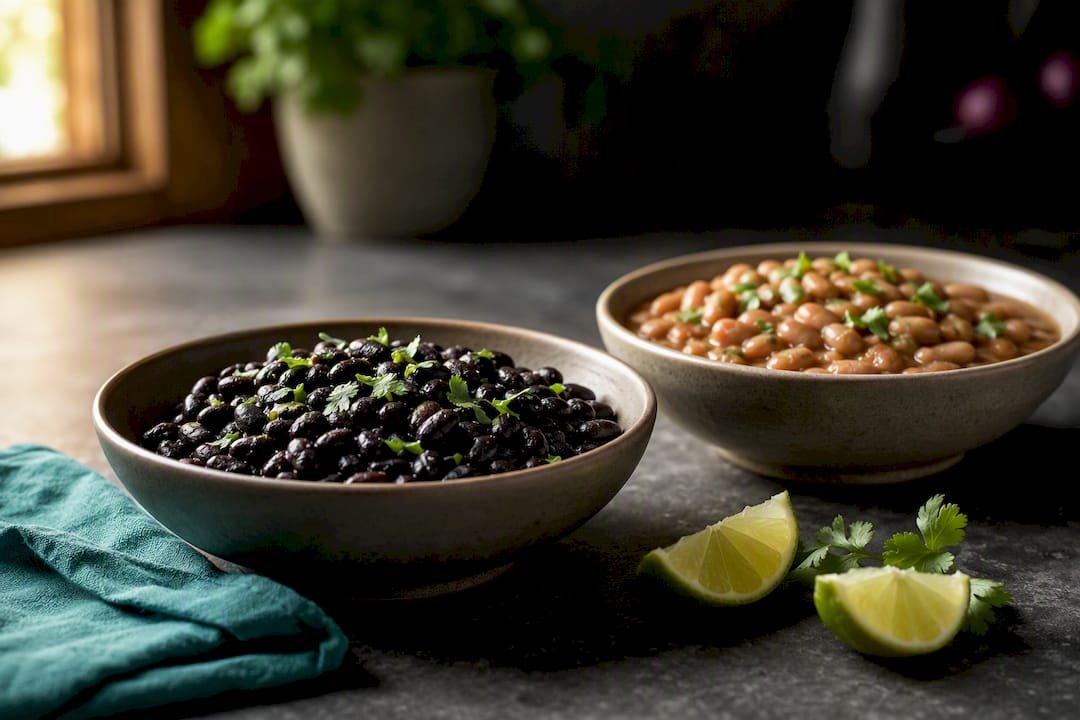
Design the menu as the main event. Well-executed plant-based cuisine is now expected to function as a satisfying centrepiece, not a side dish. Build your menu around dishes that are inherently vegan and genuinely appealing, such as roasted vegetable grain bowls, spiced lentil tacos, or black bean burrito bowls with house-made salsas.
-
Source local and seasonal produce. Seasonal ingredients cost less, taste better, and support your sustainability story. Building strong vendor networks and using local sourcing is the most reliable way to manage costs and maintain quality at scale. Burritosplendido’s Manitoba-first sourcing model, using Peak of the Market produce and locally milled flour, is a practical example of this principle in action.
-
Use umami-rich, texture-contrasting ingredients. The most common criticism of plant-based food is that it lacks satisfaction. Ingredients like roasted mushrooms, smoked paprika, chipotle peppers, toasted seeds, and fermented elements address this directly. Texture contrast between creamy, crunchy, and chewy components keeps every bite interesting.
-
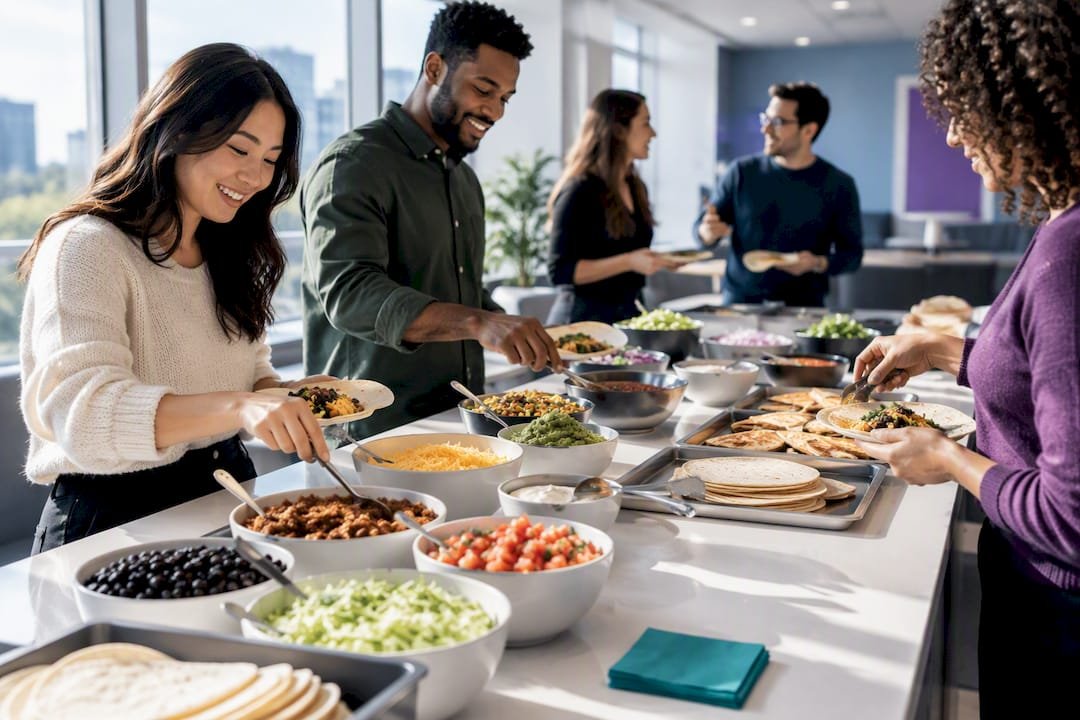
Choose your service format deliberately. Buffet and plated events require different staffing models. Station-based formats offer theatrical presentation and guest engagement. For large events, stations work particularly well because they allow guests to customise their plates and interact with the food, which increases perceived value.
-
Train staff on every dish. Guests with dietary restrictions ask detailed questions. Staff who can answer confidently, explaining ingredients and preparation methods, build trust and reduce anxiety for guests who are managing allergies or ethical requirements.
-
Label every dish clearly. Explicit labelling is not optional. Guests should be able to identify vegan dishes at a glance without having to ask. Use clear, consistent signage that states ingredients and highlights key attributes such as gluten-free or nut-free where relevant.
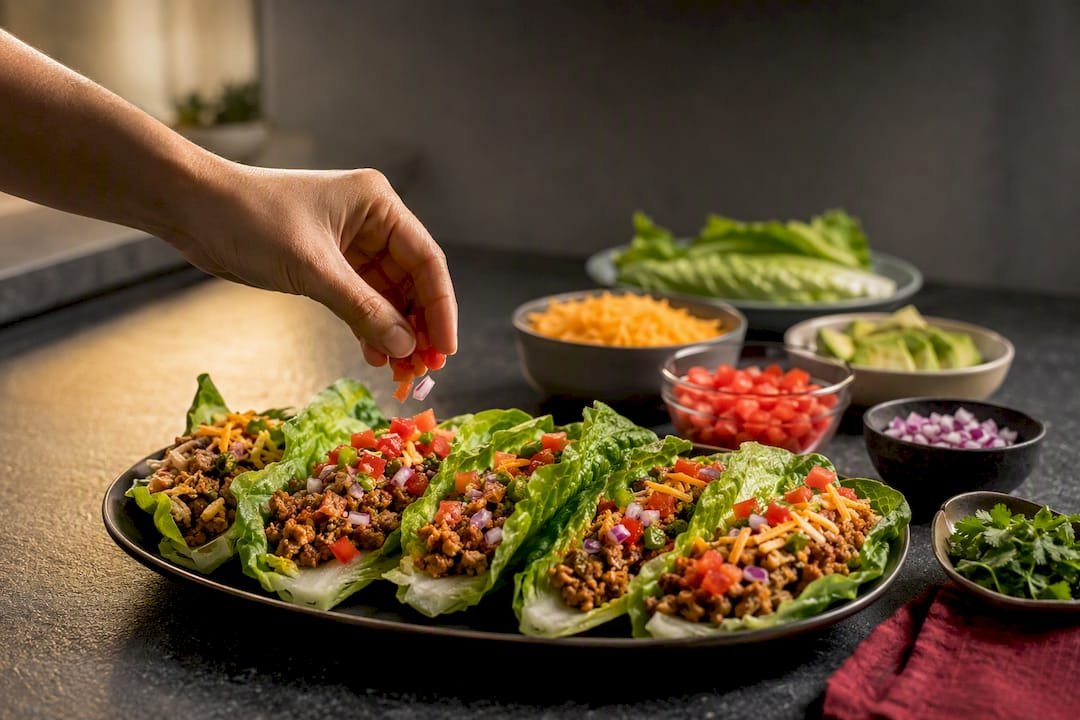
Pro Tip: When planning a vegan catering ideas list for your event, include at least one dish that is visually striking. Guests photograph food before they eat it. A vibrant grain bowl or a platter of colourful tacos becomes free marketing for your event and your caterer.
How does vegan catering affect event costs and budgeting?
Vegan catering is often assumed to be more expensive than traditional options. The reality is more nuanced. Vegan catering typically costs between $12 and $25 per person for casual buffet formats, rising to $25 to $60 or more for formal plated dinners and station service. These ranges are comparable to, and in many cases lower than, equivalent omnivore menus built around premium animal proteins.
The cost advantage comes from ingredients. Many plant-based proteins and dairy substitutes carry lower base costs than premium cuts of meat or sustainably sourced seafood. When menus are engineered correctly, with attention to portion design, ingredient overlap, and dish descriptions, the margin on plant-based dishes can outperform traditional options.
| Service format | Typical cost per person | Staffing requirement | Best suited for |
|---|---|---|---|
| Casual buffet | $12 to $30 | Low to moderate | Large informal events |
| Station service | $20 to $45 | Moderate | Conferences, networking events |
| Formal plated dinner | $25 to $60+ | High | Galas, corporate dinners |
| Passed canapés | $15 to $35 | Moderate | Cocktail receptions |
The hidden cost of not offering vegan options is often larger than the cost of adding them. When a guest cannot eat the food at an event, the entire table sometimes leaves or declines to attend. Capturing that full-table spend by offering appealing plant-based dishes is a direct revenue protection strategy. For corporate catering specifically, where repeat contracts are the goal, failing one guest’s dietary needs can cost you the entire account.
Pro Tip: Reduce cost volatility by building your vegan menu around two or three hero ingredients that are available year-round in your region. Seasonal specials can rotate around this stable core without disrupting your budget or your kitchen workflow.
Key takeaways
Offering vegan catering is the most direct way to make every guest feel welcome, reduce your event’s environmental footprint, and protect your revenue from the growing share of guests who eat plant-based.
| Point | Details |
|---|---|
| Inclusivity drives attendance | Plant-based menus capture flexitarians and vegans, removing barriers for the whole group. |
| Integration beats isolation | Vegan dishes placed within the main menu perform better than dishes labelled as alternatives. |
| Cost is competitive | Casual vegan buffets run $12 to $30 per person, often below equivalent omnivore menus. |
| Sustainability is expected | Plant-based catering signals genuine ecological commitment to guests and corporate clients. |
| Staff training is non-negotiable | Confident, knowledgeable staff convert dietary questions into trust and repeat bookings. |
Why vegan catering is the smartest bet I’ve seen planners make
I have watched event planners agonise over vegan catering as though it were a compromise. It is not. The planners who treat plant-based options as a genuine culinary priority, not a checkbox, consistently run better events. Their guests eat more, complain less, and remember the food.
The shift I have noticed most clearly is in corporate settings. Organisations with ESG commitments are now scrutinising catering choices the same way they scrutinise supply chains. A menu built around authentic, locally sourced ingredients communicates something real about an organisation’s values. A tray of wilted iceberg salad labelled “vegan option” communicates the opposite.
The practical challenges, supply volatility, staff knowledge gaps, and guest scepticism about plant-based food, are all solvable with planning. What is not solvable is the reputational cost of making a guest feel like their dietary choices were an inconvenience. The planners I respect most have figured this out. They design vegan menus with the same rigour they apply to everything else, and their events are better for it.
— Austin
How Burritosplendido can support your next event
Burritosplendido brings the same “fresh, local, and doing the right thing” philosophy to event catering that defines every location across Winnipeg and Brandon. The menu includes a full range of vegan options, from customisable burrito bowls and street-style tacos to house-made salsas, all built from Manitoba-sourced ingredients. Every dish is prepared from scratch daily, with no deep fryer in sight. Whether you are planning a corporate lunch, a community gathering, or a large-scale conference, Burritosplendido’s catering team can design a plant-based spread that satisfies every guest at the table. Reach out through burritosplendido.com/catering to discuss your event and explore what a genuinely inclusive menu looks like.
FAQ
What is vegan catering exactly?
Vegan catering provides menus that contain no animal products whatsoever, including no meat, fish, dairy, eggs, or honey. It is the strictest plant-based standard and the most inclusive option for guests with diverse dietary requirements.
Why offer vegan options if only a small percentage of guests are vegan?
The audience for plant-based food extends well beyond vegans. With 30 to 40% of consumers actively reducing meat consumption, vegan menus serve flexitarians, guests with allergen concerns, and ethically motivated diners, making them a sound choice for any event.
Does vegan catering cost more than traditional catering?
Not necessarily. Casual vegan buffets typically cost $12 to $30 per person, which is comparable to or lower than equivalent omnivore formats. Plant-based proteins often carry lower base costs than premium animal proteins when menus are planned well.
How do I make vegan food satisfying for guests who normally eat meat?
Use umami-rich ingredients like roasted mushrooms, chipotle, and smoked spices alongside texture contrast from toasted seeds, creamy beans, and fresh salsas. Increasing vegetarian meal availability in food service settings has been shown to shift choices towards plant-based options without reducing satisfaction.
How should vegan dishes be presented on an event menu?
Integrate vegan dishes throughout the main menu rather than listing them separately. Isolated “dietary alternative” sections create stigma and reduce uptake. When plant-based dishes appear as standard offerings, all guests are more likely to choose and enjoy them.