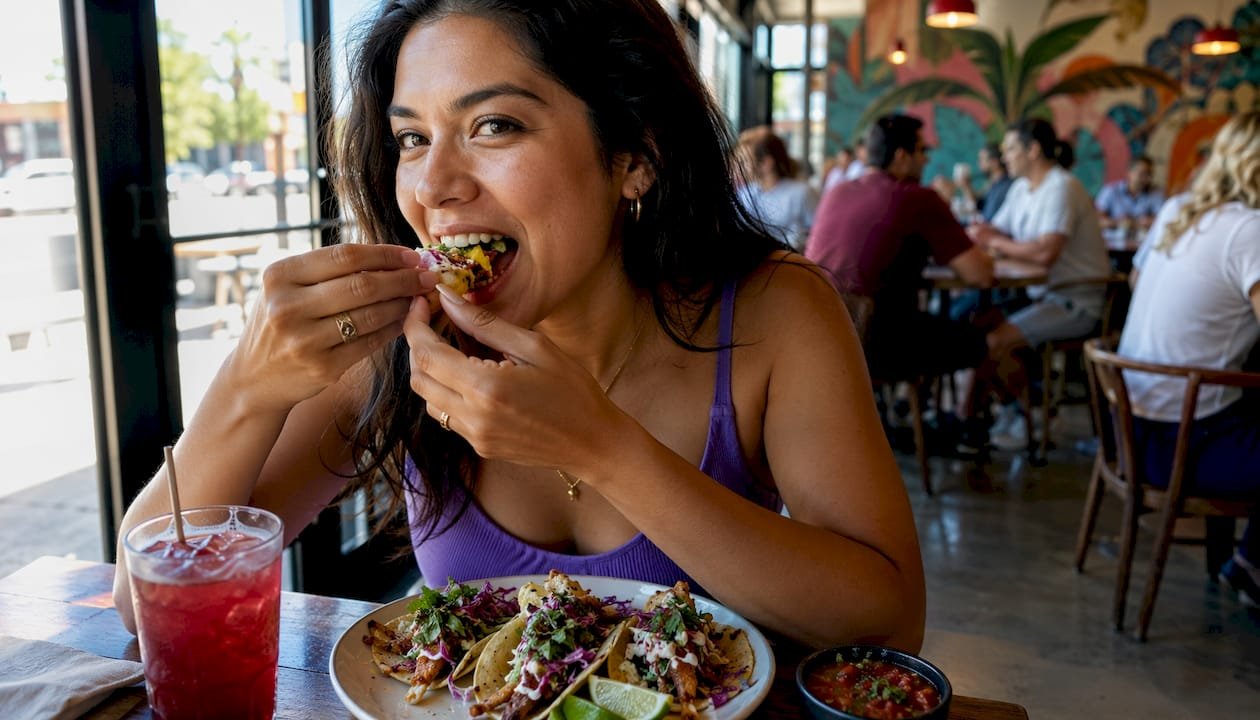
A gluten-free menu options list is a curated catalogue of dishes and ingredients confirmed safe for people with coeliac disease or gluten intolerance. The foundation of any reliable list includes naturally gluten-free foods such as fresh vegetables, unprocessed meats, rice, corn, and quinoa. Popular restaurants like Chipotle, Applebee’s, and Outback Steakhouse each maintain dedicated gluten-free restaurant options, making safe dining more accessible than ever. Whether you are building a home meal plan or scanning a restaurant menu, knowing which foods are inherently safe and which carry hidden risks is the single most useful skill you can develop.
1. Which foods are naturally gluten-free?
The safest starting point for any gluten-free food list is whole, unprocessed ingredients. Rice, corn, quinoa, millet, buckwheat, and potatoes are all naturally gluten-free grains and starches, while wheat, barley, rye, and spelt must be avoided entirely. This distinction matters because many people assume “grain-free” and “gluten-free” mean the same thing. They do not. Quinoa and buckwheat are grains you can eat freely.
Safe proteins include raw and minimally processed meats, poultry, fish, eggs, and most dairy products such as milk, butter, and natural cheeses. Fresh vegetables and fruits are universally safe and form the nutritional backbone of the best gluten-free meals. The risk enters when these foods are processed, seasoned, or combined with sauces. A plain grilled chicken breast is safe; a marinated one from an unknown supplier may not be.
- Safe grains and starches: rice, corn, quinoa, millet, buckwheat, potato
- Safe proteins: raw beef, pork, chicken, turkey, fish, shellfish, eggs
- Safe dairy: milk, butter, cream, natural cheeses (not processed cheese slices)
- Safe produce: all fresh fruits and vegetables
- Grains to avoid: wheat, barley, rye, spelt, farro, kamut
Pro Tip: Always check labels on processed dairy products and canned goods. Some shredded cheese blends and flavoured yogurts contain wheat-based thickeners or modified starch.
2. Best gluten-free options at popular casual dining chains
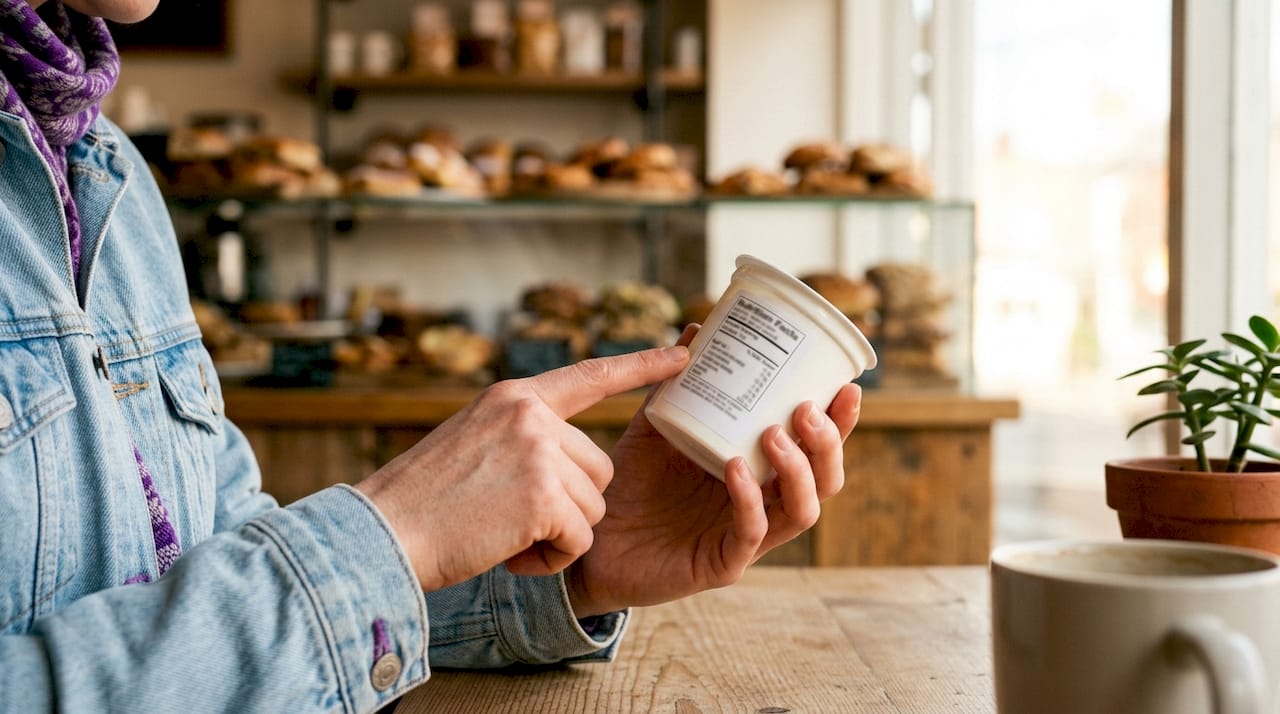
Major chain restaurants have made significant progress in publishing clear gluten-free menu options. The key is knowing which items are safe by default and which require modifications.
Chipotle
Chipotle’s bowls, salads, and crispy corn tacos are mostly gluten-free by design. Salsas, guacamole, cheese, sour cream, and the vinaigrette dressing are all confirmed gluten-free. The flour tortilla is the one item to avoid outright, as it contains wheat. For customers with coeliac disease, cross-contamination from shared surfaces and utensils remains a real concern, so communicating your needs to staff is non-negotiable.
Chipotle gluten-free picks:
- Burrito bowl with rice, beans, and any protein
- Crispy corn taco shells with grilled steak or chicken
- Salad with vinaigrette and guacamole
Applebee’s
Applebee’s gluten-free menu includes grilled chicken, steaks, seafood, and select appetizers, with staff trained to manage cross-contamination risks. Standout options include the Grilled Chicken Caesar Salad, Double Crunch Bone-In Wings, Neighbourhood Nachos, and several steak cuts. The chain does not operate a fully dedicated gluten-free kitchen, so always confirm preparation methods before ordering.
Applebee’s gluten-free picks:
- Grilled Chicken Caesar Salad (dressing on the side)
- Bone-In Wings (confirm no flour dusting)
- Ribeye or sirloin steak, plain
Outback Steakhouse
Outback Steakhouse’s gluten-friendly items include Grilled Shrimp on the Barbie, ribeye steaks, and seasonal vegetables when ordered plain or without gluten-containing sauces. Bread garnishes and pre-made sauces are the primary hazards here. Ordering proteins grilled and asking for sauces on the side or omitted entirely is the safest approach.
Outback gluten-free picks:
- Ribeye steak, no sauce
- Grilled Shrimp on the Barbie
- Seasonal steamed vegetables
| Restaurant | Safe options | What to avoid |
|---|---|---|
| Chipotle | Bowls, corn tacos, salads | Flour tortillas |
| Applebee’s | Grilled steaks, chicken, wings | Breaded items, croutons |
| Outback Steakhouse | Grilled steaks, shrimp, veggies | Pre-made sauces, bread garnishes |
Pro Tip: When dining at any chain, ask your server to note your gluten-free requirement on the order ticket. Many kitchens flag these tickets for extra care, reducing the chance of accidental exposure.
3. How to spot hidden gluten on any restaurant menu
Hidden gluten is the most common reason people with coeliac disease react despite ordering carefully. Many spice blends and sauces, including traditional soy sauce and certain Cajun seasoning blends, contain wheat or gluten-based anti-caking agents. This is not obvious from the menu description. A dish labelled “grilled chicken with Cajun spice” can contain gluten if the spice blend includes wheat flour as a filler.
The most common hidden gluten sources in restaurant kitchens include:
- Soy sauce: standard soy sauce contains wheat. Tamari is the safe substitute.
- Marinades and glazes: often contain soy sauce, malt vinegar, or wheat-based thickeners
- Bouillon and stock: many commercial stocks contain wheat or barley extract
- Spice blends: Cajun, Creole, and seasoning salt blends frequently include wheat-based anti-caking agents
- Salad dressings: crouton-flavoured or malt-vinegar-based dressings are unsafe
Cross-contamination in shared kitchens is a separate but equally serious risk. Shared fryers, cutting boards, pasta water, and tongs can all transfer gluten to an otherwise safe dish. Requesting dedicated cooking surfaces or clean utensils explicitly is the most direct way to reduce this risk.
“Scrutinise spice blends, sauces, and marinades for hidden wheat, even if allergen charts list ‘gluten free’, since ingredients like soy sauce often contain wheat.” — Boulangerie Cannelle Gluten-Free Guide
The practical takeaway: always ask two questions when dining out. First, does this dish contain soy sauce, marinades, or spice blends? Second, is it prepared on a shared surface or in a shared fryer? Those two questions catch the majority of hidden gluten exposures.
4. Gluten-free dishes you can customise at home or when ordering out
Living gluten-free does not require sacrificing favourite meals once you learn a handful of ingredient swaps. The most useful substitutions are tamari for soy sauce, corn or rice flour for wheat flour, and corn tortillas for flour tortillas. These three swaps alone open up tacos, stir-fries, pasta dishes, and baked goods.
For pasta lovers, brands like Jovial, Tinkyada, and Banza each produce gluten-free pasta with distinct textures. Jovial uses brown rice and holds its shape well in baked dishes. Tinkyada is forgiving for beginners. Banza, made from chickpeas, adds protein. The universal rule: cook gluten-free pasta 1 to 2 minutes less than the package instructions to avoid a mushy result. This single adjustment makes the difference between a dish that feels like a compromise and one that does not.
Grain bowls built on quinoa or brown rice are among the most adaptable gluten-free meal ideas. Add roasted vegetables, a protein like grilled chicken or black beans, and a tamari-based dressing, and you have a complete meal with no substitutions required. A gluten-free Cajun chicken street corn salad follows the same logic: use a certified gluten-free Cajun seasoning, grill the chicken, and build on a corn base.
Dishes that adapt easily to gluten-free versions:
- Tacos: swap flour tortillas for La Cocina corn tortillas, which are naturally gluten-free
- Pasta: use Jovial or Tinkyada with the 1 to 2 minute undercooking rule
- Pizza: rice flour or cauliflower crust replaces wheat dough effectively
- Stir-fry: tamari replaces soy sauce with no flavour loss
- Burrito bowls: skip the tortilla entirely and build on rice and beans
Pro Tip: When ordering tacos at a restaurant, ask specifically whether the corn tortillas are stored and prepared separately from flour tortillas. Shared storage can cause surface contamination.
Key takeaways
A reliable gluten-free menu options list starts with whole, unprocessed foods and extends to informed ordering at restaurants by identifying hidden gluten in sauces, spice blends, and shared cooking surfaces.
| Point | Details |
|---|---|
| Naturally safe foods | Rice, corn, quinoa, fresh meats, eggs, and produce are safe starting points. |
| Chain restaurant choices | Chipotle bowls, Applebee’s grilled steaks, and Outback’s plain grilled proteins are confirmed safe options. |
| Hidden gluten risks | Soy sauce, spice blends, marinades, and shared fryers are the most common exposure points. |
| Home adaptation | Swapping tamari for soy sauce and using corn tortillas or gluten-free pasta brands removes most barriers. |
| Cross-contamination | Always communicate dietary needs explicitly to restaurant staff and request dedicated prep surfaces. |
Gluten-free dining in 2026: what I’ve actually learned
The gluten-free dining experience has improved considerably over the past few years, but the biggest shift is not in the number of options. It is in transparency. More restaurants now publish ingredient-level allergen information online before you arrive, which changes the entire dynamic of dining out with a restriction.
What I have found works consistently is treating every new restaurant like a brief negotiation rather than a guessing game. You ask two or three specific questions, you get clear answers, and you order with confidence. The people who struggle most are those who assume a dish is safe because it sounds simple. Grilled fish sounds safe. Grilled fish basted in a house marinade containing soy sauce is not.
The other thing worth saying plainly: the best gluten-free meals are not the ones labelled “gluten-free” on the menu. They are the ones built from ingredients that were never going to contain gluten in the first place. A burrito bowl with grilled chicken, rice, black beans, fresh salsa, and guacamole does not need a special label. It is just food. That framing makes the whole experience less stressful and, honestly, more enjoyable. Exploring customisable menu formats at fast-casual restaurants has made this approach much easier to practise regularly.
— Austin
Gluten-free dining at Burrito Splendido
Burrito Splendido is a Winnipeg-based fast-casual Mexican restaurant built on fresh, locally sourced Manitoba ingredients, and it is one of the most practical gluten-free restaurant options in the region. The menu includes burrito bowls, street-style tacos on gluten-free soft corn tortillas from La Cocina, and fully customisable builds that let you control every ingredient. There are no deep fryers, and staff are trained to handle cross-contamination concerns directly.
If you are looking to create a gluten-free meal that does not feel like a compromise, Burrito Splendido’s approach to fresh, transparent ingredients makes it straightforward. Explore gluten-free Mexican dining options and see how a customisable menu built on whole ingredients solves most of the challenges covered in this article.
FAQ
What grains are safe on a gluten-free food list?
Rice, corn, quinoa, millet, buckwheat, and potato are all naturally gluten-free. Wheat, barley, rye, and spelt must be avoided entirely.
Are corn tortillas always gluten-free?
Corn tortillas made from 100% masa are gluten-free, but cross-contamination during storage or preparation can introduce gluten. Always confirm with the restaurant that corn tortillas are stored and prepared separately from flour tortillas.
How do I avoid hidden gluten when dining out?
Ask whether dishes contain soy sauce, marinades, or spice blends, and confirm that your meal is not prepared in a shared fryer or on a shared surface. Tamari is the safe substitute for soy sauce in most kitchens.
Which Chipotle items are gluten-free?
Chipotle’s bowls, salads, and crispy corn tacos are the safest choices. Salsas, guacamole, cheese, and sour cream are all confirmed gluten-free. The flour tortilla is the only item to avoid.
Can gluten-free pasta taste as good as regular pasta?
Yes, with the right brand and technique. Brands like Jovial and Tinkyada hold their texture well when cooked 1 to 2 minutes less than package instructions, which prevents the mushiness that gives gluten-free pasta a poor reputation.