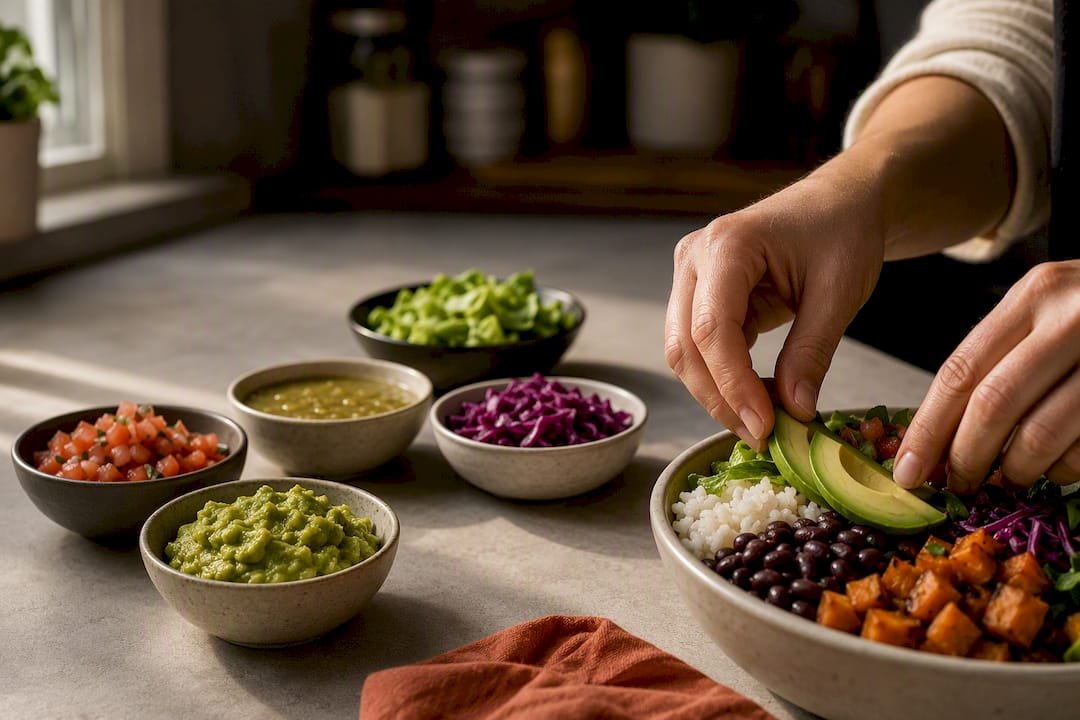
Salsa is defined in Mexican cuisine not as a condiment but as a fundamental flavour system) that shapes every bite of a meal. The role of salsas in Mexican food goes far beyond the jar of tomato dip sitting beside tortilla chips at a party. In Mexico, salsa is placed on the table by default, and diners are asked which salsa they want, never if they want one. These sauces carry heat, acidity, smoke, and freshness in precise ratios that balance the richness of proteins, the earthiness of beans, and the starch of tortillas. For home cooks and culinary enthusiasts, understanding how salsas function transforms Mexican cooking from simple assembly into genuine craft.
What are the main types of Mexican salsas and their characteristics?
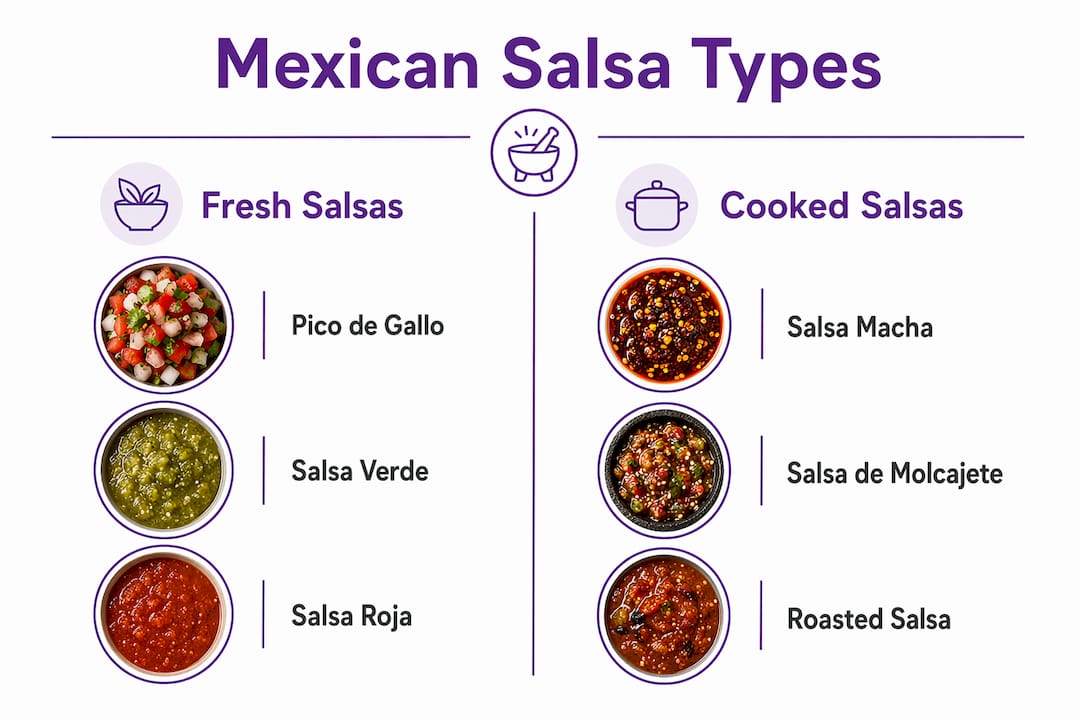
Mexican salsas divide into five core families, each with a distinct flavour profile, texture, and purpose at the table.
- Salsa roja is a cooked or roasted red sauce built on dried or fresh chiles, tomatoes, garlic, and onion. It cuts through the richness of beef and chorizo and is the default pairing for tacos de carnitas and enchiladas.
- Salsa verde is based on tomatillos, not green tomatoes. Tomatillos deliver a tart, citrus-forward flavour that no substitution replicates. Classic salsa verde combines tomatillos, jalapeños, onion, garlic, and coriander, blended raw or lightly boiled.
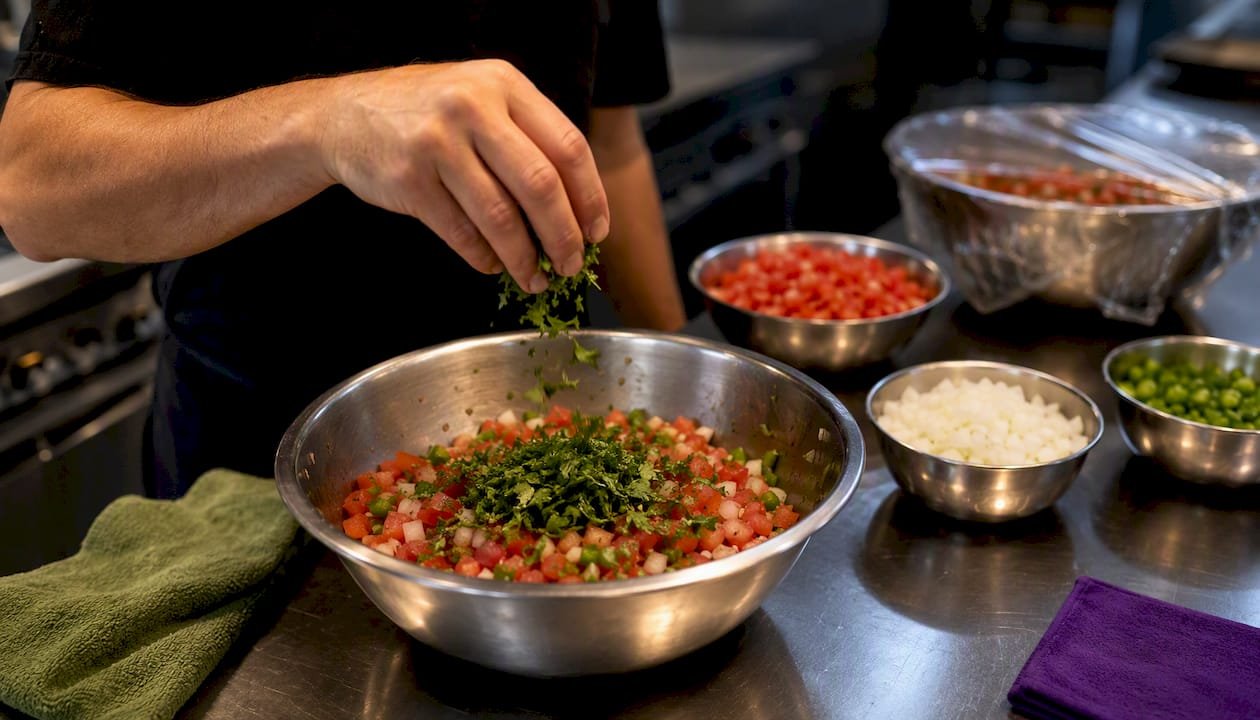
- Pico de gallo is a raw, chunky salsa of fresh tomato, white onion, serrano chile, coriander, and lime juice. Its brightness makes it the natural companion for grilled fish tacos and quesadillas.
- Salsa de molcajete is ground in a volcanic stone mortar rather than blended. Molcajete grinding crushes ingredients and releases volatile oils differently than a blender, producing a salsa with more depth, irregular texture, and slow-building heat.
- Salsa macha is an oil-based dried chile sauce from Veracruz, often containing peanuts or sesame seeds. It is intensely savoury, smoky, and rich, used sparingly on eggs, tacos, and grilled vegetables.
| Salsa type | Base ingredient | Heat level | Best paired with |
|---|---|---|---|
| Salsa roja | Dried or fresh chiles, tomato | Medium to high | Beef, chorizo, enchiladas |
| Salsa verde | Tomatillos, jalapeño | Mild to medium | Pork, chicken, tamales |
| Pico de gallo | Fresh tomato, serrano | Mild | Fish tacos, quesadillas |
| Salsa de molcajete | Roasted chiles, tomato | Medium to high | Grilled meats, eggs |
| Salsa macha | Dried chiles, oil, nuts | High | Eggs, tacos, vegetables |
Pro Tip: Never substitute canned green tomatoes for tomatillos in salsa verde. The two plants are unrelated, and the flavour difference is immediately obvious to anyone who has eaten authentic Mexican food.
How do regional variations in Mexico influence salsa styles?
Geography shapes salsa as decisively as any recipe. Mexico’s regional salsa traditions reflect local produce, climate, and centuries of culinary habit, and regional salsa styles differ enough that a salsa from Oaxaca and one from Sonora share almost nothing in common.
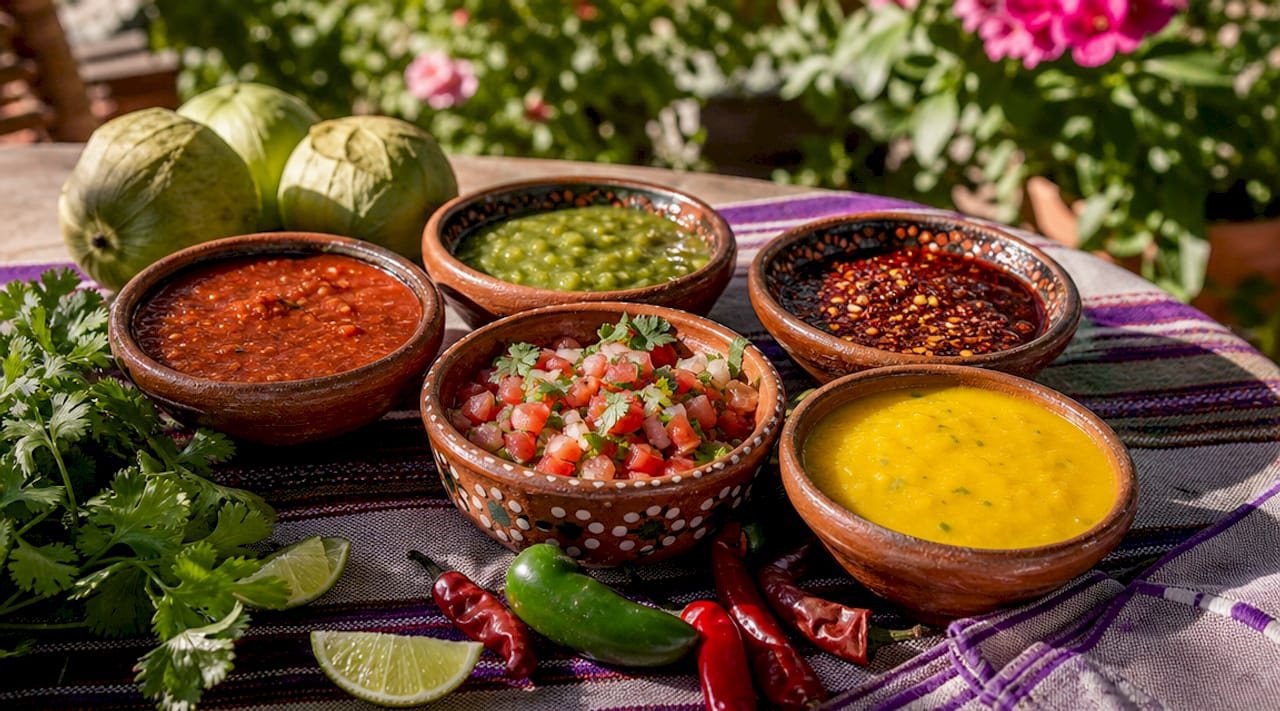
Northern Mexico, particularly Sonora and Chihuahua, favours roasted salsas made with a small number of ingredients. The cooking culture there centres on grilled and braised meats, so salsas are built to complement smoke and char rather than compete with it. Roasted tomato and chile de árbol salsas are common, and the heat level tends to be direct rather than layered.
Central Mexico, including Mexico City and the states of Puebla and Morelos, produces the widest diversity of salsas in the country. Tomatillo salsas thrive here because the plant grows abundantly in the central highlands. Street food culture in Mexico City means dozens of salsa varieties appear at a single taquería, each matched to a specific taco filling.
Southern Mexico, particularly Oaxaca, Chiapas, and the Yucatán Peninsula, uses habanero chiles and complex dried chile blends that produce salsas with fruity heat and deep colour. Oaxacan cuisine also blurs the line between salsa and mole, with sauces like tasajo accompaniments containing toasted chiles, chocolate, and spices. Yucatecan salsas frequently incorporate sour orange and achiote, giving them a flavour profile found nowhere else in the country.
What is the cultural significance of salsa in Mexican dining?
Salsa in Mexico is a cultural expression as much as a flavour tool. It signals hospitality, regional identity, and the cook’s skill in a way that no other element of the meal does. Understanding this changes how you approach both eating and cooking Mexican food.
Four principles define how Mexicans use salsa at the table:
- Salsa is expected, not optional. Restaurants and home kitchens place salsa on the table before the food arrives. The question is always which salsa suits the dish, not whether to use one at all.
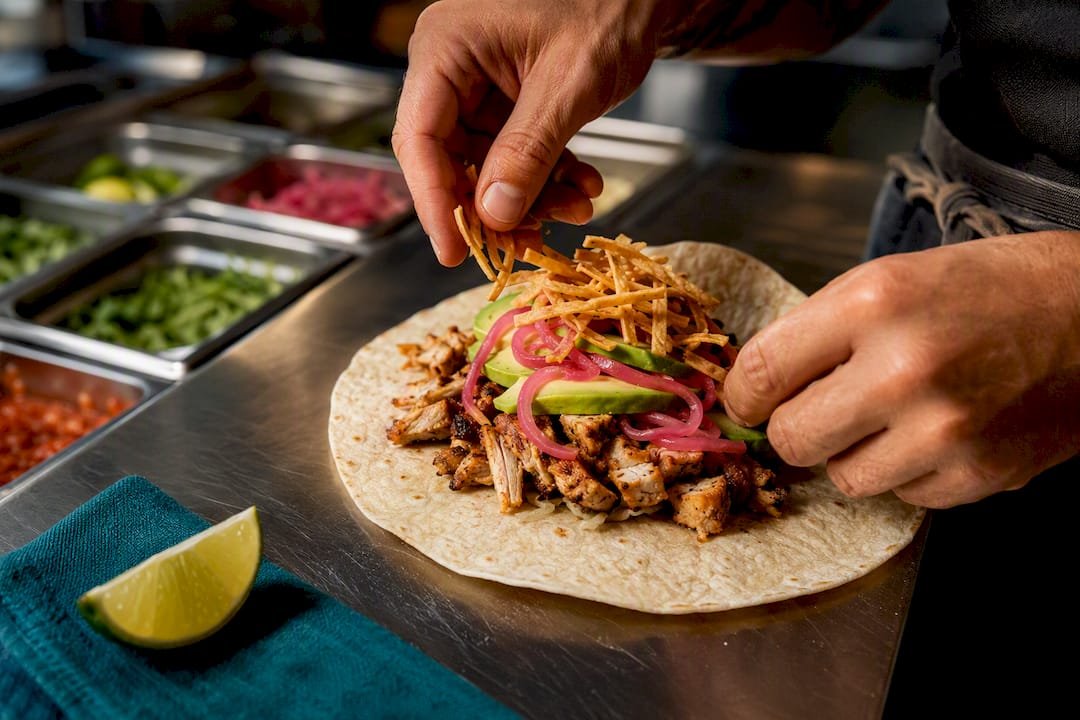
- Eating is incremental. Mexican salsa eating is built around small additions per bite, not a single pour over the whole plate. This allows the diner to calibrate heat and acidity across the meal rather than committing to one intensity level.
- Multiple salsas serve different functions. A taquería might offer a mild green salsa for brightness, a hot red for depth, and a pickled jalapeño for sharp acidity. Mexican diners select a different salsa for each bite depending on the filling and their preference at that moment.
- Salsa carries family and regional identity. Many Mexican families have a house salsa recipe passed across generations. The specific chile combination, the roasting method, and the ratio of garlic to onion are points of pride and distinction.
“Sauces and condiments are what define Mexican cuisine’s flavour identity; the precise use of chiles and sauces separates Mexican from other cuisines.” — World Chefs, Today.com
Pro Tip: When eating tacos, apply salsa to each taco individually rather than lining them all up and saucing them at once. The salsa softens the tortilla quickly, and the flavour balance shifts as it sits.
How can home cooks prepare authentic Mexican salsas?
Authentic salsa preparation at home requires the right ingredients, the right method, and the discipline to taste before you pour. The authentic Mexican cuisine approach to salsa is never about convenience substitutions. It is about understanding why each ingredient exists in the recipe.
- Use the correct chile. Dried chiles like ancho, guajillo, and chile de árbol each produce a different colour, heat level, and flavour. Swapping one for another changes the salsa fundamentally. Keep a small stock of two or three dried chiles and you can produce most classic red salsas.
- Roast before you blend. Dry-roasting tomatoes, tomatillos, garlic, and chiles in a cast iron pan or directly on a comal develops sweetness and smoke that raw blending cannot replicate. This single step separates a flat salsa from a complex one.
- Use a molcajete when texture matters. For salsas served alongside grilled meats or eggs, molcajete-ground salsa has a coarser texture and a richer flavour than anything a blender produces. The stone absorbs and releases flavour compounds over time, improving with use.
- Balance acid and heat separately. Lime juice and tomatillo acidity are not interchangeable. Lime brightens a finished salsa; tomatillo acidity is structural and built into the base. Add lime at the end, taste, and adjust.
- Match the salsa to the dish. A rich, oily salsa macha overwhelms delicate fish. A thin, bright pico de gallo gets lost on slow-braised barbacoa. The importance of salsa in tacos is precisely this matching of weight and intensity.
Pro Tip: Taste your salsa alongside the dish it will accompany, not on its own. A salsa that seems too hot or too acidic in isolation often becomes perfectly balanced when eaten with a tortilla and protein.
How does salsa differ between Mexican and Mexican-American cuisine?
The function of salsa shifts considerably when it crosses the border. In Mexico, salsa is a multi-functional flavour system) applied in small amounts to complement a dish. In the United States, salsa evolved primarily into a dip, served in larger quantities alongside tortilla chips as a starter or snack.
| Feature | Traditional Mexican salsa | Mexican-American salsa |
|---|---|---|
| Texture | Variable: chunky, smooth, oily | Typically smooth and uniform |
| Heat level | High range, regionally varied | Generally mild to medium |
| Primary use | Table condiment, dish component | Dip, chip accompaniment |
| Common base | Tomatillos, dried chiles, roasted tomato | Fresh or canned tomato |
| Sweetness | Rare, savoury-forward | Common, especially fruit salsas |
By 1992, tomato-based salsas) had overtaken ketchup in US retail sales, which reflects how thoroughly salsa embedded itself in American food culture. That commercial success, however, came with a trade-off. The salsas that dominated US supermarket shelves were thicker, milder, and more shelf-stable than anything served at a Mexican table. Fruit-based sweet salsas, popular in the US from the 2000s onward, have no real equivalent in traditional Mexican cooking. For home cooks who want to understand what salsa actually does in Mexican food, the commercial jar is a starting point, not a destination.
Key takeaways
Salsa in Mexican cuisine is a structured flavour system, not a condiment, and using it correctly requires understanding its types, regional origins, and the incremental way it is applied at the table.
| Point | Details |
|---|---|
| Salsa is a flavour system | Salsas balance heat, acid, and smoke to complement specific proteins and preparations. |
| Five core salsa families | Roja, verde, pico de gallo, molcajete, and macha each serve distinct culinary purposes. |
| Regional identity shapes salsa | Northern, central, and southern Mexico each produce salsas that reflect local chiles and traditions. |
| Incremental application is key | Add small amounts per bite to control heat and acidity rather than pouring over the whole dish. |
| Preparation method changes flavour | Molcajete grinding and dry-roasting produce depth that blending and raw preparation cannot match. |
Why salsa deserves more respect in your kitchen
I have eaten tacos from street carts in Mexico City and from fast-casual counters in Winnipeg, and the single biggest difference between a memorable meal and a forgettable one is almost always the salsa. Not the protein. Not the tortilla. The salsa.
What I have noticed is that most home cooks treat salsa as an afterthought, something added at the end to bring heat. That misses the point entirely. A well-made salsa verde on slow-braised pork changes the character of the dish. The acidity cuts fat, the tomatillo adds a citrus note that the meat cannot provide, and the jalapeño heat builds gradually rather than hitting all at once. That is not a condiment. That is cooking.
My honest advice is to stop buying commercial salsa for anything you cook at home and make one fresh salsa per week. Start with a roasted salsa roja using guajillo and chile de árbol, dry-roasted tomatoes, and a head of garlic. Make it in a molcajete if you have one. Taste it with whatever you are cooking that week. You will quickly learn that salsa enhances dishes rather than overpowering them when you apply it thoughtfully. One salsa will not suit every dish, and that is the point. Building a small repertoire of two or three salsas you know well is more useful than owning a dozen jars you reach for without thinking.
— Austin
Taste authentic salsa at Burritosplendido

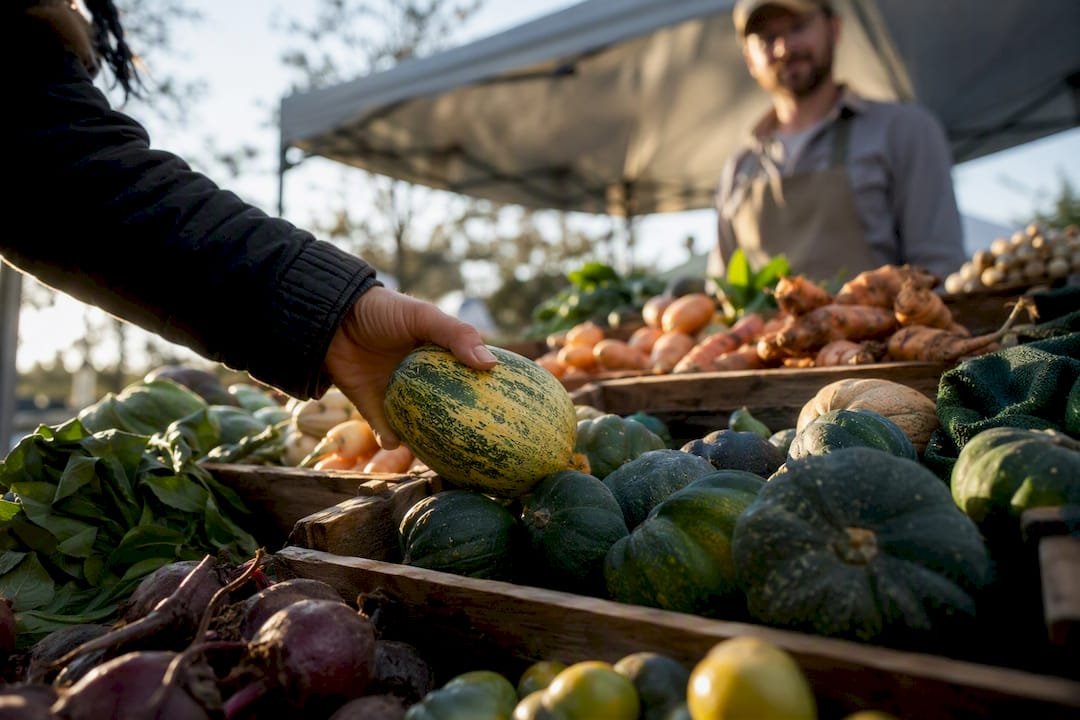
Burritosplendido brings the real role of salsa to every plate it serves. The kitchen at Burritosplendido makes salsas from scratch daily, using fresh produce sourced through Peak of the Market and proteins slow-cooked in-house, including Carnitas, Barbacoa, and Adobo Chicken. Every dish is built so the salsa works with the filling, not over it. If you are planning a gathering and want your guests to experience what authentic salsa-forward Mexican food actually tastes like, the Burritosplendido catering programme brings that same from-scratch kitchen to your event. Customisable menus, locally sourced ingredients, and house-made salsas make it a genuine alternative to generic catering.
FAQ
What is the role of salsa in Mexican food?
Salsa functions as a primary flavour enhancer) in Mexican cuisine, used to add heat, acidity, and depth to dishes rather than simply as a dip. It is placed on the table by default and applied in small amounts per bite to balance the flavours of each mouthful.
What are the main types of Mexican salsas?
The five core types are salsa roja, salsa verde, pico de gallo, salsa de molcajete, and salsa macha, each built on different base ingredients and suited to different dishes. Salsa verde uses tomatillos for tartness, while salsa macha is an oil-based dried chile sauce used sparingly for intense heat.
Why does salsa taste different in Mexico versus Canada or the US?
Traditional Mexican salsas use roasted or dried chiles, tomatillos, and incremental seasoning, producing complex, savoury flavours. Commercial salsas in North America are typically milder, smoother, and sometimes sweetened, which reflects retail preferences rather than authentic preparation.
How should home cooks apply salsa to Mexican dishes?
Apply salsa incrementally in small amounts per bite rather than pouring it over the whole dish. Taste the salsa alongside the food it will accompany to judge whether the heat and acidity complement or overpower the other flavours.
Does the preparation method affect salsa quality?
Yes. Dry-roasting ingredients before blending and using a molcajete instead of a blender both produce salsas with greater depth, texture, and complexity. Molcajete grinding releases volatile oils differently than a blender, resulting in richer flavour and slow-building heat.