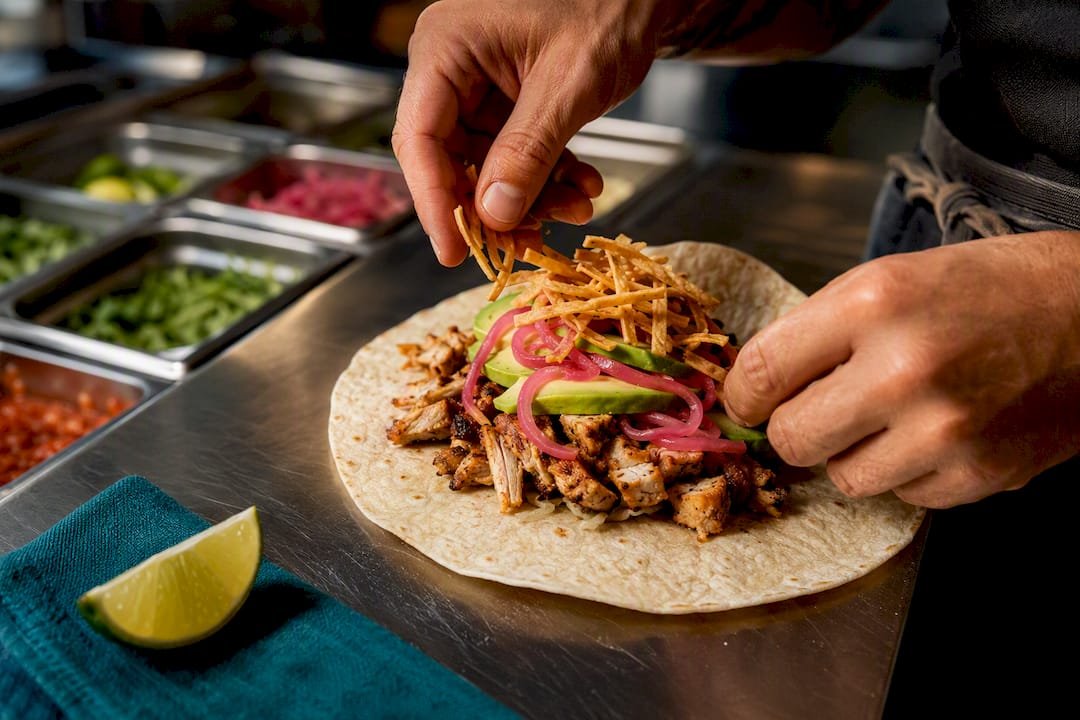
Authentic Mexican proteins are defined as the traditional meats, legumes, and edible insects that form the structural foundation of Mexican cuisine, not mere garnishes or afterthoughts. From arrachera (skirt steak) seared over charcoal to chapulines (edible grasshoppers) toasted in Oaxacan markets, this list of authentic Mexican proteins spans a far wider range than most home cooks realise. Mexican cuisine treats protein as the centrepiece of every dish, with carne asada tacos delivering 32 to 38g of protein per serving. Understanding which proteins belong in which dishes, and how to prepare them correctly, is the difference between a meal that tastes authentic and one that merely looks the part.
1. The full list of authentic Mexican proteins
The recognised category of traditional Mexican proteins includes beef cuts, pork preparations, goat (chivo), native turkey (guajolote), lamb (borrego), fish, edible insects such as chapulines, and legumes including black and pinto beans. Each of these proteins carries a distinct regional identity. Goat is the backbone of Jalisco and Nuevo León cuisine. Lamb defines the barbacoa tradition of Hidalgo. Chapulines are inseparable from Oaxacan street food. Beans appear across every region as a daily staple. Knowing this geography helps you cook with genuine intention rather than guesswork.
2. Beef cuts: arrachera, suadero, and maciza
Mexican beef cookery is built on specific cuts that grocery stores rarely label correctly. Arrachera is skirt steak, prized for its fat marbling and intense beefy flavour when grilled over high heat. Suadero is a thin, fatty cut from the flank area, slow-cooked until tender and then crisped on a comal for tacos de suadero. Maciza refers to lean pork shoulder in many contexts, though in beef applications it describes firm, boneless cuts used in stews and pozole.
- Arrachera: Marinate in lime juice, garlic, and cumin for at least two hours before grilling
- Suadero: Simmer low and slow in water with onion and bay leaf, then finish on a hot, dry pan
- Diezmillo (chuck roll): Ideal for slow-braised dishes and shredded beef fillings
Pro Tip: When buying arrachera, ask for the outer skirt rather than the inner skirt. The outer cut is thicker, more flavourful, and holds up better to high-heat grilling without drying out.
3. Pork: carnitas, maciza, and espinazo
Pork is arguably the most versatile protein in Mexican cooking. Carnitas, the slow-braised pork preparation from Michoacán, uses a combination of pork shoulder (maciza) and fatty cuts like belly, cooked in lard or their own fat until tender and then crisped. Espinazo (pork spine) is a deeply flavoured cut used in red chile stews and caldos, where the bone releases collagen and richness into the broth. Costillas (pork ribs) appear in adobo preparations and slow-cooked salsas.
The key to authentic carnitas is the two-stage cook: a long, gentle braise followed by a high-heat finish that creates the caramelised, crispy edges that define the dish. Slow cooking and regional techniques build the deep, complex flavours that shortcuts cannot replicate. Burritosplendido applies exactly this method to its in-house carnitas, braising and hand-pulling pork daily at every location.
4. Goat (chivo): the protein behind birria and barbacoa
Goat meat is one of the most nutritionally impressive proteins in Mexican cuisine. Goat provides 27.1g of protein per 100g cooked, with higher levels of conjugated linoleic acid (CLA) and iron than comparable beef or chicken cuts, and a lower overall fat content. This makes it a genuinely superior choice for cooks who want flavour and nutrition in the same cut.
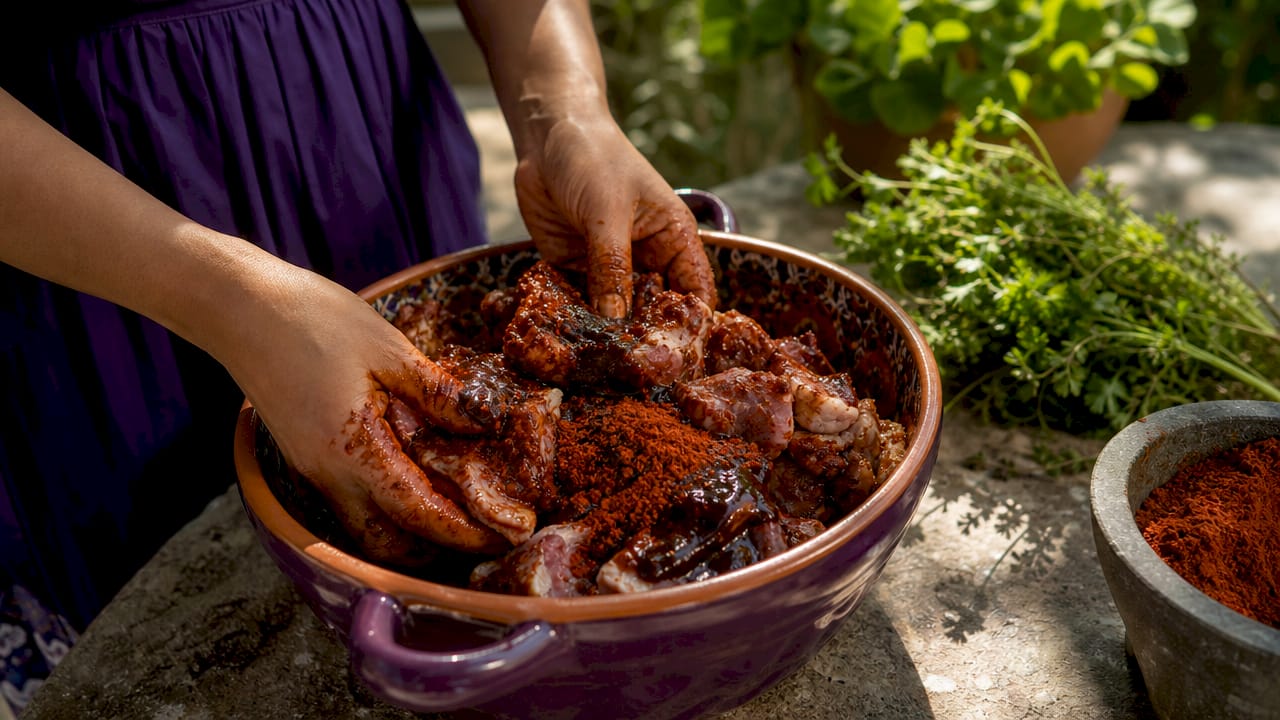
Birria, the slow-braised goat stew from Jalisco, is the dish most associated with chivo. Marinating goat overnight in Seville orange juice, white vinegar, chipotle, cumin, oregano, and garlic is the non-negotiable first step. The acid tenderises the tough muscle fibres while the spices penetrate deeply. Goat is also central to northern Mexican barbacoa, where whole animals are traditionally cooked in underground pits lined with maguey leaves.
5. Native turkey (guajolote): Mexico’s original poultry
The guajolote is the indigenous Mexican turkey, domesticated by Mesoamerican civilisations long before European contact. It is the protein at the heart of mole negro, one of Mexico’s most complex and celebrated sauces. Guajolote meat is leaner and more flavourful than commercial turkey breeds, with a darker flesh that stands up to the rich, multi-ingredient moles of Oaxaca and Puebla.
Consumer research in the Texcoco region found that 51% of buyers would pay a premium for hormone-free native Mexican turkey, with flavour (33%) and low fat content (23%) cited as the primary reasons. This tells you something important: people who have tasted guajolote know the difference, and they are willing to pay for it. If you can source heritage or native turkey breeds from a speciality butcher, the flavour difference in mole or slow-braised preparations is immediately apparent.
6. Lamb (borrego): the soul of Hidalgo barbacoa
Lamb barbacoa is the defining dish of the state of Hidalgo and a staple of Sunday markets across central Mexico. The traditional method involves wrapping seasoned lamb in maguey leaves and slow-cooking it in an underground pit (hoyo) for six to eight hours. The result is extraordinarily tender, smoky, and rich meat served with consommé made from the drippings.
At home, bone-in lamb shoulder with toasted avocado leaves is the closest approximation to the pit-cooked original. The avocado leaves are not optional decoration. They contribute a subtle anise-like flavour that is chemically distinct from any other aromatic. Chef Pati Jinich, who has documented this technique extensively, confirms that cut choice and aromatics are the two variables that most determine flavour authenticity in lamb barbacoa.
7. Chapulines: Oaxaca’s high-protein edible grasshoppers
Chapulines are toasted grasshoppers consumed in Oaxaca and other southern Mexican states for centuries. They are not a novelty or a trend. Chapulines contain over 70% protein on a dry-weight basis and supply all nine essential amino acids, making them a complete protein source. They also deliver iron, calcium, magnesium, and dietary fibre in a single ingredient.
The flavour profile of chapulines is savoury and slightly citrusy, often enhanced with lime juice and chilli during toasting. They are eaten on tlayudas, folded into quesillo (Oaxacan string cheese) quesadillas, or used as a crunchy taco topping. For home cooks outside Mexico, chapulines are available through speciality Latin food retailers and online suppliers. Their sustainability credentials are also significant: grasshoppers require a fraction of the land, water, and feed that conventional livestock demand.
8. Black and pinto beans: the plant-based protein foundation
Beans are not a side dish in authentic Mexican cuisine. They are a primary protein source with deep nutritional logic behind them. Black and pinto beans combined with corn tortillas form a complete protein, supplying all essential amino acids that neither food provides alone. This combination has sustained Mexican populations for thousands of years and remains the daily protein source for millions of people.
Black beans are the standard in Oaxacan and Yucatecan cooking, typically simmered with epazote (a pungent herb that also reduces digestive discomfort). Pinto beans dominate in northern Mexico and are the base for refried beans (frijoles refritos). Research from a 2023 ethnic foods study found that traditional Mexican breakfasts with beans produced 32% more satiety than calorie-equivalent cereal meals. That is a meaningful nutritional advantage for anyone building meals around plant-based proteins.
9. How carnicerías support authentic protein selection
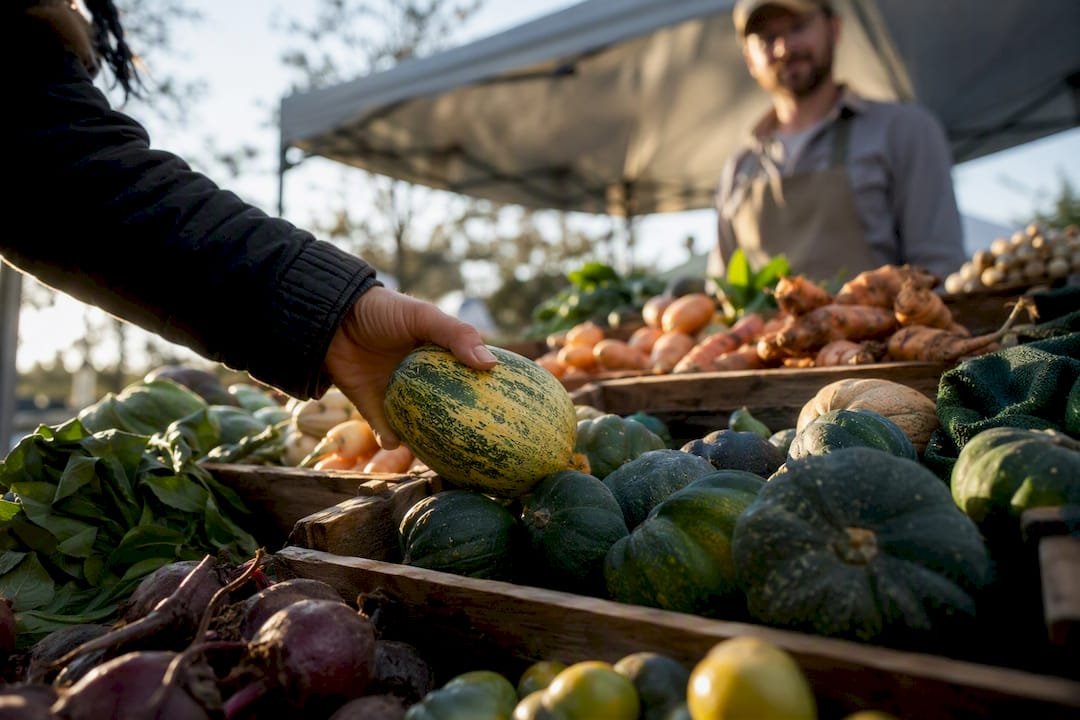
A carnicería (Mexican butcher shop) is the single best resource for home cooks who want authentic proteins without extensive sourcing effort. House-marinated meats at carnicerías are prepared fresh using family recipes, offering carne asada, pollo asado, and adobo-marinated pork that are ready to cook and far superior in flavour to pre-packaged grocery alternatives. These are labelled as carne preparada and represent a direct link to traditional preparation methods.
Beyond marinated options, carnicerías stock traditional cuts that standard supermarkets do not carry: diezmillo (chuck roll), espinazo (pork spine), costillas de res (beef short ribs), and maciza (pork shoulder). Each of these cuts is matched to specific dishes. Asking the butcher which cut suits your intended recipe is standard practice and expected. Pre-marinated carnicería meats save preparation time while preserving the flavour authenticity that home cooks are after.
Pro Tip: Tell the carnicero (butcher) the dish you are making, not just the cut you think you need. A good butcher will redirect you to the correct cut and often share the traditional preparation method alongside it.
Comparison of authentic Mexican proteins
Authentic Mexican cuisine draws from a broader protein palette than any other North American food tradition, and each source serves a distinct culinary and nutritional purpose.
| Protein | Protein content | Fat level | Flavour profile | Traditional dish |
|---|---|---|---|---|
| Beef (arrachera) | 26g per 100g | Medium | Bold, beefy, smoky | Carne asada tacos |
| Pork (carnitas) | 25g per 100g | Medium-high | Rich, caramelised | Carnitas burritos |
| Goat (chivo) | 27.1g per 100g | Low | Earthy, gamey | Birria, barbacoa |
| Native turkey (guajolote) | 29g per 100g | Low | Deep, savoury | Mole negro |
| Lamb (borrego) | 25g per 100g | Medium | Smoky, herbal | Barbacoa de hoyo |
| Chapulines | 70%+ dry weight | Very low | Savoury, citrusy | Tlayudas, tacos |
| Black/pinto beans | 9g per 100g cooked | Negligible | Earthy, creamy | Frijoles, bowls |
Goat and native turkey lead on protein density and low fat. Chapulines are unmatched on a dry-weight basis. Beans deliver the best value for plant-based diets when paired with corn tortillas. For authentic Mexican dishes that balance nutrition and tradition, rotating across these proteins gives you both variety and complete nutritional coverage.
Key takeaways
Authentic Mexican proteins span seven distinct categories, and the most nutritionally dense options are often the least familiar to home cooks outside Mexico.
| Point | Details |
|---|---|
| Goat leads on nutrition | Chivo provides 27.1g protein per 100g with lower fat than beef or chicken. |
| Beans require pairing | Black or pinto beans combined with corn tortillas form a complete protein. |
| Chapulines are complete proteins | Over 70% protein by dry weight with all nine essential amino acids. |
| Carnicerías are your best resource | House-marinated carne preparada delivers authentic flavour without complex prep. |
| Slow cooking defines authenticity | Birria, barbacoa, and carnitas all require extended cooking times to develop correct flavour. |
Why the proteins you overlook matter most
I have cooked through most of this list over many years, and the consistent pattern is this: the proteins that home cooks skip because they seem unfamiliar are almost always the ones that produce the most memorable results. Goat is the clearest example. Most cooks outside Mexico treat it as exotic or difficult, but it is actually more forgiving than beef in a braise because the lower fat content means it does not turn greasy under long cooking.
Chapulines are the other protein I would push people toward. The hesitation is entirely psychological. Once you taste them on a tlayuda with black beans and Oaxacan cheese, the flavour makes complete sense. They are savoury, slightly crunchy, and deeply satisfying in a way that is hard to describe until you have tried them.
My practical advice for sourcing: find a carnicería before you find a recipe. The butcher will tell you what is fresh, what is in season, and which cut actually suits the dish you have in mind. That conversation is worth more than any recipe website. For cooks in Manitoba, Burritosplendido’s approach of sourcing proteins locally and preparing them using traditional slow-cooking methods is a useful model for how to honour these traditions without importing every ingredient from abroad.
The proteins you choose define the dish. There is no shortcut around that.
— Austin
Taste authentic Mexican proteins at Burritosplendido
Burritosplendido brings the same commitment to traditional proteins to every bowl, burrito, and taco it serves. Carnitas are braised and hand-pulled in-house daily. Barbacoa and Adobo Chicken are slow-cooked using traditional methods, not shortcuts. Every protein on the menu reflects the same philosophy that defines authentic Mexican cooking: the right cut, the right technique, and the right time.
If you are planning a gathering and want to serve genuinely prepared Mexican proteins without spending a day in the kitchen, Burritosplendido’s catering service brings that quality directly to your event. For home cooks who want to build these dishes from scratch, the step-by-step taco guide walks you through protein selection, preparation, and assembly using authentic techniques.
FAQ
What are the most common proteins in authentic Mexican cuisine?
The most common traditional Mexican proteins are beef (particularly arrachera and suadero), pork (carnitas and espinazo), goat (chivo), native turkey (guajolote), lamb (borrego), black and pinto beans, and edible insects such as chapulines. Each protein is associated with specific regional dishes and preparation methods.
Are chapulines actually a good protein source?
Chapulines contain over 70% protein by dry weight and supply all nine essential amino acids, making them a nutritionally complete protein. They are a traditional food in Oaxaca and southern Mexico, not a modern food trend.
What is the difference between barbacoa and birria?
Barbacoa is a broad term for meat slow-cooked in a pit or covered vessel, traditionally using lamb in Hidalgo or beef in northern Mexico. Birria is a specific spiced stew from Jalisco made with goat or beef, marinated in dried chillies and slow-braised until the meat falls apart.
Where can I buy authentic Mexican protein cuts in Canada?
Carnicerías (Mexican butcher shops) in cities like Winnipeg, Toronto, and Vancouver stock traditional cuts including diezmillo, espinazo, and maciza that standard grocery stores do not carry. Authentic Mexican food guides can also help you identify what to look for and how to ask for it correctly.
Do beans count as a complete protein in Mexican cooking?
Beans alone are not a complete protein, but black or pinto beans paired with corn tortillas supply all essential amino acids together. This combination is the nutritional foundation of traditional Mexican diets and has been for thousands of years.