Mexican cuisine is having one of its most exciting moments in decades. The mexican food trends 2026 are pulling in opposite directions at once, and that tension is exactly what makes them worth watching: ancient techniques like nixtamalization are getting renewed respect while chefs simultaneously press sourdough tortillas and fold shawarma spiced pork into pita shells. Whether you dine out weekly or cook seriously at home, what is happening in Mexican food right now will change what ends up on your plate. Here is what you need to know.
Table of Contents
- Key takeaways
- 1. The rise of couture tortillas
- 2. Health-forward reformulations of Mexican staples
- 3. Global fusion that actually works
- 4. Market growth driving restaurant and product innovation
- 5. Nixtamalization and the return to ancient technique
- 6. Visual and experiential dining trends
- My honest take on where Mexican food is heading
- Taste 2026 trends at Burritosplendido
- FAQ
Key takeaways
| Point | Details |
|---|---|
| Couture tortillas are centre stage | Fermented and botanical tortillas are being treated as the dish, not just the vessel, in 2026. |
| Health reformulation is accelerating | Mexican staples are being reworked with higher protein, more fibre, and less sugar without sacrificing flavour. |
| Fusion is thoughtful, not gimmicky | Indian-Mexican and Middle Eastern crossovers succeed because they share spice profiles, not just novelty. |
| Market growth is substantial | The Mexican food market is projected to grow by USD 124.80 billion between 2025 and 2030. |
| Authenticity drives consumer choice | Locally sourced ingredients and transparent preparation methods are now a baseline expectation, not a selling point. |
1. The rise of couture tortillas
The tortilla has always been the backbone of Mexican cooking, but 2026 is the year it stopped playing a supporting role. Sourdough fermented tortillas are trending hard right now, offering complex tang, a chewier crumb, and genuine gut health benefits that mass-produced flour versions simply cannot match. The sourdough process adds lactic acid bacteria, which improves digestibility and creates a depth of flavour that changes the entire experience of a simple taco.
Botanical and vegetable-infused tortillas are following right behind. Think activated charcoal for striking black colouring, beetroot for vivid magenta, and spinach or spirulina for verdant green. These are not purely cosmetic choices. Each botanical addition carries its own subtle flavour note that shifts how the whole dish reads on the palate.
Artisan techniques are also reaching new levels of craft:
- Stitched tortillas pressed with decorative patterns that create textural ridges, catching salsa and fat beautifully
- Seasoned edges dusted with chilli salt, smoked paprika, or dried herbs that deliver a hit of flavour before the first bite
- Laminated tortillas layered with herb pastes, similar to how croissant dough is worked, adding visual drama and flavour depth
Pro Tip: Couture tortillas require serving immediately after pressing to preserve their tang, visual bubbles, and soft texture. If you are pressing them at home, serve within minutes, not hours.
2. Health-forward reformulations of Mexican staples
Mexican culinary trends are shifting decisively toward better-for-you formulations, and this is not a passing moment. It is a structural change in how producers, chefs, and home cooks approach dishes that have been on menus for generations.
The reformulation push is visible across multiple categories:
- Protein-enriched tortillas and flatbreads made with chickpea flour, black bean flour, or hemp seed additions
- High-fibre rice and grain blends replacing standard white rice in burrito bowls, often incorporating amaranth or quinoa
- Reduced-sugar salsas and marinades that rely on roasted tomatoes and dried chillies for natural sweetness rather than added sugars
- Plant-based proteins standing in for traditional meats, with jackfruit carnitas and mushroom barbacoa leading the charge
Consumer demand for ingredient transparency is the engine behind all of this. People want to know where their food comes from, what is in it, and how it was prepared. Gluten-free options have moved from afterthought to core menu feature at forward-thinking Mexican restaurants. You can explore what that looks like in practice by reading about fresh, healthy Mexican menus that are already delivering on this promise in Manitoba.
3. Global fusion that actually works
Fusion cuisine earns a bad reputation when it chases novelty rather than logic. The Mexican food fusions gaining real traction in 2026 are different. They succeed because they are built on culinary kinship, not just creative collision.
Tacos árabes are the clearest example. Originating in Puebla, where Lebanese immigrants adapted their shawarma technique to local ingredients, tacos árabes are now gaining significant momentum across North America. Shawarma-spiced pork is layered into soft, pita-like shells and finished with chipotle crema. It is a dish with genuine historical roots, not a trend invented by a marketing team.
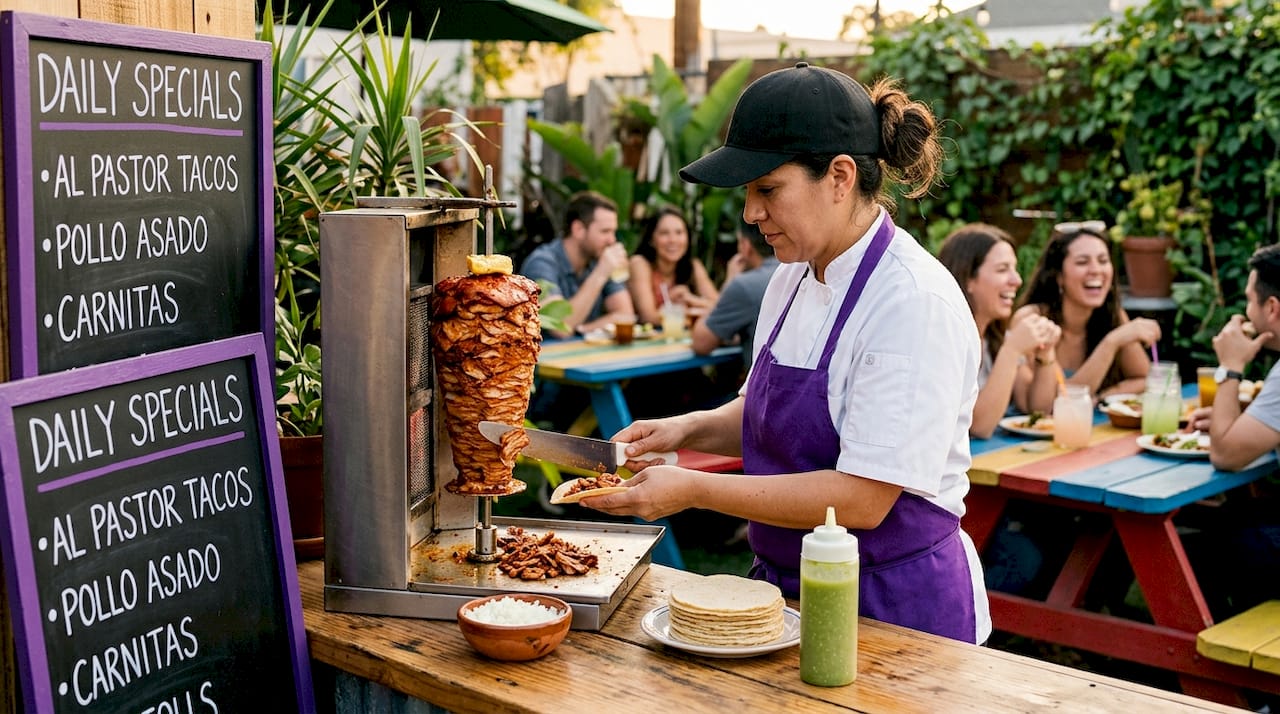
Indian-Mexican crossovers are arguably even more exciting. Fusion foods blending Indian and Mexican cuisine attract customers specifically because both traditions share a deep love of spice layering, legumes, and slow cooking. Mole-spiced dal, paneer tacos with salsa verde, and achiote-marinated tempeh served in corn tortillas all sit at this intersection naturally. The plant-based angle is particularly strong here, appealing to vegetarians and flexitarians across both communities.
Middle Eastern crossovers extend beyond tacos árabes too. Za’atar dusted quesadillas, harissa-spiked guacamole, and pomegranate-finished ceviche are showing up on menus that understand their culinary geography.
4. Market growth driving restaurant and product innovation
The numbers behind Mexican food’s global popularity are not subtle. The Mexican food market is projected to grow by USD 124.80 billion between 2025 and 2030, at a 6.5% compound annual growth rate. That kind of sustained expansion shapes everything from ingredient sourcing decisions to kitchen equipment investments.
| Driver | Impact on Mexican food in 2026 |
|---|---|
| Digital ordering platforms | 25% increase in repeat orders through online channels |
| Food price inflation | 4.6% rise in away-from-home dining costs, pushing premium positioning |
| Taco price increases | Average taco prices rising to justify premium ingredients |
| Authenticity demand | Consumers choosing restaurants based on sourcing transparency |
“Mexican food trends in 2026 reflect a balance between tradition and innovation, with an emphasis on health, flavour, and authentic heritage.” — Hospitality News Magazine
The digital dimension deserves particular attention. Younger diners discover restaurants through social media first, order through apps second, and may never walk through a physical door to begin with. Restaurants that pair strong product storytelling with digital convenience are capturing loyalty that traditional marketing cannot buy.
5. Nixtamalization and the return to ancient technique
There is something almost counter-cultural about one of the biggest 2026 Mexican cuisine styles: the revival of a 3,500-year-old corn preparation method. Nixtamalization, the alkaline soaking process that transforms dried corn into masa, is getting serious attention at high-end dining establishments and ambitious taquerias alike.
The process does more than improve flavour, though the flavour improvement is dramatic. Nixtamalization increases the bioavailability of niacin, softens the corn pericarp, and unlocks a mineral depth that instant masa powder simply cannot replicate. Chefs working with authentic nixtamalization processes are producing tortillas, tamales, and tlayudas with a complexity that reminds diners what these dishes tasted like before industrial shortcuts took over.
For home cooks, dried corn from heritage varieties like Oaxacan black corn or blue corn from Oaxaca is increasingly available through specialty importers and online retailers. The process takes overnight soaking and some practice, but the results justify every minute.
6. Visual and experiential dining trends
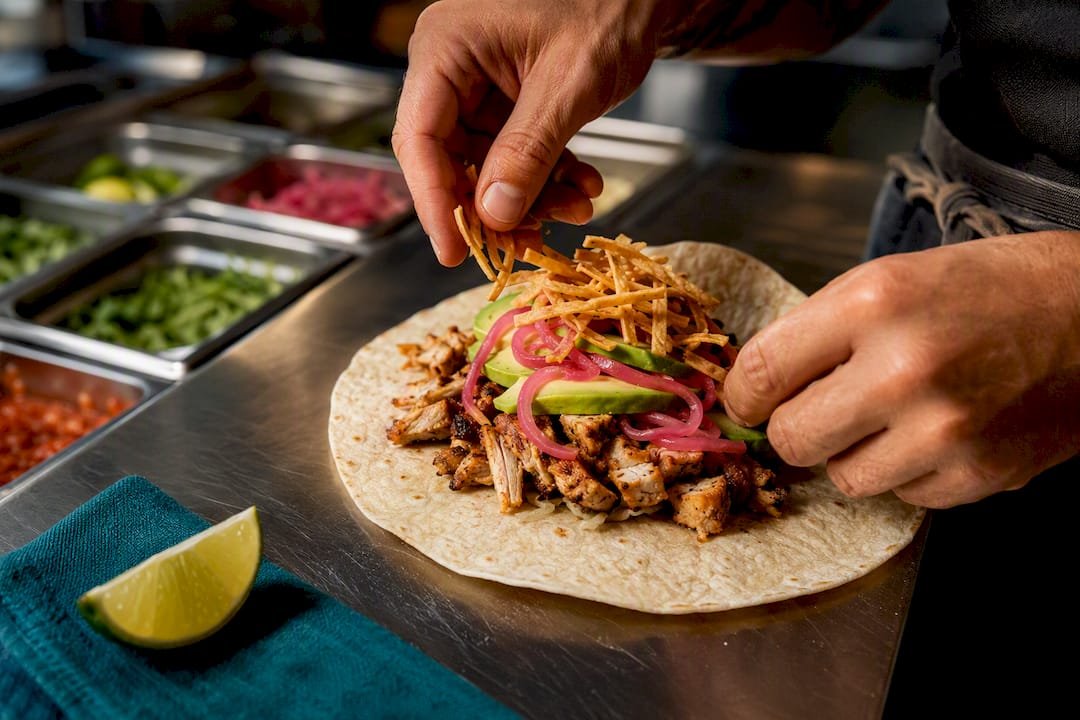
The most photographed taco in 2026 is not necessarily the most traditionally assembled one. Popular Mexican dishes 2026 are being designed with a dual audience in mind: the person eating and the followers watching. That is not cynicism. It is an acknowledgement that social media shareability has become a genuine factor in how chefs plate and how diners choose where to eat.
- Colourful artisanal tortillas made with botanical infusions photograph beautifully and communicate craft before a single bite
- Seasoned rims on taco shells dusted with “swicy” (sweet and spicy) blends create textural contrast and visual interest
- Deconstructed presentations that arrive tableside for assembly, giving diners an active role in the experience
- Premium frozen and meal kit formats that replicate restaurant quality at home, using pre-made nixtamal tortillas and slow-cooked proteins
Heirloom ingredients are central to the experiential push too. Restaurants sourcing Oaxacan pasilla chilies, heirloom tomatillos, and heritage breed pork are using provenance as a storytelling tool. The dish description becomes part of the experience before the food arrives.
Pro Tip: If you want to practise authentic Mexican cooking at home, start with a step-by-step taco guide that covers technique, ingredient sourcing, and assembly. Getting the process right matters more than having exotic ingredients.
My honest take on where Mexican food is heading
I have been watching food trends long enough to know that most of them are repackaging. What strikes me about the upcoming Mexican food trends for 2026 is that the most compelling ones are actually about recovery, not invention. Nixtamalization is ancient. Fermented masa is ancient. Tacos árabes have been on the streets of Puebla for generations. What is “new” is that the broader dining world is finally paying attention.
The fusion category is where I would urge some caution. Indian-Mexican mashups work because the culinary logic is sound, but I have seen plenty of trend cycles where “fusion” becomes a cover for sloppy cooking that disrespects both source traditions. The test I would apply is simple: does the person cooking this dish understand both cuisines deeply, or are they just placing one on top of the other? The answer usually shows in the first bite.
On the health reformulation front, I think the shift is real and durable. Consumers are not just requesting better ingredients as a preference anymore. They are treating it as a minimum standard. Restaurants that still treat gluten-free or plant-based options as an afterthought are going to feel that in their numbers before long.
What genuinely excites me is the tortilla moment. Something that was treated as disposable wrapping is now the conversation. That is a real shift in how we value the craft in this cuisine. And for what it is worth, understanding what authentic Mexican food really means in a Canadian context is a conversation worth having at every level of the industry.
— Austin
Taste 2026 trends at Burritosplendido
If reading about these Mexican restaurant trends has you hungry, you do not need to wait for a trend to reach your city. Burritosplendido has been living several of these values since 2012, pressing tortillas from Manitoba flour daily, slow-cooking proteins in-house, and building menus around locally sourced, transparent ingredients.
Whether you want to explore customisable bowls and burritos that let you build around your own dietary needs, or you are planning an event and want authentic flavours handled properly, Burritosplendido’s catering service brings that same from-scratch commitment to your table. Fresh, local, and done right. Visit any Winnipeg or Brandon location to see what these trends taste like when they are grounded in real ingredients.
FAQ
What is the biggest Mexican food trend in 2026?
Couture tortillas are the standout trend, with fermented sourdough and botanical-infused varieties being treated as centrepiece ingredients rather than simple wrappers. Artisan preparation techniques and visual presentation are elevating the tortilla from background element to headline dish.
Are Mexican food fusions in 2026 worth trying?
Yes, particularly tacos árabes and Indian-Mexican crossovers, which are built on shared spice traditions and culinary logic rather than novelty. These fusions have genuine cultural roots and deliver on flavour, not just concept.
How is health changing Mexican restaurant menus?
Menus are being reformulated with higher protein, more fibre, and reduced sugar, while traditional cooking methods like slow braising and nixtamalization are being emphasised for both flavour and nutritional value. Gluten-free and plant-based options have moved from optional add-ons to core menu categories.
Why are taco prices rising in 2026?
Economic pressures have pushed taco prices higher, prompting taquerias to justify the cost by sourcing premium ingredients and creating more creative, complex combinations rather than cutting corners.
What does nixtamalization mean and why does it matter now?
Nixtamalization is the traditional alkaline corn soaking process that unlocks authentic Mexican flavour, improves nutrition, and creates the proper masa texture for tortillas and tamales. It is seeing renewed interest in high-end dining as chefs and consumers return to foundational techniques over industrial shortcuts.