Most Canadians have eaten “Mexican food” dozens of times without ever tasting what authentic Mexican cuisine actually is. That gap is not about access or effort. It is about a widespread misunderstanding: the idea that authentic Mexican cuisine is a fixed category, a checklist of dishes you either get right or get wrong. The truth is far more interesting. Authentic Mexican cuisine is a living heritage, shaped by communities, land, centuries of agricultural knowledge, and the hands of cooks who learned from their mothers and grandmothers. This guide will show you what that really means and why it matters to every Canadian food lover who wants to eat well and eat honestly.
Table of Contents
- Understanding Mexican cuisine as a living heritage
- The role of nixtamalization and ingredient quality in authentic Mexican dishes
- Why authenticity is not a fixed recipe but a living tradition with regional diversity
- Applying authenticity in Canada: finding and appreciating real Mexican cuisine
- Core Mexican dishes and their cultural significance
- Why authenticity in Mexican cuisine is about evolving tradition, not rigid rules
- Experience authentic Mexican cuisine with Burrito Splendido in Canada
- Frequently asked questions
Key Takeaways
| Point | Details |
|---|---|
| Authentic Mexican cuisine is a living heritage | It reflects community traditions, sustainable practices, and intergenerational knowledge, not a fixed recipe. |
| Nixtamalization shapes true flavour | Traditional corn processing gives tortillas and masa their iconic taste and texture essential to authenticity. |
| Multiple regional styles coexist | Authenticity includes diverse, evolving regional dishes and adaptations across Mexico and communities. |
| Authenticity means respect and process | In Canada, authentic Mexican food is about honoring traditional techniques and sourcing quality local ingredients. |
| Embrace culinary evolution | Authentic Mexican cuisine continues to grow and adapt while preserving its cultural essence and values. |
Understanding Mexican cuisine as a living heritage
To grasp what is authentic Mexican cuisine, you need to start somewhere most food writing skips entirely: the UNESCO recognition. Traditional Mexican Cuisine was inscribed on UNESCO’s Intangible Cultural Heritage list as a living heritage shaped by intergenerational knowledge. That is a meaningful distinction. UNESCO was not simply honouring a collection of recipes. It was recognising a web of practices involving sustainability, community bonds, agricultural wisdom, and cultural identity.
“Traditional Mexican cuisine is a comprehensive cultural model comprising farming, ritual practices, age-old skills, culinary techniques and ancestral community customs and manners.” — UNESCO
What this means practically is that authenticity in Mexican cuisine is not located in a single dish or a particular ingredient. It lives in the relationship between a cook, her community, and the land around her. Women have historically been the primary keepers of these traditions, passing knowledge through observation and practice, not cookbooks.
Understanding authentic Mexican food for Canadians starts with accepting this framing. When you eat a bowl of pozole made according to a family’s generations-old method, you are not just eating hominy and pork. You are participating in a living cultural practice. That is a very different thing from a packaged spice blend labelled “Mexican seasoning.”
The role of nixtamalization and ingredient quality in authentic Mexican dishes
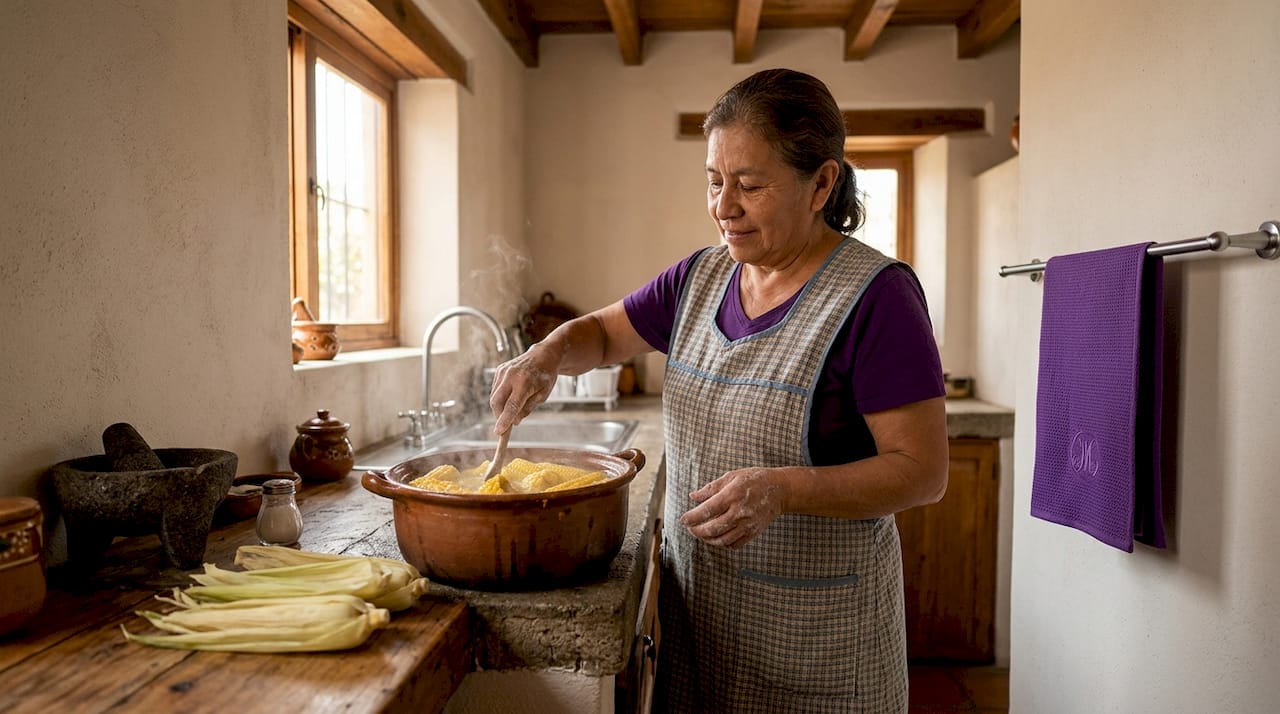
Authenticity also hinges on foundational ingredient techniques, and none is more important than nixtamalization. This is the ancient process at the heart of real tortillas, tamales, and masa-based dishes. Understanding it will change how you evaluate every tortilla you ever eat.
Nixtamalization cooks and soaks corn with an alkaline solution, traditionally wood ash or calcium hydroxide (slaked lime), before the corn is rinsed and ground into masa. Here is what that process actually does, step by step:
- Dried corn kernels are added to water with calcium hydroxide and brought to a simmer.
- The mixture cooks for 30 to 60 minutes, during which the outer pericarp of the kernel softens and detaches.
- The corn rests in the cooking liquid for 8 to 12 hours, absorbing the alkaline solution.
- After resting, the corn is drained, rinsed thoroughly, and ground into masa.
- The resulting dough is pressed and cooked on a comal (a flat griddle), producing the characteristic colour, aroma, and pliability of a real corn tortilla.
Without nixtamalization, corn products are bland, brittle, and nutritionally inferior. The process actually releases niacin (vitamin B3) locked inside the corn, which is why populations that abandoned nixtamalization historically developed pellagra. Flavour and nutrition are inseparable here.
Pro Tip: When evaluating tortillas at a restaurant or market, look for a slight greyish-beige colour, a subtle earthy aroma, and enough flexibility to fold without cracking. Bright white, flavourless tortillas are almost certainly made from commercial masa flour that skipped or shortened the nixtamalization process.
If you want to go deeper on making authentic Mexican tacos at home, starting with nixtamalized masa is the single most impactful decision you can make.
Why authenticity is not a fixed recipe but a living tradition with regional diversity
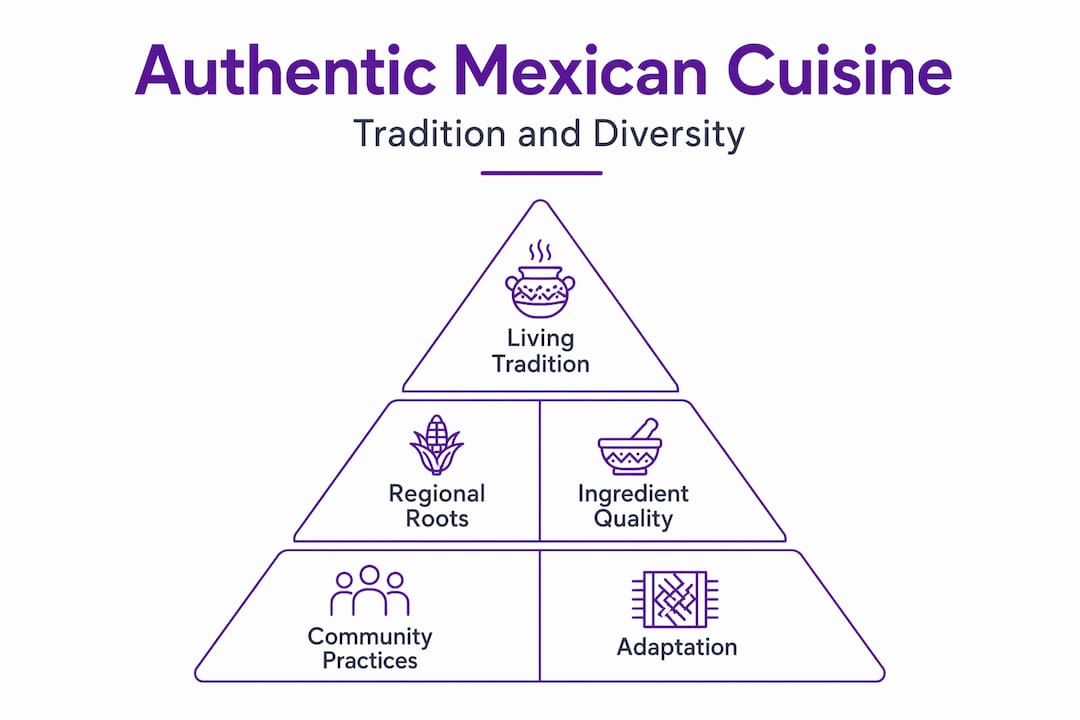
Here is where the conversation gets more nuanced. Knowing the ingredient roots helps, but understanding authenticity means looking at how traditions evolve and vary across Mexico and its communities.
Food historians are clear on this point: authentic Mexican food includes regional varieties and adaptations, including borderland cuisines like Tex-Mex, that reflect real culinary histories and communities. This is not a concession to lowered standards. It is an honest reading of how food actually works.
Consider tacos al pastor. They evolved from Lebanese immigrants who brought shawarma techniques to Puebla and Mexico City in the early 20th century. The vertical spit, the marinade, the concept itself, all arrived with those immigrant communities. Today, tacos al pastor are considered quintessentially Mexican. They are not less authentic for their origins. They are an example of how cuisine absorbs and transforms influences into something genuinely its own.
Here is a quick comparison of how authenticity markers differ across major Mexican culinary traditions:
| Tradition | Core markers | Regional identity |
|---|---|---|
| Central Mexican | Nixtamalized masa, mole, chiles | Mexico City, Puebla, Oaxaca |
| Yucatecan | Achiote, citrus, cochinita pibil | Yucatan Peninsula |
| Northern Mexican | Flour tortillas, grilled meats, cheese | Chihuahua, Sonora |
| Tex-Mex | Cumin-forward, shredded cheese, fajitas | US-Mexico borderlands |
| New Tejano | Fusion of Indigenous, Spanish, Mexican, Southern US | Texas communities |
Key things to keep in mind when evaluating authentic Mexican food meanings across these traditions:
- Oaxacan cuisine uses specific local chiles (pasilla negro, chile de agua) that are not found in northern Mexican cooking.
- Northern Mexico popularised flour tortillas because wheat grew better in those drier climates, a practical adaptation that became a regional identity.
- Celebrations and seasonal rituals determine when and how dishes appear, giving them cultural weight beyond their ingredients.
Expecting one fixed, “correct” version of Mexican cuisine erases this entire history. Authenticity is about understanding which tradition a dish belongs to and whether it honours that tradition’s values.
Applying authenticity in Canada: finding and appreciating real Mexican cuisine
With clarity on living traditions and diversity, here is how you can seek and enjoy authentic Mexican cuisine right here in Canada.
The most reliable signals of authenticity are not decorative. They are operational. Authentic Mexican cuisine in Canada is best recognised by respect for traditional processes, sustainable and local sourcing, and community connection. Watch for these markers:
- Tortillas that are pressed in-house or sourced from a producer using nixtamalized masa, not pre-made flour wraps.
- Proteins that are slow-cooked (braised, pulled, marinated overnight) rather than simply seasoned and grilled to order.
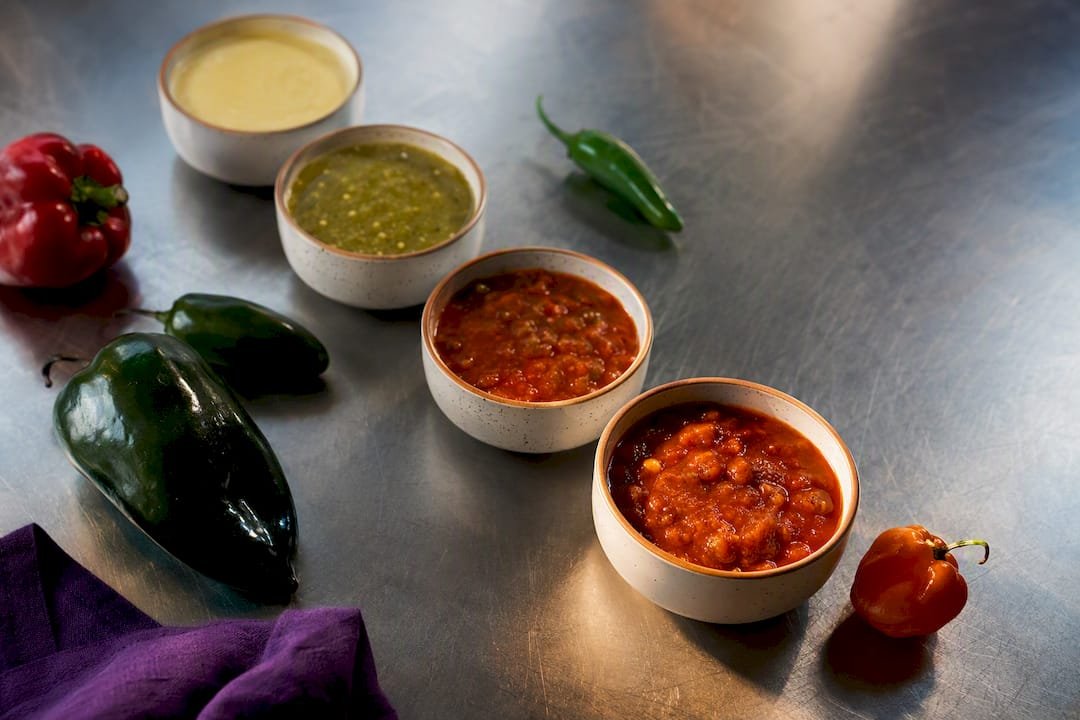
- House-made salsas using whole dried chiles, not bottled sauces or pre-mixed powders.
- Menus that name regional dishes specifically (barbacoa, carnitas, cochinita pibil) rather than generic “Mexican seasoning” descriptions.
- Cooks or owners who can speak to where specific techniques or dishes come from.
Pro Tip: Ask about the tortillas. A restaurant that makes its own tortillas daily or sources them from a local nixtamalized-masa producer takes ingredient quality seriously across the board. That commitment rarely stops at the tortilla.
For Canadian food lovers in Manitoba specifically, authentic Mexican dishes for Manitoba can be found when you know what signals matter. And if you want a structured way to evaluate what you find, a solid Winnipeg Mexican restaurant checklist will help you ask the right questions.
Core Mexican dishes and their cultural significance
Recognising key dishes and their rooted traditions enriches your understanding of what authentic Mexican cuisine represents culturally and culinarily.
A few dishes worth knowing deeply:
- Mole: Not one sauce but an entire category, with versions varying dramatically by region. Mole negro from Oaxaca uses charred chiles and dark chocolate. Mole amarillo is lighter and used in everyday Oaxacan cooking. Mole poblano from Puebla is what most Canadians picture. Mole and tacos al pastor are deeply regional and culturally layered dishes, each with countless versions considered authentic to their origins. There is no “best” mole. There are only versions that honour their specific tradition well.
- Tacos al pastor: A living example of culinary migration. Lebanese immigrants adapted shawarma into something entirely new in central Mexico. Today it is inseparable from Mexico City’s street food culture.
- Tamales: Eaten during Day of the Dead, Christmas, and family celebrations. The specific filling, masa thickness, and wrapping (corn husk vs. banana leaf) all communicate regional and familial identity.
- Tlayudas: A Oaxacan flatbread dish that most Canadians have never encountered, made with a specific dried corn tortilla base, beans, and regional cheese. It signals how much of authentic Mexican cuisine remains largely invisible to Canadian diners.
Here is a look at how some dishes map to their cultural roots:
| Dish | Region of origin | Cultural occasion |
|---|---|---|
| Mole negro | Oaxaca | Weddings, Day of the Dead |
| Tacos al pastor | Mexico City / Puebla | Everyday street food |
| Cochinita pibil | Yucatan | Family celebrations |
| Pozole | Guerrero / Central Mexico | New Year, national holidays |
| Chiles en nogada | Puebla | Mexican Independence (September) |
Explore more about authentic Mexican burrito styles and how they fit within this broader cultural picture.
Why authenticity in Mexican cuisine is about evolving tradition, not rigid rules
Here is the perspective most food writing avoids because it complicates a clean narrative: demanding a single “authentic” version of Mexican cuisine is itself a kind of cultural misunderstanding.
Food is a living tradition; it evolves with migration, adaptation, and community needs. When communities move, they carry their culinary knowledge with them and adapt it to available ingredients and new neighbours. That process does not corrupt authenticity. It continues the cultural story. Every generation of Mexican cooks has done exactly this.
The uncomfortable implication for Canadian food lovers is this: policing authenticity based on a single reference point (usually the most famous or commercially visible version of a dish) actually does harm. It flattens a rich, diverse culinary culture into a caricature. It makes Oaxacan cuisine invisible. It dismisses borderlands cooking as inferior. And it privileges the cuisine most often featured in mainstream media over the versions that real communities eat and honour.
What we at Burrito Splendido believe, and what we try to put into practice every day, is that respect for process is the real marker of authenticity. Are the proteins slow-cooked with care? Are the tortillas made from quality corn, pressed fresh, and cooked to order? Are the ingredients sourced with intention? Those questions matter more than whether a dish matches some fixed historical reference.
Authentic Mexican food meanings are best understood through the lens of relationship: cook to community, ingredient to land, tradition to present moment. When you eat with that awareness, the food tastes different. Better, honestly.
Experience authentic Mexican cuisine with Burrito Splendido in Canada
Having explored what authenticity means, here is how Burrito Splendido puts these principles to work in Manitoba every single day.
We source 100% Manitoba-produced flour for our house-pressed tortillas, use slow-braised proteins like Carnitas, Barbacoa, and Adobo Chicken cooked and hand-pulled in-house, and partner with local producers including Granny’s Chicken, Bothwell Cheese, and Peak of the Market. Our kitchen operates entirely from scratch, with no deep fryer in sight. Our Mexican catering services bring the same commitment to fresh, locally sourced ingredients to events across Manitoba. Want to go deeper on regional styles? Our authentic Mexican burrito styles guide covers the traditions behind what we serve. You can also learn more about the local ingredients in Mexican food that make our approach different.
Frequently asked questions
What makes Mexican cuisine ‘authentic’?
Authentic Mexican cuisine is defined by its connection to traditional community practices, sustainable ingredient sourcing, preparation techniques like nixtamalization, and respect for regional variations. Authenticity aligns with community-held practices rather than a single rigid recipe or dish list.
Is there only one authentic Mexican dish or style?
No; Mexican cuisine includes many authentic regional variations and community adaptations. Multiple versions can be authentic to their communities, including regional adaptations and innovations that reflect evolving culinary histories.
How can Canadians find authentic Mexican food locally?
Look for restaurants that respect traditional techniques, use nixtamalized corn masa or reputable suppliers, and source fresh local ingredients with intention. Authenticity and sustainability align when cooking connects thoughtfully with available local and seasonal agricultural knowledge.
Why is nixtamalization important for authenticity?
Nixtamalization develops the deep corn flavour and proper texture that define traditional Mexican masa, tortillas, and tamales. Without it, corn products lack the flavour and elasticity that make these staples genuinely Mexican.
Can Mexican cuisine evolve and still be considered authentic?
Yes; Mexican cuisine is a living tradition that changes with migration, ingredient availability, and community needs. Evolving dishes remain authentic to their communities, and adaptation has always been part of how this cuisine carries its story forward.