Planning a Mexican buffet sounds straightforward until you realise how many decisions actually go into it. The types of Mexican buffet options available today span everything from casual build-your-own taco stations to elegant plated service with mole poblano and slow-braised barbacoa. Whether you are organising a family reunion, a corporate lunch, or a milestone birthday, the format you choose shapes the entire guest experience. This guide walks you through the key styles, practical setup considerations, and the questions you need to answer before you book a caterer or start cooking.
Table of Contents
- Key takeaways
- 1. Criteria for choosing the right Mexican buffet style
- 2. Build-your-own taco and fajita buffets
- 3. Traditional plated Mexican buffet options
- 4. Street-style taco and antojito stations
- 5. Burrito bowl and naked bowl stations
- 6. Mexican dessert and beverage buffet selections
- 7. Vegetarian and vegan Mexican buffet menus
- 8. Comparing Mexican buffet options by event type
- My honest take on choosing between buffet styles
- Bring your Mexican buffet to life with Burritosplendido
- FAQ
Key takeaways
| Point | Details |
|---|---|
| Match format to occasion | Build-your-own stations suit casual gatherings; plated service fits formal events better. |
| Protein quality is non-negotiable | Well-seasoned carnitas, barbacoa, and adobo chicken are the foundation of any successful Mexican buffet. |
| Flow design prevents chaos | Arrange the buffet in logical sequence, from plates to tortillas, proteins, sides, and drinks, to keep lines moving. |
| Dietary inclusion wins guests over | Vegetarian and vegan options like black bean tacos expand appeal and keep all guests satisfied. |
| Desserts need precise timing | Delicate items like flan require careful unmoulding just before service to preserve texture and presentation. |
1. Criteria for choosing the right Mexican buffet style
Before you commit to a particular format, a few practical factors will narrow your choices quickly.
Guest count and event scale. A build-your-own station works beautifully for 20 to 200 guests, but a menu for 20 guests feels very different from feeding 150 people at a wedding reception. Larger events demand more stations, more warmth equipment, and more staff to replenish trays without creating bottlenecks.
Dietary preferences. A buffet that ignores vegetarian and vegan guests is a missed opportunity. Vegetarian and vegan options like vegetable enchiladas and black bean tacos are not afterthoughts; they are increasingly what guests expect as a baseline.
Budget range. Casual self-serve formats generally cost less to operate because they require fewer service staff. Premium plated options require trained servers and more complex kitchen logistics, which adds to the overall cost.
Service style preferences:
- Self-serve build-your-own stations for relaxed, interactive dining
- Staffed carving or protein stations for a mid-range elevated feel
- Fully plated service for formal seated dinners
- Hybrid formats combining stations with plated starters
Ambience and interaction. A communal Mexican feast naturally encourages relaxed social interaction in a way that a formal European plated service simply does not. If your event goal is connection and conversation, the format you choose should support that.
Pro Tip: Ask your caterer about locally sourced ingredients before finalising the menu. Fresh, regional produce and locally raised proteins always outperform pre-packaged alternatives in both flavour and guest impression.
2. Build-your-own taco and fajita buffets
This is the most popular format for good reason. It gives guests control, accommodates nearly every dietary need, and creates an energy in the room that plated service rarely matches.
The core components of a well-run build-your-own station include:
- Tortillas: Flour and soft corn varieties, kept warm in insulated holders or folded in clean towels
- Proteins: Slow-braised carnitas, adobo chicken, and shredded barbacoa are the classic trio; a grilled vegetable option rounds things out
- Sides: Mexican rice, black beans, and refried beans
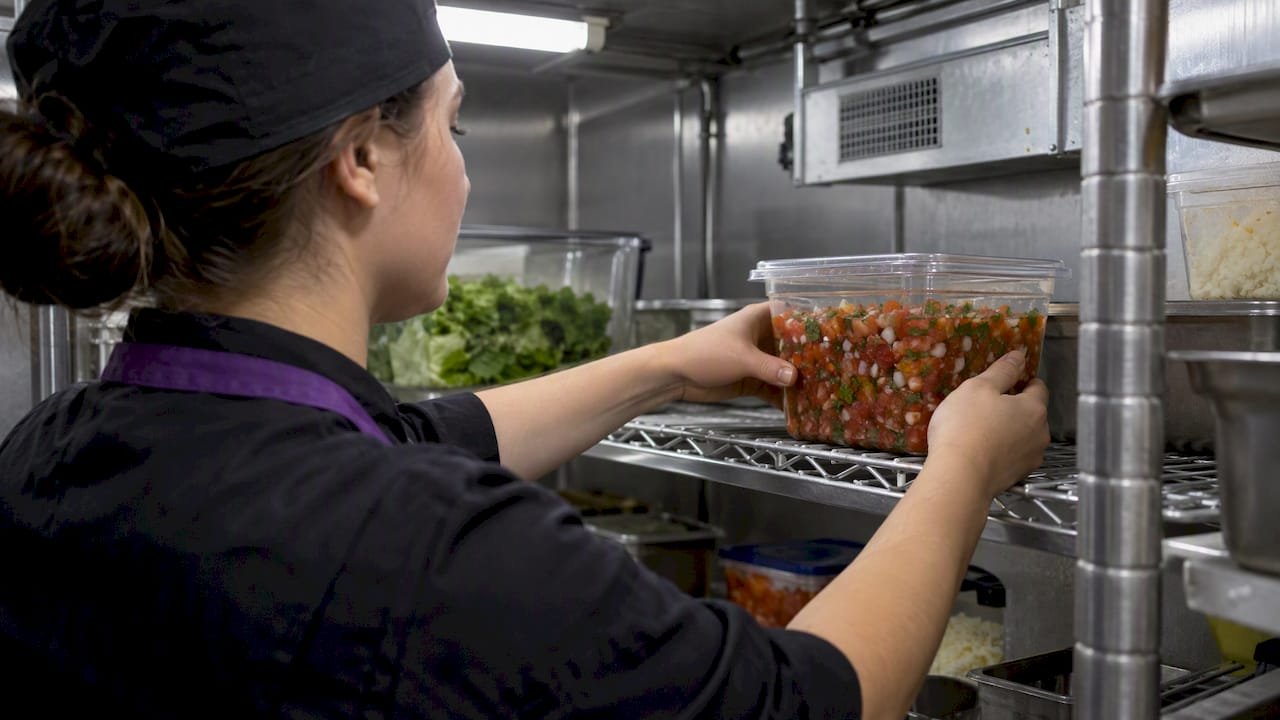
- Salsa bar: Salsa roja, salsa verde, and fresh pico de gallo, each labelled for heat level
- Garnishes: Shredded cheese, sour cream, guacamole, pickled jalapeños, fresh cilantro, and lime wedges
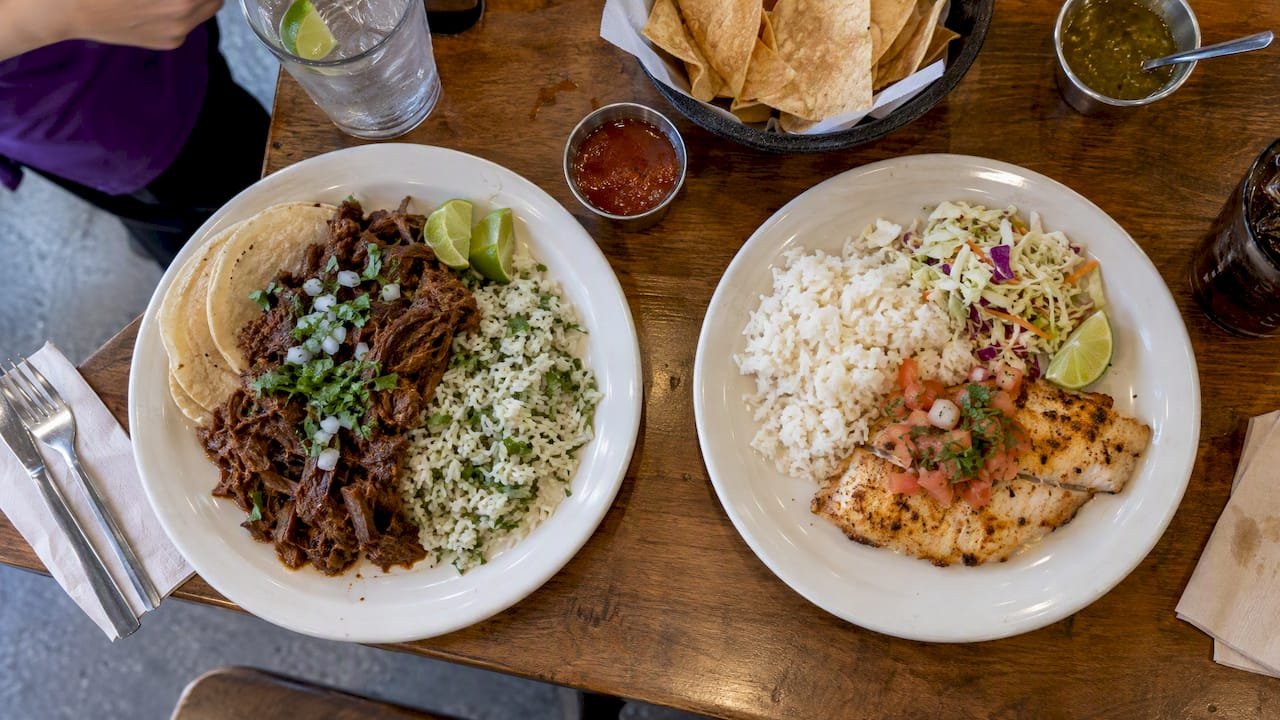
High-quality seasoned meats like carnitas and barbacoa, paired with fresh bright accompaniments, are at the heart of what makes this style so satisfying. Guests sense immediately whether corners were cut on the protein.
Setup flow matters enormously here. A logical buffet sequence starts with plates and warm tortillas at the beginning of the line, followed by proteins, sides, the salsa bar, and garnishes, with drinks placed entirely separately from the food line. This single change reduces queue congestion noticeably at larger events.
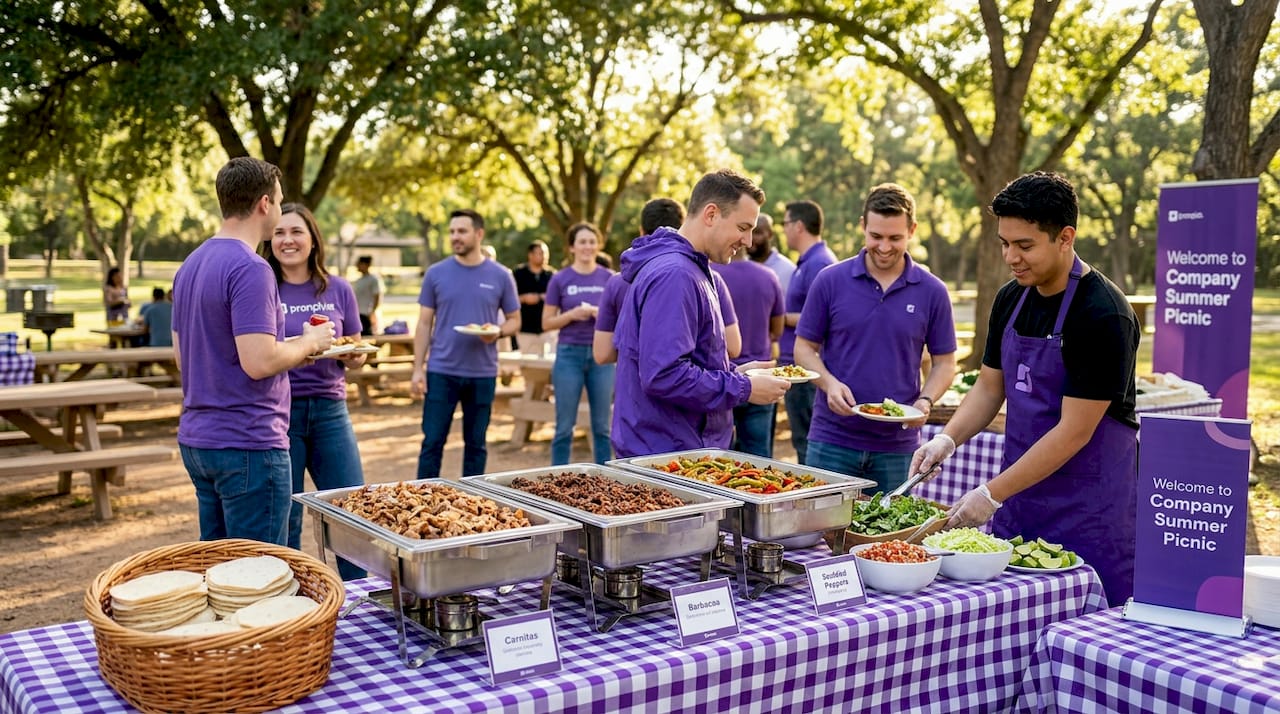
For more detail on building a taco station properly, the taco assembly guide from Burrito Splendido breaks the process down step by step.
Pro Tip: Pre-batch your guacamole in smaller portions and replenish frequently rather than setting out one large bowl. Guacamole oxidises quickly once exposed to air, and a fresh green bowl looks far more appetising than a browning one.
3. Traditional plated Mexican buffet options
A plated Mexican buffet feels entirely different from a self-serve station. Guests are seated, servers bring courses, and the kitchen controls portion size and presentation. For corporate dinners and formal occasions, this format communicates polish.
Classic plated choices include:
- Mole poblano over chicken or turkey, a dish that rewards proper preparation with chocolate, dried chiles, and spice depth
- Enchiladas verdes with tomatillo sauce and melted cheese
- Barbacoa served alongside a cumin-scented rice and charred corn salsa
- Chiles rellenos stuffed with cheese or a meat mixture and topped with tomato sauce
Formal plated service offers elegance and refinement, but it does limit guest customisation compared to communal formats. If your guest list includes strong dietary preferences or restrictions, plated service requires much more pre-event communication to get right.
The trade-off is real, and worth understanding before you commit. Plated service typically requires at least one trained server for every 10 to 15 guests, which pushes up the labour cost significantly. It suits smaller corporate dinners of 30 to 60 guests far better than it suits large open parties.
Pairing suggestions that work well in a plated format include agua fresca as a welcome drink, a shared guacamole starter, and a dessert of flan or tres leches cake served individually plated rather than buffet-style.
4. Street-style taco and antojito stations
Street-style Mexican buffets take the build-your-own concept and focus it specifically on small-format, handheld dishes. Antojitos, which translates loosely as “little cravings,” include items like sopes, tostadas, elotes (grilled corn), and mini quesadillas alongside classic street tacos.
This format works exceptionally well for cocktail parties, outdoor summer events, and receptions where guests are standing and mingling. Portions are small, so guests naturally try more dishes, which extends the meal experience and keeps people engaged.
A street-style station typically features soft corn tortillas with a choice of two or three proteins, topped simply with white onion, fresh cilantro, and salsa verde. The restraint is the point. Authentic street tacos are not loaded with toppings. They rely on the quality of the meat and the salsa.
For an event in Manitoba, incorporating regional proteins like pickerel or whitefish into a street-style station adds a genuinely local dimension to what is already a crowd-pleasing format. Burrito Splendido has done exactly this with their seasonal Manitoba whitefish tacos, proving that authentic Mexican technique and local Canadian ingredients are not mutually exclusive.
5. Burrito bowl and naked bowl stations
Not every guest wants to eat with their hands, and the burrito bowl format solves that elegantly. Everything that goes into a burrito or taco is arranged in a bowl over a base of rice or lettuce, giving guests a fork-and-knife option without a separate menu entirely.
Bowl stations are particularly popular for corporate event catering because they feel tidy, portioned, and professional. Guests build their bowl by moving down the line: base, protein, beans, salsa, toppings. It is orderly, fast, and leaves very little mess.
The health-conscious appeal is real too. Guests who are following gluten-free, keto, or high-protein diets can easily navigate a bowl station without feeling singled out. Offering a cauliflower rice or lettuce base alongside regular Mexican rice gives those guests a genuine choice rather than a compromise.
6. Mexican dessert and beverage buffet selections
Dessert is often treated as a footnote to Mexican buffet planning. That is a mistake. A well-executed dessert and drink station is frequently what guests remember most.
Classic dessert choices include:
- Churros served warm with dark chocolate dipping sauce and a dusting of cinnamon sugar
- Tres leches cake portioned into individual cups for easy buffet service
- Flan presented whole and flipped onto serving plates just before guests arrive to preserve the caramel glaze and prevent the custard from weeping
Beverage options that complement a Mexican buffet well include traditional horchata, fruit-forward agua fresca in flavours like hibiscus (jamaica) or tamarind, fresh-squeezed limonada, and for adult events, classic margaritas and Mexican lagers. Drink stations placed entirely apart from the food line keep traffic moving and reduce congestion considerably.
Pro Tip: Set up your dessert and drink station to open 20 minutes after the main buffet, rather than simultaneously. This staggers the crowd naturally and keeps both areas manageable throughout the event.
7. Vegetarian and vegan Mexican buffet menus
A fully vegetarian or vegan Mexican buffet is far less limiting than it sounds. Mexican cuisine has an extraordinarily deep vegetable and legume tradition that predates the widespread use of meat in the post-colonial period.
A plant-forward Mexican buffet can feature smoky chipotle black bean tacos, roasted sweet potato and poblano pepper fajitas, mushroom and epazote quesadillas, and a hearty rice and lentil bowl. None of these feel like substitutions. They stand on their own as dishes.
For events where the guest list is mixed, the smartest approach is to build your buffet around a vegetarian base and add proteins as additions rather than leading with meat. This makes the vegetarian and vegan guests feel genuinely included rather than accommodated as an afterthought, and it often reduces your per-head food cost as well.
8. Comparing Mexican buffet options by event type
Use this table as a quick reference when matching a buffet format to your specific occasion.
| Buffet style | Best event type | Dietary flexibility | Cost range | Guest interaction |
|---|---|---|---|---|
| Build-your-own taco/fajita | Family gatherings, casual parties | High | Moderate | High |
| Traditional plated service | Corporate dinners, formal occasions | Low unless pre-planned | High | Low |
| Street-style antojito station | Cocktail receptions, outdoor events | Moderate | Moderate | High |
| Burrito bowl station | Corporate lunches, health-focused events | High | Moderate | Moderate |
| Vegetarian/vegan buffet | Mixed dietary groups, wellness events | Very high | Low to moderate | Moderate to high |
| Dessert and beverage station | Add-on to any main buffet | High | Low | Moderate |
The most common mistake in planning a Mexican buffet is choosing a format based on personal preference rather than the actual needs of the guest list. A beautiful plated mole service falls flat when half your guests wanted to load up their own tacos and keep the conversation going.
My honest take on choosing between buffet styles
I have seen every format succeed and fail, sometimes at the same type of event. What I have learned is that the build-your-own style wins on guest engagement almost every single time. There is something about assembling your own plate that gets people talking, comparing choices, and asking each other what salsa they picked. Plated service is elegant, but it is passive. Guests sit and wait. That energy is hard to overcome, regardless of how good the food is.
That said, I have also seen build-your-own stations collapse into chaos when the setup was not thought through. Proteins running out midway, the guacamole bowl sitting empty while the line keeps moving, drinks placed directly beside the food so the whole line stalls. The format only works when the logistics are tight.
My practical advice: if you are feeding more than 40 guests, invest in a second protein station rather than a longer single line. And always prepare slow-cooked meats well in advance. Carnitas and barbacoa actually improve when braised a day ahead and reheated gently in their own juices. Freshness is not about cooking everything at the last minute. It is about using quality ingredients and treating them well.
— Austin
Bring your Mexican buffet to life with Burritosplendido
If you are ready to stop planning and start eating, Burritosplendido makes the whole process far simpler than it sounds. Their catering service is built around exactly the formats covered in this article, from fully stocked build-your-own taco bars to customisable bowl stations, all prepared fresh using locally sourced Manitoba ingredients.
Every protein, from hand-pulled carnitas to slow-braised barbacoa and adobo chicken, is prepared in-house daily. Tortillas are pressed using 100% Manitoba-produced flour. Cheese comes from Bothwell. Produce comes through Peak of the Market. For groups with mixed dietary needs, Burritosplendido offers extensive gluten-free, vegan, and vegetarian options as standard, not as special requests. Whether you are planning a family gathering, a corporate lunch, or a large reception, their team can help you build a fresh, healthy menu that fits your guest count, your occasion, and your budget.
FAQ
What are the most popular types of Mexican buffet options?
Build-your-own taco and fajita stations are the most popular format, followed by burrito bowl stations and street-style antojito spreads. Each offers a different level of guest interaction and dietary flexibility.
How many proteins should a Mexican buffet include?
Most successful Mexican buffets include two to three proteins, such as carnitas, adobo chicken, and a vegetarian option. This covers the majority of dietary preferences without overcomplicating the setup.
What Mexican desserts work best for a buffet?
Churros, tres leches cake in individual portions, and flan are the top choices. Flan should be unmoulded just before guests arrive to keep the caramel intact and the texture firm.
Is a plated Mexican buffet suitable for corporate events?
Yes, plated service works well for formal corporate dinners of 30 to 60 guests. It requires more staffing than self-serve formats but delivers a polished, controlled dining experience suited to professional settings.
How do I keep a build-your-own buffet from running out of food mid-event?
Prepare proteins in larger batches than you think you need and keep reserve portions warm in a separate holding area. Advance preparation of slow-cooked meats like carnitas and barbacoa makes replenishing fast and stress-free.