Healthy fast casual dining in 2026 is defined by protein-forward menus, nutritional transparency, and locally sourced ingredients that deliver real flavour without compromise. Mediterranean cuisine leads this charge with sales growth up to 41%, while the broader fast casual segment is projected to grow by USD 97.2 billion between 2026 and 2030. GLP-1 weight-loss medications now shape what one in eight adults orders, pushing operators toward smaller, nutrient-dense portions. Understanding these shifts helps you make smarter choices every time you eat out.
1. What are the healthy fast casual trends 2026 leaders?
Mediterranean cuisine is the single fastest-growing healthy category in fast casual dining right now. Top Mediterranean chains are reaching per-unit sales of nearly $2.93 million, a figure that reflects genuine consumer appetite rather than marketing hype. The appeal is straightforward: olive oil, grilled proteins, fresh vegetables, and legumes deliver flavour and satiety in one bowl.
Plant-forward global flavours are gaining ground alongside Mediterranean options. Diners want variety, and plant-based proteins are now a key driver of menu premiumization, allowing restaurants to serve diverse dietary lifestyles at higher price points. Chef collaborations and limited-time offers in this space increase traffic by over 15%.
Other trending healthy cuisine styles gaining traction in 2026 include:
- Korean BBQ bowls with fermented sides and lean proteins
- Japanese-inspired grain bowls featuring edamame, pickled vegetables, and miso dressings
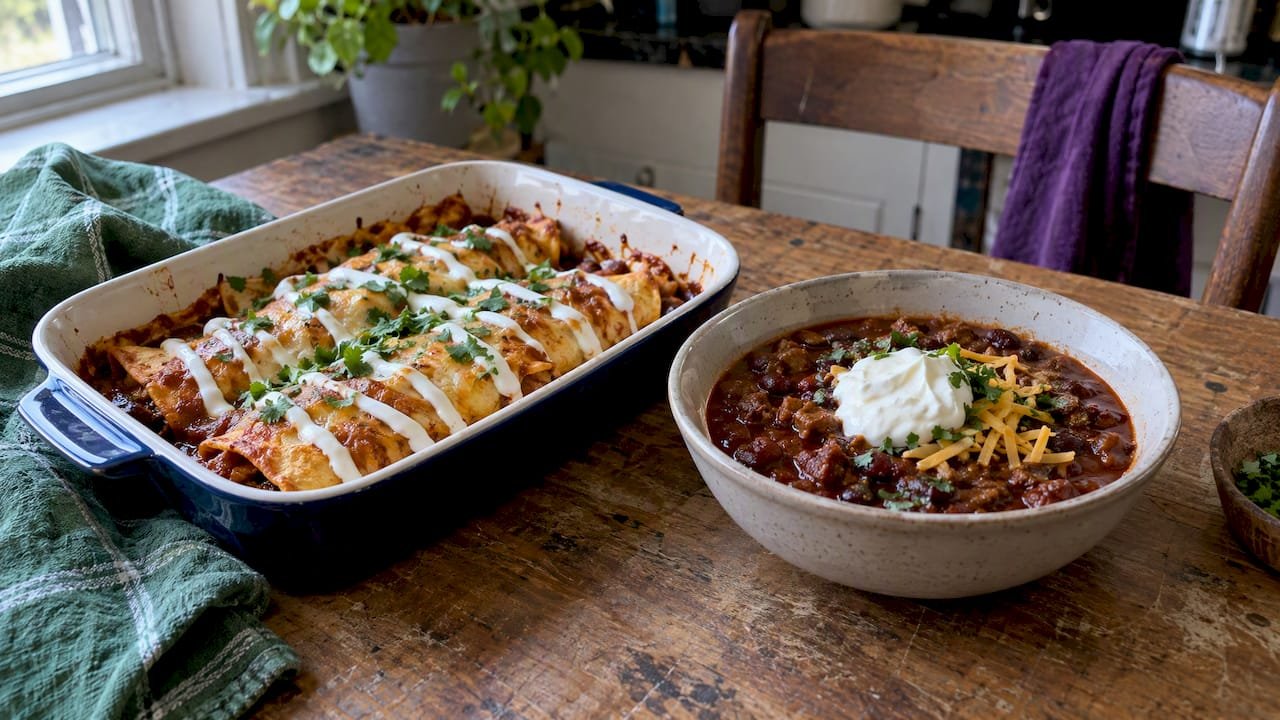
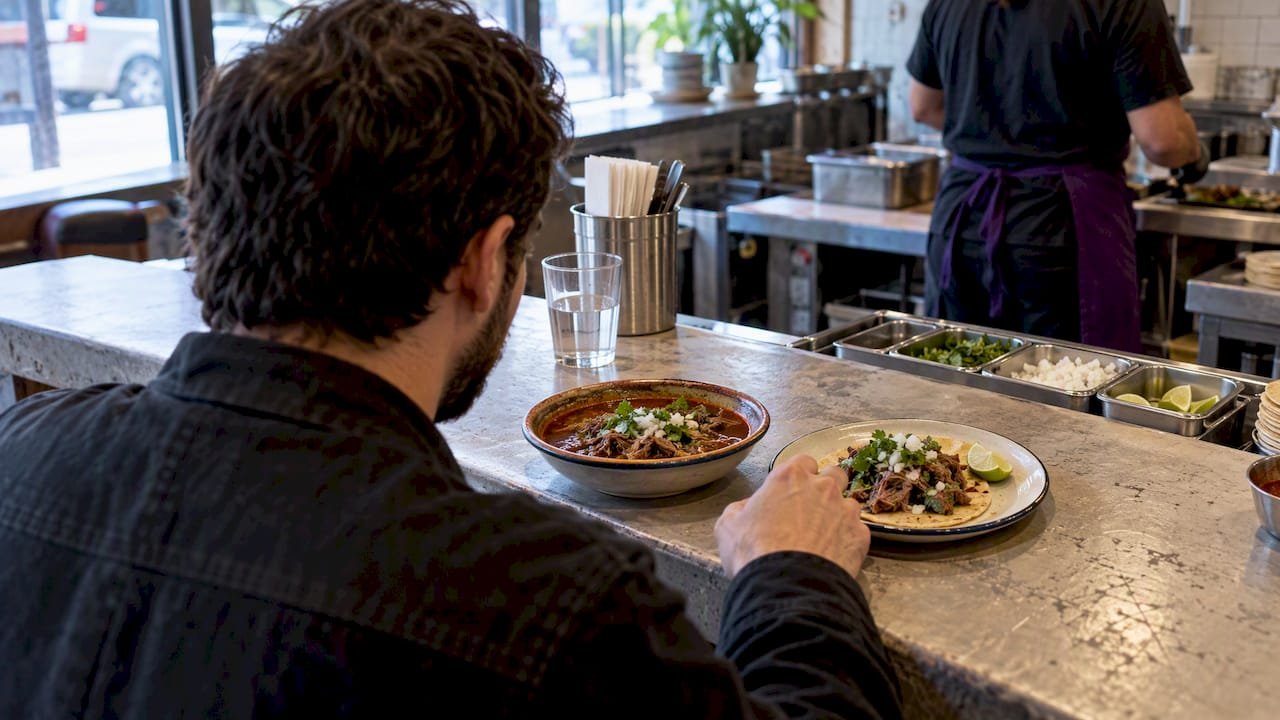
- Mexican-inspired options built around slow-cooked proteins, fresh salsas, and corn-based tortillas
- Middle Eastern wraps with falafel, hummus, and tabbouleh
- Indian-spiced lentil dishes rich in fibre and plant protein
Pro Tip: When scanning a fast casual menu, look for dishes that list cooking methods (grilled, braised, steamed) rather than just ingredients. That transparency signals a kitchen that takes quality seriously.
2. How protein and fibre shape menu innovation
A protein obsession defines 2026 fast casual menu architecture. Explicit macronutrient callouts now appear on menu boards, packaging, and digital ordering screens. This is not a niche trend. It reflects a broad shift in how diners evaluate a meal before they order it.
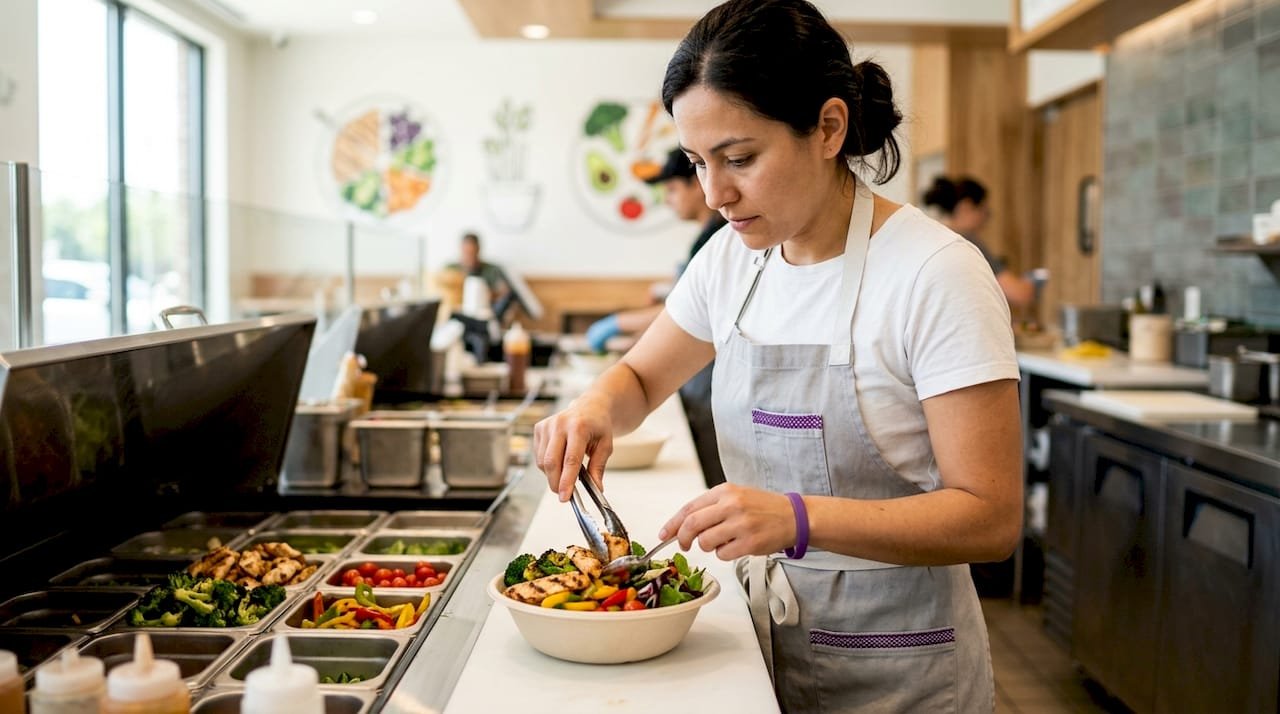
Fibre-forward thinking follows closely behind protein. The concept of “quiet health” describes how successful brands integrate benefits like blood sugar stability and digestive support into everyday menu items without slapping a “healthy” label on everything. The meal tastes indulgent. The nutritional work happens quietly in the background.
Practical examples of protein and fibre integration on 2026 menus include:
- Slow-braised meats like Carnitas and Barbacoa, which deliver dense protein without deep-frying
- Legume-based sides such as black beans and lentils that add fibre to any bowl or wrap
- Whole-grain bases including brown rice, farro, and corn tortillas
- Seed and nut toppings that add texture, healthy fats, and micronutrients
- Fermented additions like pickled jalapeños and cabbage that support gut health
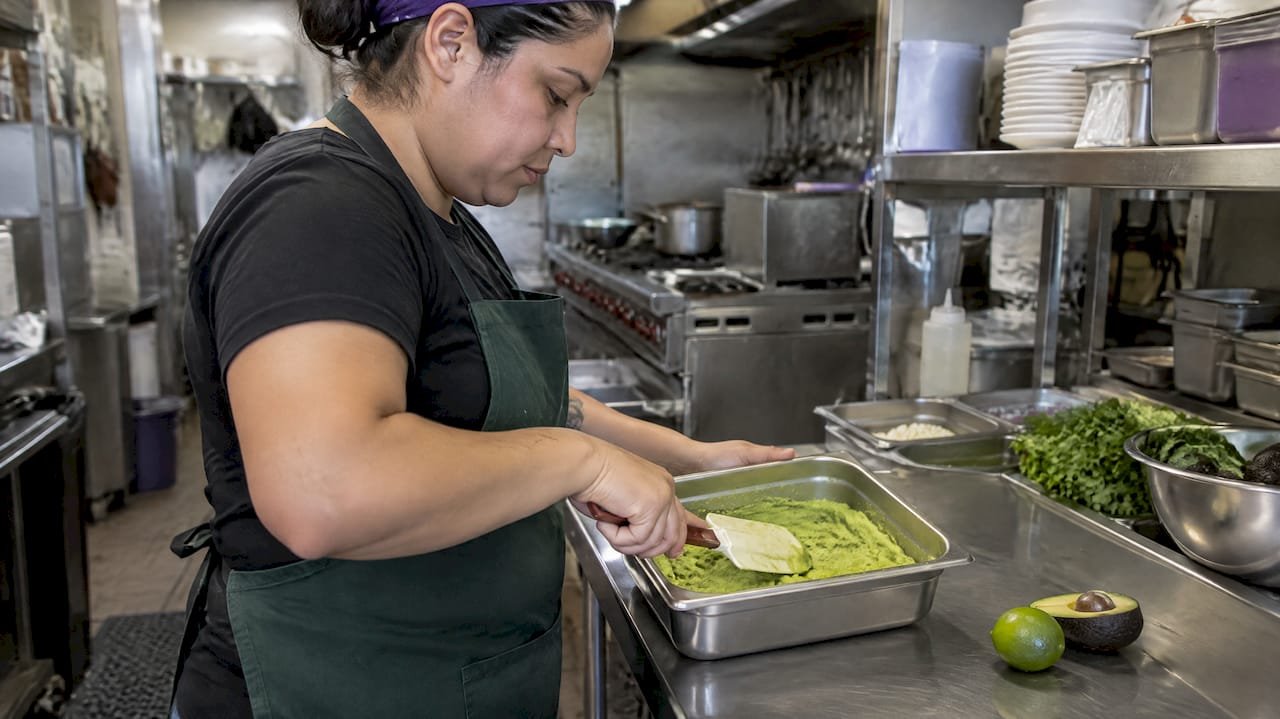
Burritosplendido’s from-scratch kitchen reflects this approach directly. Every protein, from Adobo Chicken to Barbacoa, is slow-cooked and hand-pulled in-house, preserving nutritional integrity while delivering the kind of flavour that keeps people coming back. You can explore how Mexican food trends 2026 are shaping menus like this one.
Pro Tip: Ask your server which proteins are slow-cooked versus grilled. Slow-cooked cuts tend to retain more moisture and flavour without added fats, making them a strong choice for both taste and nutrition.
3. How GLP-1 medications are reshaping fast casual portions
One in eight adults now uses GLP-1 weight-loss medication, and that number rose from 3.1% in june 2025 to 5.2% in january 2026. That is a fast-moving shift that operators cannot ignore. GLP-1 users eat less per sitting, avoid sugary drinks, and actively steer away from fried foods.
Fast casual restaurants are responding with real menu changes. Smaller portion options, half-size bowls, and protein-first meal structures are appearing across the segment. The smarter operators are not marketing directly to GLP-1 users. They are building menus that work for everyone while quietly accommodating reduced appetite and higher nutritional standards.
Key behavioural changes GLP-1 users bring to fast casual dining:
- Smaller portions with higher protein density per bite
- Avoidance of sugary beverages, driving demand for water, sparkling water, and unsweetened teas
- Preference for grilled or braised proteins over battered or fried options
- Greater interest in fibre to support digestion and satiety on smaller meals
- Heightened sensitivity to hidden fats and sugars in sauces and dressings
Burritosplendido’s deep-fryer-free kitchen and customisable bowl format already align with what GLP-1 users need. A naked burrito bowl with Carnitas, black beans, fresh salsa, and grilled vegetables delivers high protein and fibre in a portion you control. That kind of flexibility is not a trend response. It is the original design.
4. Operational and tech innovations building trust in healthy dining
Digital ordering channels now account for around 75% of fast casual transactions. That scale brings convenience, but it also reduces the human interaction that builds trust. The restaurants winning in 2026 are the ones that use technology to support quality rather than replace it.
Visible cleanliness is a trust signal that carries enormous weight. 93% of consumers cite dining area cleanliness as a key safety indicator, and visual factors weigh as heavily as official health inspection ratings for 88% of diners. An open kitchen, clean prep surfaces, and well-presented staff communicate food safety before a single bite is taken. Gastronomy leaders are tracking this closely, as 2026 culinary trends show that presentation and transparency now influence dining decisions as much as flavour.
Key operational innovations shaping healthy fast casual in 2026:
- Back-of-house automation that maintains cooking consistency and reduces human error in food safety
- Blockchain supply chain tracking that lets operators verify ingredient sourcing and share that information with diners
- Omni-channel digital ordering that integrates app, kiosk, and counter ordering without sacrificing accuracy
- Eco-friendly packaging made from compostable or recycled materials, reducing environmental impact
- Open kitchen design that lets diners watch food preparation in real time, reinforcing ingredient transparency
Burritosplendido’s sourcing model supports this kind of transparency naturally. Ingredients like Bothwell Cheese, Granny’s Chicken, and Peak of the Market produce are named suppliers, not anonymous commodity inputs. That specificity is exactly what health-conscious diners are asking for in 2026. You can read more about what fast-casual dining means in the Canadian context and why transparency matters.
5. Sustainable sourcing as a fast casual differentiator
Sustainability is no longer a bonus feature in fast casual dining. It is a baseline expectation for health-conscious diners in 2026. Consumers connect the health of their food directly to the health of the supply chain that produced it. A meal built from locally grown, responsibly raised ingredients feels cleaner, and that perception drives real purchasing decisions.
Local sourcing reduces food miles, supports regional economies, and delivers fresher ingredients with better flavour. Burritosplendido’s Manitoba-first approach, using 100% Manitoba-produced flour for house-pressed tortillas and pork from local farms, is a direct expression of this principle. Seasonal specialties like Manitoba Whitefish and Pickerel tacos take local sourcing further by connecting the menu to the actual rhythms of the region.
The role of food in hospitality research confirms that diners increasingly reward restaurants that can name their suppliers. Generic “fresh ingredients” claims no longer satisfy. Specific sourcing, named farms, and regional provenance build the kind of trust that turns a first visit into a regular habit.
6. Customisation without the “slop bowl” problem
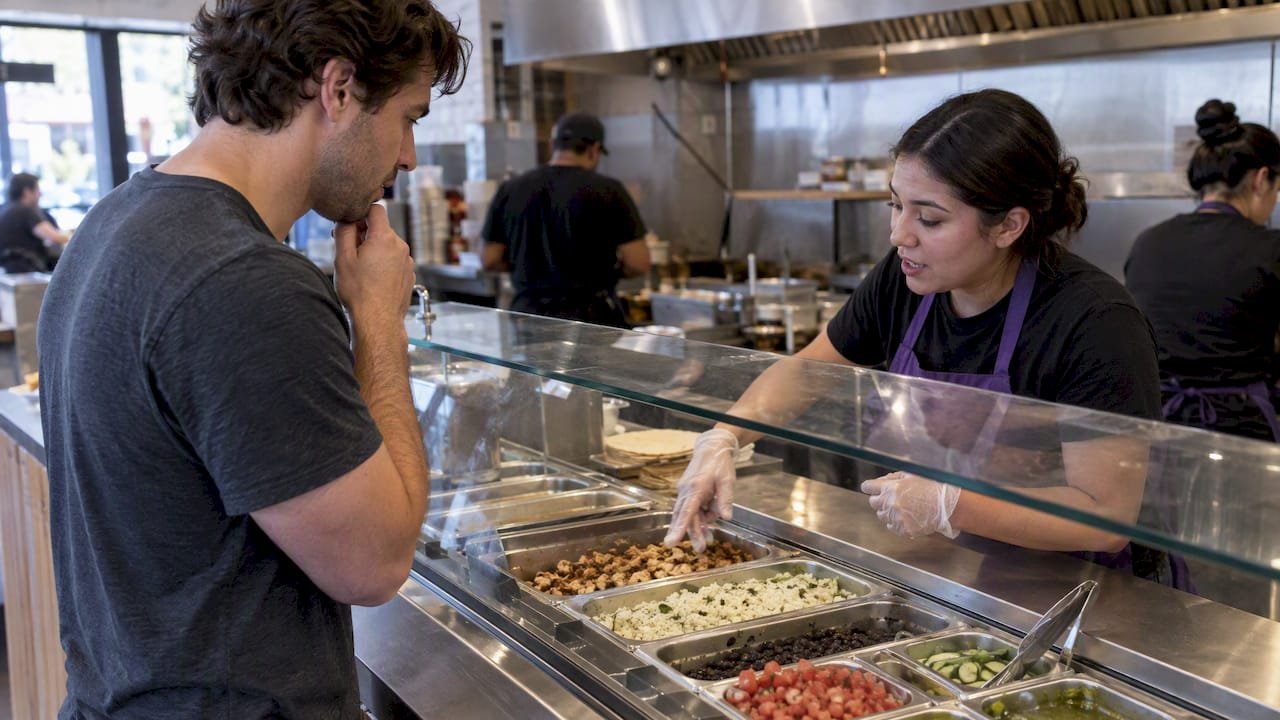
Customisation is the defining feature of fast casual dining, but it has a failure mode. Gen Z diners have named it directly: the “slop bowl,” where every ingredient gets mixed into an indistinguishable mass that loses texture, colour, and individual flavour. The trend in 2026 is toward architected meals that preserve ingredient integrity.
Layered bowls, side-by-side assemblies, and structured wraps give diners the customisation they want without sacrificing the eating experience. Each component retains its texture and flavour, making the meal more satisfying and visually appealing. This matters for health-conscious diners because it also makes nutritional tracking easier. You can see what you are eating.
Burritosplendido’s build-your-own model handles this well. A customised Winnipeg bowl lets you choose each layer, from protein to salsa to toppings, without everything collapsing into one texture. That structure is both a culinary and a nutritional advantage.
Key takeaways
The most effective approach to healthy fast casual dining in 2026 combines protein-rich menus, named-supplier transparency, and structured customisation that preserves both flavour and nutritional clarity.
| Point | Details |
|---|---|
| Mediterranean cuisine leads growth | Sales up to 41% higher, driven by olive oil, grilled proteins, and vegetable-forward menus. |
| Protein and fibre are menu anchors | Explicit macronutrient callouts now shape how diners choose and how kitchens build dishes. |
| GLP-1 users shift portion norms | One in eight adults uses GLP-1 medication, pushing demand for smaller, nutrient-dense options. |
| Transparency builds trust | 93% of consumers rate cleanliness as a key safety signal; named sourcing reinforces this. |
| Customisation needs structure | Architected meals preserve texture and ingredient integrity, improving satisfaction and nutrition tracking. |
What I actually think about healthy fast casual in 2026
The “quiet health” trend is the most honest development I have seen in this industry in years. For too long, fast casual brands shouted “healthy” on every surface while hiding sugar in their dressings and seed oils in their sauces. The shift toward integrating real nutritional value into genuinely craveable food, without the performance marketing, is overdue.
What concerns me is the customisation paradox. Diners want control, but unlimited choice without culinary guidance produces exactly the slop bowl problem. The best operators in 2026 are not just offering options. They are curating combinations that work, training staff to guide choices, and designing menus with a clear nutritional architecture underneath the flexibility.
The GLP-1 influence is real, but I think its long-term effect is positive for the whole category. When one in eight adults is actively avoiding fried food and sugary drinks, operators who built their menus around those items face a structural problem. Restaurants that already cook without deep-fryers and prioritise whole ingredients are simply better positioned. That is not luck. That is the result of making the right choices years before the trend arrived.
My recommendation for health-conscious diners is straightforward. Look for restaurants that name their suppliers, show you their kitchen, and let you build a meal with visible, distinct components. If the menu cannot tell you where the chicken came from, that is information too.
— Austin
Burritosplendido: fresh, local, and built for how you eat in 2026
Health-conscious diners in Manitoba do not need to choose between eating well and eating fast. Burritosplendido has operated as a deep-fryer-free kitchen since 2012, building every meal from locally sourced Manitoba ingredients with full transparency on what goes into each bowl, wrap, or taco.
Whether you are managing portion sizes, following a gluten-free or vegan lifestyle, or simply want a meal built from ingredients you can actually name, Burritosplendido’s menu covers it. The catering options bring the same fresh, customisable approach to events, team lunches, and gatherings of any size. Every protein is slow-cooked in-house. Every tortilla is pressed fresh daily. That is what healthy fast casual looks like when it is done right.
FAQ
What is healthy fast casual dining?
Healthy fast casual dining is a restaurant format that combines quick service with nutritionally transparent, minimally processed meals. It prioritises whole ingredients, clear sourcing, and dietary flexibility over speed-focused shortcuts.
Why does Mediterranean cuisine lead fast casual growth in 2026?
Mediterranean cuisine leads because it naturally delivers high protein, healthy fats, and vegetable-forward meals that align with current nutritional priorities. Per-unit sales for top Mediterranean fast casual chains are reaching nearly $2.93 million.
How are GLP-1 medications changing fast casual menus?
GLP-1 users avoid sugary drinks and fried foods while seeking smaller, protein-dense portions. Operators are responding with half-size options, protein-first meal structures, and cleaner ingredient lists across the menu.
What does “quiet health” mean in fast casual dining?
“Quiet health” describes the practice of integrating nutritional benefits like fibre and blood sugar stability into everyday menu items without overt health marketing. The meal tastes indulgent while the nutritional value works in the background.
How does customisation affect the nutritional quality of a fast casual meal?
Customisation improves nutritional quality when it preserves ingredient integrity through layered or structured assembly. Meals where components remain distinct are easier to evaluate nutritionally and more satisfying to eat than fully mixed bowls.