Healthy fast-casual dining is defined as a restaurant model that combines counter-service speed with made-to-order meals built from fresh, minimally processed ingredients. The industry term is “fast-casual,” and it sits between traditional fast food and full-service casual dining. What makes it genuinely healthy is the combination of ingredient transparency, visible kitchen preparation, and build-your-own formats that let you control exactly what goes into your meal. For health-conscious diners in Canada, this segment has become the most practical answer to eating well without sacrificing time or budget.
What is healthy fast-casual, and how does it work?
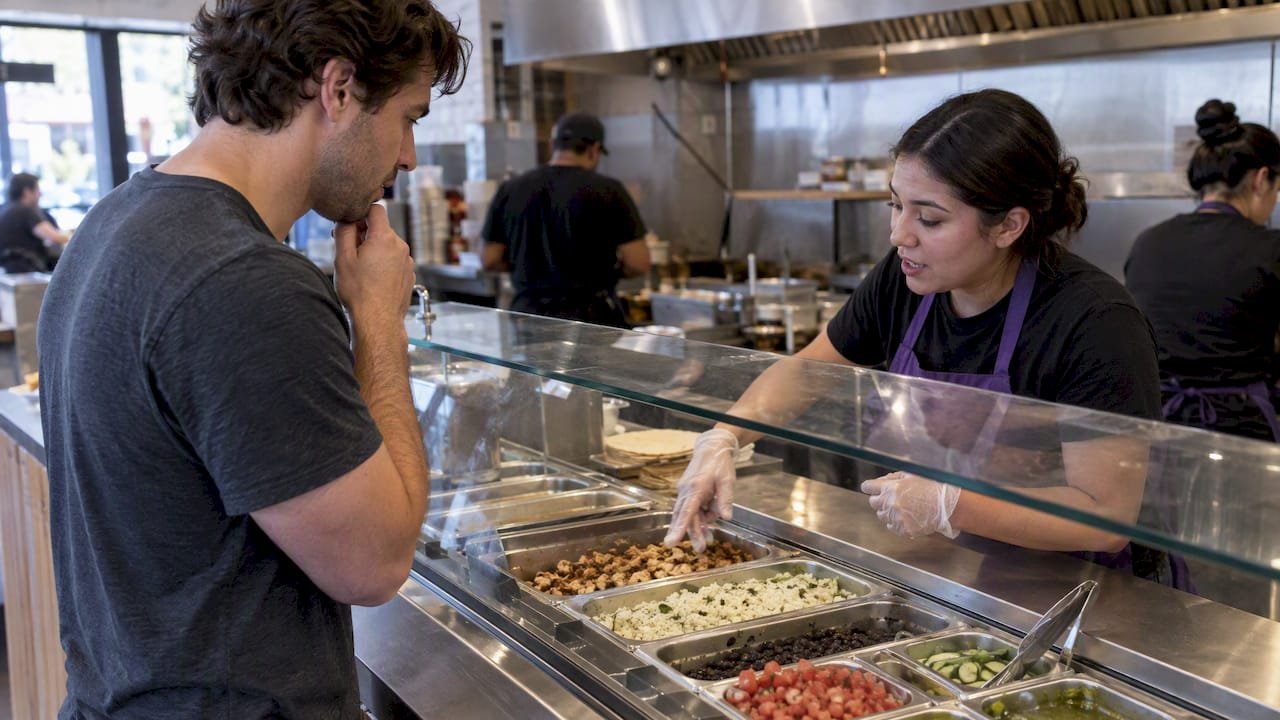
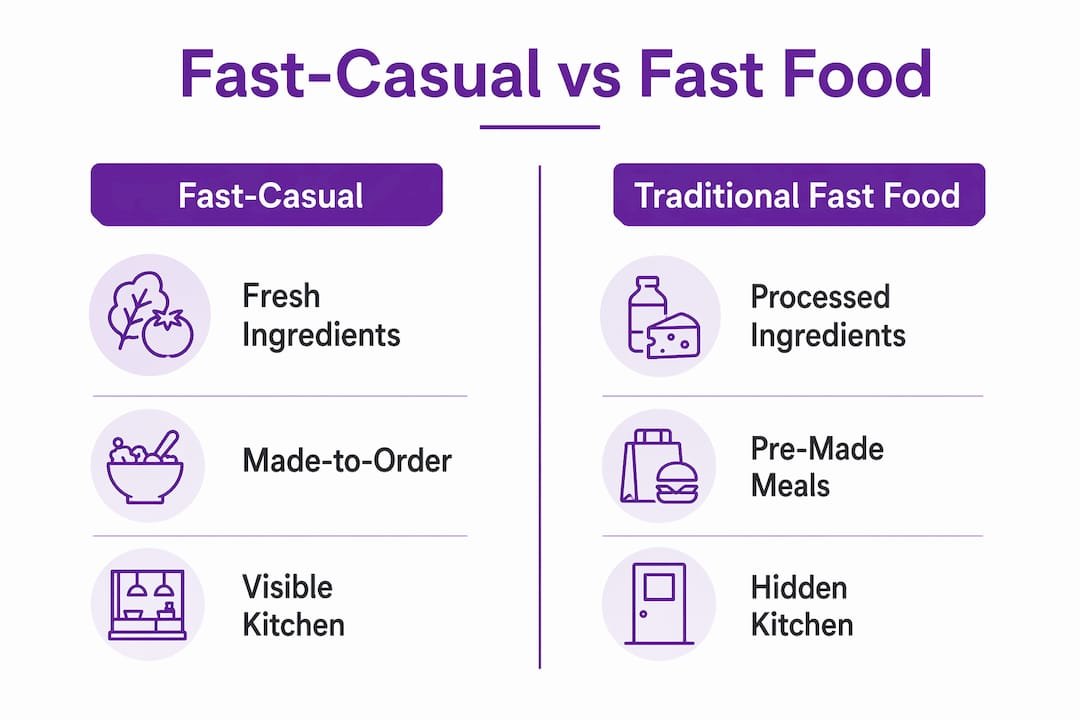
Fast-casual dining is built on three pillars: speed, quality, and customisation. Unlike traditional fast food, where meals arrive pre-assembled from standardised components, fast-casual restaurants prepare food to order in front of you. The kitchen is visible, the ingredients are named, and the assembly happens in real time. That transparency is the foundation of the healthy fast-casual model.
Build-your-own formats allow precise macronutrient control and the exclusion of processed ingredients. That matters because it shifts the power to you. You choose your protein, your base, your toppings, and your sauces. A diner following a paleo diet can skip the grains entirely. A vegan diner can load up on legumes and roasted vegetables. Someone managing blood sugar can prioritise fibre-rich bases and lean proteins.
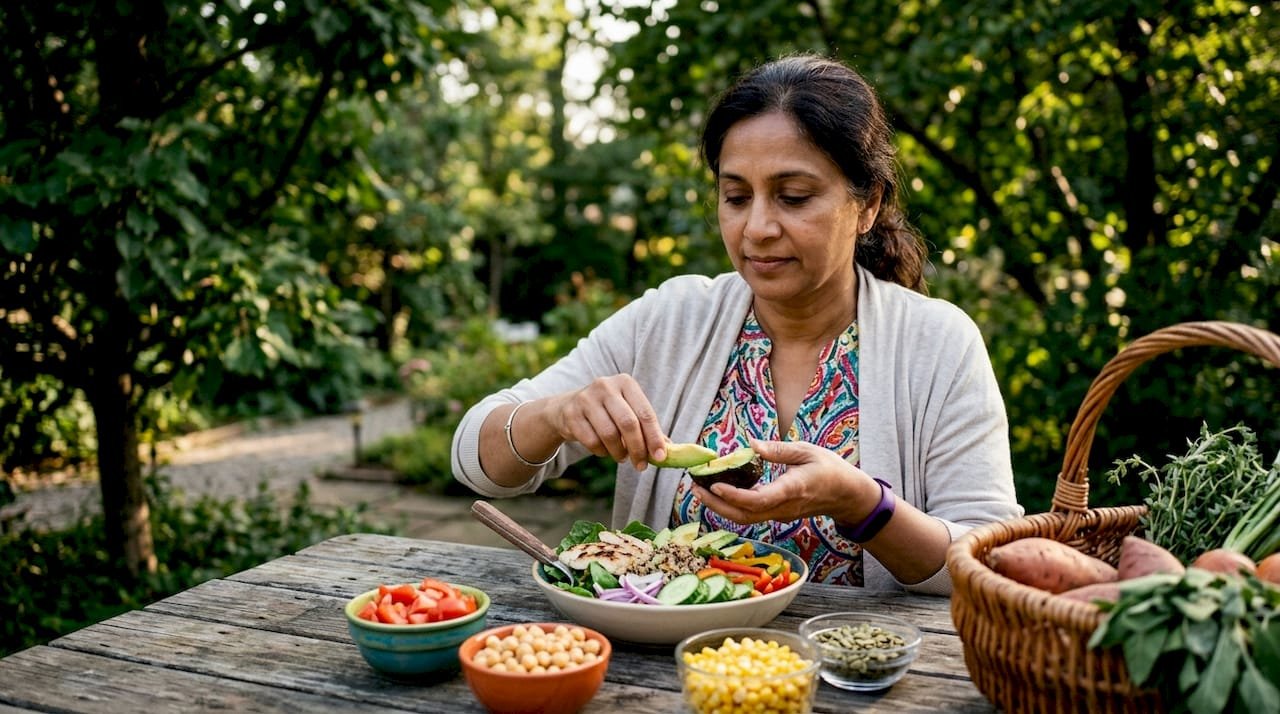
The “superfood” segment of fast-casual takes this further by prioritising ingredient transparency and whole-food ingredients rather than focusing on calories alone. That distinction is worth noting. Calorie counts on a menu board tell you very little about ingredient quality. A meal can be low in calories and still be built from processed fillers. Genuinely healthy fast-casual restaurants lead with ingredient identity, not just numbers.
How does healthy fast-casual differ from traditional fast food?
The differences between fast food, fast-casual, and casual dining are structural, not just cosmetic. Understanding them helps you make better choices when you are short on time but unwilling to compromise on quality.
| Category | Ingredient quality | Service model | Customisation | Typical price |
|---|---|---|---|---|
| Traditional fast food | Pre-processed, standardised | Pre-assembled, drive-through | Minimal | Under $10 |
| Healthy fast-casual | Fresh, often locally sourced | Counter-ordered, made-to-order | High | $10–$18 |
| Casual dining | Variable, table-service | Full table service | Moderate | $18 and up |
Fast-casual restaurants offer faster service than casual dining with average checks around $10–$18, providing a balance of quality, speed, and affordability. That price point is significant. It puts nutritious meal choices within reach for everyday diners, not just those who can afford a sit-down restaurant.
The visible kitchen is the clearest structural difference. Visible kitchens promote fresh ingredient handling, which is a more reliable quality indicator than menu descriptions alone. When you can see produce being chopped and proteins being assembled, you have real evidence of freshness. A menu description is a promise. A visible kitchen is proof.
Traditional fast food cannot replicate this. Its model depends on centralised production and standardised components shipped to locations. Speed is achieved through uniformity, not freshness. Healthy fast-casual achieves speed through efficient counter service and trained staff, not through pre-processing.
What are the benefits of healthy fast-casual dining?
Health-conscious diners prefer fast-casual for concrete, measurable reasons. The format delivers fresher ingredients, better customisation, and meals that help regulate blood sugar and provide sustained energy. That last point is underappreciated. A meal built from fibre-rich vegetables, quality protein, and whole grains produces a different metabolic response than one built from refined carbohydrates and processed fats.
The direct benefits include:
- Macronutrient control. Build-your-own menus let you adjust protein, carbohydrate, and fat ratios to match your specific goals, whether that is muscle gain, weight management, or blood sugar stability.
- Whole-food ingredients. Genuinely healthy fast-casual restaurants use ingredients you can name and recognise, not additives or fillers.
- Dietary accommodation. Gluten-free, keto, paleo, and vegan options are built into the menu structure, not added as afterthoughts.
- Reduced reliance on deep frying. Many health-focused fast-casual operators eliminate deep fryers entirely, relying instead on grilling, braising, and roasting.
- Ingredient awareness. When you know what is in your meal, you make better decisions over time. Transparency builds better eating habits, not just better individual meals.
The connection between seasonal ingredient choices and sustained energy is well established in nutrition. Fast-casual restaurants that source seasonally deliver more nutrient-dense produce at peak flavour.
Pro Tip: When ordering at a fast-casual counter, ask about the protein preparation method before you choose. Braised and grilled proteins are almost always lower in added fats than sautéed or fried options.
Which features identify a genuinely healthy fast-casual restaurant?
Marketing language in the food industry is unreliable. Words like “fresh,” “clean,” and “natural” carry no regulated definition in Canada. You need concrete criteria to evaluate a restaurant beyond its branding.
-
Visible kitchen. Visible kitchen models are preferred because they tangibly signal fresh preparation and ingredient quality beyond menu promises. If you cannot see how your food is prepared, you are relying entirely on trust.
-
Named ingredient sourcing. A restaurant that names its suppliers, such as a specific local farm or regional producer, is making a verifiable claim. Generic “locally sourced” language without specifics is a marketing phrase, not a standard.
-
Clear menu structure. Transparent ingredient standards and consistent preparation methods are critical for consumer trust. A well-structured menu tells you exactly what each component is, not just what the dish is called.
-
No deep fryer. The absence of a deep fryer is a meaningful operational commitment. It limits the menu to cooking methods that preserve ingredient integrity.
-
Staff training on dietary needs. A restaurant that trains staff to handle cross-contamination concerns is one that takes dietary safety seriously. Ask a direct question and observe the response. A trained team answers with specifics, not reassurances.
Pro Tip: Look at the fresh ingredient sourcing practices before you read the menu. A restaurant that names its producers is almost always more trustworthy than one that relies on general “fresh” claims.
Portion creep is the one risk that even genuinely healthy fast-casual restaurants cannot fully protect you from. Calorie-dense healthy toppings like avocado, seeds, and dressings can push a meal well beyond standard fast food calorie levels if you add them without thought. Freshness does not guarantee low calorie content. Build your meal with intention, not just with permission.
How do healthy fast-casual restaurants accommodate various dietary needs?
Dietary accommodation in fast-casual dining goes well beyond offering a salad. The best operators build their menus so that gluten-free, keto, paleo, and vegan diners can eat fully and satisfyingly without feeling like they are ordering from a restricted list.
The key accommodations to look for include:
- Gluten-free bases. Soft corn tortillas, rice bowls, and lettuce wraps give gluten-sensitive diners a full meal format, not just a side dish. Burritosplendido uses gluten-free soft corn tacos from La Cocina, a named supplier, which is a verifiable standard rather than a vague claim. For more detail on safe gluten-free choices, the specifics of cross-contamination protocols matter as much as the menu itself.
- Protein variety. Vegan and vegetarian diners need more than one plant-based option. A restaurant that offers only one meatless protein is not genuinely accommodating plant-based diets.
- Keto and paleo compatibility. These diets require the elimination of grains and legumes, which means a bowl format with a protein base, vegetables, and fat sources like avocado or cheese. The paleo catering model translates directly to fast-casual ordering when the menu is structured around components rather than fixed dishes.
- Staff knowledge. Balancing quality, convenience, and customisation requires rigorous staff training. A team that understands cross-contamination, ingredient substitutions, and allergen protocols is the difference between a safe meal and a risky one.
- Transparent allergen information. The best fast-casual operators post allergen details clearly, either on the menu board or through staff who can answer directly.
Burritosplendido operates as a deep-fryer-free kitchen and trains staff specifically to handle cross-contamination concerns. That operational commitment is what separates a restaurant that claims dietary inclusivity from one that actually delivers it. You can also explore their full gluten-free menu options to see how this plays out in practice.
Key takeaways
Healthy fast-casual dining is the most practical format for health-conscious diners who need speed, quality, and dietary flexibility without compromise.
| Point | Details |
|---|---|
| Visible kitchens signal real quality | Fresh preparation you can see is more reliable than any menu description. |
| Build-your-own formats support dietary goals | Customisable menus let you control macronutrients and exclude processed ingredients. |
| Named sourcing beats vague claims | Restaurants that name their suppliers make verifiable commitments, not just marketing promises. |
| Portion creep is a real risk | Healthy toppings add up quickly; build your meal with intention, not just freedom. |
| Staff training is a quality indicator | A team that handles allergens and cross-contamination confidently signals genuine dietary commitment. |
What I have learned from eating fast-casual for years
The thing most articles get wrong about healthy fast-casual is that they treat “fresh” as the finish line. It is not. I have eaten at plenty of restaurants that sourced locally and still served meals that were nutritionally unbalanced because the menu design encouraged you to pile on calorie-dense toppings without any structure. Freshness is the starting point, not the guarantee.
What I have found actually works is evaluating a restaurant the way you would evaluate a supplier. Ask where the protein comes from. Ask how it is cooked. Look at whether the staff hesitates when you ask about allergens. A confident, specific answer tells you more about kitchen standards than any marketing claim on the wall.
The local sourcing piece matters more than most diners realise. When a restaurant names its producers, such as Burritosplendido naming Granny’s Chicken for poultry and Bothwell Cheese for dairy, it is making a claim that can be checked. That accountability changes how a kitchen operates. It is not just about flavour. It is about the entire supply chain being held to a standard. Local buying practices in food retail and restaurants consistently produce more traceable, fresher products than generic supply chains.
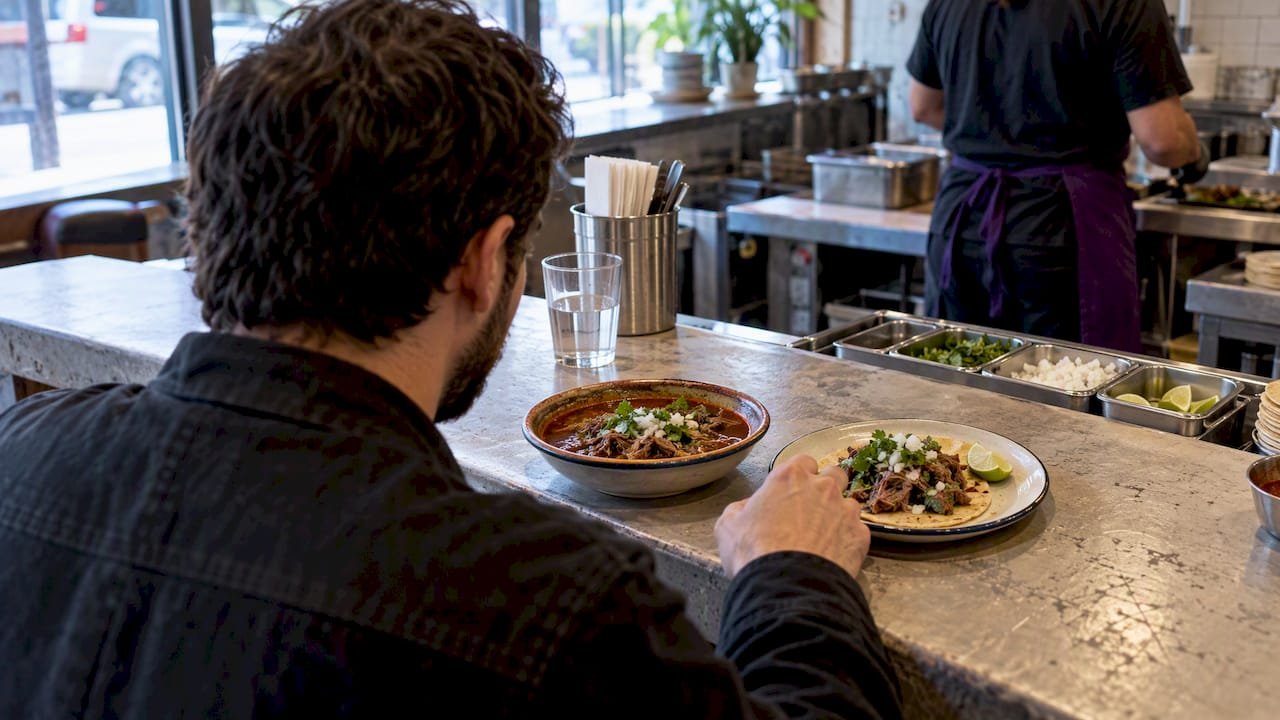
The best fast-casual meal I have ever had was not the most elaborate one. It was a simple bowl with a named protein, a grain base, and two vegetable toppings from a kitchen where I could see every step. That simplicity is the point. Healthy fast-casual done right does not need to impress you with complexity. It needs to feed you well, quickly, and honestly.
— Austin
Burritosplendido: fresh, local, and built for how you eat
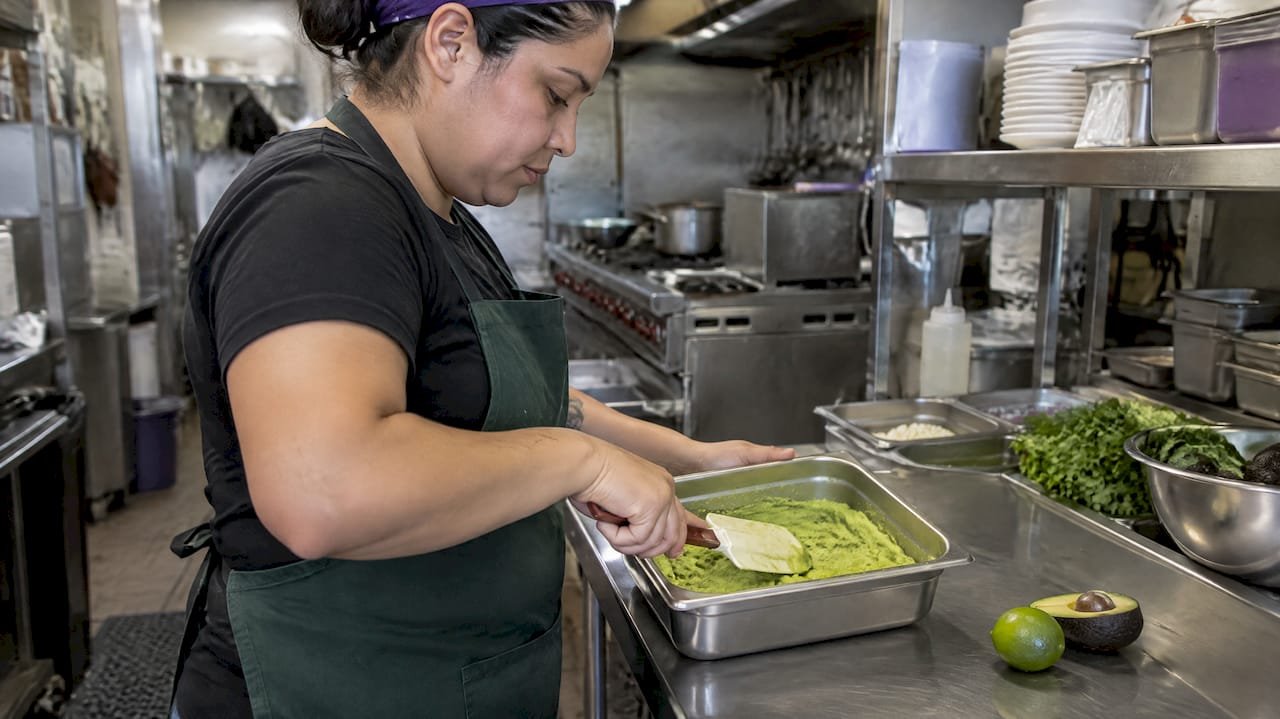
Burritosplendido has operated on a “Manitoba-first” sourcing philosophy since it opened in Winnipeg in november 2012. Every protein on the menu is slow-cooked and hand-pulled in-house. Carnitas, Barbacoa, and Adobo Chicken are prepared daily from scratch, not reheated from a central facility. The kitchen runs without a deep fryer, and the menu is structured to accommodate gluten-free, vegan, keto, and paleo diets with named ingredients and trained staff.
For groups and events, Burritosplendido’s catering options bring the same fresh, locally sourced menu to any setting. Whether you are planning a workplace lunch or a community event, the build-your-own format works just as well off-site as it does at the counter. Explore the Manitoba-inspired menu to see how local sourcing and dietary inclusivity come together in one place.
FAQ
What is fast-casual dining?
Fast-casual dining is a restaurant model that combines counter-service speed with made-to-order meals built from fresh, higher-quality ingredients than traditional fast food. Average meal prices typically fall in the $10–$18 range.
How does fast-casual differ from fast food?
Fast-casual restaurants prepare food to order using fresh ingredients in visible kitchens, while traditional fast food relies on pre-assembled, standardised components. The difference shows up in ingredient quality, customisation, and price.
Can fast-casual dining support a gluten-free diet?
Yes, when the restaurant uses named gluten-free bases like corn tortillas and trains staff on cross-contamination protocols. Always ask directly about preparation methods rather than relying on menu labels alone.
What is portion creep in fast-casual dining?
Portion creep occurs when calorie-dense healthy toppings like avocado, seeds, and dressings are added without monitoring, pushing total meal calories well beyond what most diners expect from a “healthy” meal.
How do I know if a fast-casual restaurant is genuinely healthy?
Look for a visible kitchen, named ingredient sourcing, a structured menu with clear components, and staff who can answer allergen questions with specifics. Vague “fresh” or “clean” claims without supporting details are not reliable indicators.